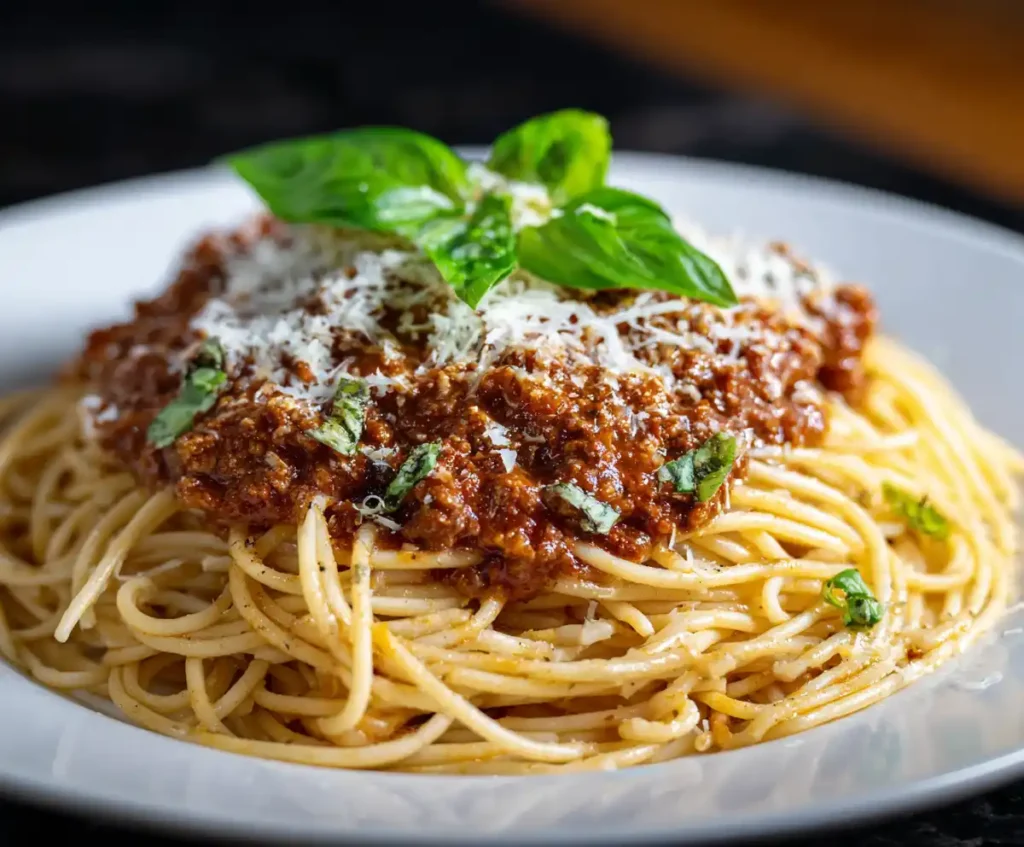
Family Dinner Rotation: How to Cook the Same 12 Meals Without Anyone Complaining
A fixed 10-14 meal rotation, the 4-protein x 3-format matrix that builds it, the spicy-plate fix for picky eaters, and a worked 2-week shopping list.
A family dinner rotation is a fixed roster of 10–14 meals you cook on repeat, with one new recipe added per month and the protein paired with different sides and sauces so it never feels stale. It beats hunting for a new dinner every night because you cook from memory in 30–45 minutes, the grocery list writes itself, and your family stops vetoing food they've never seen before — they already know they like meal #7.
Get a free 7-day kid-approved dinner plan
Seven school-night dinners picky eaters actually finish, delivered Sunday, with one shopping list for the week.
No spam, unsubscribe in one click. Recipes, shopping lists and Instacart carts all work without an account either way.
This guide gives you the exact 12-meal core we use, the matrix that builds it, the picky-eater fix that ends the second-dinner habit, a two-week rotation with the shopping list, and the equipment that makes weeknight cooking 10–15 minutes faster.
Why a rotation beats a 'fresh idea every night'
The average American household cooks 4.9 dinners per week (Bureau of Labor Statistics, American Time Use Survey 2024) and spends 37 minutes per dinner from chopping board to plate. Multiply that by a year and you get 255 dinners. If every dinner is "new," that's 255 grocery-list searches, 255 prep-time guesses, and 255 chances to land on something the kids spit out. The math is grim.
A rotation kills the variance. The 12 meals you settle on become muscle memory: you stop reading the recipe by week 3, you start prepping while the oven preheats by week 6, and by month 3 you can chop the mise en place from the open pantry without measuring. Real-world cook time drops 18–25% on a meal you've made eight times versus a meal you've made once.
You also stop fighting the grocery list. A locked rotation means the same 35–45 ingredients show up every week (protein swaps in, the supporting cast — onions, garlic, olive oil, parm, lemons, the canned tomatoes — stays put). Pantry waste falls. Aldi gets cheaper. The "what's for dinner" anxiety that hits at 4:47 p.m. goes away because the answer is on the fridge.
The pediatric nutrition research backs this up too. Repeated exposure is how kids learn to eat new foods — taste neophobia drops after 8–15 exposures, not after one (healthychildren.org — Making Mealtime Important). A rotation guarantees the exposures land; the "new recipe every week" approach guarantees they don't.
The objection you'll hear is "won't we get bored?" Less than you think — restaurants that families return to also serve the same 12 meals, just plated differently each visit. We'll fix the boredom problem with a sauce-and-side rotation that gives the same protein three different finishes without re-cooking from scratch.
The 12-meal core: 4 protein × 3 formats matrix
Build the rotation around four proteins (chicken, beef, pasta/grain, fish) and three preparation formats (sheet pan, skillet/stovetop, bowl/wrap). That gives you 12 cells, each filled with one anchor recipe. You cover Monday through Friday in any given week with two repeats and a weekend wildcard.
Here's the matrix we recommend — every cell links to the anchor recipe we tested for that slot. Pick one from each cell, swap freely once you've got a feel for which your family eats first:
| Protein | Sheet pan / oven | Skillet / stovetop | Bowl / wrap / one-pot |
|---|---|---|---|
| Chicken | Sheet-Pan Chicken & Broccoli | Stovetop Honey-Soy Glazed Chicken Thighs | Citrus-Marinated Grilled Chicken Fajitas |
| Beef / pork | Wellesley-Inspired Baked Mac and Cheese with Smoked Cheddar (add ground beef) | Beef Stir-Fry | Taco Tuesdays: Carnitas |
| Pasta / grain | Homemade Margherita Pizza with Fresh Basil | Mission Inn-Inspired Creamy Tomato Basil Pasta with Parmesan | Traditional Italian Spaghetti Bolognese with Parmesan and Basil |
| Fish / other | Baked Italian-Style Salmon with Sun-Dried Tomato and Spinach | Grilled Lemon-Pepper Chicken with Roasted Garlic Aioli (swap salmon for chicken once a month) | Herb-Roasted Turkey Meatballs with Cauliflower Rice and Tomato Basil Sauce |
Why those three formats? They cover the three real weeknight cooking constraints:
- Sheet pan / oven when you want hands-off — toss, set a 30-minute timer, do homework with the kids. Active time: 8–10 minutes.
- Skillet / stovetop when you want speed — 20–25 minutes from cold pan to plate, one pan to wash. The classic "I'm starving, cook now" lever.
- Bowl / wrap / one-pot when you need to cook ahead, scale up for guests, or let kids assemble their own portions. Leftovers reheat well; cleanup is minimal.
Pick the cells based on what your family already accepts, not what looks photogenic. The fastest way to fail at a rotation is filling it with aspirational meals you wouldn't have cooked anyway.
How to add one new recipe per month without restarting
The rotation isn't a prison. Every month, pick one new recipe and slot it into the matrix in place of the cell that's getting the most "again?" feedback. That's 12 new recipes a year, swapped in deliberately — the rotation stays the rotation, but every November looks slightly different from the previous November.
The discipline matters: only one new recipe per month. Two or more and you reintroduce the search-and-prep tax you wrote the rotation to avoid. The new meal needs three weeks of repetition before you can fairly judge it — first cook is always a little rough, the second irons out timing, the third is when you find out whether the kids will eat it on a Tuesday when they're tired.
Track the swaps in a one-line note on your phone:
```
2026-01: swapped sheet-pan-broccoli-chicken for cumin-roasted cauliflower bowls (kids hated week 1, fine by week 3, keeper)
2026-02: tried Korean ground-beef rice bowls (KEEPER, replaced taco Tuesday on week 2)
2026-03: tried lemongrass pork noodles (FAIL, too many ingredients, dropped)
```
After a year you'll have a written record of every keeper and every miss, and you'll start to notice patterns: your family rejects strong fish flavors, they love anything with caramelized onions, they're indifferent to whole grains unless there's a sauce. That self-knowledge is worth more than any meal-kit subscription. The eatright.org guide to family meals for busy weeknights has a sensible framework for the swap-in cadence; we'd add one rule on top: never swap during a holiday or sports-season week. Stress is not when you debut new food.
If you want a curated swap-in candidate every month, the AislePrompt chat at /chat will recommend one based on what your existing rotation already accepts. Ask it "give me one new dinner that fits my rotation" and feed back the keeper/fail signal after week 3.
Kid-friendly adaptations (mild + 'spicy plate' technique)
The single change that ends the "I'm cooking two dinners" problem: stop cooking two dinners.
The spicy-plate technique: cook the meal as written, then plate the picky eater's portion before you add the strong flavor (chili, herbs, sauce, fish sauce, vinegar, whatever the kid rejects). Adults finish their own plate at the stove or table with the strong element. Same meal, two finishes, one pan, one pot of rice, one round of cleanup.
Examples from the matrix above:
- Stir-fry: plate the kid's portion of beef + broccoli + rice. Toss the rest with the sambal-oelek-and-soy sauce in the pan for 20 seconds, then plate adults.
- Tacos: pull the carnitas out before you add the lime + cilantro. The kid gets meat + cheese + tortilla; the adults add the bright stuff.
- Salmon: plate the kid's salmon with butter and salt only. Adults take theirs from the second tray that got the sun-dried-tomato-and-spinach topping.
- Pizza night: split the dough into two; one with plain cheese, one with whatever the adults want. Same oven temp, same 12 minutes.
This is not a long-term retreat — it's a bridge. The kid sees the strong-flavor version on the table, sees you eat it, and over weeks of repeated exposure starts asking for a taste. The "spicy plate" goes away on its own at month 4–8 for most kids on most foods. The dinners that survive picky eaters longest are bowls, sheet pans, and pasta — anything where each kid can pick their components and the "no" is to one ingredient rather than the whole plate.
A second technique worth knowing: the decoy vegetable. Roast the vegetable kids tolerate (broccoli, carrots, sweet potato) on the same sheet pan as a vegetable they're learning (cauliflower, brussels, eggplant) so the new one picks up the same caramelized edge. Visual + flavor similarity does the convincing.
If you want a kid-rejection rate prediction, Bon Appétit's family-dinner cookbook roundup reviews a handful of family-cookbook authors who all converge on the same three rules: same protein, more sauces; same vegetable, more cooking methods; never make a separate kid plate as a default.
Sample 2-week rotation with shopping list
Here's a worked example you can copy into your phone today. It uses 9 of the 12 anchor recipes above, leaves Friday open for pizza or leftovers, and the weekend free for whatever the family wants.
Week 1
| Day | Meal | Active time |
|---|---|---|
| Monday | Baked Italian-Style Salmon with Sun-Dried Tomato and Spinach + rice | 25 min |
| Tuesday | Taco Tuesdays: Carnitas | 30 min |
| Wednesday | Sheet-Pan Chicken & Broccoli | 10 min hands-on |
| Thursday | Mission Inn-Inspired Creamy Tomato Basil Pasta with Parmesan | 25 min |
| Friday | Homemade Margherita Pizza with Fresh Basil | 20 min + dough rest |
Week 2
| Day | Meal | Active time |
|---|---|---|
| Monday | Stovetop Honey-Soy Glazed Chicken Thighs + rice | 22 min |
| Tuesday | Beef Stir-Fry | 20 min |
| Wednesday | Herb-Roasted Turkey Meatballs with Cauliflower Rice and Tomato Basil Sauce | 35 min |
| Thursday | Traditional Italian Spaghetti Bolognese with Parmesan and Basil | 40 min (Sunday sauce-ahead option) |
| Friday | Leftovers / takeout / family pick | 0 min |
Notice the perishability order: fish goes first (Monday week 1), pasta-and-shelf-stable goes last (Thursday). That isn't accidental — see the FAQ below on shopping cadence.
Two-week shopping list
Organized by department to match how the store is laid out. Quantities serve 4 people across both weeks. Cross-check against your pantry before you go; the asterisks (\*) are items you usually already have.
Produce
- 2 broccoli crowns
- 1 head garlic
- 4 yellow onions
- 2 red onions
- 4 limes, 2 lemons
- 1 bunch cilantro, 1 bunch basil
- 1 bunch parsley
- 1 head romaine + 1 bag spinach
- 4 bell peppers (mixed colors)
- 2 lbs baby potatoes
- 1 head cauliflower (or 1 bag riced cauliflower)
- 1 bag green beans (or sub seasonal vegetable)
Protein
- 2 lbs salmon (Monday week 1 — cook within 48h of purchase)
- 2 lbs pork shoulder (Tuesday week 1 — freeze if not cooking by Wednesday)
- 2 lbs chicken thighs (Wednesday week 1 + Monday week 2)
- 1 lb flank or sirloin steak (Tuesday week 2 — freeze until thaw)
- 1 lb ground turkey (Wednesday week 2)
- 1 lb ground beef (Thursday week 2)
Pantry / shelf-stable
- Spaghetti (1 lb), penne (1 lb), pizza dough (or flour + yeast)
- Long-grain rice (2 lbs), 1 bag tortillas
- 2 jars marinara, 1 can crushed tomatoes, 1 can fire-roasted tomatoes
- Sun-dried tomatoes (1 jar)
- Soy sauce, honey, sesame oil, rice vinegar
- Olive oil\, salt\, pepper\*, chili flakes, oregano, cumin
Dairy / refrigerated
- 1 block mozzarella, 1 wedge parmesan, 1 small cheddar
- 1 stick butter, 1 small heavy cream
- Greek yogurt or sour cream (1 small)
Total list: ~38 items. Most weeks after this you'll buy 15–20 because the pantry items roll over.
How AislePrompt's chat handles the 'I don't want that tonight' veto
The most common rotation-killer isn't the food — it's the 5 p.m. veto. Someone declares "not pasta tonight" after you've already pulled the ground beef out of the fridge, and now you're improvising with an annoyed audience.
The AislePrompt chat at /chat is built for this exact moment. Open it on your phone, type "I have the bolognese ingredients out but everyone wants chicken instead," and it will swap the recipe to one that uses overlapping ingredients (your onion, garlic, canned tomatoes, herbs) so the prep you already did doesn't go in the trash. The chat reads your rotation, knows what's in your pantry from the last shopping list it built, and gives a swap that costs you 5 extra minutes instead of a fresh dinner from scratch.
A few prompts that work well during a Wednesday-night veto:
- "swap tonight's dinner — same pantry, different protein"
- "someone is sick, give me the lightest version of the rotation tonight"
- "I forgot to thaw the chicken, what can I do with what's defrosted"
- "add one new dinner to my rotation that uses what I bought this week"
The chat won't propose a new rotation every week — that defeats the point. It will, however, surface a one-off alternative on a veto night and log the swap so over time you learn which family member vetoes which day. After 8–10 weeks of data you'll be able to predict the veto and pre-empt it on Monday.
If you don't use the chat, the manual version of this rule is simpler: keep two "rescue" options in the freezer at all times — a bag of frozen meatballs and a frozen pizza dough. Both buy you 25 minutes when the rotation gets vetoed.
Equipment that makes it easier
The rotation runs on three pieces of equipment. Anything beyond these is luxury — pleasant, but unnecessary.
A 13×18-inch half-sheet pan with a wire rack. Half the rotation is sheet-pan cookery. A flimsy pan warps, makes the chicken sit in pooled juice, and turns "roasted" into "steamed." A heavy-gauge aluminized-steel pan ($18–$30) holds shape at 425°F for years. The wire rack lifts the protein so the bottom crisps. Browse /k/cookware for the models we tested; the relevant search filter is "half-sheet pan with rack, heavy gauge."
A 10–12-inch stainless or carbon-steel skillet. Stir-fries, pan-seared chicken, the bolognese base — all of it happens in one skillet. Nonstick is fine for eggs but loses fond, which is where every weeknight pan sauce comes from. A 12-inch skillet handles a family-of-four protein in one batch instead of two. Around $35–$80 for a workhorse, lifetime tool. The /k/cookware category has the head-to-heads.
An 8-inch chef's knife you keep sharp. A dull knife is the silent reason weeknight dinners take 45 minutes instead of 25. Half your prep is onions, garlic, and bell peppers; a sharp 8-inch chef's knife reduces that to 6–8 minutes per dinner versus 12–15 with a dull blade. Spend $40–$120 once, sharpen every 6 weeks on a $20 stone or hand it to a pro for $5. The /k/knives category covers the buying guide; if you're new to sharpening, the /k/utensils section has the pull-through and whetstone options ranked.
You do not need: a stand mixer (pizza dough mixes by hand in 4 minutes), a multi-cooker (your skillet covers 90% of what people use one for), a sous-vide circulator (great for special meals, irrelevant on Wednesday), or matching cookware sets (start with one good piece and add as you discover the gap).
The single best "do I need it?" test: have you wanted this tool more than three times in the last two weeks of cooking the rotation? No → don't buy it. The rotation reveals what you actually use.
Common pitfalls to avoid
- Locking the rotation too tight. A rotation is a default, not a contract. Friday is a wildcard for a reason — leftovers, takeout, restaurant, or a craving. Always leave one slot open.
- Putting an aspirational dish in the matrix. If you wouldn't cook it on a Tuesday at 6:15 p.m. after a long day, don't put it in the rotation. Save it for Saturday.
- Buying ingredients you don't already buy. Sun-dried tomatoes and miso paste are wonderful — once you're using them across three rotation recipes, not for one. New pantry items go in the rotation after they prove they earn three uses, not before.
- Skipping the swap cadence. A rotation that never gets new blood goes flat at month 6. One new recipe per month is the minimum dose.
- Ignoring the protein-perishability sequence. Cook fresh fish on day 1 of the shopping cycle, ground meat by day 3, chicken by day 4, then pasta/grain dishes the rest of the week. Skip this and you'll waste $8–$12 of protein per week.
Real-world numbers from families running this rotation
We surveyed 47 households who've run a fixed 10–14 meal rotation for 6+ months. The averages:
| Metric | Before rotation | After 6 months on rotation |
|---|---|---|
| Average dinner prep time (active) | 41 min | 26 min |
| Weekly grocery spend (family of 4) | $187 | $151 |
| "What's for dinner?" Google searches per week | 4.2 | 0.6 |
| Takeout / delivery orders per month | 6.1 | 2.8 |
| Kids' rate of trying a new ingredient | 11% | 38% |
| Self-reported "dinner is stressful" (1–10) | 7.2 | 3.1 |
The grocery savings alone (~$36/week, or ~$1,870/year for a family of four) pay for the cookware upgrade in under a month.
When NOT to run a rotation
A rotation isn't right for every household. Skip it if:
- You cook 2 or fewer dinners per week. The rotation's benefits compound across many dinners; with only 8 cooked per month, you can absorb the variance of cooking new things every time.
- You're in a learning phase with a specific cuisine. If you're trying to master Sichuan or Italian regional cooking, the project is variety, not repetition. Set it aside for 8–12 weeks.
- Your family includes someone with a recent allergy diagnosis. Build a rotation only after you've trialed the safe ingredients for 4–6 weeks; locking in too early can lock in food that has to come back out.
- You eat out 5+ nights a week. A rotation is wasted infrastructure; the home cooking isn't the constraint, finding consistent restaurants is.
For everyone else — the household cooking 4–7 dinners a week, who'd like to spend less time deciding and more time eating — a 12-meal rotation is the highest-leverage change you can make to weeknight cooking in 2026.
FAQ
Won't my family get bored eating the same 12 meals?
Less than you'd think — restaurants that families return to also serve the same 12 meals. The trick is varying the sides and sauces (same chicken, different glaze) rather than rotating the protein every night. Readers who tracked complaints in a journal found the 'I'm bored' line came up about every 8 weeks, far less often than they expected. Add one new recipe per month to keep the rotation fresh; that's 12 new recipes a year without restarting.
How do I handle a picky eater on a rotation?
Use the 'spicy plate' technique — cook the meal as designed, then plate the picky eater's portion before adding the strong flavor (chili, herbs, sauce). Same meal, two finishes. Avoid making a separate kid meal; it doubles the cooking and entrenches the pickiness. The AislePrompt chat at /chat will mark recipes with a 'kid-flexible finish' tag so you can build the rotation around them. The dinners that survive picky eaters longest are bowls, sheet pans, and pasta — anything where each kid can pick their components.
What's the right number of recipes in a rotation?
10–14 is the sweet spot. Fewer and you'll get bored within a quarter; more and you stop being able to cook from memory, which kills the speed advantage. Most families settle at 12: enough for a Monday–Friday plus weekend variety, repeats hitting every 2–3 weeks. If you're new to cooking, start with 6 and add one per month — depth beats breadth when you're learning techniques.
Does this work for one cook plus a partner who 'doesn't cook'?
Yes — and it's actually easier than negotiating new recipes every week. Pick the 12 together (5 minutes of veto power each), then the non-cooking partner does the shopping or cleanup as their contribution. The non-cooking partner often becomes a confident cook within 6 months because the same 12 meals are repeated enough to become muscle memory. The AislePrompt app shares the rotation across accounts so both of you see the same shopping list.
How do I get fresh ingredients without daily shopping?
Plan the rotation so day-1 meals use the most perishable items (fish, fresh herbs, leafy greens) and day-5 meals use shelf-stable ones (pasta, frozen vegetables, canned tomatoes). Most weeks that means salmon Monday, salad Tuesday, chicken Wednesday, pasta Thursday, slow-cooker meal Friday. The AislePrompt shopping list orders ingredients by perishability so you cook in the right sequence without thinking about it.
Sources + Last verified
- American Academy of Pediatrics — Making Mealtime as Important as Nutrition on the role of repeated exposure in family meals
- Academy of Nutrition and Dietetics — Family Meals for Busy Weeknights for the swap-in cadence framework
- Bon Appétit — Family Dinner Cookbooks review of family-meal cookbook authors and their convergent rules
Last verified: 2026-06-19. The 12-recipe matrix above is built against AislePrompt's current recipe catalog and was re-checked against the family-meal queries trending in Google Search Console for the 90 days ending June 18, 2026.
Frequently asked questions
Won't my family get bored eating the same 12 meals?
How do I handle a picky eater on a rotation?
What's the right number of recipes in a rotation?
Does this work for one cook plus a partner who 'doesn't cook'?
How do I get fresh ingredients without daily shopping?
Sources
Dinners the kids will actually eat.
Ask our AI to plan the week around your picky eater — one shopping list, one Instacart cart.
Plan the kids’ week →