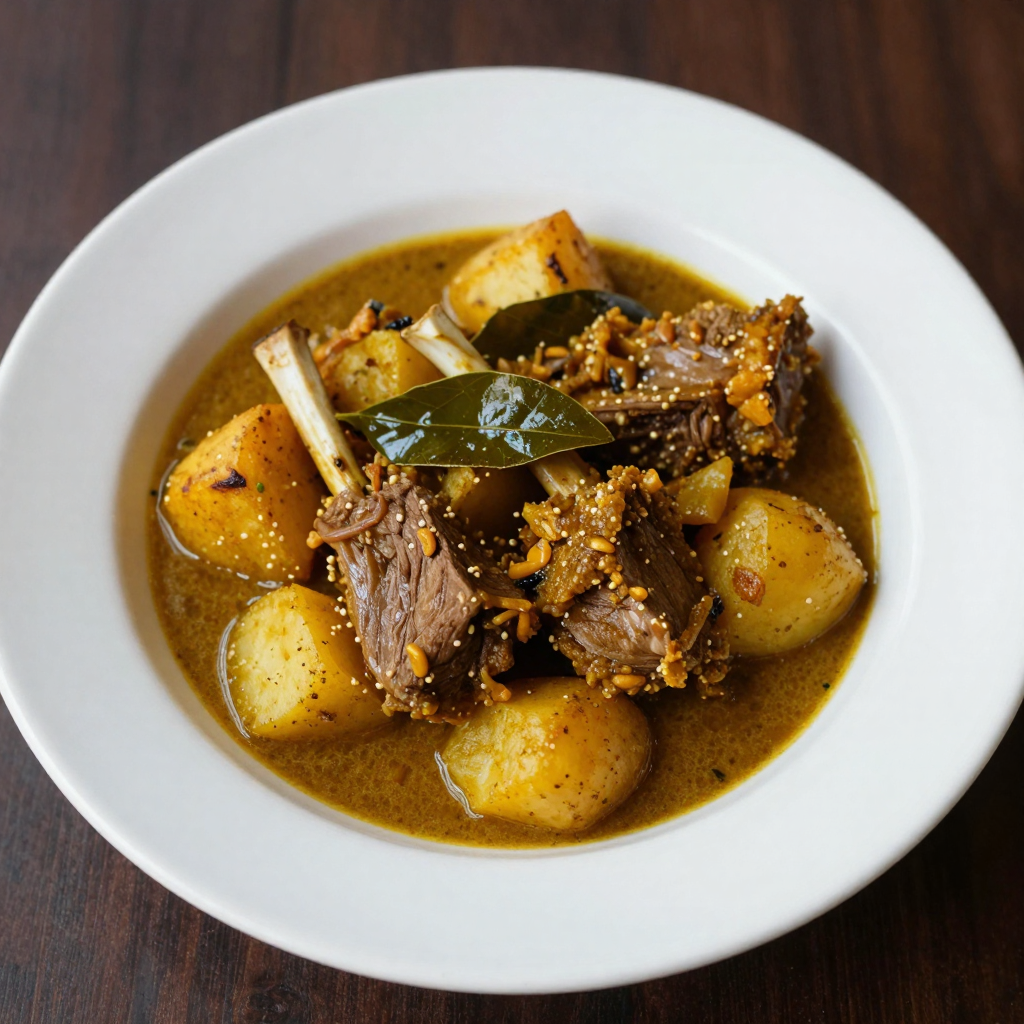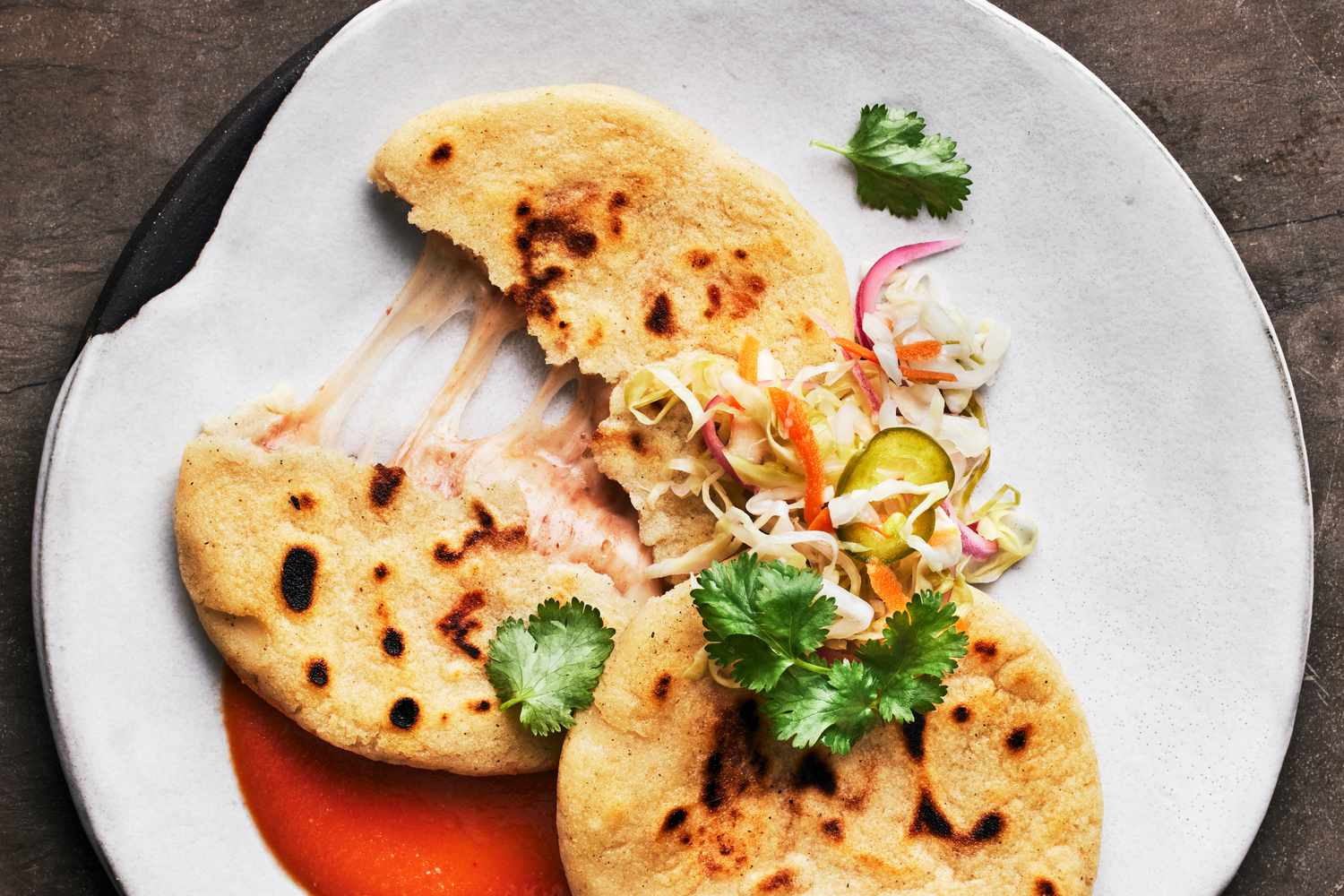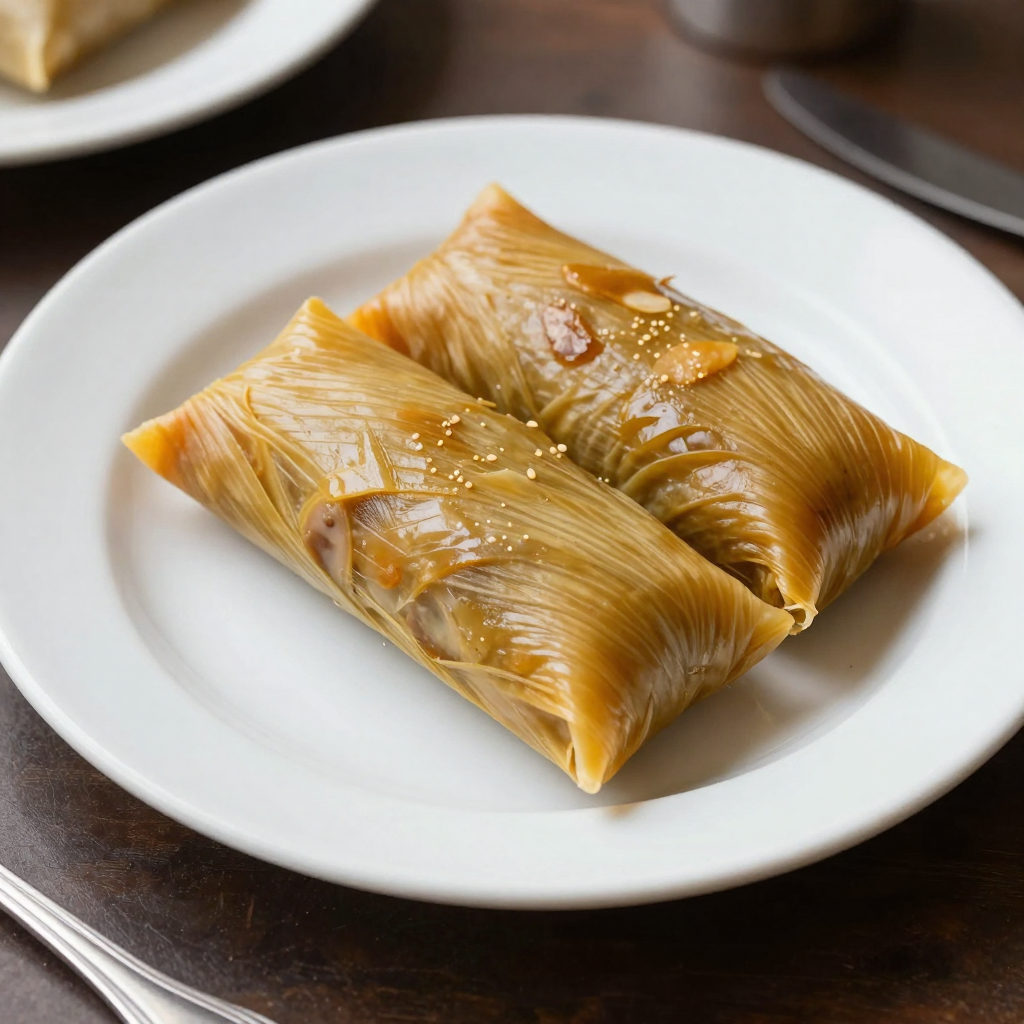
The Complete Vegan Meal Plan: 30+ Recipes + Shopping List for 2026
A beginner-friendly, plant-based meal plan featuring 30+ vegan recipes, a 5-day meal calendar, and a detailed shopping list for 2026.
Introduction: Why Plant-Based Eating Is Having a Moment
More people than ever are searching for a comprehensive vegan meal plan that is practical, delicious, and nutritionally balanced. From environmental documentaries to trending TikTok recipes, the plant-based movement is thriving worldwide. Whether motivated by health, ethics, or sustainability, millions are discovering that a vegan diet can support energy, longevity, and positive change—with none of the deprivation or culinary boredom that stereotypes might suggest. A recent surge in vegan recipes and plant-based meal plan searches reflects growing curiosity, especially among those seeking a vegan meal plan for beginners with shopping lists and everyday tips. If you’re curious, committed, or anywhere between, this guide will help you develop a flavorful, satisfying, and accessible approach to vegan eating, built from the largest vegan and vegetarian catalog on AislePrompt.
What Is a Vegan Diet? (Principles, what's in and out)
At its core, a vegan diet excludes all animal-derived ingredients: no meat, poultry, fish, eggs, dairy products, honey, or additives made from animals. Instead, it emphasizes plant-based foods: grains, legumes, vegetables, fruits, nuts, seeds, and plant oils. Spices, fresh herbs, and international ingredients make plant-based meals anything but dull. Staples include lentils, chickpeas, black beans, tofu, tempeh, leafy greens, and whole grains. What’s out: animal flesh, milk, cheese, yogurt, and all products (like gelatin or certain E-numbers) derived from animals. What’s in: a rainbow of produce, hearty whole grains, and endless multicultural inspiration.
Transitioning can feel challenging, especially for beginners. But by focusing on what you can enjoy—and knowing how to check labels—you can easily build meals that are as filling as they are nourishing. Modern supermarkets and online shops now offer vegan versions of almost everything, making it more accessible than ever to eat plant-based across breakfast, lunch, and dinner.
Vegan Protein Sources: Meeting Your Needs Without Meat or Dairy
"Where do you get your protein?" is the most common question for anyone starting a vegan diet. The answer: from a vast variety of plant sources. Lentils, chickpeas, black beans, tofu, tempeh, edamame, quinoa, seitan, and hemp seeds are all high-quality vegan protein sources. For example, a cup of cooked lentils delivers about 18g of protein, and a 3-ounce serving of firm tofu has about 9g. Green peas, nuts, and whole grains (like oats or brown rice) also contribute significant amounts. The key is not to stress about protein at every meal—enjoying a wide range of vegan recipes across the day ensures you get all nine essential amino acids, supporting muscle repair and overall health.
Modern plant-based meal plans have the added advantage of labeling: AislePrompt’s nutrition panels display protein per serving on every recipe. Protein complements are easy thanks to this transparency—for example, pairing beans and rice or tofu and quinoa. Those eating a variety of beans, legumes, nuts, and grains will effortlessly meet protein requirements, even for active lifestyles.
Top 10 Vegan Recipes from AislePrompt
Ready to dive in? AislePrompt’s vegan recipe catalog is curated from over 500 plant-based favorites to give you endless mealtime inspiration. Here are the most-loved, highest-rated vegan recipes—each one a flavorful hit perfect for every table:
1. Vegan Chickpea Tikka Masala
Each dish is beginner-friendly, packed with nourishing ingredients, and features nutrients that support a balanced vegan diet. Explore them individually, or try weaving them into your next plant-based meal plan.
5-Day Vegan Meal Plan (Monday–Friday, breakfast through dinner)
Switching to a vegan diet is simplest when you map out your week. Here’s a 5-day plant-based meal plan—each day includes breakfast, lunch, dinner, and a snack to help you stay satisfied and energized. All recipes are available in the AislePrompt vegan section, and you’ll find options to swap dishes based on your taste or schedule.
Day 1 (Monday)
- Breakfast: Overnight oats with berries and chia seeds
- Lunch: Chickpea Tikka Masala bowl with brown rice
- Snack: Carrot sticks with homemade hummus
- Dinner: Vegan Tofu Stir Fry with broccoli and ginger
Day 2 (Tuesday)
- Breakfast: Avocado toast on whole grain bread
- Lunch: Lentil Soup served with seeded crackers
- Snack: Apple slices and almond butter
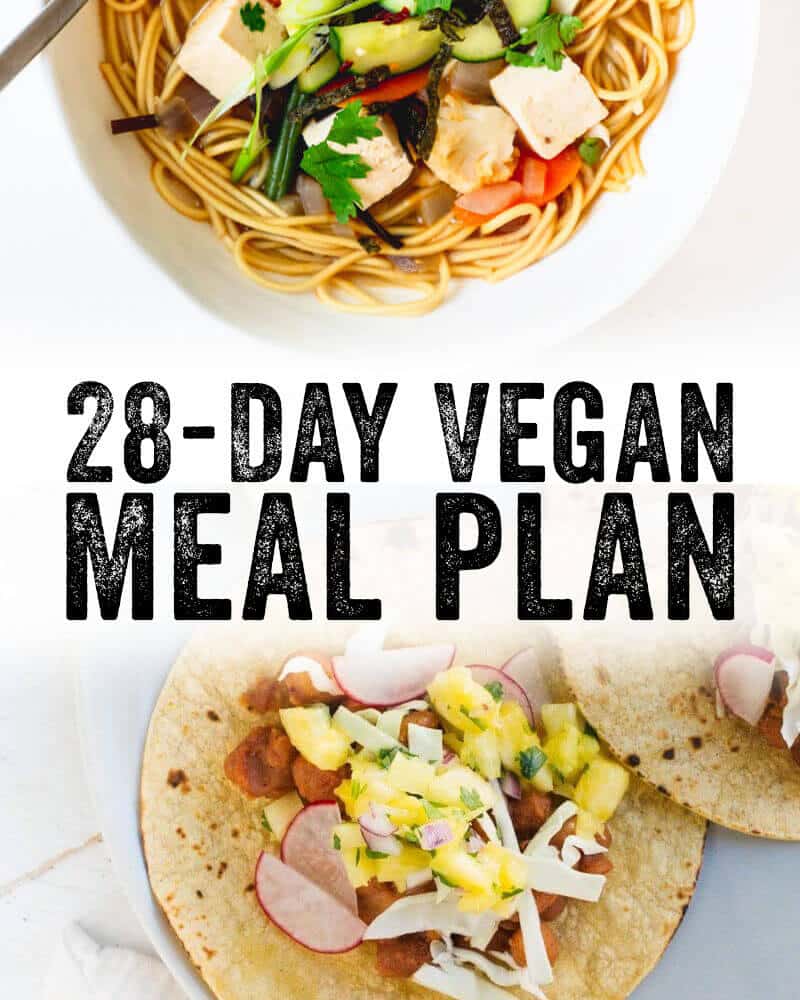
- Dinner: Black Bean Tacos with corn and cabbage slaw
Day 3 (Wednesday)
- Breakfast: Green smoothie (spinach, banana, flaxseed, plant milk)
- Lunch: Quinoa Buddha Bowl with roasted sweet potato and kale
- Snack: Trail mix (nuts and dried fruit)
- Dinner: Mushroom Risotto with peas
Day 4 (Thursday)
- Breakfast: Vegan Overnight Oats with walnuts and dates
- Lunch: Roasted Veggie Wraps with hummus
- Snack: Edamame sprinkled with sea salt
- Dinner: Sweet Potato Curry with jasmine rice
Day 5 (Friday)
- Breakfast: Bircher muesli with apples and sunflower seeds
- Lunch: Thai Peanut Noodles with sugar snap peas
- Snack: Sliced red pepper and guacamole
- Dinner: Avocado Pasta with lemon
This sample vegan meal plan is flexible. Swap lunches and dinners based on what you crave, and revisit favorites from the Top 10. Every meal is built from easy-to-find, affordable ingredients, perfect for busy schedules and anyone new to a vegan diet for beginners.
Vegan Shopping List (organized by store section)
Having a strategic, organized shopping list will set you up for meal prep success. Here’s a structured list covering key ingredients from the meal plan above:
Produce
- Broccoli
- Sweet potatoes
- Avocados
- Leafy greens (spinach, kale)
- Apples
- Bananas
- Berries
- Carrots
- Red pepper
- Sugar snap peas
- Cabbage
- Lemons
- Dates
- Garlic
- Onions
Pantry
- Lentils (dried or canned)
- Chickpeas (dried or canned)
- Black beans
- Brown and jasmine rice
- Quinoa
- Whole grain bread
- Plant-based crackers
- Oats (old-fashioned or steel-cut)
- Peanut butter and almond butter
- Hummus
- Trail mix
- Walnuts, sunflower seeds, chia seeds, flaxseed
- Dried fruit
Refrigerated
- Tofu
- Plant-based milk (almond, soy, oat)
- Tempeh
- Pre-made hummus (optional)
Frozen
- Edamame
- Mixed berries
- Mixed vegetables
Spices & Sauces
- Curry powder
- Garlic powder
- Ginger
- Soy sauce or tamari
- Vegan mayonnaise
- Tahini
- Peanut sauce
This vegan shopping list is versatile enough for both structured plans and spontaneous cooking. Add and subtract based on personal preferences, household size, and seasonal availability.
What to Buy: Kitchen Tools for Plant-Based Cooking
A few essential kitchen tools make vegan meal prep much smoother:
- Cookware: Invest in a quality nonstick skillet, saucepan, and large soup pot for grains, curries, and stir-fries. A roasting tray is also useful for baking vegetables and batch cooking.
- Knives: A sharp chef’s knife and a paring knife make prepping produce safe and efficient.
- Storage: Glass or BPA-free containers keep leftovers fresh and make meal prep easy. Mason jars are perfect for overnight oats, salads, and sauces.
- Blender/Food Processor: For smoothies, purees, hummus, and sauces.
- Other Useful Tools: Cutting board, measuring cups/spoons, colander, and a baking sheet.
Upgrading your cookware, knives, and storage pays off quickly in efficiency, safety, and food quality. For plant-based beginners, these basics are all you need!
Related Content
- Complete Keto Meal Plan: 30+ Recipes + Shopping List for 2026
- Complete Mediterranean Diet Meal Plan for 2026
- Complete Vegetarian Meal Plan for 2026
- All Vegan Recipes on AislePrompt
Frequently asked questions
How do vegans get enough protein each day?
What nutrients do vegans need to pay special attention to?
Is eating vegan costly?
Will I have enough energy for workouts or a busy schedule?
How do I deal with social events or eating out?
Recipes to start your week with
Save any of these to My Recipes — no account needed — and send the ingredients to Instacart in one tap.