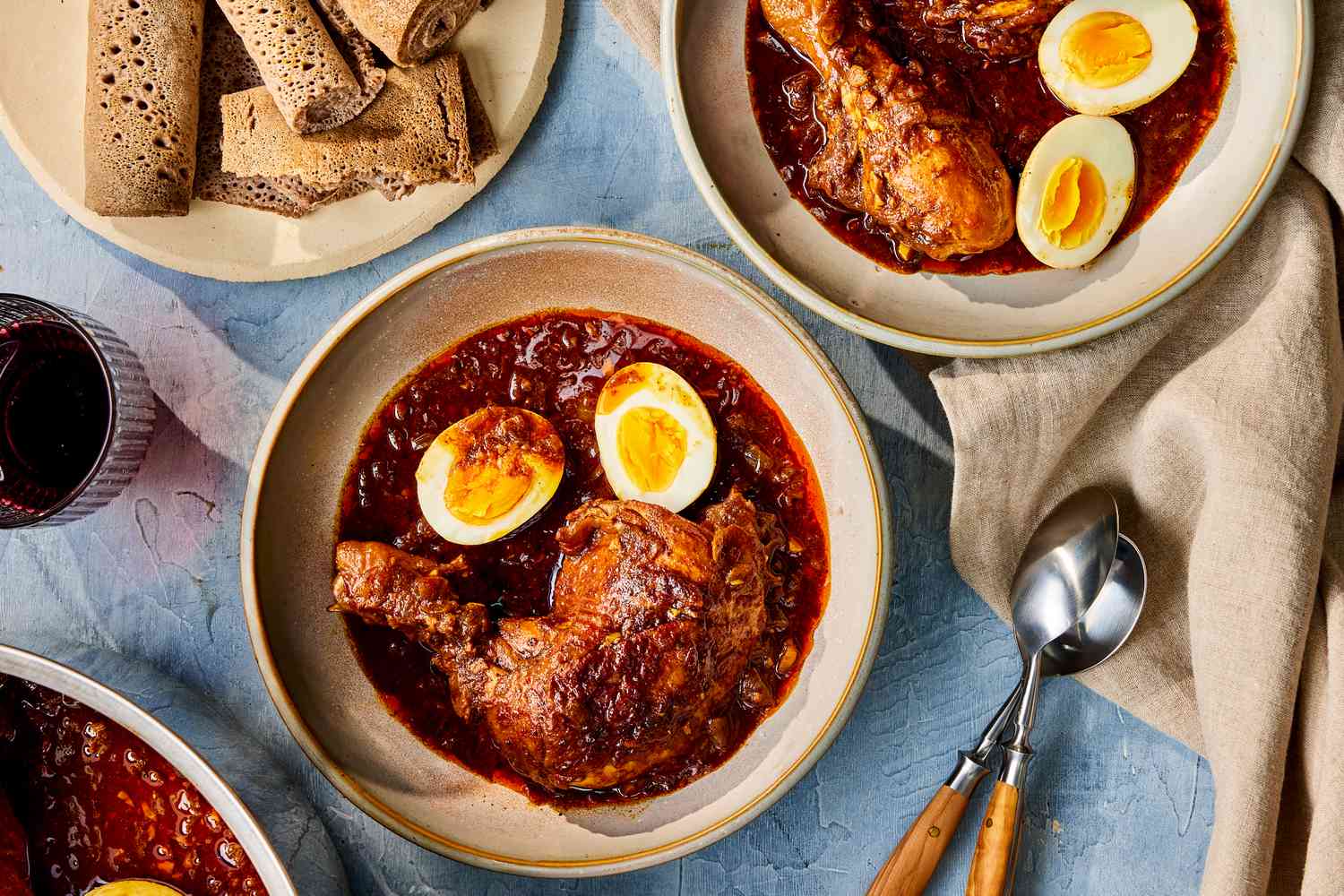
15 Ethiopian Dinner Recipes: Doro Wat, Injera, Berbere Stews & Vegan Feasts
A pantry-first tour of the wats, injera-and-berbere staples, and mostly-vegan shared platters that make Ethiopian cooking the easiest world cuisine to master with a single spice jar.
Ethiopian dinner recipes are the easiest gateway to a whole new pantry: a single spice blend (berbere) and a spiced butter (niter kibbeh) unlock fifteen distinct wats, sides, and shared platters that happen to be mostly vegan by tradition. Start with Doro Wat if you eat meat, or Misir Wot if you don't — either one is a Tuesday-night dinner that tastes like a special occasion.
Get a free week of easy dinners
Seven weeknight dinners with the shopping list already totalled, sent Sunday. No account needed, unsubscribe in one click.
No spam, unsubscribe in one click. Recipes, shopping lists and Instacart carts all work without an account either way.
Introduction — Why Ethiopian food is the world's best vegan cuisine
The math is simple. The Ethiopian Orthodox Church observes roughly 180 fasting days a year, during which observant families avoid meat, dairy, and eggs. Over centuries, that religious calendar built a parallel cuisine — an entire tradition of ye-tsom (fasting) dishes rich enough to satisfy on the biggest fasting Sunday of the year. The result: an African cuisine where vegan food isn't a modern accommodation, it's the older recipe. Lentils, chickpeas, split peas, cabbage, collards, and root vegetables cooked slowly with spice-forward stews, mopped up with sourdough flatbread, and shared from a single round platter.
That's why Ethiopian is worth learning even if you're not vegan: the vegetable dishes are the tradition, not the compromise. You'll end up with a rotation of stews that feed six people for the cost of a bag of lentils, taste like nothing else in your repertoire, and hold well enough to be Wednesday's lunch. Fifteen recipes below, grouped by weeknight speed, and a full pantry-plus-technique kit to get you started.
The pantry: berbere, niter kibbeh, teff flour, mitmita
Berbere. Ethiopia's signature spice blend — dried chilies (usually cascabel or guajillo, not smoky), Ethiopian cardamom, fenugreek, coriander, cumin, ginger, garlic, cinnamon, cloves, ajwain, rue seeds, and about a dozen others. Store-bought is fine (Brundo, Frontier Co-op, Burlap & Barrel), but homemade tastes noticeably brighter and lets you dial the heat. See our Smoky Berbere Spice Blend recipe for the toast-and-grind method.
Niter kibbeh. Clarified butter simmered gently with garlic, ginger, cardamom, fenugreek, cumin, and a stick of cinnamon for 30-40 minutes, then strained. This is the second half of the flavor equation — the fat that carries the spice. One batch keeps three months in the fridge and goes into every non-fasting wat. During fasts, cooks substitute a well-seasoned oil.
Teff flour. The traditional flour for injera — a tiny, gluten-free grain endemic to Ethiopia. Nutritious, sour when fermented, and expensive outside East African markets. The good news: you can make a passable injera cheat with sourdough starter and a mix of teff and all-purpose flour, ready in a day instead of a week.
Mitmita. Hotter than berbere: bird's-eye chilies, cardamom, cloves, and salt, ground fine. Used for kitfo (raw beef tartare), sprinkled over injera, or as a table condiment. Small jar, hot flavor, long shelf life.
Everything else: red onions (huge quantities — most wats start with 3-4 cups of chopped red onion cooked down to jam), garlic, ginger, tomato paste, and whatever protein you're using. Ethiopian cooking is punishingly onion-forward and it's the reason the stews taste the way they do.
The 15 Recipes (grouped: Weeknight | Sunday feast | Vegan/Wat)
Weeknight (6 recipes, on the table in 45 minutes or less)
1. Injera-Spiced Lentil Misir Wot with Berbere and Red Onion. The gateway wat. Red lentils cooked with softened onions, tomato paste, berbere, and a splash of stock until the lentils fall apart into a spice-forward stew. 35 minutes, feeds four, costs about $5. Vegan.
2. Braised Ethiopian Gomen Wat Collard Greens. Collards ribboned thin and braised with onion, garlic, ginger, and a touch of jalapeño. Bright green, garlicky, slightly bitter. Ready in 25 minutes and the perfect side to any wat.
3. Simmered Atkilt Wat with Cabbage and Carrots. A milder, turmeric-forward stew of shredded cabbage, sliced carrots, and cubed potatoes. The soft, buttery counterpart to a spicy misir wot. Vegan, 40 minutes, feeds six for $4.
4. Simmered Split Pea Kik Alicha with Turmeric and Ginger. The alicha (mild, no berbere) cousin to misir wot. Yellow split peas cooked with turmeric, ginger, garlic, and softened onions into a golden dhal-like stew. 40 minutes.
5. Tibs (beef or lamb). Cubed sirloin or lamb shoulder seared hard in a very hot pan with sliced red onions, jalapeños, and a pinch of berbere. Ready in 15 minutes and the closest thing Ethiopian cuisine has to a stir-fry. Serve with injera and a squeeze of lemon.
6. Foul (Ethiopian breakfast bean stew). Simmered fava beans mashed with garlic, cumin, tomato, and berbere, topped with chopped tomato, jalapeño, and a fried egg. 20 minutes and the reason Ethiopians don't skip breakfast.
Sunday feast (5 recipes worth a longer afternoon)
7. Berbere-Spiced Ethiopian Chicken Stew (Doro Wat). The national dish. Bone-in chicken thighs braised in a deeply reduced onion-berbere sauce with hard-boiled eggs added at the end. The onions alone take an hour to caramelize down — this is not a shortcut recipe. Serve with injera and a side of gomen. Two hours total, easy leftovers, and better on day two.
8. Slow-Simmered Ethiopian Beef Stew with Niter Kibbeh and Onions (Sega Wat). The beef cousin to doro wat. Chuck roast cubed, seared, braised in an onion-berbere-niter-kibbeh base for 90 minutes until it falls apart. Serve with injera and pickled jalapeños.
9. Yebeg Alicha (mild lamb stew). Lamb shoulder cubed and simmered with onions, garlic, ginger, turmeric, and rosemary — no berbere, no heat, all gentle warmth. The dish you cook when you're introducing Ethiopian food to skeptical relatives.
10. Kitfo three ways. Ethiopian beef tartare seasoned with mitmita and niter kibbeh. Order it leb-leb (very rare), tere (raw), or yebesele (cooked through). Serve with injera and ayib (fresh farmer's cheese). Twenty minutes plus grinding time. See Ethiopian Kitfo-Inspired Spiced Beef Tartare for a food-safe home version using high-quality tenderloin.
11. Shiro (Ethiopian chickpea stew). Ground chickpea flour whisked into a simmering onion-berbere base until it thickens into a peanut-butter-textured stew. Vegan, filling, and one of the go-to dishes during fasting periods. See Slow-Cooked Shiro Wat Chickpea and Berbere Stew for the long-simmer version.
Vegan wat (4 recipes for the full fasting-day platter)
12. Timatim Salata. Diced tomato, red onion, jalapeño, olive oil, and lemon juice. Ethiopian pico de gallo. Twelve minutes, mostly knife work, and the bright cool counter to a spicy platter.
13. Duba Wat (spiced pumpkin or butternut squash stew). Cubed butternut braised with onions, garlic, ginger, and berbere until fork-tender and slightly saucy. Vegan and a favorite on the fasting rotation.
14. Fosolia (green beans with carrots). Green beans and julienned carrots stir-braised with onion, garlic, and a pinch of berbere. Ten minutes and the vegetable you wish you'd been eating this whole time.
15. Injera-Style Teff Flatbread with Berbere-Spiced Lentil Stew. The one-day sourdough-cheat injera plus a starter misir wot. This is the recipe to master first — get the injera right and every wat above becomes a proper Ethiopian dinner.
Real-world numbers: what a family Ethiopian dinner actually costs
Eight of the fifteen dishes above are vegan, and the meat dishes stretch tough cuts into six-serving dinners. A full three-wat vegan platter with injera feeds six people for well under twenty dollars.
| Dish | Prep min | Cook min | Serves | Cost/serving |
|---|---|---|---|---|
| Misir wot (red lentils) | 10 | 25 | 4 | $1.20 |
| Gomen (collards) | 10 | 20 | 4 | $1.00 |
| Atkilt (cabbage-carrot) | 15 | 30 | 6 | $0.75 |
| Kik alicha (split peas) | 10 | 35 | 4 | $1.00 |
| Shiro | 10 | 25 | 4 | $1.25 |
| Doro wat (chicken) | 20 | 120 | 6 | $2.75 |
| Sega wat (beef) | 20 | 105 | 6 | $4.00 |
| Kitfo (tenderloin) | 15 | 8 | 4 | $8.00 |
| Duba wat (butternut) | 12 | 30 | 4 | $1.50 |
| Fosolia (green beans) | 8 | 12 | 4 | $1.75 |
Two things stand out. First, the vegan wats deliver an absurd cost-per-serving — under $1.50 for most of them once you've bought the berbere jar. Second, the labor is front-loaded into onion prep — Ethiopian cooking wants a lot of finely chopped red onion, and the tears are the actual entry price. A food processor's slicing disc cuts prep time in half.
Injera without teff: the sourdough substitute that actually works
Traditional injera is 100% teff flour, water, and time — a three-to-five day wild ferment that produces the signature sour, spongy flatbread. It's genuinely tricky: the batter has to be exactly right hydration, the mitad (clay pan) exactly the right temperature, and the ferment exactly the right day. Even Ethiopian home cooks buy it from injera specialists.
The one-day cheat: 1 cup all-purpose flour + 1 cup teff flour + 1/2 cup active sourdough starter + 2 cups warm water + 1 tsp salt + 1/2 tsp baking soda. Whisk in a large bowl, cover with a towel, and let sit at warm room temperature (75-80°F) for 12-16 hours until bubbly and pleasantly sour. Cook on a non-stick skillet or well-seasoned crepe pan: 1/3 cup batter per injera, spread quickly in a spiral from center out, cover, cook 90 seconds — do NOT flip. The top should turn from wet to matte with visible bubbles (eyes). Slide onto a plate, cool, stack. Makes 8 injera about 10 inches wide. Not perfect — real teff injera is spongier and more sour — but 80% there for a Tuesday night.
If you'd rather not learn a new bread, buy injera from any Ethiopian restaurant or East African grocery ($8 for a stack of six that feeds a family). The recipes stand on their own regardless of the vehicle. Serve wats over jasmine rice, on flatbread, or straight in a bowl if that's what you have.
Building an Ethiopian shared platter (mesob) at home
The classic Ethiopian dinner is a shared platter (gebeta on the table, mesob if it's the woven-basket table that goes over it), always eaten with your right hand, always shared. To build one at home:
1. Cover a large round platter (14-16 inches) with a whole sheet of injera.
2. Ladle 3-5 wats in mounds around the perimeter, roughly at the 12, 3, 6, 9 o'clock positions.
3. Pile a small cup of timatim salata in the center.
4. Serve extra injera rolled into cigars on a side plate.
5. Everyone eats with their right hand, tearing pieces of injera and pinching up bites of stew. No forks. No individual plates.
Gursha — feeding a bite to someone across the table with your hand — is a gesture of friendship between close family and friends. Skip it with new dinner guests. The custom is that the meal ends when the injera is finished, so time your baking or shopping accordingly.
You'll want a wide, low platter for the mesob effect — a round pizza stone, a large ceramic serving plate, or the biggest thing in your dining drawer will work. A cast-iron skillet doubles as the cooking vessel for most wats. The utensils list is short: a heavy wooden spoon, a Y-peeler, a fine grater, and one small saucepan for niter kibbeh.
Common pitfalls (four Ethiopian dinner mistakes to skip)
1. Underdoing the onions. Every wat starts with a base of finely chopped red onion cooked down in dry pan (no fat) for at least 15 minutes until it's collapsed, jammy, and slightly caramelized. This is not something you can skip or rush — the onion is the sauce. If your wat tastes flat, the onions were still crunchy.
2. Using cheap berbere. The bulk-bin spice aisle berbere at big grocery chains is often stale, over-clove-forward, or padded with paprika. Order from Brundo, Burlap & Barrel, or an Ethiopian specialty store online. The difference between "spicy paprika" and real berbere is enormous.
3. Not making niter kibbeh. It takes 40 minutes once and lasts three months. Every non-fasting wat needs it. Substituting plain butter or vegetable oil leaves the dish flavored-but-not-Ethiopian.
4. Forgetting the ayib. Ayib is fresh farmer's cheese (basically drained yogurt or a mild ricotta) served alongside spicy wats to cool the palate. If you're skipping dairy, cucumber-and-yogurt raita or plain Greek yogurt does the same job. Without a cool element, the meal is unrelenting.
When NOT to reach for these recipes
Skip Ethiopian for a low-sodium diet — every wat leans on salt and cured spice, and the flavor collapses at low-sodium levels. Skip if fenugreek allergies are in play (it's in berbere, niter kibbeh, and everywhere else — no easy swap). Skip if you don't have 30+ minutes to caramelize onions, because there's no shortcut version of a wat. Everything else is fair game.
Shopping list + where to buy Ethiopian spices
Buy once, use across every recipe above for the next six months.
| Ingredient | Where to buy | Notes |
|---|---|---|
| Berbere | Brundo, Burlap & Barrel, Frontier | 4-6 oz jar; skip generic bulk-bin blends |
| Niter kibbeh | Brundo, or DIY | 40 min DIY, lasts 3 months refrigerated |
| Teff flour (ivory or brown) | Bob's Red Mill, Whole Foods | For injera; keep in freezer |
| Mitmita | Burlap & Barrel | Very hot; small jar |
| Sourdough starter | Local bakery or DIY | For the injera cheat |
| Cardamom pods (green) | Any Indian grocery | Cheap in bulk; keep whole until grinding |
| Fenugreek seeds | Indian or specialty grocer | For DIY berbere + niter kibbeh |
| Ajwain (bishop's weed) | Indian grocer | For DIY berbere |
| Ethiopian coffee | Brundo, Blue Bottle Genji Alem | If you're building the full experience |
Fresh: red onions (buy in 5-lb bags — you'll use them), garlic (a pound at a time), fresh ginger, jalapeños, limes, cilantro. Every US city with an Ethiopian community has a specialty grocery or restaurant that will sell you spices, injera, and ayib if you ask.
FAQ
What is berbere and can I make it at home?
Berbere is the backbone Ethiopian spice blend — dried chilies, garlic, ginger, fenugreek, cardamom, coriander, and about a dozen more spices toasted and ground together. Store-bought is fine (Brundo, Frontier, or Burlap & Barrel make good ones), but homemade tastes noticeably brighter. Toast whole spices, cool them, grind fine, and store in a sealed jar for up to three months.
Is injera hard to make from scratch?
Traditional teff injera takes three to five days to ferment and is genuinely tricky — the batter has to be exactly the right hydration and the pan exactly the right temperature. A weeknight cheat that gets you 80% there uses sourdough starter with all-purpose and teff flour, ready in a day. If you're new to Ethiopian food, buy injera from a local Ethiopian restaurant or grocery ($8 for a stack that feeds six).
Why is Ethiopian food so vegan-friendly?
Ethiopian Orthodox Christianity observes about 180 fasting days a year during which meat, dairy, and eggs are avoided. Over centuries, that produced an entire parallel cuisine of vegan wats (spiced stews) built around lentils, chickpeas, greens, cabbage, and potatoes — all seasoned with berbere and niter kibbeh (or oil during fasts). It's one of the few cuisines where vegan isn't a subtraction, it's the tradition.
What is niter kibbeh and is it necessary?
Niter kibbeh is Ethiopian spiced clarified butter, simmered with garlic, ginger, cardamom, fenugreek, and other spices, then strained. It's what makes Ethiopian food taste distinctively Ethiopian and not just spicy stew. Making it takes 40 minutes and one batch lasts three months in the fridge. Regular butter or vegan buttery spread with a pinch of the spices in the recipe gets you close in a pinch.
How do you eat Ethiopian food traditionally?
The wats are ladled onto a large round of injera in a shared platter (a mesob), with mounds of different stews arranged around the perimeter. You tear pieces of extra injera, pinch up bites of stew, and eat with your right hand. No forks, no individual plates. Gursha — feeding a bite to someone else across the table — is a gesture of friendship, though skip it with strangers.
Further reading + citations
We built this roundup on top of three sources worth reading in full: Serious Eats — African recipes archive for Kenji López-Alt's technique-first breakdowns of doro wat and berbere; Bon Appétit — Ethiopian recipes for the modern American-friendly adaptations and photography that finally does injera justice; and Food52 — Ethiopian collection for reader-tested crowd recipes. If you want a book, Yohanis Gebreyesus's Ethiopia: Recipes and Traditions from the Horn of Africa is the definitive English-language reference.
If this cluster clicked, next up: Moroccan Weeknight Dinners shares the North African spice-forward, one-pot-braise philosophy with a completely different flavor palette (preserved lemon, ras el hanout, olives), and the wider African and Middle Eastern recipe cluster on aisleprompt keeps growing weekly. Same shared-platter energy, different accents.
Frequently asked questions
What is berbere and can I make it at home?
Is injera hard to make from scratch?
Why is Ethiopian food so vegan-friendly?
What is niter kibbeh and is it necessary?
How do you eat Ethiopian food traditionally?
Sources
Cook Ethiopian at home this week.
Ask our AI for a week of Ethiopian dinners — it writes the recipes, builds the shopping list, and sends the cart to Instacart. No account needed.
Plan my Ethiopian week →