18 Best Mexican Seafood Recipes: Ceviche, Tacos, Shrimp + More
A regional tour of Mexico's coastal cooking — Baja fish tacos, Yucatecan tikin xic, Veracruz snapper — with 18 tested recipes and a US-supermarket buying guide.
Affiliate disclosure: AislePrompt may earn a commission on qualifying purchases made through Amazon and Instacart links in this article, at no additional cost to you. See our affiliate policy →
Mexican seafood is the country's most under-covered cuisine on English-language recipe sites. Ask most home cooks to name a Mexican seafood dish and you'll get "fish tacos" — maybe "ceviche" if they've been to Baja. But Mexico has three long coastlines, and each one built its own seafood culture: Baja's fried and grilled fish tacos, Yucatán's citrus-and-achiote-marinated grilled whole fish, Veracruz's tomato-caper stews left behind by Spanish colonial cooks, and the Pacific's raw aguachiles that get plated in five minutes. This guide walks through 18 of the best Mexican seafood recipes we've catalogued — from an easy 20-minute weeknight shrimp taco to a full weekend project like huachinango a la veracruzana — plus how to buy the right fish at a US supermarket and what belongs in your pantry before you start.
Regional context: Baja, Yucatán, Veracruz
Mexican seafood is not a single tradition. The three coastal regions with the strongest cooking cultures are, in rough order of US familiarity:
Baja California. The northwestern Pacific coast — Ensenada, Rosarito, Tijuana — is the home of the modern fish taco. The Ensenada style batter-fries firm white fish (usually shark or dogfish historically, cod or halibut now), tucks it into a warm corn tortilla, and tops it with shredded cabbage, a lime-crema sauce, and pickled onion. The style traveled north in the late 1970s and became the "American" version of a fish taco. Baja also gave us the modern aguachile trend: raw shrimp cured in blended lime-and-chile "chile water" and served immediately with cucumber and red onion. It's now a fixture of upscale mariscos bars from San Diego to Mexico City.
Yucatán. The Gulf-facing peninsula has a distinct pre-Hispanic Maya cooking tradition that survives in dishes like tikin xic (fish marinated in citrus and achiote paste, wrapped in banana leaves, and grilled), pescado a la veracruzana variants, and salsas built around habanero, sour orange, and pumpkin seed. The Yucatecan pantry is the reddest of Mexican pantries — achiote (annatto) paste tints everything the color of terracotta.
Veracruz. The eastern port on the Gulf of Mexico was the arrival point for Spanish colonial goods, and Veracruz cooking carries their fingerprint: capers, green olives, and tomato-based sauces you don't see much elsewhere in Mexico. Huachinango a la veracruzana — whole red snapper baked in a tomato-caper-olive sauce — is the signature dish and one of the highest-effort recipes in this guide.
Section 1: Five ceviche and aguachile recipes
Ceviche is the safest entry point into Mexican raw-seafood cooking. The citrus acid firms the fish protein while you can watch it happen; there's no oven, no thermometer, no timer stress. That said, the food-safety rules are non-negotiable — use sushi-grade fish or previously-frozen fish (7 days at –4°F kills parasites per FDA guidance), and don't leave the marinade sitting warm.
1. Citrus-Cured Shrimp Ceviche with Mango and Avocado. The starter version. Uses cooked shrimp (so no raw-fish anxiety), lime, mango, avocado, red onion, cilantro, and a pinch of habanero. Ready in 25 minutes including 15 minutes of citrus rest. Serve with tortilla chips or on tostadas.
2. Tequila-Lime Shrimp Ceviche. A grownup upgrade — a splash of blanco tequila deepens the citrus and helps the shrimp cure faster. Pairs with the same cocktail (make one for the cook). Best made 1–2 hours before serving so the tequila mellows.
3. Oyster and Avocado Ceviche with Cilantro and Lime. This is the Pacific-coast luxury version — shucked raw oysters tossed with lime, serrano, avocado, and cilantro. It only works if the oysters are truly fresh (shuck them yourself, day-of). Not a beginner dish.
4. Oaxacan Mezcal-Infused Citrus Ceviche. Mezcal's smokiness is unusual in ceviche — most recipes stay bright and clean — but it works surprisingly well with white fish and green chile. Use a young joven mezcal, not a heavily smoked one.
5. Ceviche de Camarones con Mango. A Colombian-Mexican fusion that leans sweeter than the standard shrimp ceviche. Good introduction dish for anyone who thinks they don't like ceviche — the mango softens the acid bite.
A note on aguachile specifically: the "chile water" you blend for aguachile should sit no more than 15 minutes before use, or the chlorophyll oxidizes and the color goes brown. Blend it, taste it, use it. If you want the crunchy Sinaloa-style presentation, slice the shrimp in half lengthwise (butterfly) so more surface area meets the marinade — you'll cure in 5 minutes instead of 15.
Section 2: Five shrimp mains
Shrimp is the workhorse of Mexican seafood cooking because it's everywhere, it's affordable, and it cooks in 3–4 minutes. These five recipes cover most of the range you'll find at a Mexican mariscos bar.
6. Camarones a la diabla. The classic — shrimp in a fiery red sauce built from rehydrated chiles de árbol, guajillo, garlic, tomato, and a little vinegar. Restaurant versions typically clock 4–6 out of 10 on heat; homemade lets you dial it up or down. Serve with rice and a stack of warm tortillas.
7. Camarones al mojo de ajo. Simpler and less spicy — shrimp sautéed in an aggressive amount of thinly-sliced garlic (a whole head is not unusual for a two-person portion), with lime and butter. Twenty minutes start to finish. This is Yucatecan-Caribbean coastal cooking, not fiery-central-Mexico.
8. Camarones borrachos ("drunken shrimp") — Citrus-Infused Tequila Shrimp Tacos with Avocado Crema. Shrimp flambéed with tequila and finished with lime, garlic, and chile. This particular version wraps them into tacos with an avocado crema, but the shrimp filling stands alone as camarones borrachos over rice too.
9. Coctel de camarones — Tangy Mexican Shrimp Cocktail. Nothing like an American shrimp cocktail. Cooked shrimp served in a bright tomato-clam-juice-lime broth with avocado, cucumber, red onion, and cilantro. Eaten with a spoon from a tall glass, with saltine crackers on the side. A weekend-lunch dish, not a snack.
10. Camarones empanizados. Breaded, pan-fried shrimp — the Mexican answer to a shrimp basket, served with a salsa cruda and a squeeze of lime. Uses panko or Ritz-cracker crumbs, not a wet batter. Cheap dinner for four in under 30 minutes.
Section 3: Four fish tacos and tostadas
Fish tacos are where Mexican seafood cooking is easiest to teach a beginner. If you can pan-sear a piece of white fish and warm a tortilla, you're most of the way there.
11. Crispy Baja-Style Fish Tacos. The Ensenada template — beer-battered cod, warm corn tortillas, shredded cabbage, lime crema, pickled onion. The batter is the make-or-break: club soda or cold light beer gives lift, and the oil has to be at 375°F or the coating turns greasy.
12. Spicy Mexican Pan-Fried Fish Tacos. The healthier weeknight version — a seasoned dredge (chile powder, cumin, garlic, salt) on cod, seared in a hot cast-iron pan with just enough oil. Skips the fryer and takes 15 minutes.
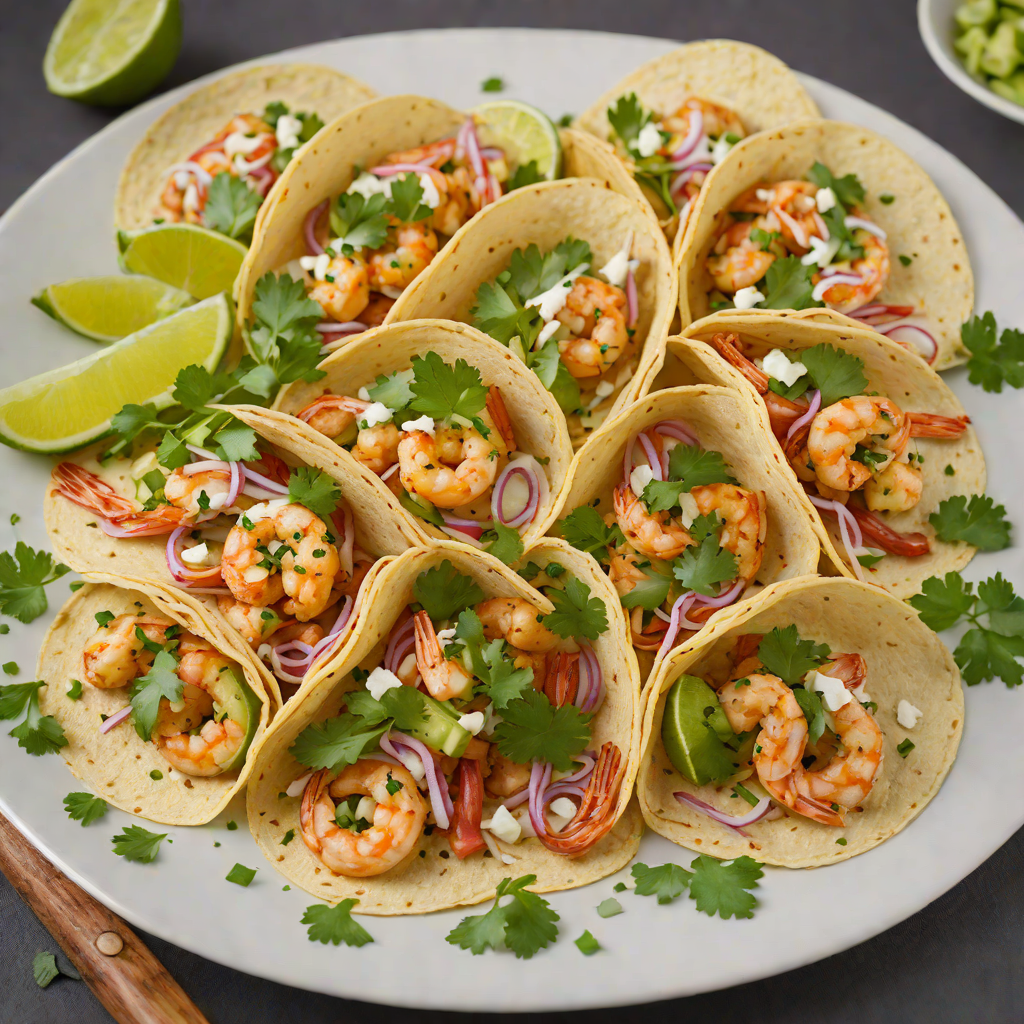
13. Mexican Street Corn-Inspired Grilled Shrimp Tacos. Not fish, but same taco family — grilled shrimp with a corn-cotija-lime slaw that echoes elote. Fast, produces a full-flavor plate, and easily scales to a party. Grill outdoors or use a stovetop grill pan.
14. Spicy Shrimp Tostadas with Avocado Crema. Tostadas de mariscos are the underappreciated cousin of the shrimp taco. Fried tortilla + ceviche or sautéed shrimp + avocado crema. Sturdier than a taco, one-hand-eatable, and photogenic enough that it's dominated Mexican-restaurant menus in the US since 2020.
For all four dishes, tortilla quality matters more than any single other ingredient. Warm store-bought corn tortillas over an open gas flame for 20 seconds a side (or on a hot dry cast-iron pan) — it's not optional. Uncharred tortillas taste like cardboard, and no amount of shrimp will save the plate.
Section 4: Four special-occasion dishes
These four take longer, use more expensive proteins, and are worth learning for a Sunday dinner or a guest-worthy weeknight.
15. Huachinango a la veracruzana — Pan-Seared Fish Veracruz Style. The Veracruz signature. Whole red snapper (huachinango) or fillets, baked or pan-seared in a tomato sauce with capers, green olives, garlic, onion, and jalapeño. Full whole-fish preparation is a 90-minute project; the fillet version is 40. Serve with white rice and warm tortillas.
16. Pescado zarandeado — Popular Pescado a la Plancha con Salsa de Mango. A butterflied whole fish (traditionally pargo or dorado) rubbed with a chile-garlic-mustard paste and grilled hot until the skin blackens. This is the flagship dish of the Nayarit coast, and it makes a fantastic outdoor-grill dinner for four. Requires a fish-basket grilling tool.
17. Grilled Fish Tikin Xic with Citrus and Achiote Marinade. The Yucatecan classic. Firm fish (grouper, snapper, or mahi) marinated in achiote paste, sour orange juice, garlic, and cumin, then wrapped in banana leaves and grilled. The banana leaves are the flavor — don't substitute foil. Get banana leaves from a Mexican or Asian grocery frozen; they thaw in 15 minutes.
18. Pulpo — Pan-Seared Octopus with Olive Oil and Citrus Dressing. Octopus intimidates most home cooks, but frozen-then-thawed octopus is actually easier than fresh (freezing tenderizes it). Simmer 40 minutes until fork-tender, then pan-sear the tentacles in olive oil until charred. Serves 4 as an appetizer, 2 as a main.
Two honorable mentions that didn't quite fit the four categories above but round out the mariscos repertoire: Pescado Frito con Salsa de Achiote (whole fried fish, Yucatecan achiote salsa) and the two weeknight-shrimp workhorses Sheet Pan Mexican-Spiced Shrimp with Lime-Cilantro Rice and Spicy Mexican Street-Style Shrimp Tacos. Both hit the table in under 30 minutes and cover most weeknight-shrimp-taco cravings.
How to buy the right fish + shellfish at a US supermarket
The single biggest quality lever in Mexican seafood cooking is what you buy. In order of importance:
Frozen shrimp beats "fresh" shrimp — every time. Almost all shrimp sold in the US is flash-frozen on the boat within hours of catch, then thawed at the supermarket before display. The "fresh" tag means "thawed for you" — usually 2–4 days old and losing quality the whole time. Buy the frozen bag, thaw it overnight in the fridge, and you'll have better shrimp than the case. Look for wild Gulf shrimp (best flavor), Argentine red shrimp (sweetest), or US-farmed white shrimp. Skip untraceable "farm-raised" imports.
Size labeling: 16/20 or 21/25 for most recipes. The two numbers mean "count per pound" — 16/20 means 16 to 20 shrimp per pound. 16/20 is what most restaurants use for ceviche and tacos; 21/25 is fine for stews. Skip anything under 26/30 unless you're making a soup.
For fish tacos and ceviches, ask for the freshest firm white fillet. Order of preference at a US supermarket: mahi mahi > cod > halibut > snapper > tilapia. Salmon and tuna are too oily for the taco format and clash with acid. Ask the counter to press the flesh — it should spring back within a second. If it holds a dent, walk away.
Whole fish for zarandeado, veracruzana, tikin xic: a 2–3 lb snapper is the sweet spot. That's the largest fish that will fit on a home outdoor grill or a large sheet pan for the oven. Ask the fishmonger to gut, scale, and butterfly it for you.
Octopus and squid: buy frozen. Sushi restaurants and higher-end Mexican mariscos bars all use frozen octopus. Fresh octopus has to be tenderized by hand-slapping against rocks; freezing does the same work chemically.
The pantry checklist
Before you start any of these recipes, stock the following. All are shelf-stable except the last two.
- Dried chiles. Ancho (mild, raisin-y), guajillo (medium, brick-red), pasilla (dark, chocolate-y), chile de árbol (very hot, small), and chipotle morita (smoked, medium-hot). A US supermarket will carry ancho, guajillo, and pasilla in the international aisle; the other two are worth a trip to a Mexican grocery. Toast them 30 seconds a side on a dry pan before rehydrating in hot water.
- Achiote paste. For tikin xic, cochinita pibil, or any Yucatecan dish. El Yucateco brand is universal.
- Lime. Real limes, not the bottled juice. Two limes per dinner is the minimum for two people; a Mexican-heavy menu wants three or four.
- Cilantro. Fresh only — dried is useless. A bunch in the fridge lasts a week wrapped in a paper towel.
- Tomatillos. Fresh (removed from paper husks, rinsed) or canned. Fresh is meaningfully better for salsa verde; canned is fine for a stew.
- Sour orange juice. For Yucatecan marinades. Fake it with 2 parts orange juice + 1 part lime juice + a splash of white vinegar.
- Mexican oregano. Not the same as Mediterranean oregano — grassier and more citrus-forward. Sold under the Badia brand at most groceries.
- Cotija cheese. Salty aged cheese for garnishing tacos and street corn. Refrigerated only; lasts 3 months sealed.
- Corn tortillas. Fresh or refrigerated tortillas beat shelf-stable every time. Warm them over an open flame before serving.
For the shopping trip on any given weeknight: lime, cilantro, one bunch scallions, one white onion, one avocado, and whatever seafood the recipe calls for. Everything else lives in your pantry once you build it up.
Kit — what you need in the kitchen
The tools that separate a decent home mariscos cook from a great one are simpler than you'd think:
- A sharp 8-inch chef's knife and a paring knife for shrimp deveining. Cheap dull knives are the single most common cause of a bad ceviche — a torn shrimp releases juice into the marinade and makes it cloudy. Browse our Knives & Cutting picks for a starter set.
- A large cast-iron skillet or comal. For searing fish, warming tortillas, and toasting dried chiles. Non-negotiable. See the Cookware picks for a lifetime pan under $80.
- A large stainless-steel bowl for citrus curing. Never use aluminum — the acid reacts and gives ceviche a metallic taste. A 4-quart bowl fits a party portion.
- A microplane grater for lime zest, garlic, and cotija. If you don't own one, Utensils & Tools has our picks — it's under $20 and it changes weeknight cooking.
- A citrus juicer or Mexican elbow lime squeezer. Squeezing 12 limes by hand for a party ceviche is misery. The $12 hand press pays for itself the first time. Find it in Kitchen Gadgets.
Real-world numbers: how much to buy per person
Shopping for a Mexican-seafood dinner and not sure how much to buy? These are the working numbers we use for a US supermarket run.
| Dish | Protein per person | Total time | Cost per person (US, 2026) |
|---|---|---|---|
| Ceviche starter | 4 oz shrimp | 30 min | $6–8 |
| Aguachile | 4 oz shrimp | 20 min | $6–8 |
| Fish tacos (weeknight) | 5 oz cod | 25 min | $5–7 |
| Fish tacos (Baja fried) | 5 oz cod | 45 min | $6–9 |
| Camarones a la diabla | 6 oz shrimp | 30 min | $7–10 |
| Coctel de camarones | 6 oz shrimp | 25 min | $8–11 |
| Huachinango veracruzana | 6 oz snapper | 90 min | $12–16 |
| Pescado zarandeado | 8 oz butterflied whole fish | 60 min | $10–14 |
| Tikin xic | 6 oz mahi | 60 min (+ marinade time) | $9–12 |
| Octopus (main) | 6 oz cooked | 90 min | $12–18 |
The special-occasion dishes cost more per plate mostly because of the fish itself — a whole 3-lb snapper at a supermarket runs $18–24 in 2026, and octopus is $14/lb frozen. The weeknight shrimp and cod dishes stay under $10 per person consistently.
Common pitfalls when cooking Mexican seafood
Five failure modes we see most often from home cooks:
1. Over-marinating ceviche. Past 45 minutes, the lime turns the shrimp rubbery and "chalky." Set a timer; stop the cure with a rinse of cold water if you need to hold before serving.
2. Cold tortillas. A cold tortilla ruins any taco. Warm every tortilla directly on a gas flame or dry cast-iron pan — 20 seconds a side, until it puffs slightly.
3. Under-seasoning the sauce, not the fish. Salt the fish 30 minutes before cooking (it draws out moisture and lets the flavor concentrate); don't try to salt-correct at the end.
4. Using bottled lime juice. Real lime is a different ingredient. Bottled lime is preserved with citric acid and tastes flat and metallic. It will ruin ceviche and thin any salsa.
5. Undercooked shrimp in a warm sauce. If you toss raw shrimp into a hot sauce and simmer, the shrimp overcook while the sauce reduces. Sear the shrimp separately in a hot dry pan, then add them to the finished sauce at the last minute.
When NOT to make Mexican seafood at home
Some dishes we love in restaurants don't translate to a home kitchen without serious investment:
- Whole grilled octopus. Home ovens can't do the "pulpo a la plancha" charring properly without an outdoor grill and a heavy iron pan. Order it out.
- Sushi-grade tuna dishes (tostada de atún). Even at a good supermarket, US home cooks rarely have access to sushi-grade tuna. Skip until you have a fishmonger you trust.
- Cochinita pibil "seafood" versions. Pork pibil works at home; seafood pibil (a Yucatecan riff) needs a pit or a very hot smoker to render the achiote-fat marinade correctly.
Sources
- FDA — Advice About Eating Fish — the definitive US source on mercury, sourcing, and the freezing-for-parasites rules that govern safe ceviche.
- Serious Eats — Mexican Recipes — Kenji López-Alt's Mexican recipe hub, especially strong on regional distinctions.
- Mexican Please — Authentic Ceviche — Patrick Calhoun's recipe writeups from years cooking his way through central Mexican home kitchens.