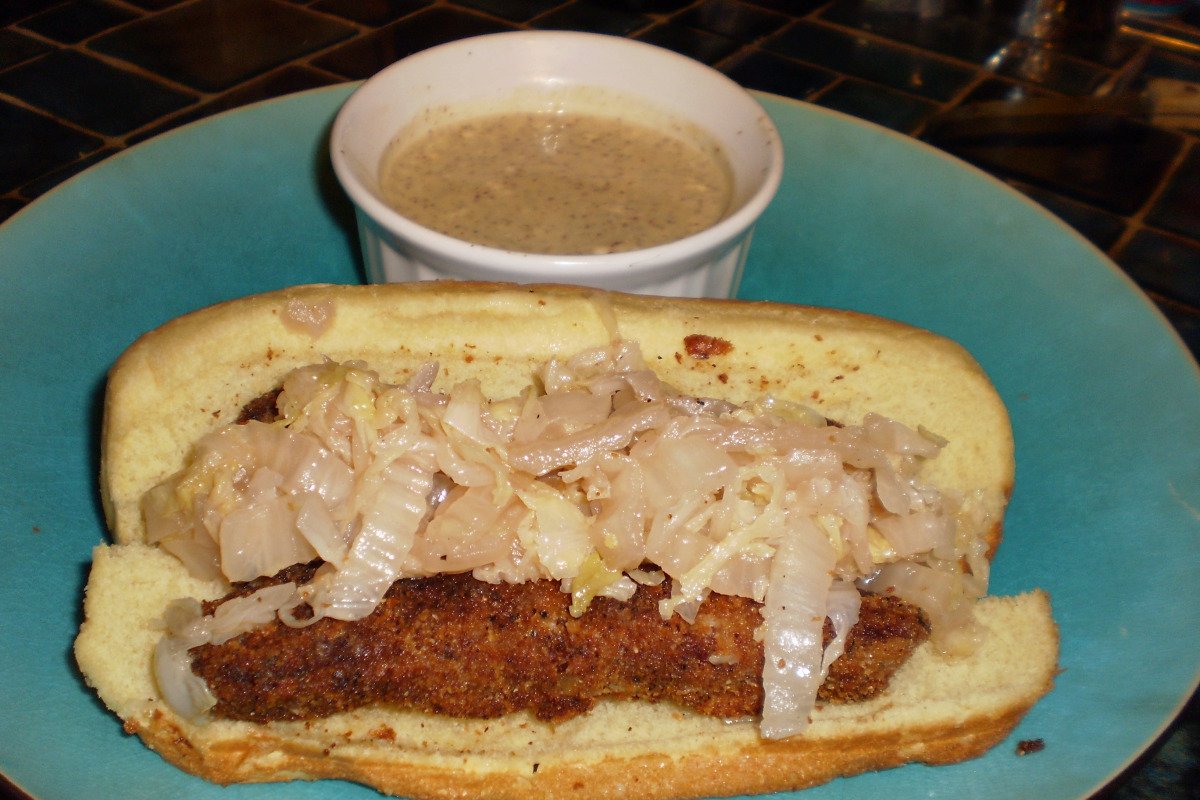
18 German Oktoberfest Recipes: Schnitzel, Bratwurst & Spaetzle for a Bavarian Feast
Oktoberfest 2026 runs September 19 to October 5 — here's a Bavarian table for 4, 8 or 12 where almost everything is better made the day before.
Oktoberfest 2026 runs September 19 through October 5, and hosting a Bavarian table at home takes one afternoon, not a week. Roast one big centerpiece, fry schnitzel to order, and build the rest from sides that are better made ahead. Eighteen recipes, a table plan for 4, 8 or 12, and the pairings follow.
Get a free week of easy dinners
Seven weeknight dinners with the shopping list already totalled, sent Sunday. No account needed, unsubscribe in one click.
No spam, unsubscribe in one click. Recipes, shopping lists and Instacart carts all work without an account either way.
Introduction: Host Oktoberfest at Home in One Afternoon
Oktoberfest food is a hosting cuisine, and it's structurally friendlier to a home cook than almost any other festive menu. Nearly everything except the schnitzel is better after it sits. Red cabbage improves for three days. German potato salad is served warm or room temperature, never chilled, so it can be made at noon and left alone. Sauerkraut is a jar. Pretzels reheat. The only thing demanding your attention at service time is whatever's in the frying pan.
That means the realistic plan for a Saturday party is: braise or roast in the morning, make two sides at lunchtime, and spend the last 25 minutes before guests arrive frying schnitzel or searing brats. There is no last-minute plating puzzle, no sauce to hold, no vegetable that must be timed to the minute.
The other thing worth saying up front: Oktoberfest is a Bavarian festival, and Bavarian food is a regional subset of German cooking rather than the whole of it. That means pork, veal, wheat beer, pretzels, mustard, and root vegetables — not the fish-and-potato cooking of the north or the Rhine's wine-country dishes. If you want the broader national repertoire, 22 German recipes for Oktoberfest and 18 German dinner recipes cover more ground. This guide is specifically the party.
The official Oktoberfest site publishes the year's dates and the tent food lists, which is a good sanity check on what actually gets served in Munich versus what American menus imagine.
The Bavarian Pantry and Cold-Case Shopping List
Almost nothing here is specialty. The list is short and most of it is at a normal supermarket.
| Item | Why it's here | Where |
|---|---|---|
| Bratwurst (fresh, not pre-cooked) | The centerpiece of a beer-hall plate | Butcher or supermarket cold case |
| Weisswurst | Traditional Munich breakfast sausage | German deli or online |
| Pork loin or cutlets | Schnitzel; veal if you want authentic wiener | Supermarket |
| Sauerkraut (refrigerated, not canned) | Brighter, crunchier, actually fermented | Cold case, near the pickles |
| Sweet Bavarian mustard | Sweeter and coarser than Dijon | German deli or online |
| Caraway seed | The defining aroma of Bavarian pork | Spice aisle |
| Juniper berries | Sauerkraut, sauerbraten, braises | Spice aisle |
| Wheat beer (Hefeweizen) | Drinking and braising | Anywhere |
Buy refrigerated sauerkraut, not canned. Canned kraut is pasteurized, soft and one-dimensionally sour. The refrigerated bagged kind is still alive, has actual crunch, and tastes of cabbage rather than just vinegar. Rinse it briefly if it's aggressive, then braise it with a splash of the beer, an apple, and a few juniper berries for 20 minutes — that's the difference between "sauerkraut from a package" and a side dish.
Bratwurst should be fresh and raw. Pre-cooked brats are convenience food; fresh ones from a butcher have a coarser grind and actual seasoning. Do not boil them in beer first — that's a stadium technique that leaches flavor into liquid you throw away. Simmer them gently in beer and onion at the end, after searing, or sear and finish covered.
Sweet mustard is not optional for weisswurst. Süßer Senf is coarse, dark and honey-sweet, and the traditional pairing is genuinely dependent on it. Dijon is too sharp; American yellow is too vinegary. One jar lasts a season.
Caraway is the flavor most Americans can't place in Bavarian pork. It's in the rye bread, the roast pork rub, the kraut and the cabbage. If a dish tastes almost German but not quite, it's usually missing caraway.
18 German Oktoberfest Recipes
Every one of these is on AislePrompt with a complete ingredient list.
| Dish | Time | Course | Make ahead? |
|---|---|---|---|
| Pretzel bread salad | 25 min | Starter | Assemble at service |
| Pork medallions, cherry sauce | 30 min | Main | No |
| Schnitzel, mustard cream | 30 min | Main | No |
| Sausage and sauerkraut skillet | 30 min | Main | Reheats well |
| Bratwurst with sauerkraut | 35 min | Main | Reheats well |
| Schnitzel, mushroom cream | 35 min | Main | No |
| Schnitzel, lemon butter | 35 min | Main | No |
| Currywurst | 35 min | Main/snack | Sauce yes |
| Potato pancakes | 35 min | Side | Fry to order |
| Pretzel dumplings | 35 min | Side | Yes |
| Potato salad, bacon-mustard | 40 min | Side | Yes — better made ahead |
| Beer-braised brats, onions | 40 min | Main | Yes |
| Pork shoulder, cabbage, apples | 40 min | Main | Yes |
| Spätzle, caramelized onion, Emmental | 45 min | Side/main | Partly |
| Spätzle, mushroom ragout | 45 min | Side | Partly |
| Pretzel bites, beer cheese | 45 min | Starter | Reheat |
| Apple strudel | 65 min | Dessert | Yes |
| Sauerbraten | 170 min | Centerpiece | Yes — days ahead |
Mains and wursts. Bavarian Mustard-Glazed Pork Schnitzel with Sauerkraut, Pan-Fried Bratwurst with Sauerkraut and Mustard Sauce, Stuttgart-Inspired Pork Schnitzel with Mushroom Cream Sauce, German-Style Pork Schnitzel with Lemon Butter Sauce, Spiced German-Style Pork Schnitzel with Mustard Cream Sauce, Oktoberfest-Style Beef Bratwurst with Red Cabbage, Beer-Braised Brats with Caramelized Onions, Grilled Currywurst with Spiced Tomato Sauce, Spicy Audi-Style German Sausage and Sauerkraut Skillet, Seared Pork Shoulder with Braised Cabbage and Apples and the long-braise Vinegar-Braised Sour Beef with Carrots and Onions.
Sides and starters. Classic German Potato Salad with Bacon and Mustard Vinaigrette, Spätzle with Caramelized Onions and Emmental Cheese, Spätzle Noodles with Creamy Mushroom and Onion Ragout, Berlin-Style Potato Pancakes with Applesauce and Sour Cream, Spiced German-Style Pretzel Dumplings with Mustard Cream Sauce, Beer-Infused Pretzel Bites with Beer Cheese Dip and Baden-Württemberg Style Pretzel Bread Salad with Mustard Vinaigrette.
Wursts and Mains: Bratwurst, Weisswurst, Jägerschnitzel, Sauerbraten
Schnitzel is three cutlets deep and one technique wide. Pound the pork or veal to about 1/4 inch — thinner than feels right — then flour, egg, breadcrumb. The single detail that separates a proper schnitzel from a breaded pork chop is the pan swim: enough fat that the cutlet floats slightly and you can baste it. In a shallow dry pan the coating glues to the meat; in about a quarter-inch of hot butter-and-oil, it puffs and separates from the cutlet, which is exactly what you want.
Do not press it down. Do not crowd the pan. Two to three minutes a side at 340–350°F, then straight onto a rack, never a plate — a schnitzel resting on a flat surface steams its own bottom crust soft inside 90 seconds.
The three named variants. Wiener Schnitzel is veal and legally protected as such in Austria; served with just lemon. Schnitzel Wiener Art is the pork version. Jägerschnitzel ("hunter's") is the pork cutlet under a mushroom cream sauce — the Stuttgart-inspired version is the one to cook. Note that a true Jäger sauce goes over the schnitzel at the table; sauce applied in the kitchen and carried out has already softened the crust.
Bratwurst wants medium heat and patience. High heat splits the casing and the fat runs out. Eight to ten minutes over medium in a dry or barely-oiled pan, turning often, then finish covered with a splash of beer and a pile of sliced onion for five more. Beer-Braised Brats with Caramelized Onions does exactly this.
Weisswurst has rules, and they're fun rather than fussy. It's a Munich breakfast sausage of veal and pork with parsley and lemon zest, traditionally eaten before noon, gently poached rather than browned, and — the part guests enjoy — the skin is peeled off at the table or sucked off the end, never eaten. Served with sweet mustard and a pretzel. It's the single most authentic thing you can put on the table.
Sauerbraten is the centerpiece if you plan ahead. Beef marinated in vinegar, wine, and spice for two to four days, then braised, with the sauce thickened classically by gingersnaps. It's a make-ahead dish by design: the marinating is the point, and the finished braise is better on day two. Vinegar-Braised Sour Beef with Carrots and Onions runs about three hours of cooking on top of the marinade. Start it Wednesday for a Saturday.
Currywurst is the modern, unpretentious option — sliced bratwurst under a curry-spiced tomato sauce, invented in postwar Berlin and now the country's most-eaten street food. Grilled Currywurst with Spiced Tomato Sauce makes a great snack table because the sauce holds warm indefinitely.
Sides: Spätzle, Red Cabbage, Potato Salad, Warm Pretzels
Spätzle is a 20-minute fresh pasta with no rolling and no rest. Flour, egg, milk, salt, nutmeg — a batter thicker than pancake batter and looser than dough. Push it through a spätzle press, a colander with wide holes, or off a wet cutting board with a bench scraper directly into boiling salted water. They're done when they float, about 90 seconds.
The version worth making is Käsespätzle: boiled spätzle layered with Emmental and topped with deeply caramelized onions, then baked briefly. Spätzle with Caramelized Onions and Emmental Cheese is essentially German mac and cheese and it disappears fastest at any party. Spätzle Noodles with Creamy Mushroom and Onion Ragout is the mushroom route.
German potato salad is warm, vinegary, and contains no mayonnaise. Waxy potatoes, hot bacon fat, vinegar, mustard, onion, and broth poured over the potatoes while they're still hot so they absorb it. Serving it cold from the fridge is the single most common mistake — the dressing congeals and the whole thing goes waxy. Make it in the morning, leave it covered on the counter, and stir it before serving. Classic German Potato Salad with Bacon and Mustard Vinaigrette is the reference.
Red cabbage (Rotkohl) needs acid to stay red. Without vinegar or apple, the anthocyanins shift blue-purple as they cook and the dish looks grey. Shred it, braise it 45 minutes with apple, vinegar, a little sugar, and cloves. It holds four days and improves every one of them. Pan-Roasted Chicken Thighs with Braised Red Cabbage pairs it with a main; Seared Pork Shoulder with Braised Cabbage and Apples is the pork version.
Potato pancakes fry to order and that's fine. Grate, squeeze the potato genuinely dry — a clean towel, wrung hard — and fry in a shallow pan of hot oil. Wet potato gives you a soggy pancake, every time. Berlin-Style Potato Pancakes with Applesauce and Sour Cream is the classic sweet-and-sour service.
Pretzels: buy or bake, but do the lye-substitute step. The mahogany color and distinctive flavor come from an alkaline bath before baking. Food-grade lye is traditional; a baked-baking-soda solution is the safe home version — spread baking soda on a sheet pan, bake at 275°F for an hour, and it converts to a stronger alkali. Beer-Infused Pretzel Bites with Beer Cheese Dip at 45 minutes is the party-friendly format, and leftover pretzels become Baden-Württemberg Style Pretzel Bread Salad or pretzel dumplings the next day.
The Oktoberfest Table Plan: 4, 8, or 12
Scale by adding sides, not by adding mains. Two proteins is plenty at any size.
| Guests | Mains | Sides | Starters | Dessert | Active time |
|---|---|---|---|---|---|
| 4 | Schnitzel + brats | Potato salad, red cabbage | Pretzel bites | Strudel | ~90 min |
| 8 | Sauerbraten + brats | Spätzle, potato salad, red cabbage, kraut | Pretzel bites, pretzel salad | Strudel + parfait | ~2.5 hr, most of it ahead |
| 12 | Sauerbraten + 2 wursts | All four above, doubled | Pretzels, currywurst on the snack table | Strudel + cake | ~3 hr, most of it ahead |
Quantities that actually work. Per adult: one and a half sausages, or one 5-oz schnitzel, or 6 oz of braised beef. Half a cup each of two or three sides. One pretzel. That's a genuinely full plate — Bavarian food is dense and people eat less of it than they expect.
The timeline for a 6 p.m. Saturday party for 8.
- Wednesday: start the sauerbraten marinade.
- Friday: braise the red cabbage. Make the strudel filling.
- Saturday 11 a.m.: braise the sauerbraten. It'll be done by 2 and hold.
- Saturday 1 p.m.: potato salad. Leave covered at room temperature.
- Saturday 3 p.m.: spätzle boiled and tossed in butter; assemble the Käsespätzle in its baking dish, unbaked.
- Saturday 5:15 p.m.: Käsespätzle into the oven. Pretzel bites in after it.
- Saturday 5:40 p.m.: sear the brats. Sauerkraut on to braise.
- Saturday 6 p.m.: serve. Nothing left to cook.
Kitchen kit for a Bavarian party. Two things do real work here: a wide, heavy skillet you can hold at a steady 340°F for schnitzel — cast iron or thick stainless, not a thin nonstick that dips every time a cold cutlet lands — and a cooling rack set over a sheet pan so fried cutlets and potato pancakes never touch a flat plate. A spätzle press is nice but a wide-holed colander does the same job. For the make-ahead sides, a few oven-to-table baking dishes mean the Käsespätzle and the red cabbage go from fridge to oven to table in one vessel, and a set of serving platters and bowls is genuinely the constraint at twelve guests — this is a family-style menu and it needs surface area. A sharp knife for shredding a whole red cabbage saves more time than any gadget.
The one thing to fry live. If you want schnitzel, accept that it's cooked to order and station yourself at the pan for the first 20 minutes. Alternatively, cut schnitzel entirely from a party of 12 and let the sauerbraten carry it — that's a genuinely more relaxed evening.
Beer and Non-Alcoholic Pairings
Märzen / Oktoberfestbier is the festival beer: amber, malty, around 6% ABV, brewed in March and lagered through summer. It's the default for everything on this menu and the safest single purchase.
Hefeweizen — cloudy wheat beer with banana and clove notes from the yeast — is the traditional weisswurst partner and works well against the fat in schnitzel and pork.
Dunkel, the dark Munich lager, goes with sauerbraten and anything braised. It's malty rather than roasty, so it doesn't fight the vinegar the way a stout would.
Radler — beer cut half-and-half with lemon soda — is the answer for anyone who wants something long and low-alcohol, and it's genuinely traditional rather than a compromise.
| Dish | Beer | Non-alcoholic |
|---|---|---|
| Weisswurst, pretzel | Hefeweizen | Sparkling apple juice (Apfelschorle) |
| Schnitzel | Märzen or Pilsner | Lemon soda over ice |
| Bratwurst, kraut | Märzen | Apfelschorle |
| Sauerbraten | Dunkel | Black currant spritzer |
| Currywurst | Pilsner | Cola — genuinely the German pairing |
| Strudel, cake | — | Coffee, strong and black |
Apfelschorle — apple juice cut 50/50 with sparkling water — is the German default soft drink, not a kids' compromise. Make a pitcher; it's the most-drunk thing at any German table after beer.
Braising with beer, briefly. Use the beer you'd drink, but not a hoppy one. Hops concentrate bitter as liquid reduces, so an IPA that tastes fine in a glass makes a braise taste harsh. Märzen and Dunkel reduce sweetly; that's why they're the traditional braising beers.
Sweets: Apple Strudel, Black Forest and Bavarian Cream
Apple strudel is the right dessert for a crowd because it's made ahead and served warm-to-room-temperature. Real strudel dough is stretched until you can read through it, which is a genuine skill; phyllo is the accepted shortcut and nobody at your table will object. The filling matters more than the pastry — tart apples, breadcrumbs toasted in butter (they absorb juice and stop a soggy bottom), raisins, cinnamon, lemon. Honey-Glazed Austrian Apple Strudel with Cinnamon and Raisins is 65 minutes and holds beautifully.
Black Forest cake is a three-hour project. Schwarzwälder Kirschtorte is chocolate sponge, kirsch-soaked cherries, whipped cream and shaved chocolate, and it is genuinely fussy — four components, a soak, and an assembly that wants a chilled kitchen. For a party, take the flavors and skip the architecture: Creamy Black Forest Cherry Yogurt Parfait delivers the same cherry-chocolate-cream idea in individual glasses you can make the day before, and Whiskey-Soaked Cherry Chocolate Cake is the single-layer route.
Bavarian cream (Bayerische Creme) is a custard set with gelatin and folded with whipped cream. It's the most make-ahead dessert on the list — it must set overnight — and it's the lightest thing you can serve after a plate of pork.
Serve dessert late and small. After schnitzel, kraut, potato salad and spätzle, nobody has room for a wedge of cake. Individual portions and a pot of strong coffee land far better than a full torte.
Common Pitfalls
Boiling brats in beer before grilling. It leaches the seasoning into liquid you discard. Sear first, braise second — that order keeps the flavor in the sausage.
Serving German potato salad cold. The dressing sets and the potatoes go waxy. Warm or room temperature, always.
Frying schnitzel in a dry pan. The coating needs to float in fat to puff away from the meat. A quarter-inch of butter-and-oil minimum.
Stacking fried schnitzel on a plate. Rack, not plate, and never covered with foil. Trapped steam destroys the crust in about a minute.
Cooking red cabbage without acid. It turns grey-blue. A splash of vinegar or a grated apple at the start keeps it red.
Using canned sauerkraut straight from the tin. Rinse it, braise it with beer, apple and juniper for 20 minutes, and it becomes a dish instead of a garnish.
Braising with an IPA. Hop bitterness concentrates as the liquid reduces. Use Märzen or Dunkel.
When NOT to Attempt the Full Menu
Skip Black Forest cake if you're also cooking the mains. It's four components and a chilled assembly, and it competes for the same afternoon as everything else. Parfaits or a bought cake are the sane call.
Skip sauerbraten if you're deciding on Thursday for a Saturday. The two-to-four-day marinade is the entire dish; a six-hour version is pot roast with vinegar in it. Cook the pork shoulder with cabbage and apples instead — 40 minutes and it eats like a centerpiece.
And skip schnitzel entirely for more than eight people unless you have a second cook. It's the one dish here that must be fried to order, three or four cutlets at a time, and at twelve portions you'll spend 40 minutes at the stove while your guests eat without you. Wursts scale; schnitzel doesn't.
Related Guides
- 22 German Recipes for Oktoberfest: Schnitzel, Bratwurst, Spätzle & Beer-Hall Classics — the wider German canon
- 18 German Dinner Recipes: Schnitzel, Spaetzle & Cozy Weeknights — the weeknight-sized versions
- 22 Polish Recipes: Pierogi, Kielbasa, Borscht & Bigos Comfort Classics — the neighboring sausage-and-cabbage tradition
- 25 Game Day Recipes: Football Tailgate & Watch Party Menu — more crowd-feeding logistics
FAQ
The questions below cover shopping, make-ahead order, scaling for a crowd, beer choices and the schnitzel technique.
Sources
- German recipes — Serious Eats
- German recipes — Bon Appétit
- Oktoberfest official site — dates and tent information
Frequently asked questions
When is Oktoberfest 2026 and does the date affect what I cook?
How far ahead can I make each part of an Oktoberfest menu?
What's the difference between wiener schnitzel and jägerschnitzel?
Which beer should I buy, and what do I serve people who aren't drinking?
How much food do I need per person for an Oktoberfest party?
Do I have to make pretzels from scratch, and what is the lye bath for?
Sources
Cook German at home this week.
Ask our AI for a week of German dinners — it writes the recipes, builds the shopping list, and sends the cart to Instacart. No account needed.
Plan my German week →