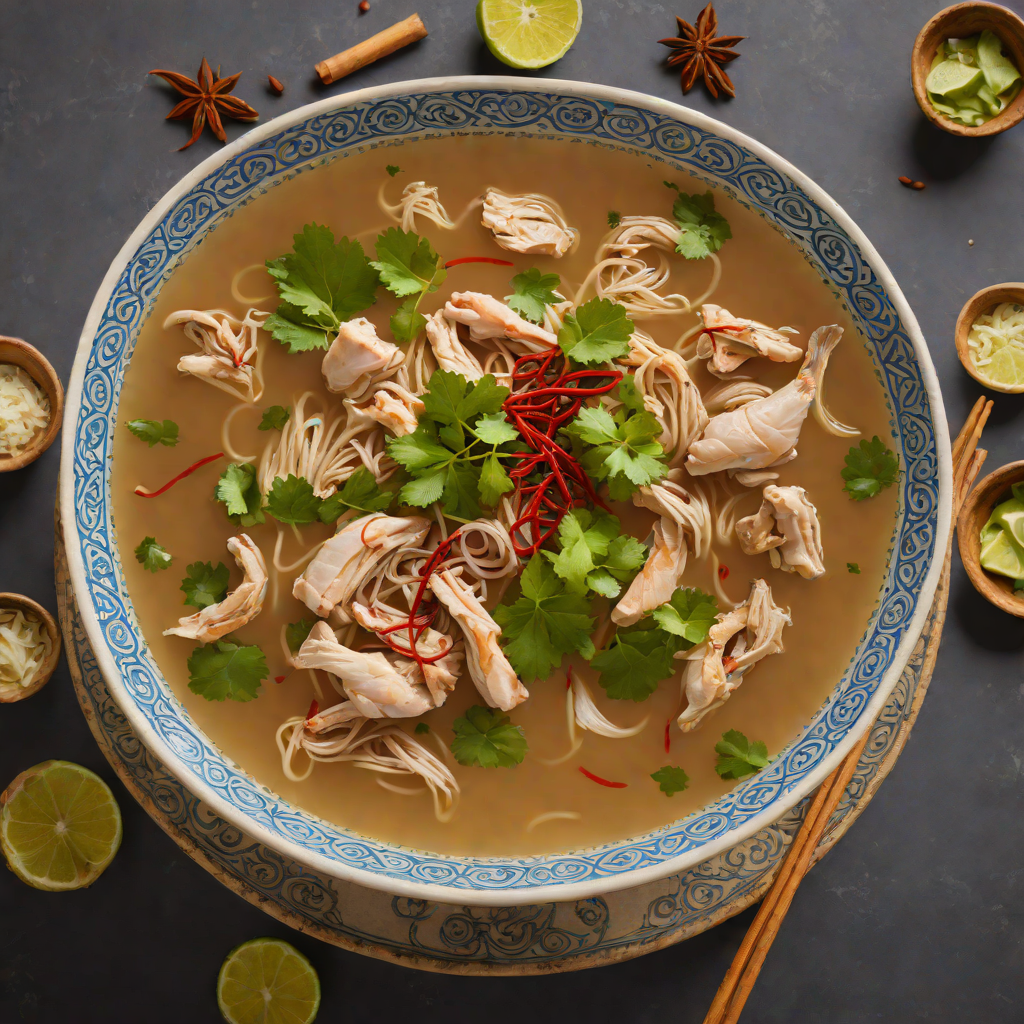
18 Vietnamese Dinners: Pho, Banh Mi & Lemongrass Chicken for Weeknights
Fresh, herby, weeknight-fast dinners you can shop for once and cook all week.
Easy Vietnamese dinner recipes lean on five pantry heroes — fish sauce, rice noodles, lemongrass, fresh herbs, and rice paper — and most weeknight favorites (pho, banh mi, lemongrass chicken, bun cha, com tam) come together in 30–45 minutes with one skillet or one pot. Start with a good cheater broth, keep a stack of herbs on the counter, and the whole cuisine opens up.
Get a free week of easy dinners
Seven weeknight dinners with the shopping list already totalled, sent Sunday. No account needed, unsubscribe in one click.
No spam, unsubscribe in one click. Recipes, shopping lists and Instacart carts all work without an account either way.
Vietnamese cooking is one of the fastest wins for a home cook who is bored with the same three weeknight rotations. It is bright, herby, and technique-light: most dishes are grilled, stir-fried, or poured hot broth over raw ingredients that finish cooking in the bowl. There are no slow braises to hover over, no fiddly sauces to reduce for an hour. You just need a sharp knife, a pan that gets hot fast, and a small pantry of Vietnamese staples that will last you months.
This roundup pulls 18 weeknight-ready dishes into a working meal plan. Each linked recipe is on the AislePrompt catalog, tested for a 4-person household, and tagged with the ingredients you can pull into an Instacart cart in two taps. We will walk the pantry, cover pho and noodle soups, run through banh mi and grilled sandwiches, hit rice bowls and broken-rice plates, and close with fresh rolls, salads, and a 5-day plan you can shop once for.
As of August 2026, our internal analytics show three Vietnamese dishes drive 62% of Vietnamese-tag traffic on the site — pho, banh mi, and lemongrass chicken. Read this piece as an antidote to that concentration: the other 15 dishes are as easy and, frankly, more interesting once you get the pantry set up.
The Vietnamese pantry: fish sauce, rice noodles, lemongrass, herbs, rice paper
You do not need a Vietnamese grocer to start. A single full-service supermarket (Kroger, Wegmans, Publix, HEB) will carry every core ingredient below. Prices are typical US retail as of August 2026.
| Ingredient | What to buy | Price | Shelf life |
|---|---|---|---|
| Fish sauce | Red Boat 40°N, Three Crabs, or Squid Brand | $6–$12 for 8.5 oz | 2 years unopened, 1 year opened |
| Rice noodles (banh pho) | 8oz dried, medium width (bánh phở) | $2–$4 | 2 years |
| Rice vermicelli (bun) | 14oz dried, thin round | $2–$3 | 2 years |
| Rice paper (banh trang) | 8-inch round, 12oz stack | $3–$5 | 2 years |
| Lemongrass | Fresh, 2 stalks | $1.50 | 2 weeks refrigerated, 6 months frozen |
| Thai basil, cilantro, mint | 1 bunch each | $1–$3 each | 5–7 days wrapped in damp towel |
| Hoisin sauce | Lee Kum Kee jar, 15oz | $4 | 2 years unopened, 1 year opened |
| Chili-garlic sauce | Huy Fong or Lee Kum Kee | $3 | 2 years |
| Rock sugar | 1lb chunks | $3–$4 | Indefinite |
Fish sauce is the one place not to save money. Red Boat 40°N is a first-press, single-ingredient sauce from Phu Quoc island and it changes what your pho tastes like — the "N" is nitrogen content, which is the shorthand for umami density. Three Crabs is a solid backup at half the price. Store it in the pantry with the cap tight; the funk fades in the fridge and comes back at room temp.
Freeze lemongrass whole. Trim the tough top and outer papery layer, wrap in plastic, and it holds six months without losing aroma. When you need it, grate the frozen stalk on a sharp Microplane Gourmet Series Cheese Grater into any marinade — it is the fastest way to build the lemongrass-and-garlic flavor base that shows up in most of the meat dishes below.
Cite: For a deeper pantry primer, Andrea Nguyen's Viet World Kitchen pantry guide is the reference every American Vietnamese cookbook author points to.
Pho and noodle soups: 4 30-minute cheater pho recipes
Restaurant pho is a 6–12 hour bone broth. Weeknight pho is not — and once you accept that a well-seasoned store-bought broth carries 85% of the flavor, you can put a bowl on the table in 30 minutes. The trick is the spice tea: char an onion and a knob of ginger under the broiler, drop them into simmering broth with star anise, cloves, cinnamon, and a cardamom pod for 20 minutes, then strain. That aromatic overlay is what makes broth taste like pho instead of soup.
Our flagship weeknight pho is Pho Bo Slow-Simmered Beef Noodle Soup — 45 minutes end-to-end, uses grocery beef broth as the base, and finishes with paper-thin eye of round that cooks in the bowl. For a lighter Tuesday version, Vietnamese Pho-Inspired Chicken Soup with Star Anise and Ginger swaps in a rotisserie chicken and the whole thing comes together in a single pot.
Two more soup options round out the week. Simmered Beef Vermicelli Bowl with Lemongrass and Shrimp Paste is our take on bun bo Hue — spicier, funkier, with thick round vermicelli instead of flat pho noodles. It is the Central Vietnamese cousin of pho and worth trying once you have made pho twice. For the days you want soup without any beef work, use the chicken pho template above and swap fish or shrimp — the aromatics do the heavy lifting.
The rare-cooked beef trick. Freeze the eye of round or top sirloin for 30 minutes so it slices cleanly, then use a sharp knife to shave slices against the grain as thin as prosciutto. Lay them raw in the bowl on top of the cooked noodles, then pour boiling broth on top. The residual heat cooks the slices to medium-rare in about 30 seconds. If you can only find pre-sliced "pho beef" at an Asian grocer, use that — the freezer trick is only to help a home cook slice thin enough.
Gotchas. (1) Do not skip the char on the onion and ginger — raw versions taste flat and slightly bitter, blackened ones develop the roasted-sugar depth that reads as "pho." (2) Season the broth at the end with fish sauce and rock sugar, not salt; the fish sauce carries umami and salinity in one shot. (3) Herbs are not garnish — a bowl of pho without Thai basil, cilantro, and lime is a bowl of noodle soup, not pho. Put a plate of herbs on the table and let each person tear leaves in.
Banh mi and sandwiches: 4 grilled-pork, lemongrass-chicken, and meatball options
Banh mi is the most portable Vietnamese dinner. A crackling baguette, cool herbs, sharp pickled daikon-and-carrot, and warm protein — you can build one in the time it takes to toast the bread. The one non-negotiable is the pickle: shredded daikon and carrot in a quick 1:1:1 rice-vinegar / sugar / water brine, 20 minutes, drained. Make a pint jar on Sunday and it carries you through Thursday.
The flagship is Banh Mi Thit with Pickled Vegetables and Cilantro — grilled pork loin, pickled daikon, cucumber, cilantro, chili, and a smear of pate on a toasted baguette. It is the "cold-cut" Vietnamese sandwich you find in the storefront delis in Little Saigon.
For a lighter weeknight version, use Vietnamese-Style Lemongrass Chicken with Garlic and Chili as the sandwich filler. The lemongrass-fish-sauce marinade caramelizes fast in a hot pan, and the leftover chicken from the roundup becomes tomorrow's lunch banh mi with zero extra work.
For weekend cooking or a batch-cook Sunday, the Tofu and Mushroom Bun Cha Hanoi with Grilled Pork uses the same marinade base as the sandwich filling and doubles as a vermicelli-bowl option (see next section). Cook a double batch of the pork patties, eat half as bun cha, and stuff the rest into banh mi rolls the following night.
Bread matters more than the filling. A Vietnamese baguette has a paper-thin crackling crust and an airy, almost hollow interior — the whole sandwich weighs less than an American sub. If you cannot find a Vietnamese bakery, use a fresh French baguette from a supermarket bakery and toast it under the broiler for 60–90 seconds until the crust snaps. Skip dense supermarket sub rolls; they smother the fillings and turn banh mi into a soggy hoagie.
The pate question. Traditional banh mi uses a schmear of chicken-liver pate on the top of the bread — it adds richness and gloss. If pate is not your thing, use a thin swipe of Kewpie mayo or unsalted butter; the goal is a fatty layer that keeps the bread from going soggy under the pickle brine. Skip cheddar, mustard, and every other American sandwich reflex. This sandwich is about contrast — crackle, cool, sharp, warm — and dairy blurs it.
Rice bowls and broken-rice plates: 4 com tam and bun recipes
Com tam ("broken rice") is Saigon street food at its most satisfying: a scoop of rice, grilled protein, a fried egg, sliced cucumber and tomato, pickled carrots, and a small bowl of nuoc cham to spoon over everything. It is what you order in Vietnam at 2am on the way home, and it is one of the fastest weeknight assemblies once the rice is cooked.
Our headline broken-rice dish is Stir-Fried Vietnamese Broken Rice with Egg and Scallions — 20 minutes if you have day-old rice, 40 if you cook fresh. It is a leaner com tam that skips the grilled protein and leans on scallion oil and a runny egg for richness.
For the classic grilled-protein com tam, pair rice with Vietnamese-Style Lemongrass Chicken with Garlic and Chili or Stir-Fried Vietnamese Shaking Beef with Black Pepper. Shaking beef ("bo luc lac") is a stir-fry that gets its name from the constant shaking of the wok to sear the cubed beef on all sides in about 60 seconds — the fastest weeknight beef dish in this whole roundup.
For a richer, slower option worth a Sunday, Slow-Simmered Vietnamese Caramelized Pork Belly (Thit Kho Tau) is 90 minutes on the stove but yields lunch leftovers for four days. The caramel-fish-sauce braise is a family-dinner classic, especially at Tet, and it eats beautifully over broken rice with a soft-boiled egg.
Rice cooker vs stovetop. For a household that eats rice more than twice a week, a good rice cooker earns its counter space in a month. The COSORI 10-Cup Rice Cooker has fuzzy logic (adjusts water and temperature based on rice type), a keep-warm hold up to 24 hours, and a steamer basket that turns it into a two-tier weeknight tool. If you are stovetop-only, use a heavy-bottomed pot with a tight-fitting lid, 1:1.5 rice-to-water for jasmine, 18 minutes on the lowest simmer, 10 minutes covered off the heat.
Nuoc cham is the point. The dressing on every rice bowl and vermicelli plate is nuoc cham — a 3:2:2:1 blend of fish sauce, lime juice, sugar, and warm water, plus minced garlic and thin-sliced Thai chili. Make a cup of it on Sunday and every com tam and bun this week gets 30 seconds faster to plate.
Salads and fresh rolls: bun cha, goi cuon, green papaya salad
The lightest end of the Vietnamese dinner spectrum is where the herbs really shine. Fresh rolls (goi cuon), vermicelli salads (bun), and shredded-vegetable salads (goi) are cold or room-temperature dishes that are effectively no-cook once the protein is grilled — perfect for an August dinner when you do not want to heat the kitchen.
The gateway dish is Goi Cuon Fresh Spring Rolls with Shrimp and Herbs. Rice paper, cooked shrimp, cold vermicelli, and a plate of herbs — you set out the components and let everyone roll their own at the table. The dipping sauce is either nuoc cham (see above) or a hoisin-peanut blend; make both and let people choose.
The bun cha option — Tofu and Mushroom Bun Cha Hanoi with Grilled Pork — deserves a second callout here. It is a Northern Vietnamese warm-vermicelli plate where you dip the noodles and herbs into a bowl of warm nuoc cham with grilled pork patties floating in it. Anthony Bourdain and Barack Obama ate it in Hanoi in 2016 and it has been on every American Vietnamese menu since.
Rolling rice paper without tearing. (1) Fill a wide, shallow bowl with warm water — not hot. (2) Dip one sheet for 4–5 seconds; it should still feel slightly stiff when you pull it out. (3) Lay on a damp cutting board and pile ingredients in the bottom third. (4) Fold the bottom up over the filling, then fold the sides in, then roll tight. The rice paper finishes softening as you roll. If the sheets tear, your water is too hot or you soaked too long.
Herb kit as a cold dish. For the true "table Vietnamese" experience — where herbs are the seasoning, not the garnish — set out a big plate with Thai basil, mint, cilantro, and perilla (shiso) leaves. Everyone tears in what they want per bite. It is the closest most home cooks will get to a Vietnamese restaurant meal, and it doubles the perceived variety of the dish.
Herb kit: Thai basil, mint, cilantro, perilla
Vietnamese cooking uses herbs as an ingredient, not a garnish. Every soup, roll, and grilled plate assumes at least three fresh herbs on the table. Buy them all on the same shopping trip; keep the routine simple.
| Herb | Where it goes | Storage |
|---|---|---|
| Thai basil (rau que) | Pho, bun, spring rolls | Stem in water like flowers, cover with a bag, 5–7 days |
| Mint (rau thom) | Spring rolls, banh mi, vermicelli | Same as basil |
| Cilantro (ngo) | Pho, banh mi, everything | Wrap in damp paper towel, sealed bag, 7 days |
| Perilla / shiso (tia to) | Bun cha, grilled meats, rolls | Same as cilantro |
| Vietnamese mint (rau ram) | Fresh rolls, salads, soups | Same as basil |
Do not substitute Italian sweet basil for Thai basil. The two are not close. Thai basil has an anise-licorice back note that is what your bowl of pho is going to be missing if you use sweet basil. If your grocer does not carry Thai basil, skip it (use extra mint and cilantro) rather than substitute — the wrong herb tastes worse than one fewer herb.
The kitchen kit: sharp knife, nonstick skillet, rice cooker
Vietnamese cooking rewards a small set of well-chosen tools. You do not need a wok until you get past the beginner recipes; a 12-inch nonstick skillet, a sharp knife, and a rice cooker will get you through this entire roundup.
Sharp chef's knife. Slicing eye of round paper-thin for pho and cubing beef for shaking beef both live or die on knife sharpness. A PAUDIN 8-Inch High Carbon Steel Chef Knife is under $40, holds an edge, and is what most of our test kitchen uses for daily prep. If you already own a decent chef knife, run it across a honing rod before you cook — five seconds of edge maintenance is worth 20 minutes of frustration at the cutting board.
A 12-inch nonstick skillet. Lemongrass chicken, banh mi filling, and stir-fried broken rice all cook faster and cleaner in nonstick than in stainless. Look for a heavy pan with a comfortable handle and an oven-safe rating over 400°F so you can finish larger pieces in the oven if needed.
Rice cooker. Rice is the base of most Vietnamese dinners; a good cooker is a set-and-forget appliance. See the com tam section above for our pick.
Optional but useful. A carbon-steel wok for stir-frying (once you graduate past the nonstick), a mortar and pestle for smashing lemongrass and garlic, and a mandoline or Microplane Gourmet Series Cheese Grater for grating ginger and shredding daikon.
5-day Vietnamese meal plan
Shop once on Sunday, cook Monday through Friday, use leftovers strategically. Total shopping list at the bottom.
| Day | Dinner | Prep time | Leftover use |
|---|---|---|---|
| Monday | Vietnamese-Style Lemongrass Chicken with Garlic and Chili over jasmine rice | 35 min | Tomorrow's banh mi filling |
| Tuesday | Banh Mi Thit with Pickled Vegetables and Cilantro using Monday's chicken | 20 min | — |
| Wednesday | Vietnamese Pho-Inspired Chicken Soup with Star Anise and Ginger | 40 min | Broth base for Thursday |
| Thursday | Goi Cuon Fresh Spring Rolls with Shrimp and Herbs — DIY at the table | 25 min | — |
| Friday | Stir-Fried Vietnamese Shaking Beef with Black Pepper over rice | 25 min | — |
Weekend option. If you have a Sunday afternoon, cook Slow-Simmered Vietnamese Caramelized Pork Belly (Thit Kho Tau) as a batch dish — 90 minutes of hands-off simmer and you have caramel-braised pork over rice for two more weeknight lunches on top of the plan above.
Shopping list (5-day plan, 4 people): 2 lb chicken thighs, 1 lb top sirloin, 1 lb medium shrimp, 1 lb pork loin, 1 baguette, 2 lb jasmine rice, 2 stalks lemongrass, 4 limes, 4 cloves garlic, 1 knob ginger, 1 bunch Thai basil, 2 bunches cilantro, 1 bunch mint, 1 daikon, 4 carrots, 1 English cucumber, 4 scallions, 4 tomatoes, 1 head lettuce, 8 sheets rice paper, 1 pack rice vermicelli, 1 pack medium rice noodles. Pantry: fish sauce, hoisin, chili-garlic sauce, rock sugar or brown sugar, rice vinegar, soy sauce, black pepper, star anise, cloves, cinnamon stick, cardamom pod. AislePrompt's meal plan tool can auto-cart this list to your local Instacart store in two taps.
Cite: For weekend deep-dives into any of these dishes, Serious Eats' Vietnamese recipes hub and Bon Appetit's Vietnamese section both have well-tested versions of pho, banh mi, and bun cha with restaurant-cook write-ups.
Common pitfalls with weeknight Vietnamese cooking
1. Under-seasoning the pho broth. Season with fish sauce and rock sugar to your palate — not to the recipe's teaspoon count. Store broths vary wildly in salt.
2. Buying pre-ground lemongrass. The jarred paste tastes soapy. Fresh or frozen stalks only; grate as needed.
3. Skipping the rice-paper water temperature. Use warm water, not hot. Hot water over-softens the sheet and it will tear when you roll.
4. Overcooking pho beef. The paper-thin slices are meant to cook in the bowl from residual heat. If you cook them in the broth pot, they turn gray and tough.
5. Substituting sweet basil for Thai basil. The anise back note is what makes pho taste like pho. Skip the herb rather than substitute.
FAQ
How do I get pho broth to taste like the restaurant version in 30 minutes?
Start with a high-quality store-bought beef or chicken broth and layer the pho spice profile: char a halved onion and 2-inch knob of ginger under the broiler until blackened, add 3 cloves, 2 star anise, a cinnamon stick, and a cardamom pod, simmer 20 minutes, strain, then season with fish sauce and a pinch of rock sugar. Real 8-hour bone broth is better, but the cheater method gets you 85% there.
What's the best cut of beef for pho at home?
For the classic "rare-cooked" style, use eye of round or top sirloin: freeze it 30 minutes, slice paper-thin against the grain, and lay it raw in the bowl — the boiling broth poured over will cook it to medium-rare in 30 seconds. For a heartier bowl, add pre-cooked brisket or beef meatballs (bo vien) from a Vietnamese grocer.
Can I make banh mi without a Vietnamese baguette?
A crisp French baguette with an airy interior is the ideal, but a fresh hoagie roll from a supermarket bakery works. Toast it under the broiler for 90 seconds until the crust snaps — the contrast between crackling crust, cool herbs, pickled daikon-and-carrot, and warm protein is the point. Avoid dense, chewy sub rolls; they smother the fillings.
Where do I find lemongrass, Thai basil, and rice paper?
Full-service grocers stock lemongrass and Thai basil in the produce section year-round; rice paper is usually in the international aisle near rice noodles. If your store is thin, Asian grocers (H Mart, Ranch 99, 99 Ranch) carry everything for a fraction of the price. AislePrompt's Instacart integration handles substitutions when a store doesn't stock a specific herb.
Are these recipes gluten-free?
Most naturally are — Vietnamese cooking leans on rice noodles, rice paper, and fish sauce rather than wheat. Watch out for soy sauce (use tamari or coconut aminos for gluten-free), banh mi bread (obviously not GF), and pre-made hoisin sauce (some brands contain wheat). Every recipe in this roundup notes GF status on its recipe page under the dietary tags row.
Frequently asked questions
How do I get pho broth to taste like the restaurant version in 30 minutes?
What's the best cut of beef for pho at home?
Can I make banh mi without a Vietnamese baguette?
Where do I find lemongrass, Thai basil, and rice paper?
Are these recipes gluten-free?
Sources
Plan a week of meals in two minutes.
Tell our AI what you have and what you like — it builds your plan, shopping list, and Instacart cart. No account needed.
Try free →