20 Easy Italian Pasta Recipes for Beginner Cooks
The twenty pasta recipes worth learning first — grouped by sauce family, all under an hour, all with the three techniques that separate flat pasta from restaurant-quality.
Affiliate disclosure: AislePrompt may earn a commission on qualifying purchases made through Amazon and Instacart links in this article, at no additional cost to you. See our affiliate policy →
If you can boil water and stir a sauce, you can cook Italian pasta at the level of a good Roman trattoria at home. This guide gives you the twenty recipes worth learning first, grouped by sauce family so the patterns click, plus the tiny handful of techniques (salt the water, save the pasta water, finish in the pan) that separate flat pasta from the version you keep making on Wednesday nights. Every recipe is beginner-tested, uses grocery-store ingredients, and lands on the table in under an hour.
Why pasta is the perfect first Italian cuisine to master
Italian cooking looks intimidating from the outside — regional feuds over which shape belongs with which sauce, insistent Nonnas on YouTube, the "authenticity" wars. Ignore all of that for the first year. Pasta is the fastest on-ramp to Italian home cooking because the technique stack is small: boil, sauce, marry. Once you have that muscle memory, every regional variation is a remix of the same three moves.
Beginners get three specific wins from starting with pasta. First, the ingredient list per dish is short — often five to eight items, most already in a stocked pantry. Second, cook time is dominated by the pasta itself (8–12 minutes), so a dinner from cold-kitchen to plated is 25 minutes flat. Third, the failure modes are cheap: over-salt the water, drain too aggressively, forget the pasta water — none of these ruin dinner, they just teach you the next time. Compare that to bread baking (24-hour fermentation windows) or braises (three-hour commitments) and the feedback loop is unbeatable.
Pasta is also where the tools payoff is smallest. Anyone with a five-quart pot, a twelve-inch skillet, and a colander can execute nineteen of the twenty recipes in this guide. The pasta primavera and spaghetti aglio e olio recipes both hit the table in under thirty minutes with only those three items on the counter.
Cooking pasta correctly: salted water, al dente, saving pasta water
Every Italian pasta recipe assumes three things you probably weren't taught in an American kitchen. Get these right and even a boxed marinara will taste better.
Salt the water like the sea. Roughly one tablespoon of kosher salt (about 15g) per quart of water. Under-salted water produces bland pasta that no sauce can rescue. Add salt after the water boils but before the pasta goes in — salting from cold does nothing helpful and just prolongs the boil. The specific mineral bite of properly salted pasta is what makes the finished dish taste "Italian" versus vaguely European. Serious Eats' pasta section is unambiguous on the ratio; it's not a suggestion.
Cook al dente. Boxed dried pasta lists a cook time (usually 9–12 minutes). Start tasting two minutes before that number. You want the noodle to bend cleanly but still have a fine white core when bitten through — that's al dente, "to the tooth." The pasta will keep cooking for another 60–90 seconds after it hits the hot sauce, which is where the final texture lands. Skip this step and you get mushy pasta that clumps.
Save the pasta water. Right before draining, dip a heatproof measuring cup into the pot and scoop out a full cup of that starchy, salted, milky water. This is your finishing liquid. It thickens sauces (starch), seasons the whole dish (salt), and helps sauce cling to the noodles (physics). Every recipe in this guide assumes you have it. Never skip it, even for tomato sauce.
Finish in the pan, not the bowl. Transfer the pasta hot into the sauce pan using tongs or a spider strainer, add a splash of pasta water, and toss over medium heat for 60 seconds. This is the "marry" step — the sauce coats every strand and clings. Dumping drained pasta into a bowl and ladling sauce on top is the American default, and it makes the sauce sit on the noodles instead of holding them.
The five mother sauces of Italian pasta cookery
Twenty recipes sounds like a lot until you notice they collapse into five sauce families. Learn the family and you can improvise a hundred variations without ever needing another recipe.
| Family | Base | Signature dishes | Best pasta shape |
|---|---|---|---|
| Tomato | Crushed tomato, garlic, olive oil | Marinara, arrabbiata, puttanesca, amatriciana, bolognese | Spaghetti, penne, rigatoni |
| Cream / cheese emulsion | Egg + cheese, or cream + cheese | Carbonara, alfredo, cacio e pepe | Bucatini, fettuccine, spaghetti |
| Oil-based | Olive oil, garlic, aromatics | Aglio e olio, primavera, lemon, garlic shrimp, pesto | Spaghetti, linguine |
| Baked | Cheese + tomato + noodle assembly | Lasagna, baked ziti, chicken parmesan pasta | Wide flat noodles, tubes |
| Fresh / regional | Hand-shaped or region-specific | Gnocchi, orecchiette con cime di rapa, vongole | Whatever the region uses |
Notice that the "sauce" for cacio e pepe and carbonara is technically not a sauce at all — it's an emulsion of cheese, starchy pasta water, and fat (or egg). Once you've done one, all three of the cream family become obvious.
The 20 recipes, grouped by sauce family
The rest of this guide walks through the twenty starter recipes in the order most beginners find easiest to hardest. Every one is on AislePrompt with the full ingredient list and step-by-step method — the descriptions below tell you why each one is on the list and what beginner win you'll get from cooking it.
Tomato-based section (5 recipes)
The tomato family is where every Italian home cook starts because good crushed tomatoes plus salt is almost a sauce on its own. Bump the tomato quality (San Marzano DOP if you can find them, but Cento or Bianco DiNapoli are excellent) and everything gets better.
1. Marinara. Smith's Classic Spaghetti is the platonic weeknight marinara — twenty minutes, one pan, and a template you'll use for the rest of your life. Master this before touching any other tomato recipe. The garlic-in-oil-then-tomato sequence is the fundamental move.
2. Arrabbiata. "Angry" penne is marinara plus crushed Calabrian chili plus a bigger dose of garlic. Same technique, five more minutes. Great teaching dish for spice control — start with less than the recipe says and add.
3. Puttanesca. Olive and Sundried Tomato Puttanesca demonstrates the salt-cure trick: capers, olives, and anchovies do the seasoning for you, so the sauce lands seasoned without measuring salt. Pantry-only recipe; no fresh vegetables required.
4. Amatriciana. True amatriciana uses guanciale, tomato, pecorino, and rigatoni or bucatini. Classic Italian Rigatoni with Sausage and Tomato Sauce is the closest weeknight cousin (pork + tomato + hard cheese + rigatoni) and teaches you the render-the-pork-first-then-build-the-sauce-in-its-fat technique that is 40% of what makes amatriciana great.
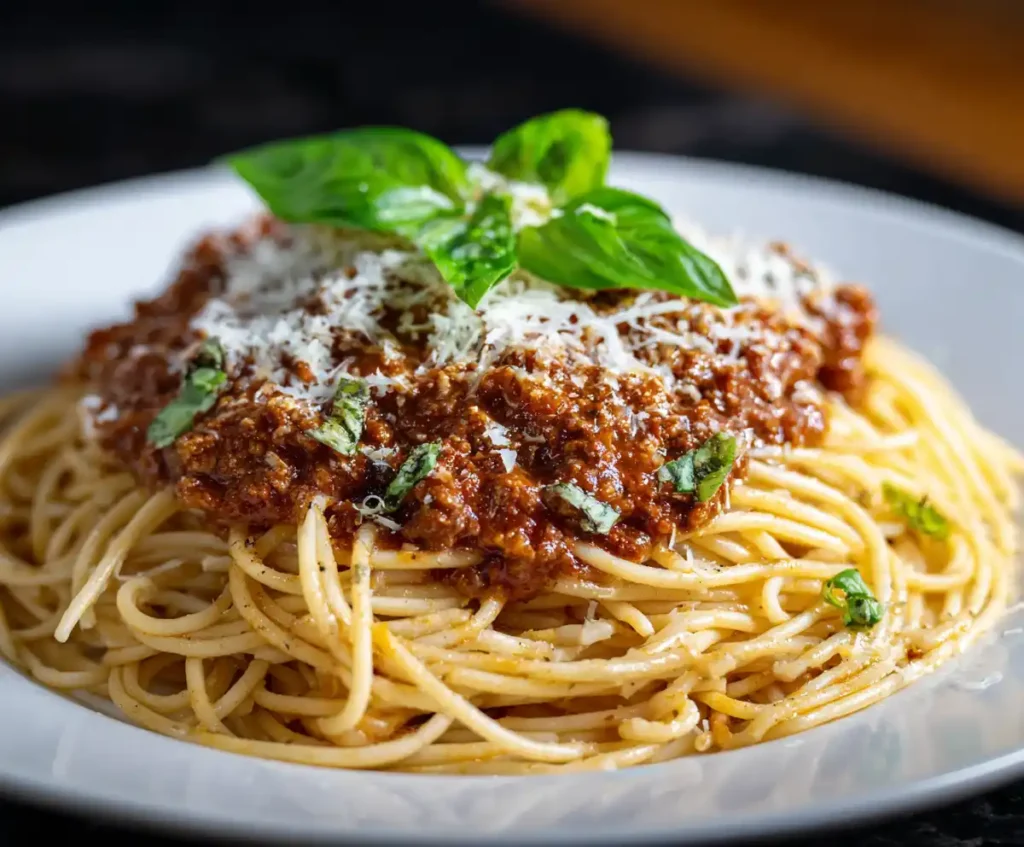
5. Bolognese. Traditional Italian Spaghetti Bolognese with Parmesan and Basil is the two-hour Sunday-project version. Skip it your first month, then cook it once and freeze half — Bolognese improves for three days in the fridge and freezes for two months.
Cream-based section (4 recipes)
Cream-family recipes are physics puzzles. The goal is a glossy emulsion where cheese, fat, and starch bind into a coating for the noodles. Break the emulsion and you get greasy pasta with clumps of cheese. The two rules: heat matters (too hot scrambles egg or breaks cheese), and pasta water is the emulsifier (starch keeps everything suspended).
6. Carbonara. Layered Spaghetti Carbonara with Crispy Pancetta is the essential Roman recipe: eggs, pecorino, guanciale (or pancetta), black pepper. No cream — the "creaminess" is emulsified egg. The critical move is off-heat mixing: kill the burner, wait 30 seconds, then combine or you'll scramble the eggs.
7. Alfredo. Best-Kept Secret Fettuccine Alfredo with Asparagus is what Italians actually mean by alfredo — butter and Parmigiano-Reggiano melted with pasta water, no cream. American restaurant alfredo (heavy cream + jar) is a different dish. Cook this one to understand the difference.
8. Cacio e pepe. Bucatini Cacio e Pepe with Black Pepper Cream is the three-ingredient stress test — pecorino, black pepper, pasta. Emulsify it once and you have a life skill. The Bon Appétit pasta collection has a technique deep-dive worth reading after your first successful attempt.
9. Cream mushroom pappardelle. Pappardelle with Wild Mushrooms and Parmesan Cream is the beginner-friendly cream sauce because heavy cream is forgiving — it won't break as long as you don't boil it. Perfect entry point to the cream family before tackling the egg-emulsion ones.
Oil-based section (5 recipes)
Oil-based pastas are the fastest weeknight dinners in Italian cooking. Most land on the table in 20 minutes because the "sauce" is aromatics bloomed in olive oil, finished with pasta water. If you only cook five recipes from this guide, cook these five — you'll be a competent Italian home cook.
10. Aglio e olio. Spaghetti Aglio e Olio is the technique's Rosetta Stone: garlic-in-oil-plus-pasta-water. Master this and you understand why sliced (not minced) garlic browns evenly, why pasta water thickens the sauce, and why the pan-toss step matters. It's also the best late-night dinner in existence.
11. Pasta primavera. Pasta Primavera is aglio e olio plus vegetables. Use whatever's in the crisper drawer — asparagus and peas in spring, zucchini and cherry tomatoes in summer, roasted squash and kale in fall. The technique never changes; only the vegetables rotate.
12. Lemon pasta. Lemon-Glazed Pasta with Shrimp and Asparagus shows you the acid-and-oil finish. Lemon zest bloomed in olive oil is one of the most versatile flavor bases in Italian cooking — the same trick works on grilled fish, roasted chicken, and blanched vegetables.
13. Garlic shrimp linguine. One-Pot Garlic Butter Shrimp Linguine is aglio e olio scaled up with butter and shellfish. Great weekend entertaining dish because it looks fancy but takes 25 minutes. The butter-and-oil combination gives you both flavor (butter) and heat tolerance (oil) so garlic won't burn as fast.
14. Pesto genovese. Genovese-Style Basil Pesto Pasta with Pine Nuts is the introduction to sauces you don't cook. Blend, toss, eat. Traditional pesto uses a mortar and pestle for a specific reason — bruising basil rather than shearing it keeps the oils intact — but a food processor is fine for a weeknight. Warm the pesto with pasta water at the end so it coats without breaking.
Baked section (3 recipes)
Baked pastas are the highest-leverage recipes in this guide because they scale, freeze, and reheat perfectly. Cook one on Sunday and you have five nights of dinner. Also: they're forgiving. If you over-salt a marinara, you'll notice. If you over-salt a baked ziti, the cheese covers for you.
15. Lasagna. Three-Cheese Sheet Pan Lasagna with Italian Sausage uses a sheet pan instead of a baking dish — thinner layers, faster cook time, more crispy edges, no ricotta-mud middle. The sheet-pan trick is the single biggest lasagna upgrade an American home cook can make.
16. Baked ziti. Low-Profile Baked Ziti is undercook-the-pasta-then-bake-it-in-sauce. Boiling to al dente minus two minutes matters — the pasta finishes cooking in the sauce during the bake, and skipping this step gives you mush. Serves eight with 45 minutes of active work.
17. Chicken parmesan pasta. Chicken Parmesan Meatball Bake with Mozzarella is the shortcut: instead of breading and frying cutlets, roll the seasoned mixture into meatballs and bake in marinara under cheese. All the flavor of chicken parm with none of the fried-in-batches tedium.
Fresh + regional (3 recipes)
Save these for month three. Not because they're hard, but because they benefit from having the basics automatic — you want to focus on the technique that makes each one special, not still thinking about pasta water.
18. Ricotta gnocchi. Handmade Ricotta Gnocchi with Roasted Tomato Sauce is the friendliest first fresh pasta because ricotta dough is much more forgiving than potato dough — no under-cooked potato risk, no gumminess if you overwork it. Rolled and cut in 20 minutes, cooked in 3.
19. Orecchiette con cime di rapa. Rustic Italian Orecchiette with Sausage and Broccoli Rabe is the Puglia classic — bitter greens, spicy sausage, chewy little "ear" pasta. The bitterness of the broccoli rabe is the whole point; do not substitute broccoli or you get a different dish.
20. Spaghetti alle vongole. Saffron-Infused Linguine with Clams is a Michelin-adjacent restaurant dish that costs $12 to cook at home. Fresh clams open in white wine; that broth becomes the sauce; pasta finishes in the broth. Twenty minutes, four ingredients not counting the pasta, and it eats like you're on the Amalfi coast. Cook's Illustrated has the definitive scrub-and-purge instructions for cleaning clams — read them before your first attempt.
Common Italian pasta mistakes
Even good cooks make the same handful of mistakes on Italian pasta. Watching for these will fix 80% of the "it doesn't taste like restaurant pasta" complaints.
- Rinsing pasta after draining. Never do this unless you're making cold pasta salad. Rinsing removes the starch that helps sauce cling, and cools the pasta so it can't marry with the hot sauce.
- Adding oil to boiling water. Doesn't prevent sticking (stirring does). Coats the pasta with oil so the sauce beads off. Skip it.
- Draining every last drop. A tiny bit of pasta water clinging to the noodles is a feature, not a bug — it seeds the emulsion when you toss with the sauce.
- Buying pre-grated Parmesan in a can. It's not Parmigiano-Reggiano; it's a shelf-stable powder with cellulose. Buy a wedge of the real thing (imported, DOP-stamped) and grate as needed. It lasts months in the fridge wrapped in parchment.
- Cooking too much pasta per pot. One pound of pasta needs at least four quarts of water. Crowd the pot and the water cools when you add the pasta, extending cook time and gumming up the noodles.
- Ignoring the shape-sauce pairing. Long thin pasta suits thin sauces (oil, seafood). Ridged tubes hold thick tomato and meat sauces. Small shapes catch chunky bits. This isn't food snobbery — it's why the dish holds together on the fork.
Kitchen tools that make Italian pasta cookery easier
The entire twenty-recipe list can be executed with four tools. Nothing else on this section is required.
- A five-quart pot for boiling pasta. Anything smaller crowds the water. The Aufetq Stainless Steel Stock Pot 20QT is overkill for pasta alone but scales to bolognese-quantity stock and multi-batch canning.
- A twelve-inch skillet or wide sauté pan for finishing sauces. You want vertical sides tall enough to toss without launching pasta onto the stove.
- A Microplane grater for Parmigiano-Reggiano, garlic, and lemon zest. The Microplane Gourmet Series Hand-Held Cheese Grater is the industry standard and lasts a lifetime.
- A sharp chef's knife for aromatics. The PAUDIN 8-inch Chef Knife is the best sub-$50 option and holds an edge for six months of daily use.
Optional additions once you're cooking pasta twice a week: a spider strainer (transfers pasta hot from water to sauce without draining), a fish spatula (works better than tongs for lifting flat pasta out of a skillet), and a proper heavy Dutch oven for slow-simmer bolognese and baked ziti. Browse the full cookware range or the knives collection when you're ready to expand.
Sunday-first-timer game plan
If you're cooking pasta for the first time on Sunday, do this in order and everything works:
1. Read aglio e olio end-to-end before starting. This is the technique baseline; every other pasta borrows from it.
2. Salt your water to sea-level. Taste it with a spoon — if it doesn't taste like a mild broth, add more.
3. Slice (don't mince) four cloves of garlic. Bloom in olive oil over medium-low until pale gold, not brown.
4. Cook spaghetti two minutes shy of the box time. Scoop a cup of pasta water. Drain.
5. Kill the heat. Transfer pasta into the garlic-oil pan. Add red pepper flakes, parsley, and a splash of pasta water. Toss for 60 seconds.
6. Plate. Grate Parmigiano-Reggiano on top. Eat.
Done in 25 minutes. Add whatever protein you have (roast chicken, shrimp, canned tuna, chickpeas) for a full dinner. Once this feels automatic, work through the twenty-recipe list from the top of the tomato family down through the oil family. In six weeks you'll be able to make dinner from a bare pantry in half an hour.
Sources
Every technique above was cross-checked against these three primary sources. If you want to go deeper, start with:
- Serious Eats — pasta recipes and technique library
- Bon Appétit — pasta collection
- Cook's Illustrated — pasta how-tos
Frequently asked questions
How salty should pasta water actually be?
What's the difference between fresh and dried pasta?
Can I substitute the traditional pasta shape in these recipes?
Do I need to buy expensive Italian pasta and olive oil?
What kitchen tools do I need for Italian pasta cookery?
Recipes to start your week with
Save any of these to My Recipes — no account needed — and send the ingredients to Instacart in one tap.