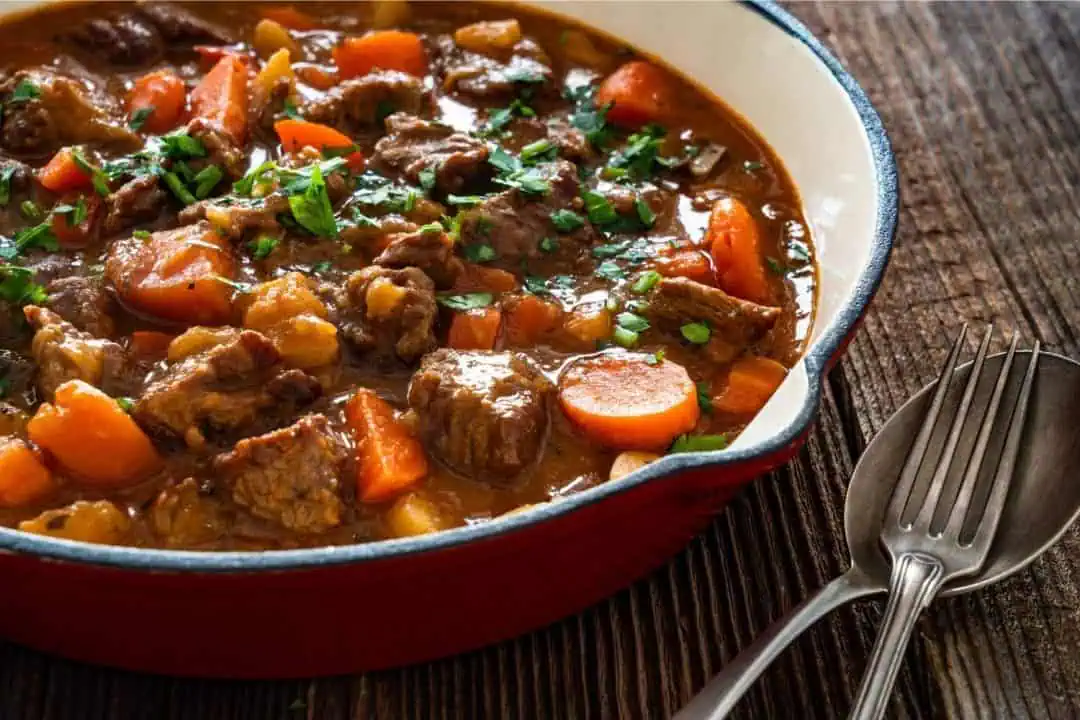
20 Leftover Makeover Recipes: Turn Sunday's Roast Into Wednesday's Dinner
The transformation rule, 20 second-life recipes grouped by starting leftover, and the Sunday-to-Friday menu plan that turns one cook into three dinners.
Introduction — the second-life playbook for common leftovers
Get a free week of easy dinners
Seven weeknight dinners with the shopping list already totalled, sent Sunday. No account needed, unsubscribe in one click.
No spam, unsubscribe in one click. Recipes, shopping lists and Instacart carts all work without an account either way.
Sunday cooking is easy math: buy one big chicken, one big roast, one big pan of vegetables, and cook it all Sunday afternoon. The hard math is Tuesday — when a foil-covered plate of exactly-the-same-thing lands on the table for the second night and your family sighs. Roast chicken on Sunday is dinner. Roast chicken reheated on Wednesday is punishment.
The trick isn't cooking more variety on Sunday. It's transforming Sunday's cook into three different meals across the week. A whole roast chicken carcass can become tacos on Tuesday, soup on Wednesday, and fried rice on Friday — three completely different flavor profiles, one Sunday cook, one grocery bill. Done right, a Sunday roast that costs $18 becomes 12 meals at about $1.50 per plate.
This guide is the second-life playbook. We cover the one rule that separates a real makeover from a sad reheat, twenty catalog-tested makeover recipes grouped by starting leftover (chicken, beef, pork, rice, roasted vegetables, mashed potatoes), the sandwich framework that beats the original meal, food-safe storage rules from FoodSafety.gov's cold-storage charts, and a Sunday-to-Friday menu plan that turns one big cook into three weeknight dinners.
The rule — transform the format, don't just reheat
The reason leftovers get boring isn't the food; it's the format. Same protein, same starch, same sauce, same plate. The brain reads "identical dinner" and disengages before the fork lifts.
The rule: change at least two of the three format axes — protein shape, cuisine, and vessel.
- Protein shape. A whole roast chicken breast becomes shredded meat for tacos, small dice for fried rice, sliced-thin for a sandwich, or shredded-into-soup. Same protein, four different shapes, four different mouthfeel.
- Cuisine. Sunday's roast chicken with pan gravy is Anglo-American. Tuesday's tacos are Mexican. Wednesday's soup is Vietnamese pho or Yucatecan lime soup. Friday's fried rice is Chinese-American. Same protein; the seasoning goes to different corners of the world.
- Vessel. Sunday it's a plate. Tuesday it's a hand-held tortilla. Wednesday it's a bowl. Friday it's a wok/skillet-to-bowl. Same protein; the way you interact with it is different every night.
Two of three axes changed = the leftover reads as a new meal. That's the whole trick.
20 Leftover Makeover Recipes (grouped by starting leftover)
From leftover roast chicken (5 recipes)
1. Chicken Tortilla Soup — shredded chicken, tomatoes, tortilla strips, lime. 25 min from a picked carcass.
2. Chicken Potpie — leftover chicken + peas + carrots + a store-bought pie crust = crowd-friendly comfort.
3. Leftover Chicken Fried Rice — diced chicken, day-old rice, soy, egg, scallion. 12 min in a hot wok.
4. Texas-Style Chicken and Pecan Salad — the chicken salad that lands on the lunch plate.
5. Chicken Enchilada Casserole — shredded meat + sauce + tortillas + cheese; freezer-friendly.
From leftover beef roast (4 recipes)
6. Beef & Black Bean Tacos — thinly sliced roast beef, warm tortillas, quick slaw. 15 min.
7. Roast beef French dip sandwich — see the sandwich section below for the full move.
8. Classic Shepherd's Pie — chopped beef, mashed potato lid, freezer-friendly.
9. Beef and vegetable stir-fry — cube leftover roast, hot pan, soy + garlic + ginger, serve over rice. 10 min.
From leftover pork (2 recipes)
10. Pulled Pork Tacos — shredded pork, mango salsa, avocado. 15 min.
11. Sheet Pan Carnitas — crisp the pork under a broiler for 4 min, then tacos or grain bowl.
From leftover rice (3 recipes)
12. Italian Oven-Baked Arancini — cold cooked rice + mozzarella + breadcrumbs; the ultimate rice repurpose.
13. Day-old rice becomes the base of the Chicken Fried Rice above — day-old is critical, fresh rice steams.
14. Rice pudding — 2 cups cooked rice + 2 cups milk + sugar + vanilla + cinnamon, simmer 20 min. Breakfast for the week.
From leftover roasted vegetables (3 recipes)
15. Roasted Vegetable and Quinoa Bowl — grain + veg + a tahini or lemon-yogurt dressing.
16. Roasted Vegetable Pasta with Pesto — toss with hot pasta and a scoop of pesto.
17. Vegetable Frittata — 6 eggs + 2 cups leftover roasted vegetables; brunch-for-dinner.
From leftover mashed potatoes (3 recipes)
18. Potato Cakes — bind with an egg, coat in breadcrumbs, pan-fry until crisp.
19. Potato-topped shepherd's pie (see #8) — the mashed lid is where the magic happens.
20. Breakfast Hash — dice cold mash, crisp in bacon fat, top with a fried egg.
Every recipe scales via the built-in serving stepper. Bookmark the ones that match the leftovers most often in your fridge.
The leftover sandwich — how to build one that beats the original meal
A well-built sandwich is the superior dish to the original roast in a lot of cases. The pressure of two bread slices concentrates flavor, the addition of a bright element (pickle, mustard, slaw) balances heavy protein, and cold-from-the-fridge meat holds better texture than reheated meat.
The five-layer formula:
1. The bread. Toasted, sliced ~½" thick. Sourdough or a good sandwich loaf; skip pillow-soft supermarket bread — it collapses under everything else.
2. The fat. Mayo, aioli, butter, or a thick spread on both slices. Fat waterproofs the bread against wet fillings and adds richness.
3. The protein. Thinly sliced or shredded, at fridge temperature (NOT reheated — reheated meat sweats into the bread).
4. The bright element. Pickle, quick slaw, thinly sliced red onion, sharp mustard, kimchi. This is what separates a great sandwich from a good one.
5. The greens. Peppery arugula, watercress, or Bibb lettuce. Not iceberg — no flavor.
Three sandwiches that consistently beat the original dinner:
- Roast beef French dip. Sliced roast beef, Provolone melted on top under the broiler for 90 seconds, on a toasted hoagie roll with horseradish mayo. Served with a small ramekin of warm beef broth (the drippings from Sunday, thinned with water, salted). Dip and eat.
- Chicken banh mi. Shredded leftover chicken tossed with a splash of fish sauce and lime. Toasted baguette, mayo, pickled carrot + daikon (10 min in rice vinegar + sugar), cucumber, cilantro, sliced jalapeño.
- Cuban-style pork. Sliced leftover roast pork, Swiss cheese, ham, dill pickle, yellow mustard, on a hoagie roll pressed under a heavy skillet until crisp.
The Serious Eats leftover playbook is the best deep-dive on sandwich engineering if you want more variations.
Storage rules — how long each protein and starch actually keeps
The USDA and FoodSafety.gov cold-storage charts are the source of truth. Print and stick to the fridge:
| Leftover | Fridge (≤40°F) | Freezer (0°F) | Notes |
|---|---|---|---|
| Cooked poultry (chicken, turkey) | 3–4 days | 4 months | Shred and pack shallow; deep containers cool slowly |
| Cooked beef, pork, lamb roasts | 3–4 days | 4–6 months | Slice before freezing for faster thaw |
| Cooked fish + shellfish | 3–4 days | 3 months | Fish freezes poorly — repurpose fast |
| Cooked rice + pasta | 3–5 days | 3 months | Cool within 2 hours; Bacillus cereus risk if left out |
| Soups + stews (with meat) | 3–4 days | 2–3 months | Freeze in cup portions for solo lunches |
| Cooked vegetables | 3–5 days | 8–10 months | Roasted holds better than steamed |
| Cooked ham (fully cooked) | 3–5 days | 1–2 months |
|
| Egg dishes (frittata, quiche) | 3–4 days | 2 months |
|
| Cooked gravy | 1–2 days | 2–3 months | Short fridge window — freeze if in doubt |
Two-hour rule. Cooked food that sat at room temperature more than 2 hours (1 hour if the room is above 90°F) goes in the trash, not the fridge. This is the single most-violated food-safety rule in home kitchens and the leading cause of home food-borne illness.
Portioning trick. Store leftovers in shallow, flat containers (2" deep max) rather than a single deep container. Shallow cools faster (safer) and reheats faster (better texture). Our storage picks cover the containers we use.
Menu plan — one Sunday cook, three weeknight dinners
Sunday (90 min active): Roast a 5-lb whole chicken with root vegetables. Two pans, one oven. Standard prep — dry-brine the chicken 24 hours ahead if you can. Serve half the chicken and half the vegetables Sunday. Pull the other half of the meat off the carcass into an airtight container. Save the carcass in a labeled freezer bag for Wednesday's stock.
Tuesday: Chicken Fried Rice — 12 minutes. Diced chicken + day-old rice + peas + soy + egg + scallion in a hot skillet. Uses ~1.5 cups of the shredded chicken and any leftover roasted vegetables from Sunday.
Wednesday: Chicken Tortilla Soup — 25 minutes from the carcass. Simmer the carcass with an onion, garlic, and a bay leaf for 20 minutes to build a quick stock; strain, add crushed tomatoes, black beans, chipotle, more shredded chicken, and finish with lime + tortilla strips + avocado + cotija.
Friday: Chicken Potpie — 40 minutes with a store-bought crust. The remaining shredded chicken (~2 cups) + peas + carrots + a thick roux + a puff-pastry lid. Bake, serve with a simple salad.
Total protein cost per meal: ~$3.50 (one $18 chicken feeding 12 servings across 4 meals). Total active weeknight cooking time across three dinners: about 75 minutes — meaningfully less than three cooked-from-scratch weeknight dinners.
Common Pitfalls
Reheating whole chicken pieces at high heat. The outside dries out before the inside warms; the whole thing tastes rubbery. Slice or shred cold, reheat fast in a hot pan.
Storing leftovers in a big single container. Deep containers take hours to cool through — a food-safety issue and a texture killer. Divide into shallow containers (≤2" deep).
Skipping the label. Undated leftovers become mystery meat by Wednesday. A masking-tape label with contents + date is 5 seconds of insurance.
Refrying without seasoning. Leftover roast chicken doesn't have a seasoning problem; it has a freshness problem. Every leftover-forward dish needs a fresh element — herbs, lime, chile, pickle — to sing.
Freezing cooked pasta in sauce. Freezes poorly; texture is gummy on thaw. Freeze pasta and sauce separately, or freeze the components of the casserole assembled but unbaked.
When NOT to repurpose
If a leftover is more than 4 days old, no makeover saves it — the pathogen risk isn't worth $3 of shredded chicken. Toss.
If a leftover is fried (French fries, fried chicken, tempura), don't try to reheat and re-serve as fried food. Cross into a different category: fried chicken becomes chicken salad or chicken parm; fries become breakfast hash or a poutine base.
If a leftover is a delicate cooked green (spinach, arugula), don't reheat solo — the texture is gone. Fold into eggs, soup, or fried rice where the "wilted" state is native.
FAQ
How long is it actually safe to eat leftovers?
Cooked proteins (chicken, beef, pork, fish) keep 3–4 days in the fridge at or below 40°F; cooked rice and pasta keep the same window. Soups and stews with meat keep 3–4 days. After that, freeze or toss — the risk isn't dramatic flavor decline, it's Listeria and other cold-tolerant pathogens that multiply slowly even in the fridge. When in doubt, sniff and toss; a $5 leftover isn't worth food poisoning.
What's the best way to reheat leftover chicken so it isn't rubbery?
Slice or shred cold from the fridge, then reheat quickly in a hot skillet with a splash of stock or a knob of butter — 2 minutes on medium-high and it's back to good. Microwaving whole pieces on full power is the fastest way to turn juicy chicken into shoe leather; if you must microwave, cover with a damp paper towel and use 60% power in 30-second bursts. Better yet, transform the format (soup, tacos, fried rice) so reheating is incidental.
Can I refreeze leftovers that were originally frozen?
Yes if they were thawed safely in the fridge and cooked to a safe internal temperature, no if they were thawed on the counter or sat in the fridge more than 3–4 days after thawing. The texture takes a hit on the second freeze — proteins get spongier and vegetables get mushier — so the transformed leftover (a soup, a casserole, a filling for tacos) freezes better than the original component. Always label the container with a date.
What leftovers should I never try to reheat?
Fried foods (fries, fried chicken, tempura) lose their crunch and go soggy — repurpose into a casserole, a sandwich, or crumble into a salad instead. Delicate cooked greens (spinach, arugula) turn slimy — fold into eggs, soup, or fried rice. Cream-based sauces separate — thin with a splash of milk and stir low and slow. Rice reheats fine as long as it was cooled and refrigerated within 2 hours of cooking (Bacillus cereus risk otherwise).
How can AislePrompt help me plan meals with leftovers in mind?
The AI chat at /chat takes 'plan me a week where Sunday's roast chicken becomes Tuesday's tacos and Wednesday's soup' and returns a full 5-day plan plus a single grocery list that accounts for the second lives. This is meaningfully cheaper than variety-first meal planning — one large protein feeds 3 dinners at a fraction of the ingredient cost. Try it as a Sunday habit and grocery bills drop 15–25% within a month.
Related meal-prep guides
- Easy Dinner Ideas for a Crowd — cooking big is the leftovers pipeline
- Best Cutting Boards in 2026 — for slicing cold roasts thin
- How to Cook Chickpeas — a batch of chickpeas is a leftover in its own right
Sources
Pair a Sunday roast with the right cookware and a bakeware set that handles casseroles and pot pies — and see our utensils picks for the sharp knives that slice cold roast beef paper-thin.
Frequently asked questions
How long is it actually safe to eat leftovers?
What's the best way to reheat leftover chicken so it isn't rubbery?
Can I refreeze leftovers that were originally frozen?
What leftovers should I never try to reheat?
How can AislePrompt help me plan meals with leftovers in mind?
Sources
Plan a week of meals in two minutes.
Tell our AI what you have and what you like — it builds your plan, shopping list, and Instacart cart. No account needed.
Plan my week →