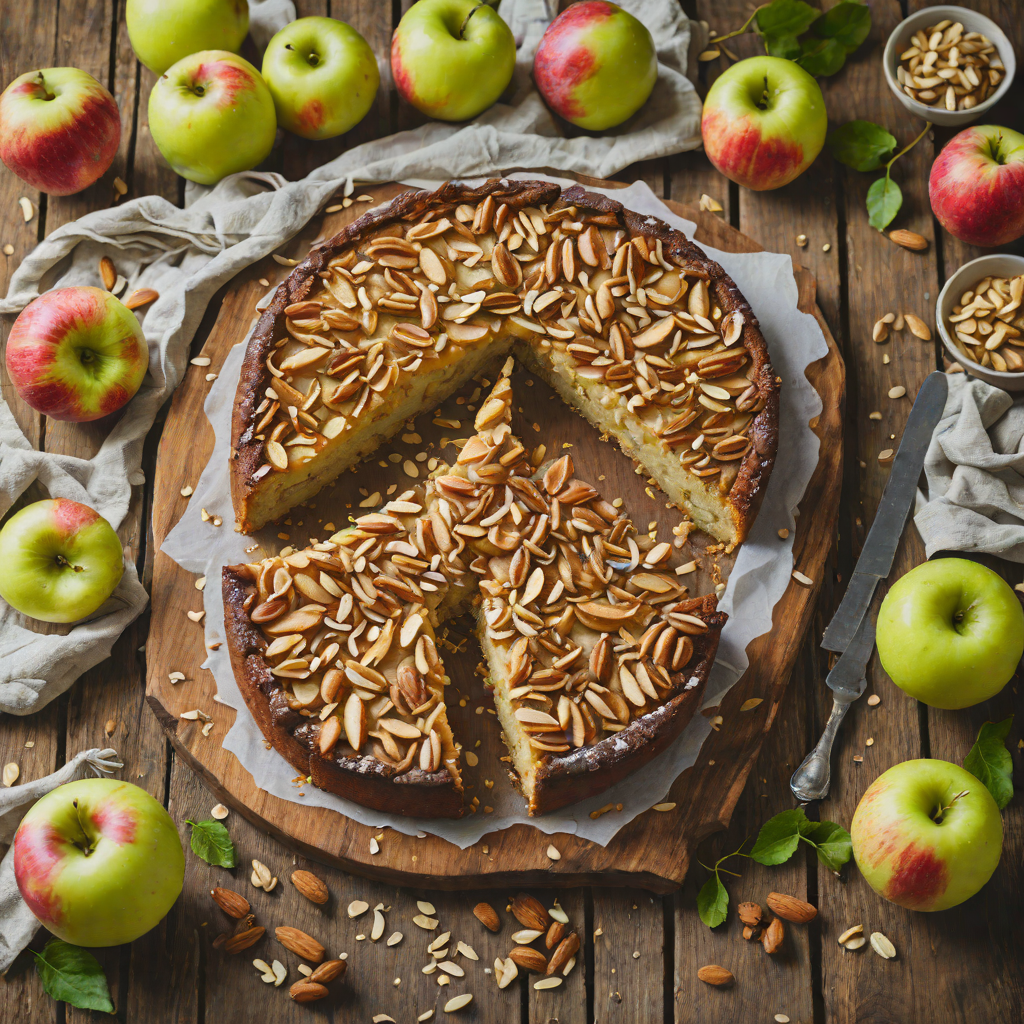
Apple Season Recipes: 22 Sweet & Savory Ways to Cook Fall Apples
22 tested recipes across savory dinners, salads, breakfast, dessert, and preservation — plus a variety cheat sheet and a plan for the peck you just brought home.
Affiliate disclosure: AislePrompt may earn a commission on qualifying purchases made through Amazon and Instacart links in this article, at no additional cost to you. See our affiliate policy →
Apple season starts in mid-August, peaks September through October, and pushes the best fruit onto grocery shelves and orchard tables through Thanksgiving. This guide is 22 tested recipes across savory dinners, salads, breakfast, dessert, and preservation — plus a variety cheat sheet so you stop guessing which apple to buy, a plan for the peck you just brought home, and the small handful of kitchen tools that actually earn their keep this time of year.
Short answer: the single best move for fall apple cooking is to stop treating apples as one ingredient. There are baking apples, saucing apples, snacking apples, and salad apples — and getting the match right does more for the finished dish than any technique. Below, every recipe names the apple varieties that work for it, and every "buy the peck" section tells you what to actually do with the fruit before it goes soft.
The apple variety cheat sheet: baking, saucing, snacking, savory
The US Apple Association tracks more than 200 commercial apple varieties, but you only need a working memory of about 12. Grouped by what they do best:
| Category | Best varieties | What they're good for |
|---|---|---|
| Firm-tart baking | Granny Smith, Northern Spy, Braeburn, Winesap | Pie, tart, galette, anything that must hold shape for 40+ min in the oven |
| Firm-sweet baking | Honeycrisp, Jonagold, Pink Lady, Fuji | Crisp, crumble, cake, muffins — sweet enough you can dial sugar back |
| Saucing / breakdown | McIntosh, Cortland, Empire, Gala | Applesauce, apple butter, chunky compote — they collapse into silk |
| All-purpose savory | Braeburn, Jonathan, Rome | Pork chops, chicken pans, cabbage slaws, chutney |
| Snacking / salad | Honeycrisp, SweeTango, Cosmic Crisp, Envy | Raw slices, salads, cheese boards, kids' lunches |
| Cider blend | Winesap + Golden Delicious + Jonathan (1:1:1) | Hard cider, mulled cider, cider vinegar |
Two rules that save every fall dish: for pies, blend two varieties (typically 50% Granny Smith + 50% Honeycrisp) so you get sweetness and a filling that doesn't slump. And for applesauce, never use pure Honeycrisp — you'll boil it for an hour and it will still be crunchy. McIntosh breaks down in 15 minutes.
Per authoritative variety notes on US Apple, storage varieties like Fuji and Granny Smith can hold in a cold crisper for two to three months, while soft varieties like McIntosh peak in the first three weeks after picking. If you're picking your own, cook the softest varieties first and save the storage apples for November baking.
Savory apple dinners (5 recipes)
Apples pair with pork the way lemons pair with fish — they cut fat, add acid, and go with almost any warm spice. Everything below is a weeknight-doable one-pan meal.
1. Pan-Seared Pork Chops with Michigan Apple Cider Glaze. This is the anchor of the whole savory section. Bone-in chops seared hard, deglazed with real (unfiltered, refrigerated) apple cider reduced with shallot and thyme. Use Braeburn or Jonagold — enough sweetness to caramelize, enough acid to balance the pork fat. 35 minutes, one skillet.
2. Pan-Seared Pork Chops with Sage Brown Butter and Roasted Apples. Same technique family, different flavor profile: brown butter, torn sage, and quartered apples finished under the broiler alongside the chops. The apples caramelize on the cut side and stay tender inside. Pink Lady or Braeburn are the picks here — they resist mush.
3. Pan-Seared Chicken with Caramelized Shallots and Apple Cider Reduction. Bone-in, skin-on chicken thighs (the ones you get for $2.99/lb this time of year), seared in a cast-iron pan, then a pan sauce of shallots caramelized in the fond and hit with a full cup of reduced cider. Serves 4 for under $12.
4. Slow-Cooked Pork Shoulder with Apple and Cabbage Slaw. A weekend project that pays off Monday, Tuesday, and Wednesday. Shoulder goes into the oven low and slow at 275°F for 4–5 hours; the raw slaw with shredded Honeycrisp, red cabbage, and cider vinegar cuts through the richness. Buy a full 4-lb shoulder — the leftovers make tacos, sandwiches, and hash.
5. Maple-Glazed Pork Tenderloin with Apple and Cabbage Slaw. The 30-minute answer to the shoulder recipe above. Tenderloin sears in 4 minutes per side, then finishes in a maple-Dijon-cider glaze while the slaw macerates. Use two varieties in the slaw — one crisp (Honeycrisp) and one tart (Granny Smith) — for texture and acid balance.
Bonus for a Sunday-family menu: Midwest Corn and Apple Stuffed Pork Chops. Thick double-cut chops butterflied and stuffed with sweet corn, diced apple, sage, and breadcrumbs, then roasted. Impressive plated, not fussy to make.
Apple salads & sides for fall dinners (4 recipes)
Raw apple in a salad is a fall-menu shortcut: it adds crunch, sweetness, and moisture without a single extra step. Cut apples into matchsticks or paper-thin slices and dress them last so they don't oxidize.
6. Carrot and Apple Salad with Honey Yogurt Dressing. Shredded carrot, julienned Honeycrisp, toasted walnuts, and a yogurt dressing sweetened with local honey. A brilliant packed-lunch salad because the acid keeps the apple from browning.
7. Sautéed Pork Tenderloin Medallions with Apple and Carrot Slaw. Half main, half side — quick-seared medallions on top of a bright slaw of apple, carrot, and cabbage tossed with cider vinegar and a squeeze of lime. Assembles in 25 minutes.
8. Roasted butternut squash + apple pan side. Not linked because it's a technique, not a recipe: cube 1 medium butternut squash + 2 firm apples (Braeburn), toss with olive oil, salt, sage, and a splash of maple, roast at 425°F for 25 minutes on a sheet pan. Serves 6 as a Thanksgiving side and can be doubled onto two pans.
9. Apple, fennel, and blue cheese salad. Shave 1 fennel bulb + 2 Cosmic Crisp apples on a mandoline, toss with lemon juice, arugula, crumbled blue cheese, and toasted pecans. Dress with olive oil and salt just before serving. 10 minutes; ideal starter for a roast dinner.
The Whole30 Curried Cauliflower and Apple Soup doubles as a first-course option here — surprisingly light, and the apple's sweetness balances curry powder better than sugar would.
Apple breakfast & brunch recipes (4 recipes)
Fall brunch is easier than summer brunch: warm oven, sturdier flavors, and the produce is finally cheap again.
10. Baked No-Sugar Apple Cinnamon Oatmeal. A weekly-prep favorite: oats, milk, egg, chopped Honeycrisp, cinnamon, and vanilla into a 9×13 baking dish, baked once on Sunday, portioned for five weekday breakfasts. The apples do all the sweetening. Under 250 calories per serving.
11. Whipped Apple Butter Pancakes with Cinnamon Syrup. Apple butter folded into the batter makes the fluffiest fall pancake you'll cook this year — the pectin holds structure while the sugars caramelize. Pair with warm maple-cinnamon syrup and a hot mug of Winter-Spiced Apple Cider.
12. Cheddar-apple scones. Grated sharp cheddar, diced Braeburn, and cold butter cut into flour + baking powder + a pinch of sugar. 20 minutes to warm scones that hit the savory-sweet note of a proper fall breakfast. Best with strong black coffee.
13. Apple-cinnamon Dutch baby. Melt 4 tbsp butter in a hot cast-iron skillet, add 2 sliced apples, cook 3 min, pour over a blender-blitzed batter of 4 eggs + ¾ cup milk + ¾ cup flour + 1 tsp cinnamon, bake at 425°F for 20 min. Puffs dramatically and collapses fast — serve straight from the oven.
Apple desserts: pies, crisps, cakes (5 recipes)
The heart of every fall baking list. Blend varieties for texture, weigh your apples (recipes calling for "6 apples" fail because apples vary from 4 oz to 10 oz each), and pre-cook the filling for pies to avoid the notorious apple-pie gap where the crust bakes flat over sunken fruit.
14. Rustic Sourdough Apple Pie with Brown Sugar Crust. The definitive Thanksgiving pie for anyone with active sourdough. Discard goes into the crust, giving it a tangy, flaky, deeply-browned base. Fill with a 50/50 blend of Granny Smith and Honeycrisp for the perfect textural balance.
15. Sheet Pan Sourdough Apple Pie with Cinnamon Crust. Feeds a crowd. A quarter sheet pan full of apple filling under a lattice cinnamon-sugar crust. Cuts into 12–16 bars; travels well.
16. Missouri Honey Apple Crisp with Oat Topping. Crisps are the correct choice on a weeknight. Sliced apples tossed with local honey, cinnamon, and a splash of cider go under an oat-butter-brown-sugar-pecan topping and bake at 375°F for 40 minutes. No crust to fuss with; serves 8.
17. Old-Fashioned Spiced Apple Cake with Brown Butter Glaze. A single-layer sheet-cake style bake with grated apple in the batter (moisture without extra fat) and a warm brown-butter glaze poured over the top. Keeps three days on the counter under a cake dome, which is longer than any layer cake will make it.
18. Honey-Glazed Brown Butter Apple Galette. The rustic French tart with no pie plate. Roll one round of pastry, pile sliced Braeburns in the middle, fold the edges up, brush with brown butter and honey, bake at 400°F for 35 min. Elegant, fast, forgiving.
Also worth a Sunday: Oven-Roasted Apple Fritters with Cinnamon Sugar Glaze — the doughnut-shop classic without a fryer, and better for it. And a slower-project favorite: Oven-Roasted Apple Crumble with Cinnamon and Walnuts — softer topping than a crisp, walnuts for a bit of savory crunch.
Preserving apple season: applesauce, apple butter, cider (4 recipes)
If you brought home a peck, this is where you turn "too many apples" into "kitchen staples for the whole winter."
19. Homemade applesauce (batch-cook, freeze). Quartered McIntosh + Empire (unpeeled — the skins add pectin and color), 1 cup water, 1 cinnamon stick, cook covered 30 min on medium-low, then run through a food mill (skins come out, sauce goes through). Freeze in pint jars. No sugar needed. Yields ~6 pints from a peck.
20. Slow-cooker apple butter. The best low-effort preserve of fall. 6 lb apples, cored and chopped (any mix; McIntosh + Braeburn is classic), into a slow cooker with 1 cup cider, 2 cups sugar, 1 tsp cinnamon, ½ tsp each cloves and allspice. Cook on low 10 hours; blend smooth; simmer uncovered 30 min to thicken. Ladle hot into jars. Yields 6–8 pints.
21. Maple-Glazed Pork Chops with Spiced Apple Compote. Not a preserve exactly, but the technique — apples cooked down with maple, mustard seed, and warm spices — makes a chutney-style condiment that keeps in the fridge for 2 weeks and lifts everything from pork chops to cheese boards. Double the compote when you make the chops.
22. Winter-Spiced Apple Cider with Cinnamon and Cloves. Turn a half-gallon of cheap fresh cider into something you'd charge $6 for at a farmers market. Simmer with cinnamon sticks, whole cloves, an orange peel, and a knob of ginger for 20 min. Serve hot, all season. Freezes into cider concentrate — a game-changer for Thanksgiving morning.
What to do with a full peck (or half a bushel)
You go to the orchard, get carried away, and come home with 12–16 lb of apples. Here's the plan.
Day 1 — Sort. Split into three piles: eat first (any bruised or soft apples — these rot the batch), cook first (softer varieties like McIntosh, Empire, Gala — 5–7 day window), and store (firm varieties like Honeycrisp, Fuji, Braeburn, Granny Smith — 4–8 weeks in the crisper).
Day 2 — Freeze applesauce. One big McIntosh batch on the stove, milled and cooled and jarred. That's 4–6 lb of your softer apples handled, and you now have applesauce for two months of oatmeal, latkes, and pork chops.
Day 3 — Slow-cook apple butter. Overnight in the slow cooker. Another 4–6 lb handled, and this stuff sells for $12/jar at farmers markets.
Weekend — Bake. One pie or crisp per weekend through October. The storage apples get progressively better as their starches convert to sugars during cold storage — pies made in mid-October from apples picked in early September are often the best of the year.
Any time — Salads and lunches. Store-quality apples in the crisper get shaved into salads all week and packed as after-school snacks.
A peck this way stretches 4–6 weeks with no waste. Two consecutive orchard trips can carry your kitchen from Labor Day through Thanksgiving.
Kitchen gear that pays off in apple season
Nothing exotic — but three tools in particular save real time in fall.
A sharp chef's knife + end-grain cutting board. You'll dice more apples in October than in any other month. A dull knife bruises the flesh and slows you down; a proper end-grain board handles the volume without dulling the blade. Non-negotiable.
An apple peeler-corer-slicer. Crank-style, suction-base. Turns a 15-minute pie prep into 3 minutes. If you're making applesauce or pie for more than one weekend a year, this pays for itself immediately. Skip the "electric" variants — they break; the mechanical version lasts decades.
A 9-inch ceramic pie plate. Deep, fluted, and heavy enough to conduct heat evenly. Glass or metal pans overcook the crust before the filling sets; ceramic is forgiving.
Two more that earn a mention:
- A 7-qt Dutch oven for apple-butter batches and pork-shoulder braises. Enameled cast iron, buy once cry once.
- A digital kitchen scale. Pie recipes that say "6 apples" are impossible to execute reliably — the same recipe wants 2 lb of prepped apples, which is exactly what a scale gives you.
For salad-season prep, a mandoline gets shaved apple slices thin enough for a fennel-apple salad or a Waldorf-style side. And an immersion blender makes cauliflower-apple soup silky in the pot without dirtying a stand blender.
Common pitfalls (and how to avoid them)
Using the wrong apple for a pie. Pure Honeycrisp = a puddle of syrup under a beautiful crust. Pure Granny Smith = a filling that never quite softens. Fix: blend 50/50.
Not weighing apples. Recipes calling for "8 apples" swing 30–40% by volume depending on variety and size. Weigh to 2 lb (or whatever the recipe specifies).
Storing apples with other produce. Apples emit ethylene gas that accelerates ripening in tomatoes, bananas, and leafy greens. Keep them in their own crisper drawer or a paper bag in the fridge.
Skipping the pre-cook for pies. Raw apples release a huge amount of water. Sauté sliced apples 5–7 minutes with sugar and a splash of cider before assembling the pie — this fixes the notorious "gap between crust and filling" you see in every home apple pie.
Reaching for shelf-stable "apple juice" when a recipe says "cider." They're not interchangeable. Cider (unfiltered, refrigerated, 7–10 day shelf life) reduces to a syrupy glaze; the difference is filtration and sweetening, not branding — so commercial, filtered apple juice is too sweet and lacks the depth to build a pan sauce.
Buying storage apples in October when farmers-market apples are 3 days old. In peak season, direct-from-orchard is measurably better. Out-of-season supermarket fruit comes out of controlled-atmosphere storage, where regulated oxygen, carbon dioxide, temperature and humidity hold apples for months. Storage apples are perfectly safe but lose crunch and complexity. Save grocery apples for December through July.
When NOT to lean on apples
Apples aren't the answer to every fall craving. If you want deep, umami-forward roasted-fruit flavor, roast pears or persimmons instead — apples don't caramelize as intensely. If you want a genuinely light dessert after a heavy meal, poached pears or roasted plums beat any apple crumble. And if you're cooking for someone who hates cinnamon, note that most "apple" flavor in American recipes is actually cinnamon + brown sugar + butter carrying a bland apple; a pear-based version with cardamom and honey is often a better fit for their palate.
Sources
- US Apple Association — Apple Varieties — the industry-authoritative variety database and storage guidelines used above.
- Apple cider — unfiltered vs. filtered juice — reference for the cider-vs-juice distinction used in the cooking section.
- Controlled-atmosphere storage — how out-of-season apples are held for months, and why orchard-fresh fruit eats better.