
Best Electric Kettles for 2026: Gooseneck, Variable-Temp & Fast-Boil Picks
Five kettles that hit 175°F for green tea and 205°F for pour-over — and the one spec that separates them from the budget shelf.
Where to buy these picks
Affiliate links: we may earn a commission on qualifying Amazon purchases. Policy. Prices show only when checked in the last 24 hours.
- Best Overall: Cosori Gooseneck Electric Kettle, 5 Presets $69.99 at Amazon, Check price on Amazon →
- Best Value: Cosori 1.7L Electric Kettle, No Plastic ContactCheck price on Amazon →
- Best for Pour-Over: Bodum 27oz Bistro Gooseneck $39.97 at Amazon, Check price on Amazon →
- Best Compact: DmofwHi 1000W Gooseneck (1.0L) $39.99 at Amazon, Check price on Amazon →
An electric kettle earns its counter space by doing one thing a stovetop and a microwave cannot: hitting an exact temperature, fast, and telling you when it got there. The best electric kettle for 2026 is the Cosori Gooseneck Electric Kettle with 5 Variable Presets at $69.99 — 1200 watts, five preset temperatures from 170°F to 212°F, a 60-minute keep-warm hold, and a spout narrow enough for real pour-over control.
Why an electric kettle beats a stovetop or microwave (30-second start, exact temperature, auto-shutoff)
A 1500-watt electric kettle puts essentially all of its energy into the water. A gas burner loses 55–60% of its heat around the sides of the pot, and an electric coil is not much better once you account for the mass of the stovetop kettle itself. In practice that means 1 liter of 60°F tap water reaches a rolling boil in about 3 minutes 45 seconds on a 1500W electric kettle versus 8 to 11 minutes on a standard home gas range. Smaller volumes are where the gap gets absurd: a single 12-ounce mug's worth of water is boiling in roughly 75 to 90 seconds.
The microwave is faster than the stove for one mug but it is the worst option for anything you actually care about. You cannot see the temperature, heating is uneven, and superheating is a real hazard — water can pass 212°F without visibly boiling and then erupt when you drop in a tea bag. There is no way to hit 175°F for a delicate green tea in a microwave except by boiling and waiting, which throws away the entire point.
The three things a good electric kettle gives you that neither alternative does:
- Exact temperature. Variable-temp models hold a setpoint within ±2–3°F. Steeping sencha at 175°F instead of 212°F is the difference between sweet and grassy-bitter.
- Auto-shutoff and boil-dry protection. Every pick below cuts power when the water boils or when the kettle is switched on empty. A forgotten stovetop kettle scorches; a forgotten electric kettle just cools.
- Hold, not reheat. Keep-warm modes maintain 140–208°F for 30 to 60 minutes, so the second cup does not cost you another boil cycle.
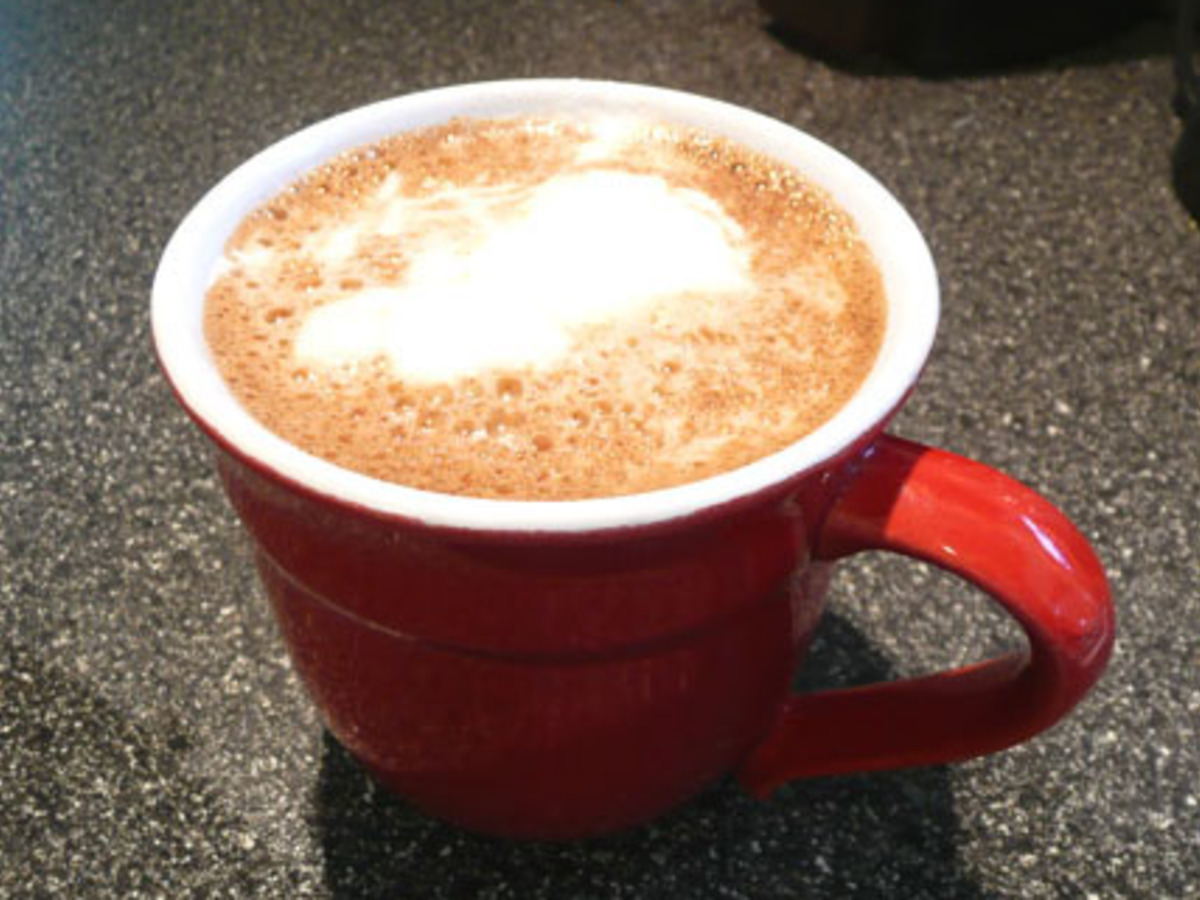
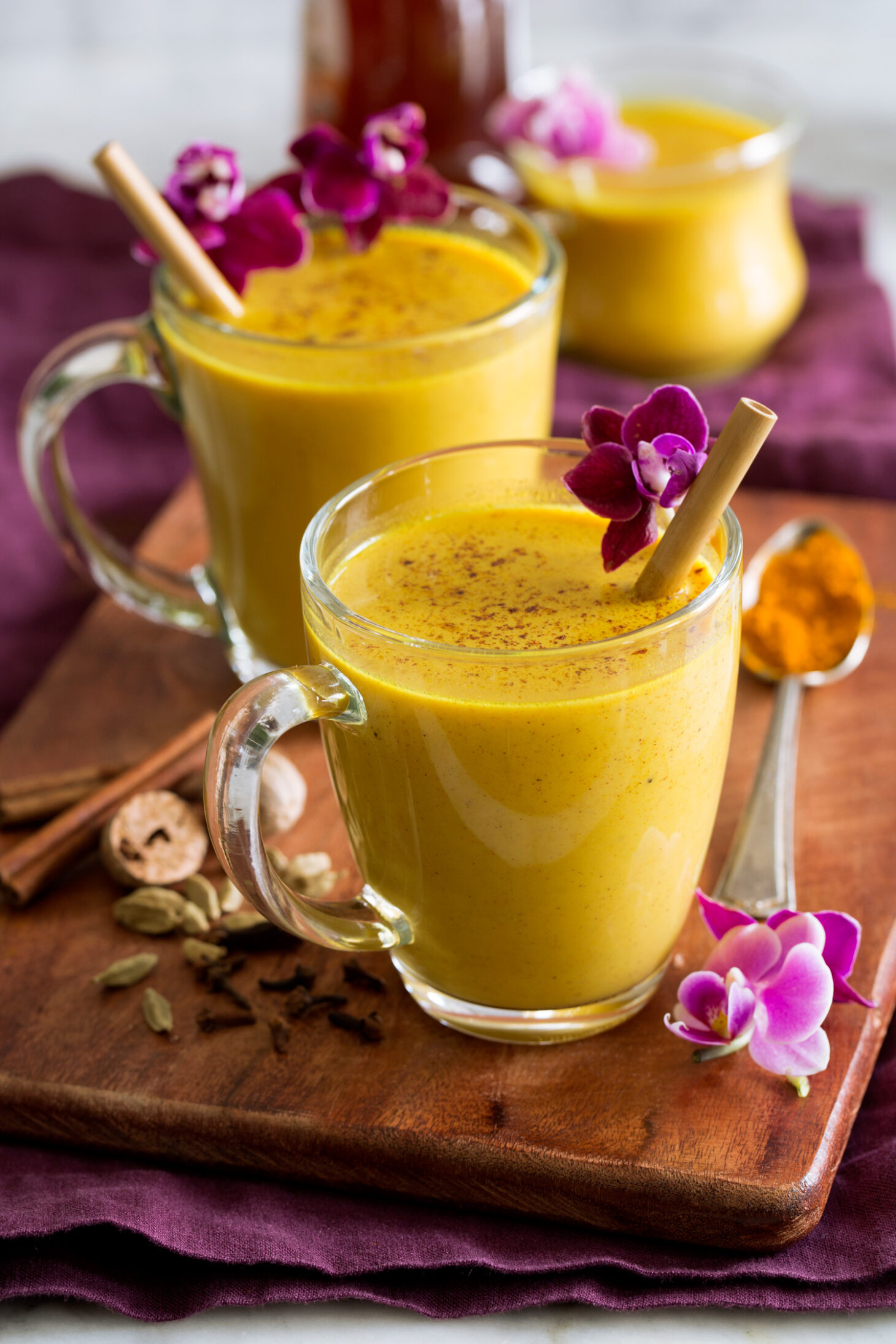
If you make Spiced Chai Latte or a Spiced Turmeric Golden Milk Latte with Coconut Cream more than twice a week, the kettle pays for itself in saved minutes inside a month.
Our Top 5 Picks (Best Overall / Best Value / Best for Pour-Over / Best Premium / Best Compact)
Every price below is the current US listing as of September 2026, and every rating is the live customer rating on our catalog page. Prices on kettles move a lot — check the live listing before you buy.
| Pick | Model | Capacity | Watts | Best for |
|---|---|---|---|---|
| Best Overall | Cosori Gooseneck, 5 presets | 0.8 L | 1200 W | Tea + pour-over in one |
| Best Value | Cosori 1.7 L glass, no-plastic | 1.7 L | 1500 W | Volume boiling, families |
| Best for Pour-Over | Bodum Bistro Gooseneck | 0.8 L (27 oz) | 1000 W | Coffee-first buyers |
| Best Premium | Bonavita 1L Digital Variable Temp | 1.0 L | 1200 W | Cafe-grade pour control |
| Best Compact | DmofwHi 1000W Gooseneck | 1.0 L | 1000 W | Small counters, dorms |
#1 Best Overall: Cosori Gooseneck Electric Kettle, 5 Presets
The Cosori Gooseneck with 5 variable presets is the one kettle that does not force you to choose between tea and coffee. The five presets — 170°F, 180°F, 195°F, 200°F, 212°F — map almost exactly onto the temperature guide further down this page, and the 60-minute keep-warm hold means a second pour-over does not restart the clock.
The build matters here. The inner lid and the bottom plate are 100% stainless steel, so nothing plastic touches water above 150°F. The 1200-watt element takes the 0.8L capacity from cold to 200°F in about 2 minutes 40 seconds. The gooseneck is tapered enough for a controlled 4–6 g/second pour, which is the range you need for a proper bloom.
Where it falls short: 0.8 liters is a little under four mugs. If you are making tea for a table of five you will run two cycles. The base is also slightly larger in footprint than the Bodum, which matters in a small kitchen.
Buy it if: you want one kettle that does 175°F green tea and 205°F pour-over without a compromise. Its near-twin, the COSORI Electric Gooseneck Kettle with 5 Temperature Control Presets at $62.99 is the same machine in a different colorway — take whichever is cheaper the day you buy.
#2 Best Value: Cosori 1.7L Electric Kettle, No Plastic Contact
The Cosori 1.7L borosilicate glass kettle is the volume workhorse. It does not do variable temperature. It boils, it shuts off, and it does it in about 4 minutes for a full 1.7 liters at 1500 watts.
What earns it a slot over cheaper glass kettles is the no-plastic-contact construction: borosilicate glass body, stainless steel rim and base, and a wide mouth you can actually get a hand into for descaling. Cheap kettles put a plastic water gauge and a plastic spout filter directly in the boil path.
Where it falls short: no temperature control at all. For green tea you boil and wait roughly 90 seconds off-heat, which works but is imprecise. The glass also shows mineral scale within weeks on hard water — cosmetic, but you will see it.
Buy it if: you mostly want hot water for Asian Ramen with Spicy Miso and Kimchi, instant oats, and black tea, and you refuse to pay $70 for that. Two close alternatives at similar money: the Hamilton Beach 1L glass kettle at $27.95 and the Amazon Basics glass carafe kettle at $21.20.
#3 Best for Pour-Over: Bodum 27oz Bistro Gooseneck
The Bodum Bistro Gooseneck has the best spout geometry under $50. The neck is long and the outlet is narrow, so flow rate is controlled by wrist angle rather than by how hard you tip. That is the whole game in pour-over: a steady 3–5 g/second stream over a 2:30 to 3:00 total brew.
At 1000 watts it is slower than the Cosori — about 3 minutes 20 seconds to boil 27 ounces — and the trade is deliberate. Lower wattage means gentler heating and less thermal shock on the stainless body.
Where it falls short: boil-only, no presets, no hold. If you brew at 205°F you are fine (boil, wait 20 seconds, pour). If you brew light-roast at 208°F or steep gyokuro at 160°F you will want a thermometer.
Buy it if: coffee is the reason you are buying a kettle, and $40 is the budget. Pair it with a proper instant-read thermometer if you want to be precise about it.
#4 Best Premium: Bonavita 1L Digital Variable Temperature Gooseneck
The Bonavita 1L Digital is the one on this list you will find behind cafe counters. Six preset temperatures plus a 1°F-increment manual set, an LED panel that shows real-time water temperature as it climbs, and a hold that maintains setpoint for 60 minutes.
The difference you feel is the pour. The spout is a true cafe gooseneck — narrower outlet, longer neck, and a counterweighted handle that keeps the balance point over your wrist rather than out over the cup. Over a 350 g brew that is the difference between an even bed and a channeled one.
Where it falls short: $99.99 is real money for boiling water. Register the warranty.
Buy it if: you weigh your coffee. If you do not, buy the Cosori and spend the difference on beans.
#5 Best Compact: DmofwHi 1000W Gooseneck (1.0L)
The DmofwHi 1000W Gooseneck is the smallest footprint here that still pours well. Full 304 stainless interior, BPA-free, auto shut-off, and a base that disappears under a cabinet. At 1000 watts a full liter boils in about 4 minutes 10 seconds.
Where it falls short: boil-only, and the copper finish shows fingerprints immediately.
Buy it if: you are outfitting a dorm, an office, or a galley kitchen where 8 inches of counter is the whole budget.
Worth a look: the Cuisinart GK-1 Digital Gooseneck at $79.98 splits the difference between the Cosori and the Bonavita — 1 liter, digital control.
What to Look For (variable temperature presets, hold time, boil speed, gooseneck vs standard spout, capacity 0.6L-1.7L, keep-warm mode, materials safety)
Variable temperature presets. The single feature that changes how you cook. Look for at least four presets spanning 160°F to 212°F. Presets beat a manual dial in daily use because you press one button instead of holding two. A kettle with presets but no hold is half a feature — the water starts falling the instant it hits setpoint.
Hold time. 30 minutes is the floor, 60 minutes is what you want. Hold is what makes a second cup free.
Boil speed and wattage. 1500W is the US household ceiling on a standard 15-amp circuit. Expect roughly 3:45 for 1 liter at 1500W, 4:10 at 1200W, and 5:00 at 1000W. Gooseneck kettles are usually 1000–1200W on purpose: gentler heating, better pour control, and they are typically smaller anyway.
Gooseneck vs standard spout. A gooseneck buys you pour control and costs you pour speed. If you brew pour-over coffee, you need it. If you fill a teapot and a pot of couscous, a standard wide spout is faster and less annoying.
Capacity. 0.6–0.8L for one or two people and pour-over. 1.0–1.2L is the sweet spot for most households. 1.5–1.7L only if you regularly fill a French press for four or blanch by kettle. Bigger kettles take longer to boil and store worse.
Materials safety. Insist on stainless or borosilicate glass in the water path. "BPA-free plastic" is fine for the exterior housing and the handle; it is not what you want as the inner lid, the sight gauge, or the spout filter, because those sit in 212°F water every day. Every pick above keeps plastic out of the boil path.
Cordless base and 360° rotation. Non-negotiable in 2026. A kettle that only lifts off in one orientation is a daily irritation for left-handed users.
Temperature guide for tea and coffee (green tea 175°F, oolong 195°F, black tea/coffee 205°F)
This is the chart that justifies buying a variable-temp kettle instead of the $23 one. Steeping above the right temperature extracts tannins and turns delicate leaves astringent.
| Beverage | Water temp | Steep / brew time | Notes |
|---|---|---|---|
| Gyokuro / shaded green | 140–160°F | 90 sec | Above 165°F it goes bitter fast |
| Sencha / most green tea | 175°F | 2 min | The classic "let it cool 2 minutes" target |
| White tea (silver needle) | 175–185°F | 3–4 min | Long steep, low heat |
| Matcha | 175°F | Whisk 30 sec | Boiling water scorches the powder |
| Oolong | 195°F | 3 min | Re-steeps 3–4 times |
| Black tea | 205–212°F | 3–5 min | Full boil is correct here |
| Herbal / rooibos / tisane | 212°F | 5–7 min | Needs a hard boil to extract |
| Pour-over coffee (medium roast) | 200–205°F | 2:30–3:00 total | SCA brewing range |
| Pour-over coffee (light roast) | 205–208°F | 3:00–3:30 | Denser bean, hotter water |
| French press | 200°F | 4 min | Lower than pour-over; longer contact |
The Specialty Coffee Association's brewing standard puts the target brew-water range at roughly 195–205°F, and its certified home-brewer program tests machines against a 197–205°F window — see the SCA coffee standards and the SCA certified home equipment program for the current specifications.
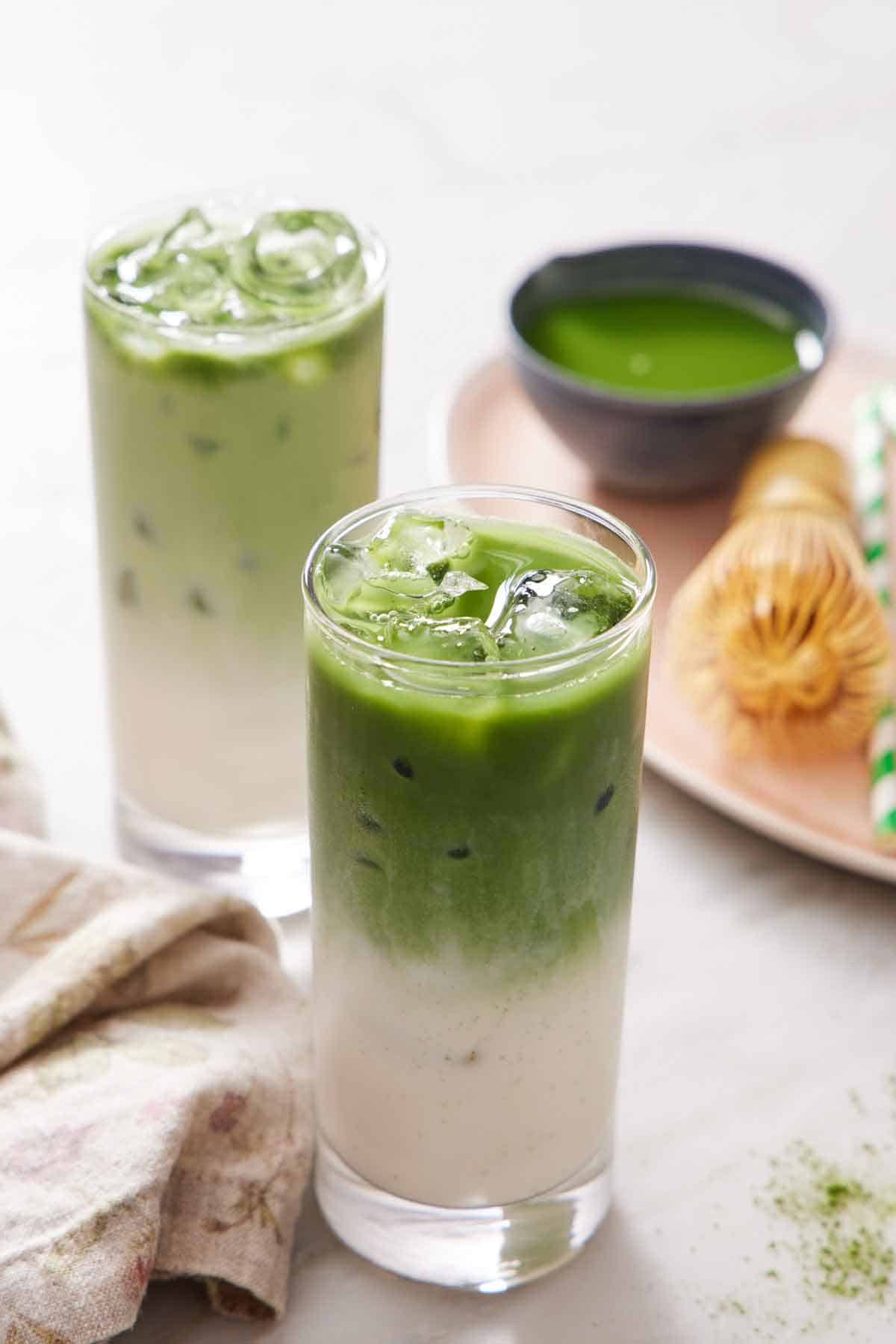
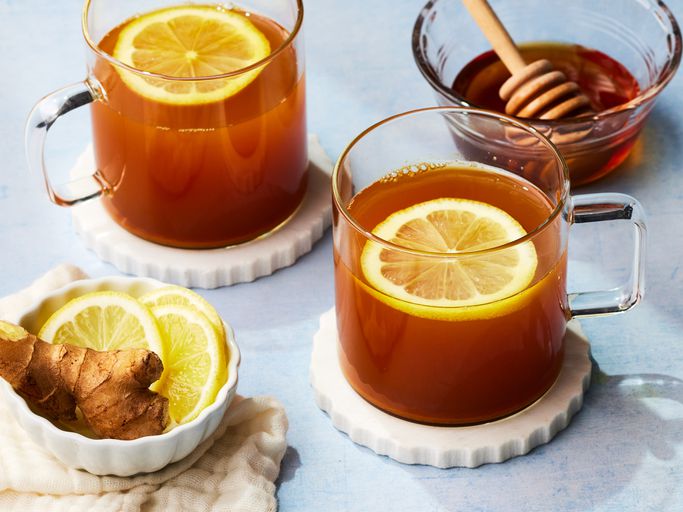
For milk-based drinks the number that matters is different: you want the water hot enough to bloom the spices, then the milk steamed separately to 150–155°F. That is how a Basil-Infused Iced Matcha Latte with Coconut Milk and a Ginger Turmeric Relaxation Herbal Tea Blend both come out right from the same kettle.
Real-world numbers: what each pick actually costs to run
A 1500W kettle boiling 1 liter from 60°F consumes about 0.10 kWh. At the September 2026 US average residential rate of roughly 17 cents per kWh, that is 1.7 cents per liter boiled. Three liters a day for a year is about $18.60 in electricity. A gas stovetop doing the same work burns roughly 2.4 times the energy for the same water because of side losses, so the kettle pays back its own purchase price against the stove in the first two to four years — and pays it back in minutes immediately.
Common pitfalls
1. Buying a variable-temp kettle with no hold. You set 175°F, it hits 175°F, and by the time you have measured the leaves it is 168°F. Confirm a keep-warm mode exists before you buy.
2. Filling below the minimum line. Every kettle here has a MIN mark. Below it the element runs partially dry, boil-dry protection trips, and repeated trips shorten element life.
3. Boiling the same water twice. Reboiled water tastes flat because dissolved oxygen has been driven off. Dump and refill; the cost is 1.7 cents.
4. Using a gooseneck for volume. A gooseneck takes 40+ seconds to empty a liter. If you are filling a stock pot for Traditional Chicken Congee with Ginseng, use the wide-spout kettle.
5. Ignoring scale for a year. Scale insulates the element. A heavily scaled kettle takes 20–30% longer to boil and eventually fails.
When NOT to buy an electric kettle
If you have an induction cooktop and already own a stovetop kettle, the gap narrows a lot — induction is 85–90% efficient and a 3.5 kW burner will beat any 1500W plug-in kettle on raw speed. You still lose the temperature control and the auto-shutoff, so a variable-temp kettle is still worth it if you drink green tea or brew pour-over. It is not worth it if you drink black tea and coffee from a drip machine.
Skip it entirely if counter space is genuinely at zero and you already own an Instant Pot — the sauté function will boil a liter, slowly, without a new appliance.
Descaling and maintenance (monthly citric-acid cycle, filter cleaning, cord storage)
The monthly citric-acid cycle. Fill the kettle to half capacity with water, add 1 tablespoon (about 15 g) of food-grade citric acid, bring to a boil, and let it sit for 20 minutes. Pour it out, rinse twice, then boil a full kettle of clean water and discard it. Citric acid beats white vinegar here because it rinses clean without leaving a smell — vinegar residue will taint the next three cups of tea.
On hard water (above roughly 120 ppm) run this monthly. On soft water, quarterly is fine. You will know you have waited too long when you see a white crust ringing the element or floating flakes in the pour.
Filter cleaning. The mesh spout filter catches scale flakes. Pull it out (every pick above has a removable filter), soak it in the same citric-acid solution for 10 minutes, and scrub with an old toothbrush. A clogged filter makes the pour dribble sideways, which is especially obvious on a gooseneck.
Glass-body care. Borosilicate kettles like the Cosori 1.7L show scale visibly. A paste of baking soda and a soft cloth clears the interior film without scratching. Never use steel wool.
Cord storage. Every good base has a cord wrap underneath. Use it — a coiled cord under the base keeps the kettle from being dragged off the counter, which is the single most common way these die.
What not to do: do not put any electric kettle body in the dishwasher, even the "dishwasher-safe" stainless ones, because the base contacts corrode. Do not descale with bleach. Do not leave water standing in the kettle overnight; empty it, and the interior stays bright for years.
Once the kettle is dialed in, it becomes the fastest tool in the kitchen for things that have nothing to do with tea: blooming spices, softening gelatin, pre-heating a French press, hydrating dried chiles, and jump-starting a pot for Air Fryer Apple Cinnamon Oatmeal Bites or a batch of Honey-Lemon Earl Grey Glazed Chicken. It is also the shortcut to a Cinnamon and Clove Spiced Hot Chocolate with Orange Zest, a Bourbon and Ginger Hot Toddy with Honey, or a Spiced Natural Wine Mulled Punch with Citrus and Cinnamon when the weather turns.
Browse the full small appliances shelf for kettles and coffee gear, or the bar and coffee shelf if you are building out a drinks station.
Sources
- Specialty Coffee Association — Coffee Standards — the current brewing standard, including the target brew-water temperature range.
- Specialty Coffee Association — Certified Home Equipment — the 197–205°F test window used to certify home brewers.
- Kettle — Wikipedia — construction, element design, and the history of the cordless base.
- Coffee preparation — Wikipedia — brew-method temperature and contact-time references.
Frequently asked questions
Is a gooseneck kettle worth it if I don't drink pour-over coffee?
What temperature should I use for green tea?
How often do I need to descale an electric kettle?
Are plastic electric kettles safe?
How much electricity does an electric kettle use?
How we picked
This guide is researched, not bench-tested. We shortlisted products from the AislePrompt kitchen catalog and compared them on published manufacturer specifications (such as materials, size and capacity), on what owners report in published reviews, and on any third-party sources linked in this guide. The guide was drafted with AI assistance. We did not run lab or hands-on tests of these products, so any measurement quoted here comes from the manufacturer or a cited source. Prices change often: use the “Check price on Amazon” buttons for today’s price.
Recipes to try with your small appliances
Put your gear to work — save any recipe to My Recipes (no account needed) and send its ingredients to Instacart in one tap.
Shop small appliances on AislePrompt →Browse the full kitchen shop →