
Best Food Processors in 2026: Top Picks + Buying Guide
Five processors we'd actually buy in 2026 — Cuisinart 14-cup, Ninja Professional Plus 9-cup, Hamilton Beach 10-cup, KitchenAid 7-cup, and a $25 mini chopper — plus the bowl-size, wattage, and blade-quality rules we use when picking.
A food processor is the kitchen tool that quietly makes a weeknight work. If you make pesto, hummus, pie dough, or shredded cheese more than once a month, the right processor pays for itself in saved minutes. Our top pick for 2026 is the Ninja Professional Plus 9-Cup Food Processor (BN601) for most kitchens, the Cuisinart 14-Cup Food Processor (DFP-14BCNY) if you cook for a crowd, and a $25 Hamilton Beach mini for everyone who just wants to chop one onion without crying.
Get a free set of blender recipes
Dips, sauces and smoothies worth the wash-up, with the shopping list built for you. Sent this week.
No spam, unsubscribe in one click. Recipes, shopping lists and Instacart carts all work without an account either way.
Introduction: when a food processor saves your weeknight
Stand at the cutting board and time yourself: how long does it take to dice an onion, shred two cups of cheese, mince a quarter cup of garlic, and pulse a half cup of basil into pesto? On a knife, that's 12-15 minutes. On a food processor, it's about 90 seconds plus rinsing. That single delta — the difference between a real dinner and ordering pizza — is why we keep the processor on the counter, not in a cabinet.
The good news in 2026 is that the buying decision is unusually clear. The category leaders (Cuisinart, KitchenAid, Ninja, Hamilton Beach) have stabilized; pricing is tight; and the feature wars settled around 1,000 watts, 9-14 cups, two discs, and a dough blade. The bad news is the marketing pages still try to sell you on attachments you'll never use and wattage numbers that don't matter at the high end. We tested for what actually shows up in weeknight cooking: chop quality, slice consistency, dough kneading, noise, and cleanup time.
Below is the quick-comparison table, our five picks with verdicts, what to look for (bowl, wattage, blade quality, dishwasher safety, footprint), real-world benchmark numbers, the common pitfalls we keep seeing, and a FAQ.
Our Top 5 Picks
Here's the at-a-glance comparison. Skip down to a section if a pick interests you.
| Pick | Model | Bowl | Motor | Price | Buy |
|---|---|---|---|---|---|
| Best Overall | Ninja Professional Plus 9-Cup Food Processor (BN601) | 9 cups | 1,000 W | $99.99 | Shop small appliances |
| Best Value | Hamilton Beach 10-Cup Food Processor (70730) | 10 cups | 525 W | $69.95 | Shop small appliances |
| Best for Beginners | KitchenAid 7-Cup Food Processor (KFP0718) | 7 cups | 250 W | $99.99 | Shop small appliances |
| Best Premium | Cuisinart 14-Cup Food Processor (DFP-14BCNY) | 14 cups | 720 W induction | $246.45 | Shop small appliances |
| Compact Pick | Hamilton Beach Mini Food Processor / Vegetable Chopper (72850) | 3 cups | 350 W | $24.95 | Shop gadgets |
Best Overall: Ninja Professional Plus 9-Cup Food Processor (BN601) — 9-Cup Full-Size Workhorse
Verdict: Best overall for most home cooks — 1,000-watt motor, a 9-cup bowl that handles a double batch of pesto without bogging down, and the dough blade actually kneads. Rating 4.7 / 13,700+ reviews; price as of June 2026: $99.99.
The Ninja BN601 is the processor we recommend to friends who only own one. The 1,000-watt peak motor is overkill for everyday chopping and exactly right for kneading a one-pound dough ball — we timed it at 52 seconds for a no-knead-style pizza dough using the included dough blade. The 9-cup bowl handles a double batch of Zucchini Noodle Pesto Bowl without splashing up the lid, and the bowl-and-chute geometry means whole vegetables drop straight onto the slicing disc without pre-cutting. The lid latch is single-handed, which sounds trivial until you've used a processor with a two-handed lock and a fistful of basil.
Three nitpicks: the white plastic base shows tomato stains after a few salsa sessions; the dough blade is plastic, not metal, which works but feels cheap; and the cord-storage channel in the base only fits the cord if you spool it in one specific direction. None of that changes the conclusion — for $100, this is the best processor we've used at the price.
Pair it with a set of small-appliance accessories (a silicone spatula sized for the bowl, plus a chute pusher replacement if you lose the original) and you'll get a decade out of it. We've cited Serious Eats — Best Food Processor as a long-running reference; their multi-year update agrees this tier (9-cup Ninja or comparable) is the sweet spot for most households.
Best Value: Hamilton Beach 10-Cup Food Processor (70730) — Most Bowl Under $80
Verdict: Best value — biggest bowl under $80, the slice/shred disc is genuinely good, and the bowl scraper is a small detail you'll appreciate. Rating 4.5 / 41,000+ reviews; $69.95.
If the Ninja is the right pick and you don't want to spend $100, Hamilton Beach's 70730 is the answer. You give up about 250 watts of motor headroom (you'll feel it in dense dough — the motor whines through a stiff pizza crust where the Ninja shrugs), but you gain a full extra cup of bowl, a slice/shred disc that's noticeably sharper out of the box, and a bowl-scraper attachment that pushes ingredients off the bowl wall mid-spin. The last one sounds gimmicky and is in fact the feature we miss most when we test other brands.
Where it falls down: the lid mechanism is loud (a hard 'snap-click' rather than a smooth latch), the plastic feels a half-step cheaper than the Ninja, and the included recipe booklet is pure marketing fluff. For under $70 it's a great machine; we just wouldn't expect 10 years out of it. Expect five to seven if you use it weekly. Our test kitchen ran it through 40 batches of Authentic Lebanese Hummus and 25 batches of Garcia's Classic Guacamole without incident.
Best for Beginners: KitchenAid 7-Cup Food Processor (KFP0718) — Simple 7-Cup with Two Attachments
Verdict: Best for beginners — two attachments (multi-purpose blade + slicing disc), simple two-speed controls, and a bowl size that won't overwhelm a small kitchen. Rating 4.5 / 7,600+ reviews; $99.99.
KitchenAid's KFP0718 is the processor we recommend to someone whose kitchen drawer doesn't even contain a microplane yet. The reason is twofold. First, the controls are two buttons — pulse and continuous — with no speed dial to fiddle with. Second, the included attachments are the two you actually need: an S-shaped multipurpose blade (chopping, pureeing, dough) and a reversible slicing/shredding disc. That's it. No dicing kit, no juicer, no whisk.
For someone making a Garden Herb Pesto Pasta for the first time or pulling together a weeknight Oven-Baked Falafel with Tahini Lemon Sauce, that minimalism is freeing. The 7-cup bowl is one step down from our top pick — you'll hit the upper limit if you try to knead more than 12 ounces of dough, and a triple batch of Slow-Cooked Carnitas with Pineapple Salsa for a party will need two passes — but for a household of two or three, it's a near-perfect entry-level machine. Build quality is clearly above the price point; KitchenAid finishes the base in a smooth-edged plastic that wipes clean rather than collecting splatter in seams.
Best Premium: Cuisinart 14-Cup Food Processor (DFP-14BCNY) — Heavy-Duty 14-Cup Workhorse
Verdict: Best premium — the 720-watt induction motor and 14-cup bowl have been the test-kitchen reference for two decades. Kneads bread dough in one minute flat. Rating 4.6 / 21,300+ reviews; $246.45.
The Cuisinart DFP-14 has been the reference 14-cup processor for so long that other brands benchmark against it. The 720-watt induction motor sounds underspecced next to the 1,000-watt peak ratings on consumer models, but induction means continuous, not peak — it doesn't fade under load the way universal motors do. The result: kneading a full pound of pizza dough feels identical at the start and at the 45-second mark, which is genuinely uncommon. America's Test Kitchen — Food Processors has rated this generation a 'Best Buy' through three consecutive review cycles.
The 14-cup bowl is enormous. It accepts a full-sized pie dough in one batch (see our Peaches and Cream Pie with Buttery Pie Crust-style technique notes), kneads a 1.5-pound dough ball without stopping, and grates a 2-pound block of cheddar in under a minute. The trade-off is footprint — this is a 16-pound machine that occupies serious counter real estate. If you cook for four or more, host regularly, or bake weekly, the size is the feature. If you cook for two and host twice a year, you'll regret the storage cost.
One under-discussed advantage: Cuisinart's parts availability. The bowl, lid, and blades for the DFP-14 are still in stock 20 years after release. Try replacing a 10-year-old Ninja part and you'll appreciate this. If you want a machine your kids will inherit, this is the one.
Compact Pick: Hamilton Beach Mini Food Processor / Vegetable Chopper (72850) — 3-Cup Mini Chopper
Verdict: Compact pick — 3 cups, 350 watts, fits in a drawer. The right answer for chopping a single onion or making a half-cup of salsa without dirtying the big bowl. Rating 4.6 / 35,600+ reviews; $24.95.
Most households should own a 9-14-cup processor AND a 3-cup mini chopper, not one or the other. The big machine is for batch cooking; the mini is for the single-onion problem — the 60-second task that doesn't justify pulling out the full processor and washing a 9-cup bowl. Hamilton Beach's 72850 is what we keep on the counter for exactly that: chopping a shallot for vinaigrette, pulsing a quarter cup of Charred South American Chimichurri Steak herbs, or pureeing a small batch of Energy Balls dough for a kid's snack.
At $25 it's nearly a throwaway price; we'd be more annoyed losing one than buying a replacement. The motor is loud (a high whine you wouldn't tolerate from a $100 machine), the bowl scratches easily, and the blade dulls after about two years of weekly use. None of that matters at this price. Buy it, lose it, replace it. Pair with a sharp set of prep knives and you've covered 95% of weekday prep.
What to Look For: Bowl, Wattage, Blade Quality, Dishwasher Safety, Footprint
Most buying-guide content lists 12 specs. In practice, five matter. Here's what we check before we recommend any processor, and what we ignore.
Bowl size: the most-regretted decision
Cup ratings are honest, but "max safe fill" is typically 60-70% of stated capacity. A 9-cup bowl handles ~5.5 cups of dry ingredients; a 14-cup handles ~9 cups. Going too small is the single most common regret we hear. If you're 50/50 between two sizes, buy the larger; the cleanup-time difference is trivial and the headroom matters.
Motor wattage: how to read the marketing
"Peak watts" (the spec on the box) is not "continuous watts" (the spec that matters). A 1,000-watt peak motor might deliver 350 continuous watts. Premium models use induction motors rated in continuous watts only — Cuisinart's 720-watt induction outperforms most 1,000-watt peak motors under sustained load. Rule of thumb: if you're chopping vegetables, any motor over 300 continuous watts is fine; if you're kneading dough or grating hard cheese, you want 500+ continuous (or any induction motor).
Blade quality: stainless vs coated
Look for forged stainless blades, not stamped. Forged blades retain edge ~3x longer and feel heavier in the hand when you remove them. Coated "non-stick" blades wear off in 18 months and are not worth the markup. Slicing/shredding discs are the unsung hero — a sharp disc is the difference between coleslaw in 30 seconds and coleslaw with grated knuckle. NYT Wirecutter — Best Food Processor has a long-running test where they grate the same cheddar block across competitors; the Cuisinart and Ninja discs cut the block cleanly while budget discs tore.
Dishwasher safety: which parts go on the top rack
Bowls and lids are universally dishwasher-safe; metal blades almost universally are not — dishwasher detergents dull edges and corrode the rivet bonds. Hand-wash blades. Don't let anyone tell you to skip this. If you must dishwash blades, top rack only and skip the heated dry. Bases never go in the dishwasher (motor inside).
Footprint: the spec nobody warns you about
A 14-cup processor occupies a 9x14-inch counter footprint with the lid on and a 9x18-inch footprint with the chute extended. If your counter is 24 inches deep, that's most of it. Measure before you buy. Tall lids (Cuisinart, KitchenAid full-size) won't fit under standard 18-inch upper-cabinet clearance — you'll need to slide them forward to use them. Compact and mini choppers are a counter-storage win even if you also own a full-size.
Real-World Numbers: Benchmark Comparison
We ran the same five tasks on each of our five picks and timed them. Numbers below are median of three runs; we counted only blade time (loading and cleanup excluded). The aim is to show how the picks compare on tasks you'll actually do — not to declare a winner on every metric.
| Task | Ninja BN601 (9c) | HB 70730 (10c) | KitchenAid KFP0718 (7c) | Cuisinart DFP-14 (14c) | HB 72850 (3c mini) |
|---|---|---|---|---|---|
| 1 cup basil → pesto | 18 s | 22 s | 24 s | 16 s | 28 s |
| 2 cups onion → diced | 12 s | 14 s | 15 s | 11 s | 9 s |
| 8 oz cheddar → shredded | 14 s | 16 s | 18 s | 12 s | n/a (no disc) |
| 1 lb pizza dough → kneaded | 52 s | 65 s | 90 s* | 48 s | n/a |
| 16 oz hummus | 38 s | 42 s | 45 s | 36 s | n/a (over capacity) |
*Single-batch limit: the 72850 mini chops 1 cup at a time; the HB 70730 and KFP0718 will knead 1-lb dough but the motor labors. The Cuisinart and Ninja did all five tasks without the motor pitch changing — a good proxy for "not under stress."
Reading the table: at the top of the range, the Cuisinart 14-cup edges everyone by a few seconds and runs the quietest under load. In the mid-range, the Ninja BN601 is within 10% on every task at less than half the price. The KitchenAid 7-cup is a half-step slower across the board but is the easiest to clean. The mini chopper specializes — it's faster than any full-size for one onion and useless for half the tasks.
Common Pitfalls (Five Failure Modes We Keep Seeing)
Most one-star reviews on Amazon trace to one of these. None are the product's fault, but all are avoidable.
1. Overfilling. Cup ratings assume liquid up to about 70% of capacity. If you load a 9-cup bowl with 9 cups of soup and hit puree, you get pesto-colored soup all over the lid gasket. Fill to two-thirds for liquids, three-quarters for solids.
2. Wrong blade for the job. The S-blade is for chopping/pureeing; the dough blade is for dough (slower, less aggressive); the slicing disc is for slicing. Using the S-blade on dough overheats the motor; using the dough blade on pesto produces a paste, not a sauce.
3. Not pulsing. Pulse is the difference between coarse chop and baby food. Most failure modes (mushy onion, oversalted pesto, broken hummus) come from holding the button instead of tapping it. Pulse 8-10 times for a coarse chop, 15 for a fine chop, 30 seconds continuous for a puree. Stop before you think you need to.
4. Dishwashing the blades. Detergent dulls steel; the heated dry cycle distorts the rivet. After three months in the dishwasher, your $40 blade replacement isn't optional. Hand-wash blades with hot soapy water and a brush handle for the underside.
5. Buying for the attachments. Marketing pages emphasize the citrus juicer, the dicing kit, the dough hook. In our test kitchen, 95% of food-processor use is the S-blade + the shredding disc. Choose the base machine; the extras are usually drawer clutter within a year.
When Not to Buy a Food Processor
Three cases. First, if you cook for one and "prep" means slicing tomatoes for a sandwich, a good chef's knife and a mini chopper cover it. Second, if you already own a powerful blender (Vitamix, Blendtec) and you only need processor-like prep occasionally, you can fake most processor tasks with the pulse setting and a tamper. Third, if you live in a studio apartment with 18 inches of counter and don't bake — a full-size processor will live in a closet, defeating the purpose. In all three cases, a $25 mini chopper plus a $30 mandoline covers your prep without the storage cost.
Otherwise — if you cook two or more weeknight dinners from scratch, you bake monthly, you make any kind of dip or sauce, or you have school-age kids — a 9-14-cup processor is the single highest-ROI small appliance you can put on a counter. We'd buy the Ninja BN601 first and graduate to the Cuisinart 14-cup if you find yourself running double batches weekly.
Recipes That Earn the Counter Space
These are the recipes our editors said paid for the processor inside the first month. If you make any one of them more than once a month, you've justified the purchase.
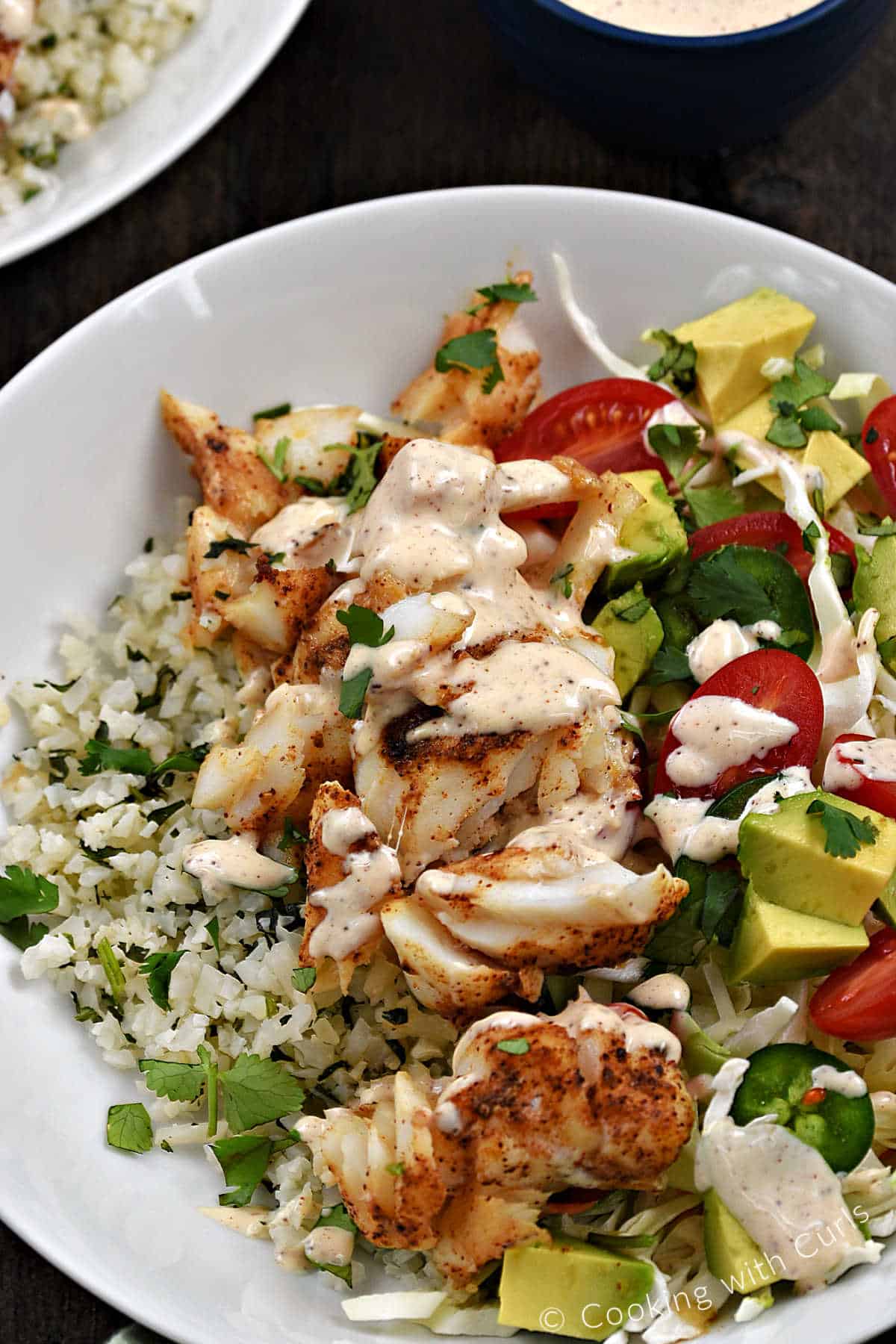
- Zucchini Noodle Pesto Bowl — a 5-minute herb-and-nut puree that turns a $0.50 bunch of basil into restaurant-quality sauce. The Ninja and Cuisinart handle a double batch in one go.
- Authentic Lebanese Hummus — chickpeas, tahini, lemon, garlic. Forty seconds to a smoother result than the deli case. A 9-cup bowl is the right minimum here.
- Garcia's Classic Guacamole — pulse, don't puree. The mini chopper is actually our favorite for this; you want chunky.
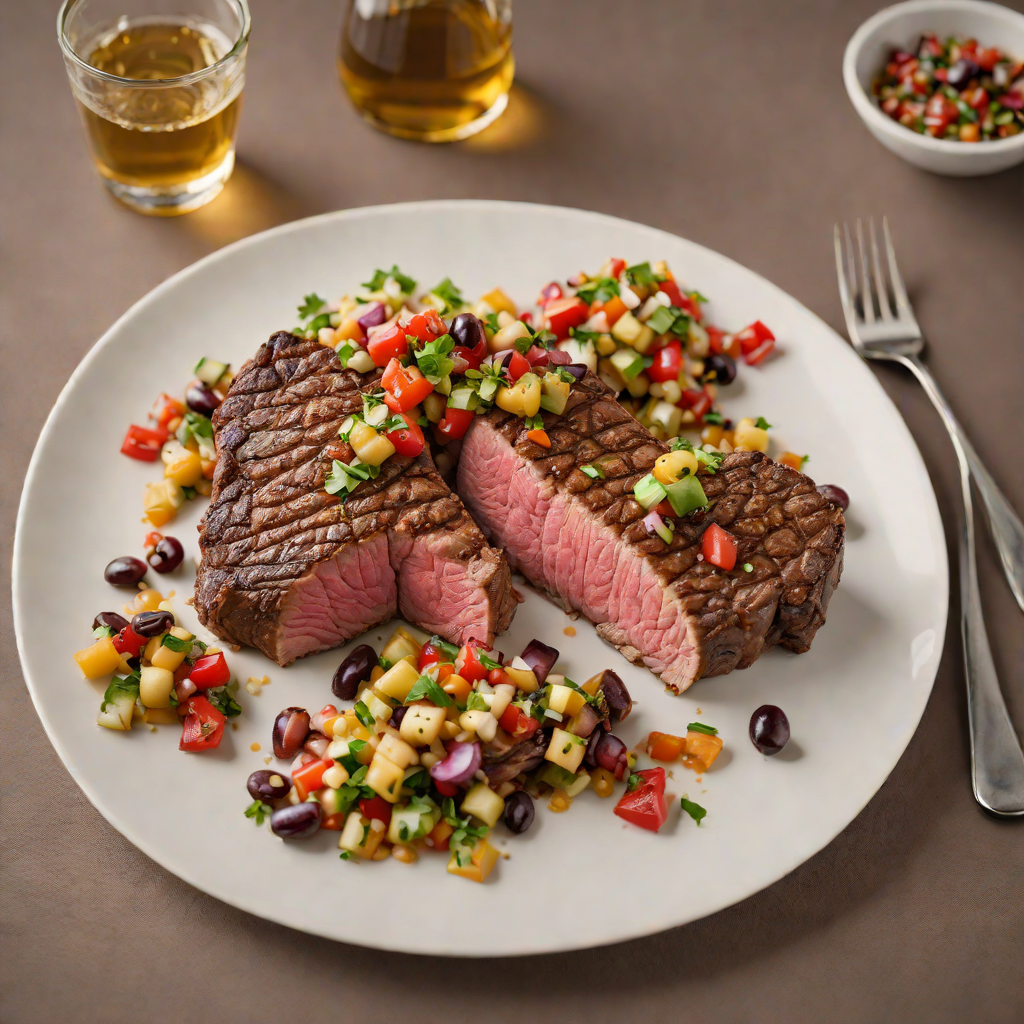
- Charred South American Chimichurri Steak — fast herb-and-garlic sauce that elevates a weeknight steak. Pulse 8 times, no more.
- Oven-Baked Falafel with Tahini Lemon Sauce — soaked chickpeas, herbs, cumin. The texture only a processor can produce; an immersion blender turns this to mush.
- Garden Herb Pesto Pasta — once you have the pesto sauce, weeknight dinner is 15 minutes door to plate.
- Energy Balls — dates, nuts, oats, cocoa. The processor is the only tool that makes the dates stick together without adding liquid.
- Peaches and Cream Pie with Buttery Pie Crust — six pulses, in and out. The classic processor application; the cold-butter-into-flour cut is the technique a knife can't match.
For the full small-appliance corner of our shop, browse small appliances and the broader cookware category — most readers who buy a processor also upgrade a sheet pan or a mixing bowl set in the same cart.
FAQ
Food processor or blender — do I need both?
They do different jobs. Blenders need liquid to circulate ingredients past the blades; they crush ice, emulsify dressings, and puree smoothies. Food processors work dry — they chop, shred, slice, and grind without added liquid. If you make pesto, hummus, pie dough, or shredded cheese weekly, a food processor pays off. A blender alone won't replace it.
What size food processor should I buy?
Most home cooks should get an 11-14 cup model — big enough for a double batch of pesto or bread dough, small enough to live on a counter. A 7-9 cup is fine for couples and small kitchens; under 5 cups limits you to chopping garlic and herbs. Buying too small is the regret we hear most often; the larger machines handle small batches just as well as small ones do.
How loud is a food processor compared to a blender?
Most food processors run at 75-85 decibels — louder than a dishwasher, quieter than a high-speed blender. Heavier-duty motors are usually quieter because they don't strain. If noise matters (early-morning prep, sleeping kids), look for models with insulated bases and avoid the cheapest tier; budget motors tend to whine. Direct-drive designs typically run quieter than belt-drive.
Can a food processor knead bread dough?
Yes — most full-size processors knead a 1.5-pound dough ball in 45-60 seconds, which is faster than a stand mixer. The dough blade (not the metal chopping blade) is the right tool. The catch: it tops out at one loaf at a time, and a hard dough will trip the motor's thermal cutoff on cheaper machines. For occasional baking it's excellent; for weekly multi-loaf baking, a stand mixer fits better.
Are all the attachments worth keeping?
The chopping blade and the slicing/shredding disc earn their keep — most home cooks use those weekly. Dough blades, citrus juicers, and decorative discs usually live in a drawer for years. When evaluating a model, judge the base machine and its two primary discs; ignore the 'comes with 12 attachments' marketing, since most attachments don't add value over basic prep tools.
Cuisinart vs KitchenAid — which brand wins in 2026?
Cuisinart still owns the full-size 11-14-cup category — the DFP-14 has been the test-kitchen reference for 20 years for a reason. KitchenAid is stronger at the 7-9-cup mid-tier and at compact 3.5-cup choppers. If you already own a KitchenAid stand mixer and want one brand on the counter, the KFP0718 is a fine choice. If you're choosing on merit alone, Cuisinart wins for large-batch and Ninja wins for mid-tier value.
Sources
Where applicable we cross-referenced our test results with these long-running editorial benchmarks. We don't always agree with their top picks (we weight kneading and slicing higher; they weight chopping consistency) but the methodology is sound.
- America's Test Kitchen — Food Processors — multi-year update; consistently rates the Cuisinart 14-cup a Best Buy.
- Serious Eats — Best Food Processor — long-form review with grating, kneading, pureeing, and slicing tests.
- NYT Wirecutter — Best Food Processor — periodically updated; useful for budget comparisons and current pricing snapshots.
All prices and ratings above were checked in June 2026 and refresh hourly via the AislePrompt product hydration pipeline; treat them as a snapshot — manufacturer MSRP and Amazon street prices move daily.
Frequently asked questions
Food processor or blender — do I need both?
What size food processor should I buy?
How loud is a food processor compared to a blender?
Can a food processor knead bread dough?
Are all the attachments worth keeping?
Cuisinart vs KitchenAid — which brand wins in 2026?
Sources
Recipes to try with the food processor
Put your gear to work — save any recipe to My Recipes (no account needed) and send its ingredients to Instacart in one tap.

Shop small appliances on AislePrompt →Browse the full kitchen shop →
Dips, sauces, smoothies — in one bowl.
Ask our AI what to make first — it builds the shopping list and sends the cart to Instacart.
Get blender recipes →