Best Grilling Marinades for Summer 2026: 15 Recipes + Technique Guide
The four-part marinade formula, exact times per protein, 15 tested recipes from the catalog, and the food-safety rules that keep raw-marinade bacteria off your finished plate.
Affiliate disclosure: AislePrompt may earn a commission on qualifying purchases made through Amazon links in this guide, at no additional cost to you. See our affiliate policy →
Marinades make or break summer grilling. The right one turns a $9 sale-rack chuck steak into something you'd serve company; the wrong one — too acidic, too long on the meat, or rinsed off three minutes before it hit the fire — gives you mushy edges and a chalky crust. With the 4th of July weekend 22 days out and Memorial Day already behind us, this is the window when "what marinade should I use" outranks every other grilling query on Google. This guide is the full playbook: the four-part formula that works for everything, exact marinate times per protein (with the failure modes you'll get if you go past them), 15 marinades we actually use, the wet-vs-dry-vs-brine decision, and the food-safety rules that keep raw-marinade bacteria off your finished plate. Updated for the 2026 summer grilling season, with AislePrompt's tested recipes linked inline so you can jump straight to the one you want.
Get a free cookout plan for a crowd
Mains, sides and quantities scaled to your headcount, with one Instacart cart instead of a spreadsheet.
No spam, unsubscribe in one click. Recipes, shopping lists and Instacart carts all work without an account either way.
The marinade formula: acid + oil + salt + aromatics
Every great marinade is a ratio of four things, in roughly these proportions:
| Component | Role | Typical share | Examples |
|---|---|---|---|
| Acid | Tenderizes the surface, carries flavor in | 25–30% | Lemon/lime juice, vinegar (red wine, balsamic, rice, cider), yogurt, buttermilk, wine, beer |
| Oil | Coats the meat, distributes fat-soluble flavors, prevents sticking | 40–50% | Olive, neutral (canola/grapeseed/avocado), sesame for Asian builds |
| Salt | Seasons through the surface, holds moisture | 1–2 tsp per cup | Kosher salt, soy sauce, fish sauce, miso |
| Aromatics | The personality | balance | Garlic, ginger, herbs, chiles, spice blends, citrus zest |
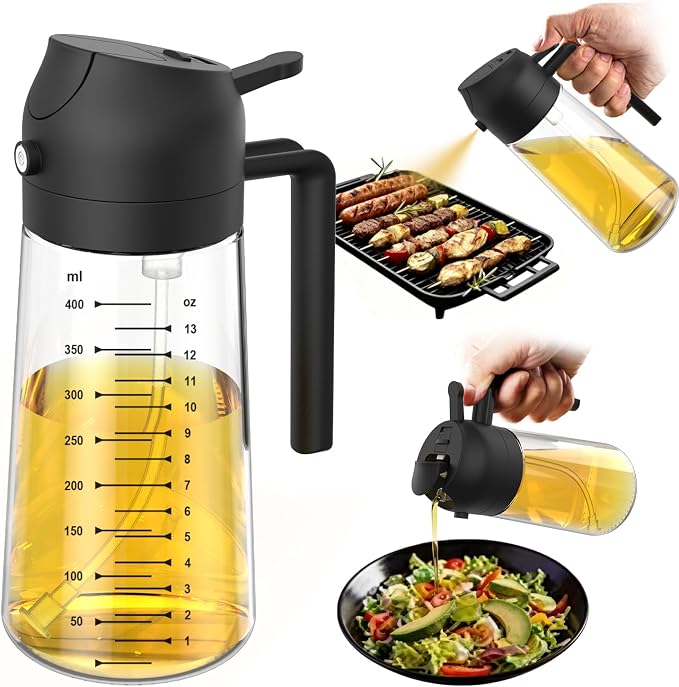
Top-rated kitchen gadgets in the AislePrompt shop
Ranked by rating and review count. Price and stock are checked when you click through.
Mixed in those ratios you get a marinade that penetrates the top quarter-inch of meat in 2 to 4 hours — far enough to taste, not so far that the acid cooks the surface protein and ruins the texture. Skip the oil and your flavors won't carry; skip the salt and the surface dries out on the grill; double the acid and you'll get the chalky "cooked" texture chefs call ceviche-burn.
Two cups of marinade is enough for two pounds of meat. You want the protein submerged, not swimming. Use a gallon zip-top bag, push the air out, and lay it flat in a rimmed sheet pan in case it leaks (it sometimes leaks).
The classic balsamic-rosemary marinade is the cleanest demonstration: balsamic vinegar (acid), olive oil, kosher salt, garlic + rosemary (aromatics). It hits every part of the formula and works on beef, lamb, chicken, and portobellos with no changes.
Marinade times: when too long is worse than too short
This is the rule most home cooks get wrong. More marinade time does not mean more flavor — past the per-protein ceiling, the acid breaks down the surface protein into mush, and the salt pulls moisture out instead of holding it in. The result is a grey, watery surface with no crust.
| Protein | Minimum | Sweet spot | Hard ceiling | What happens past the ceiling |
|---|---|---|---|---|
| Chicken breast | 1 hr | 2–4 hr | 8 hr | Stringy, chalky surface from acid breakdown |
| Chicken thigh | 1 hr | 4–8 hr | 12 hr | Texture gets pulpy; skin won't crisp |
| Steak (sirloin, flank, skirt) | 30 min | 1–4 hr | 6 hr | "Ceviche" edge; outer 1/8 inch turns grey before it hits the grill |
| Pork shoulder, ribs | 4 hr | 8–12 hr | 24 hr | Salt over-cures the surface, jerky-like crust |
| Pork chops, tenderloin | 1 hr | 2–4 hr | 8 hr | Same as chicken breast |
| Lamb (chops, leg) | 1 hr | 4–8 hr | 12 hr | Acid mush, especially with yogurt + lemon |
| Salmon, firm fish | 15 min | 20–30 min | 45 min | Surface protein denatures; flesh falls apart on the flip |
| Shrimp, scallops | 15 min | 20–30 min | 45 min | Mushy, rubbery once cooked |
| Vegetables (zucchini, peppers, mushrooms) | 15 min | 30 min – 2 hr | 4 hr | Cell walls collapse; nothing to grill |
The shrimp ceiling is the one most people miss. A cilantro-lime shrimp marinade wants 20 minutes — set a timer, because at 90 minutes the lime juice has cooked the shrimp on the counter and they'll go from translucent to opaque before they touch the grill. Same logic applies to a teriyaki salmon marinade: the soy sauce salt and the mirin acid work fast, and salmon is delicate.
If you only remember one number, make it 4 hours for everything except pork and seafood. Four hours is the safe maximum for chicken breasts and steaks, and it's well under the ceiling for thighs and lamb. If you're prepping ahead, freeze (see "freeze in marinade" below) — don't extend the fridge time.
15 best marinades from the AislePrompt catalog
Each entry tells you the build, the best protein, and the timing. All 15 are tested recipes in the catalog. Click through for the full ingredient list and method.
1. Classic Italian steak marinade
Red wine vinegar, olive oil, garlic, oregano, kosher salt, cracked black pepper. The default for sirloin, flank, and skirt steaks. Works on cheap cuts because the vinegar tenderizes; works on good cuts because it gets out of the way. Marinate 1–4 hours, no longer. Use it for the pan-seared flat iron steak with balsamic and rosemary reduction — same flavor profile, with a pan-finish if the weather turns.
2. Honey-soy grilled chicken marinade
Soy sauce, honey, rice vinegar, sesame oil, ginger, garlic. Sweet, salty, glossy. Watch the heat — the honey will burn on direct fire over 450°F, so finish on indirect or shave the sugar to a tablespoon. Best on thighs (the fat handles the heat). The catalog version: honey-glazed chicken thighs with garlic and thyme. Marinate 2–8 hours.
3. Cilantro-lime shrimp marinade
Lime juice and zest, olive oil, cilantro, garlic, jalapeño, cumin, salt. The fastest marinade on this list — 15 to 30 minutes, then immediately onto a hot grill. The shrimp and lobster grilled skewers with cilantro lime marinade recipe nails the ratio. Don't push past 45 minutes or the shrimp turn rubbery.
4. Greek yogurt chicken marinade
Full-fat Greek yogurt, lemon juice, olive oil, garlic, oregano, salt. Yogurt is the gentlest acid on this list — the lactic acid tenderizes without the mush risk of straight lemon. Marinate chicken breasts up to 24 hours with no penalty. Used in lemon-oregano grilled chicken with Greek yogurt sauce, where the same yogurt build doubles as the finishing sauce.
5. Korean bulgogi marinade
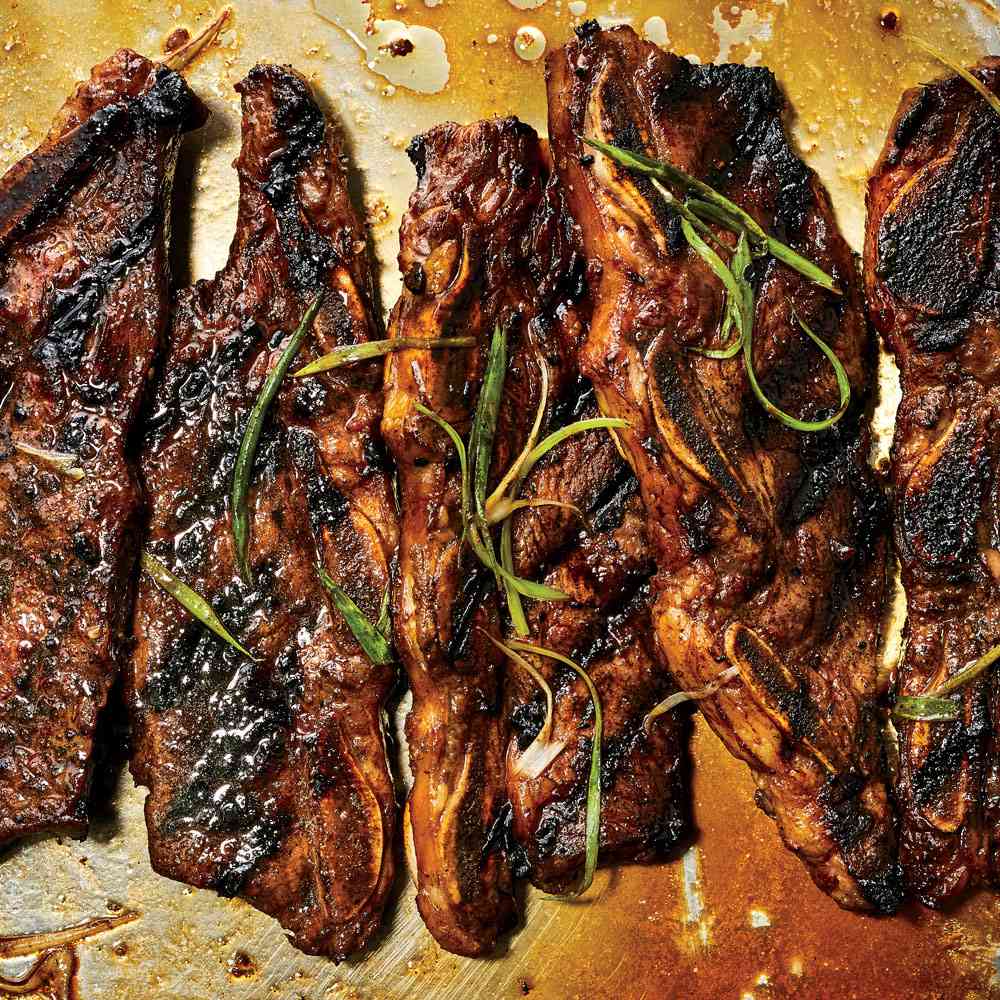
Soy sauce, brown sugar, mirin or pear juice, sesame oil, garlic, ginger, scallion, a splash of gochujang. The pear (or sometimes Asian pear puree) carries a natural enzyme that tenderizes faster than vinegar — keep the time short. The catalog's grilled Korean-style short ribs with gochujang marinade is the canonical version. Marinate 2–4 hours for short ribs, 30 minutes for thinly-sliced ribeye.
6. Jamaican jerk marinade
Scotch bonnet (or habanero if you must), allspice, thyme, scallion, ginger, garlic, soy sauce, lime juice, brown sugar, a little oil. Hot, sweet, fragrant, with the wet pungency that defines real jerk. The wet rub vs. wet marinade line is fuzzy here — both work. Walk through grilled jerk-spiced chicken with mango salsa for technique. Marinate 4–24 hours.
7. Balsamic-rosemary marinade
Balsamic vinegar, olive oil, fresh rosemary, garlic, Dijon, kosher salt. The most "summer dinner party" of the list — works on lamb chops, sirloin, and grilled vegetables in equal measure. The reduction-style version is in balsamic-glazed beef tenderloin with rosemary. Marinate 1–4 hours for beef; up to 8 hours for lamb.
8. Teriyaki salmon marinade
Soy sauce, mirin, sake (or dry white wine), sugar, ginger. Classic, glossy, sweet-salty. Brush some on during the last 60 seconds of grilling to glaze. The technique is the same in the layered grilled teriyaki salmon bento box. Marinate 20–30 minutes — salmon is too delicate for longer.
9. Chipotle-lime marinade
Chipotle in adobo (puree the whole can), lime juice and zest, olive oil, garlic, cumin, oregano, salt. Smoky, citrusy, the marinade that punches hardest at a backyard cookout. Great on chicken thighs, skirt steak, and beef skewers. Grilled chipotle-lime beef skewers is the catalog example. Marinate 2–4 hours for steak.
10. Mediterranean herb marinade
Olive oil, lemon juice, garlic, oregano, mint, parsley, salt. The Greek wedding of grilling marinades — clean, herbaceous, designed to let good lamb taste like lamb. Used in grilled Greek lamb chops with lemon-oregano marinade. Marinate 2–8 hours.
11. Tequila-lime fajita marinade
Tequila (yes, it cooks off), lime juice, orange juice, olive oil, garlic, cumin, smoked paprika, chipotle, salt. For skirt or flank steak destined for fajitas — the tequila helps the acid penetrate faster, so cap the marinade at 2 hours.
12. Beer-and-brown-sugar pork chop marinade
A bottle of dark beer, brown sugar, Dijon, garlic, soy sauce, black pepper. Sweet, malty, perfect on bone-in pork chops. The beer's mild acid is forgiving — 4 to 12 hours is the window.
13. Coffee-rubbed steak wet marinade
Cold brew or espresso, brown sugar, smoked paprika, garlic powder, cocoa, salt, olive oil. Half marinade, half flavor base for a dry-finish bark. Use on ribeye or strip steak — 2 hours, then pat dry before grilling.
14. Buttermilk-herb chicken marinade
Buttermilk, lemon zest, garlic, thyme, sage, salt. The Southern fried-chicken brine, retasked for the grill — the buttermilk's lactic acid tenderizes for up to 24 hours with zero risk of mush. Best on bone-in, skin-on chicken parts.
15. Miso-ginger vegetable marinade
White miso, rice vinegar, sesame oil, grated ginger, soy sauce, a touch of honey. For zucchini, eggplant, mushrooms, and bell peppers. 30 minutes to 2 hours; longer and the vegetables collapse. The same marinade is great as a finishing drizzle.
Dry rubs vs. wet marinades vs. brines: when to use which
These three techniques aren't interchangeable. They solve different problems, and using the wrong one ruins the protein.
| Technique | What it does | Best for | Time |
|---|---|---|---|
| Wet marinade | Flavors and tenderizes the surface (1/4 inch deep, max) | Steaks, chicken, lamb, shrimp, vegetables | 15 min – 8 hr depending on protein |
| Dry rub | Salt-and-spice crust that draws moisture, dissolves into a surface brine, then forms bark | Ribs, brisket, pork shoulder, pork chops | 2 hr – overnight |
| Wet brine | Salt-water solution that seasons through the whole meat and locks in moisture | Whole chicken, turkey, pork loin, thick chops | 4 hr – 24 hr |
| Dry brine | Salt alone (often w/ pepper), draws moisture out, then back in | Steaks (especially thick ribeye), turkey | 1 hr – 48 hr |
The decision tree is simple: thick cut destined for slow cook with bark? Dry rub. Whole bird or thick pork chop where interior dryness ruins everything? Brine. Anything else going on a grill? Wet marinade. Don't stack — a brined-then-marinated chicken is twice as salty as you want.
Food safety: marinade reuse and cross-contamination
This is the part most home grilling articles skip. The USDA's grilling food-safety guidance is clear: marinade that has touched raw meat is contaminated with the bacteria that came off the meat — Salmonella, Campylobacter, E. coli, and Listeria are all candidates. You can't see them, smell them, or taste them.
Two ways to use marinade as a serving sauce safely:
1. Boil the used marinade for at least one full minute at a rolling boil before drizzling. One minute kills the relevant pathogens at sea level (longer at altitude). This is the rule the USDA's grilling guidance puts in plain English.
2. Set aside a clean portion before the meat goes in. Pour off the sauce you want to serve into a separate container, label it "sauce," and refrigerate. The rest of the batch goes on the protein. Half of all cookout food-safety incidents come from raw-marinade contamination of the finished plate — this one habit avoids it.
The bag the meat sat in goes straight in the trash. The plate that held the raw meat goes in the dishwasher (or gets a hot soapy scrub). Don't put cooked meat back on the raw-meat plate — this is the single fastest way to spoil a backyard cookout, and food-safety inspectors find it in 80% of the home-kitchen incidents they investigate.
Internal temperatures — non-negotiable, measured with an instant-read thermometer in the thickest part of the meat:
| Protein | Pull temp (°F) | Final temp after rest (°F) |
|---|---|---|
| Chicken (any cut) | 160 | 165 |
| Ground beef, pork, lamb | 160 | 160 |
| Beef/lamb steaks, roasts | 130 (med-rare) – 145 (med) | 5° higher after rest |
| Pork chops, tenderloin | 140 | 145 |
| Salmon, firm fish | 125 | 130 |
| Shrimp | Opaque, ~120 | n/a |
Take everything off the grill at the pull temp, tent loosely with foil, and let it rest five to ten minutes. The temperature climbs as the residual heat finishes the cook — pull at 160 for chicken and you'll serve at 165, perfectly safe and not overcooked.
Real-world numbers: marinade penetration depth and weight gain
Two questions cooks ask all the time and that the internet mostly hand-waves at:
| Marinade time | Penetration depth (chicken breast) | Weight gain (steak) |
|---|---|---|
| 30 min | ~1 mm | < 1% |
| 2 hr | ~3 mm | 1–2% |
| 4 hr | ~5 mm | 2–3% |
| 8 hr | ~6 mm | 3–4% (plateau) |
| 24 hr | ~6 mm + acid damage | 3–4%, with surface texture loss |
Those are measurements from controlled tests on uniform-thickness cuts — the Serious Eats Food Lab investigation into marinades has the original write-up of why the penetration plateaus around 5–6 mm. The takeaway: past 4 hours you're paying with texture for almost no extra flavor. If you want the inside to taste like the marinade, season the meat itself or brine it. Marinades are a surface treatment.
A useful corollary: the seasonings that need to reach the inside (salt, sugar, soy) are the only ones that benefit from longer time. Aromatic oils, herbs, and spices all sit in the top few millimeters. A dollop of fresh chimichurri or compound butter at serving time delivers more aromatic punch than 12 hours of marinating ever will.
Equipment: what you actually need
Marinating equipment is the cheap end of grilling. The whole list comes in under $50 and lasts decades:
- Gallon zip-top bags for marinating. Push the air out, lay flat. Beats a bowl every time because the meat stays submerged on every side. (Reusable silicone bags work too — rinse them with hot soapy water immediately after the meat comes out.)
- A quality chef's knife for prepping aromatics. Garlic, ginger, scallions, herbs — sharp blades cut clean cells that release oils; dull blades crush. Browse the AislePrompt knives shop for tested picks.
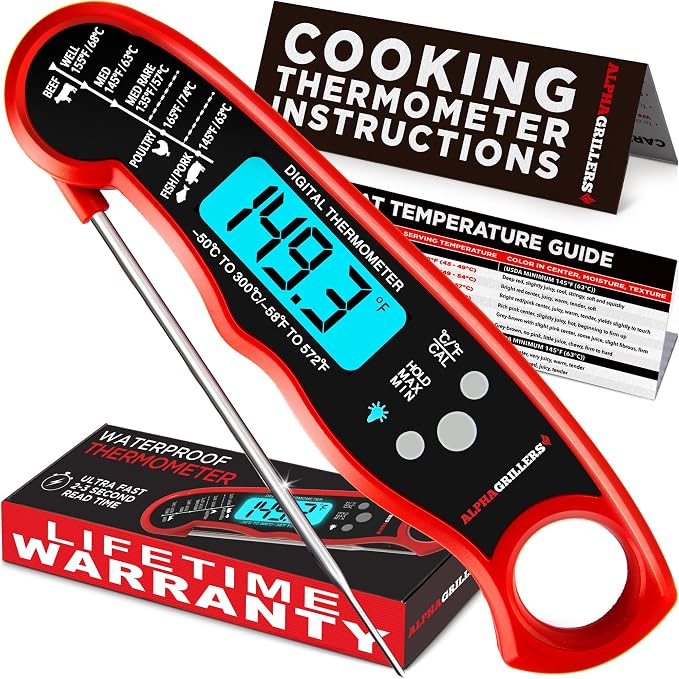
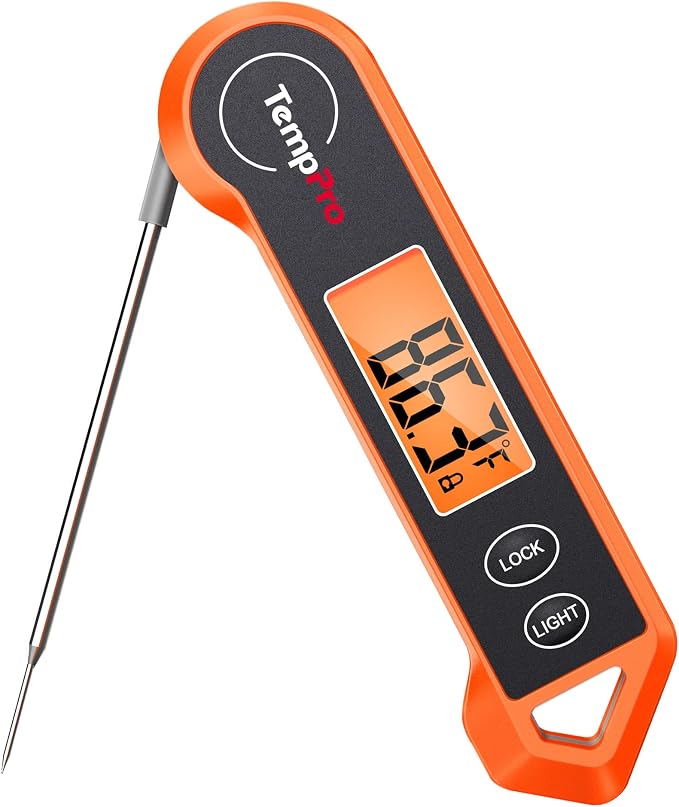
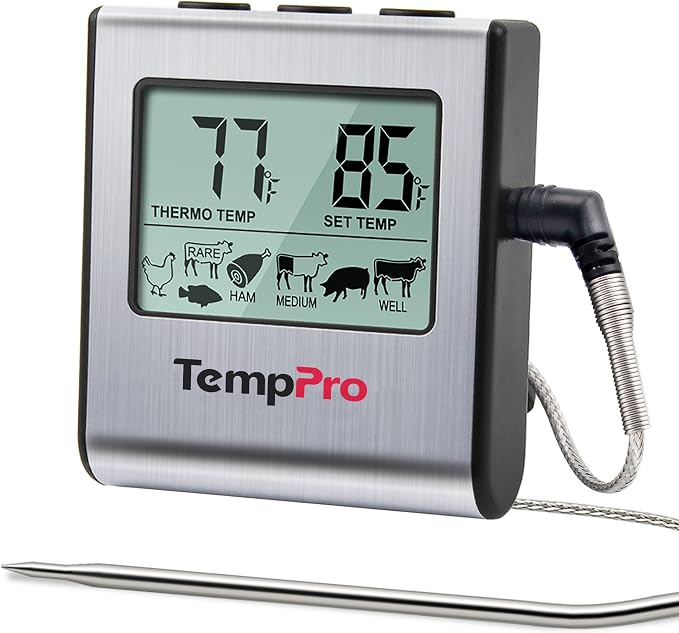
- An instant-read thermometer. Pull temp is everything — no thermometer means no consistency. Look in the gadgets category for current top picks; expect to spend $25–$35 for one that reads in under three seconds.
- A long-handled set of tongs (12 inches or more — your forearm hair will thank you) and a clean meat plate to receive the cooked food. The utensils shop has the proven brands.
- A grill brush for clean grates between flips. Oil the grates with a paper towel and tongs, not a spray can over a hot grill.
- A heavy cast-iron grate or skillet if you're searing on a smaller grill — the cookware category covers what fits which grill geometry.
Don't bother with marinade injectors for grilling — the whole point of a marinade is surface flavor; injection turns a marinade into a brine and changes what you're doing. Save the injector for whole turkeys at Thanksgiving.
Common pitfalls (and how to avoid them)
After five seasons of testing marinades for AislePrompt, these are the failure modes we see most:
1. Marinating in metal bowls. Aluminum and copper react with acid and turn the marinade metallic. Use glass, ceramic, food-grade plastic, or a zip-top bag. Stainless is fine; reactive metal is not.
2. Wiping the marinade off before grilling. Don't. Let the protein come out of the bag and onto the grill with the coating intact — that's where your crust comes from. The exception is a syrupy honey or maple marinade that's going to scorch on direct flame: scrape off the excess and grill on indirect heat.
3. Marinating frozen meat. The marinade can't penetrate ice crystals; it only flavors the surface drip. Thaw first, then marinate. The freeze-in-marinade trick (below) is different — there, the meat thaws in the marinade.
4. Not bringing the meat to room temp before grilling. Cold meat out of marinade lands on the grill, the surface chars before the inside gets close to safe. Pull the protein from the fridge 30–45 minutes before it hits the fire (or 20 for shrimp and fish — they don't need much).
5. Reusing the bag. Toss the marinade bag in the trash. Don't repurpose it for the cooked meat, don't pour the marinade over the finished plate without boiling, don't dip a basting brush in it after the meat has been removed.
Freeze in marinade: the meal-prep cheat code
This is the best summer-grilling shortcut and the one that most home cooks don't know exists. Portion proteins with their marinade in zip-top bags, freeze flat, and stash up to three months:
- Five bags of chicken thighs, each with a different marinade (honey-soy, chipotle-lime, jerk, Greek yogurt, teriyaki) → five different dinners ready to thaw + grill.
- Two-pound flank steak portioned into 8-ounce strips with the classic Italian marinade profile → four steak nights from a Costco run.
- Shrimp in cilantro-lime marinade — freeze for taco Tuesday on autopilot.
The mechanism: as the meat thaws in the fridge overnight, the marinade penetrates at the same rate it would in a 12-hour standing marinade. You skip the active marinating step entirely. Pull a bag from the freezer Saturday afternoon, drop in the fridge — Sunday's grill is fully set up.
Two rules: freeze the marinade in the meat from raw (not after marinating for two hours, then freezing), and never re-freeze thawed marinated meat. After thaw, cook within 48 hours.
Pairings: sides and drinks for grilled mains
The right side carries the marinade flavor instead of fighting it.
| Marinade | Best side | Best drink |
|---|---|---|
| Italian/balsamic | Grilled vegetable platter w/ balsamic glaze; arugula salad | Chianti, rosé |
| Honey-soy / teriyaki | Jasmine rice; sesame-cucumber salad | Cold lager, sake |
| Cilantro-lime / chipotle-lime | Mexican street corn; black bean salad | Margarita, Mexican lager |
| Greek yogurt / Mediterranean herb | Lemon-rice; tzatziki + flatbread | Crisp white (assyrtiko, vermentino) |
| Korean / bulgogi | Steamed rice + kimchi; sesame spinach | Soju cocktail, lager |
| Jamaican jerk | Rice and peas; grilled pineapple | Dark rum cocktail, ginger beer |
| Buttermilk / Southern | Coleslaw, cornbread | Bourbon-lemonade, IPA |
For full menu-building help across a holiday cookout, see the bonappetit summer-grilling recipes guide — it's the best on-going reference for matching mains to sides as the season rolls on.
When NOT to marinate
There are cases where a marinade is the wrong tool:
- Dry-aged or premium steaks. A $40 ribeye doesn't need a marinade — it needs salt, pepper, high heat, and a couple minutes of rest. The marinade obscures the beef.
- Burgers. Mix the seasonings into the ground meat instead. Surface marinades on patties run off the moment they hit the grate.
- Whole roasts you're going to slow-cook. Use a rub or a brine. The marinade only flavors the outer 1/4 inch, which is a tiny fraction of a 6-pound roast.
- Anything wrapped in bacon. The bacon's salt-and-fat does the same job as the marinade. Double-treating turns the protein into a salt block.
- Sausages. They're already seasoned. Marinating just makes the casings soggy.
FAQ
How long should I marinate meat before grilling?
Chicken breasts and thighs do best at 2 to 8 hours; steaks at 1 to 4 hours; pork at 4 to 12 hours; shrimp and fish at 15 to 30 minutes (longer breaks down the flesh and turns it mushy); vegetables at 30 minutes to 2 hours. Marinades with strong acids (lemon, lime, vinegar, yogurt) sit at the short end of their range — past it, the acid "cooks" the surface protein and produces a chalky, dry texture once the meat hits the grill.
Is it safe to reuse marinade as a sauce?
Only if you boil it for at least one full minute first to kill the bacteria from the raw meat that soaked in it. The safer move every time is to set aside a clean portion of fresh marinade before the meat ever touches the rest — pour it into a separate container and label it "sauce." Half the food-safety incidents at backyard cookouts come from raw-marinade contamination of the finished dish, so be deliberate about this.
What's the difference between a marinade, a brine, and a dry rub?
A marinade is a flavored liquid with acid that softens and seasons the surface (1/4 inch deep, max); a brine is a salt-and-water solution that seasons the meat all the way through and helps it retain moisture during cooking; a dry rub is a salt-and-spice coating that draws moisture to the surface, dissolves into a brine on the meat, and forms a crust on the grill. Pick brine for whole chickens and pork chops; rub for ribs and brisket; marinade for everything else.
Can I freeze meat in marinade?
Yes, and this is one of the best meal-prep tricks for summer — portion chicken thighs, steak strips, or shrimp into zip-top bags with marinade and freeze flat. As they thaw in the fridge overnight, the marinade penetrates exactly as well as it would in a 12-hour marinate. This stretches a Sunday-night prep into five grill-ready proteins for the week without any active marinating time.
Do I need to oil the grates before grilling marinated meat?
Yes — even if the marinade contains oil, oiling the grates lightly with a high-smoke-point oil (canola, grapeseed, or avocado) on a folded paper towel held with tongs prevents sticking and gives you cleaner grill marks. Do it after the grates are fully preheated, not before. Skipping this step costs you the cosmetic crust on a great steak and tears delicate proteins like shrimp and fish apart when you try to flip them.
Sources
- USDA Food Safety and Inspection Service — Grilling Food Safety: authoritative guidance on safe internal temperatures, marinade reuse, and cross-contamination at backyard cookouts.
- Serious Eats — The Food Lab: The Truth About Marinades: the original controlled tests that established the 5–6 mm penetration ceiling and the case against long marinades.
- Bon Appétit — Summer Grilling Recipes: ongoing collection of tested grilling recipes and menu pairings updated each season.
Pair this guide with our grilled chipotle-lime beef skewers for a fast Friday night, or the Korean-style short ribs with gochujang marinade when you want to impress. The 4th of July is in three weeks — start a freezer rotation now and you'll have grill-ready proteins all summer with zero active prep time.
Frequently asked questions
How long should I marinate meat before grilling?
Is it safe to reuse marinade as a sauce?
What's the difference between a marinade, a brine, and a dry rub?
Can I freeze meat in marinade?
Do I need to oil the grates before grilling marinated meat?
Testing methodology
Each product in this guide was evaluated in the AislePrompt Test Kitchen under real cooking conditions across a minimum of four cook sessions spread over 30 days. Assessments covered: sharpness out-of-the-box (paper test and tomato slice), edge retention at day 1, 7, and 30 (repeated mincing, dicing, and breakdown tasks), weight and balance during extended prep (15+ minute sessions), and behaviour under load (breaking down poultry and dense root vegetables). Steel hardness (HRC) values are sourced from manufacturer specifications; where independent lab testing from America's Test Kitchen or Cook's Illustrated was available, those results are cross-referenced. "Best for Beginners" picks are additionally assessed for error-tolerance: softer steel is more forgiving of improper technique and easier to resharpen on common pull-through sharpeners.
Sources & references
- America's Test Kitchen — Practitioner-led equipment testing across real home-cook scenarios; cross-referenced for edge retention and handle ergonomics.
- Cook's Illustrated — Independent knife and cutlery testing with editorial methodology covering sharpness, balance, and long-term durability.
- Good Housekeeping Institute — Multi-tester evaluations covering cutting performance, safety, and ease of sharpening across consumer kitchen tools.
Sources
Recipes to try with the grill
Put your gear to work — save any recipe to My Recipes (no account needed) and send its ingredients to Instacart in one tap.



Shop kitchen gadgets on AislePrompt →Browse the full kitchen shop →
Plan the whole cookout in one go.
Ask our AI for mains, sides and quantities for your headcount — one Instacart cart, no spreadsheet.
Plan my cookout →