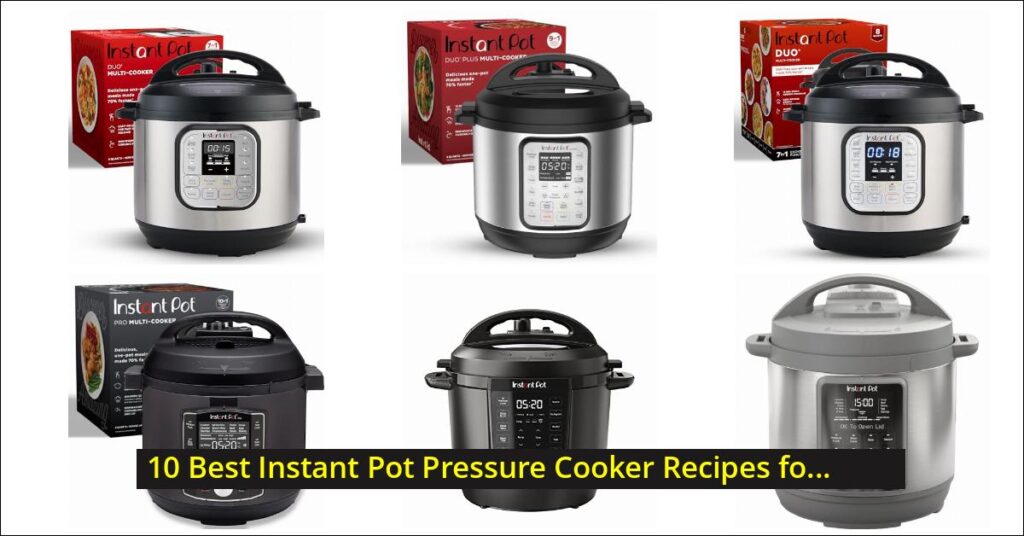
Best Instant Pots & Electric Pressure Cookers for 2026: Top Picks + Buying Guide
Our five picks for the best electric pressure cookers in 2026: the Instant Pot Duo, the Midea 12-in-1, the Rio for first-time owners, the 8-quart Duo Plus, and the Duo Mini.
The best electric pressure cooker for most households in 2026 is the Instant Pot Duo 7-in-1 (6-quart), the size nearly every online recipe is written for.
Instant Pot Duo, 6-quart, on Amazon →Instant Pot Rio, 6-quart, on Amazon →
Amazon prices: Duo $79.00 · Rio $109.99, . The Duo is $30.99 cheaper.
Where to buy these picks
Affiliate links: we may earn a commission on qualifying Amazon purchases. Policy. Prices show only when checked in the last 24 hours.
- Best Overall: Instant Pot Duo 7-in-1 (6-Quart) $79.00 at Amazon, Check price on Amazon →
- Best Non-Instant Pot Alternative: Midea 12-in-1 Electric Pressure Cooker (6-Quart) $80.99 at Amazon, Check price on Amazon →
- Best for Beginners: Instant Pot Rio (6-Quart) $109.99 at Amazon, Check price on Amazon →
- Best for Big Batches: Instant Pot Duo Plus (8-Quart) $176.99 at Amazon, Check price on Amazon →
- Best Compact (for 1-2 People): Instant Pot Duo Mini 3-Quart $69.99 at Amazon, Check price on Amazon →
Which pressure cooker fits you
| Your situation | Buy | Why | Buy link |
|---|---|---|---|
| Couple or family of up to 4 | Instant Pot Duo 7-in-1 (6-Quart) $79.00 | 6 qt, 7 functions, stainless inner pot; the size online recipes are written for | Amazon → |
| Cooking for 1–2 people | Instant Pot Duo Mini 3-Quart $69.99 | 3 qt; reaches pressure in 6–8 min (vs 10–12 on a 6 qt); halve most recipes | Amazon → |
| Family of 5+ or batch cooking | Instant Pot Duo Plus (8-Quart) $176.99 | 8 qt fits a 6-lb roast, up to 8 servings; 9 functions incl. sous vide | Amazon → |
| First pressure cooker | Instant Pot Rio (6-Quart) $109.99 | 6 qt, same pot and 7 functions as the Duo; Easy-Release steam switch and 13 one-touch programs | Amazon → |
| The Duo’s size from a brand other than Instant Pot | Midea 12-in-1 Electric Pressure Cooker (6-Quart) $80.99 | same 6 qt and a stainless inner pot, so Duo recipes fit without scaling; 12 presets | Amazon → |
Quick answer
Which pressure cooker fits a different budget or need?
For a first pressure cooker, the Instant Pot Rio (6-quart) is the beginner pick: the Duo's successor, with the same 6-quart pot and seven functions plus an Easy-Release switch for venting steam and 13 one-touch programs; if you don't need those, buy whichever of the two listings is cheaper. The best alternative to an Instant Pot is the Midea 12-in-1, with the same 6 quarts and a stainless inner pot, so Duo recipes fit without scaling. For families of five or more and batch cooking, the Instant Pot Duo Plus (8-quart) is the big-batch pick, with 9 functions including sous vide. The Instant Pot Duo Mini 3-quart suits one or two people and reaches pressure in 6–8 minutes.
Introduction: Why a Pressure Cooker Belongs on Your Counter in 2026
A modern electric pressure cooker is the single most useful small appliance you can own — full stop. It turns a 4-hour oven pulled pork into about 90 minutes, turns a bag of dried beans into chili without an overnight soak, and cooks a whole chicken straight from the freezer in about an hour, start to finish, with no thawing. It also heats a sealed pot instead of a whole oven, which adds up across a year of cooking.
What you'll use with it
A roast, braise or pressure-cooked chicken is done at a temperature you can’t see from the outside. The thermometer guide has five picks under $100 and safe temps by protein. Read the instant-read thermometer guide →
Instant-read thermometer guide’s top pick: ThermoMaven Professional Digital Meat Thermometer $19.99 at Amazon, Check price on Amazon →You sear and deglaze in the inner pot before it seals, and food stuck to the bottom is what trips the burn warning. The spatula guide picks 600°F silicone sets with a stiff core that scrapes without folding. Read the silicone spatula guide →
Silicone spatula guide’s top pick: OXO Good Grips 3-Piece Silicone Spatula Set $23.95 at Amazon, Check price on Amazon →
The other reason it earns its counter space: it's the appliance that finally makes weeknight cooking forgiving. You can sear, deglaze, dump, lock, and walk away — no babysitting a pot, no checking the oven, no remembering to come back. For families juggling soccer pickup and a 6 PM dinner, that hands-off window is the difference between cooking from scratch and ordering pizza.
Pair this guide with our Sunday meal prep playbook and the complete keto meal plan — both lean heavily on the multi-cooker.
Our Top 5 Picks
Four of the five picks are Instant Pot models: across electric pressure cookers, it is the line with the widest recipe support and a stainless inner pot as standard. The one pick from another brand is a Midea with the same 6-quart capacity and a stainless inner pot. If you want a crisping lid, the Ninja Foodi is compared further down, alongside the lower-cost Crock-Pot Express. Every pick below was chosen on published specs, owner ratings and recipe fit. We weighted ease of use, recipe ecosystem support, build quality (especially the inner pot and gasket), and long-term reliability over flashy feature counts. A 14-function cooker that you only ever use to pressure cook and sauté is not better than a 6-function cooker that nails those two operations.
| Pick | Best for | Size |
|---|---|---|
| Instant Pot Duo 7-in-1 | Best overall | 6 qt |
| Midea 12-in-1 | Best non-Instant Pot alternative | 6 qt |
| Instant Pot Rio | Best for beginners | 6 qt |
| Instant Pot Duo Plus 8-qt | Best for big batches | 8 qt |
| Instant Pot Duo Mini | Best compact (1-2 people) | 3 qt |
Best Overall: Instant Pot Duo 7-in-1 (6-Quart)
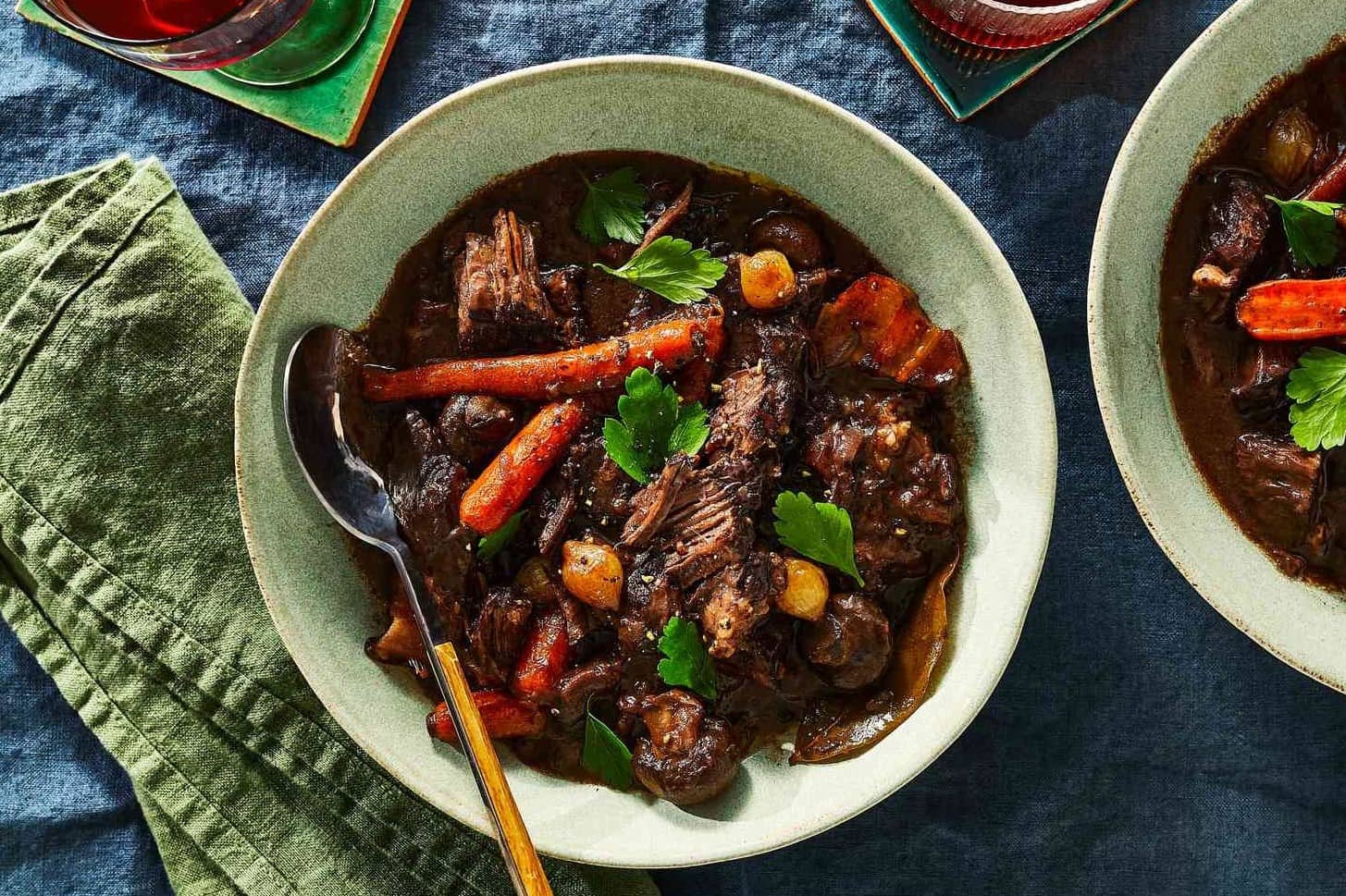
This is the model that built the category, and a decade after launch it's still the right answer for most kitchens. It pressure cooks, slow cooks, sautés, steams, makes rice and yogurt, and keeps food warm — seven functions that cover most everyday cooking. The 6-quart bowl handles a 4-pound chuck roast, a whole 4-pound chicken, or a full batch of Instant Pot Beef and Vegetable Stew with Red Wine without crowding.
Stainless steel inner pot (no non-stick coating to flake), three-ply bottom for even sauté, and a lid with 10 built-in safety mechanisms. The control panel is dated but unambiguous: there's no learning curve. Every Instant Pot recipe online — and there are tens of thousands — was written against this model's pressure curve and timing, so you can cook from anywhere without scaling. It's the lowest-risk, highest-ceiling pick you can make. Prices across the Duo line move often, so check the live Amazon link for today's price.
The honest downsides: the lid is bulky to store, the sauté function tops out a little cooler than a stovetop pan, and the keep-warm setting runs a touch hot — leave braises in too long and they overcook. None of those break the pick.
Instant Brands' successor to this cooker is the Instant Pot Rio: the same seven functions and the same 6-quart stainless inner pot in a slimmer body, with an Easy-Release steam switch. If you don't need the switch, buy whichever is cheaper on the day you shop. Recipes written for the Duo work on the Rio without any changes. If this is your first pressure cooker, the Rio's easier venting can be worth paying more for; the beginner pick below explains why.
Best Non-Instant Pot Alternative: Midea 12-in-1 Electric Pressure Cooker (6-Quart)
The Midea is the pick for a cook who wants the Duo's capacity and a stainless inner pot from a brand other than Instant Pot. It holds the same 6 quarts, cooks in a stainless steel inner pot rather than a non-stick one, and covers pressure cook, slow cook, sauté, steam, rice, soup, bean/chili, oatmeal and yogurt from 12 one-touch presets. Midea lists nine safety protections, including a pressure limit and automatic overpressure release, and both the inner pot and the lid go in the dishwasher.
The trade-off is recipe support. Because the capacity matches, a recipe written for a 6-quart Instant Pot fits without scaling, but the buttons are named differently, so expect to translate "Pressure Cook" into Midea's presets for your first few meals. Compare its live price with the Duo's on the day you shop; when it is the cheaper of the two, it is the better buy for someone who mostly pressure cooks and sautés.
Best for Beginners: Instant Pot Rio (6-Quart)
The Rio is the Duo rebuilt around the two steps that make first-time owners nervous. Letting the steam out is a switch, which Instant calls Easy-Release. Choosing a program is one button: 13 one-touch Smart Programs, from soup to cake, with times you can adjust. If you've never used a pressure cooker and the idea of "high pressure, 22 minutes, natural release 15" makes your eyes glaze over, start here.
Inside, it's the Duo. It has the same seven functions (pressure cook, slow cook, sauté, steam, rice, yogurt and keep warm) and the same 6-quart 18/8 stainless pot, with a tri-ply bottom and stops that keep it from spinning while you sauté. It also has more than 10 safety mechanisms, and every Duo recipe works on it unchanged. The body is slimmer, and the lid and inner pot go in the dishwasher. The Rio and the Duo often swap places on price, so check both on the day you shop. When the Rio is the cheaper of the two, buy it even if you already know your way around a pressure cooker. When it costs more, the difference pays only for the easier venting and controls, which is worth it for first-time owners and skippable if you already cook from pressure cooker recipes.
Best for Big Batches: Instant Pot Duo Plus (8-Quart)
The 8-quart Duo Plus is the answer when you need bigger. The bowl fits a 6-pound roast or a full rack of ribs cut in half, and Instant rates it at up to 8 servings, enough for a family of five or more or a week of batch-cooked lunches. Its Amazon listing gives 9 functions (pressure cook, slow cook, steam, sauté, sous vide, rice, yogurt, cake and keep warm) and 25 presets on an angled panel with a cooking-progress bar, and the WhisperQuiet steam-release button vents more quietly than the original Duo's valve. The 18/8 stainless inner pot has a tri-ply bottom and anti-spin stops so it stays put while you sauté, the pot and lid both go in the dishwasher, and a steam rack and two spare sealing rings come in the box.
Two trade-offs worth knowing. First, 8-quart units take noticeably longer to come up to pressure (about 18 minutes versus the 10-12 minute average on a 6-quart) because there's more thermal mass. Second, it eats counter space; if your kitchen is tight, the 6-quart Duo or Rio above is the standard size, without the bigger footprint.
Best Compact (for 1-2 People): Instant Pot Duo Mini 3-Quart
The 3-quart Mini is the right pick for one-person households, RVs, dorm rooms, or as a second unit for sides while your big cooker handles the main. Instant Brands pitches the Duo Mini the same way: for smaller households, side dishes, or as a sidekick to your main pot. It cooks the same way as the 6-quart, just in smaller portions — most recipes need to be scaled to half, and a few that depend on stacked accessories (pot-in-pot rice while a roast cooks underneath) don't fit.
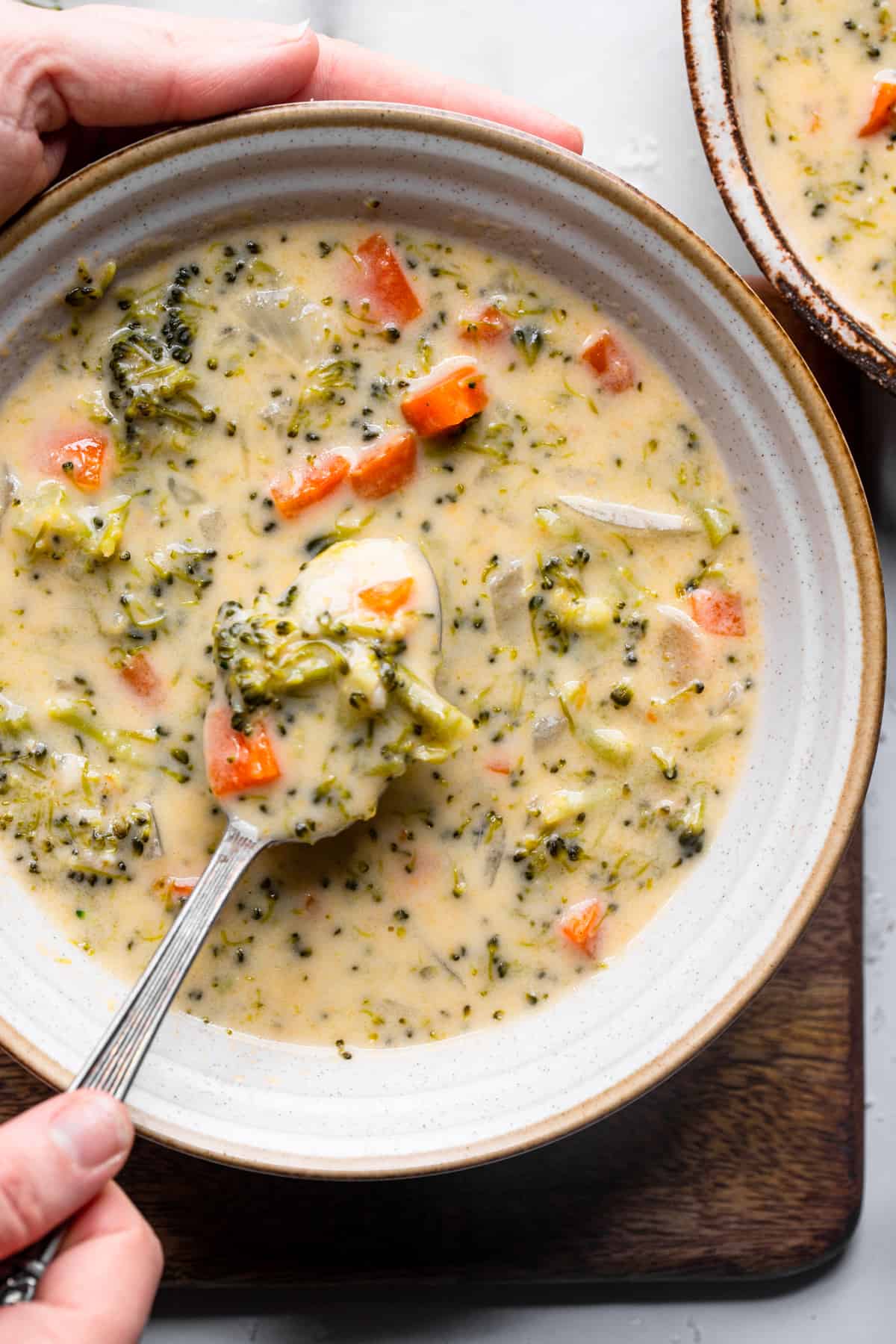
The Mini's secret weapon is shorter pressurization time: it hits cooking pressure in 6-8 minutes versus 10-12 on a 6-quart, which makes "quick weeknight" recipes actually quick. A bowl of Instant Pot Broccoli and Cheddar Cheese Soup lands on the table in 18 minutes start to finish. It's also the cheapest entry point into the Instant Pot line. Cooking for one or two and want more than one small option? Our guide to the best 3-quart Instant Pots and mini pressure cookers compares the Duo Mini against other 3-quart cookers.
What to Look For: Size, Pressure Levels, Smart Features, Inner Pot Material, Safety
If you're shopping outside our top five, these are the five specs that actually matter.
Size. 3-quart for solo cooks or as a second unit, 6-quart for couples and families up to four, 8-quart for families of 5+ or anyone who batch-cooks. The 6-quart is the standard recipe-online assumption; pick anything else only if you have a specific reason. Going too big is a real problem: an 8-quart with half-full contents takes longer to pressurize and over-reduces.
Pressure levels. Most modern electric pressure cookers run at around 11-12 PSI on "high" and 6-8 PSI on "low." Single-pressure models (such as the basic Lux) skip the low setting; for 90% of recipes this is fine. Two-pressure models matter if you cook delicate fish, custards, or follow recipes from professional sources that specify low pressure.
Smart features. Wi-Fi and app integration sound great in the showroom and are used roughly twice in real life. Recipe-guided cooking (CHEF iQ does this best) is more useful — the appliance walks you through ingredient prep and timing for a specific recipe rather than just running a generic "meat/stew" program. Worth the upgrade if you're an absolute beginner; skippable otherwise.
Inner pot material. Stainless steel is the right answer in 2026 — no coating to flake, deglazes well, sears at meaningful heat, and dishwasher-safe. Avoid non-stick inner pots (Ninja Foodi default, some Crock-Pot multi-cookers): the coating chips after 18-24 months of acidic cooking (tomato sauce, citrus) and you can't sear properly because the coating limits temperature. Aluminum is cheaper but pits faster and stains. Buy stainless; thank yourself in two years.
Safety. Modern UL/ETL-certified electric pressure cookers from Instant Pot, Ninja, Cosori, and CHEF iQ all have 10+ safety mechanisms — lid lock, pressure sensor, anti-block shield, automatic temperature cutoff, and a manual release valve. If a unit isn't UL or ETL certified (both are on OSHA's list of Nationally Recognized Testing Laboratories), do not buy it; the cheap Amazon-only brands without that certification cut corners on the pressure sensor and the lid lock, and you don't want to be the one who discovers that.
Instant Pot vs. Ninja vs. Crock-Pot Multi-Cooker
The three big brands take genuinely different approaches.
| Brand | Strength | Weakness | Best for |
|---|---|---|---|
| Instant Pot | Recipe ecosystem, stainless pot, proven reliability | Plain looks, no crisping lid | Most cooks |
| Ninja Foodi | True air-fryer/crisping lid, deluxe build | Pricier, bulkier, non-stick pot | Crisp-after-pressure (wings, pulled pork) |
| Crock-Pot Express | Cheap, familiar brand | Smaller recipe community, mid-tier build | Light-use buyers on a tight budget |
Instant Pot is the dominant ecosystem — almost every electric pressure cooker recipe online was written for an Instant Pot. The interface is unfussy, the inner pot is stainless, and the brand has 12+ years of public failure data, which is not nothing for an appliance that holds 15 PSI of steam.
Ninja Foodi is the right pick for one specific use case: you want to pressure cook and then crisp the food without dirtying a second pan. Pulled pork that gets a sear under the crisping lid, wings finished from braise to crispy in one vessel, a roast that comes out brown instead of grey. Foodi units cost noticeably more than the equivalent Instant Pot and the inner pot is non-stick (which will need replacing in 18-24 months), so go in eyes-open.
Crock-Pot Express Multi-Cooker is the budget pick. It works. The recipe community is smaller, the build quality is one notch below Instant Pot, and the inner pot is non-stick. If you're price-sensitive and want the cheapest working pressure cooker, it's a fine choice; if you can stretch a little further, get the Instant Pot Duo instead.
Common Recipes & Cooking Times
A few real-world cook times so you can calibrate expectations. All assume a 6-quart Instant Pot at high pressure with natural pressure release (NPR) unless noted. The pressurization time (10-12 min) is in addition to the cook time below.
| Dish | Cook time | Release | Total (with pressurization) |
|---|---|---|---|
| Beef stew (1.5" cubes) | 35 min | NPR 15 min | ~62 min |
| Whole chicken (4 lb) | 28 min | NPR 10 min | ~50 min |
| BBQ pulled pork (3 lb) | 60 min | NPR 15 min | ~87 min |
| Dried black beans (no soak) | 25 min | NPR 15 min | ~52 min |
| Brown rice (1 cup dry) | 22 min | NPR 10 min | ~44 min |
| Hard-boiled eggs (6) | 5 min | NPR 5 min | ~22 min |
| Bone broth (chicken) | 120 min | NPR 30 min | ~162 min |
| Steel-cut oatmeal (1 cup dry) | 4 min | NPR 10 min | ~26 min |
The dishes where pressure cooking wins biggest are the long-braise items: that BBQ pulled pork is 8-10 hours in a slow cooker or 4 hours in the oven, compressed to 90 minutes hands-off. Bone broth is the other knockout — 12 hours on the stovetop becomes 2 hours under pressure, with cleaner flavor and more gelatin extraction.
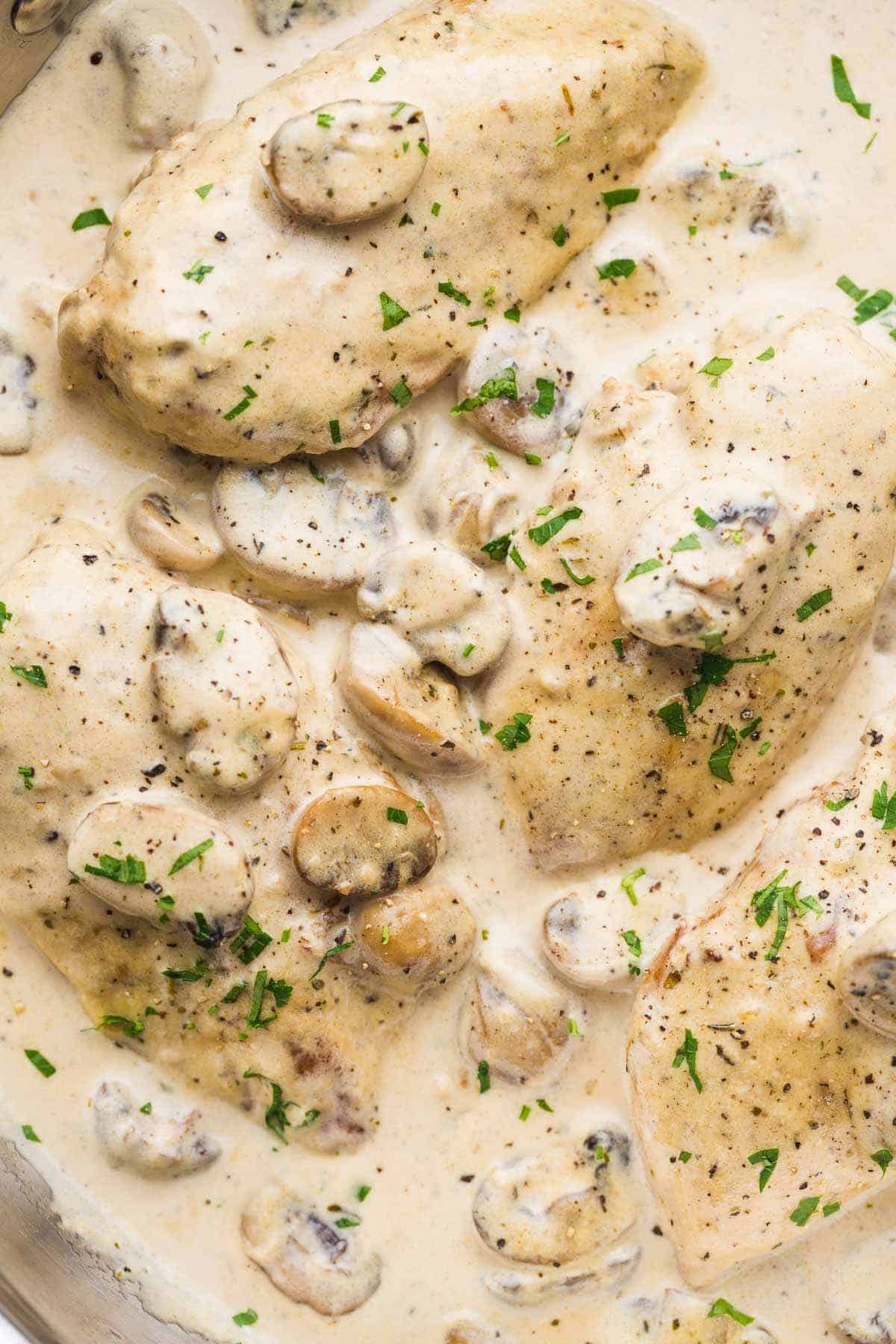
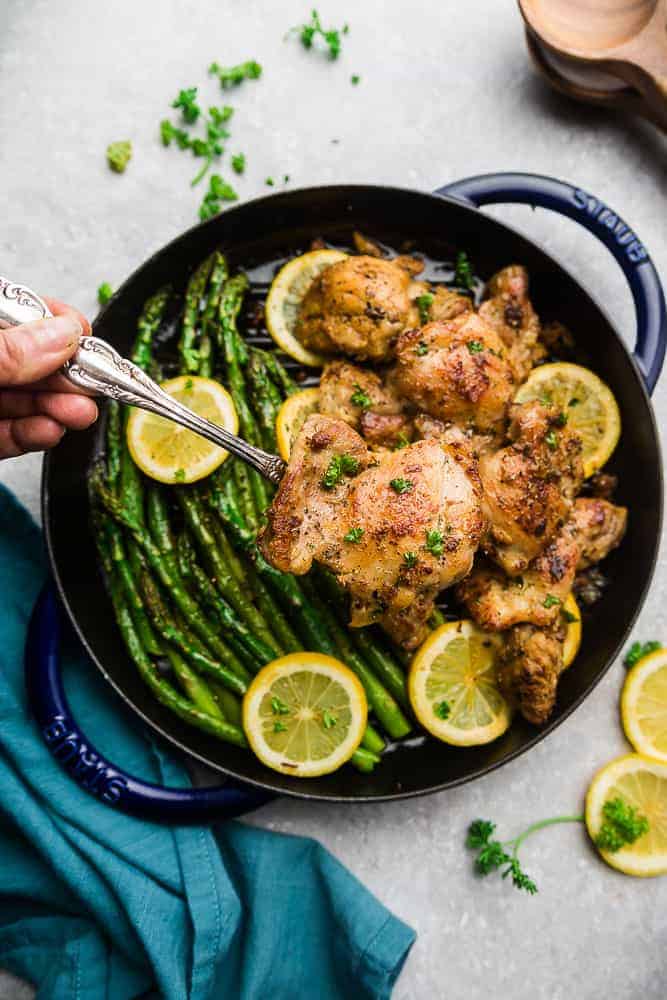
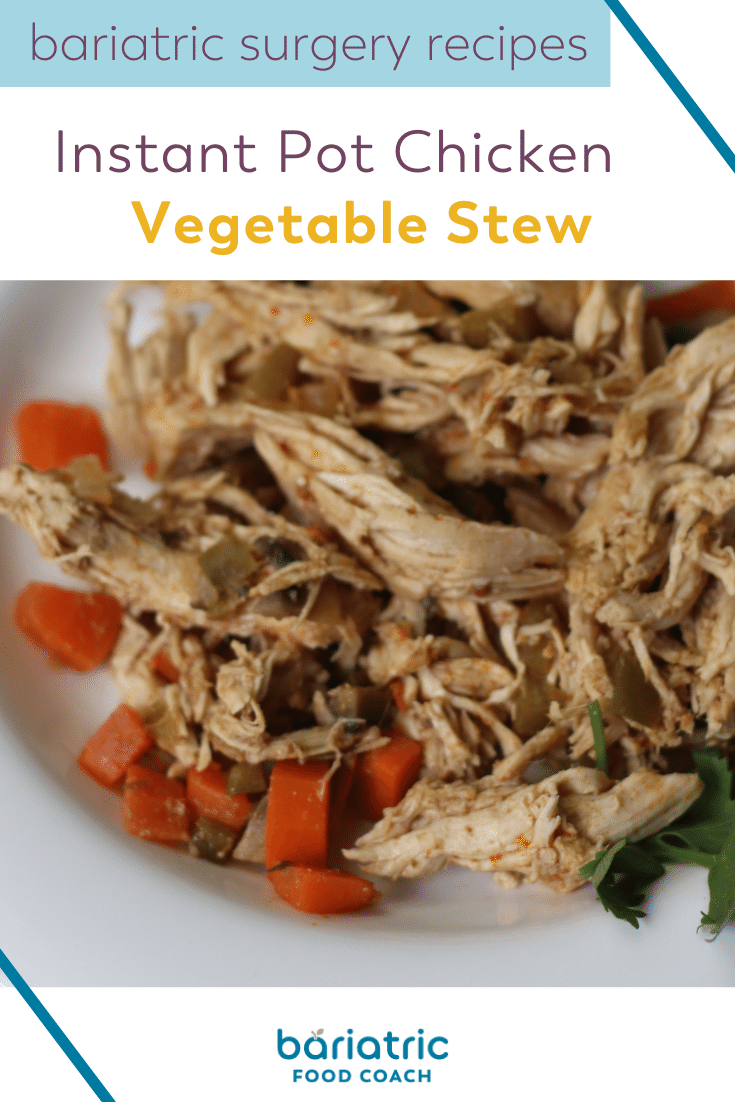
For inspiration, try these from our catalog: Instant Pot Beef and Vegetable Stew with Red Wine, Instant Pot Creamy Mushroom Chicken, Instant Pot Lemon Herb Chicken with Garlic Spinach, Instant Pot Chicken and Root Vegetable Stew, Best BBQ Pulled Pork, and the classic Chicken Tikka Masala — which adapts beautifully to a 12-minute pressure cook plus a 5-minute sauté finish. Add any of these to your meal plan and AislePrompt will roll the ingredients into a single shopping list.
Common Pitfalls (and How to Avoid Them)
Five mistakes we see new owners make, in order of frequency.
1. Underfilling the cooker. Electric pressure cookers need at least 1 cup of liquid to come up to pressure. Less and you'll see the "burn" warning or, worse, scorch the bottom of the pot.
2. Overfilling above the max line. Foaming foods (oats, rice, dried pasta, beans) double in volume; never fill above the ⅔ line for those. Liquid foods (soups, stews) cap at the ½ line.
3. Releasing pressure too fast on starchy foods. Quick-release (QR) a pot of rice and starch will spray through the vent. Always natural-release (NPR) starchy and foamy contents for at least 10 minutes.
4. Treating it like a slow cooker. Slow cooker recipes don't translate 1:1 — a recipe that calls for 8 hours on low will be tough at 8 hours in pressure mode. Use Instant Pot-specific recipes or convert with a real time table.
5. Forgetting the pressurization window. "20 minutes under pressure" is actually 32-35 minutes start-to-eat once you account for the 10-12 minute pressure-up and 5-10 minute pressure-down. Plan accordingly for weeknight dinner.
When NOT to Use a Pressure Cooker
Worth saying plainly: a pressure cooker is not the right tool for everything. Skip it for stir-fries (a wok or skillet is faster), delicate fish (overcooks unless you're following a precise low-pressure recipe), green vegetables you want crisp-tender (use steam basket or oven), and anything that needs a real brown sear at the end (use the broiler or a screaming-hot pan — the Instant Pot's sauté function caps around 350°F). A pressure cooker is the answer for braises, beans, grains, beans, soups, and tough cuts. Trust the right tool for the right job.
Shop the Category
If you're ready to buy, browse Small Appliances for current pricing on every model above. Pair the cooker with cookware basics (a wooden spoon, a heatproof spatula, and a glass storage lid) and a set of utensils including silicone-tipped tongs that won't scratch the inner pot. A sharp chef's knife is the other piece you'll use every cook — most braises start with a 5-minute prep of onion, carrot, and celery.
Goes With It: Cheap Add-Ons for Your Instant Pot
Once the pot is picked, these are the small parts that decide how well it works a year from now:
- Spare sealing ring and valve kit (Pnltae): the silicone ring holds smells and eventually stops sealing; a spare lets you keep one for savory and one for sweet. Check the fit list against your model.
- 7-inch springform pan for 6- and 8-quart pots (Tellshun): the pan that makes pressure-cooker cheesecake and egg bites possible.
- ThermoPro instant-read thermometer: pressure cooking hides the meat until the lid comes off; a probe tells you whether a roast needs another five minutes. Check the reading against the FoodSafety.gov safe minimum internal temperature chart.
For the full picture on the probe, see our best instant-read thermometers.
Sources
- Instant Brands — Instant Pot Duo 6QT Multi-Use Pressure Cooker
- Instant Brands — Instant Pot Duo Mini 3QT Multi-Use Pressure Cooker
- OSHA — Current List of Nationally Recognized Testing Laboratories
- FoodSafety.gov — Safe Minimum Internal Temperature Chart
- National Center for Home Food Preservation — Canning in Electric Multi-Cookers
Frequently asked questions
What size Instant Pot should I buy?
Is an Instant Pot actually faster than a regular pot?
Is the Instant Pot safe? I've heard older pressure cookers were dangerous?
Can I use an Instant Pot for canning?
What's the difference between Instant Pot and Ninja Foodi?
How we picked
This guide is researched, not bench-tested. We shortlisted products from the AislePrompt kitchen catalog and compared them on published manufacturer specifications (such as materials, size and capacity), on what owners report in published reviews, and on any third-party sources linked in this guide. The guide was drafted with AI assistance. We did not run lab or hands-on tests of these products, so any measurement quoted here comes from the manufacturer or a cited source. Prices change often: use the “Check price on Amazon” buttons for today’s price.
Recipes to try with the Instant Pot
Put your gear to work — save any recipe to My Recipes (no account needed) and send its ingredients to Instacart in one tap.
Shop small appliances on AislePrompt →Browse the full kitchen shop →