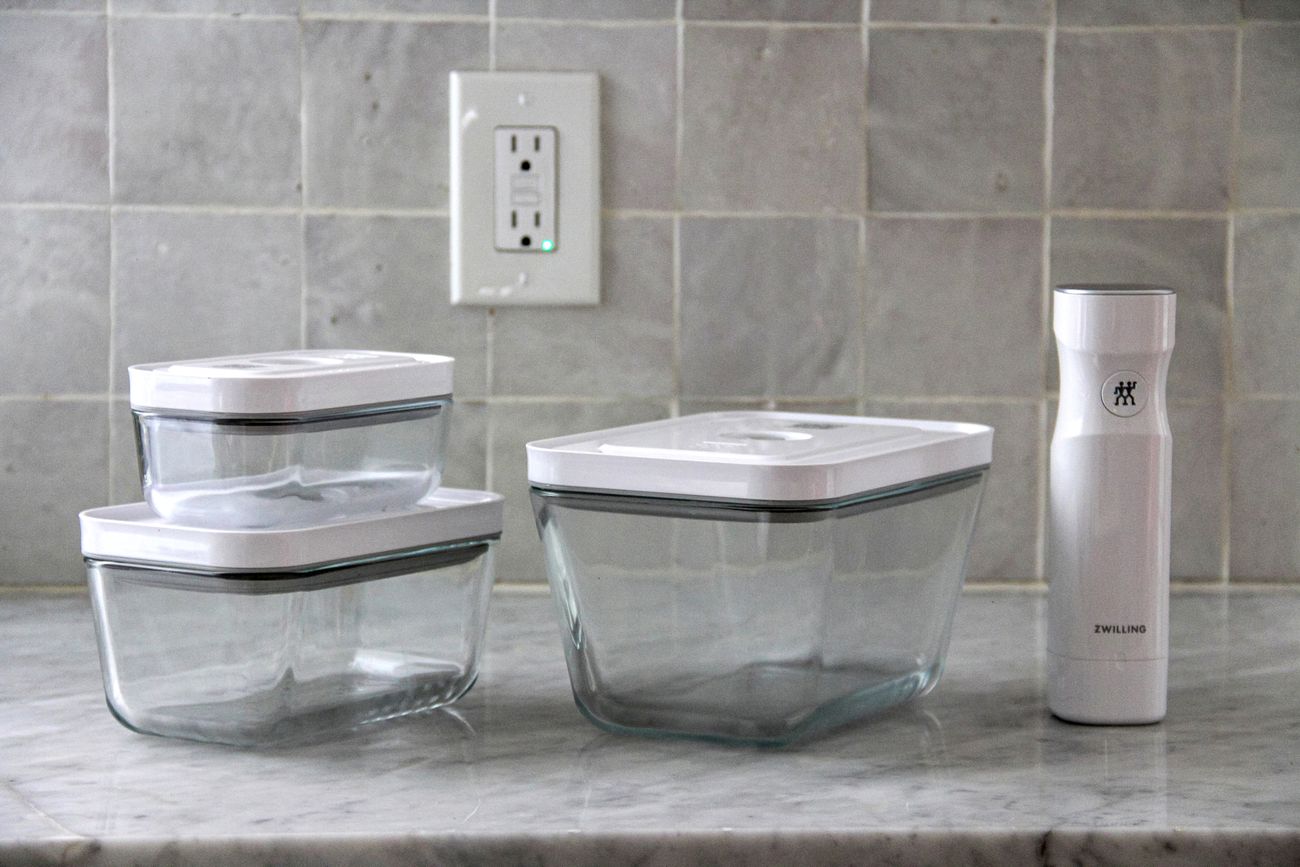
Best Meal Prep Containers in 2026: Top Picks + Buying Guide
Five picks compared on glass vs plastic, leakproof seals, microwave and dishwasher durability, and per-meal cost.
The best meal prep container in 2026 is the Prep Naturals Glass 3-Compartment 5-pack: its borosilicate glass bases are sold as freezer-, microwave- and dishwasher-safe, and the four-clip lid seals each compartment.
Where to buy these picks
Affiliate links: we may earn a commission on qualifying Amazon purchases. Policy. Prices show only when checked in the last 24 hours.
- Best Overall: Prep Naturals Glass Containers $39.99 at Amazon, Check price on Amazon →
- Best Value: Rubbermaid Brilliance 10-Piece Set $22.99 at Amazon, Check price on Amazon →
- Best for Beginners: Bentgo Prep 60-Piece Plastic Kit $34.99 at Amazon, Check price on Amazon →
- Best for Commuting: Ello DuraGlass 5-Cup with Silicone Sleeve $18.99 at Amazon, Check price on Amazon →
- Best Mix-and-Match Sizes: Pyrex Simply Store 18-Piece $37.99 at Amazon, Check price on Amazon →
Which meal prep containers fit you
| Your situation | Buy | Why | Buy link |
|---|---|---|---|
| Divided meals that reheat in the same container | Prep Naturals Glass Containers $39.99 | Borosilicate glass, 3 compartments per 34 oz base; microwave-, freezer- and dishwasher-safe; a four-clip lid seals each compartment | Amazon → |
| Plastic that holds up in the dishwasher | Rubbermaid Brilliance 10-Piece Set $22.99 | Tritan plastic, 5 bases in mixed sizes (1.3, 3.2 and 9.6 cup) that resist clouding and warping | Amazon → |
| First kit, or a family of 3–4 | Bentgo Prep 60-Piece Plastic Kit $34.99 | 60 pieces (30 bases + 30 lids) in 1-, 2- and 3-compartment shapes | Amazon → |
| Carrying glass to work every day | Ello DuraGlass 5-Cup with Silicone Sleeve $18.99 | 5-cup tempered-glass bowl in a removable silicone sleeve against drops; sold singly | Amazon → |
| Mostly eating at home, many portion sizes | Pyrex Simply Store 18-Piece $37.99 | 18 pieces (9 tempered-glass bases) from 1 to 6 cup; snap-on lids are not leak-proof | Amazon → |
Quick answer
Which meal prep containers fit a different budget or need?
The best value is the Rubbermaid Brilliance 10-Piece (Tritan plastic, five bases in mixed sizes of 1.3, 3.2 and 9.6 cups). For a first kit, the Bentgo Prep 60-Piece holds 30 meals at once. The Ello DuraGlass 5-Cup with silicone sleeve is the pick for carrying glass to work every day, and the Pyrex Simply Store 18-Piece is the pick for mix-and-match sizes.
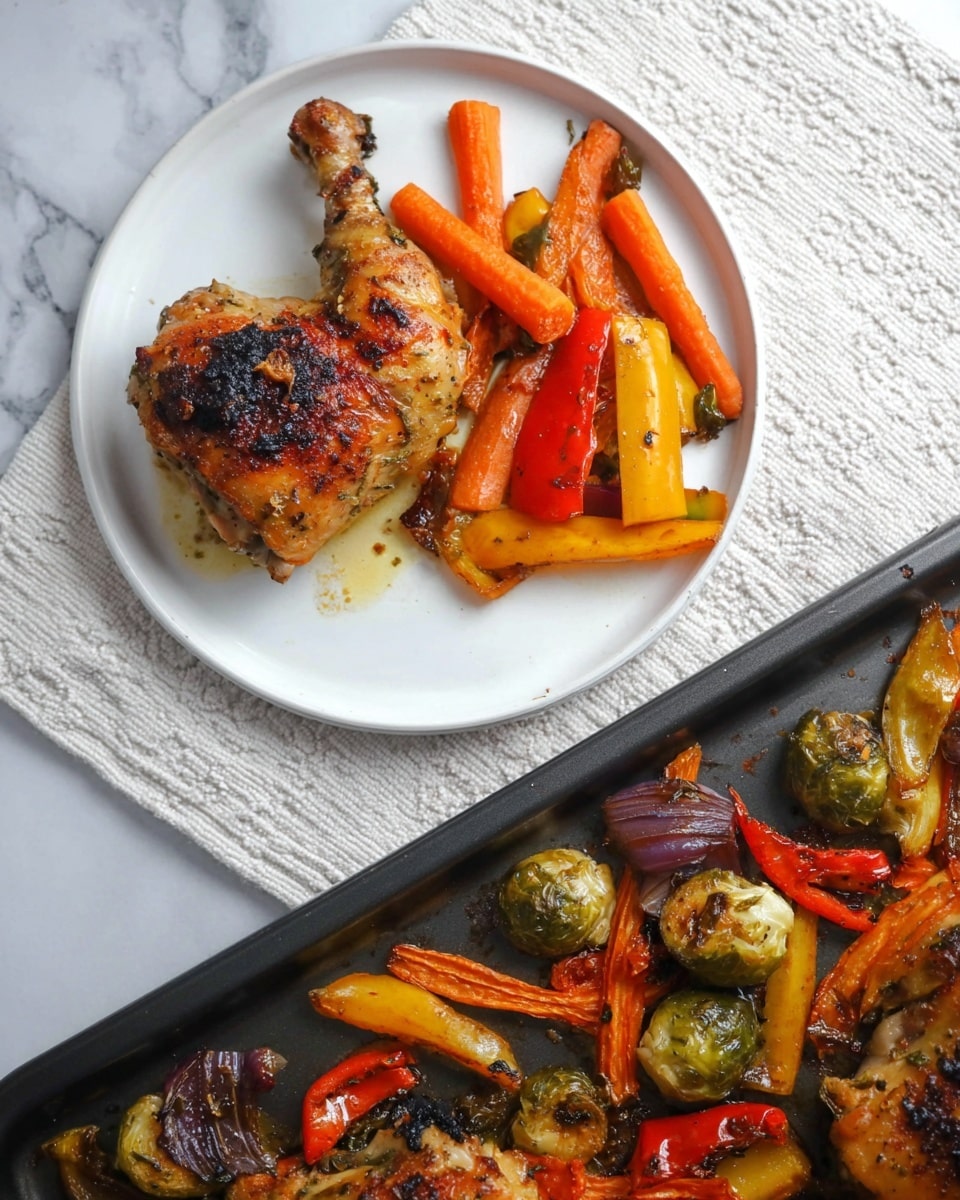
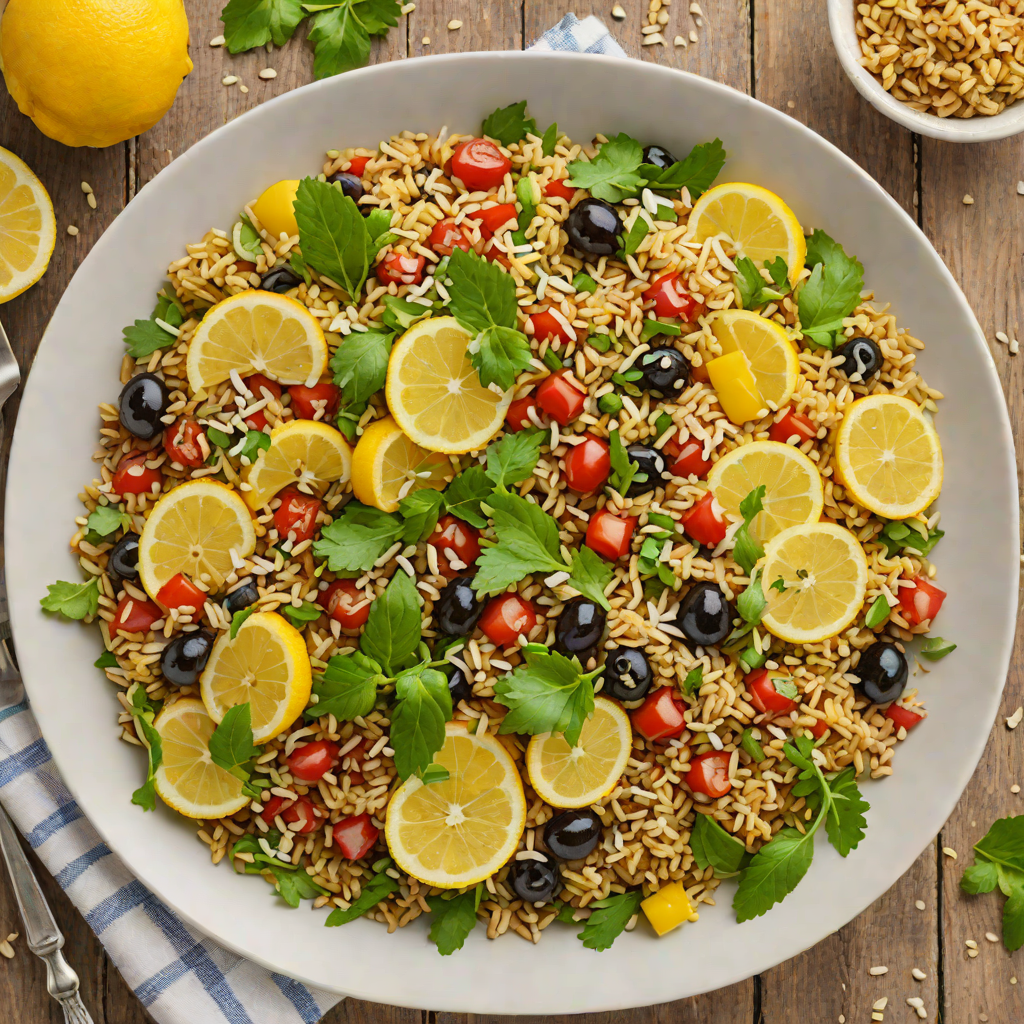
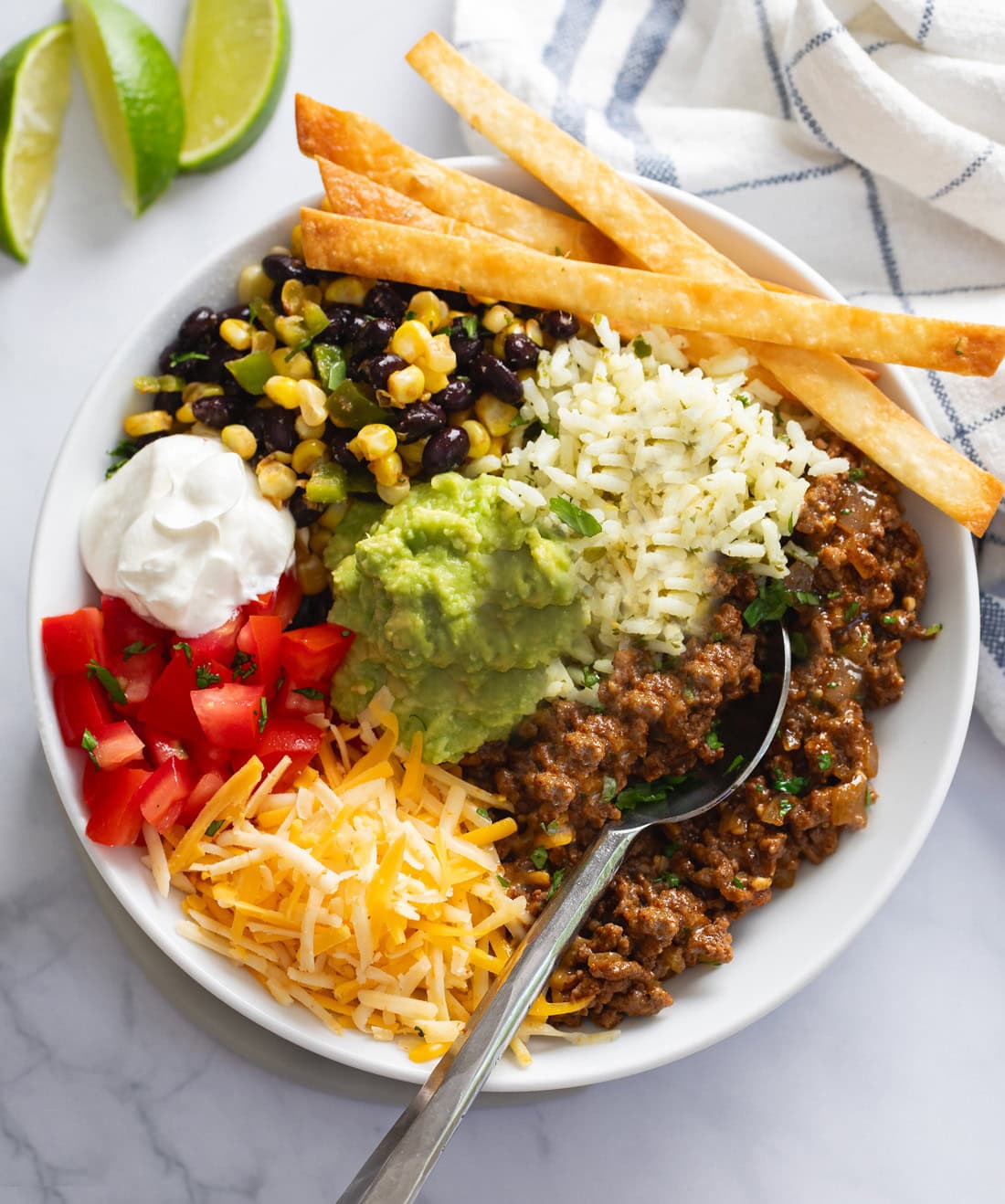
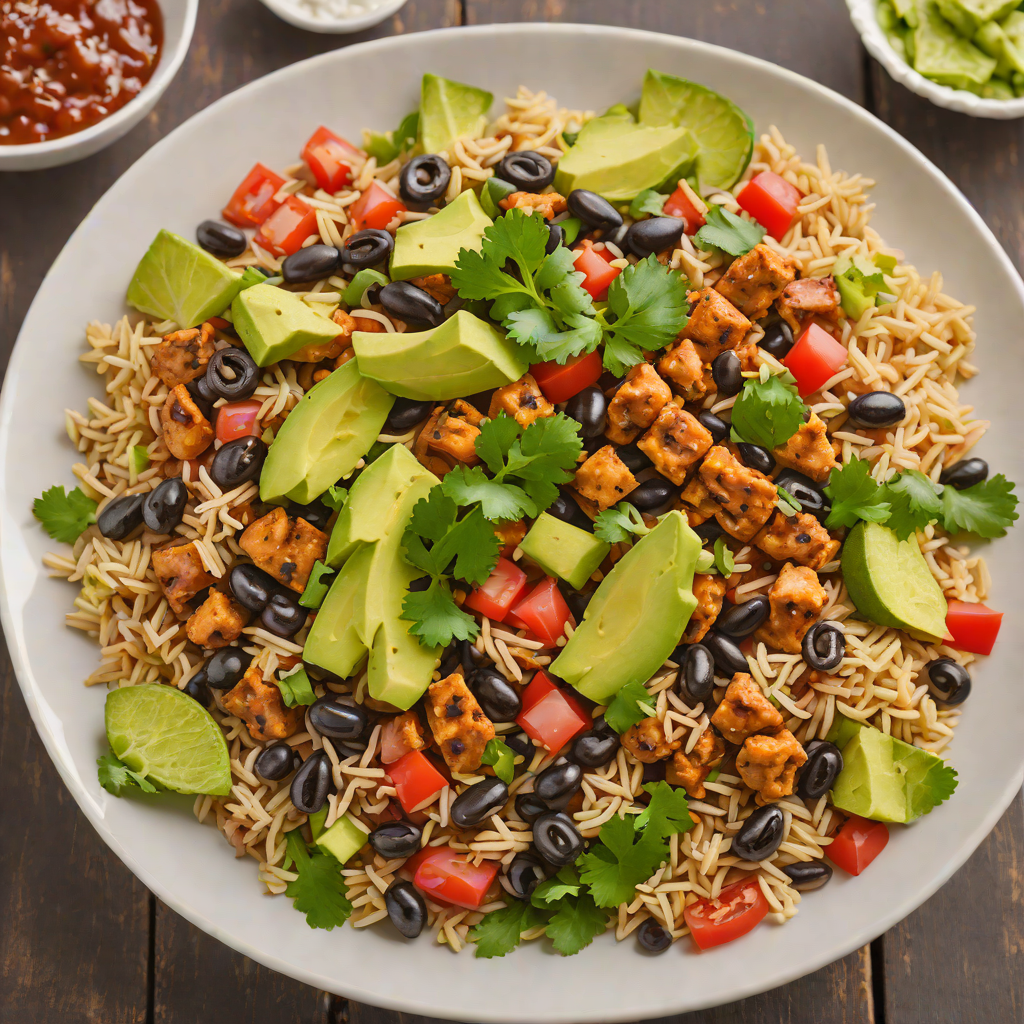
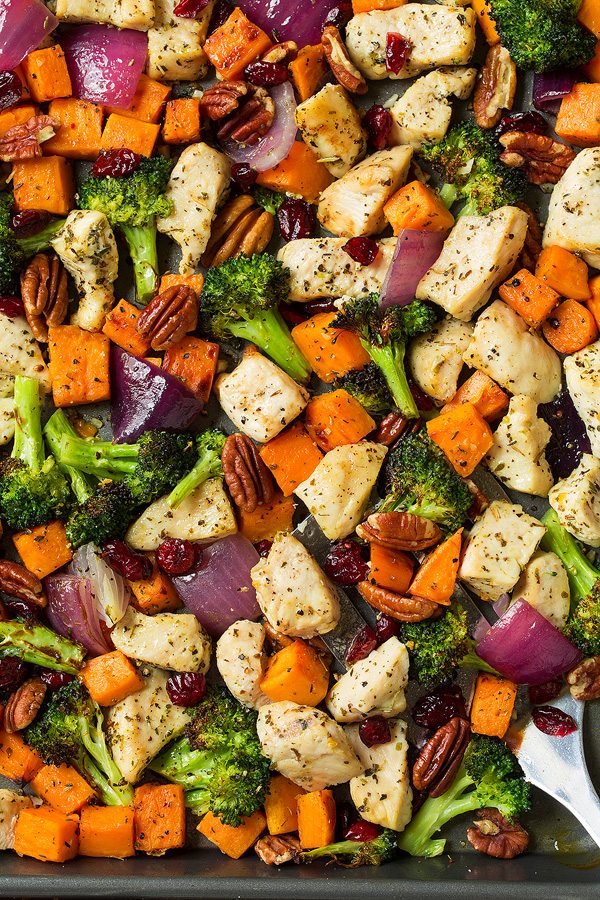
The right meal prep container makes the difference between a Sunday prep system you stick with for a year and one that quits on you by week 2. Five picks stand out for a 5-day prep week of dishes like Sheet Pan Honey-Garlic Chicken with Roasted Vegetables, Lemon-Garlic Mediterranean Quinoa Bowls, and Taco-Seasoned Beef and Black Bean Burrito Bowls. Here's how they compare, what to look for if you're starting from scratch, and how to make either glass or plastic last 5+ years instead of warping after six months.
What you'll use with it
The meal-prep cook step runs on a half-sheet pan. The bakeware guide leads with the Nordic Ware Naturals half sheet set: uncoated aluminum with a steel-wire rim that stops it warping at 425°F. Read the bakeware guide →
Bakeware guide’s top pick: Nordic Ware Naturals Extra Large and Half Sheet Set $39.25 at Amazon, Check price on Amazon →
Why the right container makes or breaks a Sunday prep
The container is the invisible piece of meal prep that nobody talks about - and the one that decides whether the system survives contact with real life. A leaky lid soaks your bag once and you stop bringing lunch. A microwave-warped plastic base stains rust-orange after three rounds of tomato sauce and you start grabbing takeout. A container set with mismatched sizes stacks badly and wastes fridge space you'd otherwise use to stage tomorrow's meals.
The professional kitchen rule applies to home prep too: gear should be invisible while you cook and invisible while you eat. The five picks below all clear that bar, but each leans toward a slightly different reader. Glass is the right call when you reheat, at home or at a desk, and a clip-lid or sleeved glass container rides in a work bag. Plastic is the right call when you walk a long way with lunch and weigh every pound in your bag. Compartment dividers are the right call when you batch-cook stir-fries and salads where sauce-on-grain produces mush.
Our Top 5 Meal Prep Containers for 2026
Quick comparison table - prices move week to week, so we rank on build rather than price; check the current price on each pick before you buy.
| Pick | Material | Pieces | Compartments | Best for |
|---|---|---|---|---|
| Prep Naturals Glass 3-Compartment (5-pack) | Borosilicate glass | 10 (5 bases + 5 lids) | 3 | Best Overall - home + bag |
| Rubbermaid Brilliance 10-Piece | Tritan plastic | 10 (5 bases + 5 lids) | 1 | Best Value - mixed-use sets |
| Bentgo Prep 60-Piece | Polypropylene plastic | 60 (30 bases + 30 lids) | 1-3 (mixed) | Best for Beginners - first kit |
| Ello DuraGlass 5-Cup with Silicone Sleeve | Tempered glass + silicone sleeve | 2 (1 base + 1 lid), sold singly | 1 | Best for Commuting - drop protection in a bag |
| Pyrex Simply Store 18-Piece | Tempered glass | 18 (9 bases + 9 lids) | 1 | Best Mix-and-Match Sizes |
Best Overall: Prep Naturals Glass Containers (3-Compartment, 5-Pack)
Prep Naturals gets the basics right for a weekly prep routine. The bases are borosilicate glass, which tolerates sudden temperature changes better than ordinary soda-lime glass, and the whole set is sold as freezer-, microwave- and dishwasher-safe. The four-clip lid seals each compartment, so the containers can ride in a work bag instead of staying on the fridge shelf.
The 3-compartment layout also keeps grains from sopping under stir-fry sauce - the main reason 1-compartment containers turn a Tuesday lunch into a sad gray pile by Friday.
Per container, it usually lands mid-tier on the glass side. Each base holds about 34 oz in total across one large and two smaller compartments - sized for a 4-oz protein, 3/4 cup grain, and a hefty roasted-vegetable side.
Caveats: the lids stack but the bases don't (the compartment walls prevent it), so plan on shelf depth rather than vertical fridge storage. The glass is also heavier than competitor sets - 1.4 lb empty per container - so commuters with a long walk should consider the plastic alternates. Otherwise this is the set we'd buy first if we were starting from zero.
Pair this set with a sharp knife from the knives shop for vegetable prep and a half-sheet pan from the bakeware shop for the cook step, and you have a complete Sunday-prep kit. Browse all picks in the storage shop.
Best Value: Rubbermaid Brilliance 10-Piece Set
If you want plastic but don't want to babysit it, the Rubbermaid Brilliance line is the dependable workhorse. Made from Tritan copolyester (BPA-free, fundamentally clearer and more crack-resistant than the polypropylene most "value" sets use), the Brilliance bases resist the clouding and warping that cheaper plastic shows after repeated dishwasher cycles.
The 10-piece set gives you five containers with lids and usually costs a little less per container than most plastic competitors. The five bases come in mixed sizes - two 1.3-cup, two 3.2-cup and one 9.6-cup - so one set covers sauces and snacks, single lunches and a batch of soup or grain.
The trade-off: plastic, like all plastic, gets microscopic micro-scratches over 18-24 months that eventually trap odor and color. Don't expect the 5-year glass lifespan. The lids also degrade faster than the bases; Rubbermaid sells replacement lids individually, which is the right way to extend life. The other limitation is that microwave-induced flavor transfer is more pronounced than with glass - a curry one week and a stir-fry the next will share notes if you reheat in the same container.
Pair this set with the right cookware (browse the cookware shop for a 10-12" stainless skillet) and you've got a system that handles the Tex-Mex Chicken and Black Bean Burrito Bowl workflow end to end - cook in the skillet, transfer to containers, reheat at the desk.
Best for Beginners: Bentgo Prep 60-Piece Plastic Kit
If you're prepping for a family of 3-4 or you're brand-new to meal prep and just want to overbuy intentionally, the Bentgo Prep 60-piece kit is the smartest single-purchase entry point. Sixty pieces means 30 bases and 30 lids, in a mix of 1-, 2-, and 3-compartment shapes. Spread across 30 bases, the per-container cost is a fraction of the smaller premium sets', and it includes enough variety that you can fit any kind of meal without having to upgrade.
The plastic is polypropylene, which is microwave- and dishwasher-safe with the standard top-rack caveat. It's noticeably less rigid than the Brilliance line - you'll feel the flex when you carry a full container - so we don't recommend stacking three or four full ones in a tote. But that flexibility actually saves the lids: where Brilliance latches occasionally crack under stress, the Bentgo lids absorb shock and bounce.
Sixty pieces cover a week of meals for a family of four, such as Sheet Pan Herb-Roasted Chicken with Sweet Potato and Broccoli, plus snacks and sauce cups, with containers to spare. That's exactly the "underbuy" margin we describe in the FAQ - having spare containers is the silent secret to making meal prep last past month two.
Where this set falls short: lid quality varies. Out of 30 lids in a fresh kit, about 2-3 typically have minor seal imperfections that show up as condensation buildup after 24 hours. Not a leak - just a fog ring - but a sign the gasket isn't perfect. We discard those two lids on day one and reuse the bases under tighter-fitting lids from another set. At this per-container cost, you can absorb the loss.
Best for Commuting: Ello DuraGlass 5-Cup with Silicone Sleeve
When the budget allows, the Ello DuraGlass bowl earns the commuting slot for one reason: protection. Ello sells the tempered-glass bases wrapped in a thick removable silicone sleeve that it says guards the glass against chips and breaks, which covers the most common way a glass container dies - a drop on the counter or in a bag. That, not the glass itself, is what sets it apart from the borosilicate Best Overall pick. The lid uses a single airtight clamp instead of four latches - faster to open one-handed at a desk.
Ello sells this 5-cup (40 oz) bowl one at a time, so its per-container cost is the highest in this guide. You're paying mostly for the silicone sleeve, which also doubles as a hot-pad. Ello lists the bowl as freezer-, microwave- and top-rack-dishwasher-safe with the sleeve on; like any tempered glass, give it a few minutes out of the freezer before microwaving. For an office worker who carries glass to work every day, drop protection is the feature that matters most.
The trade-off is weight and bulk. The silicone sleeve adds about 35% to the container's external dimensions, so you fit fewer in a fridge shelf and your lunch bag carries noticeably heavier. If your workflow is "cook, pack, drive 10 minutes" this is the right pick (buy one bowl per lunch you carry); if it's "cook, pack, walk 25 minutes" the Brilliance plastic line wins on weight alone.
Best Mix-and-Match Sizes: Pyrex Simply Store 18-Piece
For readers who want glass durability without the leakproof-seal upgrade cost, the Pyrex Simply Store 18-piece set is the long-standing classic. Tempered glass bases, BPA-free polypropylene lids with simple snap-on closure (not 4-clip leakproof), and a generous spread of sizes (1, 2, 3, 4, and 6 cup) that handles everything from sauce portions to bulk grain prep.
With 9 bases and 9 lids in the box, it usually works out to the cheapest glass per container in the guide. The single biggest caveat is the lid: Pyrex Simply Store lids are not leak-proof. They're vapor-tight enough for fridge or freezer storage but they will leak liquid if tipped sideways or carried in a bag at an angle. For home use this is fine; for daily commuting, pair the bases with leakproof lids from another set or upgrade to the Prep Naturals or DuraGlass instead.
What the Pyrex set wins on is sizing flexibility. The 18-piece spread gives you 6-cup bowls for batch-cooking Taco-Seasoned Beef and Black Bean Burrito Bowls for a family, 3-cup containers for single-serving lunches, and 1-cup cups for sauces and dressings. No other set in this guide gives you that range out of one box.
Tempered glass is also famously crack-resistant: dropped from a 3-foot fridge shelf onto vinyl flooring, the base will usually survive (concrete is a different story). Lids will crack and need occasional replacements; Pyrex still stocks Simply Store lids for sets going back 10+ years.
What to look for: glass vs plastic, microwave safety, leakproof seals, sizing
The five picks above represent the four shapes most readers actually need. If you're choosing among them or shopping outside this list, weigh containers on these five attributes - in this order.
1. Material. Glass beats plastic on five-year longevity, stain resistance, and oven safety. Plastic beats glass on weight, drop survival, and price. Tritan is the best plastic family; polypropylene is fine but flexes. Borosilicate is the best glass family; tempered glass is fine but cracks slightly more often. Tempered soda-lime glass is fine for daily use but more sensitive to thermal shock than borosilicate (Pyrex's own safety and usage guidance lists sudden temperature change as the first breakage risk), so let it stand a few minutes out of the freezer before it goes in the microwave.
2. Leakproof seal. A "snap-on" lid (Pyrex Simply Store) is fridge-tight but not bag-safe. A 4-clip leakproof lid (Prep Naturals, Rubbermaid Brilliance, Bentgo Prep) is the standard for daily commuting. A single-clamp seal (Ello DuraGlass) is faster to operate one-handed and just as tight. Skip any container marketed as "stackable" without an explicit "leakproof" claim - they're for dry storage.
3. Microwave safety. All five picks are microwave-safe with the lid removed or vented. Never microwave a sealed glass container; steam pressure can blow the lid. Even microwave-safe plastic lids slowly degrade with repeated heat. Plan to replace plastic lids about once a year; glass bases should last 5+.
4. Dishwasher behavior. Top-rack only for plastic, anywhere for glass. Aggressive dishwasher detergents (powder formulas with citric acid) wear silicone gaskets faster than gentle pods - if your gaskets fail at 12 months something's wrong with the detergent, not the container.
5. Size and shape. Pick two or three sizes max for your daily rotation. Four cups (32 oz) for dinners, three cups (24 oz) for lunches, half cups for sauces. Stacking efficiency in the fridge is a function of identical base footprints; the more sizes you mix, the more shelf space you waste.
Sizing guide: portion math for breakfast, lunch, and dinner containers
A reliable formula for adult portions:
| Meal | Target container size | Why |
|---|---|---|
| Breakfast (overnight oats, yogurt parfait) | 12-16 oz | Enough for 1 cup yogurt + toppings or 1/2 cup oats + milk + fruit |
| Lunch (grain bowl, salad, sandwich-replacement) | 24-32 oz | Holds 4-5 oz protein + 3/4 cup grain + 1.5 cups vegetables |
| Dinner (plate-style meal) | 32-36 oz | Same as lunch but with a slightly larger protein portion |
| Soup or stew | 24 oz | Leaves headspace so the lid clears liquid when sealed |
| Sauce or dressing | 4-8 oz | Small enough that you actually pour it on at eat-time |
Multiply by 5 days x 3 meals = 15 containers per person per week. Add 25-30% for sauces and snacks. Round up because mismatched sizes from a half-empty drawer kill the system faster than anything else.
Care and longevity: how to keep glass from staining and lids from warping
Five habits stretch a good glass container set to 5+ years.
1. Rinse warm-but-not-hot for the first pass. Cold rinse with sauce-residue inside sets stains permanently in plastic and harbors smells in silicone gaskets. Warm rinse plus a few minutes' soak prevents both.
2. Sun-bleach plastic stains. Tomato sauce and turmeric stain plastic almost regardless of how fast you clean. The free fix: rinse, fill with water and a drop of dish soap, set in direct sunlight for 4-6 hours. UV breaks down most pigment compounds and the stain lifts.
3. Air-dry the lid gaskets separately. Closed lids in a humid dish rack trap water against the gasket and grow mold. Pop the silicone ring out of the lid groove every 4-6 weeks for a deep dry; this single habit doubles gasket life.
4. Never microwave a sealed plastic lid. Even rated-safe lids deform under steam pressure. Vent the lid (a 1-cm gap) or remove it.
5. Replace gaskets, not entire lids. When a seal starts leaking, the gasket is the culprit 9 times out of 10. Manufacturer-direct replacement gaskets cost a small fraction of a new lid. This is the single most cost-effective container repair and almost nobody knows about it. Good Housekeeping's meal prep container roundup catalogs replacement-part availability per brand and is worth a bookmark.
Common pitfalls (5 specific failure modes)
1. Buying one set, not two. A single 5-pack runs short by Wednesday. Buy a second set up front; the marginal cost is a fraction of the takeout you'd otherwise grab on Thursday.
2. Letting sauce dry in a base. A 15-minute soak in warm soapy water dissolves residue; a 12-hour dry-on creates permanent stains in plastic and stubborn ones in glass.
3. Using mismatched sizes in the same fridge shelf. Buy a single-size kit when possible. Mixed-size kits look generous on the spec sheet and waste 30% of fridge shelf in practice.
4. Microwaving with the lid clamped. Cracks the lid or warps it. Vent or remove.
5. Stacking warm containers in the fridge. Trapped condensation softens grains and grays proteins. Cool to room temperature with the lids off, then stack.
When NOT to invest in a premium set
Skip the premium tier (DuraGlass) if you eat at home 80%+ of the week. The Pyrex Simply Store base + Prep Naturals lid combo at half the cost handles home-use perfectly. Also skip the leakproof premium sets if you're a snacker more than a meal-prepper - small Bentgo-style containers from a budget starter set will do the job for much less. The DuraGlass premium is genuinely justified only if you commute with lunch daily, work in an environment without a kitchen, and value drop survival highly.
Shop meal prep containers on AislePrompt
Browse our full storage selection in the storage shop - we update picks monthly based on rotating reviews and reader-submitted long-term durability reports. If you're starting a complete Sunday-prep system from scratch, also browse the bakeware shop for the half-sheet pan that powers most cook-once-eat-five-times recipes, the cookware shop for a 5-6 quart Dutch oven or a 10-12" stainless skillet, and the utensils shop for a fish spatula and silicone tongs - the small-investment tools that compound the most over a year of meal prep.
Frequently asked questions
Glass or plastic meal prep containers - which is better?
What size meal prep container should I buy?
How many meal prep containers do I actually need?
Are meal prep containers safe in the microwave and dishwasher?
How long does prepped food last in these containers?
How we picked
This guide is researched, not bench-tested. We shortlisted products from the AislePrompt kitchen catalog and compared them on published manufacturer specifications (such as materials, size and capacity), on what owners report in published reviews, and on any third-party sources linked in this guide. The guide was drafted with AI assistance. We did not run lab or hands-on tests of these products, so any measurement quoted here comes from the manufacturer or a cited source. Prices change often: use the “Check price on Amazon” buttons for today’s price.
Sources
Recipes to try with meal-prep containers
Put your gear to work — save any recipe to My Recipes (no account needed) and send its ingredients to Instacart in one tap.
Shop storage & containers on AislePrompt →Browse the full kitchen shop →