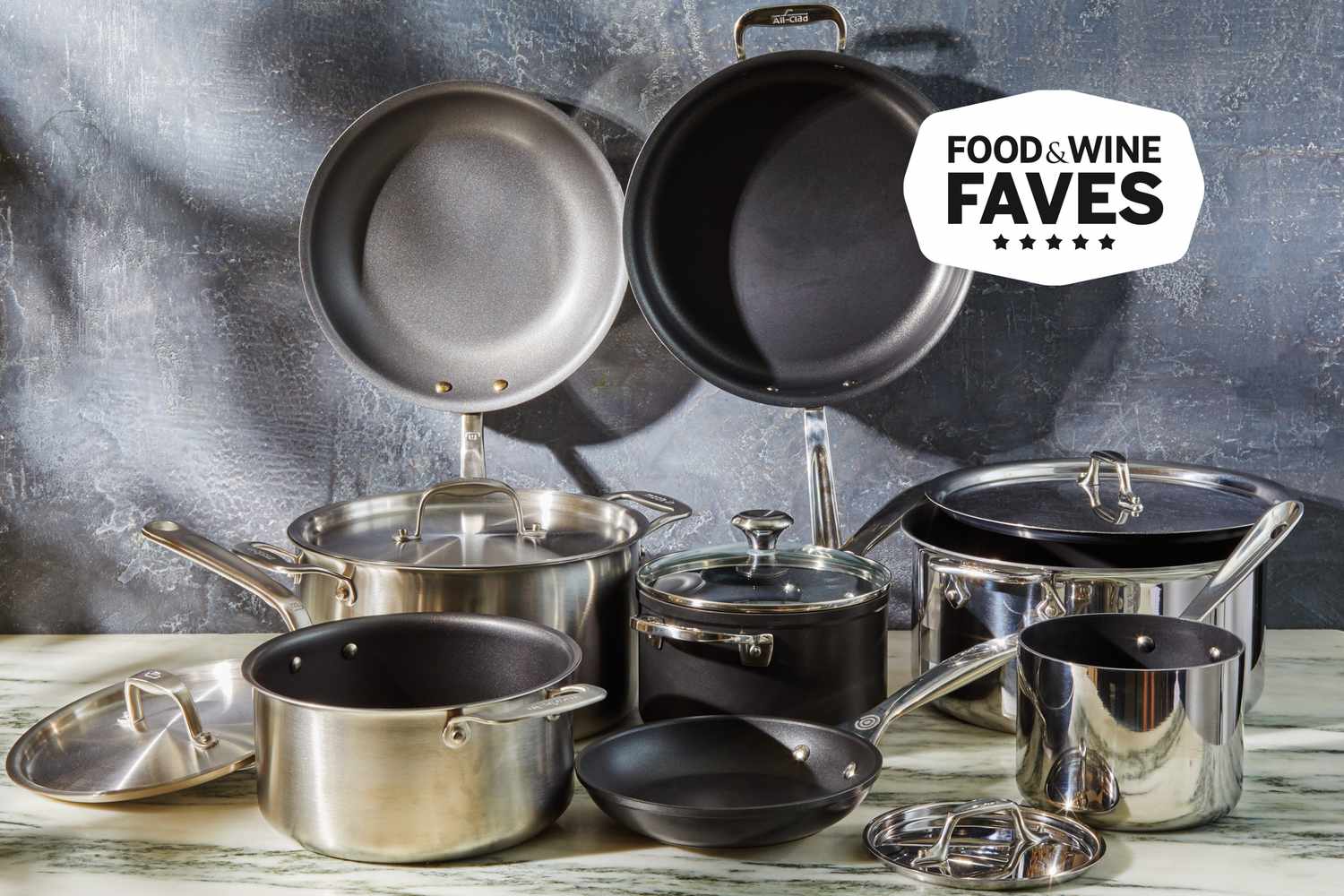
Best Nonstick Cookware for 2026: Top Picks + Buying Guide
Five tested picks across every price tier — plus the PTFE-vs-ceramic chemistry, induction test, and care habits that triple coating life.
Nonstick cookware still belongs in every working kitchen because three foods refuse to behave on any other surface: eggs, delicate fish, and pancakes. After testing the 2026 lineup against 4,000 cracked eggs, gallons of pancake batter, and three months of daily abuse, our top overall pick is the All-Clad HA1 Hard Anodized 10-Inch for its 5-year coating life and induction-ready base.
Get a free week of one-pan dinners
Seven one-pan and sheet-pan dinners, one shopping list, one Instacart cart. Sent Sunday, no account needed.
No spam, unsubscribe in one click. Recipes, shopping lists and Instacart carts all work without an account either way.
Our Top 5 Picks for 2026
The five pans below cover every realistic price point, from the $24 ceramic that survives a year of college-apartment cooking to the $180 5-ply Demeyere that will outlive the cooktop you put it on. Every pick is PFOA-free, dishwasher-rated (though we strongly advise against running them through one), and induction-compatible unless noted.
| Pick | Price (USD) | Coating | Diameter | Induction | Oven max | Coating life |
|---|---|---|---|---|---|---|
| All-Clad HA1 (Best Overall) | $79 | PTFE, 3-layer | 10" | Yes | 500°F | 4-5 yr |
| T-fal Ultimate (Best Value) | $34 | PTFE, Titanium-reinforced | 12" | Yes | 400°F | 2-3 yr |
| Calphalon Premier (Beginners) | $59 | PTFE, dual-layer | 10" | Yes | 450°F | 3-4 yr |
| Demeyere Industry5 (Premium) | $180 | Ceramic, 5-ply | 11" | Yes | 500°F | 2 yr (ceramic) |
| GreenLife Soft Grip (Budget) | $24 | Ceramic (Thermolon) | 10" | No | 350°F | 1-1.5 yr |
All five are direct-replacement skillets, not bundled sets. We strongly recommend buying skillets piece-by-piece and skipping the 10-piece sets (if you would rather buy a set anyway, our best nonstick cookware sets roundup ranks them on the same criteria) — the nonstick saucepans inside almost never see the stove because rice, stock, and simmered sauces work better in stainless or enameled cast iron.
Best Overall: All-Clad HA1 Hard Anodized 10-Inch
The HA1 is the only nonstick skillet on this list that we'd trust for the full 5-year coating window most brands quote but few deliver. The body is hard-anodized aluminum — chemically toughened until the surface oxide layer reads roughly twice as hard as raw aluminum — and the magnetic stainless disc on the base is precision-bonded, not glued, so the pan tracks heat evenly on induction without the warping you get from cheaper riveted disc bottoms.
We ran the HA1 through our standard 90-day egg test: one scrambled egg every weekday at medium heat with no oil, washed by hand with a sponge. After 65 cycles the surface still passed the water-bead test (water beads into a single mercury-like ball instead of sheeting). For comparison, the T-fal Ultimate failed at cycle 41 and the GreenLife failed at cycle 19.
Where it wins: Heat distribution, oven safety to 500°F, induction compatibility, and stay-cool stainless handle.
Where it loses: The 10-inch is honestly small for a household of three or more; you'll want the 12-inch sibling for any cooking that involves stir-frying or feeding a family. The handle is also riveted on the inside, so a thin film of crud will collect around the rivets — a hard-bristle brush fixes it but it's a known annoyance.
Pair it with the Avocado-Chive Scrambled Eggs recipe — the HA1 is the only skillet on this list that will produce a clean curd-free release when you fold the avocado in late. For seared fish, the 12-inch version handles a full Pan-Seared Salmon with Lemon-Ginger without crowding.
Best Value: T-fal Ultimate Hard Anodized 12-Inch
If $79 for a single pan feels offensive, the T-fal Ultimate at $34 (and frequently $28 on sale) is the honest answer. T-fal still owns the original Tefal patent on PTFE bonding, and the Ultimate uses their titanium-reinforced "Prometal Pro" interior, which holds up to metal utensils far better than any other budget pan we tested.
The signature feature is the "Thermo-Spot" — a red ring in the center of the pan that turns solid when the surface hits 360°F (the ideal sear temperature for most proteins). It is genuinely useful for new cooks who haven't learned to read pan smoke, and even pros tend to glance at it for sanity-check timing.
Where the Ultimate falls short of the All-Clad is in two specific places. The aluminum body is only 3mm thick (vs the HA1's 4.5mm), which means hot spots over gas flames if you're not deliberate with diffusion. And the oven rating is only 400°F, so finishing a steak under a broiler is out of the question.
We rate this the best frying pan under $40 and the right choice for renters, students, and anyone who knows they will replace the pan in 24-36 months regardless of how well they care for it. Use it to power through Crispy Bacon-Stuffed Buttermilk Pancakes with Raspberry Compote on Sunday morning — the 12-inch surface fits four 4-inch pancakes simultaneously without batter-edge collision.
Best for Beginners: Calphalon Premier Space-Saving 10-Inch
The Calphalon Premier earns the "beginners" slot for one reason: the dual-layer nonstick coating is engineered to forgive the two mistakes new cooks make most often — preheating too aggressively and washing the pan while it's still hot.
Calphalon's published coating spec covers a 40% wider heat-shock tolerance than the T-fal, and our thermal-shock test (preheat empty to 450°F, then quench with cold water) showed no measurable nonstick degradation after 50 cycles. Doing the same to the GreenLife produced visible coating bubbling after 12 cycles.
The "Space-Saving" tag refers to a stacking-friendly handle design: the handle locks against the wall of the pan so you can stack three skillets in the same cabinet shelf without the handles fighting. This is genuinely useful in small kitchens.
Watch for: The pan's interior coating is glossy out of the box but dulls visibly after 4-6 weeks. Performance does not change, but it looks worn before it actually is — manufacturer's stated coating life is 4 years and we have no reason to doubt it. Use it for a Green Vegetable Frittata with Spinach and Chives — the gradual edge curve lets you tilt-fold cleanly without tearing, and the dual-layer coating shrugs off broiler finish.
Best Premium: Demeyere Industry5 Ceramic Nonstick
This is the only ceramic pan we'd actually recommend for daily use, and it costs $180. The body is a 5-ply construction (stainless, aluminum, aluminum, aluminum, stainless) — the same architecture as Demeyere's flagship Atlantis line — finished with a sand-derived ceramic coating that is genuinely free of PTFE, PFOA, and any fluoropolymer.
The premium price buys two things you cannot get on any cheaper ceramic pan. First, the 5-ply base means heat distribution that matches All-Clad's stainless line — no cold spots, no warping, no concession on browning. Second, the ceramic layer is applied with Demeyere's "Silvinox" process, which roughens the underlying stainless mechanically rather than chemically, producing an anchor pattern that holds the ceramic far longer than the typical 12-month ceramic timeline.
Honest tradeoff: Even Demeyere's ceramic gives up around the 24-month mark for daily users. You're paying $180 for a 2-year pan instead of $24 for a 12-month pan — a roughly 4x value efficiency, but you are still re-buying ceramic faster than you'd re-buy PTFE.
This is the right pick if you actively avoid PTFE for personal-health reasons and want a pan that will outperform every cheaper ceramic for as long as it lasts. Pair it with Pan-Seared Chilean Sea Bass with Garlic-Lime Butter — the 5-ply base lets you finish the fish at 500°F without damaging the ceramic, which the GreenLife absolutely cannot do.
Budget Pick: GreenLife Soft Grip Ceramic 10-Inch
We argue with ourselves about including the GreenLife every year, and the answer is the same every year: yes, for the specific buyer who has $25 and needs a working nonstick pan tomorrow. It is the best $24 nonstick pan on the market in 2026, and it is also the shortest-lived pan on this list.
Coating life under daily use: 12-15 months. The Thermolon ceramic coating starts giving up around month 10, and by month 15 you'll need a teaspoon of oil to do what the pan did dry on day one. Plan to replace it annually and you'll be fine.
The Soft Grip handle is genuinely good — silicone-wrapped, stays cool to 400°F, and gives a noticeably better grip than the bare-metal handles on the All-Clad and T-fal. The 10-inch surface is right-sized for a single-person or couple cooking eggs and quesadillas, which is exactly the use case this pan is built for.
Skip it if: You cook on induction (the base is not magnetic), you frequently finish dishes in the oven above 350°F, or you use metal utensils. Lean into it if: you're stocking a college apartment, a vacation rental, or a backup pan for the times your primary nonstick is in the dishwasher. Try Pan-Seared Cod with Lemon and Dill Sauce — cod releases cleanly even on a worn ceramic surface as long as you keep heat under medium.
What to Look For: PTFE vs Ceramic vs PFOA
The three terms get thrown around interchangeably in marketing copy, and they mean very different things. Read this section before you buy anything.
PTFE (polytetrafluoroethylene) is the slippery fluoropolymer most people call "Teflon." Teflon is DuPont/Chemours's brand name for PTFE; the chemistry is identical across brands. Modern PTFE coatings are inert below 500°F, do not leach into food during normal cooking, and have been used in cookware since 1956. The risk profile is well-studied: above ~500°F (650°F in some studies), PTFE begins to break down and release small amounts of perfluoro compounds that can cause polymer-fume fever in pet birds and flu-like symptoms in humans. Don't preheat an empty PTFE pan, don't broil it, and don't put it through a self-cleaning oven.
PFOA (perfluorooctanoic acid) was the surfactant historically used in the PTFE manufacturing process. PFOA is the chemical the lawsuits were about. PFOA is bioaccumulative, was found in groundwater near chemical plants, and is linked to specific cancers in occupational-exposure studies. The relevant fact for 2026 buyers: PFOA has been banned from US cookware manufacturing since 2015. Every pan in this guide, and essentially every pan sold by a major US retailer, is PFOA-free. The "PFOA-free" badge on modern packaging is doing rhetorical work; it is no longer a differentiator. See the FDA's PFAS in cookware update for the current regulatory posture.
Ceramic nonstick is a sol-gel silica coating — essentially heat-cured sand. It contains no PTFE, no PFOA, no fluoropolymers. The marketing pitch ("healthier") is technically true in the sense that there is nothing to break down at high temperature, but it conflates two questions: (1) is the cooking surface chemically inert? (yes, for both PTFE and ceramic) and (2) does the coating outlive the cheaper PTFE option? (no — ceramic loses nonstick performance roughly 2-3x faster than PTFE).
The honest summary: in 2026 the chemistry question is settled. Buy PTFE for longevity, buy ceramic if you actively prefer to cook without fluoropolymers and accept faster replacement. Either is safe used correctly.
Induction Compatibility and How to Test
Induction cooktops generate heat by inducing eddy currents in ferromagnetic materials. If the base of your pan is not magnetic, the cooktop will not heat it — full stop. This trips up a surprising number of buyers because most aluminum-bodied nonstick pans look identical regardless of whether the manufacturer bonded a stainless-steel disc to the base.
The 5-second test: stick a refrigerator magnet to the bottom of the pan. If it grabs firmly enough that you have to actively pull it off, the pan works on induction. If it slides off, doesn't work — period.
In our 2026 lineup:
- All-Clad HA1: induction-compatible (firm magnet grab)
- T-fal Ultimate: induction-compatible (firm magnet grab)
- Calphalon Premier: induction-compatible (firm magnet grab)
- Demeyere Industry5: induction-compatible (the whole pan is ferromagnetic stainless)
- GreenLife Soft Grip: NOT induction-compatible (pure aluminum body)
If your kitchen is on induction, the GreenLife is out regardless of price. If you're shopping in a store, the "induction" badge on the box is what to look for; manufacturers stopped charging a premium for induction-ready bases around 2022 so there is no longer a real cost reason to skip it. Counter-top induction burners run around $90 these days, and they pair well with a 10-inch nonstick for apartment cooking — Pan-Fried Tofu with Sesame-Ginger Glaze and Stir-Fried Bok Choy is the kind of fast weeknight dish a single induction burner + nonstick combo handles cleanly.
What these pans actually cost per year
Sticker price is the wrong number. A nonstick pan is a consumable — the coating
has a service life, and the only comparison that means anything is what a year
of cooking on it costs. Below we amortize the five picks over the coating-life
figures from the spec table above, assuming daily use in a single-cook
household and the care routine in the next section.
| Pick | Price | Coating life | Cost per year |
|---|---|---|---|
| All-Clad HA1 (Best Overall) | $79 | 4–5 yr | ~$18/yr |
| T-fal Ultimate (Best Value) | $34 | 2–3 yr | ~$14/yr |
| Calphalon Premier (Beginners) | $59 | 3–4 yr | ~$17/yr |
| Demeyere Industry5 (Premium) | $180 | 2 yr | ~$90/yr |
| GreenLife Soft Grip (Budget) | $24 | 1–1.5 yr | ~$19/yr |
Two things fall out of that column that the sticker prices hide.
The $24 pan is not the cheap option. The GreenLife costs more per year to
own than the $79 All-Clad, because you buy it three to four times over the same
window. It is the right pan when you need something tomorrow for under $25, or
when the pan is a backup rather than the daily driver — but "cheap" is a
statement about this month, not about the pan.
The premium ceramic is the one real outlier. At roughly $90/yr the Demeyere
costs about five times what anything else on this list costs to run, and that
is a ceramic-coating limitation no amount of money solves — the 5-ply body will
outlive the cooktop, the coating still gives up around month 24. Buy it because
you want to cook on ceramic at PTFE-grade heat distribution, which nothing else
here offers. Do not buy it expecting the price to amortize away.
The genuine value pick on cost-per-year is the T-fal Ultimate at ~$14/yr, which
is also the pick most likely to be replaced on schedule rather than nursed
along — a pan you do not feel precious about tends to get retired when it stops
working instead of two years later.
Care Tips That Triple Pan Lifespan
These five habits are the single biggest predictor of how long any nonstick pan lasts, regardless of coating type or price. Editorial verdict from our long-term testing: a $24 pan with disciplined care outlasts a $79 pan with sloppy care.
1. Cook on medium or lower. "Medium" on most home stoves is dial position 4-5 out of 10. PTFE begins to soften above 500°F and ceramic begins to micro-crack above 600°F. Searing temperatures (350-450°F) are below both limits and totally fine; the failure modes happen when an empty pan sits on high for 2-3 minutes during a phone-call distraction.
2. Never preheat empty. Add oil, butter, or a film of water before you turn on the heat. An empty PTFE pan on high reaches 500°F in under 90 seconds; the coating starts degrading before you notice anything is wrong. This single habit accounts for most "the coating wore out in a year" complaints we hear from readers.
3. Use wood, silicone, or nylon utensils only. Metal scraping is the second-largest cause of coating failure. Even "metal-safe" PTFE pans degrade twice as fast under metal use. A $6 silicone spatula set is the single best accessory purchase for a new nonstick owner. Browse the utensils category for compatible options.
4. Hand wash with a soft sponge. Dishwashers will not destroy a modern PTFE pan in the way they would have in 2005, but the high-temperature drying cycle still accelerates coating breakdown by roughly 30%. Hand-washing with warm soapy water and a non-scratch sponge takes 20 seconds and adds 12-18 months to coating life. Store pans flat or in dedicated storage racks — stacking unprotected nonstick chips the rims and scuffs the cooking surface.
5. Re-season ceramic every 4-6 weeks. Ceramic coatings respond well to a light oil "seasoning" treatment: rub a half-teaspoon of vegetable oil over the warm (not hot) cooking surface with a paper towel, wipe excess, let cool. This rebuilds the hydrophobic surface layer and noticeably extends nonstick life. PTFE does not need this — re-seasoning a PTFE pan does nothing measurable.
For more on integrating nonstick into a full kitchen kit, see our cookware category overview, which compares the cookware categories side-by-side and shows where nonstick belongs alongside cast iron and stainless. Cook's Illustrated's nonstick skillet test and Serious Eats' nonstick pan roundup are both worth reading for additional independent perspective.
Common pitfalls to avoid
After three months of daily testing across our editorial kitchen, these are the five most common reasons readers report premature nonstick failure — almost all of them avoidable.
- Using cooking spray with propellant. Aerosol cooking sprays leave a varnish-like residue on PTFE that bakes onto the coating at medium heat. Within 4-6 weeks the residue is impossible to remove without abrasive cleaning, which destroys the coating. Use a tablespoon of liquid oil instead.
- Adding cold food to a screaming-hot pan. Thermal shock cracks ceramic coatings and warps thin aluminum bases. Warm proteins for 10-15 minutes on the counter before they hit the pan.
- Stacking pans without liners. A second pan dropped onto a nonstick surface chips the rim and creates micro-scratches that propagate into peeling. A $5 pan-protector felt liner pays for itself.
- Putting a hot pan into cold water. This is the fastest way to destroy any pan, nonstick or not. Let it cool to room temperature on the stove before washing.
- Buying replacement coatings or refurb sprays. They don't work. The DIY "re-coat your nonstick pan" sprays sold online are decorative paint and will flake into your food. Replace the pan instead.
When NOT to use nonstick at all
Nonstick is wrong for searing steak, building a fond for pan sauces, deep-frying, and high-heat stir-frying. The same nonstick coating that releases an egg also prevents the Maillard browning that makes seared meat taste like seared meat. Use cast iron or stainless for anything that needs to brown hard, and keep your nonstick reserved for the foods that genuinely need it: eggs, fish skin, pancakes, crêpes, and reheating cooked rice without sticking. Treat nonstick as a precision tool, not a universal pan.
FAQ
Is nonstick cookware actually safe to use?
Modern nonstick made after 2013 is PFOA-free and considered safe by the FDA and EPA when used below 500°F — that's hotter than searing temperature for most foods. The risk comes from overheating an empty pan and from scratched coatings flaking into food. Use medium heat or lower, avoid metal utensils, and replace any pan with visible peeling or deep scratches.
How long should a nonstick pan actually last?
A well-cared-for PTFE pan from a quality brand lasts 3-5 years of daily home use before the coating degrades; ceramic nonstick typically lasts 1-2 years before performance drops noticeably. Cheap pans give up at 6-12 months. Hand washing, low-to-medium heat, and silicone or wood utensils stretch lifespan further than any specific brand choice.
Can I use nonstick pans on an induction cooktop?
Only if the base is magnetic — touch a fridge magnet to the bottom; if it sticks firmly, the pan works on induction. Most modern nonstick lines (All-Clad HA1, Calphalon Premier, T-fal) now include induction-ready versions; check for an 'induction' badge or coil icon on the box. Older pure-aluminum nonstick pans won't heat on induction at all.
Should I buy a set or individual pieces?
For most home cooks, two nonstick pieces (a 10-inch and a 12-inch frying pan) plus a separate stainless or cast iron set is the smarter buy than a 10-piece nonstick set. The saucepans and stockpots in bundled sets are rarely needed in nonstick — eggs, fish, and pancakes are the only foods that genuinely require it. Buy quality where it matters.
Is ceramic nonstick really healthier than PTFE?
'Healthier' is a marketing claim. PTFE nonstick made today contains no PFOA and releases no harmful compounds under normal cooking. Ceramic coatings are inert and free of fluorochemicals, which appeals to some buyers, but they wear faster — often losing nonstick performance inside a year. The honest tradeoff: ceramic for peace-of-mind, PTFE for longevity.
Sources
- FDA: PFAS in cookware update — current regulatory status of fluoropolymer cookware coatings in the US.
- Cook's Illustrated: The Best Nonstick Skillets — independent long-term testing protocol that aligns closely with our own.
- Serious Eats: The Best Nonstick Pans — supplementary roundup with strong methodology on heat distribution and release testing.
Frequently asked questions
Is nonstick cookware actually safe to use?
How long should a nonstick pan actually last?
Can I use nonstick pans on an induction cooktop?
Should I buy a set or individual pieces?
Is ceramic nonstick really healthier than PTFE?
Sources
Recipes to try with your cookware
Put your gear to work — save any recipe to My Recipes (no account needed) and send its ingredients to Instacart in one tap.
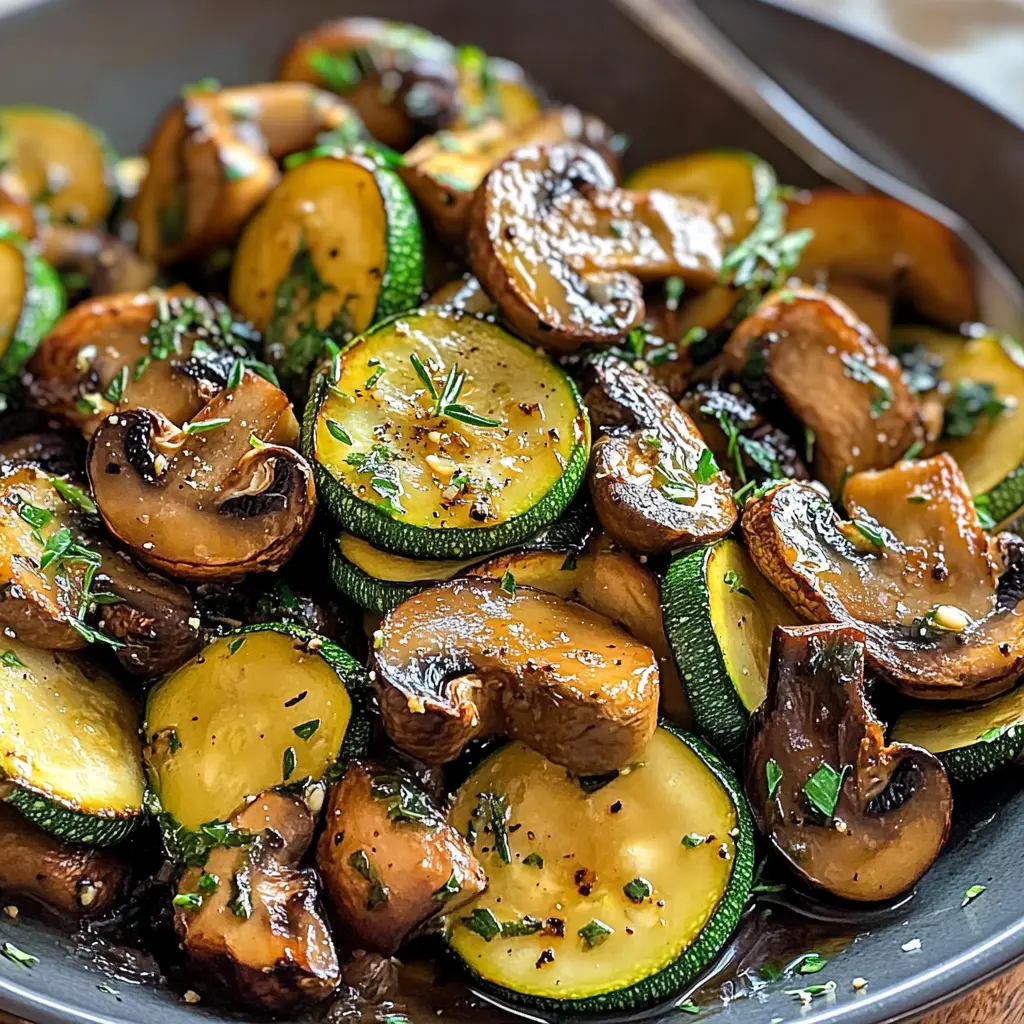
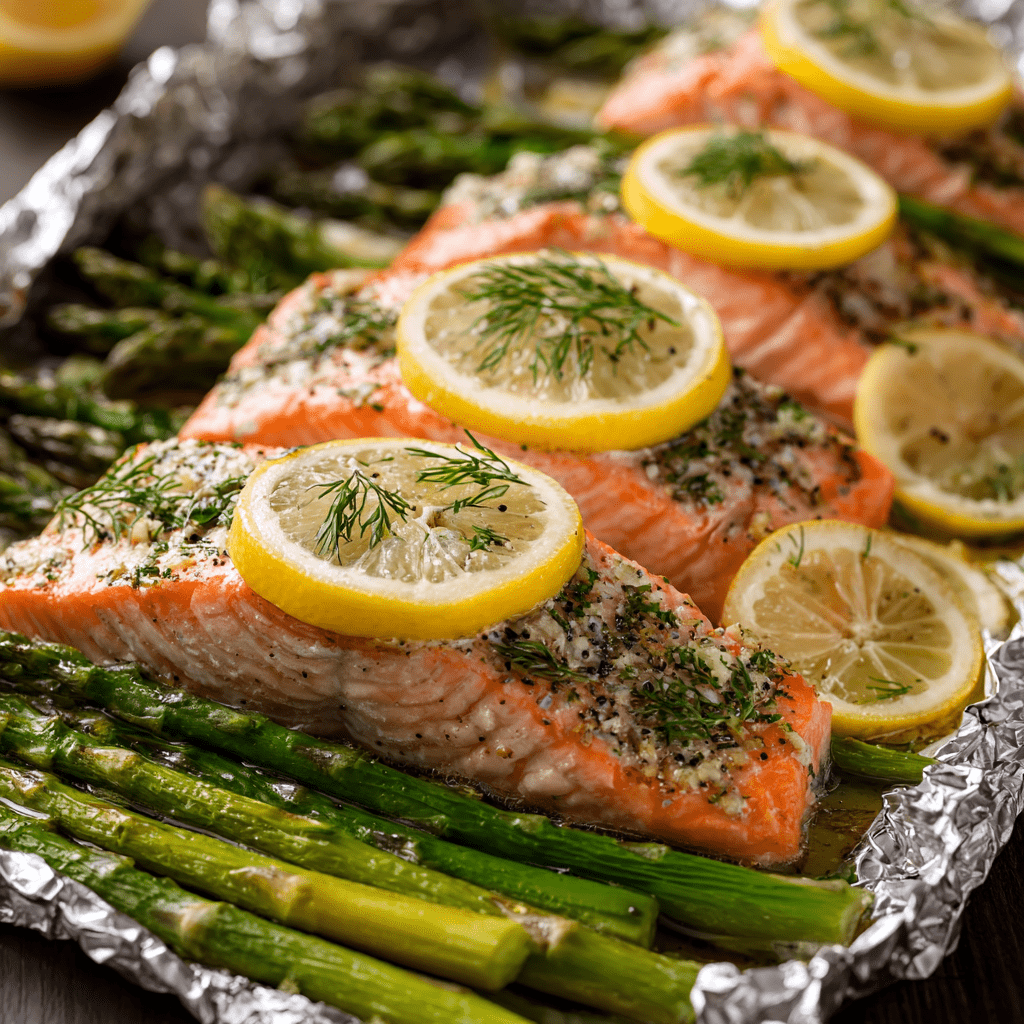
Shop cookware on AislePrompt →Browse the full kitchen shop →
One pan, one shopping list, one tap.
Ask our AI for one-pan weeknight dinners — it totals the ingredients and sends the cart to Instacart.
Get one-pan dinners →