Authentic Carbonara Without Cream
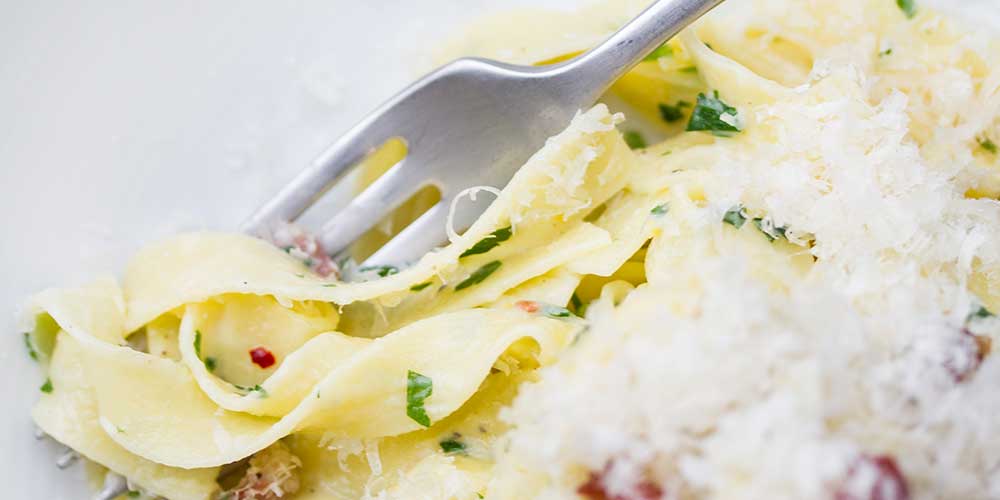
Authentic Roman carbonara never includes cream — the silkiness comes from egg yolks and finely grated Pecorino Romano emulsifying with starchy pasta water and rendered guanciale fat. Cream is a postwar foreign addition that masks the technique and turns the dish into Alfredo with bacon. This recipe sticks to the four-ingredient Roman original, with the off-heat toss that keeps the eggs silky instead of scrambled. For more Italian classics or other weeknight pasta dinners built on the same emulsion principle, browse the full collection.
Ingredients
- 12 oz spaghetti
- 4 oz, diced into 1/4-inch cubes guanciale
- 3 large egg yolks
- 1/2 cup, finely grated Pecorino Romano cheese
- 1 tsp freshly cracked black pepper
- 1/2 cup reserved pasta water
Nonstick skillets worth buying → Best Nonstick Cookware for 2026: Top 5 Skillet Picks + Buying Guide
Affiliate disclosure: AislePrompt may earn a commission on qualifying purchases made through Amazon links, at no additional cost to you. See our policy →
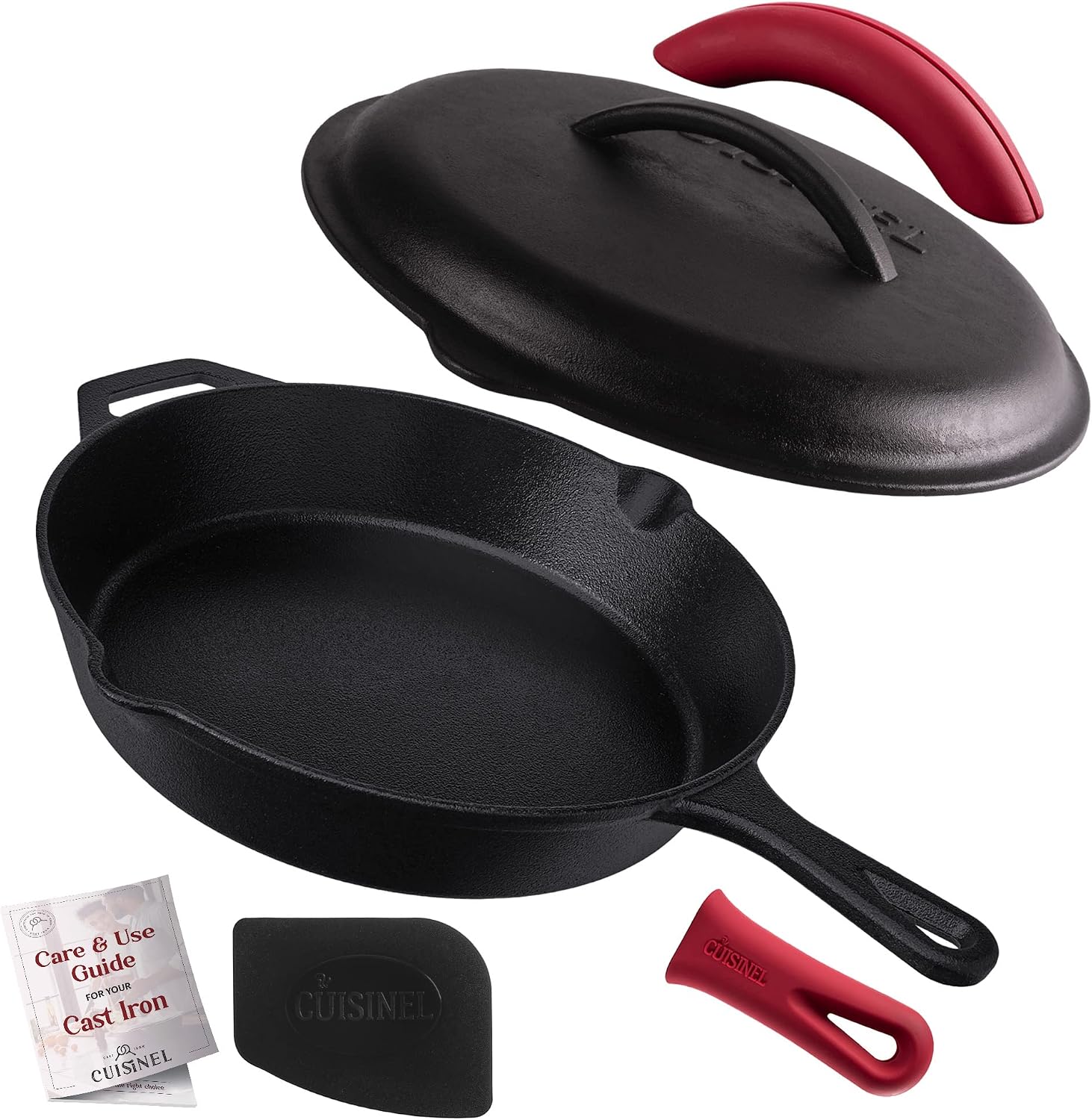
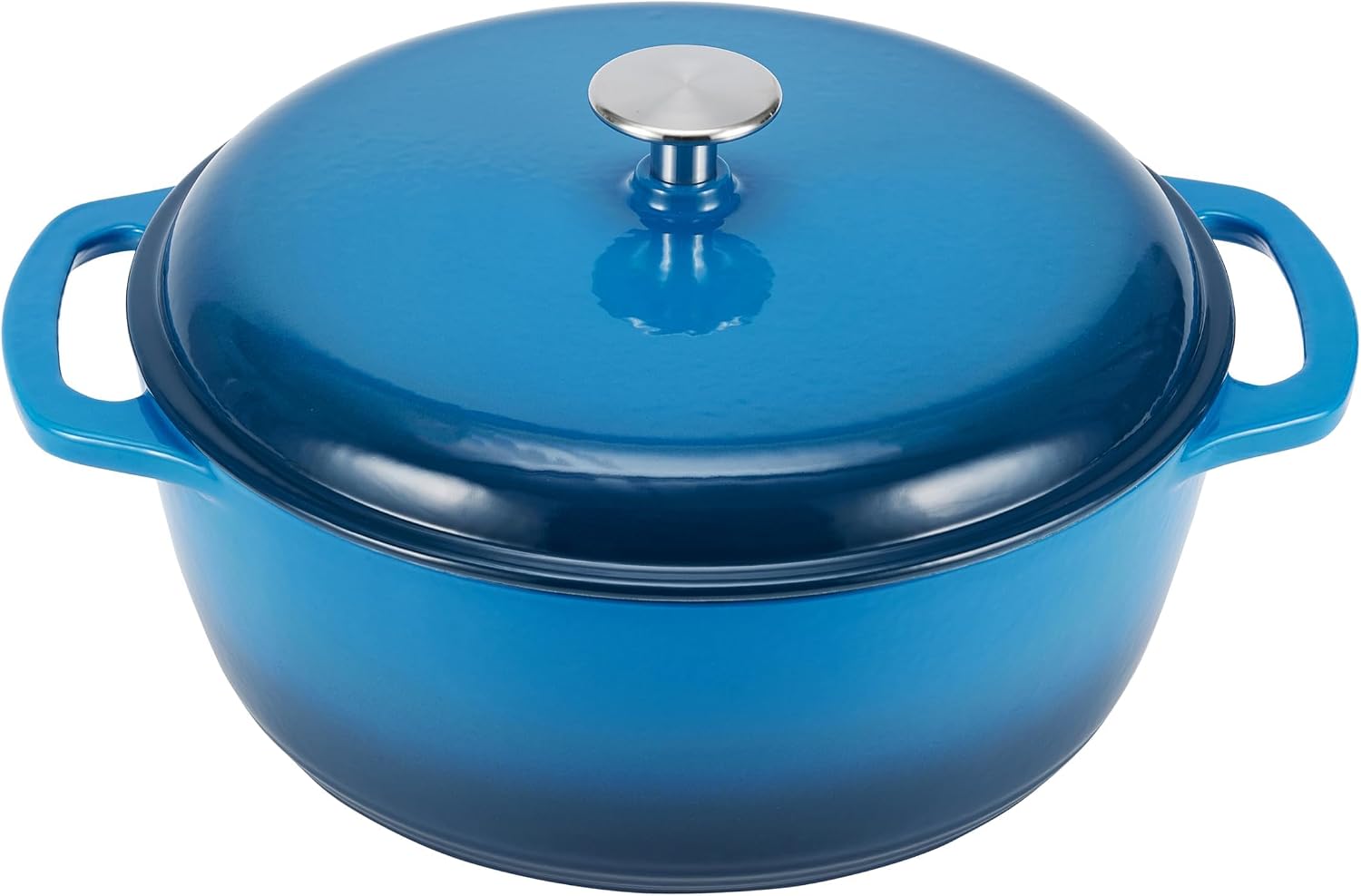
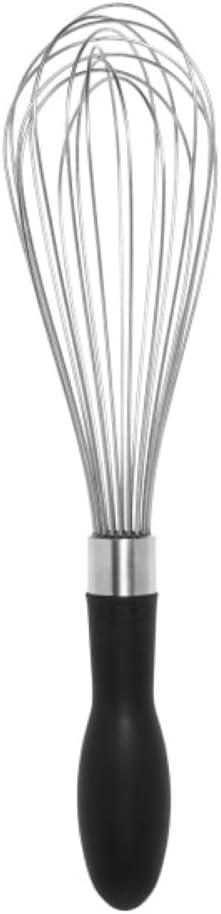
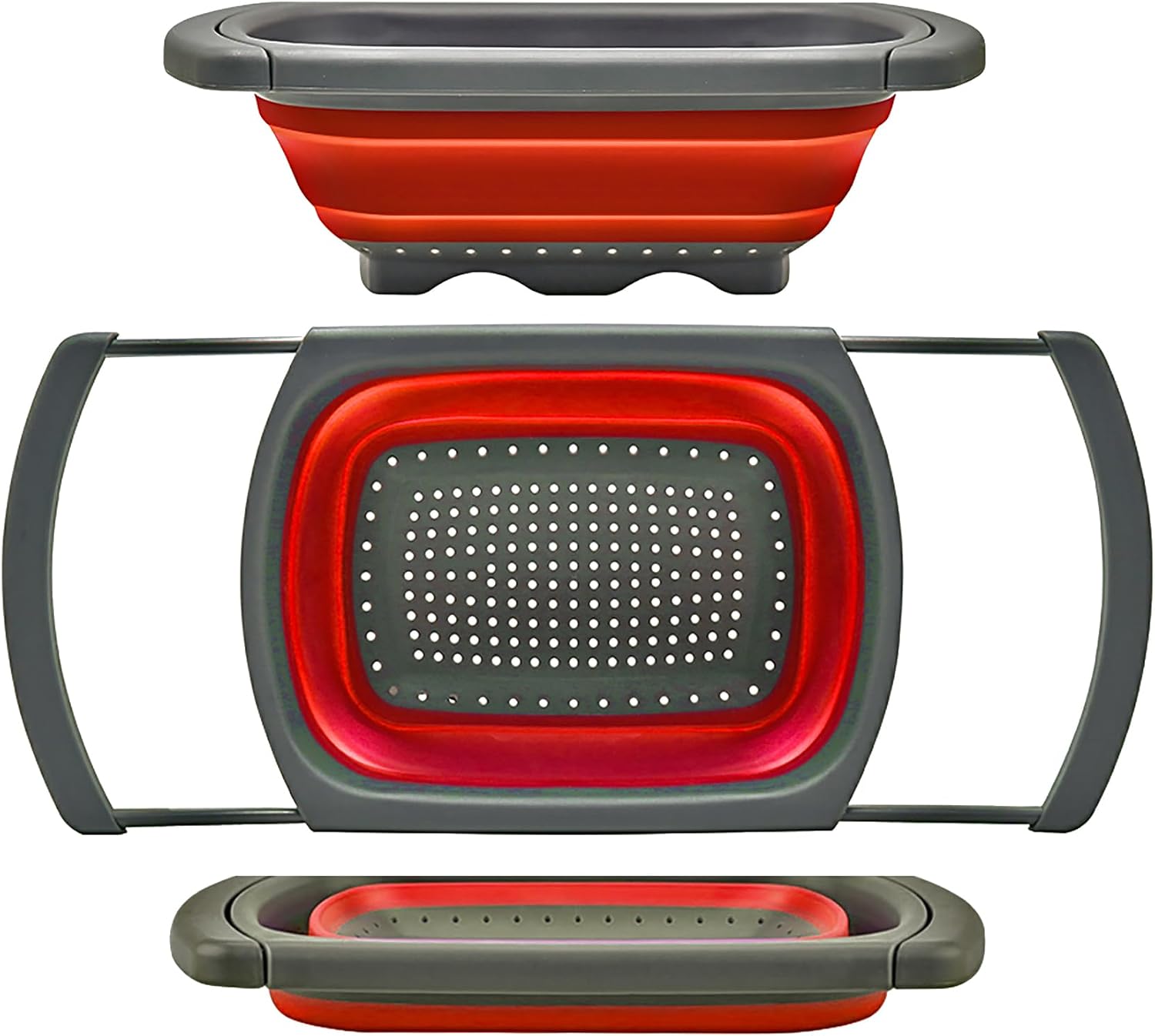
Equipment for this recipe
Tools this recipe's steps call for, with a link to each on Amazon.
Instructions
- Step 1: Cook 12 oz spaghetti in a large pot of heavily salted boiling water for 9 minutes until al dente, reserving 1/2 cup pasta water before draining.
- Step 2: While pasta cooks, cook 4 oz diced guanciale in a skillet over medium heat for 6-8 minutes until crisp and golden, then remove 1/2 cup rendered fat to a bowl.
- Step 3: Whisk 3 large egg yolks, 1/2 cup finely grated Pecorino Romano, and 1 tsp cracked black pepper in a heatproof bowl until smooth.
- Step 4: Add the drained spaghetti to the skillet with guanciale, toss to coat, then immediately pour in the reserved 1/2 cup pasta water and 1/2 cup guanciale fat, tossing vigorously for 1 minute until glossy.
- Step 5: Remove skillet from heat and quickly add the egg yolk mixture while continuously tossing — the residual heat will cook the eggs into a creamy sauce without scrambling, adding 1-2 tbsp pasta water if too thick.
Frequently asked questions
Why doesn't authentic carbonara have cream?
Roman carbonara is built on emulsion — finely grated Pecorino Romano, raw egg yolks, starchy pasta water, and rendered guanciale fat thicken into a silky sauce when the off-heat pasta tosses them together. Cream is a 1950s American/French addition that masks this technique and turns the dish into Alfredo with bacon. The four-ingredient original (guanciale, eggs, Pecorino, black pepper) is the only version codified by the Italian Academy of Cuisine.
Can I substitute pancetta or bacon for guanciale?
Pancetta (cured pork belly, unsmoked) is the closest swap — same cut family, similar fat profile, just less assertive. Bacon adds smoke that doesn't belong in carbonara but works in a pinch. Both render less fat than guanciale (which is cured pork jowl), so add a teaspoon of olive oil to the pan to compensate. If you can find guanciale at an Italian deli, it's worth the trip — the cured-jowl flavor is structurally different from belly cuts.
Why egg yolks only and not whole eggs?
Yolks emulsify; whites scramble. The traditional ratio is one whole egg plus one extra yolk per 100g of pasta (some Roman cooks go yolks-only for extra richness). The whites add a touch of structure, but too many turn the sauce grainy and pale. If you only have whole eggs, drop a couple of whites before whisking — the sauce will be silkier for it.
How do I prevent the eggs from scrambling?
Pull the pan off the heat before you add the egg mixture. The residual pasta + fat heat (about 70°C / 158°F) is enough to thicken the yolks without setting them. If you cook the eggs over flame, the proteins curdle and you get scrambled eggs on spaghetti. Add a splash of reserved pasta water if the sauce tightens — the starch is your insurance against breaking.
Can I use Parmesan instead of Pecorino Romano?
You can, but the dish changes. Pecorino Romano (sheep's milk, sharper, saltier) is the Roman classic. Parmigiano Reggiano (cow's milk, milder, nuttier) makes a gentler sauce — closer to <a href="/recipes/q/cacio-e-pepe">cacio e pepe</a> with eggs added. Many cooks split 50/50 for balance. Pre-grated supermarket cheese won't melt smoothly — grate a block at home.
How is carbonara different from cacio e pepe?
Cacio e pepe is Pecorino Romano + black pepper + pasta water emulsified into a creamy sauce — no eggs, no pork. Carbonara adds guanciale and egg yolks for richness and body. They're cousins in the Roman pasta family alongside <a href="/recipes/q/amatriciana">amatriciana</a> and <a href="/recipes/q/gricia">gricia</a> — all built from pasta water plus cheese plus fat, no cream needed.