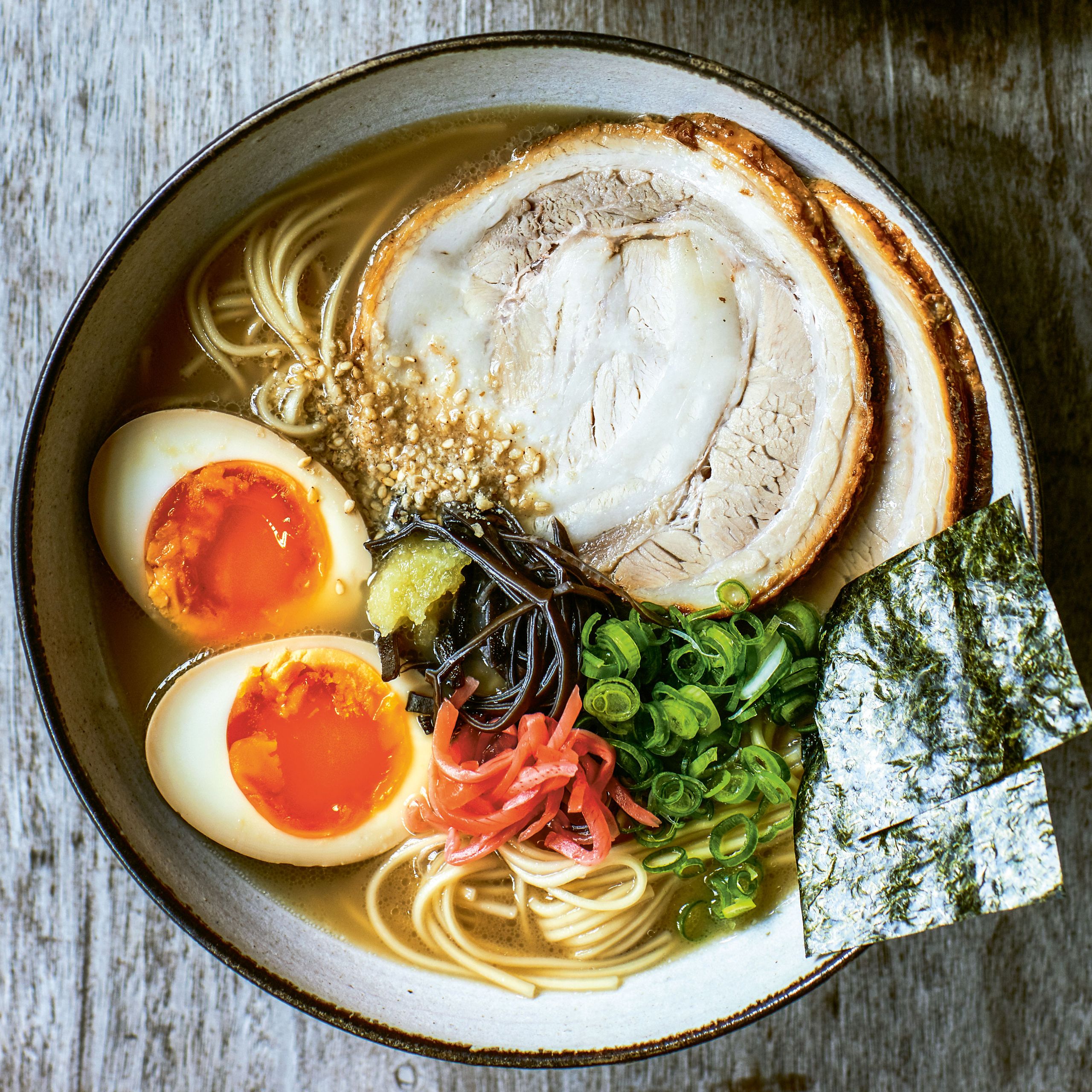
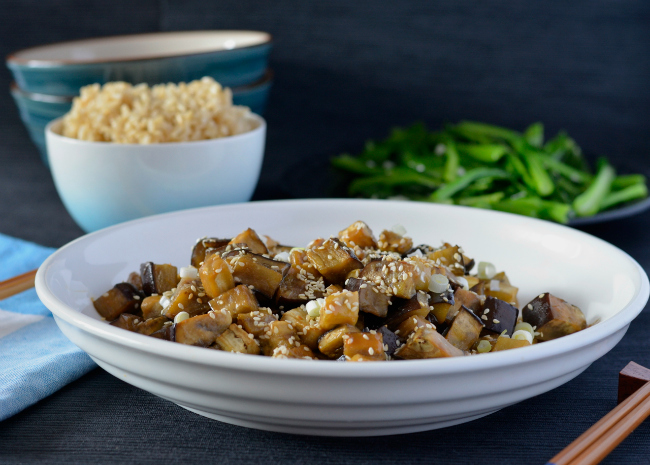
Japanese Sushi Rolls with Thai Peanut Sauce
Crispy sushi rolls filled with avocado and crab, served with a creamy Thai peanut sauce for a tropical twist. This japanese-inspired asian (gluten-free, dairy-free) ready in about 30 minutes pairs sushi rice, nori sheets, avocado for a weeknight-friendly dinner that comes together with one pan and minimal cleanup. Each serving lands at about 350 calories and feeds 4, so it slots cleanly into a weekly meal plan and pairs well with rice, quinoa, or a quick salad. Tap "Plan a meal with the AI" below to drop this recipe into your week and send the ingredients straight to Instacart. Nutrition values are approximate, calculated from USDA FoodData Central (fdc.nal.usda.gov) — verify against ingredient labels for any health-driven dietary plan.
Ingredients
- 2 cups sushi rice
- 4 nori sheets
- 2 avocado
- 200g crab sticks
- 3 tbsp peanut butter
- 1 tbsp lime juice
- 1 tbsp honey
- 1 tsp chili flakes
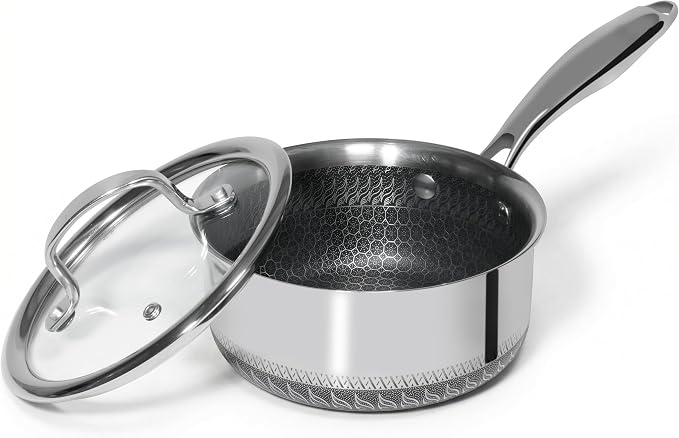
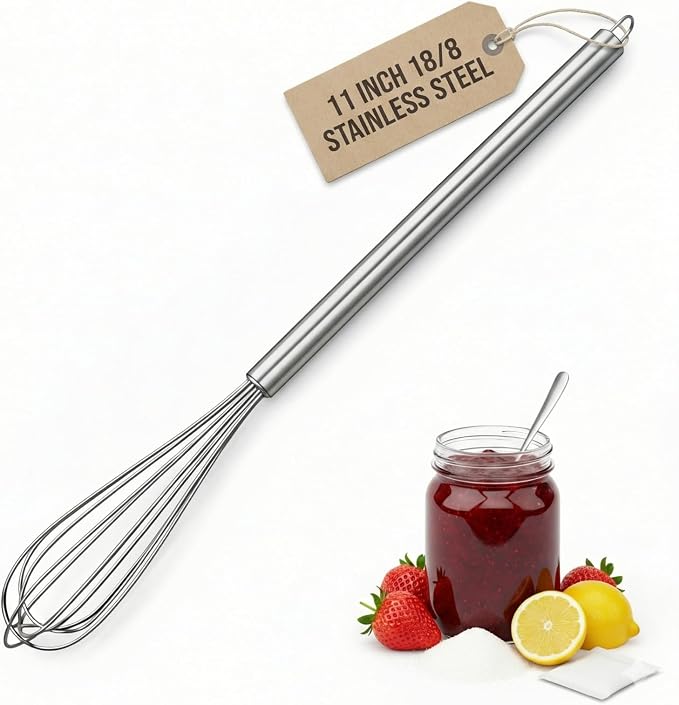
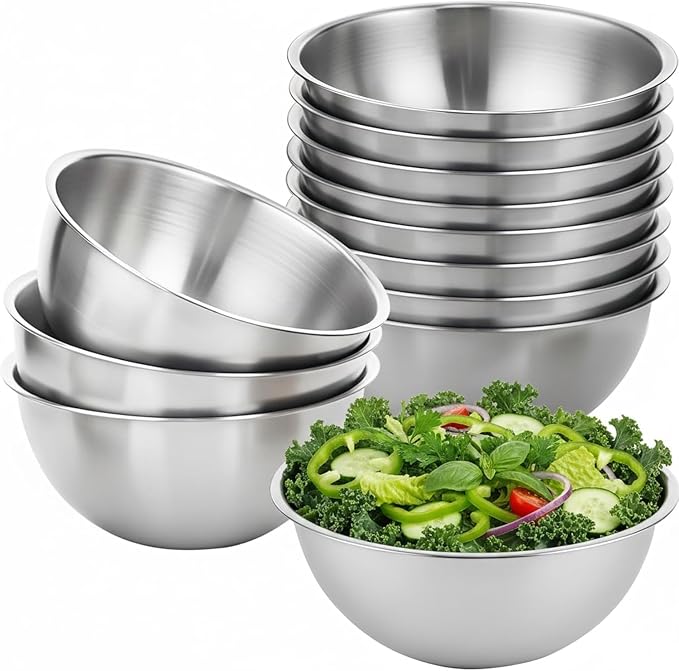
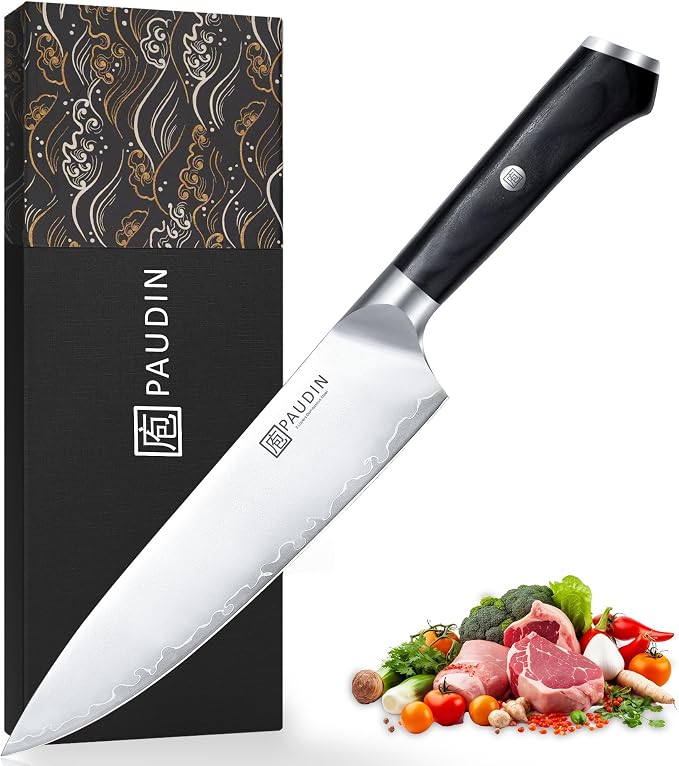
Equipment for this recipe
Top-rated tools to make this recipe successfully.
Instructions
- Step 1: Rinse 2 cups sushi rice under cold water until the water runs clear, then cook in 2.5 cups water in a pot over high heat. Bring to a boil, reduce heat to low, cover, and simmer for 15 minutes. Let sit for 10 minutes, then fluff with a fork. Tip: Use a rice cooker if available for more consistent results.
- Step 2: Place a nori sheet shiny side down on a bamboo sushi mat. Spread 1/2 cup cooked rice evenly over the nori, leaving a 1-inch border at the top. Lay 1/2 avocado (diced into 1/4-inch cubes) and 50g crab sticks (cut into 1/2-inch pieces) in a line across the rice. Fold the bottom edge of the nori up over the filling, then roll tightly using the mat to shape into a log. Repeat with remaining ingredients.
- Step 3: Use a sharp knife to slice each roll into 1-inch pieces. Transfer to a serving platter and cover with plastic wrap to prevent drying. Tip: For cleaner cuts, dip the knife in water before slicing.
- Step 4: In a small bowl, whisk together 3 tbsp peanut butter, 1 tbsp lime juice, 1 tbsp honey, and 1 tsp chili flakes until smooth. Taste and adjust sweetness or spice as needed. Tip: For a creamier sauce, add 1 tbsp warm water and whisk again.
- Step 5: Serve sushi rolls immediately with the Thai peanut sauce on the side, or refrigerate rolls for up to 2 hours before serving. Tip: If making ahead, store sauce separately and assemble rolls just before serving to maintain texture.
Frequently asked questions
How long does Japanese Sushi Rolls with Thai Peanut Sauce take to make?
Total time is about 30 minutes (20 min prep + 10 min cook). Most home cooks find this fits comfortably into a weeknight; double the batch on Sunday for two dinners.
How do I store leftover Japanese Sushi Rolls with Thai Peanut Sauce?
Cool to room temperature within 2 hours, then store in an airtight container in the fridge for up to 4 days. Reheat covered in a 350°F oven for 10-12 minutes, or microwave at 70% power in 60-second bursts to keep sushi rice from drying out.
Can I substitute ingredients in Japanese Sushi Rolls with Thai Peanut Sauce?
Yes — most ingredients in this recipe have flexible swaps. For oil, use any neutral high-smoke-point oil (avocado, grapeseed, refined coconut). For aromatics, dried herbs at ⅓ the volume of fresh work in a pinch. The full ingredient list is shoppable on Instacart so you can see substitutes in real time.
How do I scale Japanese Sushi Rolls with Thai Peanut Sauce for a different number of people?
The recipe is written for 4 servings. Multiply each ingredient by (your serving target / 4). Cook time stays roughly the same up to 2x; for 3-4x batches, switch from a skillet to a sheet pan or stockpot so the food isn't crowded — overcrowding steams instead of browns.
Is Japanese Sushi Rolls with Thai Peanut Sauce gluten-free?
Yes — this recipe is tagged gluten-free, dairy-free based on its ingredient list. Always cross-check labels for packaged ingredients (sauces, broths, condiments) since formulations vary by brand.
What others are saying
- ★★★★★
I've tried many asian recipes and this is hands down the best.
- ★★★★☆
Very good for a 10-minute recipe. Would bump up the spice level though.
- ★★★★☆
Reliable weeknight option. Not going to blow your mind but always satisfying.