20 One-Pot Italian Dinners for Weeknights (Under 45 Minutes)
The one-pot pasta method, its limits, and 20 Italian weeknight dinners that hit the plate in under 45 minutes.
Affiliate disclosure: AislePrompt may earn a commission on qualifying purchases made through Amazon and Instacart links in this article, at no additional cost to you. See our affiliate policy →
One-pot Italian recipes cook the pasta directly in the sauce liquid, so the pasta releases starch as it cooks and thickens the sauce naturally — no reduction step, no colander, no second burner. The 20 recipes below all finish in under 45 minutes wall-clock time, use a Dutch oven or a wide deep skillet, and produce a single sink of dishes. They are grouped by protein family so you can pick by what's already in the fridge: five pasta-forward, five protein-forward (chicken, sausage, beef), five vegetarian, and five seafood. Every recipe links to the full instruction page on the AislePrompt catalog.
The one-pot pasta method (why it works, when it doesn't)
The technique is old — Italian nonnas were making sugo-and-pasta together in one pot for decades before the "one-pot pasta" trend hit American food blogs around 2013. Serious Eats has the definitive breakdown of the technique, temperatures, and sauce ratios (Serious Eats — One-Pot Pasta, accessed 2026-07-07). Bon Appétit's one-pot pasta collection tracks the current-decade chef takes (Bon Appétit — One-Pot Pastas, accessed 2026-07-07). NYT Cooking has a comprehensive topic page as well if you want more variety (NYT Cooking — One-Pot Pasta, accessed 2026-07-07).
The mechanics: dry pasta absorbs water as it cooks, releasing starch (mostly amylopectin) into the surrounding liquid. In a standard pasta-boil, that starch drains down the sink. In a one-pot, it stays with the sauce — thickening it, giving it body, letting the sauce cling to the noodle instead of pooling in the bottom of the bowl. The trick is using exactly enough liquid at the start: typically 4 cups of stock or thin sauce per pound of pasta. Too much and you get soup; too little and the pasta scorches on the pan bottom before it cooks through.
When one-pot Italian is the right choice on a weeknight:
- Rustic, sauce-heavy dishes (bolognese, sausage pasta, ziti) — indistinguishable from separately-cooked pasta once plated.
- One-cook households where clean-up is the actual bottleneck, not cook time.
- Meals under 45 minutes where you cannot afford a rolling water boil (10–12 minutes) plus separate sauce cook.
When to use the traditional method instead:
- Delicate dishes where pasta doneness is the star: real cacio e pepe done with a mantecatura, aglio e olio done with a cold-emulsion pan sauce, carbonara. You need more control over pasta temperature and hydration than a one-pot allows.
- Long shapes with delicate ratios: fresh egg fettuccine, ravioli. Boil them properly.
- Any dish where the sauce needs to reduce for 20+ minutes before the pasta hits it — a slow-simmered ragù, a Sunday sauce.
The 20 recipes below were picked specifically for the first category, where the one-pot method holds up or improves the dish. The five recipes that carry the "one-pot" name inside the title are the closest matches; the others use the same wide-Dutch-oven, single-sink approach even if the pasta step is separate.
Category 1 — Pasta-forward one-pots
The classics — start here if this is your first week doing one-pot Italian.
- One-Pot Spaghetti with Garlic and Roasted Tomatoes — the entry-level recipe; 25 minutes, five ingredients, works with pantry cans of tomato when the fresh ones are ugly.
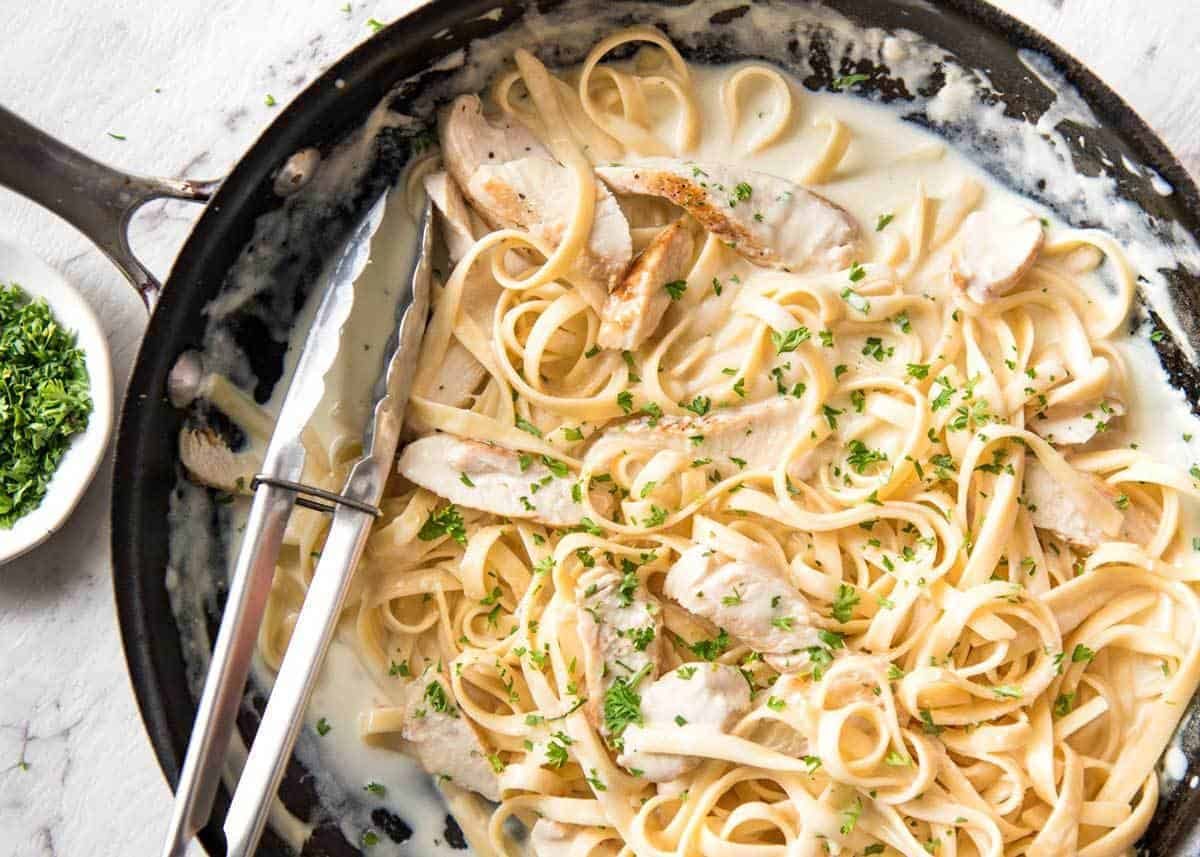
- One-Pot Chicken Alfredo with Garlic and Parmesan — the American Italian dish; use freshly-grated parmesan or the sauce breaks.
- One-Pot Tomato Basil Baked Ziti — no colander, no double-pan; the ziti finishes in the oven for a top crust.
- One-Pot Italian Sausage and Penne Pasta — 30 minutes; the sausage renders fat that carries the sauce.
- One-Pot Tomato-Basil Pasta with Sun-Dried Tomatoes — the sun-dried tomatoes rehydrate in the cook liquid; concentrated flavor without a reduction step.
Category 2 — Protein-forward (chicken, sausage, beef)
Higher-protein weeknight dinners. Every one of these hits 25–35 g protein per serving.
- One-Pot Creamy Tuscan Garlic Chicken with Sun-Dried Tomatoes — the sear-then-simmer flow; the fond from the chicken becomes the sauce.
- Chicken Piccata — 20 minutes, four ingredients (chicken, lemon, butter, capers), and it looks like a restaurant plate.
- Pan-Seared Chicken with Garlic Mushroom Marsala Sauce — the American-Italian chicken marsala; Marsala wine deglazes the fond.
- One-Pot Lazy Lasagna with Ricotta and Ground Beef — broken lasagna noodles in a Dutch oven; all the flavor of the baked version in 40 minutes.
- Deep-Dish Style Baked Italian Sausage and Peppers — one deep pan, oven for 30 minutes, serve over polenta or crusty bread.
Category 3 — Vegetarian one-pots
Vegetarian, not vegan — cheese and eggs are in play — but every one is meat-optional and works for a Meatless Monday.
- Italian Chickpea and Spinach Minestrone Soup — the ur-Italian one-pot; every ingredient goes in a single Dutch oven.
- One-Pot Pasta Primavera — spring vegetables cooked into the pasta; the peas and asparagus go in the last 3 minutes so they stay bright.
- Mushroom Risotto — technically not a one-pot pasta but the definitive one-pan Italian dish; 30 minutes of stirring produces the creamiest starch payoff in the whole cuisine.
- Italian One-Pot Tomato Basil Orzo Soup — the closest thing to a weeknight Italian wedding soup; add mini meatballs to convert.
- True Roman Cacio e Pepe with Pecorino — the exception to our one-pot rule; the traditional method wins here, but it's on the list because every Italian week needs cacio e pepe. Use a wide skillet with pasta cooking water reserved.
Category 4 — Seafood one-pots
Seafood cooks fast (2–6 minutes), which makes it a perfect one-pot ingredient — add it in the last few minutes and it stays tender.
- The Best Shrimp Scampi with Linguine — 20 minutes; shrimp go in for the final 3.
- Tortellini Sausage Soup with Spinach — the sausage-and-tortellini classic; the tortellini cooks in the broth.
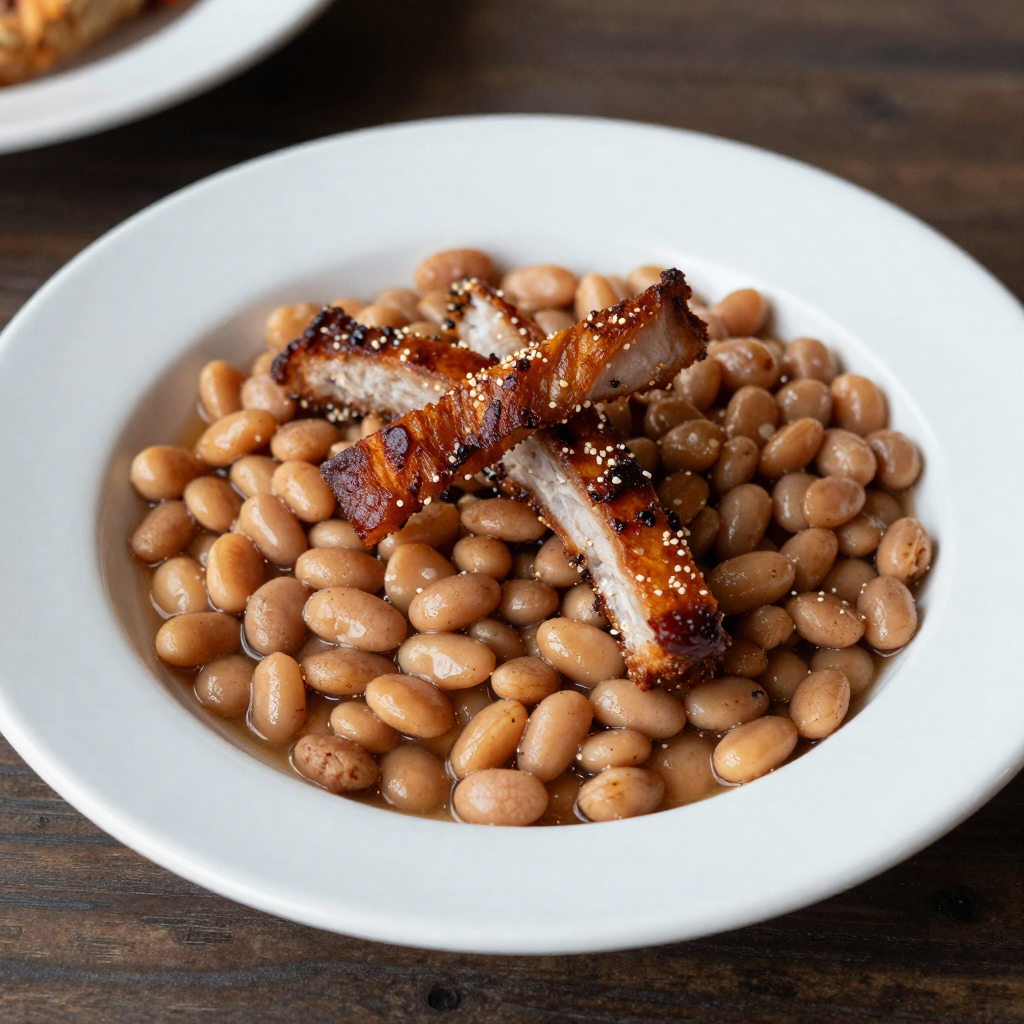
- Classic Pasta e Fagioli with Cannellini Beans — the peasant classic; ditalini in the last 8 minutes.
- Vodka-Infused Penne Arrabbiata — arrabbiata with a vodka-sauce backbone; 25 minutes.
- Chicken Parmesan Meatball Bake with Mozzarella — the meatball-in-marinara-in-a-single-pan interpretation; broil for 3 minutes at the end for the cheese pull.
Bonus — a sheet-pan option for hands-off Italian
The sheet pan isn't a Dutch oven, but it counts as one-pan cooking and it's the easiest weeknight Italian dinner on this list:
- Italian Sheet Pan Herb-Roasted Chicken with Potatoes — 45 minutes, no supervision, salted skin gets crackly. Feeds four with no side needed.
What to buy: the one Dutch oven that does 80% of this
The whole one-pot Italian canon lives on one piece of equipment: a 5–6 quart Dutch oven with a heavy lid. Enameled cast-iron is the versatility winner because it does high sear, low simmer, and oven finish without seasoning worries. Raw cast iron holds heat slightly better but you need to be careful about acidic tomato sauces during the seasoning period. Both are correct; enameled is easier for a beginner. See vetted picks and a size guide at /k/cookware.
Skip: nonstick Dutch ovens (the sauce browning on the pan bottom — the "fond" — is where 30% of the flavor comes from, and nonstick doesn't develop fond); "5-piece cookware sets" where the Dutch oven is a decorative afterthought; anything under 4 quarts (too small for a family-of-four one-pot pasta).
Support gear that speeds every recipe:
- A wooden spoon or silicone spatula wide enough to stir the whole pot — you cannot use metal on enameled cast iron. Utensils and prep tools live at /k/utensils.
- A microplane for grating parmesan and lemon zest — the finer the grate, the more sauce it holds.
- A sharp 8-inch chef's knife — 19 of these 20 recipes need an onion diced. Knives and cutting-board sets are at /k/knives.
- A kitchen scale — Italian recipes measure pasta by weight (grams per person), not "half a box." Around 100 g per person is standard.
The one-pot Italian pantry — what to keep on hand
If you commit to a one-pot Italian rotation, five pantry items carry 80% of the recipes above. Buy them once and the weeknight decision collapses from "what should we make" to "which pasta shape."
| Pantry item | Buy | Uses across the 20 recipes |
|---|---|---|
| Canned San Marzano tomatoes | 4x 28-oz cans | 12 recipes; the tomato base for every red sauce |
| Dried pasta variety pack | Penne, spaghetti, ziti, orzo | 18 recipes; keep one 1-lb box of each shape |
| Real parmesan (Parmigiano-Reggiano) | 8 oz wedge | 14 recipes; grate to order — bagged pre-grated is starchy and clumps |
| Good olive oil | 750 ml bottle | Every recipe; a second bottle of "finishing" oil is worth it once |
| Cannellini or chickpeas | 6 cans | 8 recipes; the vegetarian protein backbone |
Fresh pull list (buy weekly): garlic, yellow onions, one bunch parsley, one bunch basil, one lemon, whatever protein you're leaning on that week. Total weekly perishables spend for a family of 4 comes in around $30–50 across the Italian rotation — the cheapest cuisine to run in our four-week comparison after Mexican week.
A wine + pantry-drink pairing note
You do not need wine to enjoy these dishes, but if you are pouring, the pairings are simple: light reds (Chianti, Sangiovese, Barbera) with the tomato-based one-pots; unoaked whites (Vermentino, Pinot Grigio) with the seafood ones; Prosecco or a dry rosé with the chicken piccata. Skip heavy Cabernet — it fights the acidity in every tomato-forward dish. For non-drinkers, sparkling water with a squeeze of lemon does the palate-cleansing job wine does; iced sun tea also works surprisingly well with the sausage-and-peppers.
How to store and reheat leftovers
Store one-pot pasta in an airtight container in the fridge for up to 4 days; freeze for up to 2 months in freezer-safe containers. The reheating quirk: pasta re-absorbs liquid overnight and dries out, so it needs a splash of stock or water on reheat. Warm on the stovetop over medium-low with the lid on, stirring every 30 seconds. Microwave works too but distributes heat unevenly — cover with a damp paper towel, stir at the halfway mark, and heat in 45-second bursts.
Do not reheat cheese-heavy pastas like the alfredo or the ziti in the microwave without covering; the top layer of cheese scorches while the pasta below stays cold. Oven-reheat cheese-heavy pastas: 300°F, foil-covered, 12 minutes, foil off for the last 2.
Common pitfalls in one-pot Italian
Five failure modes worth calling out before you start:
- Overcooking the pasta. One-pot pasta is 30–60 seconds faster to al dente than boiled pasta because the sauce is already hot when the pasta hits it. Start tasting at 6 minutes for a 9-minute pasta.
- Under-salting the cooking liquid. The liquid becomes the sauce, so salt it like sauce, not like pasta water. 1½ teaspoons kosher salt per pound of pasta is the right ballpark.
- Using long-cook shapes with short-cook sauce. Cavatappi and rigatoni take 11–13 minutes. If your sauce is done at 7, the pasta cooks in a lifeless finished sauce.
- Skipping the sear on protein. Chicken and sausage need a real sear before you deglaze; skip it and the fond doesn't form and the sauce lacks depth.
- Adding delicate herbs early. Basil and parsley go in the last 60 seconds. Cooked-through basil turns black and bitter.
Related guides
- 25 Best Italian Recipes for Any Weeknight — the broader Italian roundup; use it as your Italian-week menu.
- 18 Best Asian Recipes for Fast Weeknight Dinners — the same one-pan spirit applied to Asian dishes.
- How to Plan a Week of Weeknight Dinners in 30 Minutes — meal-plan around these one-pots.
Serving sizes and scaling
Every recipe on this list is written for 4 servings. Scaling is linear up to 6 — double every ingredient except the pasta, which scales to 1.75x rather than 2x because the sauce ratio can carry a little more starch without becoming a soup. Above 6 servings, split into two batches; the Dutch oven capacity becomes the constraint. AislePrompt's recipe pages have a serving stepper that recalculates quantities and updates the shopping list automatically, so if you are cooking for 8 or 10, tap the stepper before generating the shopping list.
Last verified
Last verified 2026-07-07. Recipe titles, catalog links, and technique references are current as of that date; the outbound citations are accessible without paywall.
Frequently asked questions
How does one-pot pasta actually work?
Do one-pot pastas taste as good as the traditional method?
What size pot do I need for these recipes?
Can I make these gluten-free?
How do I store and reheat leftover one-pot pasta?
Sources
Recipes to start your week with
Save any of these to My Recipes — no account needed — and send the ingredients to Instacart in one tap.