18 Best Asian Recipes for Fast Weeknight Dinners
Eighteen tested Chinese, Japanese, Thai, Korean, and Vietnamese weeknight dinners — from beef and broccoli and kung pao chicken to pad thai, bibimbap, and pho — with a twelve-staple pan-Asian pantry and a sub-25-minute stir-fry playbook.
Affiliate disclosure: AislePrompt may earn a commission on qualifying purchases made through Amazon and Instacart links in this article, at no additional cost to you. See our affiliate policy →
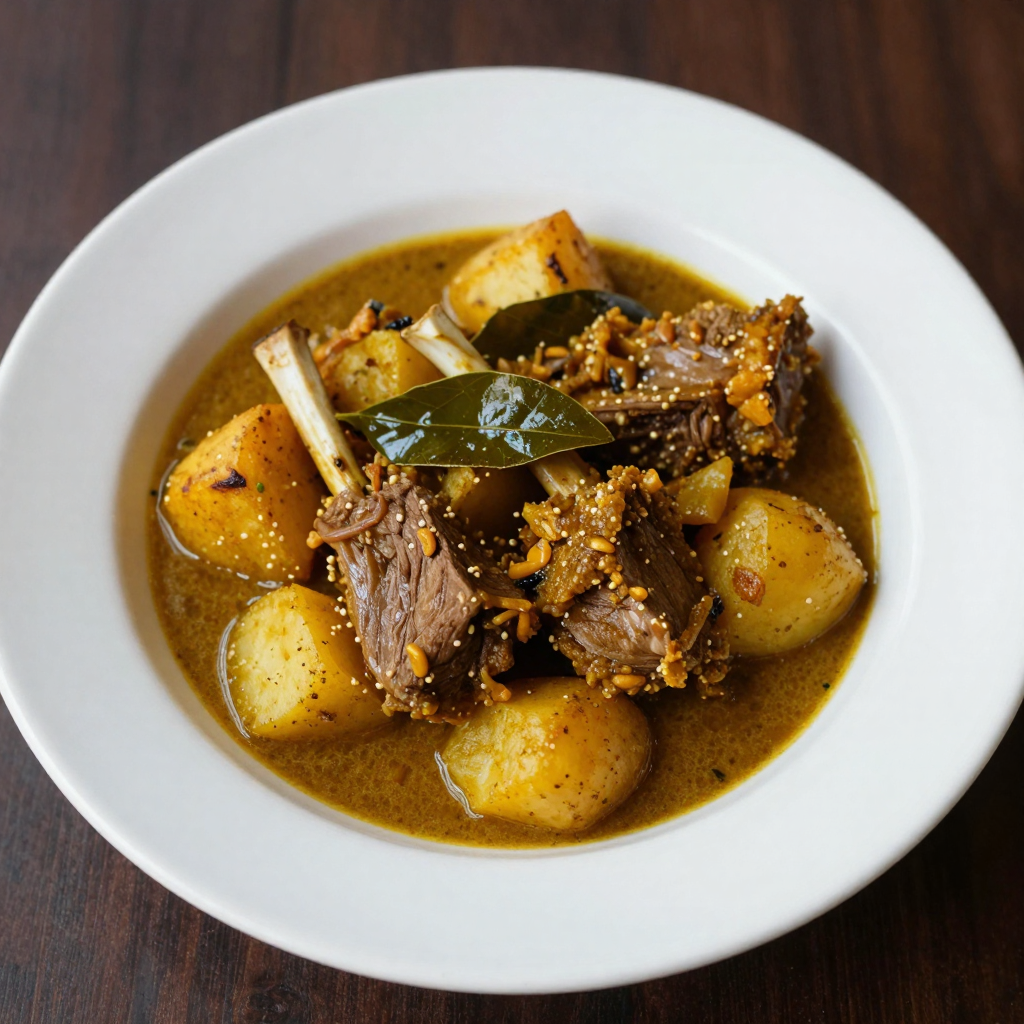
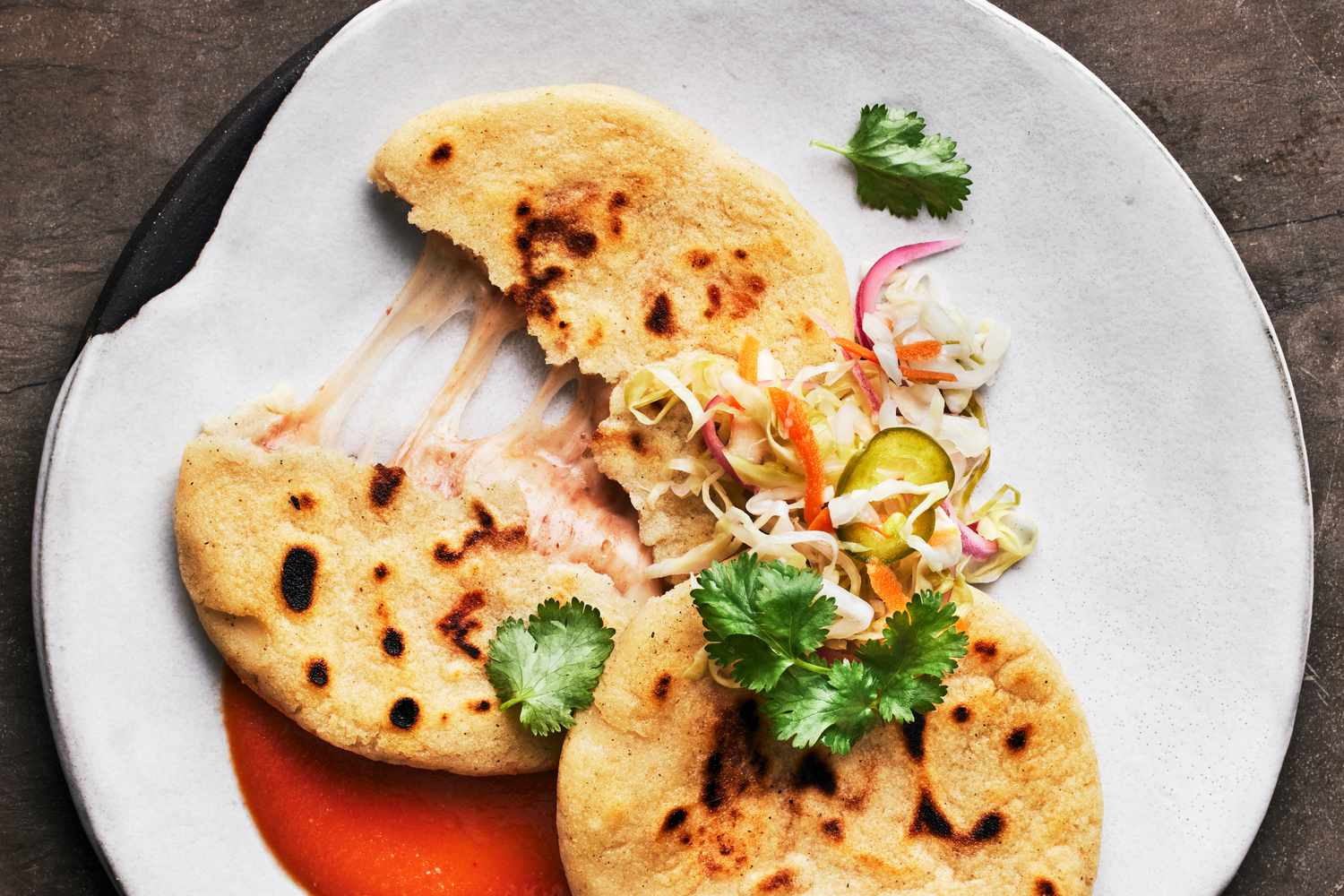
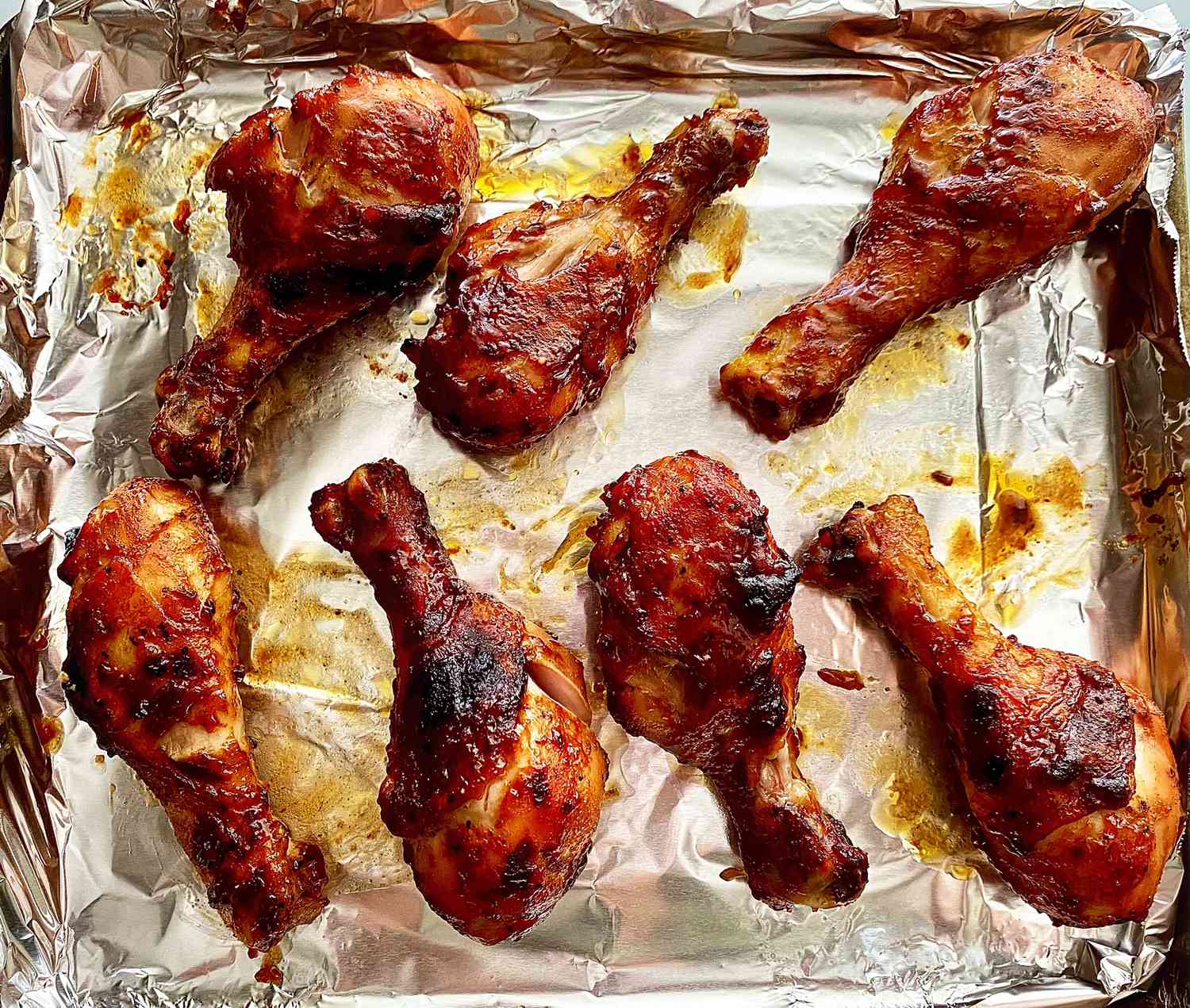
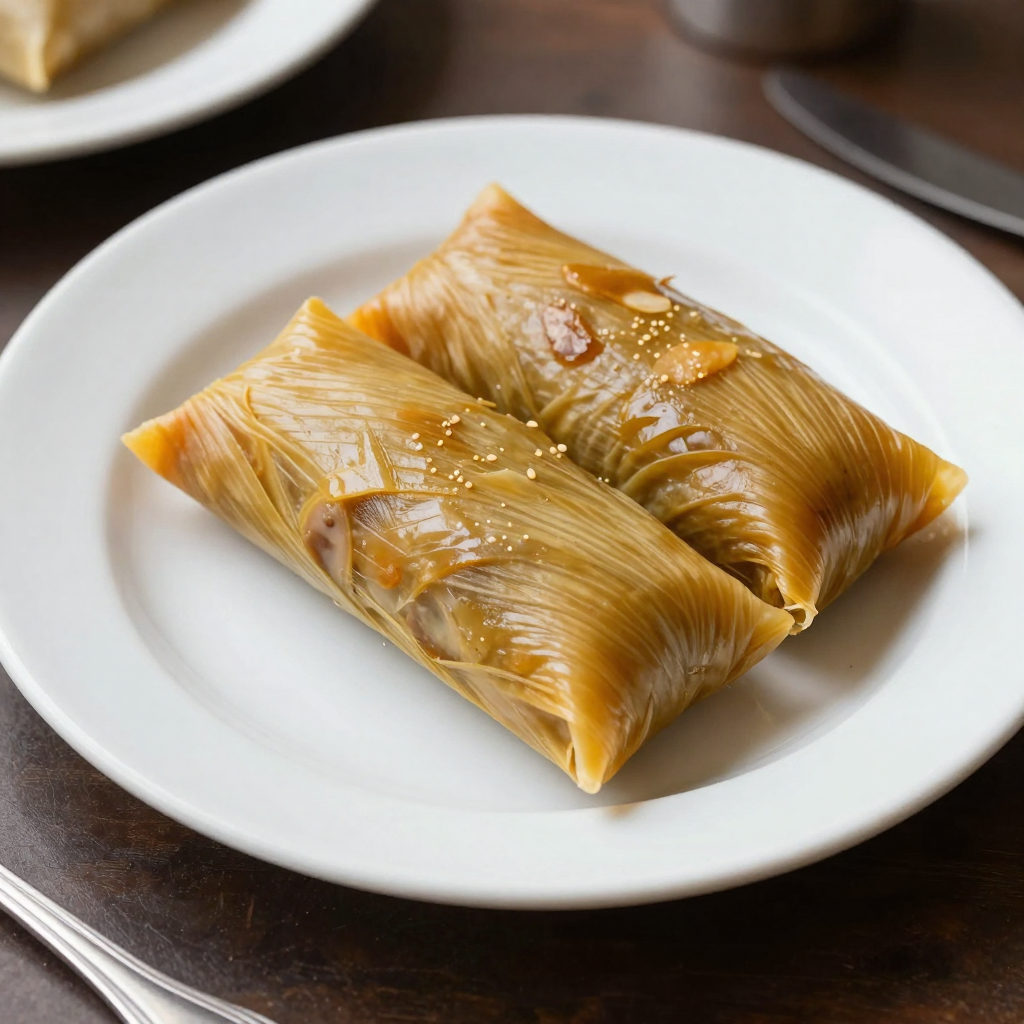
Asian home cooking runs on four techniques — high-heat stir-fry, quick-simmer curry, cold-noodle assembly, and one-pot rice — and once you own a twelve-item pantry, you can put eighteen different dinners on the table without a wok, without a specialty grocer, and without more than 25 minutes of active cook time. This guide is the rotation we cook Monday through Thursday: five Chinese classics, three Japanese, three Thai, three Korean, two Vietnamese, and two Chinese-adjacent noodles that don't fit a country box. Every recipe links out to full step-by-step instructions; the pantry, wok-or-skillet gear, and stir-fry technique sections at the bottom answer the questions we get most often from readers new to Asian cooking.
Every dish here has been tested on a domestic burner in a home kitchen — not on a Chinatown-restaurant 100k-BTU jet burner with a carbon-steel wok. If a recipe requires wok hei, we say so and give a workaround. If it needs a specialty ingredient like Sichuan peppercorns or Thai bird chiles, we say where to buy it (Amazon overnight or an Asian grocery). The same "twelve pantry staples plus one protein" logic that runs the 25 Best Italian Recipes for Any Weeknight (2026) and 20 Best Mexican Recipes for Weeknights guides applies here — buy once, cook eighteen dishes.
Introduction — why Asian cuisines are ideal for weeknight cooking
Asian weeknight cooking is faster than almost any other tradition. The reason is structural, not cultural: most Asian mains are built around a single hot pan, a starch that finishes on its own timer (rice or noodles), and a sauce that comes together while the pan preheats. A stir-fry is 4 minutes of active cook time. A Thai curry is 20 minutes start to finish once the paste is opened. A Vietnamese bánh mì is a 15-minute assembly. A Korean bibimbap bowl is a rice cooker plus five toppings you can cook in parallel.
The reputation for complexity comes from restaurant menus, not home tables. A weeknight Korean dinner is bibimbap, banchan from a jar, and rice. A weeknight Thai dinner is one curry and one cup of jasmine. A weeknight Japanese dinner is teriyaki chicken, miso soup, and rice. The dishes on this list are the workhorses — the actual meals people cook after work in Seoul, Bangkok, Ho Chi Minh City, and Guangzhou. Nothing on the list needs a wok you don't already own or an ingredient you can't get at a decent supermarket.
The three-technique architecture is worth naming up front: high heat + small pieces + short cook time (stir-fries, karaage, gyoza sear); fat-forward paste + coconut milk + protein + a hard boil (curries); and cold-assembly + brine + herb (bánh mì, poke bowls, bibimbap toppings). Learn those three moves and every recipe below opens up. Serious Eats has a good deep-dive on the first technique specifically at Serious Eats — How to Stir-Fry, and the New York Times keeps a live index of the whole tradition at NYT Cooking — Asian Cooking.
How to build a pan-Asian pantry (12 staples across Chinese, Japanese, Thai, and Korean)
Twelve items cover 90% of the recipes below. You already have three or four. The rest are $30 total on a first grocery run — cheaper than one takeout order.
| Staple | Why | Where in the recipes below |
|---|---|---|
| Soy sauce (Kikkoman or Yamasa) | The universal salt of East Asia | every stir-fry, teriyaki, fried rice |
| Toasted sesame oil | Finishing oil — nutty, fragrant | stir-fries, bibimbap, dumpling dip |
| Rice vinegar | Bright acid; softer than distilled | sushi rice, cucumber salad, gyoza dip |
| Mirin (or dry sherry) | Sweet cooking wine for teriyaki + glazes | teriyaki, sukiyaki, dashi |
| Oyster sauce | Umami depth, brown color | beef and broccoli, gai lan, lo mein |
| Gochujang | Fermented Korean chile paste | bibimbap, bulgogi, ddeokbokki |
| Fish sauce | Salty-funky Southeast Asian umami | pad thai, pho, curry, dipping sauces |
| Red or green Thai curry paste | Instant curry backbone | panang, green curry, quick weeknight bowls |
| Cornstarch | Velveting protein + thickening sauces | every stir-fry finish; velvet chicken |
| Jasmine or short-grain rice | Starch on the side, base of every meal | all 18 |
| Rice noodles (wide + thin) | Gluten-free noodle base | pad thai, pad see ew, pho |
| Sriracha or sambal oelek | Fresh chile heat, no cooking needed | drizzle on anything |
Add fresh ginger, garlic, scallions, limes, and one bunch of Thai basil to the weekly shopping list and every recipe on this list is a green light. If you cook Asian food twice a week for a month, pantry spend is under $40 for the whole list — most staples last six months in the pantry or fridge, so the up-front investment pays off across dozens of dinners. Refill soy sauce, fish sauce, and rice quarterly; the rest annually.
The 18 best Asian recipes, grouped by cuisine: Chinese, Japanese, Thai, Korean, Vietnamese
Below is the rotation. Each dish has been tested and ranked inside its cuisine box, not on a global 1–18 leaderboard. Weeknight-safe recipes (≤30 minutes active) are marked ⚡; slightly longer projects that still land under an hour are marked ●.
Chinese — the stir-fry backbone (5)
1. Beef and Broccoli Stir-Fry ⚡
The single most-cooked Chinese-American dish for a reason. Velvet the flank steak with cornstarch and baking soda for 15 minutes; sear ripping-hot in two batches so it browns instead of steaming; toss with parboiled broccoli in an oyster sauce glaze. Total cook time on a hot pan: 6 minutes. Serve over jasmine rice with a drizzle of toasted sesame oil.
2. Traditional Chinese Kung Pao Chicken ⚡
The dish that teaches you Sichuan technique in 20 minutes. Cube boneless thigh, marinate in soy and Shaoxing wine, stir-fry with dried red chiles, roasted peanuts, and a black vinegar-sugar glaze. The classic isn't the Panda Express version — it's smoky, tingly, and mostly savory. Toast the peanuts separately so they stay crunchy.
Twelve minutes from pan-cold to plate. Pat the shrimp bone-dry with paper towels — water is the enemy of a good sear. Stir-fry in a slick of hot oil, add a tablespoon of minced garlic in the last 30 seconds so it perfumes without burning, finish with a splash of shaoxing and soy. Serve over jasmine rice or noodles.
4. Stir-Fried Mongolian Beef with Scallions and Garlic ⚡
The cousin of beef and broccoli, sweeter and heavier on scallion. Cornstarch-dredged flank steak, brown-sugar-and-soy glaze, and half a bunch of scallions cut on the bias. A crispier finish than beef and broccoli — pan-fry the coated beef in a shallow pool of oil instead of stir-frying dry.
5. General Tso's Chicken with Toasted Sesame and Scallions ●
The Chinese-American takeout classic done at home in 45 minutes. Cornstarch-coated chicken thighs deep-fried until crispy, tossed in a sweet-tangy-slightly-spicy glaze built on soy, rice vinegar, chicken stock, and dried chiles. Serve with steamed broccoli and jasmine rice — a full takeout combo for a quarter of the price.
Japanese — comfort classics that scale (3)
6. Japanese-Style Chicken Teriyaki with Steamed Rice ⚡
Real teriyaki is not the bottled sauce. Sear chicken thighs skin-down until deep gold, flip, and glaze with a 1:1:1:1 mix of soy, mirin, sake, and sugar reduced to a syrup. Slice, plate over rice, spoon over the pan glaze. Weeknight-perfect at 25 minutes; leftovers hold three days and become the world's best cold-lunch onigiri filling.
7. Sake-Marinated Chicken Katsu with Ginger ●
Panko-crusted, shallow-fried chicken cutlet — the crispiest chicken breast you'll ever cook. Pound to even thickness, marinate in sake and grated ginger for an hour, dredge flour-egg-panko, shallow-fry in ½ inch of neutral oil at 350°F for 3 minutes per side. Cut in ½-inch strips, plate over rice with tonkatsu sauce and shredded cabbage.
The Japanese answer to fried chicken — juicier than American, less greasy than Korean. Cube boneless thigh, marinate in soy, sake, ginger, and garlic for 30 minutes, dust in potato starch (not flour — that's the trick), and deep-fry in two stages: 320°F for 90 seconds to cook through, then 350°F for 60 seconds to crisp. Serve with lemon wedges and Kewpie mayo.
Thai — coconut, chile, herb (3)
9. Stir-Fried Pad Thai Noodles with Tamarind-Peanut Sauce ⚡
The right pad thai is not sweet. It's sour first, salty second, sweet third — a 3:2:1 ratio of tamarind, fish sauce, and palm sugar. Soak flat rice noodles until pliable but firm, then finish them in the pan (never boil to done — they turn to mush). Toss with shrimp, egg, bean sprouts, garlic chives, and crushed peanuts. The Serious Eats stir-fry deep-dive linked above applies here directly.
10. Best-Selling Thai Green Curry with Coconut Rice ⚡
Green curry paste + coconut cream + fish sauce + palm sugar + Thai basil = the fastest curry on the list. Twenty-two minutes from pantry-cold to bowl. Bloom the paste in coconut cream until fragrant and slightly split; add protein; simmer with the thinner coconut milk; finish with Thai basil and a squeeze of lime. Serve over jasmine rice — nothing more is needed.
11. Panang Curry Stir-Fry with Ground Chicken and Thai Basil ⚡
Richer and sweeter than green curry — panang paste has ground peanuts built in. Ground chicken cooks in 5 minutes; add coconut cream, kaffir lime leaves, and a splash of fish sauce; toss with Thai basil at the finish. Twenty-five minutes total; a genuinely great use of a $2 pound of ground chicken thigh.
Korean — fermented heat, one-bowl dinners (3)
12. Spicy Korean-Style Beef Bulgogi Stir Fry with Scallions ⚡
Thin-sliced ribeye or sirloin marinated in soy, sesame oil, brown sugar, garlic, and grated Asian pear (the enzymatic tenderizer that makes real bulgogi different from a stir-fry). Sear in a screaming-hot pan for 90 seconds per side. Serve over rice with kimchi and a fried egg — the everyman Korean dinner.
13. Best Korean Bibimbap ●
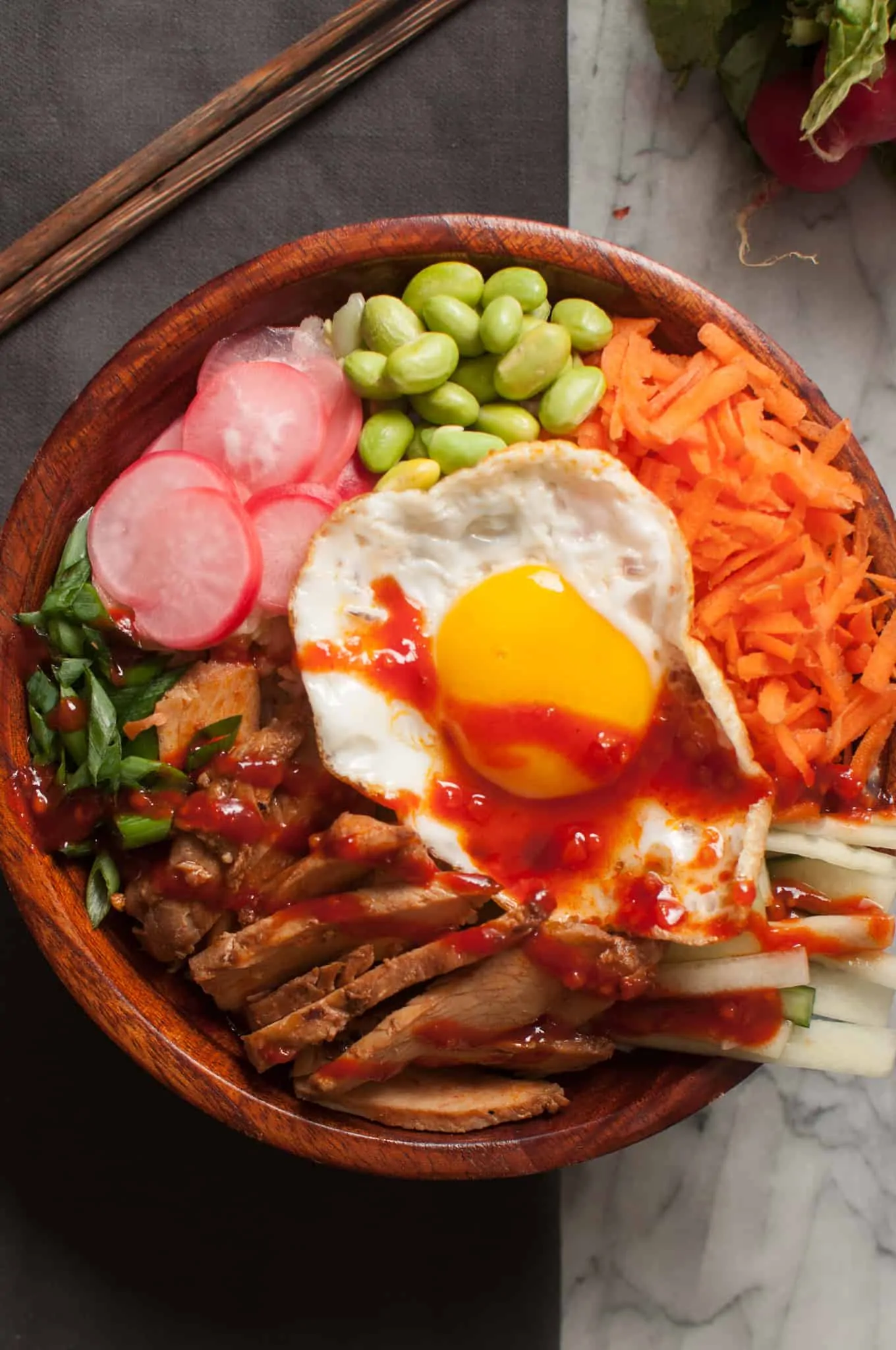
Rice bowl with five toppings arranged in wedges, gochujang sauce, sesame oil, and a runny yolk. Cook each topping separately (spinach with sesame; bean sprouts with garlic; carrots with soy; shiitake with soy-sugar; beef with soy-sugar) then arrange over rice. The dolsot (stone-bowl) crispy-rice version is the platonic ideal; a cast-iron skillet (cookware) approximates it for a weeknight.
14. Vegetarian Kimchi Fried Rice with Soft-Cooked Eggs ⚡
Day-old rice is required. Fresh rice makes gummy kimchi fried rice; chilled-overnight rice makes it perfect. Sauté chopped kimchi and its juice in sesame oil until the color deepens, add rice, break up with a wooden spoon, splash gochujang and soy, top with a runny-yolk egg. Nine minutes; feeds two for the price of a bag of rice.
Vietnamese — herb, brine, broth (2)
15. Vietnamese Pho-Inspired Chicken Soup with Star Anise and Ginger ●
The 45-minute weeknight pho. Traditional pho is a 6-hour bone-broth project; this version cheats with rotisserie chicken, low-sodium broth, and toasted spices (star anise, cinnamon, clove, cardamom) that give you 80% of the depth in a fraction of the time. Serve with rice noodles, thai basil, cilantro, lime wedges, and jalapeño slices.
16. Pan-Fried Banh Mi Sandwich with Pickled Vegetables and Cilantro ⚡
The Vietnamese sandwich that beats every American deli. Pickle carrots and daikon in rice vinegar and sugar for at least an hour; toast a baguette; smear one side with pâté (or garlicky mayo); layer sliced grilled pork, pickled vegetables, cucumber batons, cilantro, and jalapeño. Fifteen minutes if the pickles are already made.
Two more that don't fit a country box (2)
17. Hand-Rolled Pork and Vegetable Gyoza with Soy Dipping Sauce ●
Japanese-style pan-fried dumplings. A make-ahead project — fold 30 gyoza on Sunday, freeze on a sheet pan, bag; cook 6 minutes any weeknight. The steam-fry technique matters: hot oil first for the crispy bottom, splash of water and a lid for the steam finish, off with the lid to re-crisp. Skip the wrapper-making and buy dumpling skins from the freezer aisle — nobody will know.
18. Spicy Mango Tuna Poke Bowls ⚡
The lightest, fastest bowl on the list — no cooking beyond the rice. Cube sushi-grade ahi tuna, toss with soy, sesame oil, sriracha, and lime; layer over warm rice with diced mango, avocado, cucumber, and toasted sesame seeds. Twelve minutes from prep to bowl; feels like a $22 restaurant order for $9 at home.
Stir-fry 101: high heat, prep first, and the sauce-to-noodle-to-veg ratio
Stir-frying at home is not the same as stir-frying at a restaurant. The domestic-burner cap of roughly 12,000 BTU can't get a carbon-steel wok to true wok hei temperature — the temperature at which the oil actually smokes on the wok, not just above the food. That's fine. Nine of the eighteen recipes above are stir-fries, and every one of them can be cooked in a 12-inch cast-iron or stainless skillet at maximum heat. Wok hei is real; wok superiority at home is a myth.
Five rules that matter more than the pan:
1. Prep everything before you turn the burner on. No exceptions. The whole cook is 4–6 minutes; you cannot chop garlic while shrimp overcook. Every ingredient, every sauce component, every plate goes on the counter first.
2. Dry, dry, dry. Water hitting hot oil is what makes home stir-fries greasy and steamed instead of seared. Paper-towel-dry your protein twice; if you're using pre-marinated meat, drain the marinade thoroughly. Veg that's just been washed goes in a salad spinner.
3. Cook in small batches. Overcrowded pans steam. If a recipe calls for 1 lb of beef, sear it in two 8-oz batches, remove to a plate, and combine at the end.
4. Sauce goes in last. Add sauce to a pan of protein-plus-veg for 20–30 seconds only; more than that and it caramelizes to a black glaze on the bottom. Cornstarch in the sauce will thicken instantly on the hot pan surface.
5. Rice or noodles finish before the pan cooks. A rice cooker running from the moment you start prep will hit "warm" exactly when you plate. Rice noodles soak in hot tap water for the 15 minutes you spend prepping veg.
The sauce ratio that carries every generic stir-fry when the recipe doesn't spell one out: 3 tablespoons soy sauce + 1 tablespoon oyster sauce + 1 teaspoon sugar + 2 teaspoons cornstarch + ⅓ cup water or stock. Whisk in a small bowl before you turn on the stove; toss with the finished stir-fry for 30 seconds. That's the base — swap in fish sauce for a Thai lean, gochujang for a Korean lean, black vinegar for a Sichuan lean.
Weeknight Asian in under 25 minutes
Ten of the eighteen recipes above hit the table in 25 minutes or less. Here's the shortlist we cook Monday through Thursday:
| Recipe | Active cook | Total time | Grocery cost (family of 4) |
|---|---|---|---|
| Beef and broccoli | 8 min | 25 min | ~$16 |
| Garlic shrimp stir-fry | 6 min | 15 min | ~$18 |
| Kung pao chicken | 10 min | 20 min | ~$12 |
| Chicken teriyaki + rice | 15 min | 25 min | ~$14 |
| Pad thai | 12 min | 22 min | ~$12 |
| Thai green curry | 12 min | 22 min | ~$14 |
| Panang curry | 10 min | 25 min | ~$10 |
| Bulgogi + rice | 8 min | 22 min | ~$18 |
| Kimchi fried rice | 8 min | 12 min | ~$8 |
| Poke bowls | 5 min | 12 min | ~$22 |
The trick to sub-25-minute weeknights is not speed — it's parallelism. Rice cooker on before you take off your coat. Sauce whisked while the pan preheats. Protein cut and dried while onion cooks. Do all three at once and you'll wonder why anyone ever calls Asian cooking "involved."
Rice and noodle basics that make everything else easier
Rice and noodles are 60% of every Asian dinner. Get these two right and every other recipe on this list gets easier.
Jasmine rice — the daily driver. Rinse 1 cup rice under cold water until it runs clear (30 seconds of swishing in a bowl). Drain, add to a rice cooker with 1¼ cups water, hit start. That's it. If you don't own a rice cooker, use a heavy-bottomed saucepan with a tight lid: same ratio, bring to a boil, reduce to lowest possible flame, cover, cook 18 minutes, off heat 10 minutes, fluff. A basic rice cooker is $25 and pays for itself in month one — it's the single kitchen tool that turns weeknight Asian from a project into a Tuesday habit.
Short-grain rice for sushi, poke, and bibimbap. Same rinse routine, but soak for 30 minutes before cooking and use a slightly higher water ratio (1 cup rice to 1⅓ cups water). Short-grain is stickier and works for handling with chopsticks; long-grain jasmine is fluffier and better for scooping into a spoon.
Rice noodles — soak, don't boil. Wide, thin, and rice vermicelli all get soaked in hot tap water for 15 minutes, then drained and finished in the pan or bowl. Boiling to done makes them mushy; soaking to pliable-but-firm lets them finish in whatever heat comes next (stir-fry pan, hot broth, cold poke bowl). A minute in the pan with sauce and they're done.
Fresh (refrigerated) egg noodles for lo mein and pan-fried noodles from the refrigerated aisle at the Asian grocery. If you can't find them, dried Hong Kong-style egg noodles work — boil 3 minutes, drain, shock with cold water, finish in the pan. See the technique in Quick Garlic and Soy Stir-Fried Udon Noodles.
Dried udon is 10 minutes to cook and better than fresh in most weeknight applications — it holds sauce and doesn't get gummy. Salt the boiling water like pasta, cook to al dente, drain.
What you'll need: wok or large skillet, rice cooker, box grater
You don't need much, but the pieces that matter really matter.
Non-negotiable:
- A 12-inch heavy skillet or wok (cookware). Cast iron for stir-fries and karaage; stainless for teriyaki and pan-fried gyoza; carbon-steel wok only if you cook Asian food more than 3× a week and want the tossing shape. All three cover every recipe on this list. Do not buy nonstick — the maximum heat you can safely put on a nonstick skillet (about 500°F) is below the temperature a good stir-fry needs.
- A rice cooker (gadgets). A $25 basic Aroma cooker or a $150 Zojirushi both make better rice than most home cooks make in a pot. The gadget that most changes Asian weeknight cooking from a project to a habit.
- A sharp 8-inch chef's knife (knives). Julienne carrots, mince garlic, slice ginger paper-thin, cut beef against the grain. A dull knife against a sticky ginger root is a rite-of-passage kitchen accident.
- A box grater or Microplane (utensils). For fresh ginger and garlic, both of which get grated into every marinade and sauce. Do not use dried garlic powder in these recipes — the aromatics are the point. Grate ginger straight from frozen: it rasps easier than fresh, keeps six months, and goes into a hot pan without thawing. Our fresh ginger recipe guide has the full storage table and 20 dinners built on a single knob.
Nice to have:
- A carbon-steel wok (cookware) if you cook Asian 3+ times a week and want the tossing shape. $40 gets you a Made-in-China restaurant wok; season it once and it lasts decades.
- A steamer basket (utensils) for gyoza, dumplings, and steamed fish. A stainless collapsible one is $10 and fits any pot.
- A citrus juicer (utensils) — you'll go through a lot of limes.
Do NOT bother:
- A dedicated tempura pot. A regular Dutch oven with a thermometer works better and holds more oil.
- A "wok ring" for a gas stove. It usually blocks air from the burner and drops your heat. Set the wok directly on the grate.
- "Chinese five-spice powder" as a shortcut for real spices — buy the whole spices (star anise, cinnamon, clove, Sichuan peppercorn, fennel) and toast them fresh for pho and braises; the pre-ground stuff loses its top notes in a month.
Common pitfalls and how to fix them
Every reader who tries these recipes hits one of these five failure modes in their first month. Here's the fix for each.
Pitfall 1 — "My stir-fry came out watery and steamed." You added ingredients to a not-hot-enough pan or you crowded the pan. Pre-heat cast iron 4 minutes on high; the pan is ready when a droplet of water evaporates in under a second. Cook proteins and hard veg in batches of 8 oz max.
Pitfall 2 — "My teriyaki chicken burned before it cooked through." You had the heat too high with the glaze on. Sear the chicken plain on medium-high, remove from the pan, deglaze with the mirin-soy-sugar reduction, then return the chicken to glaze for the final 60 seconds. Sugar in the glaze scorches at high heat.
Pitfall 3 — "My rice noodles turned to mush." You boiled them to done. Rice noodles are soaked in hot tap water for 15 minutes (or until pliable but al dente), then finished in the pan or bowl. If they feel firm out of the soak, that's correct — heat from the pan finishes them.
Pitfall 4 — "My curry paste split into oil-swimming curdle." You added coconut milk that was too cold or you didn't bloom the paste long enough. Melt curry paste into the thick coconut cream (the solid layer at the top of a can) over medium heat for 2–3 minutes until it turns dark and glossy; then whisk in the thinner coconut milk gradually. Never boil a coconut-milk curry hard.
Pitfall 5 — "My kimchi fried rice is gummy." You used fresh rice. Fresh rice is too moist; the starch hasn't retrograded, and the grains stick to each other in the pan. Cook rice a day ahead, chill uncovered in the fridge, and break it up with your hands before it hits the pan.
When NOT to cook Asian at home
Two cases where the takeout order is objectively better:
- Ramen with pork bone broth. Real tonkotsu is a 6- to 12-hour simmer of pork bones — worth doing once as a project, not worth doing on a Tuesday. See Hokkaido-Style Tonkotsu Ramen with Char Siu for the weekend version; on a weeknight, order from the shop.
- Dim sum for a table of 6+. The economics don't work: you'll spend $60 on wrappers and shrimp and 4 hours folding to serve 12 dumplings. Go to the restaurant, order twenty items on the cart, and pay $18/head. Save the pan-fried gyoza recipe for weeknights when you want dumplings for two.
Both cases also fail the "24-hour weeknight" test the rest of this list passes. Every other recipe here holds well as leftovers or scales up cleanly.
Related guides
- Complete Mediterranean Meal Plan for Beginners — pantry-first, plant-forward companion guide.
- 25 Best Italian Recipes for Any Weeknight (2026) — same "cook-once, eat-five-times" mindset applied to Italian.
- 20 Best Mexican Recipes for Weeknights, Taco Tuesdays, and Fiestas — the sister guide for the other high-volume weeknight cuisine.
- Best 30-Minute Weeknight Dinners — the broader speed-first index.
- 22 Asian Fusion Recipes: Korean Tacos, Ramen Burgers & Modern Mash-Up Dinners — the cross-cultural spin-off: Korean tacos, ramen burgers and sushi burritos built from this same pantry.
- Meal Plan Generator — build a personalized Asian-anchored week using the AislePrompt planner.
Frequently asked questions
What Asian pantry staples do I need to cook most of these recipes?
Do I need a wok, or will a regular skillet work?
Which of these Asian recipes are gluten-free?
How do I make stir-fries less oily and greasy?
Can I meal-prep Asian food for the week?
Sources
Recipes to start your week with
Save any of these to My Recipes — no account needed — and send the ingredients to Instacart in one tap.