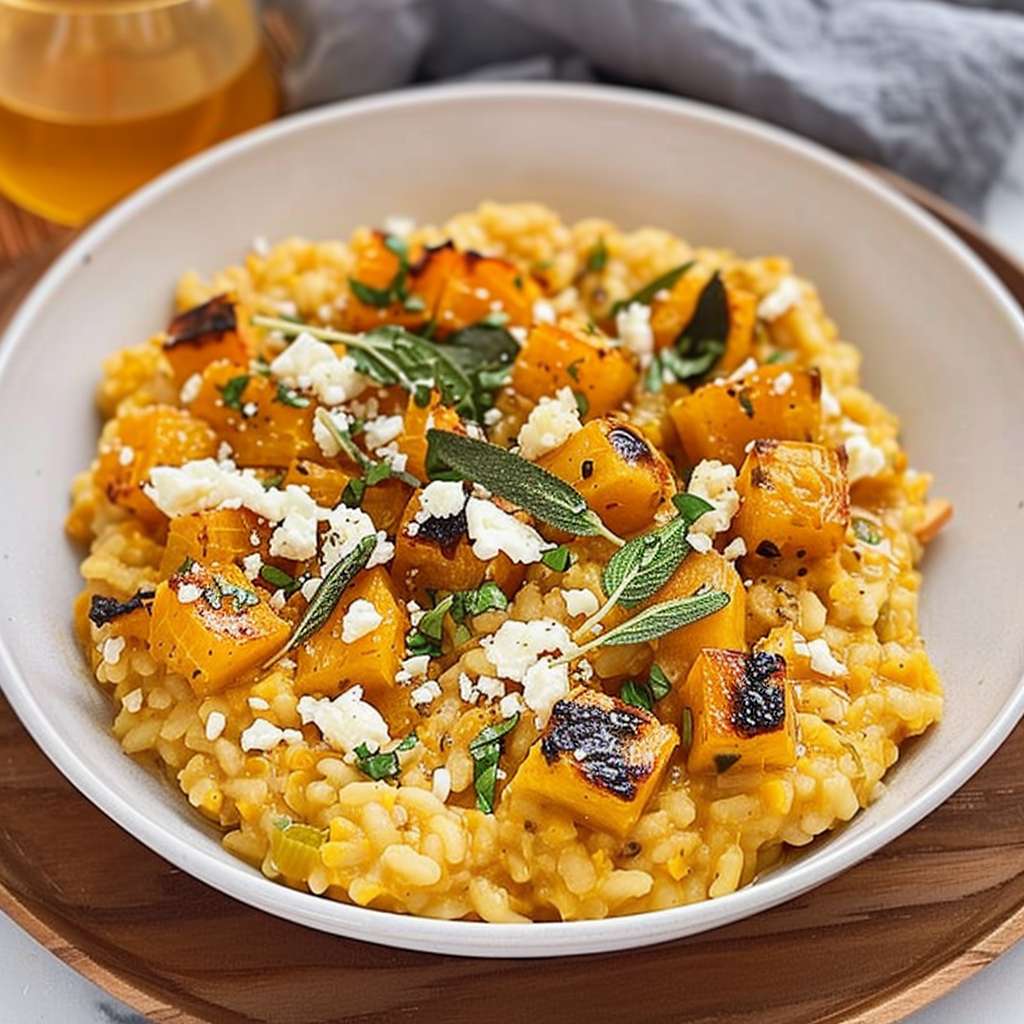
20 Pumpkin & Butternut Squash Dinners: Fall Comfort Recipes for September Weeknights
September squash is sweeter and cheaper than October squash. Here is what to buy, how to break it down safely, and thirty dinners to cook with it.
Savory squash dinners work because winter squash is starchy and sweet enough to carry a whole meal — roast it at 425°F for caramelization, puree it into pasta sauce or soup, or simmer it into curry. The twenty-plus recipes below cover pasta, risotto, soup, curry, sheet-pan chicken and tacos, most in 45 minutes or less on a weeknight.
Get a free week of easy dinners
Seven weeknight dinners with the shopping list already totalled, sent Sunday. No account needed, unsubscribe in one click.
No spam, unsubscribe in one click. Recipes, shopping lists and Instacart carts all work without an account either way.
Here is the part most home cooks get backwards: September, not October, is when winter squash is actually at its best. Butternut, kabocha and pie pumpkins are harvested from late August through October, and the ones on the shelf in early fall have been cured for one to two weeks — long enough to convert starch to sugar, recent enough that they have not spent two months in a warehouse losing moisture. By the time the pumpkin-spice marketing cycle peaks in mid-October, you are often buying squash that was picked in September anyway.
This guide is organized the way you actually cook: pick a technique, pick a protein, pick a recipe. Every recipe linked below is on AislePrompt with a full ingredient list you can push straight to a shopping list.
Why September Is Peak Squash Season (Not October)
Winter squash is a misnomer — it is a summer-grown crop harvested in fall and stored through winter. The Old Farmer's Almanac puts the typical harvest window at 80 to 120 days after planting, which for most of the US lands squarely in September. What separates a good squash from a watery one is curing: 10 to 14 days at around 80°F, which hardens the skin and concentrates sugars.
Two practical consequences:
1. Early-season squash is sweeter and denser. A September butternut roasts to a genuinely caramelized edge. A February one, after four months of storage, tends to go soft without browning.
2. Price bottoms out in September and October. Whole butternut runs roughly $0.99–$1.49/lb at peak versus $1.99+/lb out of season, and a 3-pound squash yields about 2.5 pounds of usable flesh — enough for four dinner portions.
If you buy one squash this month, make it a butternut. If you buy two, make the second a kabocha.
Pumpkin vs Butternut vs Kabocha: Which to Use for What
These three are not interchangeable in every dish. Butternut and most pie pumpkins are both Cucurbita moschata, which is why they swap cleanly in purees; kabocha is C. maxima and behaves differently — drier, denser, more chestnut than melon.
| Squash | Texture when roasted | Sweetness | Best for | Worst for |
|---|---|---|---|---|
| Butternut | Creamy, holds cube shape | Medium-high | Cubes, soup, pasta, risotto | Nothing — it's the default |
| Pie pumpkin | Softer, more watery | Medium | Purees, soups, stews | Roasted cubes (goes mushy) |
| Kabocha | Dry, fluffy, chestnut-like | High | Roasting in wedges, miso glaze, tempura | Silky pureed soup (too dry) |
| Acorn | Fibrous, stringy near skin | Low-medium | Stuffing and serving in the shell | Purees |
| Spaghetti | Separates into strands | Low | Noodle substitutes, carbonara | Anything needing creaminess |
A note on canned: canned "pumpkin" in the US is usually a moschata variety close to butternut, and it is genuinely useful for soups and pasta sauces. What you must not grab is canned pumpkin pie filling, which is pre-sweetened and spiced with cinnamon and clove. It will ruin a curry.
Carving pumpkins are a different plant problem entirely — bred for size and wall thickness, not flavor. Butternut squash exists precisely because breeders wanted moschata sweetness in a shape you can peel.
How to Buy, Store & Break Down a Whole Squash Without Losing a Finger
Buying. Pick it up. A good butternut feels heavy for its size, has a matte (not glossy) tan skin, and still has an inch or two of dry stem attached. Glossy skin means it was picked early and never cured. A missing stem is an open door for rot. Skip any squash with soft spots, cuts, or mold at the stem scar.
Storing. Whole winter squash keeps 2–3 months at 50–60°F in a dark, dry spot — a basement stair, a garage shelf, the back of a pantry. Do not refrigerate whole squash; cold turns the flesh grainy. Once cut, wrap in plastic and refrigerate for up to 5 days, or cube and freeze for 3 months.
Breaking it down safely. This is where people get hurt. The sequence that works:
1. Microwave the whole squash for 2–3 minutes. This softens the skin just enough to change the peeler from a fight into a chore.
2. Slice off the top and the bottom so you have two flat, stable faces.
3. Stand it on the wider flat end and shave the skin downward with a Y-peeler — a swivel peeler takes off the pale-green layer under the tan skin in two passes.
4. Separate the neck (solid) from the bulb (seeded). Cube the neck. Halve the bulb, scoop the seeds with an ice cream scoop, then cube.
5. Work on a board that will not slide. A heavy end-grain cutting board matters more here than on almost any other prep job, because squash rolls.
The knife matters too. A dull blade is what turns squash prep into an ER visit — it skates instead of biting. An 8-inch chef's knife with a full-height blade gives you the knuckle clearance to rock through a 3-inch-thick neck. If you would rather skip all of it, pre-cubed butternut costs roughly twice as much per pound and is a completely reasonable trade on a Tuesday.
The 5 Foundational Techniques
Everything below is a variation on five moves.
1. Roasted cubes (425°F, 25–30 min). The workhorse. One-inch cubes, patted dry, tossed with 1–2 tablespoons oil per pound, spread in a single layer on a rimmed sheet pan. Do not stir for the first 20 minutes — Maillard browning needs sustained contact with hot metal. Crowding the pan steams the squash instead, which is the single most common failure. Use a half sheet pan per pound and a second pan rather than piling one high. Best-Served-Now Roasted Butternut Squash is the plain version to learn on; Miso-Roasted Butternut Squash with Maple and Thyme is what to do once you have it down.
2. Roasted halves, then scooped (400°F, 40–50 min). No peeling at all. Halve lengthwise, scoop seeds, oil the cut faces, roast cut-side down. The flesh steams in its own skin and scoops out with a spoon. This is the correct route for any soup or puree.
3. Puree. Roasted flesh plus stock, blended. It becomes soup, pasta sauce, or the base of a mac and cheese. Butternut Squash Tomato Sauce for Pasta shows the sauce direction; Pasta with Blended Butternut Squash and Fresh Basil shows the silkier one.
4. Simmered cubes. Curries and stews. Squash goes in during the last 20–25 minutes; any earlier and it dissolves. Cumin-Spiced Butternut Squash Curry is the template.
5. Shredded/stranded. Spaghetti squash only. Halve, roast at 400°F for 40 minutes, then rake with a fork. Spaghetti Squash Carbonara with Parmesan and Bacon is the one that converts skeptics, because the egg-and-cheese emulsion coats strands the way it coats pasta.
20 Savory Squash Dinners
Pasta & Noodles
1. Maple-Glazed Butternut Squash Penne — 15 min prep, 35 min cook, ~550 cal/serving. The maple amplifies what roasting already started.
2. Butternut Squash and Ricotta Lasagna with Spinach — 25 min prep, 40 min cook, 311 cal. A weekend build that reheats all week.
3. Butternut Squash Macaroni and Cheese — 15 min prep, 25 min cook, 400 cal, 15g protein. Puree replaces a third of the cheese sauce.
4. Pasta with Blended Butternut Squash and Fresh Basil — 20/35 min, 550 cal, 22g protein.
5. Spaghetti Squash Carbonara with Parmesan and Bacon — 15/45 min, 320 cal, 18g protein.
6. Roasted Garlic and Pumpkin Seed Pesto Pasta — pepitas instead of pine nuts, at a third of the price.
Risotto & Grains
7. Maple-Glazed Butternut Squash & Sage Risotto — 20/35 min, 520 cal, 14g protein.
8. Sage-Infused Butternut Squash Risotto — 25/35 min, 400 cal. Fried sage leaves on top are non-negotiable.
9. Miso-Roasted Butternut Squash and Farro Salad — 15/25 min, 410 cal, 12g protein. Best cold the next day.
10. Pumpkin Seed and Sage Risotto — 15/25 min, 390 cal, 12g protein.
Soups That Are Actually Dinner
11. The Best One-Pot Butternut Squash Soup — 15/35 min, 220 cal. One pot, no blender transfer if you own an immersion blender.
12. Quick Butternut Squash Soup with Coconut Milk — 10/30 min, 280 cal. Fastest on this list.
13. Oaxacan Pumpkin Soup with Toasted Pepitas — 20/30 min, 180 cal. Chile and lime instead of cinnamon.
14. American Butternut Squash and Apple Soup with Cinnamon — 30/50 min, 220 cal.
Curry & Stew
15. One-Pot Chicken and Butternut Squash Curry — 15/40 min, 420 cal, 38g protein. The highest-protein squash dinner in the catalog.
16. Cumin-Spiced Butternut Squash Curry — 20/40 min, 300 cal.
17. Coconut-Curry Butternut Squash & Kale Stew — a slow simmer; start it before you leave.
18. One-Pot Butternut Squash and White Bean Stew — 15/25 min, 320 cal, 14g protein.
19. Squash and Chickpea Stew with Lemon — 20/30 min, 220 cal, 8g protein. Ethiopian-leaning spice.
20. Smoked Sausage and Butternut Squash Stew — 20/35 min, 350 cal, 18g protein.
Sheet-Pan, Skillet & Stuffed
21. Pan-Seared Chicken with Roasted Garlic and Butternut Squash — 10/30 min, 370 cal, 42g protein, serves 2.
22. Pan-Seared Chicken Thighs with Roasted Butternut Squash and Garlic Spinach — 15/35 min, 420 cal, 35g protein.
23. Sautéed Butternut Squash and Kale with Spicy Sausage — 15/25 min, 350 cal, 22g protein.
24. Cumin-Roasted Butternut Squash with Black Beans and Corn — 20/30 min, 385 cal, 12g protein. Also the best taco filling here.
25. Stuffed Pumpkin with Black Beans and Fresh Cilantro — 20/30 min, 118 cal.
26. Vegan Stuffed Butternut Squash with Quinoa and Mushrooms — 30/50 min, 470 cal, 12g protein.
27. Cinnamon-Spiced Acorn Squash Stuffed with Chickpeas and Chimichurri — 20/40 min, 385 cal, 14g protein.
28. Miso-Glazed Kabocha Squash with Toasted Sesame — 10/35 min, 180 cal. Skin-on; kabocha skin is edible and good.
29. Maple-Roasted Butternut Squash and Kale Salad with Pecans — 15/30 min, 315 cal, 8g protein.
30. Best-Served-Now Roasted Butternut Squash — 15/30 min, 180 cal. The side that becomes tomorrow's bowl.
10 Sauces & Toppings That Elevate Roasted Squash
Roasted squash is sweet and soft. Almost every topping worth adding supplies the opposite: acid, salt, heat, or crunch.
1. Brown butter + fried sage — the classic. Nutty fat against sweet flesh.
2. Miso-maple glaze — 1 tbsp white miso, 1 tbsp maple, 1 tsp rice vinegar. Brush on in the last 10 minutes so it does not scorch.
3. Tahini-lemon drizzle — 3 tbsp tahini, juice of a lemon, water to thin.
4. Chili crisp — heat and crunch in one spoon.
5. Toasted pepitas — roast the seeds you scooped out.
6. Pomegranate molasses — sharp, sour, one teaspoon goes far.
7. Feta or goat cheese — salt and tang.
8. Za'atar + olive oil — herbal, sesame-forward.
9. Sherry vinegar — a splash off the hot pan wakes up an entire tray.
10. Crispy shallots — texture that survives contact with a puree.
Squash + Protein Pairings That Work
| Protein | Best squash form | Why it works | Typical total protein |
|---|---|---|---|
| Chicken thighs | Roasted cubes on the same pan | Thigh fat renders into the squash | 35–42g |
| Italian sausage | Sautéed cubes with greens | Fennel and chili cut the sweetness | 18–22g |
| White beans / chickpeas | Simmered in stew | Starch-on-starch needs acid; add lemon | 8–14g |
| Bacon or pancetta | Spaghetti squash strands | Salt and smoke against a bland strand | 18g |
| Ground pork | Stir-fried strands | Ginger and soy reset the flavor direction | 30g |
| Ricotta | Layered in lasagna | Milky and mild lets squash lead | 12–15g |
The pattern: squash brings sweetness and body but almost no protein — a cup of cooked butternut runs about 82 calories and 1.8g protein, per USDA FoodData Central. Anything you want to call dinner needs 20g+ of protein added on top. That is why the chicken and sausage entries above are the ones to reach for on a weeknight, and why the vegetarian versions lean on beans, chickpeas, or quinoa rather than squash alone.
Weeknight vs Weekend: Prep Times at a Glance
| Recipe | Prep | Cook | Total | Fits a weeknight? |
|---|---|---|---|---|
| Quick Butternut Squash Soup with Coconut Milk | 10 min | 30 min | 40 min | Yes |
| Pan-Seared Chicken with Roasted Garlic and Butternut Squash | 10 min | 30 min | 40 min | Yes |
| Miso-Glazed Kabocha Squash | 10 min | 35 min | 45 min | Yes |
| Sautéed Butternut Squash and Kale with Spicy Sausage | 15 min | 25 min | 40 min | Yes |
| One-Pot Butternut Squash and White Bean Stew | 15 min | 25 min | 40 min | Yes |
| Maple-Glazed Butternut Squash & Sage Risotto | 20 min | 35 min | 55 min | Borderline — needs stirring |
| One-Pot Chicken and Butternut Squash Curry | 15 min | 40 min | 55 min | Borderline |
| Butternut Squash and Ricotta Lasagna with Spinach | 25 min | 40 min | 65 min | Weekend |
| Vegan Stuffed Butternut Squash with Quinoa and Mushrooms | 30 min | 50 min | 80 min | Weekend |
| American Butternut Squash and Apple Soup with Cinnamon | 30 min | 50 min | 80 min | Weekend |
The honest cutoff for a Tuesday is about 45 minutes total, and roughly half these recipes clear it. The trick that moves the rest into range: roast a full sheet pan of cubes on Sunday. Cubed roasted squash keeps 5 days refrigerated and turns the risotto, the farro salad, the tacos, and two of the soups into 15-minute assembly jobs.
Common Pitfalls
Crowding the sheet pan. The most frequent failure by a wide margin. Two pans, single layers, no exceptions — otherwise you get pale steamed cubes.
Adding squash to a stew too early. Twenty to twenty-five minutes before the end. Add it with the onions and you get orange mush.
Using carving pumpkin. Stringy, watery, bland. Buy a pie pumpkin (usually labeled "sugar pumpkin") or just use butternut.
Under-salting. Squash is sweet and needs more salt than you think — about 1 teaspoon of kosher salt per pound of cubes, plus a finishing pinch.
Refrigerating whole squash. Cold storage below about 50°F breaks down the flesh and makes it grainy. Counter or basement, not the crisper drawer.
Skipping acid. A roasted-squash dish with no lemon, vinegar, or pomegranate reads as flat and cloying by the third bite. This is the difference between a squash dish people finish and one they push around.
When to Skip Squash Entirely
If you need dinner in under 20 minutes, this is the wrong vegetable — even the fastest recipe here needs 40 minutes, and most of that is oven time you cannot compress. If you are cooking for someone who dislikes sweet vegetables, squash rarely converts them; the sweetness is structural, not a seasoning choice. And in a strict low-carb week, a cup of butternut carries about 16g of carbohydrate, which puts it closer to a starch than to a green vegetable.
Related Reading
- Early Fall Soup Season: 22 Comforting Soups & Stews
- Apple Season Recipes: 22 Sweet & Savory Fall Apple Recipes
- 20 Cozy Slow Cooker Fall Recipes
- Best Chef's Knives 2026 — for the squash-breakdown problem
- Best Cutting Boards 2026
Cooking soup this month? A 7-quart enameled Dutch oven handles a whole squash's worth of soup in one pot and goes oven-to-table.
Sources
- The Old Farmer's Almanac — Winter Squash — harvest windows, curing, storage temperatures
- USDA FoodData Central — calorie, carbohydrate and protein values for cooked winter squash
- Butternut squash — cultivar background
- Cucurbita moschata — the species shared by butternut and most pie pumpkins
- Kabocha — C. maxima characteristics
- Maillard reaction — why single-layer roasting browns and crowded pans steam
Frequently asked questions
Can I substitute pumpkin for butternut squash (or vice versa) in these recipes?
What's the easiest way to peel and cube a butternut squash?
Are the seeds worth roasting, or should I toss them?
How do I make roasted squash caramelize instead of getting soggy?
Can I roast a whole squash without peeling it first?
Sources
Plan a week of meals in two minutes.
Tell our AI what you have and what you like — it builds your plan, shopping list, and Instacart cart. No account needed.
Try free →