22 Middle Eastern Dinners: Shawarma, Kebabs & Hummus Bowls
Shawarma, kebabs, mezze bowls, one-pot stews, and a 5-day meal plan built from a single Levantine pantry
The 22 easiest Middle Eastern dinners are grilled or sheet‑pan shawarma (chicken, beef, lamb), skewered kebabs and kofta with yogurt sauces, plated mezze bowls built around hummus and tabbouleh, and one‑pot lentil‑rice stews like mujadara and shakshuka. Every one of them fits inside a 30–45 minute weeknight window, leans on the same eight‑jar Levantine pantry (tahini, sumac, za'atar, pomegranate molasses, cumin, coriander, olive oil, chickpeas), and doubles as a Mediterranean‑diet meal without changing a single ingredient.
Get a free week of easy dinners
Seven weeknight dinners with the shopping list already totalled, sent Sunday. No account needed, unsubscribe in one click.
No spam, unsubscribe in one click. Recipes, shopping lists and Instacart carts all work without an account either way.
This guide is built for cooks who want Middle Eastern food on the table Tuesday night — not a scholarly deep‑dive into regional distinctions between Lebanese, Syrian, Turkish, and Persian cooking. We'll cover shawarma, kebabs and kofta, mezze bowls, one‑pot stews and stuffed vegetables, breads and sides, a 5‑day meal plan with a single unified shopping list, and the three kitchen tools that make all 22 recipes measurably easier.
The Middle Eastern pantry — eight jars that unlock 22 recipes
Every recipe in this guide draws from the same short pantry list. Buy these once and you can cook Middle Eastern food for two months without another specialty‑store run.
| Ingredient | What it does | Roughly how long it lasts |
|---|---|---|
| Tahini (sesame paste) | Backbone of hummus, baba ganoush, tahini‑lemon sauces | 6 months opened, refrigerated |
| Sumac | Bright, lemony rub for kebabs, salads, and yogurt dips | 12 months in a dark cabinet |
| Za'atar (thyme + sesame + sumac blend) | Sprinkled on flatbread, roasted vegetables, labneh | 6 months, refrigerated for max aroma |
| Pomegranate molasses | Sour‑sweet glaze for shawarma, dressings, muhammara | 12 months, refrigerated |
| Extra‑virgin olive oil | Every finishing drizzle; frying medium for falafel | 6–9 months in a dark bottle |
| Ground cumin + coriander | 60% of every spice blend in the guide | 12 months (whole, ground fresher) |
| Canned chickpeas | Hummus, falafel batter, salad crunch | Pantry stable indefinitely |
| Plain full‑fat yogurt | Marinades, dipping sauces, labneh | 3 weeks refrigerated |
One shortcut most home cooks miss: peel your canned chickpeas before making hummus. Simmer them 10 minutes with a teaspoon of baking soda, drain, then rub between two clean dish towels — the skins slip off in seconds and the finished purée goes from grainy to cloud‑like. Serious Eats' Middle Eastern recipes archive has the definitive write‑up on the technique if you want the food‑science context.
Grilled & Sheet‑Pan Shawarma — 5 versions in 30 minutes
Shawarma at home is not the vertical rotisserie stack you see at a Beirut sidewalk stand. It's a spiced marinade applied to thin‑sliced meat, roasted hot on a sheet pan or seared in a cast‑iron skillet, and finished under the broiler for 3 minutes to mimic that char. Every version below shares the same core marinade: yogurt, olive oil, cumin, coriander, paprika, turmeric, cinnamon, cardamom, garlic, lemon.
The five to rotate through your week:
1. Lebanese‑Inspired Chicken Shawarma Bowl with Garlic Sauce — sheet‑pan chicken thighs over rice, garlic toum, pickled onions. The workhorse; make it once a week.
2. Slow‑Cooked Beef Shawarma with Garlic Toum Sauce — braise‑then‑broil beef chuck, stack on laffa, finish with toum. Best Sunday‑cook‑once meal in the guide.
3. Grilled Lemon‑Oregano Chicken with Garlic Toum Sauce — lighter marinade, weeknight‑friendly, doubles as pita filling or salad topper.
4. Sheet‑pan turkey shawarma — the leaner swap for family dinners; use skinless thighs, same marinade, 25 minutes at 425°F.
5. Lamb shoulder shawarma wraps — Sunday project, feeds six from one 3‑lb boneless shoulder. Marinate overnight, roast at 300°F for 3 hours covered, then crank to 475°F for 15 minutes uncovered to crisp the edges.
Sheet‑pan technique that saves the recipe: slice your protein no thicker than a US quarter (~1/16"). Thick shawarma steams in its own juice, refuses to crisp, and delivers the pale, floppy result most home versions suffer. Cold meat slices thinner — put your chicken thighs or beef in the freezer for 20 minutes before you knife them. A sharp 8‑inch chef's knife from our knives collection is the difference between 3 minutes of prep and 15 minutes of sawing.
Kebabs & Kofta — 5 skewered dinners with yogurt sauces
Kebabs are technically simpler than shawarma: no long marinade, no long roast. Ground‑meat kofta gets shaped around a skewer; whole‑meat kebabs get cubed, threaded, and grilled hard and fast over high heat. The five to rotate:
1. Authentic Lebanese Chicken Kebabs with Sumac Yogurt Sauce — the reference chicken skewer; yogurt marinade tenderizes even breast meat.
2. Lebanese‑Inspired Lamb Kofta Meatballs with Tzatziki Dip — ground lamb, parsley, onion, cumin; skewer optional. Freezes raw for 60 days.
3. Harissa‑Spiced Lamb Kebabs with Couscous Salad — the North‑African crossover pick; harissa brings the heat that pure Levantine cooking usually skips. This is our highest‑rated Middle Eastern kebab recipe (4.2 stars, 85 reviews as of July 2026).
4. Beef shish kebab with sumac onions — cubed sirloin, olive oil, garlic, sumac. 8 minutes over live fire, done.
5. Chicken shish taouk — the Levantine cousin of shawarma; small dice, garlic‑lemon marinade, blistered on a hot grill.
The yogurt‑sauce trick: for every skewered dinner, whisk 1 cup full‑fat plain yogurt with 2 grated garlic cloves, 1 tablespoon lemon juice, 1 teaspoon sumac, and salt. That's the base. Add chopped mint for a tzatziki lean, tahini for shawarma‑style, or a spoonful of harissa for heat. One base sauce, three finished condiments.
Cast iron beats a grill pan for skewered lamb and beef when you're cooking indoors — you get proper Maillard char without burning the fat. See our cookware guide for the pans that hold enough heat to sear through the moisture ground meat releases.
Bowls & Mezze Dinners — 5 no‑cook and low‑cook plates
Mezze bowls are the Middle Eastern equivalent of a grain bowl: a base of hummus or grains, a stack of chopped salads and pickled vegetables, one warm component. Total active time is often under 15 minutes when the base is already made.
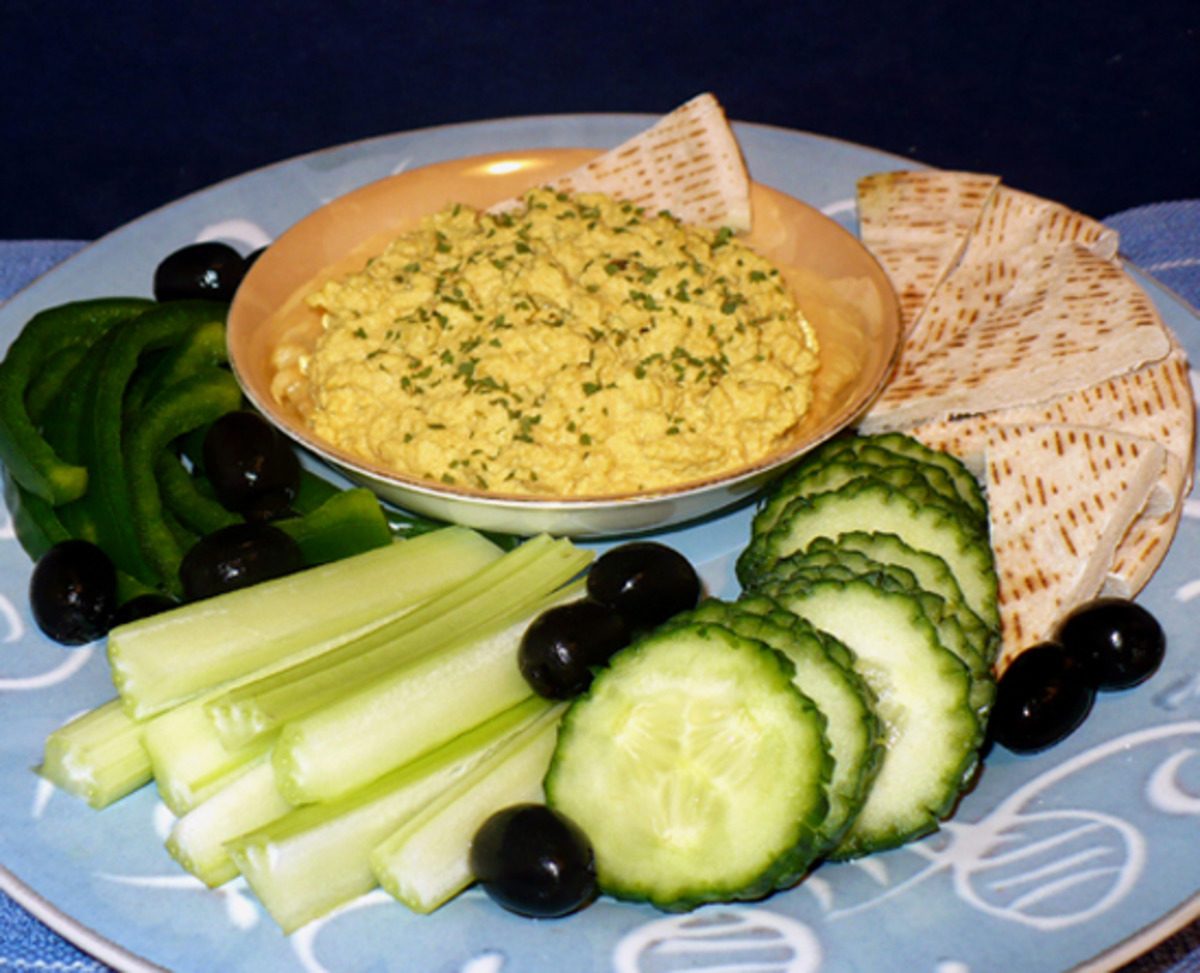
1. Authentic Lebanese Hummus with Pita and Grilled Vegetables — the reference bowl. Homemade hummus, warm pita, whatever vegetables the season gave you.
2. Tangy Tabbouleh Salad with Fresh Parsley and Bulgur — the salad that anchors every mezze plate. Parsley‑forward (not bulgur‑forward — that's the American mistake).
3. Fattoush Salad with Lemon‑Tahini Dressing — the crunchy, torn‑pita‑bread salad that repurposes yesterday's flatbread. Sumac is the essential seasoning.
4. Roasted Eggplant Baba Ganoush with Tahini and Pomegranate — smoky, silky dip. Char the eggplants over an open flame if you have gas; broiler works if you don't.
5. Roasted Eggplant Muhammara with Pomegranate Molasses — the red‑pepper‑walnut spread that hummus fans should meet next.
Real‑world numbers on a homemade hummus batch: one 15‑oz can of chickpeas, 3 tablespoons tahini, 3 tablespoons lemon juice, 2 garlic cloves, 3 tablespoons ice water, salt. That's about 12 ounces of finished hummus for roughly $2.20 in ingredients. The equivalent tub at Whole Foods is $6.99. Payback on a $60 food processor (see our small appliances collection) is 12 batches — about 6 weeks of Sunday prep.
Stews & Stuffed Vegetables — 4 comforting one‑pots
The stew corner of Middle Eastern cooking gets less internet attention than shawarma and hummus, and it shouldn't. These are the recipes to make when you want the house to smell like something for four hours.
1. Mujadara with Tomato and Onion — lentils, rice, and caramelized onions. The dish sometimes called "poor man's food"; anyone who's eaten it knows the name is a joke. Vegan by default, protein‑complete via lentil + rice, feeds four for under $4.
2. Authentic Moroccan Shakshuka — eggs poached in spiced tomato sauce. Dinner, brunch, midnight snack — every meal, every day of the week.
3. Upside‑Down Maqluba with Spiced Lamb and Roasted Vegetables — Palestinian layered rice‑and‑meat casserole that dramatically flips onto a serving platter. Impressive; not hard.
4. Mediterranean Dolmades with Lemon and Fresh Herbs — stuffed grape leaves with rice, mint, and pine nuts. Weekend project; freezes rolled‑but‑unbaked for 90 days.
Breads & Sides — pita, laffa, quick pickles, garlic sauce
The four accompaniments below turn any of the 22 mains from a plate of food into a full Middle Eastern spread.
- Homemade pita. Bread‑flour dough, 5 minutes of kneading, 90‑minute rest, roll to 1/4", bake on a preheated steel at 500°F for 3 minutes. They puff on the first try 8 times out of 10 — the misses are usually rolled too thick.
- Laffa (Iraqi‑style flatbread). Thinner, larger than pita, no pocket. Best cooked in a screaming‑hot cast‑iron skillet, 45 seconds per side. The wrapper for beef shawarma.
- Toum (Lebanese garlic sauce). Blend 4 peeled garlic cloves, 1/2 teaspoon salt, then drizzle in 1 cup neutral oil while blending on high — the emulsion is delicate; start slow. Alternate with a teaspoon of ice water every quarter cup of oil to keep it stable. Finished consistency should hold a peak like meringue.
- Quick pickled turnips (torshi). Pink from a single beet slice added to the brine. 2:1 water:white vinegar, 1 tablespoon salt per cup of brine, 4 days in the fridge before eating. Lasts 6 weeks refrigerated.
The Mediterranean Dish maintains a strong Levantine bread and sauce section at themediterraneandish.com — a good second reference if you want an alternate pita technique to compare against.
5‑Day Mediterranean‑Middle Eastern Meal Plan
Below is a week that reuses ingredients aggressively. One 5‑lb pack of chicken thighs, one 3‑lb lamb shoulder, one head of parsley, one big tub of yogurt, and the pantry cover all five nights.
| Day | Dinner | Active time | Notes |
|---|---|---|---|
| Monday | Chicken shawarma bowls | 25 min | Marinate chicken Sunday night; roast Monday |
| Tuesday | Lamb kofta + tabbouleh + hummus | 30 min | Kofta from Sunday freezer; tabbouleh made ahead |
| Wednesday | Shakshuka with feta and warm pita | 20 min | Eggs cook right in the sauce; use leftover pita |
| Thursday | Mujadara + fattoush | 40 min | Mujadara simmers hands‑off; salad while it cooks |
| Friday | Maqluba (weekend prep project) | 60 min | Layer, cook, flip; save for Friday to enjoy the drama |
Unified shopping list. Chicken thighs (5 lb), ground lamb (1.5 lb), lamb shoulder (3 lb, optional Friday), eggs (1 dozen), full‑fat yogurt (32 oz), canned chickpeas (4), canned crushed tomatoes (2), lentils (1 lb), long‑grain rice (2 lb), bulgur (1 lb), pita (12), red onions (3), yellow onions (4), garlic (2 heads), lemons (6), parsley (2 bunches), mint (1 bunch), cucumbers (4), tomatoes (6), feta (8 oz). Pantry: tahini, sumac, cumin, coriander, paprika, turmeric, cinnamon, cardamom, olive oil, pomegranate molasses.
Prep on Sunday: marinate the shawarma chicken, shape the kofta, cook the mujadara base (holds 5 days), whip up a batch of hummus, chop the tabbouleh parsley. Total Sunday effort: 90 minutes. Weeknight cook time collapses to 20–30 minutes per meal.
Kitchen tools — the three that matter
Middle Eastern cooking is knife‑and‑pan work. Skip the gadget aisle; invest in these:
- A sharp 8‑inch chef's knife. For paper‑thin shawarma slices, parsley chiffonade, and dicing onions without tears. Our knives collection covers everything from a $40 workhorse to a $200 forged Japanese blade. As of 2026, the sweet spot is the $60–$90 tier — genuinely sharp out of the box, holds an edge for a full year of home use.
- A well‑seasoned cast‑iron skillet, 10 or 12 inch. Best pan for searing kofta, blistering pita, and holding shakshuka in the oven. See our cookware guide — a Lodge at $30 outperforms most $200 enameled pans for these applications specifically.
- A food processor with a good chickpea blade. Non‑negotiable for velvet‑smooth hummus and baba ganoush. Weak motors give you grainy dips; a full‑size processor from our small appliances lineup at 700W+ crushes chickpeas properly in under 4 minutes.
Skip: garlic press (a microplane does it better), rolling pins for pita (a wine bottle works), skewer sets (bamboo, soaked, disposable — no metal skewer heats and cools evenly enough to justify the drawer space).
Common pitfalls we see home cooks make
- Under‑seasoning the yogurt marinade. Yogurt buffers salt perceived on the tongue. What tastes properly salted in the bowl will taste flat off the sheet pan. Salt the marinade until it tastes slightly too salty.
- Cooking hummus chickpeas in salted water. They stay firm forever. Cook them in plain water with baking soda, salt at the end.
- Chopping tabbouleh parsley in a food processor. It bruises to slime. Hand‑chop with the chef's knife, ideally right before serving.
- Skipping the toum ice‑water rescue. If your garlic sauce breaks (turns oily and separated), start fresh in a bowl with 1 tablespoon lemon juice and slowly whisk the broken mixture back in a drop at a time. Works every time.
- Buying pre‑ground spices older than 8 months. Cumin and coriander lose most of their aromatic oils by month 10. Buy small quantities; buy often. NYT Cooking's Middle Eastern recipes topic has good pantry‑refresh guidance if you want a second reference on shelf life.
FAQ
Is Middle Eastern food the same as Mediterranean diet food?
There's heavy overlap but they're not identical. The Mediterranean diet is a nutrition pattern (olive oil, fish, whole grains, vegetables) drawn largely from Greek, Italian, and Levantine cooking. Middle Eastern cuisine spans Lebanon, Syria, Turkey, Iran, and beyond — much of it fits perfectly into a Mediterranean‑diet framework, especially the vegetable‑forward mezze and grilled proteins in this guide.
What's the best chicken shawarma marinade for home cooks?
Two tablespoons plain yogurt, one tablespoon olive oil, one teaspoon each of cumin, coriander, paprika, and turmeric, half a teaspoon each of cinnamon and cardamom, plus garlic, lemon juice, and salt — per pound of chicken thighs. Marinate 4 hours minimum, ideally overnight. Sheet‑pan roast at 425°F for 25 minutes, then broil 3 minutes for char.
Can I make hummus without a food processor?
A blender works but requires more liquid — thin with 3 tablespoons ice water instead of 1 and blend in 30‑second bursts, scraping constantly. For the smoothest possible hummus, boil canned chickpeas 10 minutes with 1 teaspoon baking soda first — the skins slip off and the texture becomes cloud‑like. A stand blender or immersion blender handles it too.
Are these recipes vegetarian or vegan friendly?
Middle Eastern cooking has some of the deepest vegetarian tradition in the world — hummus, falafel, mujadara, tabbouleh, stuffed grape leaves, shakshuka, and countless mezze are all plant‑based. At least 8 of the 22 recipes here are already vegetarian; several more (kebabs, shawarma) convert easily to grilled halloumi or crispy tofu without losing the spice profile.
Where do I buy za'atar, sumac, and pomegranate molasses?
Middle Eastern and Mediterranean grocers always stock them and prices are 1/3 what US supermarkets charge. Whole Foods and larger chains carry all three in the spice aisle. Amazon works in a pinch. AislePrompt's shopping list groups specialty spices together so you buy once and use across 15+ recipes over the following months — no waste.
Sources
- Serious Eats — Middle Eastern recipes archive
- The Mediterranean Dish — themediterraneandish.com
- The New York Times — Middle Eastern recipes topic
Frequently asked questions
Is Middle Eastern food the same as Mediterranean diet food?
What's the best chicken shawarma marinade for home cooks?
Can I make hummus without a food processor?
Are these recipes vegetarian or vegan friendly?
Where do I buy za'atar, sumac, and pomegranate molasses?
Sources
Cook Middle Eastern at home this week.
Ask our AI for a week of Middle Eastern dinners — it writes the recipes, builds the shopping list, and sends the cart to Instacart. No account needed.
Plan my Middle Eastern week →