22 Spicy Dinner Recipes: Heat-Lover Meals for Weeknights (2026)
Five chiles, three techniques, and twenty-two dinners that taste like something instead of just burning.
Spicy dinners taste good instead of just hurting when you layer the heat: bloom dried chile or gochugaru in hot oil at the start, add fresh chile in the middle of the cook, and put a chile crisp or hot sauce on the table at the end. Heat plus fat plus acid is the whole formula. Every recipe below follows it.
Get a free week of easy dinners
Seven weeknight dinners with the shopping list already totalled, sent Sunday. No account needed, unsubscribe in one click.
No spam, unsubscribe in one click. Recipes, shopping lists and Instacart carts all work without an account either way.
Twenty-two dinners, most of them 30 minutes or under, sorted by protein and by how hot they actually land. As of 2026 the fastest-growing category in American home cooking is chile-forward weeknight food -- gochujang, chili crisp and harissa are now stocked in most mainstream supermarkets, which is why half this list would have required a specialty trip five years ago.
Introduction -- how to build heat that tastes like something
There are three places to add chile in a dish, and using only one is why most home cooking is either bland or brutal.
1. The oil, at the start. Dried chile, gochugaru, or Sichuan peppercorn dropped into 350°F oil for 20-30 seconds releases fat-soluble capsaicin and aromatic compounds into the whole dish. This is base heat -- it spreads evenly and doesn't spike.
2. Fresh chile, in the middle. A sliced serrano or Thai bird added with the aromatics gives sharp, bright, top-note heat and a little vegetal sweetness.
3. The finisher, at the table. Chile crisp, a hot sauce, or a raw chile garnish lets each person set their own level. This is the single best trick for cooking for a mixed table -- you cook to the lowest tolerance and let the heat-seekers escalate.
The fat matters as much as the chile. Capsaicin is fat-soluble, so a dish with almost no fat delivers heat as a raw stinging sensation on the tongue. Add a tablespoon of oil, a spoon of coconut milk, or a knob of butter and the same amount of chile reads as warmth and depth. Then finish with acid -- lime, rice vinegar, a spoon of yogurt -- and the heat gets a shape.
Scoville numbers are a useful rough guide, but the practical scale is much simpler:
| Chile | Scoville range | Heat character | Best used |
|---|---|---|---|
| Jalapeño | 2,500-8,000 | Grassy, mild-medium | Fresh, sliced or roasted |
| Serrano | 10,000-23,000 | Clean, sharp | Salsas, stir-fries |
| Chipotle in adobo | 5,000-10,000 | Smoky, tangy | Braises, chili, marinades |
| Gochugaru (Korean) | 4,000-8,000 | Fruity, slow-building | Bloomed in oil, stews |
| Thai bird | 50,000-100,000 | Fast, aggressive | Sparingly, whole or halved |
Seeds and ribs hold most of the capsaicin -- removing them cuts a jalapeño's heat by roughly 60% while keeping the flavor. Wear nitrile gloves when you're prepping more than one or two; chile oil clings to skin for hours and finds your eyes at the worst moment. Chili Pepper Madness is a good reference for varietal substitutions when your store is out of what a recipe wants.
The five chiles worth stocking (jalapeño, serrano, chipotle, gochugaru, Thai bird)
Stock these five and you can cook across four cuisines without another trip.
Jalapeño ($0.60 each) -- the workhorse. Seeded and diced for mild, whole and minced for medium, halved and charred under a broiler for smoky. Buy the firm, heavy ones; the ones with white striations ("corking") are older and hotter.
Serrano ($0.40 each) -- roughly three times a jalapeño's heat with a cleaner finish and no vegetal bitterness. This is the chile for a raw salsa or a quick pickle.
Chipotle in adobo ($3.50 a can) -- one tablespoon of the sauce plus one minced pepper transforms a pot of chili. The rest of the can freezes flat in a bag for six months. Our Smoky Chipotle Beef Chili and Hot Chipotle Chicken Tacos both lean on it.
Gochugaru ($8 for a 1 lb bag) -- coarse Korean chile flakes, fruitier and less punishing than crushed red pepper, and the base of gochujang cooking. Stored in the freezer it holds color and heat for a year.
Thai bird chile ($2 a handful) -- 50,000-100,000 Scoville. One chile seasons a whole stir-fry for four. Do not treat these like jalapeños.
The two condiments that do the most work as of 2026 are gochujang (fermented Korean chile paste -- sweet, salty, deeply savory) and chili crisp (crunchy chile-and-allium oil). Both keep for months refrigerated and both turn a plain protein into dinner in one spoonful.
30-minute spicy chicken: gochujang, harissa, buffalo, jerk
Chicken thighs are the right cut for spicy cooking -- more fat means the capsaicin distributes instead of stinging, and they tolerate high heat without drying out.
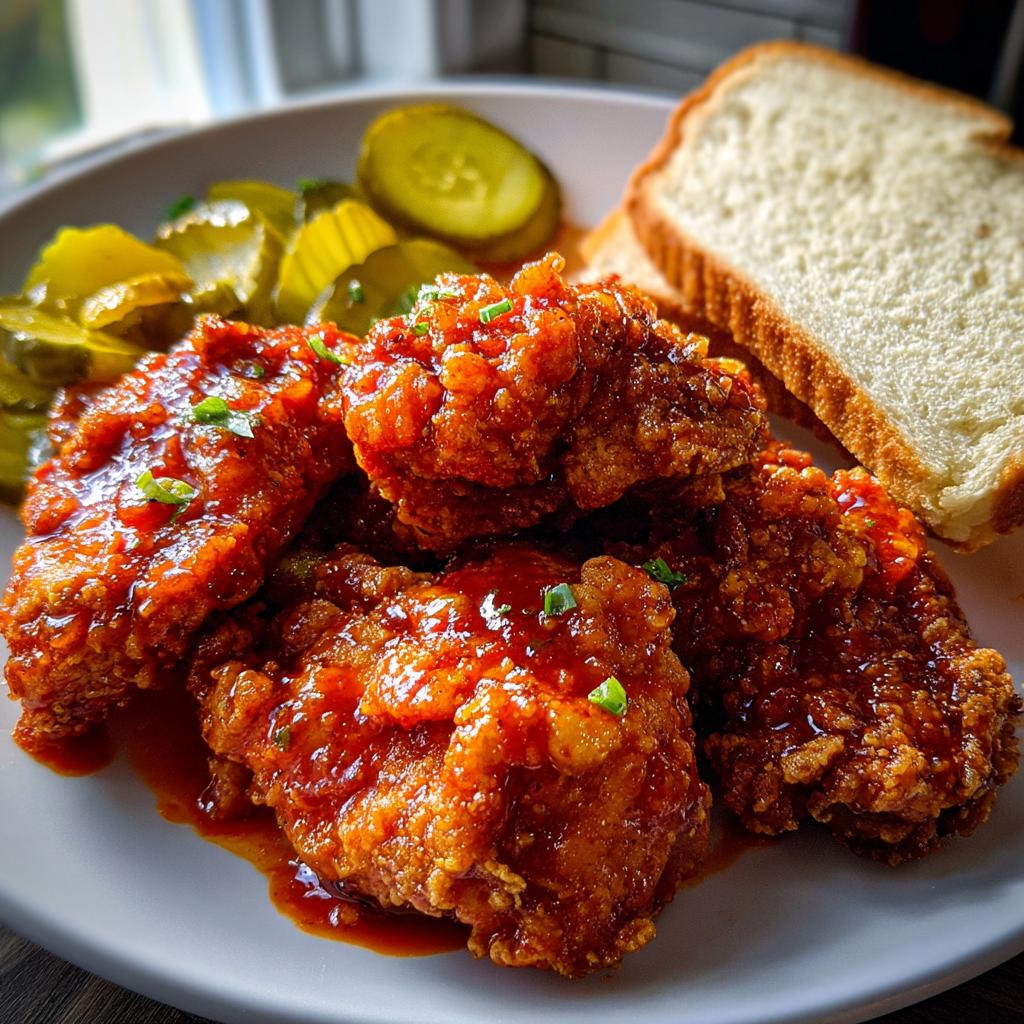
1. Nashville hot. Crispy Nashville Hot Chicken Thighs -- the real technique is a cayenne paste made with the frying oil itself, brushed on after the fry. Roughly 1/4 cup of the hot frying oil to 2 tablespoons cayenne plus a teaspoon of brown sugar. The sugar is what makes it taste like Nashville rather than like cayenne.
2. Gochujang. Gochujang Crispy Chicken Thighs -- 25 minutes, one pan. Glaze in the last three minutes only; gochujang has enough sugar to burn.
3. Harissa. Harissa-Rubbed Chicken Thighs -- North African chile paste with caraway and garlic. Harissa is warm rather than sharp, which makes it the best entry point for people who say they don't like spicy food.
4. Jerk. Smoked Jerk Chicken Thighs -- allspice, thyme, scotch bonnet. Marinate at least four hours; jerk is one of the few marinades that genuinely penetrates.
5. Sriracha. Sriracha-Glazed Chicken Thighs -- the 20-minute weeknight version. Sriracha plus honey plus soy in a 2:1:1 ratio is a glaze that works on chicken, salmon or tofu.
6. Thai basil. Stir-Fried Thai Basil Chicken -- pad krapow, 12 minutes start to finish. Use holy basil if you can find it; Thai basil is the common substitute and Italian basil is not a substitute at all.
7. Buffalo. Toss fried wings or roasted thighs in equal parts hot sauce and melted butter. The butter isn't optional -- it's what turns hot sauce into buffalo sauce.
Fiery pasta + noodle bowls
Noodles absorb chile oil better than almost anything else, which is why the spiciest food in the world tends to arrive on noodles.
8. Chen's Spicy Sichuan Noodles -- the málà combination of chile heat and Sichuan peppercorn numbness. Toast the peppercorns whole and grind them yourself; pre-ground loses its tingle within weeks.
9. One-Pot Spicy Korean Beef and Gochujang Noodles -- one pot, about 25 minutes, and the leftovers reheat better than most noodle dishes because the sauce keeps coating.
10. Spicy Peanut Stir-Fry Noodles -- peanut butter is a fat, which means it carries and rounds chile heat. This is the recipe to make for a table with mixed tolerance.
11. Spicy Cabbage and Pork Noodles -- about $2.75 a serving as of 2026 and one of the cheapest hot meals on this list.
12. Arrabbiata. The Italian entry: garlic, dried chile, canned tomatoes, 20 minutes. The name means "angry." Bloom the chile flakes in the oil with the garlic before the tomatoes go in -- that's steps one and two of the layering rule in a single pan.
| Noodle dish | Heat level | Active time | Cost/serving |
|---|---|---|---|
| Sichuan dan dan style | Hot (numbing) | 25 min | $3.10 |
| Gochujang beef noodles | Medium-hot | 25 min | $4.40 |
| Spicy peanut noodles | Medium | 20 min | $2.60 |
| Cabbage and pork noodles | Medium | 22 min | $2.75 |
| Arrabbiata | Adjustable | 20 min | $1.95 |
Spicy tacos, bowls, and one-pan skillet dinners
13. The Best Spicy Shrimp Tacos -- shrimp cook in 3 minutes, so this is genuinely a 15-minute dinner.
14. Mango-Habanero Shrimp Tacos -- habanero is 100,000-350,000 Scoville, and the mango is doing real work here, not just decoration. Sugar blunts capsaicin's perceived intensity.
15. Spicy Korean Beef Stir Fry -- freeze the steak for 20 minutes before slicing and you'll get restaurant-thin pieces with a home knife.
16. Spicy Kimchi-Infused Pork Bulgogi -- older, more sour kimchi is better here; fresh kimchi lacks the funk.
17. Smoky Chipotle Beef Chili and 18. Spicy Tomato Black Bean Chili -- both improve on day two, which makes them the best meal-prep candidates on the list.
19. Grilled Honey-Sriracha Salmon -- 12 minutes, and the honey caramelizes into a lacquer.
20. Sichuan-Style Tofu with Spicy Chili Crisp, 21. Jerk Tofu with Mango Salsa, and 22. One-Pot Spicy Chickpea Tomato Curry -- the plant-based end of the list. The Harissa-Spiced Chickpea Stew is the one to make on a Sunday for the week ahead.
Cooling sides that actually work (yogurt, avocado, quick pickles)
Water makes capsaicin worse -- it spreads the oil around your mouth. Beer is mostly water and does the same thing. What actually works:
| Remedy | Why it works | How fast |
|---|---|---|
| Whole milk / full-fat yogurt | Casein protein strips capsaicin off receptors | Seconds |
| Sour cream, crema, raita | Fat + casein, same mechanism | Seconds |
| Rice, bread, tortilla | Physically absorbs chile oil | 10-20 seconds |
| Lime or vinegar | Acid distracts and rebalances | Immediate, partial |
| Sugar (mango, honey) | Blunts perceived intensity | Immediate, partial |
| Water, beer, soda | Spreads the oil -- makes it worse | Negative |
Three cooling sides worth having on the table: a cucumber-yogurt raita (grated cucumber, squeezed dry, folded into full-fat yogurt with salt and cumin), sliced avocado with lime, and a 15-minute quick pickle (thin-sliced red onion in equal parts vinegar and water with a pinch of sugar and salt).
Real-world numbers: a chile pantry for under $30
You do not need a spice-shop pilgrimage. This is the whole list, with 2026 supermarket pricing, and it covers every recipe above:
| Item | Price | Shelf life | Recipes it unlocks |
|---|---|---|---|
| Gochujang (500g tub) | $7.50 | 1 yr refrigerated | 4 |
| Chili crisp (7 oz jar) | $6.00 | 6 mo refrigerated | 3 |
| Chipotles in adobo (7 oz can) | $3.50 | 6 mo frozen flat | 4 |
| Gochugaru (1 lb bag) | $8.00 | 1 yr frozen | 3 |
| Harissa paste (4 oz tube) | $4.50 | 3 mo refrigerated | 2 |
| Fresh chiles (weekly) | $2.00 | 2 weeks | all |
That's $31.50 for a pantry that covers Korean, Sichuan, North African, Caribbean and Tex-Mex heat. The single highest-value item is the chipotle can -- freeze the leftovers flat in a zip bag and snap off a piece as needed rather than letting the rest of the can mold in the fridge.
Two storage notes that matter more than they sound. Gochugaru loses both color and aroma at room temperature within about three months; the freezer keeps it vivid for a year. And chili crisp separates -- stir it from the bottom before every use or you're spooning off plain oil and leaving the crunchy solids behind.
Common pitfalls
- Adding chile only at the end. You get sting without depth. Bloom something in the oil first.
- Cooking gochujang or honey glazes too long. Both are sugar-heavy; add them in the final 2-3 minutes.
- Using a nonstick pan for a hard sear. Nonstick coatings degrade above about 500°F. Use cast iron or carbon steel -- see our cookware picks.
- Bare hands on habaneros. Chile oil survives soap. Gloves cost pennies.
- Salting the yogurt side too late. Salted yogurt tastes cooling; unsalted yogurt tastes like a mistake.
When not to cook spicy
If you're feeding kids under about six, or anyone with reflux, don't cook heat into the dish at all -- cook the base flat and serve the chile crisp on the side. This costs you nothing and means one pot feeds the whole table. The same rule applies for a dinner party where you don't know everyone's tolerance: build to mild, escalate at the table.
Equipment: about $80 gets you set up
A sharp 8-inch chef's knife from our knives & cutting picks, a 12-inch cast-iron or carbon-steel skillet from cookware, a fine-mesh spider for pulling fried chicken out of oil, and a splatter screen. Add nitrile gloves and a small mortar and pestle for toasting and grinding whole spices, and see utensils & tools for tongs that don't pierce the meat.
FAQs
How do I make a dish spicier without making it painful?
Build heat with layered aromatics rather than dumping chile at the end. Bloom whole dried chiles or gochugaru in oil first, add fresh chile mid-cook, and finish with a hot sauce or chile crisp at the table so each person can dial it up. The pain-free path is heat plus fat plus acid — a squeeze of lime or a spoon of yogurt turns raw burn into flavor.
What's the best chile for beginners who like flavor over pain?
Chipotle in adobo. One tablespoon adds smoky depth, a modest kick, and a tangy backbone all at once, and a leftover can sits in the fridge for months. Jalapeños ride second — mild when seeded, medium when whole, and they roast beautifully. Skip Thai bird chiles and habaneros until you know your tolerance; the difference between one and two can double the heat.
How do I cool my mouth if a dish is too hot?
Water and beer make capsaicin worse because it's fat-soluble, not water-soluble. Reach for full-fat dairy: whole milk, plain Greek yogurt, sour cream, or a wedge of aged cheese. Rice and bread absorb some of the oil and buy relief; a squeeze of lime helps too. Every recipe in the roundup pairs with a suggested cooling side that actually works, not just tradition.
Can I make these recipes ahead for meal prep?
Most improve overnight — chili, jerk chicken, and gochujang braises all deepen in the fridge for two to three days. Prep the protein and sauce Sunday, cook rice or noodles fresh in six minutes on serve night. Avoid pre-saucing anything crispy (buffalo wings, Nashville hot chicken) — the coating goes soggy. See our /meal-prep/high-protein-meal-prep planner for a full 5-day rotation using three recipes from this list.
What tools do I need to cook these safely?
A sharp 8-inch chef's knife (see knives & cutting), a heavy 12-inch skillet (cast iron or carbon steel), and nitrile gloves for prepping hot peppers — chile oil sticks to hands for hours and finds your eyes. A splatter screen keeps the stovetop clean when you're crisping chile crisp or blooming Sichuan peppercorns. Nothing exotic; the equipment list stays under $80 for someone starting fresh.
What to cook next
For more chile-forward weeknight cooking, the Thai dinner roundup and the Mexican weeknight dinners guide share most of the same pantry. The Indian weeknight curries cover the dried-spice side of heat, and the Southern comfort food guide has the fried-chicken technique that Nashville hot is built on.
Sources
- Serious Eats -- Spicy Recipes -- technique testing on blooming chiles and heat layering.
- Bon Appetit -- Spicy Dinner Recipes -- the modern weeknight chile canon.
- Chili Pepper Madness -- varietal Scoville data and chile substitutions.
Frequently asked questions
How do I make a dish spicier without making it painful?
What's the best chile for beginners who like flavor over pain?
How do I cool my mouth if a dish is too hot?
Can I make these recipes ahead for meal prep?
What tools do I need to cook these safely?
Sources
Plan a week of meals in two minutes.
Tell our AI what you have and what you like — it builds your plan, shopping list, and Instacart cart. No account needed.
Try free →