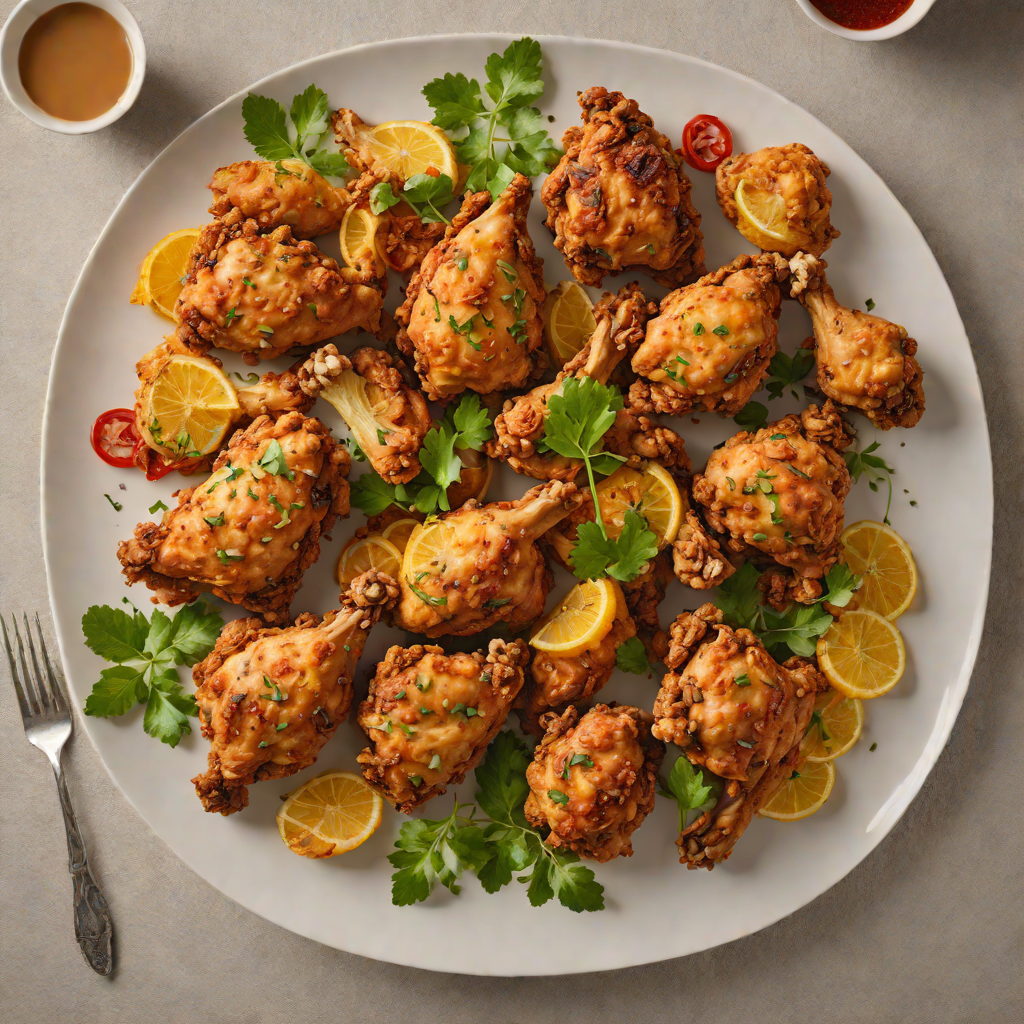
24 Southern Comfort Food Recipes: Fried Chicken, Biscuits, Grits & Sunday Suppers
Twenty-four Southern staples — buttermilk-brined fried chicken, flaky biscuits, stone-ground grits, collards with ham hock, and peach cobbler — plus a Sunday supper menu that feeds six for under $30.
Southern comfort food is the American dinner tradition built on fat, salt, and patience: a cast iron skillet of buttermilk-brined fried chicken, a pan of biscuits with cold butter grated into the flour, collards that simmered with smoked pork for two hours, and a peach cobbler pulled from the oven while everybody's still finishing supper. This guide collects 24 core Southern comfort recipes — mains, sides, breads, and desserts — plus a $30 Sunday supper menu that feeds six.
Get a free week of easy dinners
Seven weeknight dinners with the shopping list already totalled, sent Sunday. No account needed, unsubscribe in one click.
No spam, unsubscribe in one click. Recipes, shopping lists and Instacart carts all work without an account either way.
What actually makes Southern cooking taste Southern
Ask ten cooks in Charleston, Nashville, and Birmingham what defines Southern food and you'll get ten answers. But three techniques show up in every kitchen worth eating in.
Fat carries the flavor. Rendered bacon fat, lard, cultured butter, and pork fatback are not garnishes — they're the cooking medium. The reason a Northern collard tastes green and a Southern collard tastes like something you'd walk a mile for is that the Southern version simmered for two hours with a smoked ham hock breaking down into the pot liquor. Pull the fat and you get a completely different (and worse) dish.
Salt is applied in layers, hours ahead. Fried chicken gets a 12-hour buttermilk brine with kosher salt. Biscuits get salt in the dough plus flaky salt on top before baking. Collards get salt three times: with the aromatics at the start, again when you add stock, and one final adjustment right before serving. The seasoning isn't a step, it's the entire arc.
Patience beats technique. Almost every canonical Southern dish is either fried at exactly the right temperature (an inflexible 20-minute commitment) or braised for at least an hour (a flexible 3-hour hangout). There is very little sauté-and-serve in this cuisine. Plan for that.
As of 2026 the top-searched Southern queries on Google are "buttermilk fried chicken," "Southern peach cobbler," "shrimp and grits," and "flaky buttermilk biscuits" — a strong signal that home cooks still gravitate to the same handful of hero dishes their grandmothers made. Everything below is built to give you working recipes for those hero dishes plus the supporting cast that turns a single plate into a meal.
The Mains: 8 recipes to anchor your rotation
The Southern main course is almost always chicken, pork, or a slow-cooked one-pot. Beef shows up as meatloaf and the occasional pot roast — you're generally not eating steak here. Start with these eight and you'll cover 90% of dinner requests.
Fried chicken is the flagship. The buttermilk brine is not optional; it's what tenderizes the meat and gives the crust something to cling to. Use a 12-inch cast iron skillet with 1.5 inches of neutral oil at 350°F, and don't crowd the pan. Two references worth cooking from:
- Buttermilk-Brined Fried Chicken with Classic Coleslaw — the canonical version, 12-hour brine, done in a cast iron skillet
- Sheet Pan Southern Fried Chicken with Buttermilk Brine — a weeknight adaptation that skips the deep-frying by baking on a wire-rack sheet pan
Chicken and dumplings is the recipe that separates a real Southern kitchen from a good imitation. The dumplings should be pillowy, not gummy; the broth should have body without being gluey. Two takes on the same idea:
- Real Chicken and Dumplings — the traditional flat-dumpling version, made with a whole chicken
- Granny's Country Kitchen Chicken and Dumplings — a drop-dumpling variation that's forgiving for weeknight cooks
Meatloaf and chicken pot pie are the Sunday-night workhorses. A great meatloaf is 50% ground beef, 25% ground pork, 25% ground veal (or all beef if that's what you have), bound with panade — bread soaked in milk, never breadcrumbs. Chicken pot pie is a leftover-roast-chicken vehicle; the filling should be almost stew-thick before the top crust goes on.
- Industrial Strength Meatloaf with Sweet Tomato Glaze
- Authentic Depression-Era Chicken Pot Pie — the classic bottom-and-top-crust version
Bourbon-glazed pork chops cover the "grill it and reduce a pan sauce" evening. Bone-in rib chops at 1.5 inches thick, brined for 4 hours, hit the grill over direct heat, then finished with a bourbon-brown-sugar reduction. The wood-fire char plus the sweet-boozy glaze is exactly the flavor profile that pushes Southern comfort food past ordinary weeknight cooking.
- Bourbon-Glazed Grilled Pork Chops with Apple Slaw
- Charred Bourbon-Glazed Pork Chops with Blackberry Reduction
Round out the mains with a pan-fried catfish, which is the freshwater-fish answer to fried chicken — cornmeal breading, cast iron skillet, done in eight minutes:
That's your eight. If you cook one from each pair every other week, you have the main course covered for a year with no repeats.
Slow-Simmered: 5 collards, pinto beans, and pot-liquor classics
The slow-simmered category is where Southern cooking rewards you the most for planning ahead. These are the dishes to start Saturday morning so they're perfect by Sunday supper. All five improve overnight in the fridge.
Collards with smoked ham hock is the anchor. Two large bunches, stems stripped and stacked-chiffonade-cut, dropped into a pot of chicken stock with a smoked ham hock, two garlic cloves, a splash of apple cider vinegar, and a pinch of red pepper flakes. Two hours minimum. Season aggressively — collards eat salt.
The pot liquor — the dark, salty, smoky broth left in the pot after the greens are done — is the secret ingredient in Southern cooking. Serve it in a mug alongside the greens, or use it as the braising liquid for the next batch of black-eyed peas. Never throw it out.
Black-eyed peas are the New Year's Day tradition (for luck), but they're a year-round dinner in most Southern homes. Cooked with smoked meat, aromatics, and a splash of vinegar at the end, they're either a side or a full vegetarian main over rice.
Pinto beans — technically a Tex-Mex crossover but ubiquitous across Texas, Oklahoma, and Arkansas Southern cooking — round out the beans category. Simmered with smoked sausage or bacon, they're a $5 dinner that feeds four.
Shrimp and grits is the Lowcountry contribution to the slow-simmered category. The grits are the slow half — stone-ground yellow grits, 45 minutes of stirring on low heat, finished with cheddar and a knob of butter. The shrimp go in the pan at the last minute with andouille sausage, garlic, and lemon.
The rule for every slow-simmered dish: start it earlier than you think you need to, undersalt at first, and taste every 30 minutes. The seasoning window is wide but the "just right" moment is narrow.
Grits, Biscuits & Cornbread: 6 side-dish anchors
The bread-and-grains department is where Southern cooking distinguishes itself from every other American regional cuisine. A meal isn't a Southern meal without at least one of these on the table, and often two.
Buttermilk biscuits are the hardest thing on this list to get right. The dough should feel just barely-holding-together — if it feels smooth like pie dough, you've overworked it. Cold butter is non-negotiable (fridge-cold minimum, freezer-and-grated preferred). Cut straight down with the cutter, don't twist. Bake at 450°F on parchment for 12–15 minutes, brushed with melted butter on top for the last 3.
- SugarJam Southern Kitchen-style Buttermilk Biscuits — plain biscuits, the reference recipe
- SugarJam Southern-Style Buttermilk Biscuits with Spicy Brunch Sausage Gravy — the biscuits-and-gravy pairing for brunch
- Breakfast Platter with Bacon, Sausage, Ham, and Buttermilk Biscuit — the assembled morning spread
Cornbread is the other pillar. Southern cornbread is savory (some cornmeal purists say no sugar at all; a tablespoon is a reasonable compromise), baked in a preheated cast iron skillet greased with bacon fat, and served with butter that gets pressed into the top while it's still hot. The pan preheating creates the crispy bottom crust that separates real cornbread from a boxed mix.
- Southern Cornbread Muffins with Honey Butter Glaze — a muffin format for portion control
Grits — always stone-ground, never instant. If your grocery store carries Anson Mills, Bob's Red Mill, or Palmetto Farms, grab a bag. Cook 1 cup grits in 4 cups liquid (half water, half whole milk or chicken stock) for 45 minutes on low, whisking every few minutes, salting halfway through. Finish with 4 oz sharp cheddar and 2 tablespoons butter. That's the base for cheesy grits, shrimp and grits, or a grits-and-eggs breakfast.
Rounding out the sides: a mac and cheese for the kids and the potluck table, a sweet potato casserole with a real pecan streusel (never marshmallows if you can help it), and a pimento cheese spread to put on top of a burger or spread on crackers with drinks.
- Wellesley-Inspired Baked Macaroni and Cheese with Smoked Cheddar
- Williams' Maple-Glazed Sweet Potato Casserole
- Derby-Inspired Pimento Cheese Spread with Smoked Paprika
That's the six anchors: biscuits, cornbread, grits, mac and cheese, sweet potatoes, pimento cheese. Pick two per meal — one starch, one vegetable-adjacent — and you're set.
Sunday supper: a menu that feeds 6 for under $30
Sunday supper is the cultural centerpiece of Southern cooking. It's after church, everybody's family is there, and the food is expected to be substantial without being fancy. Here's a menu that hits every register and comes in under $30 in ingredients as of 2026.
Grocery list (feeds 6, ~$28 at a standard US supermarket):
| Item | Qty | Approx cost |
|---|---|---|
| Whole chicken (4 lbs) | 1 | $8 |
| Buttermilk | 1 qt | $4 |
| All-purpose flour | 2 lb bag | $2 |
| Butter | 1 lb | $4 |
| Collard greens | 2 large bunches | $5 |
| Smoked ham hock | 1 (~1 lb) | $3 |
| Peaches, canned in juice | 2 cans (29 oz) | $6 |
| Pantry basics (salt, sugar, baking powder, oil, vinegar) | assumed on hand | — |
Menu:
1. Cast iron fried chicken using the buttermilk-brine method. Cut the whole chicken into 8 pieces; brine 12 hours in salted buttermilk with a tablespoon of hot sauce. Dredge in seasoned flour, fry at 350°F in a 12-inch cast iron skillet, 12 minutes per side. Rest on a wire rack, salt immediately.
2. Collards with the ham hock, started at 10am so they're perfect by 5pm. Bathe in pot liquor and vinegar; season aggressively.
3. Buttermilk biscuits, batched at 4:30 while the fried chicken rests. 8 biscuits from 2 cups flour + 1 cup buttermilk + 1 stick butter.
4. Peach cobbler for dessert, in the same cast iron skillet the biscuits came out of. 2 cans peaches, biscuit dough on top, 40 minutes at 375°F.
- One-Hour Classic Southern Peach Cobbler with Cinnamon Biscuit Topping — the cast iron skillet cobbler that closes the meal
That's a four-course Sunday dinner for six people at roughly $4.67 per person. If you have another $10 to spend, add Southern-Style Banana Pudding with Vanilla Wafer Layers or Texan-Style Pecan Pie with Bourbon Whipped Cream as a second dessert. Both improve in the fridge overnight, so make them Saturday.
The 3 mistakes northern cooks make with Southern recipes
If you didn't grow up eating this food, three specific errors are almost guaranteed the first time you try. All three are recoverable, but knowing them ahead of time saves the meal.
1. Underseasoning across the board. Southern cooking uses more salt than most recipes call for, and it's added in stages rather than all at once. Northern-trained cooks read "season with salt" as a single step at the end and end up with under-salted greens, under-salted grits, and fried chicken that tastes bland despite being crispy. Fix: salt the brine, salt the dredge, salt the finish. If it tastes flat, add more salt — not more spice.
2. Overworking biscuit dough. The number one biscuit failure mode is kneading the dough like bread dough. Southern biscuits are folded like puff pastry, five turns maximum. If you press with your palms or push the dough around the counter for more than 30 seconds, the gluten develops and you get hockey pucks instead of layered biscuits. Fix: cold butter, fewer folds, gentler hands. Overworked dough cannot be rescued — start over.
3. Rushing the slow braises. Collards at 45 minutes are not done. Pinto beans at 90 minutes are not done. Chicken and dumplings pulled after 1 hour will have chewy meat. All of these dishes are engineered around at least 2 hours of low heat, and cutting that time by half doesn't produce a faster version of the dish — it produces a fundamentally different (and worse) dish. Fix: schedule the meal around the longest-cooking element, not around your patience.
A fourth error worth mentioning: using a nonstick pan for fried chicken. Nonstick coatings break down above 500°F and can release toxic fumes at frying temperatures. Cast iron or carbon steel only.
What to buy: 3 tools that pay for themselves in a month
Southern cooking rewards a very small kit of specialized equipment. Get these three items right and you'll never regret it.
A 12-inch cast iron skillet ($30–$60). This is the single most important pan in a Southern kitchen. Fried chicken, cornbread, seared pork chops, and pan-roasted vegetables all live here. Lodge is the value option; Field Company and Stargazer are the upgrade if you want a smoother interior finish. See our cookware guide for the current picks. Season it, wipe it clean with a paper towel after use, and it'll outlast you.
A biscuit cutter ($8–$15). Do not use a glass or a can lid — the sealed edges prevent the biscuit from rising properly. Get a set of round metal cutters in 2-inch, 2.5-inch, and 3-inch sizes. Ateco and Wilton both make solid basic sets. The full utensils category has the cutters, dough scrapers, and rolling pins that pair with them.
A deep-fry / candy thermometer ($10–$25). For fried chicken you need to hit 350°F and hold it. A cheap clip-on candy thermometer is the difference between "crispy" and "greasy." Alternatively an instant-read thermometer works if you're diligent about checking. Both live in the utensils drawer alongside the biscuit cutters.
Nice-to-haves after those three: a good bakeware set for the peach cobbler and cornbread pan, a stand mixer if you're baking biscuits weekly, and a dedicated pot for greens (a 6-quart enameled Dutch oven does double duty for beans, greens, and stews).
Buy the skillet first. Everything else follows.
FAQ
What kind of skillet do I need for fried chicken?
A 12-inch cast iron skillet is the traditional choice because it holds heat evenly and gives you a 2-inch depth for shallow frying without a full quart of oil. A carbon steel skillet works too if you already have one seasoned. Nonstick pans warp above 400°F and are unsafe for hot oil frying — don't use them for this.
How do I keep biscuits from turning into hockey pucks?
Three rules: use fat that's fridge-cold (grate frozen butter into the flour), don't overwork the dough (fold, don't knead — 5 turns max), and cut straight down with the biscuit cutter (twisting seals the edges so they can't rise). Buttermilk matters too; the acid tenderizes gluten and reacts with baking powder for extra lift.
Are grits and polenta the same thing?
They're both coarse-ground corn but from different varieties — grits are made from dent corn (starchy, mild), polenta from flint corn (denser, sweeter). You can substitute in a pinch, but stone-ground grits have a texture and flavor that instant polenta can't touch. Buy a bag from Anson Mills or Bob's Red Mill for the real thing.
What's the difference between soul food and southern food?
Southern food is the broader regional cuisine of the American South; soul food is the African-American subset that developed from the ingredients enslaved cooks had access to — offal, greens with pot liquor, cornbread, sweet potatoes. Most iconic 'southern' dishes (fried chicken, collards, black-eyed peas) came from soul food traditions and were later broadly claimed.
Can I make southern food without a smoker or ham hock?
Yes. Smoked turkey wings, smoked paprika, or a splash of liquid smoke give collards and beans the same smoky depth without the pork. A parmesan rind added to a pot of pintos does something similar. Vegetarian southern cooking is a rich tradition on its own — the flavor comes from long simmers with aromatics, not just from the meat.
Sources
- Serious Eats — Southern Recipes — the reference collection for technique-heavy Southern dishes; particularly good for the fried-chicken and biscuit science
- Food & Wine — Comfort Food: Southern — modern takes on the classics from chefs across the South
- USDA Food Safety — the authoritative reference on safe frying temperatures, meat handling, and buttermilk storage for the brining step
Frequently asked questions
What kind of skillet do I need for fried chicken?
How do I keep biscuits from turning into hockey pucks?
Are grits and polenta the same thing?
What's the difference between soul food and southern food?
Can I make southern food without a smoker or ham hock?
Sources
Cook Southern at home this week.
Ask our AI for a week of Southern dinners — it writes the recipes, builds the shopping list, and sends the cart to Instacart. No account needed.
Plan my Southern week →