How to Cook 30-Minute Weeknight Dinners: A 4-Week Meal Plan + Shopping Lists
Four weeks of skillet, sheet-pan, stir-fry, and pasta dinners you can shop in one trip and cook before the news ends.
The fastest weeknight dinner is the one you already decided to cook on Sunday. 30-minute weeknight dinners are not a recipe trick; they're a planning trick — a short list of skillet, sheet-pan, stir-fry, and pasta formats you rotate four ways across a month so you spend Monday evening cooking, not scrolling. This guide gives you the four-week plan, the weekly shopping list, the 8-minute Sunday prep that saves 20 minutes every weeknight, and 10 reader-favorite recipes from the AislePrompt catalog to fill the schedule.
Get a free week of easy dinners
Seven weeknight dinners with the shopping list already totalled, sent Sunday. No account needed, unsubscribe in one click.
No spam, unsubscribe in one click. Recipes, shopping lists and Instacart carts all work without an account either way.
The 6pm problem and why a plan beats inspiration
At 6:02pm on a Tuesday, you walk in the door with a hungry household, no decision made, and a fridge full of unrelated ingredients. The next 18 minutes are the most expensive minutes of your week — that's where takeout, frozen pizza, and "let's just have cereal" win. The 30-minute weeknight dinner is not really about cooking speed; the cooking of a one-pan dish takes 22-28 minutes start to finish. The real time loss is the decision tax at 6pm: open the fridge, scroll a saved-recipes folder, realize you're missing two ingredients, drive to the store, eat at 7:45pm.
A plan beats inspiration because it eliminates that decision tax. With a four-week rotation in place — Mediterranean skillet on Monday, sheet-pan on Tuesday, stir-fry Wednesday, taco/pasta/freezer Thursday and Friday — you walk in the door already knowing what's for dinner. The fridge is pre-stocked from Sunday's single shopping trip. The aromatics are pre-chopped in a quart container. The grain is already cooked. The published 28-minute recipe time becomes a real 28-minute dinner. You'd be surprised how much of "I don't have time to cook" is actually "I don't have a system for cooking" — and the editors at Bon Appétit's quick-recipes hub have been arguing the same case for years: planning, not knife skills, is what separates the cook who eats at 7pm from the cook who orders DoorDash at 7:30pm.
The four-week rotation in this article is built around 10 anchor recipes from the AislePrompt catalog. Each week pulls from a different cooking format so dinner doesn't get repetitive, but the underlying technique is the same week after week so your hands learn the moves. By week 3 you'll be cooking on autopilot.
The four weeknight cooking modes: sheet-pan, skillet, sauté-and-serve, bowl
Every fast weeknight dinner falls into one of four formats. Memorize these and you can pull a dinner out of any fridge.
| Mode | What it is | Best for | Pan |
|---|---|---|---|
| Sheet-pan | Protein + cut vegetables roasted together at 425°F | Sausage + roots, salmon + asparagus, fajita meat + peppers | Half-sheet pan |
| Skillet | One-pan saute-then-simmer; protein browned, sauce built around it | Chicken-and-rice, creamy pasta, fish in tomato sauce | 12-inch skillet |
| Sauté-and-serve (stir-fry) | High-heat fast cook over hot rice or noodles | Shrimp, beef, tofu, vegetables in sauce | Wok or hot skillet |
| Bowl | Grain base + sauced protein + raw vegetable + sauce | Salmon bowls, tofu bowls, taco bowls | Pot for grain only |
Three of the four formats use a single hot pan, which means dinner cleanup is one pan, one cutting board, and one knife — total ten minutes of cleanup, not 45. The bowl format leans on Sunday's batch grain (no weeknight rice-cooking) so it's the fastest of all: 15-18 minutes start to finish if you set it up right.
Mode pairing rule: never schedule two sheet-pan nights back-to-back. The oven preheat alone is 12-15 minutes, and a Tuesday-Wednesday sheet-pan run means 30 minutes of oven warm-up across two evenings. Alternate modes — sheet-pan Monday, skillet Tuesday, stir-fry Wednesday — so your kitchen stays cool and your pans don't pile up. The Academy of Nutrition and Dietetics' meal-planning guide calls this "format diversity"; it's the same reason restaurant menus group by section.
Week 1: Mediterranean-leaning skillet dinners
Week 1 is the friendliest week to start with because every dinner uses the same 12-inch skillet and the same handful of pantry staples — olive oil, lemon, garlic, oregano, paprika, canned tomatoes. The technique you're practicing this week is sauté → simmer: brown the protein, build the sauce in the same pan, finish with acid.
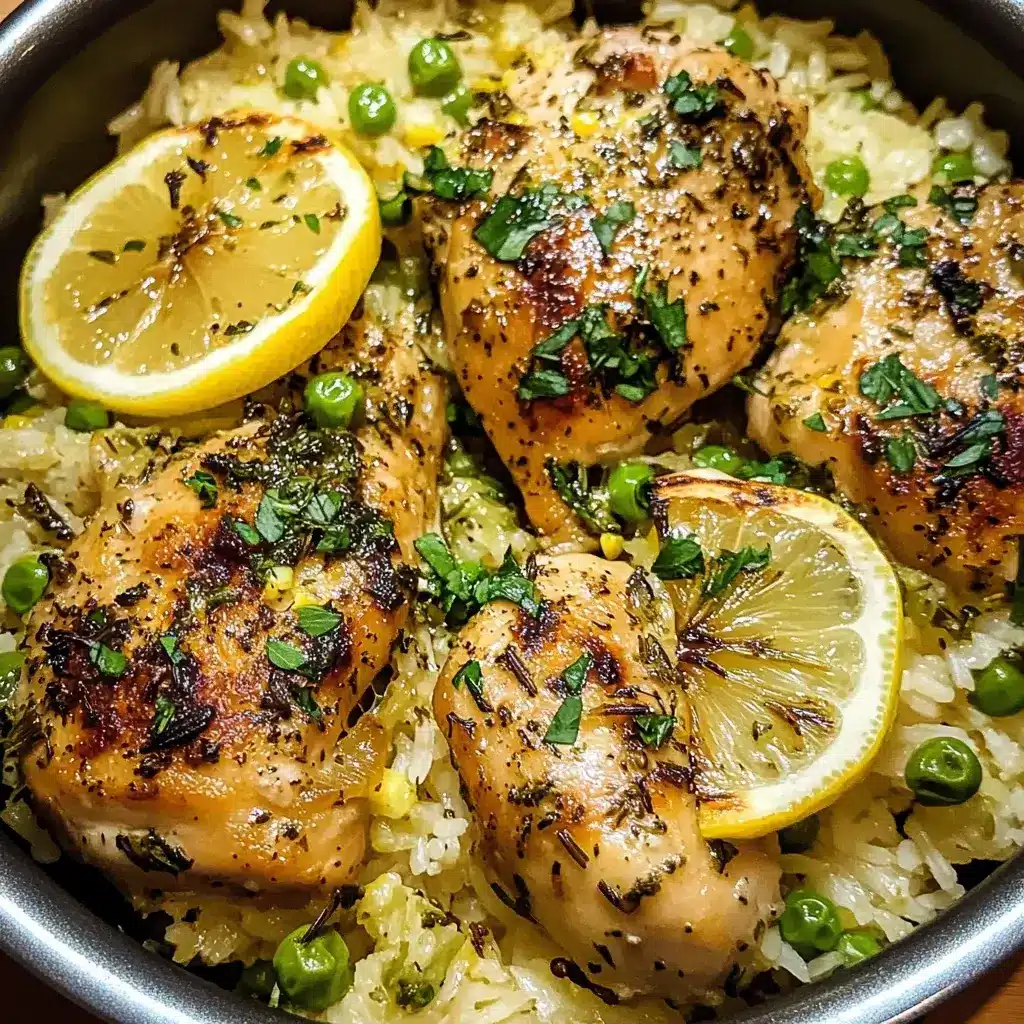
- Monday — One-Pan Lemon Herb Chicken and Rice with Asparagus. Sear thighs skin-side-down for 6 minutes, flip, scatter rice and broth around, lay asparagus across the top, lid on for 18 minutes. 28 minutes total. Makes Tuesday lunch.
- Tuesday — Best-Ever Creamy Tomato Pasta. Brown garlic in olive oil, add crushed tomatoes, simmer 8 minutes, finish with a splash of cream and the al-dente pasta. 25 minutes. Add a fistful of baby spinach in the last 30 seconds.
- Wednesday — Baked Italian-Style Cod with Garlic and Cherry Tomatoes. Skillet to oven-safe dish: build a quick garlic-tomato base, lay cod fillets in, 12 minutes at 400°F. 22 minutes. Serves with crusty bread.
- Thursday — Spiced Chicken Fajitas with Bell Peppers and Onions. Slice chicken thin, hit hot skillet with olive oil + spice rub, add peppers, char 6 minutes. 24 minutes. Warm tortillas in the dry skillet after.
- Friday — Freezer-rescue night. Pull a frozen marinara + a bag of frozen ravioli; 12 minutes total. Friday is for low-effort, not flexing.
Week 1 grocery focus: 2 lbs chicken thighs, 1 lb cod, 1 bunch asparagus, 4 lemons, 2 yellow onions, 3 bell peppers, garlic, cherry tomatoes, canned crushed tomatoes, 1 lb pasta, basmati rice, parmesan, fresh parsley.
Week 1 protein math: 28-32 g per dinner from the chicken/cod/cheese mix. Add 1 cup Greek yogurt at breakfast for an extra 18 g and you're at 45-50 g per day from dinner + breakfast alone, before lunch counts at all.
Week 2: sheet-pan and one-pan low-effort dinners
Week 2 is the laziest week of the rotation — you'll do almost no active cooking. The technique you're practicing is chop, toss, roast: everything goes on a sheet pan at 425°F, you set a timer, you read for 20 minutes, dinner is done.
- Monday — Sheet Pan Midwestern Sausage and Root Vegetables. Cubes of potato + carrot + parsnip + sliced sausage, olive oil, smoked paprika, 25 minutes at 425°F. 28 minutes total including prep. Insanely good leftovers.
- Tuesday — Leftover sheet-pan dinner rebuilt as a bowl. Yesterday's roasted veg + sausage over greens with a mustard vinaigrette. 8 minutes. This is the week's secret weapon — plan a leftover night and you bank 22 minutes for actual rest.
- Wednesday — Japanese-Style Teriyaki Salmon Bowls. Salmon under the broiler with teriyaki glaze, 8 minutes; serve over Sunday's pre-cooked brown rice with shredded carrot and edamame. 15 minutes if your rice is batched, 30 if not.
- Thursday — Sheet-pan chicken thighs + broccoli. Spice-rub bone-in thighs, broccoli florets on the other half of the pan, 28 minutes at 425°F. Make extra chicken for Friday.
- Friday — Thursday's chicken on a quick salad with toasted bread and a sharp dressing. 10 minutes. Friday is rest.
Week 2 grocery focus: 1.5 lbs salmon fillets, 1 lb chicken thighs, 1 lb smoked sausage (kielbasa or chicken sausage), 2 lbs potatoes, 1 lb carrots, 1 bunch broccoli, frozen edamame, teriyaki sauce, soy sauce, ginger, brown rice (batch cook).
Why this week works: two of five "cooking" nights are actually re-plating Sunday's batch food or Monday's leftovers. You only do active 25-30-minute cooking three times this week, which is the lowest-effort math we can give you without writing a frozen-meal post.
Week 3: stir-fry and grain-bowl rotation
Week 3 turns up the heat — literally. The technique you're practicing is high-heat fast-cook: a screaming-hot skillet or wok, protein in for 90 seconds, vegetables in for 3 minutes, sauce thrown in at the end. Stir-fries are the fastest hot dinner there is when the prep is right.
- Monday — Quick Garlic Shrimp Stir-Fry. Get the pan smoking before the shrimp goes in. Garlic, ginger, snap peas, soy + cornstarch slurry, served over Sunday's batch rice. 18 minutes.
- Tuesday — Sesame-Ginger Tofu Buddha Bowls with Crispy Edamame. Press-and-pan-fry extra-firm tofu in a single layer until crisp; serve over rice with crispy edamame, carrot, sesame dressing. 22 minutes.
- Wednesday — Beef-and-broccoli stir-fry. Flank steak sliced thin against the grain, marinated 10 minutes in soy + cornstarch + sugar, hot wok, broccoli, oyster sauce. 20 minutes.
- Thursday — Pan-Fried Gnocchi with Spinach and Sun-Dried Tomato Pesto. Hard pivot to Italian: skip the boiling step entirely and pan-fry packaged gnocchi straight from the bag — 6 minutes for golden-crispy edges, then toss with spinach and pesto. 18 minutes total.
- Friday — Bowl night. Leftover rice + whatever protein and veg are still in the fridge + a quick miso-mayo sauce. 12 minutes.
Stir-fry rule: all your prep must be done before you turn on the heat. Once the pan is hot, you have 5 minutes of full attention to give and zero time to chop garlic. A well-organized stir-fry mise (small bowls of cut protein, cut veg, sauce mixed, garlic minced) cooks faster and tastes 3× better than a stir-fry where you chop as you go. Get a decent chef's knife from the /k/knives shop — a sharp 8-inch is the entire difference between 10 minutes of prep and 25.
Week 3 grocery focus: 1 lb shrimp, 1 lb flank steak, 14 oz extra-firm tofu, 1 lb snap peas, 1 bunch broccoli, fresh ginger, garlic, scallions, soy sauce, oyster sauce, sesame oil, cornstarch, sun-dried tomato pesto, fresh gnocchi, baby spinach.
Week 4: pasta night, taco night, and the freezer-rescue dinner
Week 4 closes the rotation with the three formats that almost cook themselves: pasta night, taco night, and the freezer-rescue. The technique you're practicing this week is don't overthink it — these are the dinners that turned into family traditions for a reason.
- Monday — Mexican-Style Beef and Black Bean Tacos with Cilantro Lime Slaw. Brown ground beef, dump in black beans + spice mix, simmer 6 minutes, pile into warmed tortillas with the slaw. 25 minutes. Taco Monday > Taco Tuesday because Tuesday is for leftovers.
- Tuesday — Taco salad bowls. Same beef-and-bean filling from Monday over romaine with corn, avocado, lime, cilantro. 10 minutes if the filling reheats.
- Wednesday — One-pot pasta. Penne + crushed tomatoes + a pinch of red pepper + frozen meatballs straight from the freezer, simmer 18 minutes covered, finish with parmesan. 22 minutes total. Cooking the pasta IN the sauce instead of separately is the cheat code.
- Thursday — Sheet-pan shrimp + couscous. Olive-oil-tossed shrimp + cherry tomatoes + lemon at 425°F for 8 minutes; couscous made on the stovetop in 5 minutes alongside. 18 minutes.
- Friday — Freezer-rescue. A frozen pizza upgraded with fresh arugula and a soft-boiled egg on top. 14 minutes. We promised you no shame.
Friday is non-negotiable. Every four-week plan we've reviewed that omits a freezer-rescue night collapses by week 3. The point isn't that you couldn't cook on Friday — the point is that you shouldn't have to. The New York Times Cooking 30-minute recipes archive lists 1,400+ recipes that hit the 30-minute mark; we are not running out of options for Mondays. We are running out of energy for Fridays. Build a Friday off-ramp.
Top 10 weeknight winners from the AislePrompt catalog
The full ten-recipe lineup. Each is rated, photographed, and tested to cook in 30 minutes or less by a regular cook. Print this list, pin it to the fridge, swap any one for another over time:
1. One-Pan Lemon Herb Chicken and Rice with Asparagus
2. Sheet Pan Midwestern Sausage and Root Vegetables
3. Quick Garlic Shrimp Stir-Fry
4. Mexican-Style Beef and Black Bean Tacos with Cilantro Lime Slaw
5. Best-Ever Creamy Tomato Pasta
6. Spiced Chicken Fajitas with Bell Peppers and Onions
7. Baked Italian-Style Cod with Garlic and Cherry Tomatoes
8. Japanese-Style Teriyaki Salmon Bowls
9. Pan-Fried Gnocchi with Spinach and Sun-Dried Tomato Pesto
10. Sesame-Ginger Tofu Buddha Bowls with Crispy Edamame
You can swap any pick for another 30-minute dinner from the recipes catalog — the structure of the four-week rotation holds as long as you keep one anchor in each format (skillet, sheet-pan, stir-fry, bowl).
The weekly shopping list (built around the AislePrompt /meal-plan tool)
You can write this list by hand from the four week breakdowns above, or — far easier — open the AislePrompt meal planner at /meal-plan, drag the 10 anchor recipes into the week, and let it deduplicate the ingredients into a single aisle-organized list. The planner sends straight to Instacart with one tap and handles retailer-aware substitutions for items your store doesn't carry.
A typical Week 1 shopping list comes out to about $75-$90 for a household of two at a US chain supermarket as of 2026. Reusable pantry buys (olive oil, soy sauce, spices) front-load the first week's spend and amortize across the next three. Here's the produce + protein breakdown that recurs across all four weeks:
| Section | Items | Estimated cost |
|---|---|---|
| Proteins (week-rotating) | 2 lbs chicken thighs, 1 lb fish (salmon or cod), 1 lb shrimp, 1 lb ground beef, 14 oz tofu, 1 lb sausage | $42 |
| Produce (always-on) | Onions, garlic, lemons, fresh herbs, bell peppers, broccoli, snap peas, baby spinach, cherry tomatoes | $18 |
| Grains | Brown rice (batch cook Sunday), 1 lb pasta, 1 box couscous, fresh gnocchi, tortillas | $12 |
| Pantry refresh | Crushed tomatoes, sun-dried tomato pesto, teriyaki sauce, black beans, edamame | $10 |
| Dairy + eggs | Greek yogurt, parmesan, eggs, optional cream | $11 |
Total per week: $85-$95 for two adults. Sunday's grain batch and Wednesday's leftover night together cover three lunches, so the per-meal cost lands around $4-$5. Use the AislePrompt pantry tracker to keep the pantry-refresh section honest — it deducts what you already have at home so you don't double-buy soy sauce three weeks in a row.
The single most expensive mistake on a 30-minute weeknight is realizing at 6:15pm that you're out of olive oil. Keep a stocked storage shelf with backup bottles of the basics and one frozen "emergency dinner" in the freezer at all times.
Mise en place: the 8-minute Sunday prep that saves 20 minutes per weeknight
Eight minutes on Sunday afternoon. Set a kitchen timer; this is not a 45-minute meal-prep ritual. The whole point is that it's short enough you'll actually do it.
1. Cook 2 cups of brown rice in a 4-quart pot (1:2.25 ratio, 45 minutes hands-off). Cool, store in a sealed quart container. Saves 30 min of stovetop time across 3 dinners.
2. Chop 4 yellow onions into small dice, store in a quart container with a paper towel on top. Saves 4 min × 5 nights = 20 min.
3. Mince a head of garlic (yes, the whole head). Store in a small lidded jar with a tablespoon of olive oil on top. Lasts 7 days. Saves 3 min × 5 nights = 15 min.
4. Wash and dry the bagged greens. Spinach, romaine, arugula. Wet greens go limp in two days; dried-and-stored greens keep five. Saves the produce drawer.
5. Make one quick vinaigrette — 3:1 oil-to-acid, mustard, salt, pepper, jarred. Use it on three lunches and two dinners. Saves the decision tax on every salad you build this week.
6. Defrost any frozen proteins for Monday-Tuesday and move them to the fridge.
Total: about 8 minutes of active work (the rice cooks unattended). Total weeknight time saved: 20-25 minutes. That's the difference between a 30-minute weeknight dinner that hits the table at 6:32pm and a 45-minute weeknight dinner that hits the table at 7:15pm. The investment pays back five-to-one on the first weeknight alone.
A note on equipment: the Sunday prep relies on one 12-inch nonstick skillet (for the rice and any veg pre-roasting), a sturdy 8-inch chef's knife, and a half-sheet pan from the bakeware shop. If you're rebuilding a kitchen, those three pieces handle 90% of weeknight cooking. Add a 4-quart pot for grains and a reliable set of stackable storage containers and the kit is complete.
Common 30-minute weeknight mistakes
After reviewing thousands of weeknight cook reports across the AislePrompt catalog, five mistakes show up in nearly every "the recipe took twice as long as the time said" comment:
1. Cold pan starts. A skillet recipe that calls for a hot pan needs a hot pan. Set the heat to medium-high and walk away for 4 minutes before the protein goes in. A skillet you can hover your hand over for 5 seconds is not hot enough — it should be uncomfortable at 3 seconds.
2. Dull knife. A dull 8-inch chef's knife adds 8-12 minutes of prep to a 30-minute dinner. Sharpen monthly with a ceramic rod; replace honestly worn knives. There is no recipe trick that compensates for slow chopping.
3. Crowding the pan. Stir-fry shrimp in a single layer with room between each piece. Crowded shrimp steams instead of sears and you'll end up with rubbery results in 60 seconds flat.
4. Forgetting the acid. Almost every weeknight dinner — curry, grain bowl, taco, frittata, salad, pasta — wakes up with a squeeze of lemon or lime at the end. The flavor that's "missing" from a flat dinner is usually acid, not salt.
5. Reading the recipe at 5:55pm. Read on Sunday when you make the meal plan, scan again when you start cooking, and set out all the ingredients before you turn on a single burner. Reading-while-cooking is where 30-minute recipes become 50-minute recipes.
Fix those five and your weeknight pass rate jumps from "fine, I guess" to "we should put this in the rotation."
When NOT to use this plan
This plan is built for a regular weeknight cook feeding two to four people. It's a poor fit for a few specific situations:
- Households with severe shellfish, dairy, or gluten allergies. Several of the anchor recipes use shrimp, parmesan, and wheat pasta. Use the AislePrompt AI chat at /chat to regenerate the rotation with substitutions — paste the allergen list and the chat rebuilds the four weeks with safe alternatives in about 30 seconds.
- Single-person households. Most recipes serve 4. You can halve them, but the protein math gets awkward at half a chicken thigh; better to cook the full recipe Monday and eat the same dinner Tuesday-Wednesday as lunch.
- Diabetic or low-carb households. The rice + pasta + tortilla base is carb-heavy by design. The keto + low-carb category at /recipes has 30-minute options that swap rice for cauliflower rice and pasta for shirataki.
For a longer-horizon view, the 4-week Mediterranean meal plan and the 12-meal family dinner rotation cover adjacent angles. The vegetarian version of this plan lives at /blog/complete-vegetarian-meal-plan-2026 and runs the same Monday-Friday structure with plant proteins.
How to rebuild the plan around your household using AislePrompt's AI chat
Real households have real constraints — a kid who refuses fish, a partner who's traveling Thursday, a grocery store that doesn't carry fresh gnocchi. Rather than hard-coding the plan against every combination, this site lets you regenerate it.
Open the AI chat at /chat and paste this prompt:
> Rebuild the 30-Minute Weeknight Dinners 4-Week Plan for a household that's [your constraints, e.g. "fish-averse, no shellfish, two adults + a 6-year-old, traveling Thursday"]. Keep every dinner at 30 minutes or less. Use only recipes on aisleprompt.com. Give me the new shopping list grouped by aisle.
The chat returns a customized plan within 15 seconds. It queries the same recipe catalog these picks came from and filters out anything that breaks your constraint set, then sends the shopping list straight to Instacart from /shoppinglist. The pantry page at /pantry deducts whatever you already have at home so the list only shows what you need to buy.
FAQ
(See the FAQ panel below — five common questions answered.)
Sources
- Bon Appétit, Quick Recipes hub — editorial framing for quick weeknight dinners and the planning-vs-cooking distinction.
- Academy of Nutrition and Dietetics, Meal Planning for Busy Weeks — format diversity, batch cooking, and grocery-list structure for sustainable weeknight cooking.
- New York Times Cooking, 30-Minute Recipes topic page — 1,400+ recipe inventory and the boundary conditions of the "30-minute" recipe claim.
Last reviewed: June 2026.
Frequently asked questions
Are these meals really 30 minutes from fridge to table?
How do I plan around picky eaters?
Can I batch-cook on Sunday so weeknights are even faster?
What kitchen equipment do I actually need to cook this plan?
How does the AislePrompt meal planner help with this?
Sources
Plan a week of meals in two minutes.
Tell our AI what you have and what you like — it builds your plan, shopping list, and Instacart cart. No account needed.
Try free →