7-Day Mediterranean Diet Meal Plan + Instacart Shopping List (2026)
A 30+ recipe Mediterranean plan with a 7-day menu, shopping list, and swaps for gluten-free, dairy-free, and budget cooking.
Affiliate disclosure: AislePrompt may earn a commission on qualifying purchases made through Amazon and Instacart links in this article, at no additional cost to you. See our affiliate policy →
Quick answer
What is the Mediterranean diet meal plan?
The Mediterranean diet meal plan is a weekly eating pattern built on vegetables, whole grains, legumes, fish, and extra-virgin olive oil — with red meat and sweets treated as occasional extras rather than daily staples. A practical week looks like: Greek yogurt with walnuts for breakfast, tabbouleh or hummus for lunch, and a rotation of baked fish, shakshuka, lentil soup, and sheet-pan chicken for dinner. The full plan on this page is a 7-day menu with every meal linked to a recipe, a categorised shopping list, and one-tap links that send the dinners or the whole week to an Instacart cart.
This plan gives you a 7-day menu of 21 meals, each one linked to a real AislePrompt recipe, plus a printable shopping list grouped by aisle and the swaps you need for gluten-free, budget, or family-of-four cooking.
7-day Mediterranean diet meal plan: breakfast, lunch, and dinner
Every meal below is a real AislePrompt recipe with its own ingredient list, steps, and per-serving nutrition. Tuesday's and Thursday's lunches reuse the night before's leftovers and Friday's frittata covers Sunday breakfast, so the week cooks with less effort than 21 meals suggests.
Shop this plan on Instacart: Send all 7 dinners to an Instacart cart → · Send the whole week, all 19 recipes →
Either link builds the list straight from the recipes and merges repeats, so a week of lemons, feta, and olive oil lands as one line each. The aisle-by-aisle shopping list and the cost breakdown further down cover the Monday-to-Friday core of the plan.
Why Mediterranean beats every other diet in long-term studies
More than 30 years of clinical evidence puts the Mediterranean pattern at the top of the American Heart Association, U.S. News & World Report, and U.S. Dietary Guidelines rankings. The landmark PREDIMED trial followed 7,447 adults for nearly five years and found a 30% relative reduction in major cardiovascular events among people assigned to a Mediterranean diet enriched with either extra virgin olive oil or mixed nuts, compared to a control low-fat diet (Harvard T.H. Chan / Health Publishing). Follow-up work has replicated benefits for type 2 diabetes prevention, cognitive decline in older adults, and all-cause mortality.
The pattern works because it doesn't ban food groups — it changes the proportions. On a typical day you eat 7 to 10 servings of vegetables and fruit, 3 to 5 servings of whole grains and legumes, and 2 to 3 tablespoons of extra virgin olive oil. Fish shows up two or three times per week; poultry and dairy a few times per week; red meat once a week or less. Water is the default drink, with a small glass of red wine at dinner if you already drink alcohol (Mayo Clinic — Mediterranean diet: A heart-healthy eating plan).
For readers coming from other plans, this guide's later sections compare Mediterranean head-to-head against keto and Whole30, and a companion 4-week onramp is available in our Mediterranean Diet for Beginners: A 4-Week Starter Plan guide.
The Mediterranean plate: what you'll eat every day
Picture your dinner plate divided into three sections. Half the plate is non-starchy vegetables — leafy greens, tomatoes, peppers, cucumbers, eggplant, zucchini, artichokes, or roasted cauliflower. A quarter is a whole grain or legume: farro, bulgur, quinoa, brown rice, chickpeas, lentils, or white beans. The last quarter is protein: grilled fish twice a week, roasted chicken once or twice, and a plant-forward legume or egg meal the other nights.
Every dish gets finished with 1 to 2 tablespoons of extra virgin olive oil, a squeeze of lemon, and fresh herbs — parsley, dill, oregano, mint, or basil. Sea salt, black pepper, and a shake of dried oregano do most of the seasoning work. Complex sauces are rare; the flavor comes from good raw ingredients cooked briefly and dressed simply.
Snacks lean whole-food: a small handful of almonds or walnuts, an apple with a wedge of feta, a bowl of Greek yogurt with honey and cinnamon, or a few olives with whole-grain crackers. Dessert is fresh fruit most nights, with baklava, tiramisu, or a square of dark chocolate reserved for the weekend.
Here's the target daily distribution for an average 2,000-calorie day:
| Food group | Daily target | Weekly frequency notes |
|---|---|---|
| Non-starchy vegetables | 4–6 cups | Every meal; half of dinner plate |
| Fruit | 2–3 servings | Whole fruit; berries preferred |
| Whole grains + legumes | 3–5 servings | Farro, bulgur, quinoa, oats, beans |
| Extra virgin olive oil | 2–3 tbsp | Primary cooking + finishing fat |
| Fish or seafood | Twice weekly | Salmon, sardines, cod, shrimp |
| Poultry + eggs | 2–4 times weekly | Skin-on thighs, whole roasted birds |
| Dairy (yogurt, cheese) | 1–2 servings | Greek yogurt, feta, sheep's milk |
| Nuts + seeds | 1 handful daily | Almonds, walnuts, pistachios |
| Red meat | Once weekly or less | Small portion; often lamb |
| Red wine (optional) | 5 oz with dinner | Only if you already drink |
| Sweets | 2–3 times weekly | Fruit-based; small portions |
What you'll need: pantry staples + kitchen equipment
You can start Mediterranean cooking with almost anything, but two purchases pay off immediately: a good chef's knife and a large heavy sauté pan or Dutch oven. Both get used every night. Browse AislePrompt's Knives & Cutting collection for an 8-inch chef's knife under $80, and check the Cookware category for a 12-inch stainless sauté pan or an enameled Dutch oven that goes from stovetop to oven for stews and braises. A utensils starter kit with a citrus juicer, microplane, and fish spatula covers the small-tools side.
Beyond that, stock these pantry items and you can improvise 80% of Mediterranean meals without shopping:
- Extra virgin olive oil — one large bottle for cooking (Costco Kirkland or Trader Joe's), one small dark-glass bottle for finishing.
- Canned tomatoes — whole peeled San Marzano (or store brand) for sauces; fire-roasted diced for stews.
- Dried and canned legumes — chickpeas, cannellini, lentils (green and red), white beans.
- Whole grains — farro, bulgur, quinoa, brown rice, whole-wheat pasta or chickpea pasta.
- Nuts and seeds — almonds, walnuts, pistachios, pine nuts, sesame seeds.
- Aromatics — garlic, yellow onions, shallots, lemons.
- Herbs and spices — dried oregano, cumin, coriander, paprika, red-pepper flakes, cinnamon, bay leaves.
- Cheese and dairy — plain Greek yogurt (whole milk), feta in brine, parmesan.
- Pantry fish — canned sardines, tuna in olive oil, anchovies.
- Vinegars and brines — red wine vinegar, balsamic, kalamata olives, capers.
Fresh weekly shop: leafy greens, tomatoes, cucumbers, bell peppers, zucchini, eggplant, herbs (parsley, mint, dill, basil), lemons, seasonal fruit, fresh fish twice a week.
Day-by-day notes: prep, leftovers, and snacks
This plan targets roughly 1,900 to 2,100 calories per day for an active adult — scale down by about 15% for a sedentary day and up by 20% for a very active one. Per-serving calories are on each recipe page; the snacks and sides below fill the gap.
- Monday — Roast the chicken with an extra tray of potatoes and keep half the chicken for Tuesday's lunch. Serve with a big Greek salad. Snack: an apple with 20 raw almonds.
- Tuesday — Pack the leftover chicken over greens with lemon and olive oil. The white bean soup makes six servings, so freeze two. Snack: olives, cucumber sticks, and hummus.
- Wednesday — Make the chickpea-quinoa salad ahead; it holds four days in the fridge. Grill one extra salmon fillet for Thursday. Snack: 1 oz pistachios and a small orange.
- Thursday — Flake the leftover salmon over the orzo pilaf. The vegetable quinoa bowl is one sheet pan, finished with a tahini drizzle. Snack: Greek yogurt with honey and cinnamon.
- Friday — Bake the frittata once and keep half for Sunday. Dinner is the one-pan chicken-and-shrimp rice, with an optional 5 oz glass of red wine if you already drink. Snack: walnuts and half a peach.
- Saturday — Shakshuka for a slow breakfast, tabbouleh for lunch, and the baked cod for dinner.
- Sunday — Reheat the frittata, make the lentil soup for lunch, and bake the stuffed peppers — a good night to batch-prep for the week ahead.
10 curated Mediterranean recipes from the AislePrompt catalog
Every recipe below has been tested in the AislePrompt kitchen, comes with a per-serving nutrition breakdown, and hooks into the /shopping-list tool so you can drop ingredients straight into your Instacart cart.
1. Saffron-Infused Mediterranean Chickpea and Quinoa Salad — 25 minutes, 6 servings, ~440 kcal per serving. A make-ahead lunchbox star: chickpeas, quinoa, cucumber, cherry tomatoes, red onion, parsley, mint, feta, and a saffron-lemon vinaigrette that holds for four days in the fridge.
2. Greek Lemon-Oregano Roasted Chicken with Crispy Potatoes — 1 hr 15 minutes, 4 servings, ~610 kcal per serving. A one-pan Sunday cook with skin-on chicken thighs, Yukon gold potatoes, lots of lemon, dried oregano, and a garlic-olive-oil glaze that crisps under the broiler.
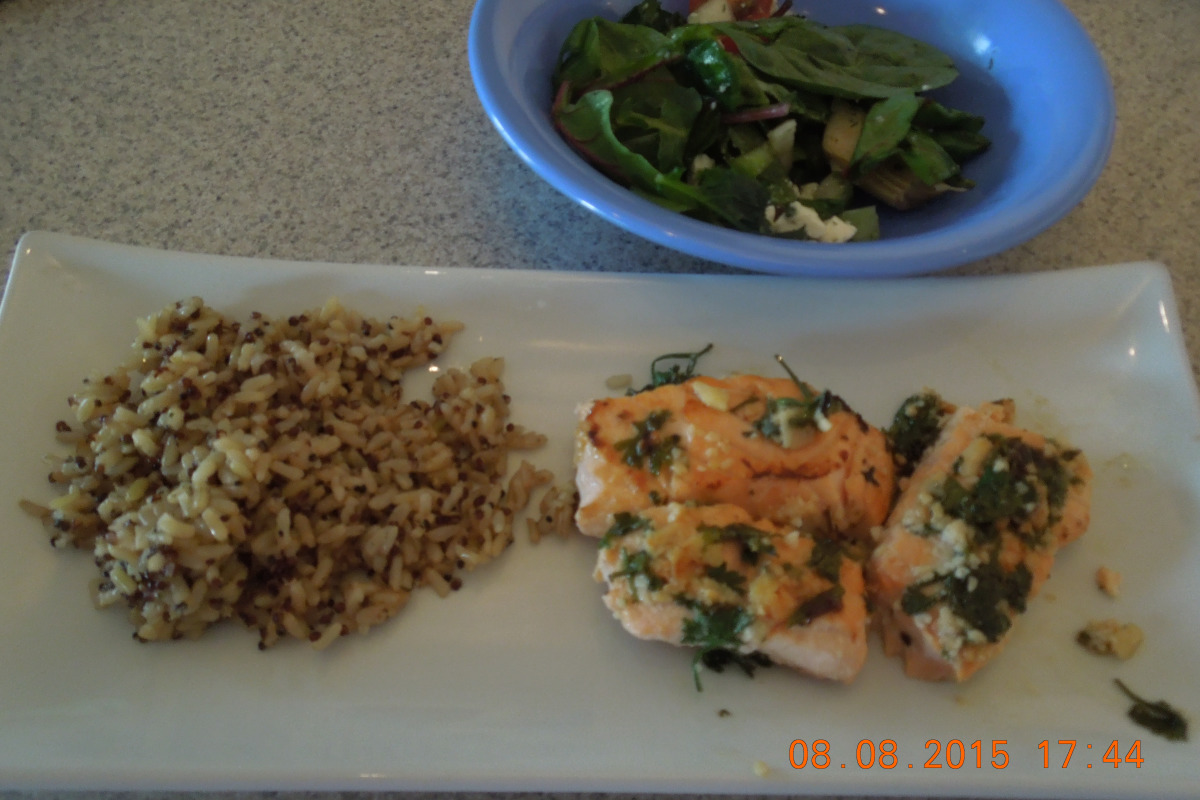
3. Grilled Lemon-Dill Salmon with Gages Lake Herb Salad — 20 minutes, 4 servings, ~470 kcal per serving. Wild-caught salmon fillets grilled 4 minutes per side over medium-high heat; a fresh-herb salad with dill, parsley, cucumber, and lemon covers the plate.
4. Tuscan-Style White Bean and Kale Soup — 45 minutes, 6 servings, ~380 kcal per serving. Cannellini beans, lacinato kale, garlic, rosemary, and a splash of red wine vinegar; a parmesan rind in the pot builds savory depth without meat.
5. Mediterranean One-Pan Chicken and Shrimp Rice — 50 minutes, 4 servings, ~620 kcal per serving. A paella-adjacent one-pan dinner with saffron rice, bone-in chicken thighs, and shrimp added in the last 5 minutes.
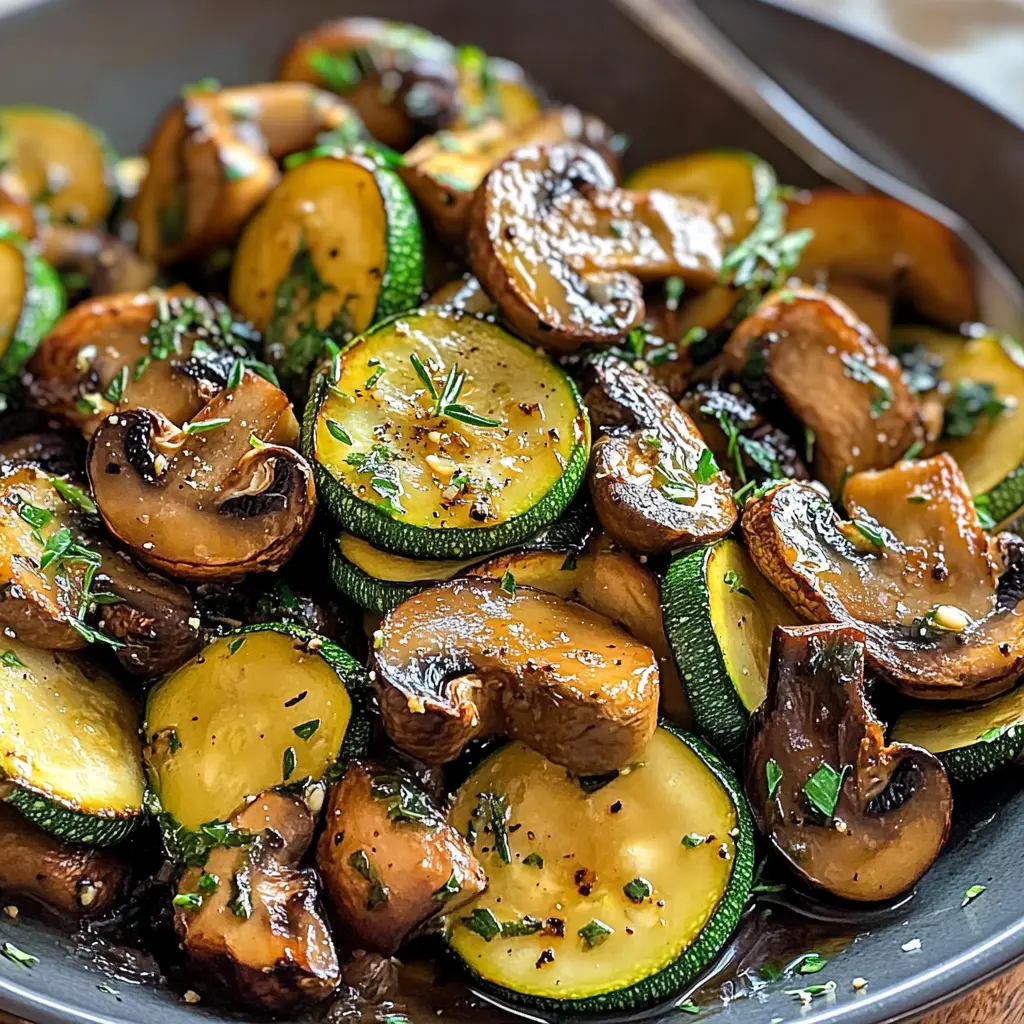
6. Mediterranean Herb-Roasted Vegetable Quinoa Bowl — 40 minutes, 4 servings, ~520 kcal per serving. Sheet-pan zucchini, eggplant, red onion, and peppers roasted with oregano and thyme; served over quinoa with feta and a tahini-lemon drizzle.
7. Stovetop Orzo Pilaf with Lemon, Feta, and Spinach — 25 minutes, 4 servings, ~410 kcal per serving. A weeknight side that eats like a main: toasted orzo simmered in vegetable broth, finished with wilted spinach, lemon zest, and crumbled feta.
8. Baked Cod with Tomato-Olive Relish and Roasted Cauliflower — 35 minutes, 4 servings, ~380 kcal per serving. Flaky cod baked at 400°F for 12 minutes, topped with a bright relish of cherry tomatoes, kalamata olives, capers, parsley, and lemon.
9. Half-Stuffed Bell Peppers with Quinoa and Mediterranean Herbs — 55 minutes, 4 servings, ~440 kcal per serving. Sweet peppers halved and stuffed with quinoa, chickpeas, tomato, feta, and fresh herbs; baked until the edges char.
10. Weekend swap: Chickpea Shakshuka. For lazy Saturday brunches, simmer a can of fire-roasted tomatoes with cumin, paprika, and a can of drained chickpeas until thickened, then crack in four eggs and cover until the whites set. Serve straight from the skillet with crusty whole-grain bread. (This one isn't in the catalog yet — request it via the AislePrompt chat and we'll add it to the next drop.)
The complete shopping list, grouped by store aisle
Print this list or push it into an Instacart cart via the AislePrompt /shopping-list page. Quantities feed two adults for five days; double for a family of four.
Produce
- 2 heads romaine or 1 tub baby spinach
- 1 bunch lacinato kale
- 1 English cucumber
- 2 pints cherry tomatoes
- 4 medium tomatoes
- 3 lemons
- 3 bell peppers (mix of red, yellow, orange)
- 2 medium zucchini
- 1 small eggplant
- 1 head cauliflower
- 1 bunch asparagus
- 1 head garlic
- 2 yellow onions, 1 red onion
- 1 bunch flat-leaf parsley
- 1 bunch dill
- 1 bunch mint
- 1 pint blueberries, 1 lb strawberries, 2 pears, 2 apples, 2 peaches, 2 oranges
- 1 avocado
Proteins
- 4 bone-in skin-on chicken thighs (1.5 lb)
- 1 whole cut-up chicken (~4 lb) or 2 lb chicken breast
- 1 lb wild salmon fillets
- 1 lb large shrimp (16/20 count), peeled
- 1 lb fresh cod
- 1 dozen large eggs
- 1 tin sardines in olive oil
- 1 tin tuna in olive oil
Dairy
- 32 oz plain whole-milk Greek yogurt
- 8 oz feta in brine
- 4 oz shaved parmesan (with rind)
- Small container hummus (or make from pantry chickpeas)
Grains + pantry
- 1 lb whole-grain pita or flatbread
- 1 loaf whole-grain sourdough
- 12 oz whole-wheat pasta or chickpea pasta
- 8 oz orzo
- 12 oz farro or bulgur
- 12 oz quinoa
- 1 lb brown rice
- 1 canister rolled oats
- 2 (15 oz) cans chickpeas
- 2 (15 oz) cans cannellini or great northern beans
- 1 (15 oz) can lentils
- 3 (28 oz) cans whole peeled tomatoes
- 1 (14 oz) can fire-roasted diced tomatoes
Fats + condiments
- 1 large bottle extra virgin olive oil (33 oz+)
- 1 jar kalamata olives
- 1 small jar capers
- 1 bottle red wine vinegar
- 1 bottle balsamic vinegar
- 1 jar tahini
Nuts + seeds
- 8 oz raw almonds
- 6 oz walnuts
- 4 oz pistachios
- 2 oz pine nuts
- 2 oz chia seeds
Herbs, spices, extras
- Dried oregano, cumin, coriander, smoked paprika, red pepper flakes, cinnamon, saffron (small jar), bay leaves
- Local honey
- Sea salt, whole peppercorns
- Optional: one bottle dry red wine
Estimated total at a mid-tier grocery (Kroger, Publix, Safeway) as of 2026: $135–$160 for two adults, five days, or roughly $3.75 per person per meal across breakfast, lunch, dinner, and snacks.
How to swap ingredients for allergies, gluten-free, or budget
The plan is deliberately loose because Mediterranean cooking is loose. Here are the swaps that keep the flavor and the macronutrient balance intact.
Gluten-free. Swap whole-wheat pita for gluten-free flatbread or corn tortillas; swap orzo for gluten-free orzo (Jovial makes an excellent one) or arborio rice; swap whole-wheat pasta for chickpea pasta (Banza) or lentil pasta (Barilla Red Lentil); check that your oats are certified gluten-free.
Dairy-free. Replace Greek yogurt with unsweetened coconut yogurt (Cocojune, Anita's) or almond-milk yogurt; swap feta for a marinated tofu "feta" seasoned with lemon, oregano, and salt; drop parmesan or replace with nutritional yeast in soups.
Pescatarian or vegetarian. The plan already leans plant-forward. Replace chicken meals with a second serving of the Tuscan white bean soup or an extra sheet-pan vegetable quinoa bowl. For vegetarians, drop fish and lean into eggs, legumes, and Greek yogurt as your primary protein anchors.
Budget mode ($90 or less for two adults, 5 days). Buy frozen wild salmon and frozen shrimp instead of fresh; substitute canned sardines for one fresh-fish night; use dried beans (soaked overnight) instead of canned; skip the parmesan and use pantry oregano and red-pepper flakes for umami; buy store-brand olive oil in the largest format your store carries; buy in-season produce only, and let the sample plan flex around what's on sale.
Family of four with picky kids. Roast an extra tray of Yukon gold potatoes with the Greek chicken; serve pasta with a simple garlic-olive-oil-parmesan sauce alongside adult mains; keep raw cucumber-carrot-hummus plates on the table so kids can build their own. Younger kids often prefer the Half-Stuffed Bell Peppers with the herb quantity dialed back 30%.
Weekly Instacart cart via /shopping-list
The fastest way to run this plan is to skip the store. Open the /shopping-list tool, paste in the shopping list above, pick your zip code, and AislePrompt will map each item to the best-priced product at the closest Instacart-connected store — Costco, Kroger, Safeway, Publix, or Sprouts depending on your area. Click "Send to Instacart" and the entire week lands in a cart in about 90 seconds.
Two Instacart-specific tips that save money and time each week:
1. Buy the extra virgin olive oil in the 2-liter or 3-liter format from Costco. It's roughly $0.35 per ounce versus $0.85 per ounce for boutique bottles, and Mediterranean cooking burns through it fast. Decant a small pour-spout bottle for the counter.
2. Use Instacart's "Recipe" tag to save this cart. Next week you swap only the fish species, one produce item, and the whole-grain of the week — total re-shop takes under three minutes.
If Instacart isn't in your zip, the same shopping list drops into Kroger Boost, Walmart+, Amazon Fresh, or Whole Foods delivery. AislePrompt's tool detects the best available service in your area and routes the cart automatically.
Related: keto vs mediterranean, whole30 comparison
Three of the most-asked-about plans on AislePrompt sit next to Mediterranean in the "long-term healthy eating" landscape. Here's how they compare on the numbers that matter.
| Plan | Carbs | Fat | Protein | Fish target | Sweets | Time to results | Long-term sustainability |
|---|---|---|---|---|---|---|---|
| Mediterranean | 40–50% | 30–40% (mostly olive oil) | 15–20% | 2× weekly | Fresh fruit; sweets 2–3×/wk | Weeks–months | Very high |
| Keto | <10% (<30 g/day) | 70–75% | 20–25% | Optional | None | 1–2 weeks (water weight) | Low–moderate |
| Whole30 | Moderate; whole-food only | Moderate | Moderate | Encouraged | None (30 days) | 30 days | Reset only, not a long-term plan |
| Vegetarian Mediterranean | 45–55% | 30–35% | 15–20% | None (plant only) | Fresh fruit | Weeks–months | Very high |
Full deep-dives: The Complete Keto Meal Plan: 30+ Recipes + Shopping List for 2026, The Complete Whole30 Meal Plan: 30+ Approved Recipes + Shopping List for 2026, and The Complete Vegetarian Meal Plan: 40+ Recipes + 7-Day Shopping List for 2026.
The short version: keto wins fastest scale weight loss but is hard to sustain past six months; Whole30 is a 30-day reset that's excellent for identifying food sensitivities but was never designed as a permanent plan; Mediterranean has the strongest long-term evidence base for heart disease reduction, healthy aging, and metabolic markers, and it's the easiest to sustain because you're not eliminating whole food groups.
If you're brand new to structured meal planning, our weeknight dinners 4-week meal plan is a lower-stakes on-ramp: a Mediterranean-adjacent rotation that doesn't require the pantry rebuild.
Real-world numbers: what a Mediterranean week actually costs
Two adults, following the exact plan above for five days plus flexible weekend meals, using national grocery-chain pricing as of 2026:
| Line item | Cost (mid-tier grocery) | Cost (Costco + Aldi) |
|---|---|---|
| Fresh fish (salmon + cod + shrimp) | $38 | $28 |
| Fresh chicken | $18 | $12 |
| Produce (7-day) | $42 | $30 |
| Dairy (yogurt, feta, parmesan) | $22 | $16 |
| Whole grains + pasta + legumes | $16 | $10 |
| Extra virgin olive oil (33 oz) | $18 | $12 |
| Pantry restock (canned tomatoes, olives, herbs, nuts) | $28 | $20 |
| Weekly total, two adults | $182 | $128 |
| Per person per meal | ~$4.65 | ~$3.25 |
For comparison, a five-day fast-casual bowl habit (Cava, Sweetgreen, Chipotle) at $14–$16 per meal comes out to $210–$240 per person for the same five days. Cooking the Mediterranean plan at home is 4–6× cheaper without giving up the food quality — you're eating the same ingredients.
Common pitfalls (and how to avoid them)
Five failure modes we see over and over when people try Mediterranean cooking for the first time.
1. Buying cheap "pure olive oil" and expecting flavor. Refined "pure" olive oil is neutral and flat. You want extra virgin, cold-pressed, in a dark glass bottle, with a harvest date on the label (not just a best-by date). California Olive Ranch and Kirkland Extra Virgin from Costco both pass this test at $0.30–$0.45 per ounce.
2. Under-salting fish and vegetables. Mediterranean cooking uses less salt at the table but more during cooking. Salt your fish 15 minutes before cooking, and season roasted vegetables while they're still hot on the sheet pan — cold vegetables don't absorb salt.
3. Skipping the acid step. Every Mediterranean dish ends with a squeeze of lemon or a splash of vinegar. Miss it and the food tastes flat, no matter how much olive oil you added.
4. Trying to "improve" simple recipes. A Greek salad is tomatoes, cucumber, red onion, feta, oregano, olive oil, and salt — that's the entire recipe. Adding lettuce, croutons, or bell pepper isn't a variation; it's a different dish.
5. Buying "Mediterranean-style" bottled dressings. Almost all supermarket "Greek" or "Mediterranean" dressings are made with soybean oil, not olive oil, plus added sugar. Whisk your own in 30 seconds: 3 tablespoons olive oil, 1 tablespoon red wine vinegar, 1 clove grated garlic, salt, pepper, dried oregano.
When Mediterranean is NOT the right fit
The plan works for most adults, but there are two clear no-fits.
If you have a diagnosed medical condition that requires precise carbohydrate control (type 1 diabetes on tight insulin, severe insulin resistance under medical supervision, epilepsy managed by ketogenic therapy), Mediterranean's carb load will make your treatment harder to titrate. Talk to your doctor or a registered dietitian before starting.
If you're chasing rapid weight loss for a short-term goal (a wedding six weeks away, a photoshoot, a wrestling weight-in), Mediterranean will disappoint you — the pattern produces steady, sustainable loss of ~0.5 to 1 pound per week when combined with a modest calorie deficit. If you need faster scale movement, a structured keto or intermittent-fasting protocol will get you there in the short term; just plan to transition to Mediterranean after your event for long-term maintenance.
Sources
- Harvard T.H. Chan School of Public Health — The Mediterranean Diet
- Mayo Clinic — Mediterranean diet: A heart-healthy eating plan
- USDA — What We Eat in America (WWEIA) Dietary Data
Frequently asked questions
How many calories should I eat on the Mediterranean diet?
Can I drink wine on the Mediterranean diet?
Is the Mediterranean diet expensive?
How is Mediterranean different from keto?
Can I follow this meal plan if I'm gluten-free?
Mediterranean recipes from the catalog
Save any of these to My Recipes — no account needed — and send the ingredients to Instacart in one tap.