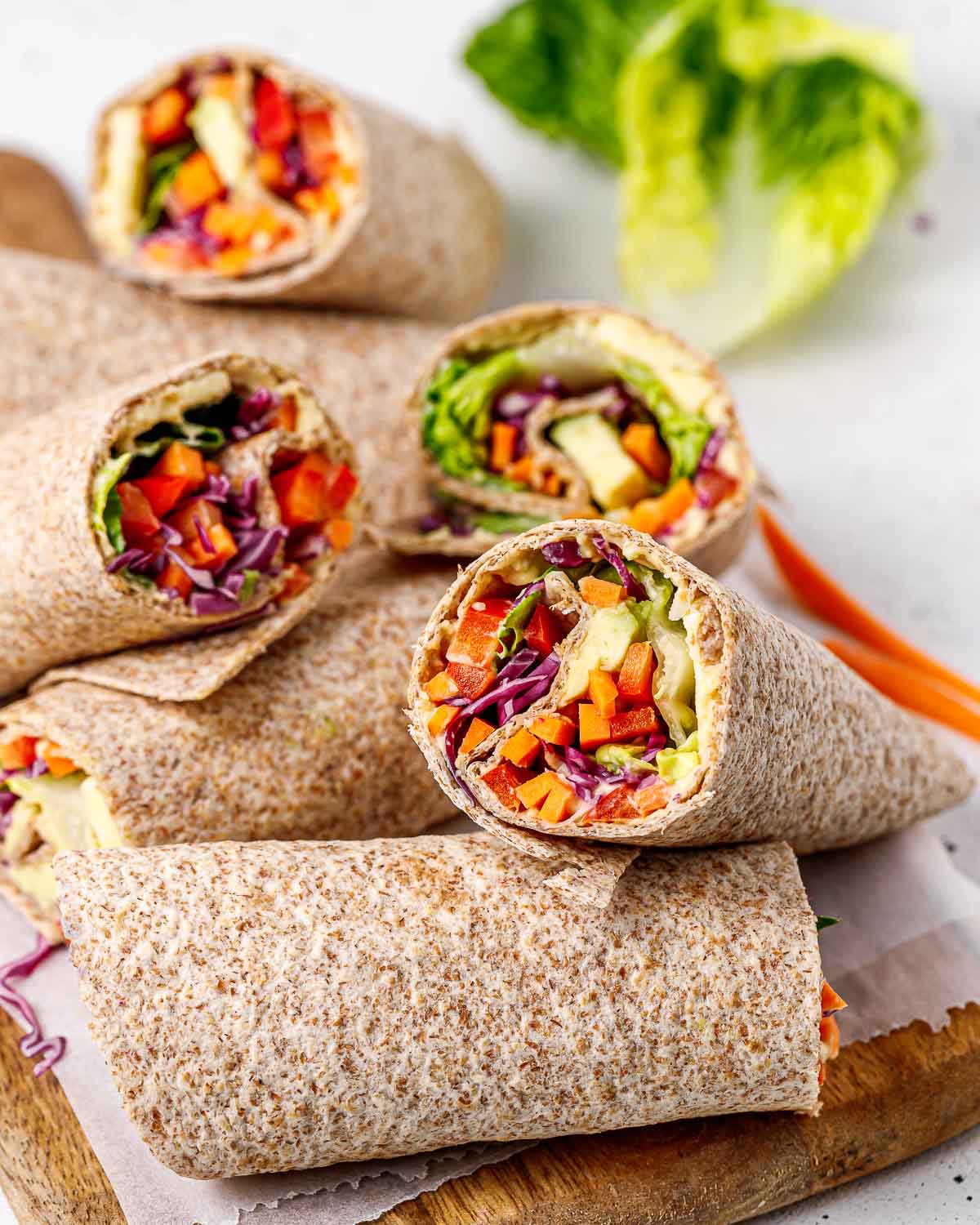
Back to School Meal Prep: 25 Lunchbox + Weeknight Recipes for 2026
12 lunchbox packs, 13 weeknight dinners, and a Sunday-plus-Wednesday cadence calibrated to the school calendar — the plan that survives September.
Back-to-school week is when the meal-prep intentions from June collapse against the reality of the 7 AM lunch pack, the 6 PM homework meltdown, and the last-minute permission slip. This guide is built to survive that week specifically: 25 recipes that split cleanly between lunchbox packs and weeknight dinners, a two-week rotation that keeps kids interested without asking you to reinvent the plan, and a Sunday-plus-Wednesday prep cadence tuned to the school calendar. Nothing here requires a fancy bento kit or an extra hour you don't have. The whole system runs on a plain plastic container. Add one preheated Thermos, one freezer bin, and 90 minutes of Sunday work.
Get a free 7-day kid-approved dinner plan
Seven school-night dinners picky eaters actually finish, delivered Sunday, with one shopping list for the week.
No spam, unsubscribe in one click. Recipes, shopping lists and Instacart carts all work without an account either way.
The 25-recipe playbook: 12 lunchbox packs + 13 weeknight dinners
The math is simple. A five-day school week takes 5 lunchbox packs and 5 dinners; two-week rotation covers 10 of each without repeats. The remaining 5 recipes are freezer insurance for the week that goes sideways (Tuesday parent-teacher, Wednesday soccer, Thursday nobody feels like cooking). Print the list, tape it inside the pantry, and pick from it Sunday night — never at 6:30 AM on a school morning.
Lunchbox-safe packs (12 recipes, tested for 4+ hours in an insulated bag)
- Vegetarian Tortilla Roll-Ups with Cream Cheese and Veggies — the load-bearing Monday. Roll Sunday night, slice Monday morning, four rolls per lunchbox.
- Kid-Friendly Rainbow Veggie Wraps with Hummus — assemble Sunday, wrap tight in parchment, hold through Wednesday.
- Layered Vegetable and Teriyaki Chicken Bento Box — the "fancy" pack for the kid who's tired of wraps. Cook Sunday, portion into bento boxes, freeze two portions.
- Soft Peanut Butter and Banana Sandwich with Honey Drizzle — nut-schools: swap peanut butter for sunflower-seed butter, everything else stays. Emergency pack for the morning you're 8 minutes behind schedule.
- Kid-Friendly Mini Veggie Pizzas on English Muffins — bake Sunday, cool completely, wrap two per pack. Room-temp-safe for the whole school day.
- Kid-Friendly Mini Turkey Meatball Skewers with Hidden Veggies — batch 24 meatballs Sunday, skewer three per box with a cherry tomato. Refrigerate the extras for Wednesday dinner.
- Dinosaur-Themed Veggie Quesadillas with Black Bean Dip — cut with a dinosaur cookie cutter for the kid who negotiates lunch. Two per pack, cold or room temp.
- Make-Ahead Breakfast Burritos with Scrambled Eggs and Veggies — packs as a hot lunch in a Thermos or as a cold wrap. Freeze five and grab-and-go every morning.
- Philadelphia Trail Mix Energy Bars with Nuts and Dried Fruit — nut-schools: sub sunflower seeds. The 3 PM crash-buster.
- Sour Cherry Applesauce Muffins with Cinnamon Streusel — bake 24 Sunday, freeze half, thaw two per lunch pack.
- Half-Baked Chocolate and Banana Oatmeal Bars — the dessert component that isn't candy. One 2×3 inch square in every pack.
- Make-Ahead Banana Oatmeal Muffins — swap for the applesauce muffins when Costco is out of applesauce cups.
Weeknight dinners (13 recipes, all under 45 min from fridge to plate)
- One-Pan Cheesy Chicken and Broccoli Rice Bake — Monday's dinner. One pan, one wash. Kids eat the broccoli when it's hidden in the rice.
- One-Pot Cheesy Taco Pasta — Tuesday's dinner. 25 minutes on the stovetop. Leftovers make Wednesday's lunch pack.
- Sheet Pan Chicken Fajitas with Black Beans — Wednesday. Wrap the leftovers in a burrito for Thursday's lunch — meal prep meets school lunch in one dinner.
- Low-Profile Baked Ziti — Thursday. Double the batch and freeze one 8×8 pan for the emergency week.
- Budget-Style Chicken and Rice Bowls — Friday. Bowl-and-fork dinner that eats at the counter while the kid finishes homework.
- Sheet Pan Southern Bistro Chicken with Mac and Cheese Tots — Saturday. The "we survived the week" plate.
- One-Pan Italian Sausage and Pepper Pasta — freezer alternate for Tuesday.
- Homemade Chicken Potpie with Flaky Pastry — Sunday-of-the-second-week dinner; the batch that feels like a real "family meal" and resets the palate before Monday.
- Brazilian Ham and Cheese Baked Rice Casserole — Tuesday alternate. Freezer-safe if you cool it fully before wrapping.
- Sheet Pan Chipotle Turkey Burrito Bowls — freezer alternate. Reheats in 8 minutes flat.
- Sheet Pan Citrus-Garlic Salmon with Roasted Asparagus — the once-a-week fish dinner, because school-week nutrition works better with fish once a week.
- Roasted Vegetable Medley — the dinner side that batches Sunday and reheats every night.
- Slow-Simmered Ethiopian Doro Wat with Hard-Boiled Eggs — Sunday's slow-cooker dinner. Reheats for Wednesday's lunch pack in a Thermos.
The two-week rotation (screenshot this, tape it in the pantry)
| Day | Week 1 lunchbox | Week 1 dinner | Week 2 lunchbox | Week 2 dinner |
|---|---|---|---|---|
| Monday | Tortilla roll-ups | Chicken & broccoli rice bake | Rainbow veggie wraps | Taco pasta |
| Tuesday | Bento box | Taco pasta | Mini pizzas | One-pan sausage pasta |
| Wednesday | Turkey meatball skewers | Chicken fajitas | Dinosaur quesadillas | Ham and cheese rice casserole |
| Thursday | Breakfast burrito | Baked ziti | PB & banana sandwich | Salmon + roasted vegetables |
| Friday | Mini pizzas | Chicken and rice bowls | Trail mix + fruit + cheese | Homemade chicken potpie |
Add a snack (fruit + one carb bar) and a drink to every pack. That's the entire school-year plan. Two weeks in, you can rotate individual recipes without breaking the structure — the calendar is the point, not the specific meals.
Sunday + Wednesday: the cadence that keeps everything fresh
A one-shot Sunday prep dies by Thursday. The school week is 5 days; most cooked proteins hold 3-4 days at fridge temperatures, per the USDA cold-food storage guidelines. Split the prep into a big Sunday (90 min) and a small Wednesday (30 min) and the calendar works cleanly.
Sunday (90 minutes, 4-6 PM)
- 0-15 min: Preheat oven to 400°F. Bake muffins first (they cool longest).
- 15-45 min: While muffins bake, roast the meatballs and the mini pizzas on two sheet pans. Rotate at 15 minutes.
- 45-60 min: Wraps and roll-ups assembled cold; wrap tight in parchment.
- 60-90 min: Portion into containers, cool completely, label with the day. Anything hot goes into the fridge only after 15 minutes on the counter.
Wednesday (30 minutes, 6 PM after dinner)
- Pull the Thursday dinner from the freezer to thaw overnight.
- Assemble Thursday's and Friday's lunches from what's left in the fridge.
- Bake the second batch of muffins or energy bars if the pantry is running low.
- Fresh cut fruit into snack containers for the last two school days.
That's the entire cadence. No 6 AM assembly, no Thursday-morning frozen bagel, no Friday-afternoon fast food.
Lunchbox food safety: what temperatures actually matter
School lunches sit in an insulated bag for 4-5 hours between packing and eating. That's inside the USDA 2-hour danger-zone window unless you pack a cold source. Two frozen 4-oz ice packs (one against the perishable protein, one against the fruit or yogurt) keep the pack under 40°F for the full school day. A single warm bagel-shaped ice pack keeps it under 40°F only for about 3 hours — not enough.
For hot lunches, a preheated Thermos holds soup, chili, or pasta above 140°F for 4-5 hours. Preheat by filling with boiling water, sealing, and letting it sit 5 minutes before draining and adding the food. Skip that step and hot lunches slide into the danger zone by 11 AM.
Room-temperature-safe options for the day the ice pack got left in the freezer at home:
- Peanut-butter or sunflower-butter sandwiches
- Dry cheese sticks (not shredded, not soft)
- Whole fruit (apple, banana, orange)
- Trail-mix bars and muffins
- Vegetable sticks with a small tub of hummus (hummus holds 4 hours room temp per USDA)
Common back-to-school lunchbox mistakes
| Mistake | Result | Fix |
|---|---|---|
| Packing everything in one big container | Lunch mixes together, kid trades it | Divided container or three small containers; kids eat food that stays visually separate |
| Fresh grapes or berries un-halved | Choking risk, uneaten | Halve grapes for kids under 5; slice berries for kids under 3 |
| Sending yogurt without a spoon | Comes back uneaten and thawed | Pack a plastic spoon in every lunch, or use squeeze pouches |
| Mystery protein wrapped in foil | Kid can't tell what it is, refuses | Clear container; visible protein; kids eat what they can identify |
| Same lunch 5 days in a row | Palate fatigue by Wednesday | Two-week rotation above; new lunch every day |
| Warm ice pack from a hot car | Perishable pack at 45°F by noon | Store ice packs in freezer overnight; pack the lunch straight into the insulated bag |
Real math: what back-to-school meal prep saves
For a family with two school-age kids across 180 school days:
| Approach | Cost per day per kid | Annual cost per kid | Two-kid family total |
|---|---|---|---|
| School cafeteria hot lunch | $3.50-4.50 | $720 | $1,440 |
| Store-bought "lunchables" + juice | $5-6 | $990 | $1,980 |
| Home meal-prepped from this guide | $2.20-2.80 | $450 | $900 |
Roughly $1,000 in savings per family per school year, and the meal-prepped lunches are better for the kid — lower sodium, real fruit, actual protein. The Serious Eats primer on lunchbox food safety covers the reheat and hold-temperature rules if you want to double-check any of the timing above.
Building the pantry for a school-year cadence
The right pantry setup makes the difference between "we did it two weeks" and "we did it all year." A dedicated shelf in the fridge for lunch-pack containers, a labeled bin in the freezer for backup dinners, and a proper set of glass containers with locking lids from the /k/storage shop removes the friction that kills the habit.
The other three shops worth investing in before the school year starts:
- /k/cookware — one 12-inch nonstick skillet and one Dutch oven cover 80% of the weeknight dinner recipes. Skip the multi-piece sets; they include pieces you don't use.
- /k/utensils — a sharp chef's knife, one wooden spoon, one silicone spatula, and a Y-peeler. That's the entire toolkit that packs 20 lunches a week.
- /k/bakeware — two half-sheet pans and one 8×8 baking dish. Every recipe in this guide fits one of the three.
Buy them once, put them where you can reach them from the fridge, and the whole system runs itself.
When to break the rotation (permission slip nights, sick days, and travel)
Meal prep doesn't survive because it's rigid — it survives because it's calibrated to real family chaos. Break the rotation on:
- Sports night — thaw the freezer ziti Monday morning; eat before or after practice.
- Sick kid — chicken potpie or ziti in a bowl; skip the roasted vegetables.
- Overnight travel — freeze Thursday's dinner Sunday night; the family eats it as a fresh Monday dinner when you return.
- The morning you're 15 minutes behind — swap the assembled lunch for a peanut-butter sandwich, a whole fruit, and a granola bar. That's a legal lunch pack.
The plan is a starting point, not a prescription. Every family adapts it by week three, and that's when it starts to feel like it's yours instead of somebody else's Pinterest board.
FAQ
By the end of the second week you'll know which recipes your kids eat, which ones come home half-full, and which of the freezer options actually pull their weight. Cut the losers, double-down on the winners, and by week four the rotation is dialed in. Screenshot the two-week table, save the shopping list to your AislePrompt account, and pair the pantry with the right storage from /k/storage and /k/cookware — the whole system fits on one fridge shelf and one freezer bin. A school year is only 36 weeks; if you get the first three right, the other 33 run themselves.
Frequently asked questions
When should I start meal prepping for the school year?
What kind of container works best for school lunches?
How do I keep school lunches safe if there's no refrigerator?
How do I handle nut-free requirements at my kid's school?
How much money can I save meal prepping vs buying school lunches?
Sources
Dinners the kids will actually eat.
Ask our AI to plan the week around your picky eater — one shopping list, one Instacart cart.
Plan the kids’ week →