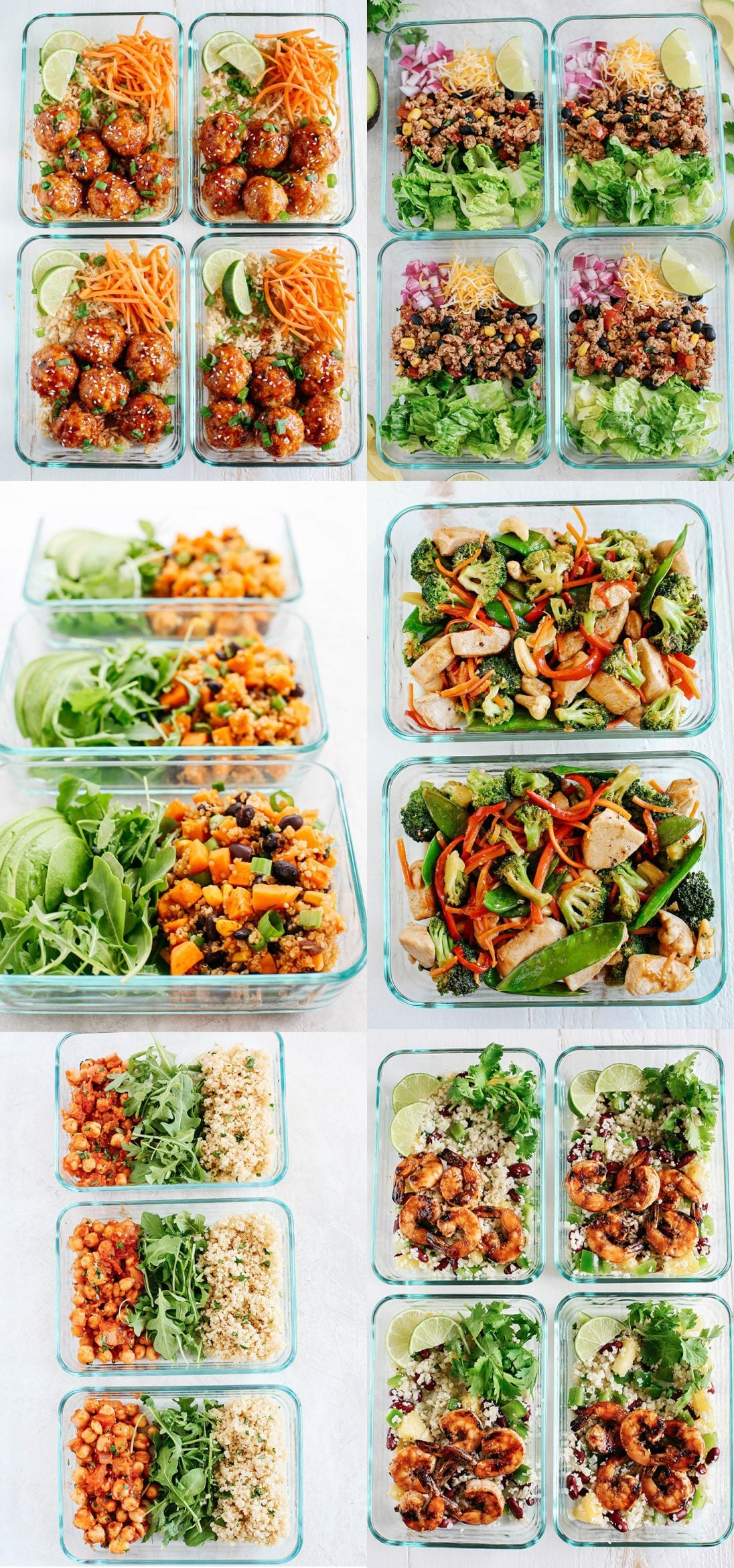
Back-to-School Meal Prep: 15 Make-Ahead Lunches + Weeknight Dinners for Busy Families
Ninety Sunday minutes buys back six hours of decisions and $80–140 a week — the components, the lunchbox architecture, and the picky-eater fixes real families use.
If you are searching for back to school meal prep, this is the plan real families use — not a Pinterest scroll. School restarts in about eight weeks; the food systems that carry a family through fall (school lunches, weeknight dinners, 6:45 a.m. breakfasts) live or die on how well the Sunday reset ritual runs. This guide covers ninety Sunday minutes, ten catalog-tested recipes, the packing architecture that actually survives a backpack, weeknight dinner assembly from Sunday's prep, kitchen tools that earn their space, and a picky-eater strategy that stops the daily lunchbox negotiation.
Get a free 7-day kid-approved dinner plan
Seven school-night dinners picky eaters actually finish, delivered Sunday, with one shopping list for the week.
No spam, unsubscribe in one click. Recipes, shopping lists and Instacart carts all work without an account either way.
Introduction: why the first 4 weeks of school break every family's food system
Every August a working parent tells themselves the same lie: "This year we'll eat better." Then week one hits — early bus stops, homework surprises, PE clothes forgotten, a soccer practice at 5:45. By the second week, three out of five dinners are drive-through, lunch is a granola bar and a fruit snack, and the fridge is a graveyard of produce nobody had time to cook. The food plan didn't fail. It was never a plan. It was an intention.
A real system uses a fixed Sunday cook window to convert one 90-minute block into five weeknight dinners plus 5–10 lunchboxes. It doesn't require you to cook new dishes; it requires you to cook the components — proteins, grains, sauces, sliced veg — in batches that then get remixed on weeknight autopilot. This is what "meal prep" actually is once you strip the Instagram off. It's less like cooking a plan and more like running a small line kitchen out of your own fridge.
The USDA and the American Academy of Pediatrics both flag the first four weeks of school as a nutritional-red-zone window (USDA/CDC — School Meals, AAP — Family Mealtime). Kids adapt to the new schedule, but the household food supply usually doesn't. This guide fixes exactly that.
The Sunday reset ritual: 90 minutes on Sunday equals 5 weeknights back
Every successful back-to-school kitchen I have ever seen runs on the same rhythm. Sunday afternoon, one adult in the kitchen, ninety minutes on the clock, produce and proteins already home from Saturday shopping. Here is the minute-by-minute rundown:
| Time | Task |
|---|---|
| 0:00 – 0:05 | Preheat oven to 425°F. Fill kettle for hard-boiled eggs. |
| 0:05 – 0:15 | Load two half-sheet pans: seasoned chicken thighs on one, chopped vegetables + sausage on the other. Slide both in. |
| 0:15 – 0:25 | Boil 8 eggs. Cook a pound of pasta or two cups of grain (farro, brown rice, quinoa). |
| 0:25 – 0:40 | Chop lunchbox prep: carrots, cucumber, cheese cubes, fruit. Portion into containers. |
| 0:40 – 0:55 | Batch turkey meatballs (or repurpose the sheet-pan protein). Cool on a rack. |
| 0:55 – 1:10 | Assemble 5 breakfast overnight-oat jars OR bake a tray of egg muffins for the week. |
| 1:10 – 1:20 | Portion cooked grains, protein, roasted veg into weeknight-dinner glass containers. |
| 1:20 – 1:30 | Clean, label, load fridge. Wipe the counter. Done. |
Ninety minutes buys you five weeknight dinners assembled in fifteen minutes, five breakfasts that require reaching into the fridge, and lunches that pack in three minutes flat. This is the entire game.
Batch-cook proteins: shredded chicken, meatballs, hard-boiled eggs
Every weeknight dinner and every school lunch runs on two or three proteins prepped on Sunday. Rotate these:
- Batch-Baked Lemongrass Chicken with Coconut Rice — shred, cool, portion into two containers (one for salads and wraps, one for tacos/quesadillas). Holds four days refrigerated.
- Soft Turkey Meatballs in Mild Tomato Sauce — bake 24, cool completely, portion 8 in the fridge and 16 in freezer bags of 4 each. Frozen meatballs pop straight into pasta or a wrap.
- Hard-boiled eggs — 8 per Sunday. Lunchbox protein, breakfast rescue, salad topper. Peel Sunday afternoon so weeknight-you doesn't have to.
If you cook meat only 2–3 times a week, the sheet-pan sausage-and-vegetable route is even faster:
- Sheet Pan Cajun-Spiced Sausage and Peppers — one pan, forty minutes, eats through Tuesday.
- Spiced Turkey Sweet Potato Chili — pot on the stove while everything else roasts. Chili is Wednesday dinner and Thursday lunch.
Grab-and-go breakfasts: overnight oats, egg muffins, freezer smoothie packs
School-morning breakfast is where most families lose the plan by Wednesday. Three formats survive contact with a 6:45 alarm:
Overnight oats, portioned Sunday night in five wide-mouth pint jars. No-Bake Peanut Butter Banana Overnight Oats is the base — layer oats, milk, chia, and protein powder Sunday, top with fruit and nut butter each morning. Grab and eat cold, or warm in the microwave for 60 seconds.
Egg muffins, baked in a 12-cup pan Sunday afternoon, cooled, and stored in the fridge for the week. Oven-Baked Egg Muffins with Spinach and Feta and Vegetable-Packed Egg Muffins are the two workhorse recipes. Two muffins + a piece of fruit = a real 15-gram-protein breakfast in 90 seconds.
Freezer smoothie packs for kids who prefer to drink breakfast. Portion frozen fruit, spinach, protein powder, and half a banana into gallon freezer bags — five bags = five weekday breakfasts. Dump one into the blender with milk or yogurt, blend 60 seconds. Zero decisions at 7 a.m.
School lunches: 8 make-ahead options that survive the backpack
The backpack is the enemy. Lunchbox items sit in a lightly-refrigerated bag for four to six hours before they're opened. The dishes that survive follow a dry-then-wet architecture — separate compartments so nothing sogs the crackers, wraps that hold up better than sandwiches, and any hot food packed in a preheated thermos.
Eight lunches that hold up:
1. Bento-style protein box — Layered Teriyaki Chicken Bento with Pickled Vegetables. Compartment 1: turkey meatballs or shredded chicken; compartment 2: cheese cubes and grapes; compartment 3: crackers or whole-grain pita triangles; compartment 4: cucumber slices with a small tub of hummus.
2. Peanut-noodle jar — Spicy Thai Peanut Noodles with Tofu. Sauce at the bottom, noodles above, veg on top; kid shakes at lunch. Cold noodles stay perfect at room temp for 6 hours.
3. Hard-boiled egg protein plate — 2 eggs, 1/2 cup grapes, a few Kalamata olives, whole-grain crackers, cheese cubes.
4. Ham + cheese pinwheels — whole-wheat tortilla, thin cream cheese, low-sodium ham, spinach. Roll, slice into 6 pinwheels.
5. Deconstructed taco kit — One-Pan Beef and Cheese Taco Skillet. Beef and beans in a compartment, cheese and lettuce in another, mini tortillas on the side. Kids assemble at lunch.
6. Chili thermos — Spiced Turkey Sweet Potato Chili. Preheat the thermos with boiling water for 5 min, then load hot chili. Stays hot 4–6 hours. Pair with a cornbread muffin and an apple.
7. Cold pasta salad — leftover cooked pasta + Italian dressing + halved cherry tomatoes + mozzarella pearls + a handful of the batch-shredded chicken.
8. Bagel breakfast-for-lunch — mini bagel + cream cheese + a boiled egg on the side + strawberries + a milk box. High protein, kid-friendly, zero cooking.
The lunchbox architecture rule
Every box has: one protein, one starch, one fruit or veg, one "safe" item guaranteed to come home empty. The safe item is why the box actually gets eaten — knowing there's a fruit-snack pouch or a cookie in there stops the kid from trading the whole lunch for a friend's Uncrustable.
What NOT to pack
- Mayonnaise-heavy salads (potato salad, egg salad) — food-safety risk after 4 hours in a warm backpack.
- Undressed leafy greens — wilt within 3 hours.
- Crispy things sharing space with wet things (chips + salsa in the same compartment).
- Sandwiches with tomato slices layered against bread — soggy by 11 a.m. Put tomato in a side container.
- Anything you had to negotiate about at breakfast — that's a text from the school office by 12:30.
Weeknight dinners: 30-minute meals from Sunday's components
The reason Sunday is 90 minutes is so weeknight dinners are 30 minutes assembled, not cooked from zero. The pattern: reheat protein + reheat grain + roast or steam a fresh veg + finish with a sauce.
- Monday: Sheet-pan sausage bowls. Sheet Pan Cajun-Spiced Sausage and Peppers from Sunday, warmed, over farro with a drizzle of olive oil. 15 minutes.
- Tuesday: Taco skillet night. One-Pan Beef and Cheese Taco Skillet — Sunday's shredded chicken + a can of black beans + salsa in a pan; serve on tortillas with cheese, lettuce, and diced tomato. 20 minutes.
- Wednesday: Meatball pasta. Soft Turkey Meatballs in Mild Tomato Sauce straight from the freezer into a jar of marinara; boil whole-grain pasta; sprinkle Parmesan. 25 minutes.
- Thursday: Turkey chili night. Spiced Turkey Sweet Potato Chili was cooked Sunday; reheat, top with sour cream, avocado, and shredded cheese; serve with cornbread. 15 minutes.
- Friday: DIY sushi bowls OR takeout. Layered Teriyaki Chicken Bento with Pickled Vegetables-style bowls — rice, shredded chicken, cucumber, avocado, seaweed strips, teriyaki drizzle. Or, you had a long week; the plan already earned you Friday off.
- Saturday: family cook night. A slower dinner made together — grilled chicken with roasted potatoes, or homemade pizza. Kids help.
- Sunday: reset. The 90-minute block above.
The rotating shopping list
Meal prep works because the shopping is predictable. Two lists — a Sunday full-shop and a Wednesday quick top-up.
Sunday full-shop (about $85–110 for a family of 4)
- Proteins: 3 lb chicken thighs, 1 lb ground turkey, 1 pack Italian sausage links, 1 dozen eggs, 8 oz sliced ham.
- Grains: 1 box whole-grain pasta, 1 bag brown rice or farro, 1 box old-fashioned oats, 1 pack whole-grain tortillas.
- Dairy: 1 gallon milk, 1 tub Greek yogurt, cheese (block cheddar, string cheese, feta), 1 stick butter.
- Produce (weekly): 2 lb apples or grapes, 1 pineapple or berries, spinach, romaine, 2 lb carrots, 3 cucumbers, 1 lb cherry tomatoes, 2 avocados, 3 bell peppers, 1 head broccoli.
- Pantry: 1 jar marinara, 1 jar salsa, 1 can black beans, 1 can pinto beans, 1 can crushed tomatoes, 1 bag corn tortillas.
- Freezer: 1 bag frozen mixed berries, 1 bag frozen mango, 1 bag frozen spinach.
- Snacks: whole-grain crackers, hummus, fruit-snack packs for lunchboxes, granola bars.
Wednesday quick top-up (about $20–30)
- Fresh bread + one seasonal fruit + milk if the week's run was heavy + one "week-2 dinner" ingredient (a rotisserie chicken, or a pack of quesadilla ingredients).
That's it. Twenty items on Sunday, six on Wednesday, and your fall kitchen is fully stocked.
Kitchen equipment: sheet pans, storage containers, thermoses
Meal prep is 60% equipment. Wrong containers, wrong pans, wrong thermos = the whole system falls apart. See our catalog picks:
- Storage & containers — bento boxes are the single highest-ROI purchase. Buy leakproof, 3–4 compartment, dishwasher-top-rack safe. PlanetBox, OmieBox, and Bentgo Kids are the three brands that survive third-grade abuse. Budget: $18–35 per box; buy one per kid plus one spare.
- Bakeware — two half-sheet pans (18 x 13 inches), rimmed, aluminum. Use one for protein, one for veg — they'll roast all fall.
- Cookware — one 12-inch nonstick skillet with a lid (for the taco skillet, chili, weeknight sautés) and one 5-quart Dutch oven (for chili, soups, batch meatball simmering).
- Small appliances — one 12-cup muffin tin for egg muffins, one high-power blender for smoothie packs, one rice cooker if you cook rice more than once a week. A kitchen scale is a $20 quality-of-life upgrade; portioning meatballs by weight beats eyeballing every time.
Thermoses — the thing that makes hot lunch actually work
A high-quality wide-mouth thermos (Thermos Funtainer, Zojirushi, Hydro Flask food jar) keeps food hot for 4–6 hours if you preheat it — fill with boiling water, let sit 5 minutes, pour out, then load hot food. This is how you send chili, pasta, mac-and-cheese, or leftover meatball soup to school and have it arrive lunch-hot.
The picky-eater lunchbox strategy
Every family has one kid who trades everything or comes home with a full lunchbox at 3:30. The fix isn't nagging; it's a system:
Rule 1: Two choices from each category on Sunday. Kids pick fruit A or fruit B, protein A or protein B. Zero-cost autonomy, and they eat what they picked at a much higher rate than what you picked.
Rule 2: Every box has a "safe item." A cookie, a fruit-snack pack, a favorite cracker. This is not indulgence — it's what stops the kid from trading the whole lunch away. School-lunch research shows presentation and one guaranteed win drive about 30% of eat-through.
Rule 3: Post-lunch debrief. Don't ask "did you eat your lunch?" — ask "what got eaten first, what got traded, what came home?" You reshape next week's packs from that data.
Rule 4: Cut sandwiches into shapes for the little kids. Use a cookie cutter. It's absurd; it works. A star-shaped ham sandwich gets eaten; a rectangle comes home.
Rule 5: Give a 4-week ramp on new items. Kids need 8–15 exposures before they'll try something. Put one baby carrot in the box every day for a month; they'll get eaten by week 3.
Real-world numbers: what meal prep actually saves
Based on Q2 2026 average midwestern pricing:
| Category | With prep | Without prep | Weekly delta |
|---|---|---|---|
| School lunch cost per box | $2.50 – $4.00 | $3.50 – $5.00 (cafeteria) | $6 – $12 saved per week per kid |
| Weeknight dinner cost per plate | $3.00 – $5.00 | $12 – $15 (takeout) | $60 – $80 saved per week |
| Sunday shop | ~$100 | ~$100 | Same |
| Wednesday top-up | ~$25 | Multiple mid-week runs | ~$40 – $60 saved on impulse buys |
| Bento box amortized | $2 – $3/wk | $0 | ($2 – $3 spent) |
| Total weekly savings, family of 4 | |||
| $80 – $140 |
The payback for the $60 bento-box investment is under three weeks. Beyond the money, the plan buys back roughly six hours per week of decision-making — the "what's for dinner" question stops existing.
When NOT to meal prep
Meal prep works when the household runs on a predictable weekday schedule. It struggles when:
- The family eats out 4+ times a week (you'll cook Sunday and throw it away Thursday).
- Extreme picky-eating turns every dinner into a negotiation — you need behavior work first, then meal-prep on top.
- Two adults with radically different meal timing (shift work) — a component-based fridge helps more than a prescribed dinner plan.
- Zero container storage space in the kitchen — the plan collapses if you can't fit six wide-mouth containers in the fridge.
The 90-minute Sunday block is not sacred. If your Sunday is genuinely booked, move the block to Saturday morning or split it — 45 minutes Sunday, 30 minutes Wednesday.
FAQ
How far ahead can I actually prep school lunches?
Sunday night is the sweet spot for lunches served Monday through Wednesday. Assemble Thursday and Friday's lunches Wednesday night — 4-day-old sandwich bread gets soggy and 4-day-old salads wilt. Bento-style lunches with separate compartments (protein, veg, fruit, crackers) hold up best. Freeze meatballs, muffins, and burritos in single portions; move one to the fridge each morning to thaw for the next day's box.
What lunches actually survive being in a backpack for 4 hours?
Dry-then-wet architecture works: crackers and cheese cubes in one compartment, dip in another, fruit in a third. Wraps hold up better than sandwiches (less bread-to-filling ratio to sog). Thermoses filled with hot soup or pasta stay hot for 4-6 hours if you preheat them with boiling water for 5 minutes first. Skip mayonnaise-heavy salads, undressed lettuce, and anything crispy that shares space with a wet ingredient.
How do I get my kid to actually eat what I pack?
Two rules: they help pick two items from a category each Sunday (fruit A or B, protein A or B), and every box has one 'safe' item guaranteed to come home empty. Cut sandwiches into shapes for younger kids, use bento dividers for older ones — presentation drives 30% of eat-through per school-lunch research. Don't take the empty box as approval; ask what got traded, tossed, or eaten first — that data reshapes next week.
What kitchen equipment does back-to-school prep actually need?
8-10 leakproof bento boxes with separate compartments (PlanetBox, OmieBox, Bentgo Kids), 4-6 wide-mouth thermoses (Thermos Funtainer holds heat 5 hours), two half-sheet pans for Sunday roasting, and a 20-pack of 3-cup glass storage containers with lids for prep components. A quality label maker prevents 'whose lunchbox is this' mornings. Full picks on /k/storage and /k/bakeware.
How much does back-to-school meal prep save vs school lunch or takeout?
Homemade school lunch costs $2.50-4.00 per box (protein + fruit + veg + starch); school cafeteria runs $3.50-5.00 and drive-through breakfast runs $6-9. Weeknight dinner cost drops from $12-15/plate (takeout) to $3-5/plate (homemade from prepped components). A family of 4 typically saves $80-140/week by prepping Sunday — payback for a $60 bento-box investment is under three weeks.
Sources
- Academy of Nutrition and Dietetics — School Lunch Tips and Tricks
- CDC — School Meals and Healthy Eating
- American Academy of Pediatrics — Family Mealtime
Written by Mike Perry, founder of AislePrompt. Last updated for the 2026 back-to-school season.
Frequently asked questions
How far ahead can I actually prep school lunches?
What lunches actually survive being in a backpack for 4 hours?
How do I get my kid to actually eat what I pack?
What kitchen equipment does back-to-school prep actually need?
How much does back-to-school meal prep save vs school lunch or takeout?
Sources
Dinners the kids will actually eat.
Ask our AI to plan the week around your picky eater — one shopping list, one Instacart cart.
Plan the kids’ week →