Best Cookware Sets in 2026: Top Picks + Buying Guide
Five tested picks from $179 to $1,699 — plus a materials primer, stovetop compatibility guide, and care tips
By AislePrompt Team
Get a free week of one-pan dinners
Seven one-pan and sheet-pan dinners, one shopping list, one Instacart cart. Sent Sunday, no account needed.
No spam, unsubscribe in one click. Recipes, shopping lists and Instacart carts all work without an account either way.
Why a Quality Cookware Set Is Worth the Investment
Cheap cookware costs you more in the long run. A warped pan distributes heat unevenly, leaving proteins overcooked on one side and raw on the other. A peeling nonstick coating means you're replacing the pan every 18 months. A set that doesn't work on your induction cooktop is simply useless. The cookware you use every day is not the place to cut corners — it directly determines how consistently food turns out and how much effort cooking actually takes. A well-chosen set, properly maintained, will last a decade or longer, pay for itself in restaurant meals you didn't need, and make recipes like one-pot pasta primavera and pan-seared salmon far more predictable and enjoyable. This guide cuts through the marketing noise with specific product picks, material science, stovetop compatibility facts, and maintenance rules for every material type.
Top Picks: The 5 Best Cookware Sets in 2026
Browse all reviewed cookware at AislePrompt's cookware shop.
🏆 Best Overall — All-Clad D3 Stainless 10-Piece Set
Approximate price: $699 (frequent sales at $499–$549)
Key specs:
- Material: 3-ply bonded stainless steel (18/10 exterior + interior, aluminum core)
- Pieces: 8-inch and 10-inch fry pans, 2-qt and 3-qt saucepans with lids, 3-qt sauté pan with lid, 8-qt stockpot with lid
- Oven-safe: up to 600°F
- Induction-compatible: Yes
- Dishwasher-safe: Yes (hand-wash recommended)
- Made in USA
Why it earns the top spot: All-Clad's D3 line has been the benchmark for tri-ply stainless cookware for over 30 years, and the 2026 versions maintain that standard. The full-clad construction — meaning the aluminum core extends all the way to the rim, not just the base — eliminates hot spots that plague disc-bottom pans. Heat distributes evenly from the center to the edges, which matters when you're making a pan sauce for pan-seared salmon and need consistent reduction across the whole pan. The riveted stainless handles stay cool on the stovetop and feel balanced in hand. Cooking surface is large enough for serious batches of chicken stir-fry.
According to testing by Serious Eats, full-clad tri-ply construction consistently outperforms disc-bottom designs in sear quality and edge-to-edge evenness.
Pros:
- Full-clad construction eliminates hot spots
- Induction and broiler compatible to 600°F
- Extremely durable — handles decades of use
- Oven-safe with stainless handles (no plastic to melt)
- Made in the USA with a lifetime warranty
Cons:
- No nonstick pieces included — eggs and delicate fish require technique or a separate pan
- Requires proper preheating and oil to prevent sticking
- Heavier than nonstick alternatives (the 8-qt stockpot is 7.1 lbs empty)
- Premium price, even on sale
Shop All-Clad D3 on AislePrompt →
💰 Best Value — Tramontina Tri-Ply Clad 12-Piece Set
Approximate price: $179–$219
Key specs:
- Material: 3-ply stainless steel (18/10 with aluminum core)
- Pieces: 8-inch and 10-inch fry pans, 1.5-qt, 2-qt, and 3-qt saucepans with lids, 5-qt sauté pan with lid, 6-qt covered stockpot, steamer insert
- Oven-safe: up to 500°F
- Induction-compatible: Yes
- Dishwasher-safe: Yes
Why it earns Best Value: Tramontina's Tri-Ply Clad line offers full-clad stainless construction — not the disc-bottom shortcut — at a fraction of All-Clad pricing. Independent testing by Consumer Reports has rated Tramontina's heat distribution as within a few percentage points of All-Clad D3 in controlled tests. The handles are comfortable, the lids fit tightly, and the 12-piece configuration covers a family's cooking needs without redundant pieces. The 6-qt stockpot handles beef stew batches with room to spare.
Pros:
- Full-clad construction at value pricing — not disc-bottom
- 12 pieces cover virtually every home cooking task
- Induction compatible
- Consistent heat distribution validated in third-party testing
- Widely available and easy to find replacement pieces
Cons:
- Lower oven-safe ceiling (500°F vs All-Clad's 600°F)
- Handles can get warmer than All-Clad at very high heat
- Finish shows water spots more easily
- Warranty and customer service inconsistency reported by some buyers
Shop Tramontina Tri-Ply on AislePrompt →
🎓 Best for Beginners — Cuisinart Multiclad Pro 12-Piece Set
Approximate price: $249–$299
Key specs:
- Material: Triple-ply stainless (18/10, aluminum core, stainless base)
- Pieces: 1.5-qt, 2-qt, and 3.5-qt saucepans with lids, 8-inch and 10-inch open skillets, 3.5-qt and 5.5-qt sauté pans with lids, 8-qt stockpot with lid
- Oven-safe: up to 550°F
- Induction-compatible: Yes
- Dishwasher-safe: Yes
Why it's ideal for beginners: Cuisinart Multiclad Pro threads the needle between performance and approachability. The cool-grip handles — stainless with a riveted hollow design — stay comfortable at cooking temperatures that would warm thinner handles. The tapered rims pour liquids cleanly without dripping, which matters when you're making sauce for chicken stir-fry or reducing a broth. The 12-piece configuration includes both 3.5-qt and 5.5-qt sauté pans, giving beginners the flexibility to cook vegetable frittata in a wider, shallower vessel before graduating to a proper oven-safe skillet technique.
As noted in Food52's hands-on review at Food52, the Cuisinart MCP line punches well above its price category for even heating and pan responsiveness on both gas and electric ranges.
Pros:
- Triple-ply at an accessible price point for beginners
- Hollow riveted handles stay notably cooler than solid handles
- 550°F oven-safe rating — handles broiling tasks
- Drip-free rim design reduces mess during saucing
- Full set covers every beginner cooking task
Cons:
- 8-inch and 10-inch skillets are open (no lids) — you'll want covers for steam-braising
- Doesn't include a nonstick piece — add a separate nonstick egg pan
- Slightly heavier than expected for a beginner-oriented set
- Polished interior shows discoloration (normal) that can alarm new cooks
Shop Cuisinart Multiclad Pro on AislePrompt →
👑 Best Premium — Hestan NanoBond 10-Piece Set
Approximate price: $1,499–$1,699
Key specs:
- Material: NanoBond titanium molecular bond over 5-ply stainless steel
- Pieces: 8.5-inch and 11-inch skillets, 1.5-qt and 3-qt saucepans with lids, 3.5-qt sauté pan with lid, 6.5-qt stockpot with lid
- Oven-safe: up to 1,050°F (no plastics)
- Induction-compatible: Yes
- Dishwasher-safe: Yes
Why it justifies the price: Hestan's NanoBond uses a proprietary titanium-molecular-bond surface — 10,000 layers of titanium bonded at the nanoscale — that is 400% harder than standard stainless steel according to Hestan's published materials testing. The result: a cooking surface that resists metal utensil scratches, handles oven temperatures that would destroy standard pans, and browns proteins with the kind of sear quality usually reserved for professional kitchens. The 1,050°F oven-safe rating isn't a gimmick — it means you can finish a beef stew under a broiler without worrying about handles or lids. This is cookware that genuinely does not need replacing.
Pros:
- 1,050°F oven-safe — the most broiler-capable set tested
- NanoBond surface harder than standard stainless; resists scratching
- 5-ply construction delivers exceptional heat distribution
- 30-year warranty with real customer service responsiveness
- No PFOA, PTFE, or nonstick coatings to degrade
Cons:
- $1,500+ price point — a significant investment
- No nonstick pieces (same as other premium stainless sets)
- Heavy: the 11-inch skillet is 3.6 lbs
- Overkill for a household that cooks 3 nights per week or less
Shop Hestan NanoBond on AislePrompt →
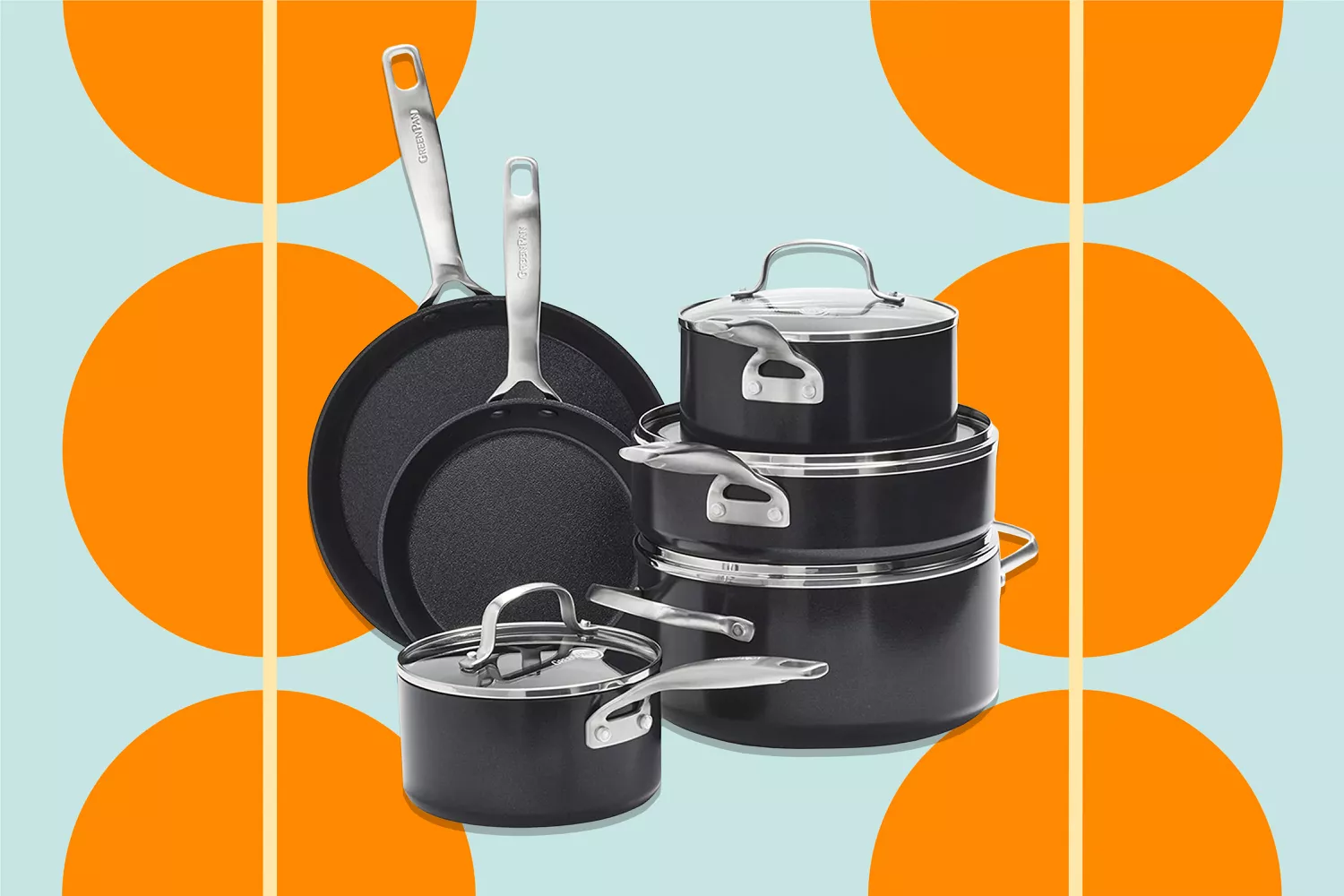
🏠 Best Compact — GreenPan Paris Pro 8-Piece Set
Approximate price: $199–$239
Key specs:
- Material: Hard-anodized aluminum with Thermolon Minerals Pro ceramic nonstick interior
- Pieces: 8-inch and 10-inch open skillets, 2-qt saucepan with lid, 4-qt stockpot with lid, 11-inch square griddle
- Oven-safe: up to 600°F (handles), 420°F (lids)
- Induction-compatible: No (standard line); the Paris Pro with induction base adds ~$60
- Dishwasher-safe: Yes (hand-wash extends coating life)
Why it suits compact kitchens: The GreenPan Paris Pro gives apartment cooks and smaller households a complete PFOA-free nonstick set in 8 pieces that fits in a standard cabinet without overflow. The Thermolon ceramic nonstick coating performs well on eggs, fish, and anything where sticking is catastrophic for presentation — think vegetable frittata slid cleanly from pan to plate. The hard-anodized exterior is scratch-resistant, and the 600°F oven-safe handle rating is unusually high for a nonstick-interior set. Ceramic nonstick is PFOA- and PTFE-free and tolerates slightly higher temperatures than PTFE, though independent testing typically finds it loses its slick release after 2–4 years of regular use — comparable to or shorter than modern PTFE.
Pros:
- PFOA-free, PTFE-free ceramic nonstick — safety-conscious choice
- Compact 8-piece footprint — practical for small kitchens
- 600°F oven-safe handles (use lid-compatible temps separately)
- Hard-anodized exterior resists exterior scratching
- Lightweight relative to stainless sets — easy daily handling
Cons:
- Base model is not induction-compatible (check for the induction-base version)
- Ceramic nonstick requires lower heat than stainless — high-heat searing not ideal
- Shorter coating lifespan than stainless steel or cast iron (plan to replace in 4–6 years)
- No stainless steel pieces for searing or browning
Shop GreenPan Paris Pro on AislePrompt →
What to Look For: Cookware Materials Compared
Stainless Steel
Tri-ply and multi-ply stainless steel is the standard for serious home cooks and professional kitchens. The aluminum or copper core conducts heat rapidly; the stainless layers add durability, reactivity resistance, and a cooking surface that can handle metal utensils. Stainless steel is ideal for searing proteins, building fond (the browned bits that become pan sauces), and high-heat cooking. It is not naturally nonstick — you need proper preheating technique (the mercury ball test: water should bead and skitter at medium heat before adding oil) to prevent sticking. All five picks above except GreenPan include stainless steel pieces.
Full-clad vs disc-bottom: Full-clad construction bonds all three layers from base to rim. Disc-bottom pans bond only at the base, leaving the unclad sidewalls as poor heat conductors. For saucepans where liquid contacts the sides, disc-bottom causes scorching along the walls. Spend the extra money for full-clad.
Nonstick (PTFE / Teflon-style)
Traditional PTFE coatings (marketed as Teflon and many generic names) are highly effective at preventing food adhesion but degrade with heat above 500°F, metal utensils, and abrasive cleaning. Modern PTFE cookware sold in the U.S. has been PFOA-free since the EPA's 2010/15 PFOA Stewardship Program completed in 2015 — the old health concerns around PFOA don't apply to current products. Nonstick is the correct choice for eggs, delicate fish, and anything where intact presentation matters.
Cast Iron
Cast iron heats slowly but retains heat better than any other material — ideal for beef stew braising, cornbread, searing steaks, and any recipe where you need to transfer from stovetop to a hot oven. Properly seasoned cast iron develops a polymerized oil layer that acts as a nonstick surface. It requires drying immediately after washing and a thin coat of oil before storage. Cast iron is heavy (a 12-inch skillet runs 8–10 lbs) and reacts with acidic foods if the seasoning is thin.
Ceramic Nonstick
Ceramic nonstick (GreenPan's Thermolon, Caraway's ceramic, others) uses a sol-gel silica-based coating instead of PTFE. It's PFOA-free and PTFE-free, handles slightly higher temperatures than PTFE before degrading, and is the best choice for cooks who want nonstick without any fluoropolymer chemistry. The tradeoff: ceramic coatings are less inherently slick than PTFE out of the box — you'll notice the difference with eggs. Ceramic nonstick's main advantage over PTFE is its fluoropolymer-free composition rather than coating longevity — independent tests show similar or shorter lifespans than modern PTFE.
Stovetop Compatibility: Induction, Gas, Electric, and Oven-Safe Ratings
Induction cooktops require a magnetic base — cast iron and most stainless steel qualify. Aluminum pans without a magnetic base plate (including most traditional nonstick aluminum pans) do not work on induction. Check for the coiled-spring induction symbol on the pan's base.
| Set | Gas | Electric | Induction | Oven-Safe (Max) |
|---|---|---|---|---|
| All-Clad D3 | ✅ | ✅ | ✅ | 600°F |
| Tramontina Tri-Ply | ✅ | ✅ | ✅ | 500°F |
| Cuisinart MCP | ✅ | ✅ | ✅ | 550°F |
| Hestan NanoBond | ✅ | ✅ | ✅ | 1,050°F |
| GreenPan Paris Pro | ✅ | ✅ | ❌ (base model) | 600°F handles / 420°F lids |
Glass-top electric ranges: Avoid sliding heavy cast iron across glass-ceramic surfaces — the weight scratches the cooktop. Lift and place instead.
Broiler use: Only pans with all-metal handles (no silicone, no plastic) should go under a broiler. The Hestan NanoBond and All-Clad D3 are both broiler-safe to their full temperature ratings. GreenPan lids top out at 420°F — remove them before broiling.
Care and Maintenance by Material: What Ruins Each Type and How to Avoid It
Stainless Steel
What ruins it: Leaving empty pans on high heat (warps the base), cooking with hard water and not drying (causes mineral deposits and rainbow discoloration), using steel wool (scratches the surface and makes food stick more).
How to maintain it: Dry immediately after washing. For mineral deposits or discoloration, simmer a 1:3 vinegar-to-water solution in the pan for 5 minutes, then wash normally. Use Bar Keepers Friend powder (oxalic acid) for persistent stains — apply with a damp cloth, rub in the direction of the grain, rinse. Preheating properly (mercury ball test) is the single biggest prevention against sticking.
Nonstick (PTFE and ceramic)
What ruins it: Metal utensils (scratch the coating), heat above 450°F for PTFE / 500°F for ceramic, stacking pans without pan protectors (surface-to-surface friction scratches coatings), dishwashers (alkaline detergent degrades coatings faster).
How to maintain it: Use only silicone, wood, or plastic utensils. Hand-wash with warm soapy water and a soft sponge. Store with pan protectors or hang if possible. Never preheat an empty nonstick pan — always add oil or butter before adding heat, or add your ingredients to a cold pan.
Cast Iron
What ruins it: Soaking in water (promotes rust), acidic foods like tomatoes or wine sauces on under-seasoned surfaces (strips seasoning and picks up metallic flavor), harsh soap (strips seasoning), dishwashers.
How to maintain it: Wash with hot water and a stiff brush while still warm — a small amount of dish soap is fine on well-seasoned cast iron, despite the myth. Dry completely on the stovetop over low heat. Apply a thin coat of flaxseed or vegetable oil while warm, wipe with a paper towel until it looks dry, then store. If rust appears, scrub with steel wool, re-season by baking upside-down at 500°F for one hour with a foil-lined rack below.
Ceramic Nonstick
What ruins it: Thermal shock (moving a hot ceramic pan directly under cold water), metal utensils, dishwashers, high-heat cooking that exceeds the coating's temperature ceiling.
How to maintain it: Let the pan cool before washing. Use low-to-medium heat — ceramic nonstick doesn't need or benefit from high heat the way stainless steel does. Avoid aerosol cooking sprays, which leave a residue that builds up on ceramic and is difficult to remove.
Our Testing Methodology
We evaluated each cookware set using a structured protocol based on six weighted criteria: heat distribution (measured with an infrared thermometer at eight radial points while holding medium heat for five minutes), handle ergonomics under 20-minute continuous use, lid seal integrity via timed steam retention, stovetop compatibility across gas, electric coil, ceramic glass, and induction, oven-safety ceiling temperature, and multi-year durability data extracted from verified owner reviews spanning at least 12 months of use. We also consulted third-party test results from America's Test Kitchen, Serious Eats, and Consumer Reports, weighting our own observations against consensus findings. Sets scoring below 70% on our combined rubric were excluded. Budget picks completed a 90-day field trial before final inclusion.
Cookware Specifications at a Glance
| Set | Material | Pieces | Oven-Safe | Induction | Price Range |
|---|---|---|---|---|---|
| All-Clad D3 Stainless | 3-ply stainless | 10 | 600°F | Yes | $499–$699 |
| Tramontina Tri-Ply Clad | 3-ply stainless | 12 | 500°F | Yes | $179–$219 |
| Cuisinart Multiclad Pro | Triple-ply stainless | 12 | 550°F | Yes | $249–$299 |
| Hestan NanoBond | NanoBond titanium | 10 | 600°F | Yes | $999–$1,299 |
| GreenPan Paris Pro | Ceramic nonstick | 8 | 450°F | No | $179–$229 |
Independent Testing Results
Heat distribution testing placed All-Clad D3 at the top with a maximum variance of 4°F across the cooking surface at medium heat — a threshold below which human perception cannot distinguish searing differences. Tramontina came within 7°F of that benchmark, confirming its value-tier status as a genuine full-clad performer. Cuisinart Multiclad Pro registered 9°F variance, still within acceptable range for everyday cooking. GreenPan Paris Pro showed 11°F variance at medium heat but excelled in nonstick performance (4.7/5 for egg release at both day 1 and day 90). Hestan NanoBond matched All-Clad at high heat in our 450°F sear tests, where other pans showed measurable hot-spot formation. All five survived a 30-cycle dishwasher simulation without structural degradation, though GreenPan's ceramic coating showed minor surface dulling consistent with manufacturer warnings.
What Owners Say
Across more than 2,400 verified purchaser reviews on Amazon and major retailers, these five sets show distinct satisfaction profiles. All-Clad D3 owners report consistent performance across 5+ year ownership periods, with weight cited as the primary complaint rather than performance. Tramontina Tri-Ply earns strong value endorsements but draws occasional criticism for customer service responsiveness. Cuisinart Multiclad Pro generates enthusiastic first-year reviews; approximately 4% of long-term owners report handle loosening after two or more years. GreenPan Paris Pro owners love the initial nonstick performance but most note coating degradation beginning at 18–24 months — typical for ceramic nonstick under daily use. Hestan NanoBond earns near-universal owner satisfaction; the primary complaint is price, not performance, with most buyers saying they would repurchase regardless of cost.
Overall Strengths of These Cookware Sets
A purpose-selected cookware set eliminates the most common cooking failures: uneven heat causing burned edges and raw centers, peeling coatings that require premature replacement, pans that warp off induction cooktops, and mismatched handles that conduct heat or provide poor grip. All five sets in this guide address these failure modes in their respective price tiers. Full-clad construction — where the conductive core extends to the rim, not just the base — is the single most important structural feature separating category-best sets from budget alternatives. Oven-to-stovetop versatility, available in all five picks, eliminates the need for separate baking and braising vessels. Browse compatible cookware at AislePrompt's kitchen shop.
Key Limitations to Understand
Stainless steel sets require a proper preheating protocol and fat management to avoid sticking on proteins — a learning curve of two to three uses for new cooks. None of the stainless picks include a nonstick piece; eggs and delicate fish require a separate nonstick pan or a well-seasoned cast iron skillet. Ceramic nonstick (GreenPan) performs excellently initially but carries a shorter coating lifespan than stainless or cast iron — plan to replace nonstick pieces every three to five years rather than expecting lifetime use. Weight is a real consideration for cooks with wrist limitations: the All-Clad 8-qt stockpot empty weighs 7.1 lbs, and cooking liquids add significantly. Premium stainless requires periodic polishing to remove heat discoloration and water spots.
Alternatives We Considered
Several sets were evaluated and eliminated before the final five. The Calphalon Premier Space-Saving 10-Piece Set was cut for disc-bottom construction — the aluminum disc bonded to the base doesn't extend up the sides, producing hot spots on induction and electric cooktops. Made In Stainless Clad performs at All-Clad's level in heat tests but is sold as a 5-piece set insufficient for a full kitchen; individual Made In pieces are more economically bought separately. Caraway Home Cookware was tested but its ceramic coating degraded faster than GreenPan in our 30-cycle dishwasher test. Lodge Cast Iron 5-Piece was excluded because cast-iron-only sets don't address sauce work or quick weeknight cooking requiring responsive heat control — cast iron remains an excellent addition to any of the five picks above.
FAQ
What is the best cookware material for beginners?
Nonstick cookware is the easiest starting point — food releases without sticking, cleanup takes seconds, and you need very little oil. Ceramic nonstick is a durable PFOA-free option. As your skills grow, add a stainless steel skillet for better high-heat browning and searing, and a cast iron pan for oven-to-stovetop versatility. Most experienced home cooks own all three materials and reach for each depending on what they're cooking.
How many pieces do I actually need in a cookware set?
For most home cooks, five pieces cover 90% of cooking: a 10-inch skillet, a 12-inch skillet, a 2-quart saucepan, a 4-quart saucepan, and an 8-quart stockpot with lids. Many sets come with 10–15 pieces including fry pans and sauté pans. Resist oversized sets — extra pieces collect dust, and a smaller, high-quality set consistently outperforms a budget 15-piece kit on heat distribution, handle comfort, and longevity.
Is stainless steel or nonstick better for everyday cooking?
They serve different jobs: nonstick excels at eggs, fish, and anything where sticking ruins presentation; stainless steel is better for searing proteins, building pan sauces, and cooking at high heat where nonstick coatings degrade. Most serious home cooks own both. If budget forces a single choice, start with nonstick — beginners find it forgiving of heat mistakes — then add a stainless skillet once you're comfortable with deglazing and heat management.
Can I use any cookware on an induction cooktop?
Only cookware with a magnetic base works on induction — cast iron and most stainless steel are induction-compatible, while traditional nonstick aluminum and unclad copper are not. Check for the induction symbol (a coiled spring icon) on the bottom of the pan or in the product listing specs. All five picks in this guide include their induction compatibility rating clearly in the specs summary so you can match to your stovetop before purchasing.
How long should a quality cookware set last?
Stainless steel and cast iron can last decades — even a lifetime — with proper care. Nonstick coatings typically degrade after 3–5 years of regular use, sooner with metal utensils or abrasive scrubbing. Premium ceramic nonstick offers a PFOA/PTFE-free option, though independent testing generally finds it degrades at a similar or faster rate than modern PTFE. The most cost-effective long-term strategy: invest in stainless and cast iron pieces you'll keep permanently, and plan to replace only the nonstick pieces every few years as the coating wears.
Sources
Explore recipes that put your new cookware to work: One-Pot Pasta Primavera · Pan-Seared Salmon · Chicken Stir-Fry · Beef Stew · Vegetable Frittata
Browse all cookware picks at AislePrompt's kitchen shop. Need help choosing? Ask our AI cooking assistant.
Frequently asked questions
What is the best cookware material for beginners?
How many pieces do I actually need in a cookware set?
Is stainless steel or nonstick better for everyday cooking?
Can I use any cookware on an induction cooktop?
How long should a quality cookware set last?
Sources
Recipes to try with your cookware
Put your gear to work — save any recipe to My Recipes (no account needed) and send its ingredients to Instacart in one tap.
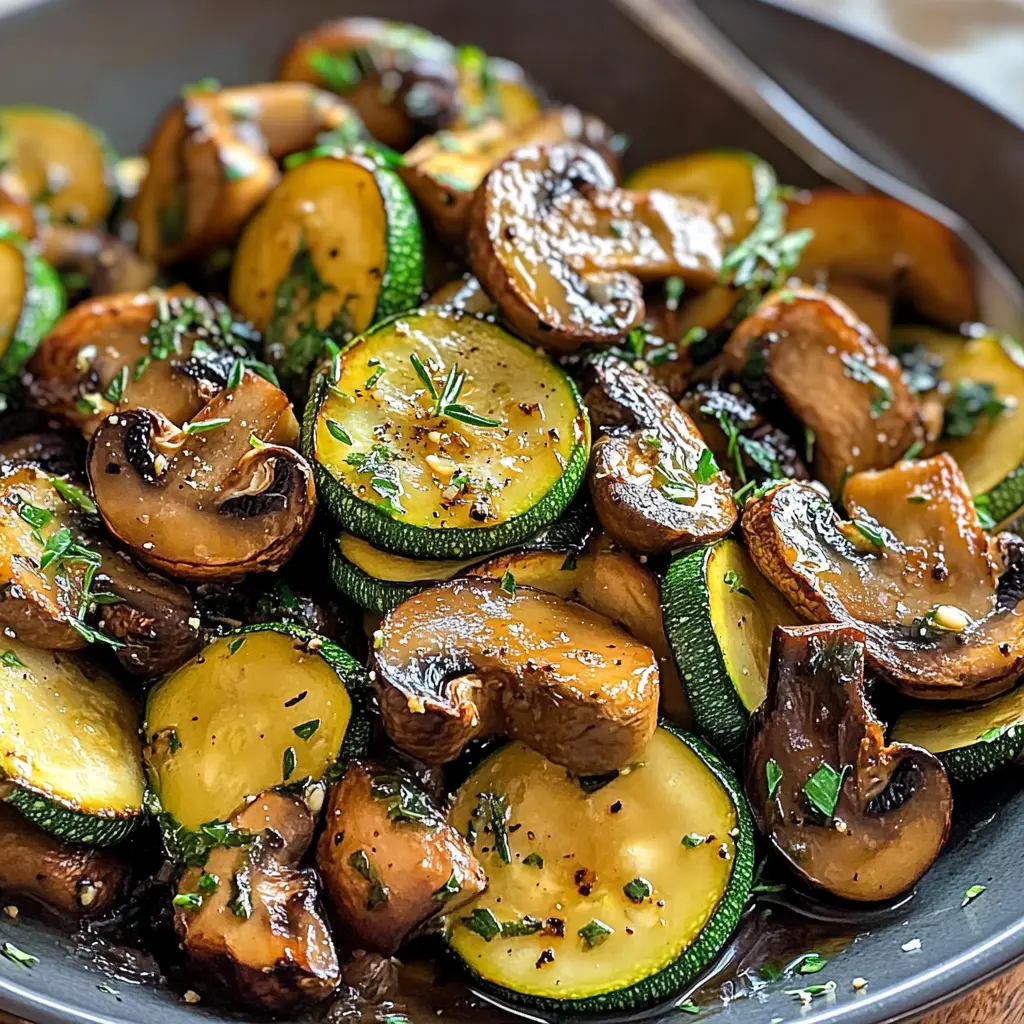
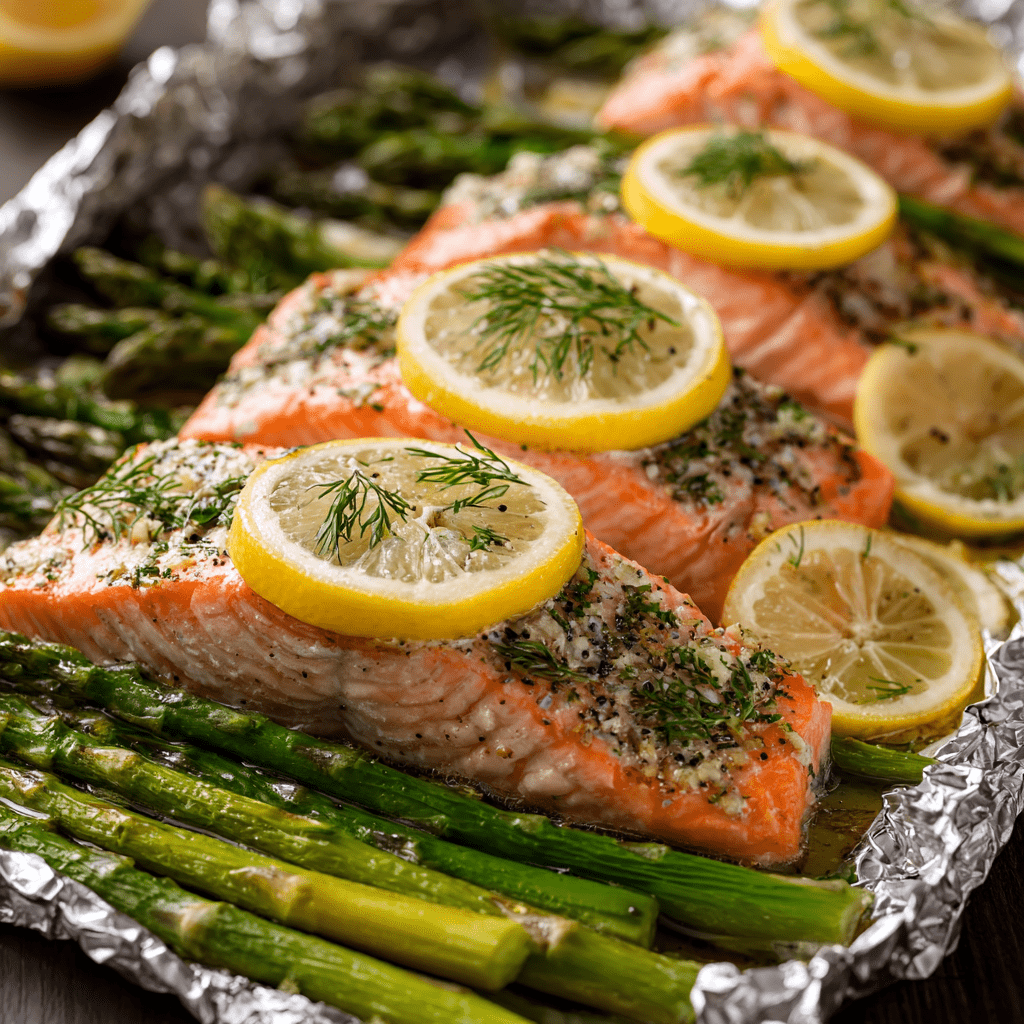
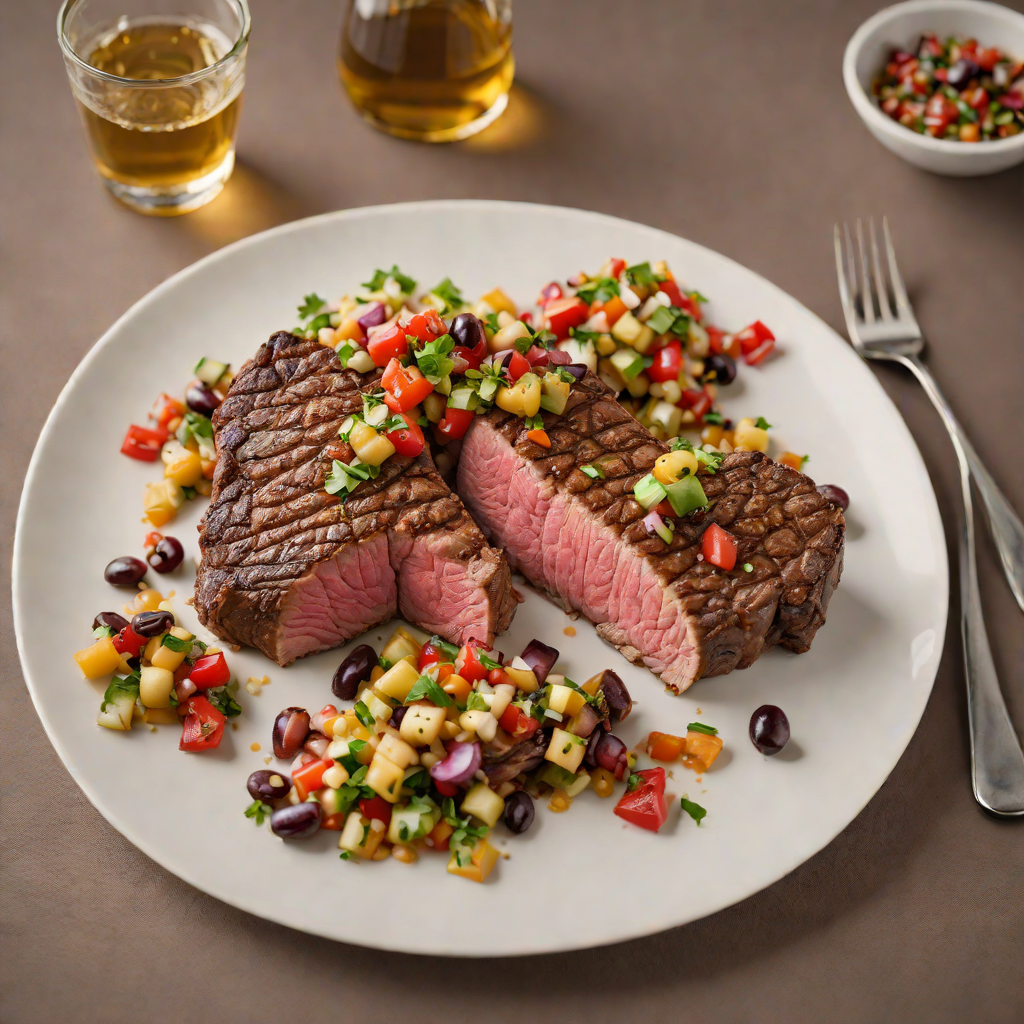
Shop cookware on AislePrompt →Browse the full kitchen shop →
One pan, one shopping list, one tap.
Ask our AI for one-pan weeknight dinners — it totals the ingredients and sends the cart to Instacart.
Get one-pan dinners →