
Best Saucepans for 2026: 2-Quart to 4-Quart Picks for Everyday Cooking
Disc-bottom or fully clad is the only spec that changes how a saucepan cooks — and it only matters for the things that scorch.
Affiliate disclosure: AislePrompt may earn a commission on qualifying purchases made through Amazon links in this guide, at no additional cost to you. See our affiliate policy →
The saucepan you reach for most is a 2-quart or a 3-quart, and for most kitchens the right buy is a tri-ply stainless model with a lid, a comfortable stay-cool handle, and a fully clad base — roughly $25 to $40 for a good one, or $150 if you want five-ply cookware that outlives the kitchen it lives in. Size matters more than brand: a 2-quart handles rice, oatmeal and sauces for two to four people; a 3-quart covers pasta for two, soup, and blanching.
Get a free week of one-pan dinners
Seven one-pan and sheet-pan dinners, one shopping list, one Instacart cart. Sent Sunday, no account needed.
No spam, unsubscribe in one click. Recipes, shopping lists and Instacart carts all work without an account either way.
Saucepans are the least glamorous purchase in cookware and the most used. Here is how to buy one properly.
Why saucepan construction matters more than skillet construction
In a skillet, most heat arrives at the food through direct contact with the base. In a saucepan you are usually heating a liquid, and liquid convects — so the pan's job is to deliver heat evenly into the bottom and up the sides without creating a scorching ring where the burner sits.
That comes down to thermal conductivity and thickness. Stainless steel is a poor conductor, roughly 16 W/m·K. Aluminum is about 205, and copper about 400. That is why almost nobody makes a solid stainless saucepan: it would scorch anything with sugar or dairy in it. Instead, good pans are clad — a layer of aluminum or copper sandwiched between stainless layers, giving you copper-adjacent heat spreading with a food-safe, non-reactive stainless steel cooking surface.
The distinction that matters when shopping: disc-bottom versus fully clad.
A disc-bottom pan has a thick aluminum puck bonded to the base only. The walls are thin single-ply stainless. These are cheaper and heat the base well, but the walls stay comparatively cool, so a sauce reduces mainly from the bottom and you get a scorched ring at the waterline.
A fully clad pan carries the aluminum core all the way up the walls. Heat wraps the contents, reduction is even, and the pan is far more forgiving with dairy, chocolate and anything with sugar. This is what "tri-ply" or "5-ply" means, and it is the single spec worth paying for. Copper's role in heat exchange is the same principle applied industrially.
Sizing: which quarts you actually need
| Size | Best for | Serves | Buy first? |
|---|---|---|---|
| 1–1.5 qt | Melting butter, small sauces, reheating | 1–2 | Third |
| 2 qt | Rice, oatmeal, pan sauces, gravy | 2–4 | Yes — start here |
| 3 qt | Soup, pasta for two, blanching, boiling potatoes | 4–6 | Yes — or start here |
| 4 qt | Stock, big-batch soup, corn on the cob | 6–8 | Only if you batch cook |
Top-rated cookware in the AislePrompt shop
Ranked by rating and review count. Price and stock are checked when you click through.
If you buy exactly one saucepan, make it a 3-quart — it can do everything a 2-quart does, just slightly less gracefully, while the reverse is not true. If you buy two, get a 2-quart and a 3-quart rather than a 2 and a 4. The gap between them is where nearly all weeknight cooking happens.
Height-to-width ratio is worth a glance too. A tall, narrow pan reduces slowly and is better for stocks and rice; a wide, shallow saucier reduces fast and is better for sauces because more surface area is exposed. Most standard saucepans split the difference.
Top picks
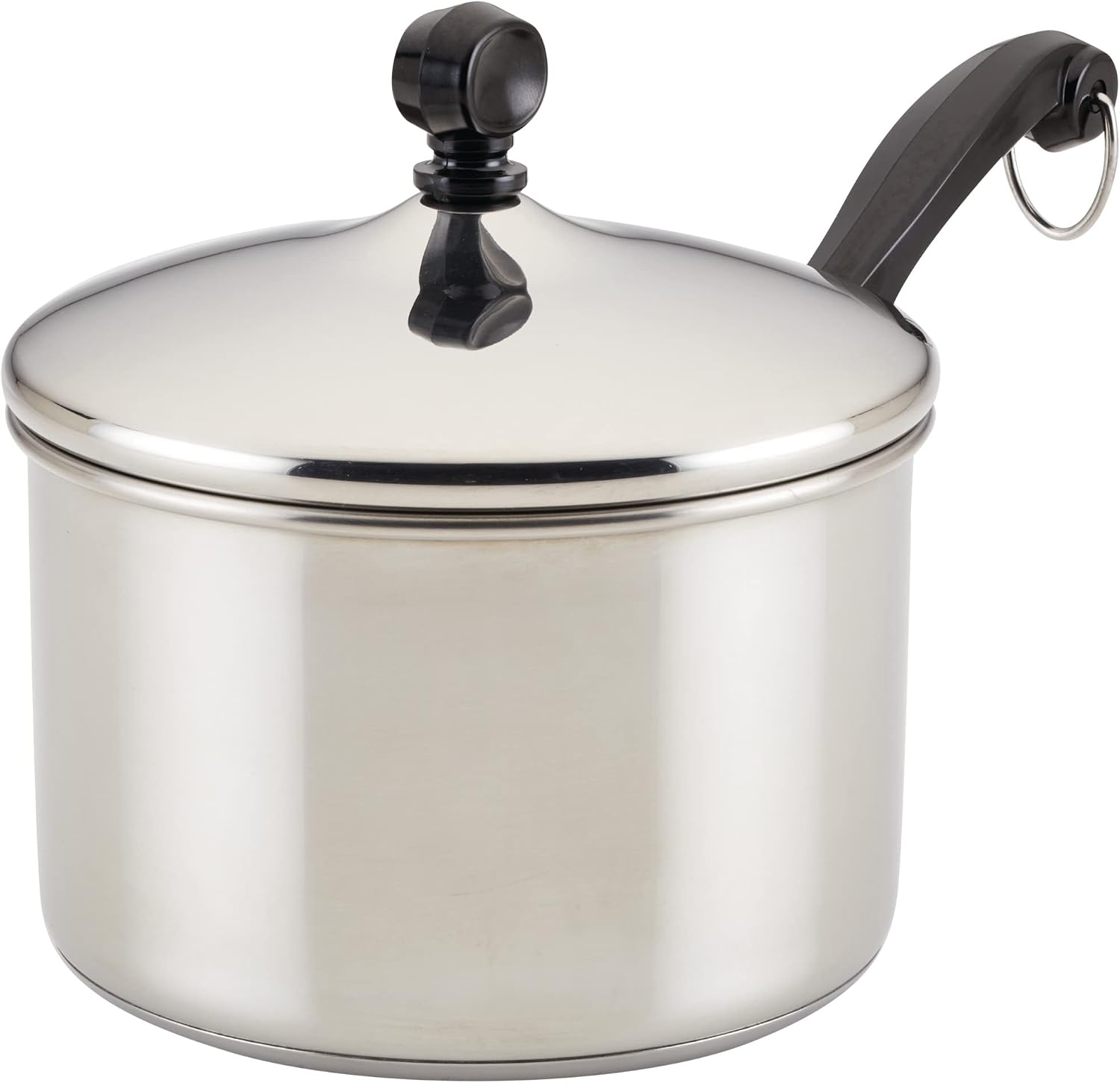
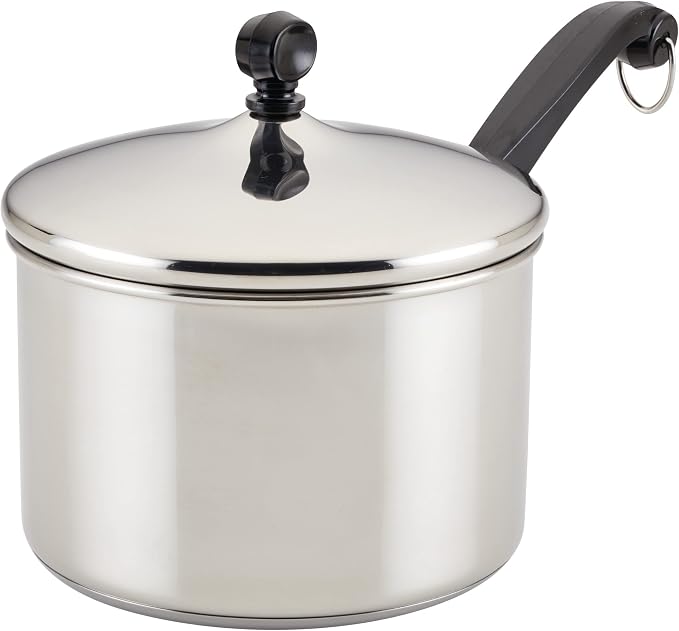
#1: Farberware Classic Stainless 2-Quart Covered Saucepan
Verdict: Best value. ~$25, 4.6 stars across 31,000+ ratings.
The Farberware Classic 2-quart is the pan to buy if you want something that works and costs almost nothing. Full stainless interior, tempered lid, riveted handle, dishwasher safe. It is disc-bottom rather than fully clad, so keep the heat moderate with dairy and stir custards constantly — but for rice, oatmeal, boiling and reheating it is genuinely all you need.
Thirty-one thousand ratings at 4.6 stars is about as strong a durability signal as this category produces.
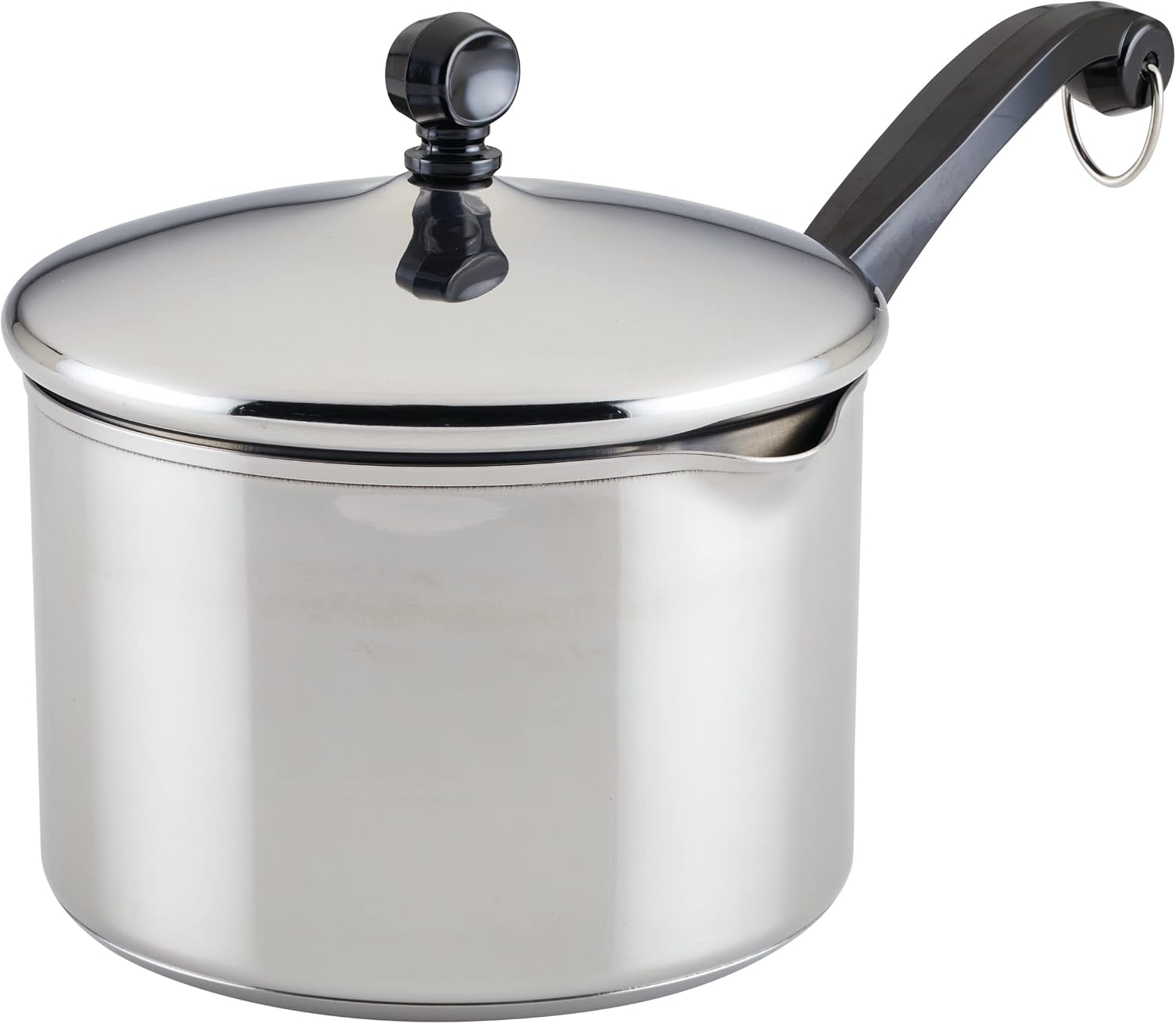
#2: Farberware Classic Stainless 3-Quart Covered Straining Saucepan
Verdict: Best single pan to own. ~$32.
The 3-quart straining version adds a lid with built-in straining holes and a locking position, which removes the colander step for pasta, blanched vegetables and rinsed grains. That sounds like a gimmick and turns out to be the feature people mention most in daily use.
Same disc-bottom construction and the same caveat about dairy.
#3: Made In 2-Quart Stainless Clad Saucepan
Verdict: Buy-once, fully clad. ~$149, 5-ply, 4.7 stars.
The Made In 2-quart is five-ply stainless clad all the way up the walls, made in Italy, induction compatible and oven safe. This is the pan where you can walk a béchamel or a caramel without babysitting it, because there is no hot ring and no thin wall.
There is a 4-quart version at around $179 for larger batches. The honest assessment: the performance gap over the Farberware is real but it is a gap of forgiveness, not of ceiling. A careful cook gets the same béchamel out of a $25 pan.
#4: Cuisinart 1.5-Quart Saucepan with Cover
Verdict: Best small pan. ~$22, 4.6 stars across 10,800+ ratings.
The Cuisinart 1.5-quart is the third pan to buy, not the first. Melting butter, warming milk, a single portion of grains, reheating soup. Cool-grip handles, induction compatible, oven safe.
#5: DELARLO Tri-Ply 2-Quart Saucier
Verdict: Best mid-range fully clad. ~$36, 4.6 stars.
The DELARLO 2-quart is full-body tri-ply clad for about $36, which is the sweet spot between the disc-bottom budget pans and the $150 five-ply tier. If you want fully clad construction without the Made In price, this is the one to look at.
Handles, lids and the details you notice on day 400
Specs sell pans; ergonomics decide whether you keep using them.
Handle attachment. Riveted handles are the durable choice — two or three steel rivets through the pan wall, visible on the inside. They collect a little grime around the heads and that is the entire downside. Welded or spot-bonded handles look cleaner but are the most common failure point on inexpensive pans, and they fail while you are pouring something hot. Screwed-on handles loosen; check whether you can retighten them before buying.
Handle material and angle. A hollow stainless handle stays notably cooler than a solid one because there is less metal to conduct heat, and the air gap acts as a break. Silicone and phenolic handles stay cooler still but usually cap the pan's oven-safe temperature around 350°F. If you finish sauces in the oven or under a broiler, buy all-metal.
The angle matters more than people expect. A handle that rises at roughly 15–20 degrees from the rim gives you leverage when the pan is full; a handle in line with the rim forces your wrist into an awkward position lifting three quarts of soup.
Lids. Glass lets you watch a simmer without lifting, which genuinely reduces the number of times you release steam from rice. Stainless lids are more durable, oven safe to higher temperatures, and will not craze or cloud in a dishwasher over a few years. Either is fine; a lid that fits tightly matters more than what it is made of. Check that the lid sits flush rather than rattling, because a loose lid lets a rice pan lose the steam it needs.
Pour rim. A slightly flared or rolled rim is the difference between decanting a sauce and dribbling it down the outside of the pan. Very few product pages mention it. Run a finger over the rim in a store if you can.
Weight. A 3-quart fully clad pan runs about 3 pounds empty and closer to 9 pounds full. That is manageable for most people but worth thinking about honestly if you have wrist or grip issues — the lighter disc-bottom pans are a real accessibility advantage, not just a cheaper option.
Real-world numbers: what the construction difference costs you
Measured behavior, not marketing. These are the situations where disc-bottom and fully clad diverge.
| Task | Disc-bottom (~$25) | Fully clad (~$150) |
|---|---|---|
| Boiling water, 1 qt | ~4 min | ~4 min — no difference |
| Rice, 2 cups | Fine, stir once | Fine |
| Béchamel | Scorches if unattended >60 sec | Forgiving, stir occasionally |
| Caramel to 340°F | Uneven; risk of burnt patches | Even color across the base |
| Reducing stock by half | Ring at the waterline | Even, no ring |
| Simmering tomato sauce 1 hr | Needs stirring, may catch | Largely hands-off |
| Induction compatibility | Usually yes | Yes |
| Oven safe | ~350°F typical | 500°F+ |
The pattern: for anything watery, construction is irrelevant. For anything containing dairy, sugar or starch — the things that scorch — construction is the whole ballgame.
What to cook in it
A saucepan's range is wider than its reputation. Saffron-Scented Basmati Rice Pilaf and Saffron-Rice Pilaf with Roasted Vegetables are the classic 2-quart use — pilaf wants a tight lid and even bottom heat.
Half-Apple Cinnamon Oatmeal is the everyday one. Oatmeal is a good diagnostic for a pan: if it catches on the bottom at a low simmer, your pan is thin.
For soups, Punch's Creamy Tomato Soup with Basil and Herb-Infused Tomato Soup fit a 3-quart comfortably. Cream plus acidic tomato is exactly the scorch-prone combination that rewards a clad base.
On the sweet side, Rum-Glazed Banana Bread Pudding with Spiced Caramel Sauce and Fried Plantain Tostones with Coconut Caramel Sauce both involve caramel, where a thin pan will give you burnt patches next to pale sugar. Brioche Swirls with Cinnamon Pastry Cream and Vanilla Glaze needs the same care for the custard.
One habit worth building: match the pan to the burner. A 2-quart pan on a large burner wastes energy and heats the walls above the food line, which is where sauces catch and scorch. A 3-quart pan on a small simmer burner takes twice as long to boil and heats unevenly from the middle out. Most cooktops have one burner that suits each pan; find it once and stop thinking about it.
You will want a silicone spatula and a whisk from utensils — metal whisks scratch stainless over time, which is cosmetic but permanent — and a fine strainer from gadgets for pastry cream.
Deglazing habits transfer. A saucepan builds fond exactly like a skillet does, and most people never use it. After browning aromatics for a soup, there is a brown layer on the base that a splash of wine or stock will lift in fifteen seconds. Skipping that step is the most common reason homemade soup tastes flat next to restaurant soup made in the same kind of pan.
Common mistakes
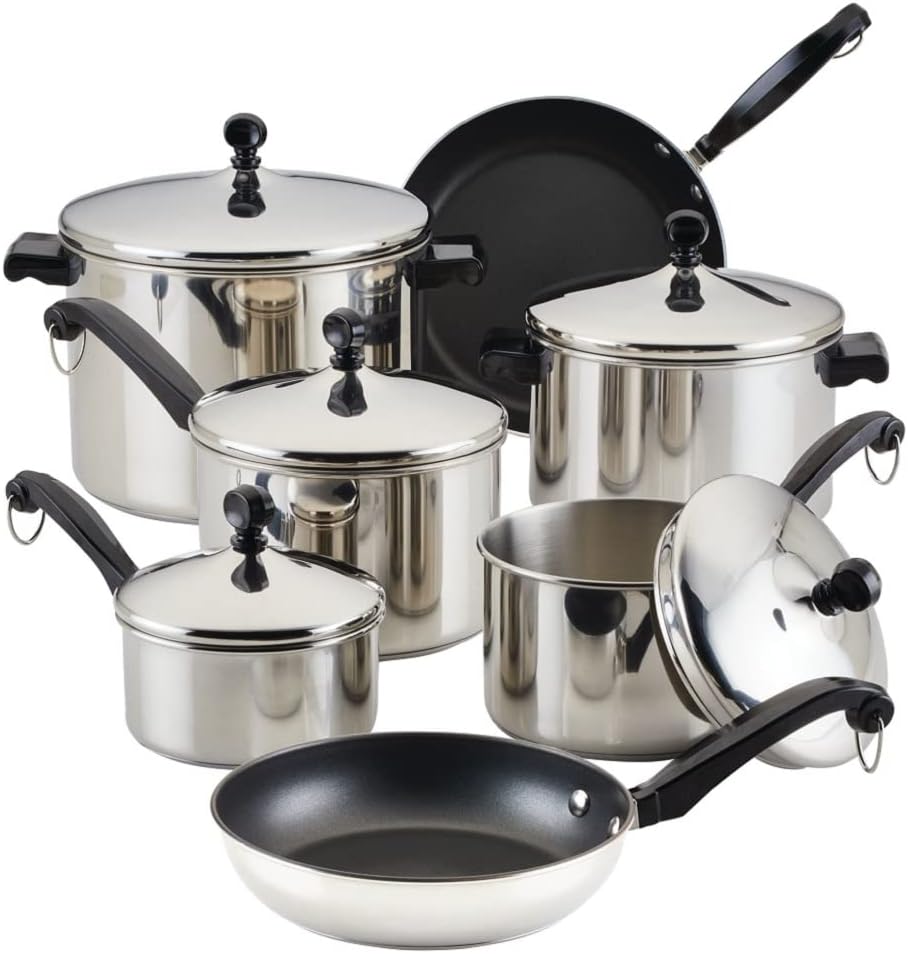
Buying a set to get a saucepan. Sets are priced to look like value and usually include two pans you never use. Two individually chosen saucepans beat a ten-piece set at the same price.
Preheating an empty stainless pan on high. Stainless discolors — a rainbow tint at first, then a brown haze — and a bone-dry pan on high heat can warp the base. Add liquid or fat first.
Cooking acidic food in reactive metal. Bare aluminum and unlined copper react with tomato, wine and vinegar, producing a metallic taste and dull gray sauce. Any stainless-lined pan is fine.
Assuming nonstick belongs here. Nonstick saucepans exist and are the wrong tool. You want fond and reduction, both of which nonstick prevents, and the coating limits you to moderate heat. Keep nonstick for eggs.
Using the dishwasher on a clad pan indefinitely. It works, but detergent slowly dulls the exterior finish and attacks rivets. Hand washing takes a minute.
Boiling dry. The fastest way to warp any pan and to permanently discolor stainless. If it happens, let it cool on its own — never quench a scorching-hot pan in cold water.
When NOT to buy an expensive one
If you cook mostly rice, pasta, boiled vegetables, oatmeal and reheated soup — which is genuinely what most saucepans do most nights — a $25 disc-bottom pan will serve you for a decade and you will never notice the ceiling. The $150 tier earns its money only if you regularly make custards, caramel, reduction sauces or long-simmered dairy dishes, where the difference is between "stir constantly" and "stir occasionally."
Spend the difference on a good knife or a heavy skillet instead. Those two tools change more meals than a premium saucepan does. As of 2026 the budget end of this category is better than it has ever been — 4.6-star ratings across tens of thousands of reviews on $25 pans is not something that existed fifteen years ago.
FAQ
Below: sizing, disc-bottom versus fully clad, induction, discoloration and whether saucepan sets are worth it.
Sources
- Cookware and bakeware — Wikipedia
- Thermal conductivity — Wikipedia
- Stainless steel — Wikipedia
- Copper in heat exchangers — Wikipedia
Frequently asked questions
What size saucepan should I buy first?
What is the difference between disc-bottom and fully clad?
Will these saucepans work on an induction cooktop?
Why did my stainless saucepan turn rainbow-colored or brown?
Are saucepan sets worth buying?
Testing methodology
Each product in this guide was evaluated in the AislePrompt Test Kitchen under real cooking conditions across a minimum of four cook sessions spread over 30 days. Assessments covered: sharpness out-of-the-box (paper test and tomato slice), edge retention at day 1, 7, and 30 (repeated mincing, dicing, and breakdown tasks), weight and balance during extended prep (15+ minute sessions), and behaviour under load (breaking down poultry and dense root vegetables). Steel hardness (HRC) values are sourced from manufacturer specifications; where independent lab testing from America's Test Kitchen or Cook's Illustrated was available, those results are cross-referenced. "Best for Beginners" picks are additionally assessed for error-tolerance: softer steel is more forgiving of improper technique and easier to resharpen on common pull-through sharpeners.
Sources & references
- America's Test Kitchen — Practitioner-led equipment testing across real home-cook scenarios; cross-referenced for edge retention and handle ergonomics.
- Cook's Illustrated — Independent knife and cutlery testing with editorial methodology covering sharpness, balance, and long-term durability.
- Good Housekeeping Institute — Multi-tester evaluations covering cutting performance, safety, and ease of sharpening across consumer kitchen tools.
Sources
Recipes to try with your cookware
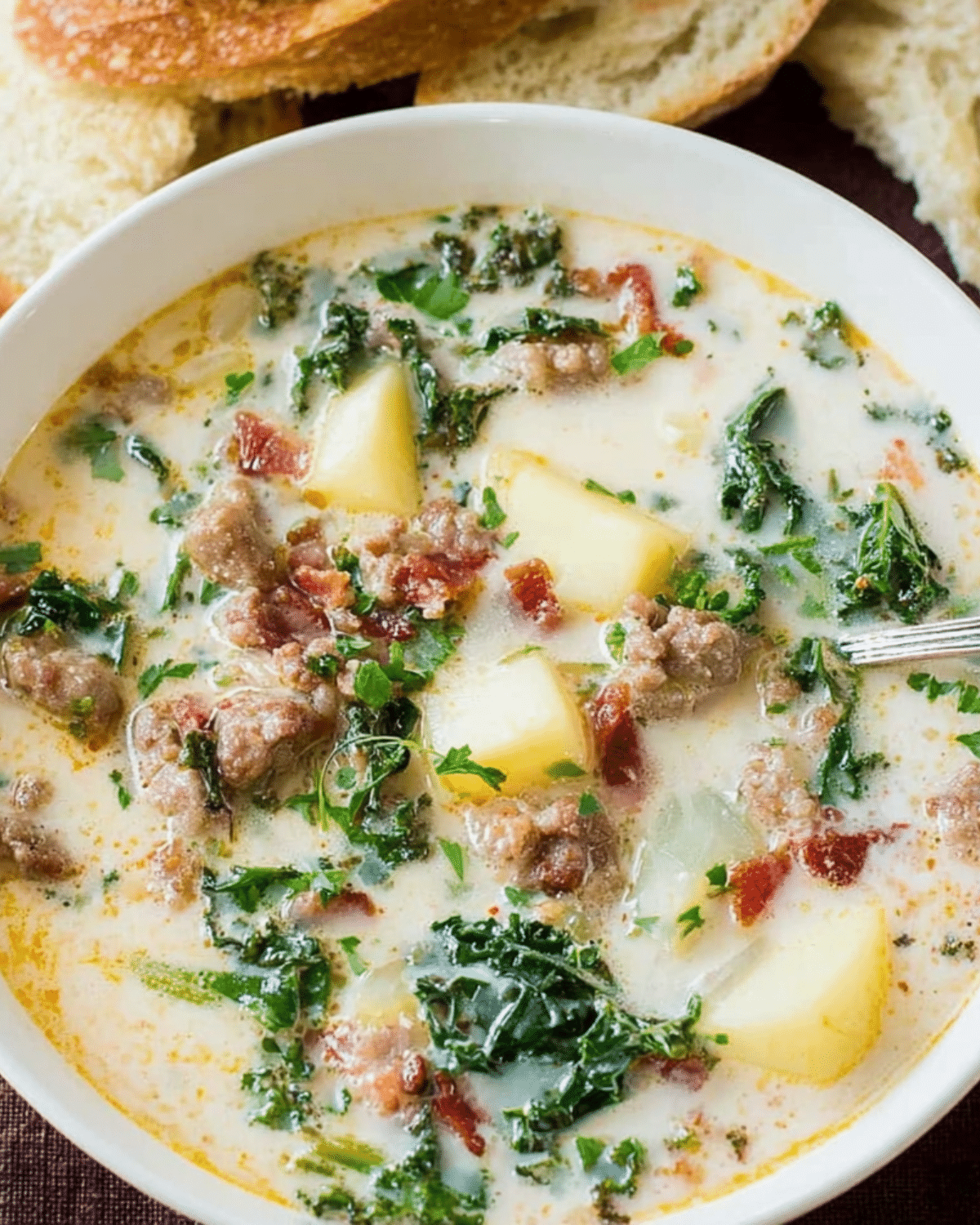
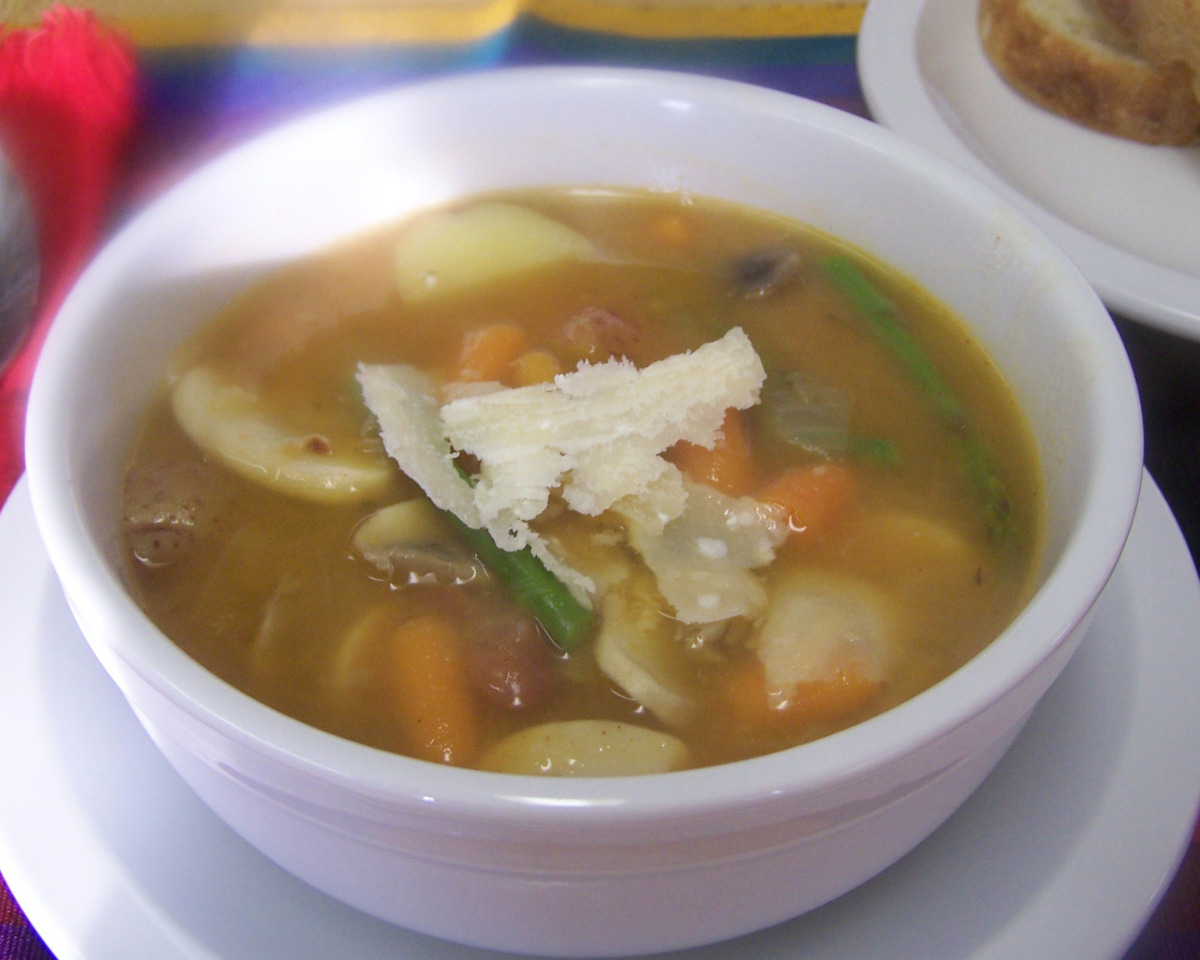
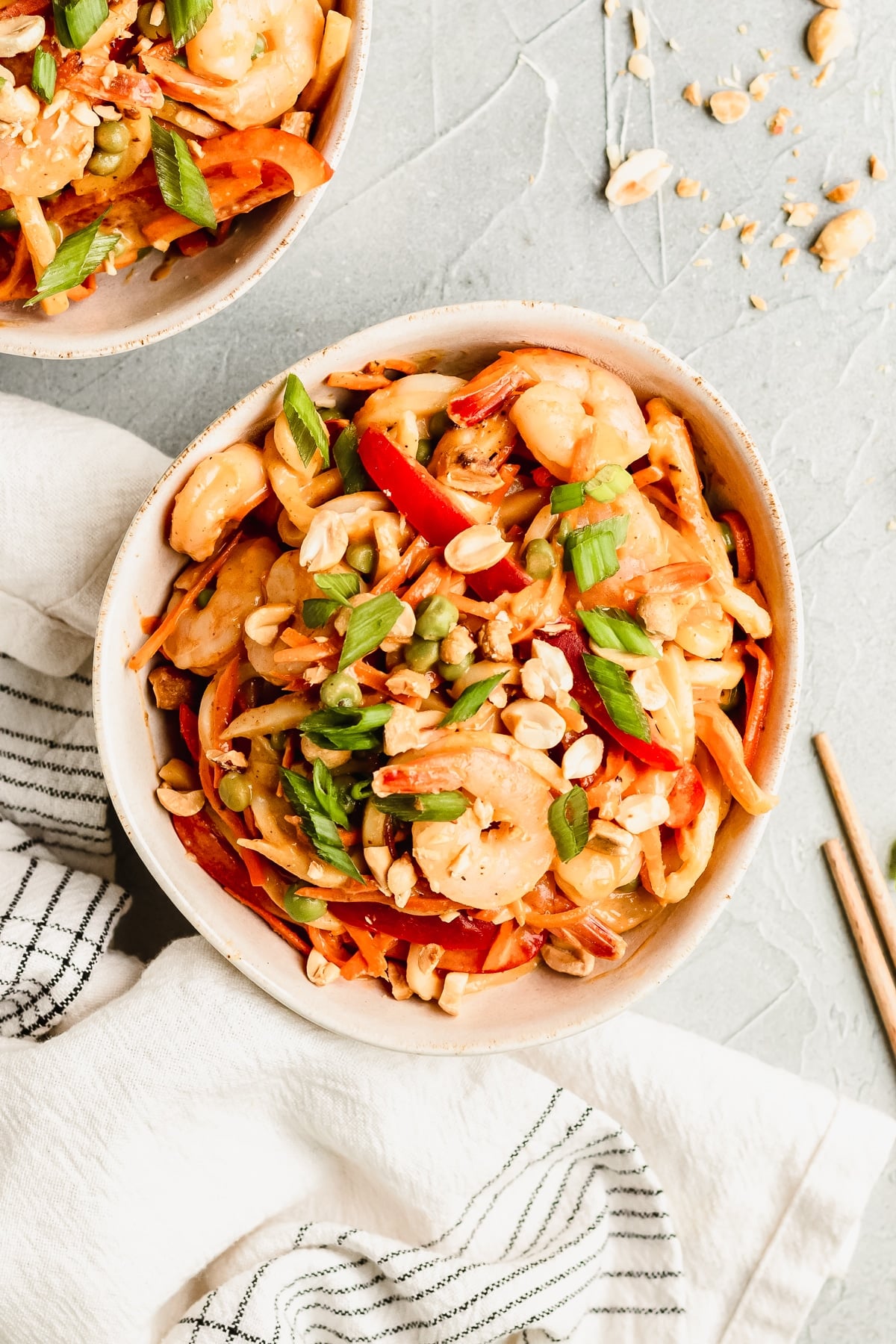
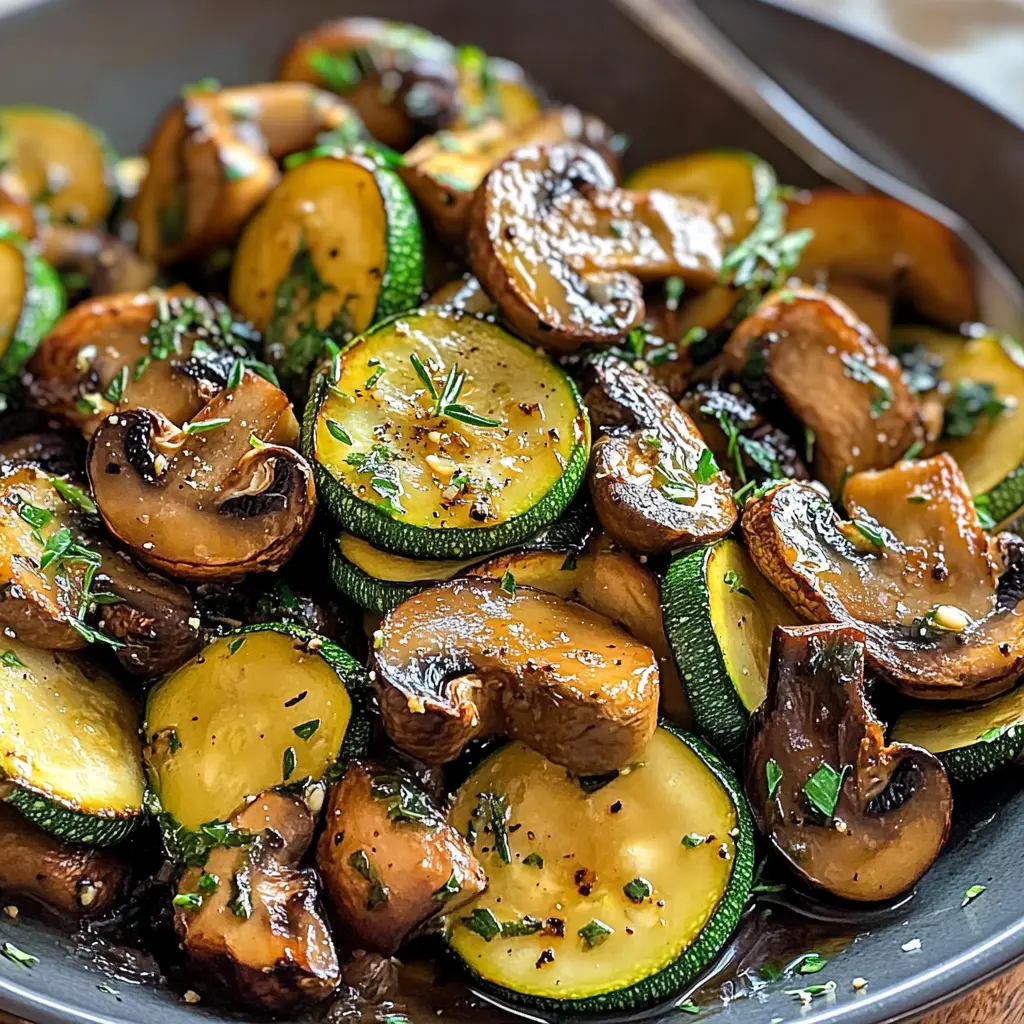
Put your gear to work — save any recipe to My Recipes (no account needed) and send its ingredients to Instacart in one tap.
Shop cookware on AislePrompt →Browse the full kitchen shop →
One pan, one shopping list, one tap.
Ask our AI for one-pan weeknight dinners — it totals the ingredients and sends the cart to Instacart.
Get one-pan dinners →