
Best Silicone Spatula Sets for 2026: Heat Ratings and Stiffness Compared
Why 600°F beats 450°F, why core stiffness matters more than the brand, and four sets plus one single tool, from budget to premium.
The best silicone spatula set for 2026 is the OXO Good Grips 3-Piece Silicone Spatula Set — 600°F-rated heads, a stiff core that will not fold under cookie dough.
Where to buy these picks
Affiliate links: we may earn a commission on qualifying Amazon purchases. Policy. Prices show only when checked in the last 24 hours.
- Best Overall: OXO Good Grips 3-Piece Silicone Spatula Set $23.95 at Amazon, Check price on Amazon →
- Best Value: HOTEC 600°F Heat Resistant Silicone Spatula Set $8.97 at Amazon, Check price on Amazon →
- Best for Beginners: DI ORO Seamless Silicone Spatula Set $21.97 at Amazon, Check price on Amazon →
- Best Single Upgrade Tool: Le Creuset Signature Spatula Spoon $18.95 at Amazon, Check price on Amazon →
- Best Compact: Cuisinart Mini Spatulas, Set of 3 $9.99 at Amazon, Check price on Amazon →
Which spatula set fits you
| Your situation | Buy | Why | Buy link |
|---|---|---|---|
| Buying one set for everyday cooking | OXO Good Grips 3-Piece Silicone Spatula Set $23.95 | Small, medium and wide spatulas; a nylon core runs the full head, so it pushes through cookie dough without folding | Amazon → |
| Spending as little as possible | HOTEC 600°F Heat Resistant Silicone Spatula Set $8.97 | Five one-piece tools rated to 600°F; no core, so the heads bend in stiff dough | Amazon → |
| A first set, with no seams to clean | DI ORO Seamless Silicone Spatula Set $21.97 | Three sizes, each one molded piece over a steel core, rated to 600°F | Amazon → |
| Adding one tool to a set you own | Le Creuset Signature Spatula Spoon $18.95 | Spatula spoon that stirs and scrapes, on a beech handle; rated to 482°F, so not for a dry, hot pan | Amazon → |
| Jars, small bowls and a small kitchen | Cuisinart Mini Spatulas, Set of 3 $9.99 | Three minis at about 8 in; no steel core, so not for thick dough | Amazon → |
Quick answer
Which silicone spatula set fits a different budget or need?
The best value is the HOTEC 600°F Heat Resistant Silicone Spatula Set: five seamless pieces rated to 600°F, with coreless heads that bend under stiff dough. For beginners, the DI ORO Seamless Silicone Spatula Set is three one-piece, 600°F-rated spatulas over a steel core, with no joint to clean. The Le Creuset Signature Spatula Spoon is the best single upgrade tool, a stir-and-scrape hybrid rated to 482°F, so add it to a 600°F set rather than buying it instead of one. For small kitchens, the Cuisinart Mini Spatulas, Set of 3 are about 8 inches long and handle the jar and food-processor jobs full-size spatulas do badly.
The spatula in your drawer may be rated for less heat than your pan reaches. Budget silicone spatulas do not share one heat rating: the makers' own listings put the Evelots mini set at 446°F, the HiramWare 4-piece set at 450°F, and the StarPack Basics spatula at 480°F, while sets at the same price, such as Cooptop's, are listed at 600°F. An empty pan on high heat passes the lower ratings fast: in stovetop tests commissioned by the Environmental Working Group, a nonstick pan preheated empty on high reached 721°F in five minutes (EWG, Canaries in the Kitchen). A heat rating is the maker's stated ceiling, and general-purpose silicone rubber keeps its useful properties only up to about 300°C, or 572°F (Wikipedia, Silicone rubber), so a head pressed against a pan hotter than its rating is being used outside what it was made for. That 572°F figure is for general-purpose silicone; the 600°F ratings below are each maker's own figure for its compound, which we have not tested. Since a higher maker rating usually costs little or nothing extra, buy the highest one you can find, and never leave a spatula resting in a hot, empty pan whatever its rating. Every pick below is in the utensils and tools catalog; a price shows only when it was checked in the last 24 hours, and Amazon's page has the current price.
What you'll use with it
Silicone is what keeps a nonstick coating unscratched. The nonstick sets guide picks the pans these spatulas are made for. Read the nonstick cookware sets guide →
Nonstick cookware sets guide’s top pick: T-fal Ultimate Hard Anodized Nonstick 10-Piece Set $149.99 at Amazon, Check price on Amazon →The wide spatula folds and scrapes the batch; the pan decides how it bakes. The baking sheets guide picks a 13-gauge aluminum half sheet that browns cookie bottoms evenly. Read the baking sheets guide →
Baking sheets guide’s top pick: Nordic Ware Naturals Aluminum Half Sheet (13 gauge) $35.00 at Amazon, Check price on Amazon →
Our top 5 picks
| Pick | Product | Pieces |
|---|---|---|
| Best Overall | OXO Good Grips 3-Piece Silicone Spatula Set | 3 |
| Best Value | HOTEC 600°F Heat Resistant Silicone Spatula Set | 5 |
| Best for Beginners | DI ORO Seamless Silicone Spatula Set | 3 |
| Best Single Upgrade Tool | Le Creuset Signature Spatula Spoon | 1 |
| Best Compact | Cuisinart Mini Spatulas, Set of 3 | 3 |
Best Overall: OXO Good Grips 3-Piece Silicone Spatula Set
Verdict: The set that gets the stiffness right.
The three-piece set covers the actual jobs: a small spatula for jars and small bowls, a medium all-purpose, and a wide "cookie" spatula for folding and scraping large batches. What separates OXO from budget sets is the internal core — a stiff nylon spine runs the full length of the head, so the blade flexes at the edge for scraping but does not fold in half when you push it through stiff cookie dough. Cheap sets are silicone all the way through and buckle.
Each silicone head is fitted tightly over the nylon-cored handle, which leaves fewer crevices than cheap push-on two-part designs. It is not a single seamless piece, though: if you want no joint at all, see the DI ORO below. Handles are OXO's soft-grip, comfortable wet. Dishwasher safe. Buy this if you are buying one set.
Best Value: HOTEC 600°F Heat Resistant Silicone Spatula Set
Verdict: Five 600°F-rated pieces on a small budget; the trade-off is coreless heads that bend under stiff dough.
Five pieces — a large spatula, a large spoon spatula, a small spatula, a small spoon spatula, and a narrow spreader — each molded as one seamless piece of silicone with no metal core, and rated to 600°F by the maker. The trade-off versus OXO is stiffness: with no core, the heads flex and can fold when you push them through cold cookie dough, and none of the five is a turner. The heads are also slightly thicker, which means less precise scraping in a bowl's curve.
None of that matters much at this price. This is the set to buy if you are outfitting a first apartment, replacing a melted drawer's worth of utensils at once, or want dedicated spatulas for a second kitchen. It comes in grey, black, and red.
Best for Beginners: DI ORO Seamless Silicone Spatula Set
Verdict: One-piece construction, 600°F, and nothing to learn.
The DI ORO Seamless Silicone Spatula Set is the cleanest execution of the seamless idea: head and handle are a single molded piece over a steel core, so there is no joint, no crevice, and nothing to unscrew or lose. For someone who has never owned good utensils, that removes the entire category of "how do I clean this" questions. The 3-piece set covers small, medium, and large.
The heads are firmer than OXO's, which is better for stirring and worse for scraping the last of a batter out of a curved bowl. It sits above budget three-piece sets, and what you pay for is durability rather than performance. Available in five colorways.
Best Single Upgrade Tool: Le Creuset Signature Spatula Spoon
Verdict: A premium price for a single tool. Buy it for the shape, not the badge.
The Le Creuset Signature Spatula Spoon has a shallow bowl and a squared-off scraping edge — a genuinely useful hybrid that stirs a risotto and scrapes a bowl without switching tools. Le Creuset rates the head to 482°F, below the 600°F threshold this guide recommends and lower than the HOTEC and DI ORO sets, so it is not the tool to leave resting in a dry pan or a preheated skillet. It is also one tool, not a set: add it to a 600°F set rather than buying it instead of one. The handle is FSC-certified beech wood with flat edges that rest on a Dutch oven handle; the silicone head comes off for the dishwasher, while the handle is hand-wash only. It is the only tool here that looks like something you would leave out in a crock.
The rest of the Signature silicone line is priced by size and color, so check current prices before building a set. Buy it if the aesthetic matters to you; the OXO set out-scrapes it.
Best Compact: Cuisinart Mini Spatulas, Set of 3
Verdict: The tool most kitchens are missing.
The Cuisinart Mini Spatulas are for the jobs full-size ones do badly: getting mustard out of a jar, scraping a food processor bowl, folding a single-serving batter, and portioning frosting. At roughly 8 inches they fit in a mug on the counter, and the set of three is inexpensive. If you live in a small kitchen, these plus one full-size spatula is a more useful kit than a five-piece set of full-size tools.
They are one-piece silicone without a steel core, so they flex more than a full-size tool and are not the thing to stir a thick dough with. Used for what they are, they are the highest-utility-per-dollar entry in this guide. Try them on No-Bake Lemon Curd Tart with Almond Crust, where getting every gram of curd out of the bowl matters.
3 alternates worth considering
- GIR 5-Piece Silicone Kitchen Utensils Set — GIR ("Get It Right") builds to a 550°F rating with a full steel core and the flattest scraping edge of anything here. Fewer reviews than the others, but the build quality is genuinely top-tier.
- U-Taste 600°F Silicone Spatula Set — Stainless-core handles with a 600°F rating and a heavier feel than HOTEC. Available in black, red, and purple.
- Tovolo Slotted Silicone Spatula Turner — Not a scraping spatula — a turner, for eggs and fish in a non-stick pan. Most sets do not include one and most kitchens need one.
What to look for
Heat rating — 600°F vs 450°F. This is the spec that separates a spatula that lasts a decade from one that fails in a year. Food-grade silicone is stable well past 400°F; the difference between a 450°F and a 600°F rating usually reflects the filler content and the cure. Cheap sets are cut with fillers that break down early. Practical thresholds: a non-stick pan should never exceed 500°F anyway, a stainless pan preheated for a sear hits 500–550°F, and dry cast iron over high heat exceeds 600°F. Buy 600°F and stop thinking about it.
One-piece vs handled construction. Two-part designs (silicone head pushed onto a separate handle) have a seam at the joint. Batter gets in, water gets in, and over time it separates and grows something. One-piece over a steel or nylon core is strictly better and now costs the same. Every pick in our top five except the OXO and the Cuisinart minis is one-piece.
Core stiffness. A spatula head with no internal core folds under load. Push a coreless spatula through cold cookie dough and it bends backward instead of cutting. Look for "stainless steel core," "nylon core," or "steel-reinforced" in the description. This is the single most under-discussed spec in the category and the reason the OXO beats sets that match it on every published number.
Flex vs stiffness at the edge. You want a stiff spine and a thin, flexible last few millimeters. That combination lets the edge conform to a curved bowl while the body still transmits force. Uniformly stiff spatulas leave batter behind; uniformly floppy ones cannot stir.
BPA-free and food-grade certification. "BPA-free" is close to meaningless on silicone — silicone is a siloxane polymer and never contained BPA to begin with. The claim you actually want is FDA food-grade or LFGB (the stricter German standard). "Food-grade" points at the FDA's packaging and food-contact substances program, which indexes the substances authorized for food contact under 21 CFR; LFGB adds a physical test where the silicone must not leave residue when twisted. The reason that twist test works is that silicone rubber is a siloxane polymer that manufacturers routinely cut with fillers "to improve properties or reduce cost" — so a quick home check: twist the head hard. If white streaks appear, it is filler-heavy.
Dishwasher safety and staining. All of these are dishwasher safe. Staining is the real durability question — tomato and turmeric permanently tint cheap silicone within months. The fix is a paste of baking soda and a few hours of direct sun, which will lift most of it. Higher-grade silicone stains far less to begin with.
Spatula-dependent cooking
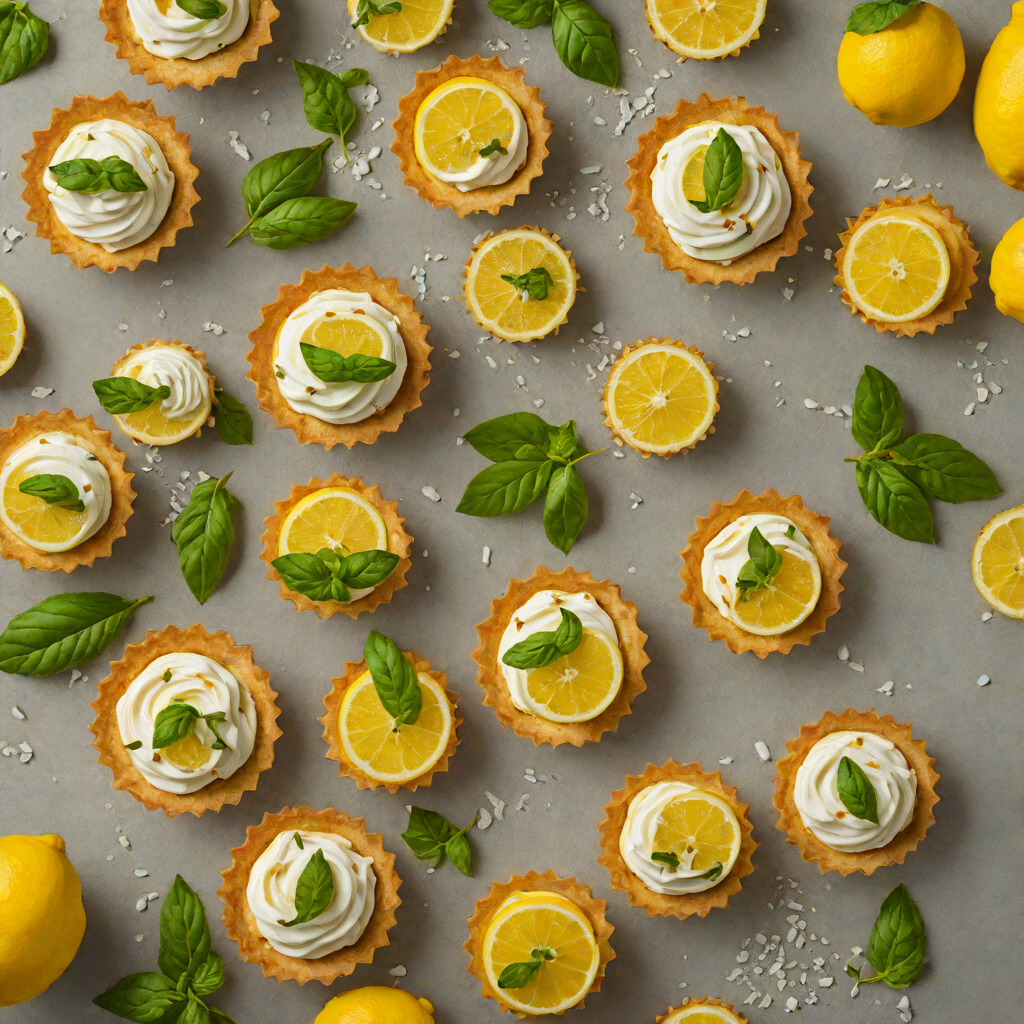
Folding meringue and whipped cream. A wide, thin, flexible blade cuts down through the batter and sweeps up along the bowl wall in one motion. A thick blade compresses air out of the foam and you lose the lift you spent ten minutes whipping. This is the technique behind Lemon Basil Meringue Tartlets.
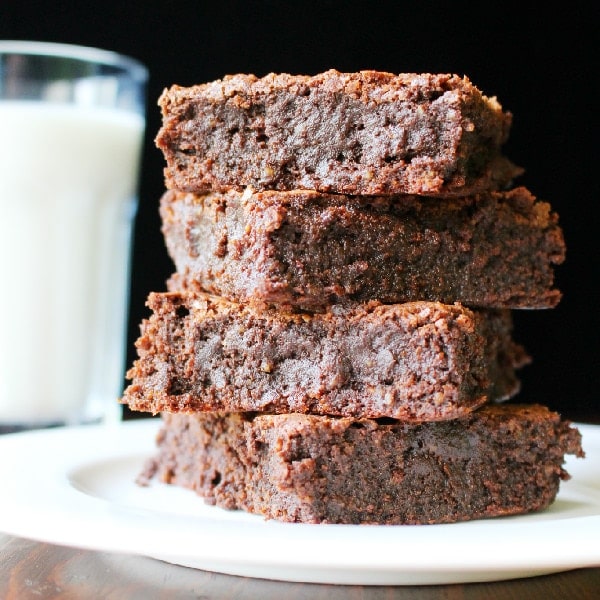
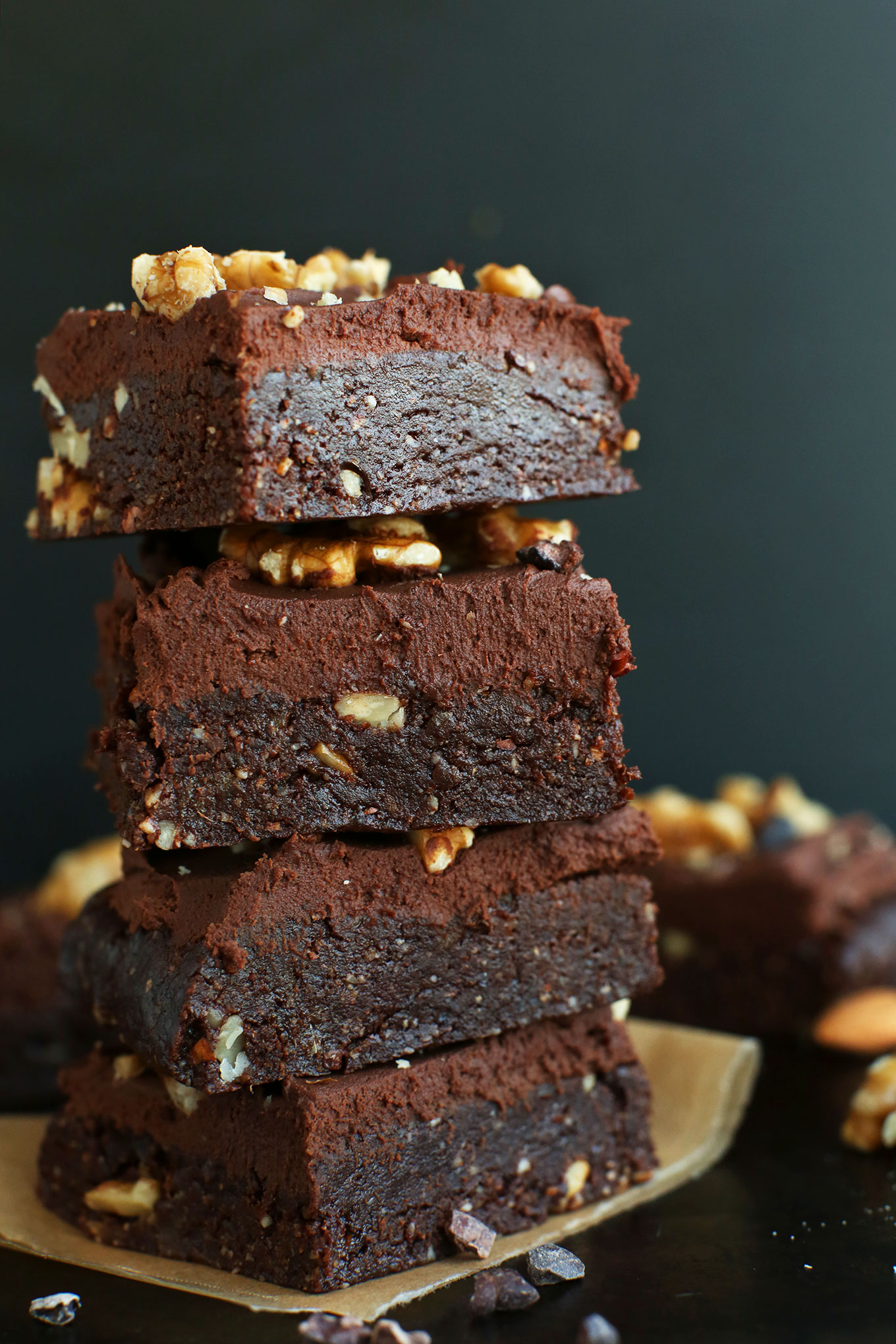
Scraping mixing bowls. See the table above — the flex at the edge is doing all the work. Get the batter out of the bowl for Cocoa-Almond Flour Brownies and Van Leeuwen-Inspired Vegan Chocolate Fudge Brownies with two passes instead of five.
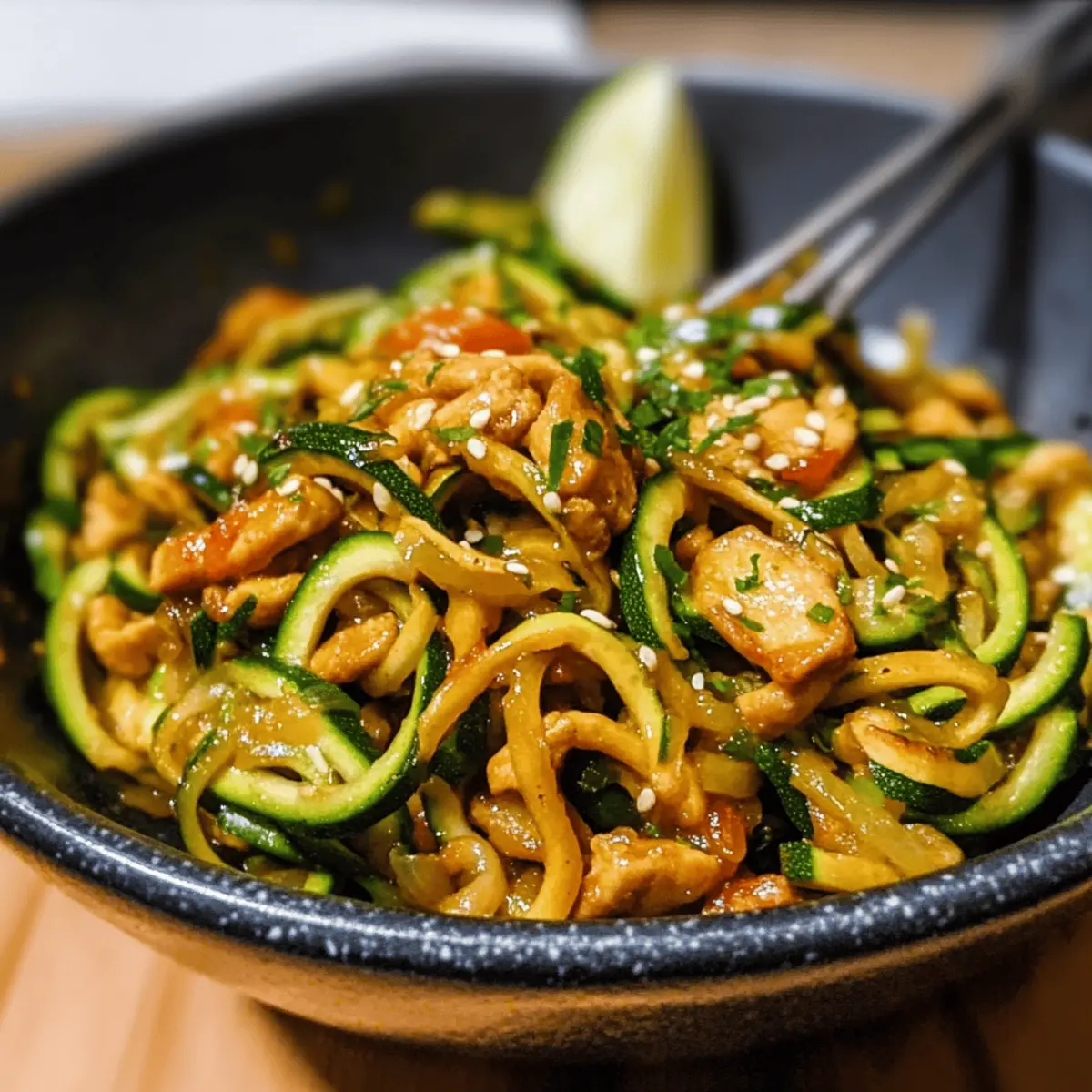
Non-stick stir-frying. Silicone is the only utensil material that will not scratch a PTFE or ceramic non-stick surface. Metal scratches it, and wood chips carbon into it. For Zucchini Noodle Stir-Fry with Ginger and Mushrooms, a silicone turner is the correct tool.
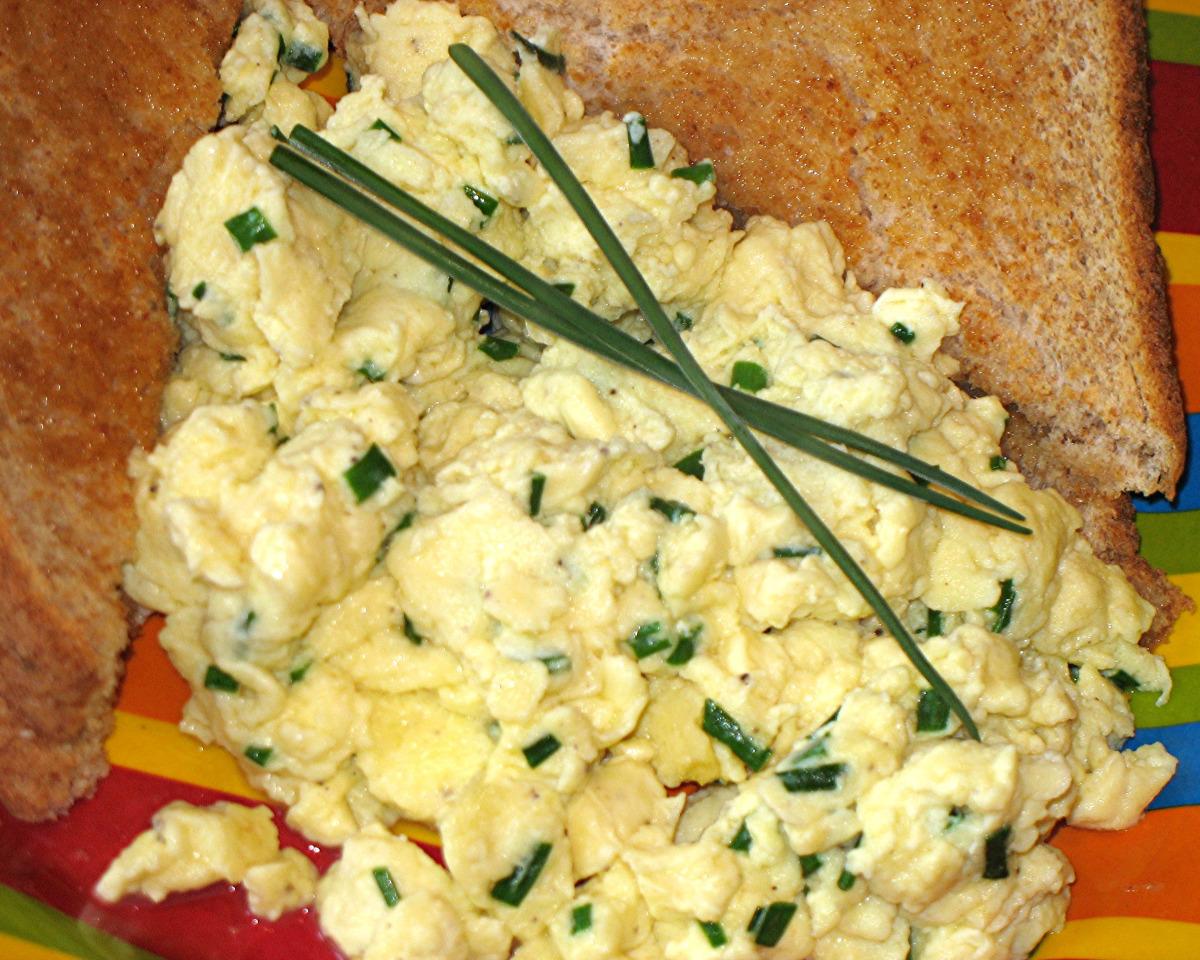
Soft scrambled eggs. Low heat, constant motion, and a flexible edge that keeps the curd moving off the pan bottom. Smoked Gouda Scrambled Eggs with Chives is the test case — a stiff tool gives you chunks, a flexible one gives you custard.
Frosting and piping prep. Getting buttercream from bowl to piping bag is a mini-spatula job. Vanilla Cupcakes with Piped Buttercream Swirls needs two tools: a large spatula for the bowl, a mini for the bag.
Stiff doughs. Chocolate Chip Levain-Style Cookies with Dark Cocoa is where the core stiffness spec earns its keep — a coreless spatula folds and you finish by hand.
If you are buying spatulas because you are getting into baking, the pans matter as much as the tools: see our bakeware picks and the baking sheets guide.
Common pitfalls
1. Buying a 450°F set to save a little money. You will replace it within two years, at which point you have spent more than the 600°F set cost.
2. Leaving a spatula resting in a hot pan. Even a 600°F-rated head will slowly deform under sustained contact. Rest it on a spoon rest.
3. Buying an 8-piece "utensil set" instead of spatulas. Those sets are mostly slotted spoons, ladles, and pasta forks you already own. Three good spatulas beat eight mediocre tools.
4. Assuming "BPA-free" means quality. It means nothing on silicone. Look for LFGB or FDA food-grade, and do the twist test.
5. Cutting on the head. Silicone is soft. A knife nick becomes a crevice, and a crevice becomes a hygiene problem.
6. Skipping the mini spatula. It is the tool people discover last and use most.
How many spatulas you actually need
Most people over-buy pieces and under-buy quality. The functional minimum for a home kitchen that bakes occasionally is three tools:
1. One large scraping spatula (roughly 11 inches, wide flat head, stiff core) for bowls, batters, and folding.
2. One mini spatula (roughly 8 inches) for jars, food-processor bowls, and single servings.
3. One slotted turner for eggs, fish, and pancakes in a non-stick pan.
Everything else — the spoonula, the jar scraper, the second medium — is convenience, not capability. That is why the OXO three-piece plus a Tovolo turner is a better buy than any single five-piece set: you get the three real jobs covered with tools that are good at each one.
If you bake weekly, add a second large spatula so you are not washing mid-recipe when one bowl has butter in it and the other has egg whites. If you bake rarely, the three above will outlast the kitchen.
Care that actually extends the life
Wash by hand for the first month, then do whatever you want. The reason is not the silicone — it is the bond line between head and core on cheaper sets. Give it a month of gentle cycles and any manufacturing weakness will have shown up while you can still return it.
Do not store them touching a heat source. The most common death for a good spatula is being left in a utensil crock next to the range, where the crock's rim sits over the front burner. That is 200–300°F of sustained ambient heat, and while it will not melt a 600°F head, it will slowly stiffen it.
De-stain quarterly. Make a thick paste of baking soda and water, coat the head, and leave it in direct sun for four hours. UV plus the mild abrasive lifts most tomato and turmeric staining. For stubborn oil film, a 30-minute soak in a solution of one part white vinegar to four parts hot water cuts the residue that makes old silicone feel tacky.
Retire on texture, not looks. Staining is cosmetic. Tackiness, a chalky surface, or any visible nick in the head means the silicone has degraded or been cut — replace it. A tacky head is the one genuine hygiene concern in this category, because it holds oil that will not wash off.
Track the temperature you actually cook at. If you own an infrared thermometer, point it at your dry stainless pan the next time you preheat for a sear. Most people are surprised: a "medium-high" preheat on a gas range routinely reads 520–560°F, which is above the rating of the cheap spatula most kitchens are using. That reading is the whole argument for the 600°F tier in one number.
When silicone is the wrong material
Silicone is not the answer for everything. For high-heat searing where you want to hear and feel the fond release, a thin metal fish spatula is better — silicone is too thick to slide under a crust. For scraping a carbon-steel or cast-iron pan during deglazing, wood is better because it has the rigidity to lift stuck fond. And for anything above 600°F sustained — a wok over a jet burner, for instance — use metal. Silicone earns its place on non-stick surfaces, in mixing bowls, and anywhere you would otherwise scratch a finish.
Buying for someone else? Our #1 pick, the OXO Good Grips 3-Piece set, is the beginner pick in our kitchen gifts under $50 guide, a short list of small tools a home cook will use every week.
Sources
America's Test Kitchen's silicone spatula review is the published equipment test we leaned on for edge flex and heat tolerance in this category, and Wirecutter's spatula guide — retested and updated for 2026 — ranks silicone against metal and wood across the same jobs. The material claims come from two primary sources: silicone rubber is stable from −55 to 300 °C (−70 to 570 °F), which is why the 600°F marketing figure on some sets is a short-contact rating rather than a sustained one, and food-safety terminology follows the FDA's packaging and food-contact substances program. Prices and ratings are retailer listings as of September 2026 and move; check the current figure at each link.
Frequently asked questions
Why does the temperature rating matter — how hot does a spatula actually get in the pan?
One-piece silicone or wood-handled with silicone head — which lasts longer?
Do 'BPA-free' and 'food-grade' silicone claims actually mean anything?
Can I use silicone spatulas on a non-stick pan without scratching it?
How many spatulas do I actually need for a home kitchen?
How we picked
This guide is researched, not bench-tested. We shortlisted products from the AislePrompt kitchen catalog and compared them on published manufacturer specifications (such as materials, size and capacity), on what owners report in published reviews, and on any third-party sources linked in this guide. The guide was drafted with AI assistance. We did not run lab or hands-on tests of these products, so any measurement quoted here comes from the manufacturer or a cited source. Prices change often: use the “Check price on Amazon” buttons for today’s price.
Recipes to try with the right utensils
Put your gear to work — save any recipe to My Recipes (no account needed) and send its ingredients to Instacart in one tap.

Shop utensils & tools on AislePrompt →Browse the full kitchen shop →