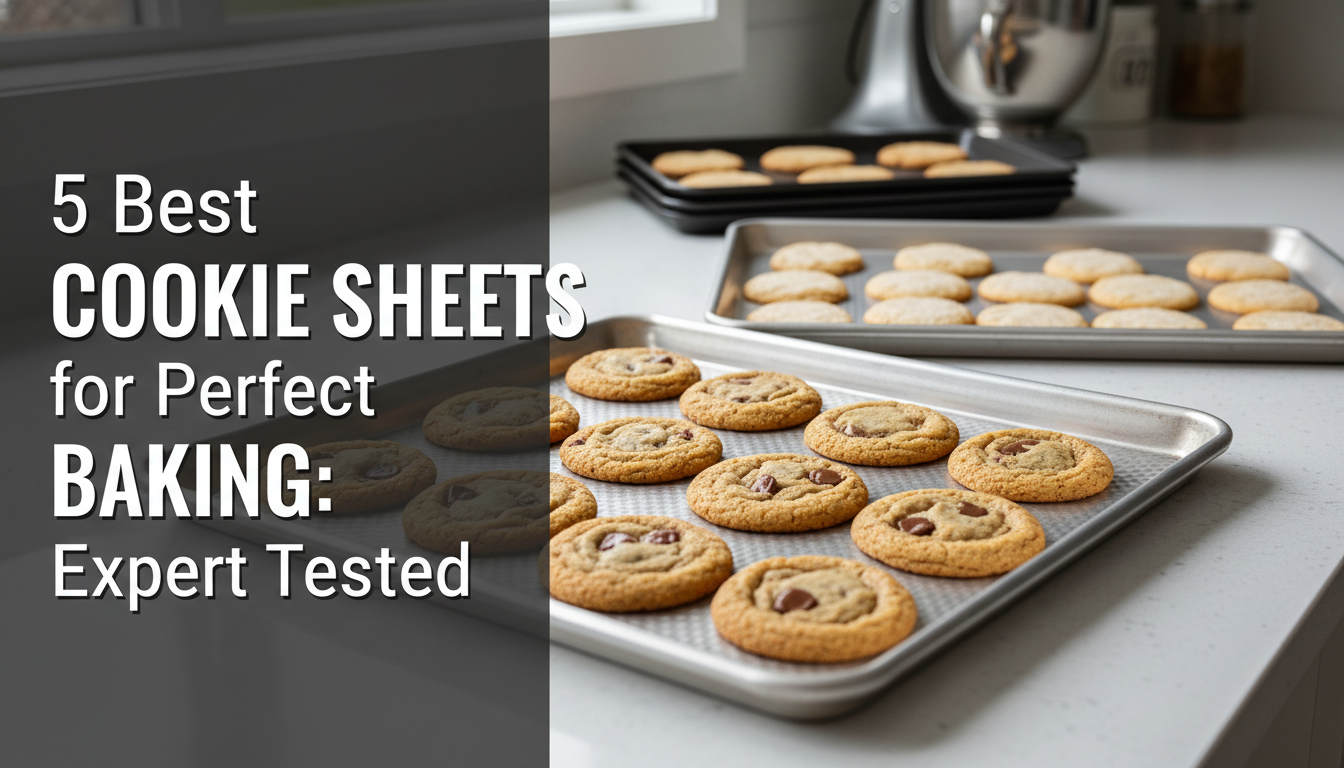
Best Baking Sheets in 2026: Top Picks + Buying Guide
The five sheet pans worth buying in 2026, from a budget workhorse to the pan that outlasts your oven.
The best baking sheet for most home cooks in 2026 is the Nordic Ware Naturals Aluminum Half Sheet (on Amazon, a set of two plus a ⅛ sheet), a 13-gauge uncoated aluminum half sheet with a steel-reinforced rolled rim that resists warping on high-heat roasts.
Where to buy these picks
Affiliate links: we may earn a commission on qualifying Amazon purchases. Policy. Prices show only when checked in the last 24 hours.
- Best Overall: Nordic Ware Naturals Aluminum Half Sheet (13 gauge) $35.00 at Amazon, Check price on Amazon →
- Best Value: GoodCook Everyday 3-Pack Nonstick Baking Sheet Set $17.99 at Amazon, Check price on Amazon →
- Best for Beginners: USA Pan Half Sheet with Americoat Coating $31.99 at Amazon, Check price on Amazon →
- Best Premium: Caraway Non-Stick Ceramic Baking Sheet (Large) $65.00 at Amazon, Check price on Amazon →
- Best Compact: Nordic Ware Quarter Sheet (9 by 13 inches) $22.50 at Amazon, Check price on Amazon →
Quick answer
Which baking sheet fits how you cook?
The best value is the GoodCook Everyday 3-Pack Nonstick Baking Sheet Set, three nonstick carbon-steel sheets for 350–400°F weeknight dinners. For beginners, the USA Pan Half Sheet with Americoat has a corrugated bottom that warps less and releases cookies without parchment. The Caraway Non-Stick Ceramic Baking Sheet is the premium PTFE-free pick, and the Nordic Ware Naturals Quarter Sheet is the compact pick for small batches and toaster ovens.
If you cook dinner more than three nights a week, the rimmed half sheet pan is the piece of bakeware you touch most. It cooks a full batch of cookies, roasts vegetables for four, catches drips under a pie, holds bacon for twelve, and doubles as a landing tray when you pull anything else out of the oven. This guide covers the five sheet pans that hold up to daily use in 2026, the specs that separate a $12 warp trap from a $30 pan you'll pass to your kids, and how to keep whichever one you buy flat and non-sticky for a decade.
What you'll use with it
A scooped cup of flour weighs anywhere from about 113 to 156 grams, which is why bakers weigh it. The scale guide's top pick weighs up to 11 pounds in 1-gram steps and has a pull-out display you can still read under a wide mixing bowl. Read the kitchen scale guide →
Kitchen scale guide’s top pick: OXO Good Grips 11-Pound Stainless Steel Kitchen Scale with Pull-Out Display $62.95 at Amazon, Check price on Amazon →Scraping batter out of a bowl and off a pan is a silicone spatula’s job. The spatula guide compares sets by heat rating and core stiffness. Read the silicone spatula guide →
Silicone spatula guide’s top pick: OXO Good Grips 3-Piece Silicone Spatula Set $23.95 at Amazon, Check price on Amazon →
Introduction: Why the sheet pan is the most-used piece of bakeware
Ask any cook to name the pan they reach for first and it's not the cast iron or the Dutch oven — it's the half sheet. A single half sheet pan handles most of the oven recipes on AislePrompt, from sheet pan dinners to cookies. It's cheap enough to own three of, thin enough to conduct heat instantly, and just big enough to feed a family. The other reason it dominates: modern American cooking has moved toward the one-pan meal. When Serious Eats broke down the best baking sheets, lead editor Daniel Gritzer's argument was that a heavy commercial-grade aluminum half sheet outperforms nonstick, ceramic, and stainless-clad pans at every task except releasing cookies — and even that solves itself with parchment.
The market has gotten confusing since then. There are now dark nonstick sheets, three-ply stainless sheets, insulated air sheets, silicone-coated sheets, and thin store-brand sheets that come three-to-a-pack for $18. Most of them warp. Some of them scorch. A few of them are excellent. Below are five worth buying — one for each budget and use case — followed by exactly what to look for so you can shop with confidence outside the picks.
Our Top 5 Picks: Best Overall, Best Value, Best for Beginners, Best Premium, Best Compact
#1 Best Overall — Nordic Ware Naturals Aluminum Half Sheet (13 gauge)
The bakeware world's default answer to "which sheet pan should I buy" for good reason. A 13-gauge (0.09-inch thick) aluminum-alloy pan with rolled steel-reinforced rims, made in Minneapolis. It's the pan you see under every cookie in every food-media test kitchen. The gauge is thick enough to resist warping on high-heat roasts, the aluminum browns evenly without hot spots, and the rolled reinforced rim keeps the shape even after five years of daily use. It shows fingerprint smudges on day one and never looks brand new again — that's fine, and the America's Test Kitchen rimmed baking sheet review called out the same aging as a feature rather than a flaw.
The tradeoffs: never in the dishwasher (aluminum stains gray from alkaline detergent), never fresh acidic food left overnight (pit corrosion), and never with a metal knife against the surface (aluminum is soft). Follow those three rules and you'll never buy another one.
The single pan keeps selling out on Amazon, so the Amazon button goes to Nordic Ware's Naturals Half Sheet Set: two of this same half sheet plus a ⅛ sheet, which covers a second tray of cookies while the first bakes.
#2 Best Value — GoodCook Everyday 3-Pack Nonstick Baking Sheet Set
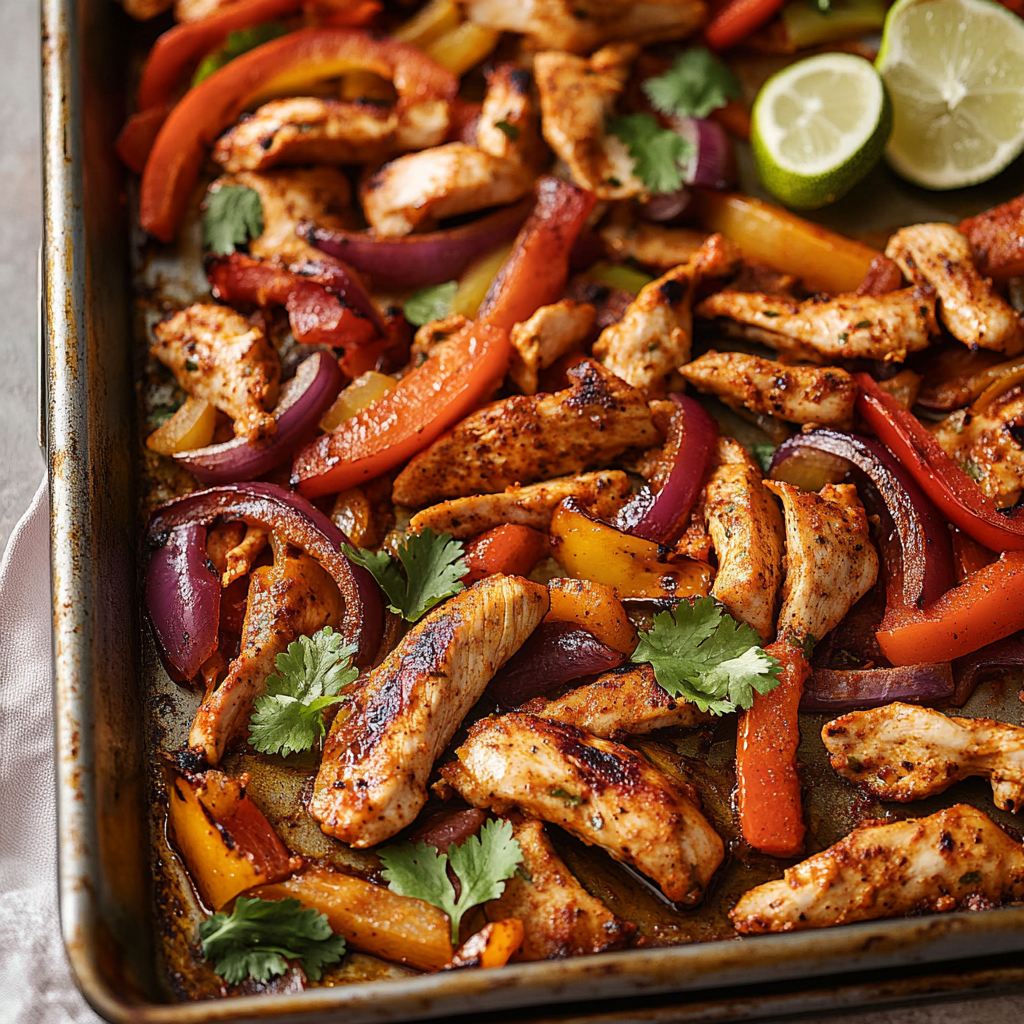
Three sheets — small (13×9), medium (15×10), large (17×11) — carbon steel with a gray nonstick coating. Not the pan you'd use for a wedding cake. But for weeknight sheet-pan dinners where the food gets sauced, coated, or breaded, the nonstick surface saves you five minutes of scrubbing per sheet. The steel is thin enough to warp under 450°F+ roasts, so save these for 350–400°F work and reach for the Nordic Ware Naturals when you need real heat. Try one on the Sheet Pan Chicken Fajitas with Black Beans recipe first — the sauce clean-up is where the nonstick pays for itself.
#3 Best for Beginners — USA Pan Half Sheet with Americoat Coating
A partial-nonstick pan (they call it Americoat, a silicone-based release layer without PTFE) at around $32. What makes it beginner-friendly: the corrugated bottom means less warp than a flat pan of the same gauge, and the light coating means cookies release without parchment. It's the pan to buy if you've bought two warped sheet pans and are ready to give up. Corrugated pans have one drawback — a slightly uneven top surface — which shows up as darker stripes on delicate cookies. For batch baking, the trade is worth it.
#4 Best Premium — Caraway Non-Stick Ceramic Baking Sheet (Large)
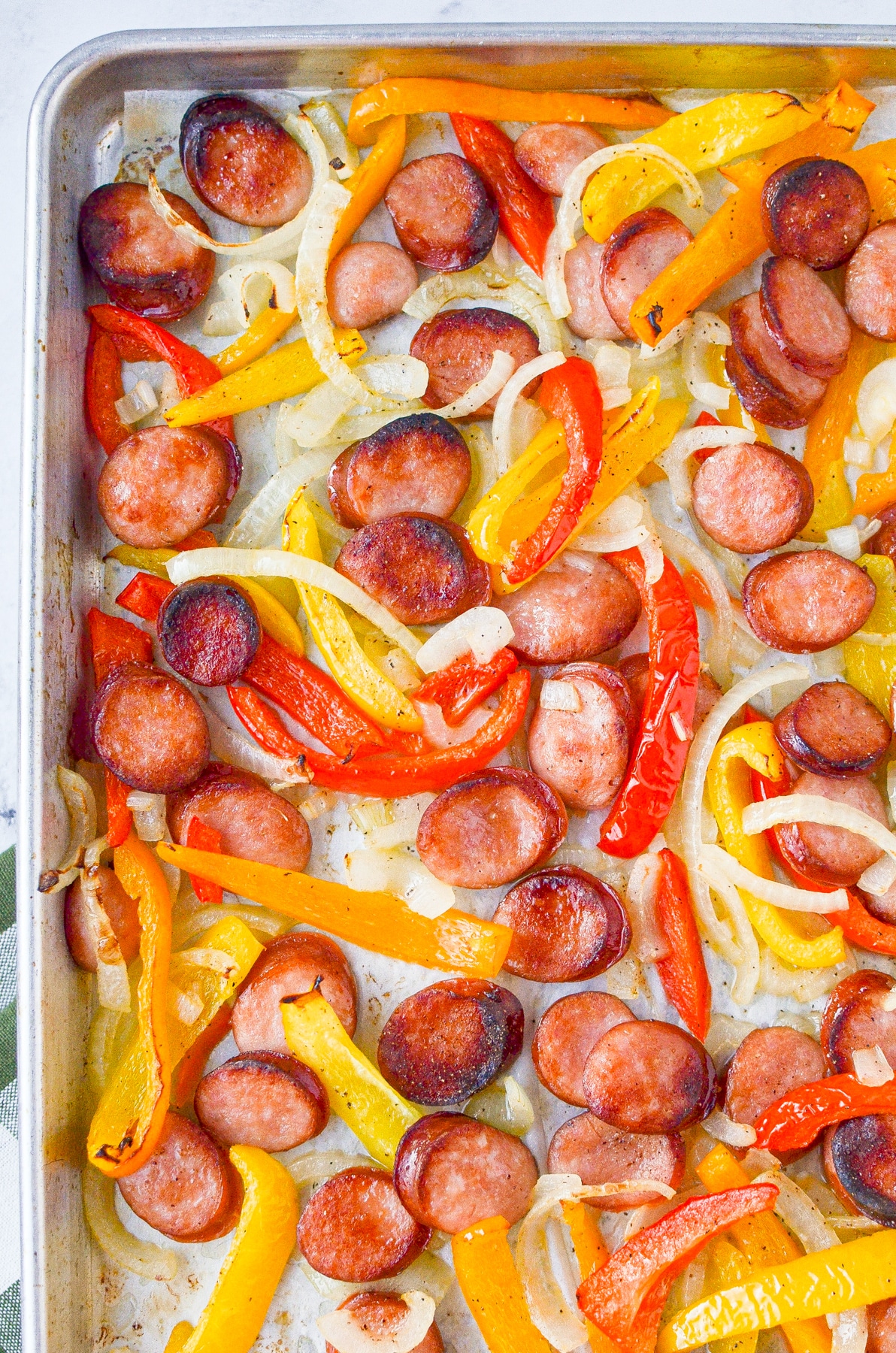
Around $65 for the 18 × 13-inch size. An aluminized-steel sheet with a ceramic nonstick coating made without PTFE or PFOA, for the cook who wants release without parchment and without a PTFE coating. Cookies, roasted potatoes and the sticky glaze off a Sheet Pan Smoky Sausage and Pepper Medley slide off it, and it looks good enough to carry to the table. The trade-off is the one every coated pan has: a ceramic coating loses its release over a few years of hard use, long before the steel wears out, so hand-wash it, keep metal spatulas off it, and don't run it under the broiler. If you'd rather have a pan that lasts decades, the bare Nordic Ware at #1 plus a roll of parchment does the same job for less.
#5 Best Compact — Nordic Ware Quarter Sheet (9 by 13 inches)
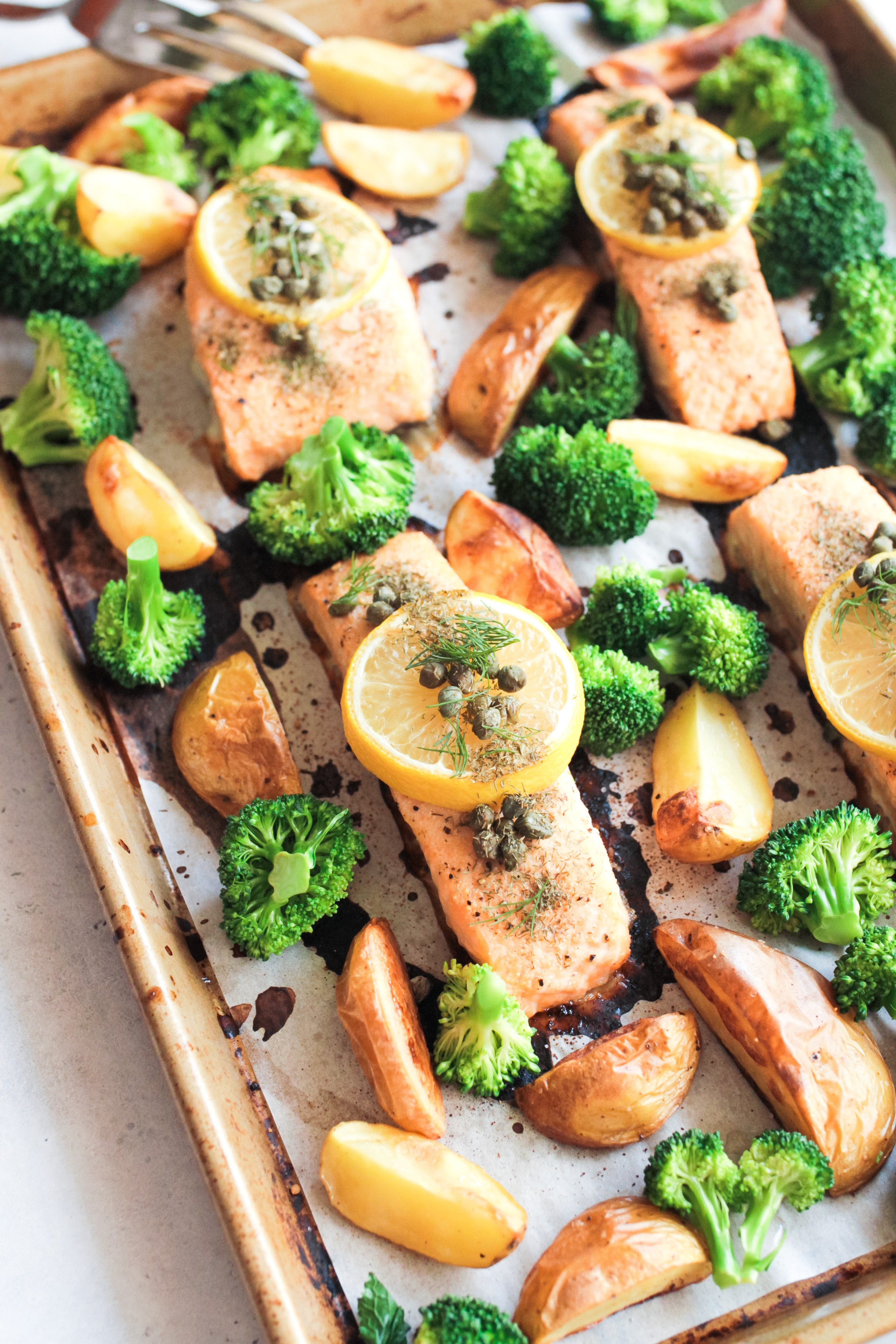
A half-size version of pick #1 at around $10 each (sold as a two-pack). Buy more than one. Reasons: toasting a cup of nuts on a full sheet wastes energy; roasting a pound of Brussels sprouts on a half sheet spreads them too thin; a quarter sheet holds three servings of Lemon-Dill Sheet Pan Salmon with Capers at exactly the right density; and two quarter sheets fit side-by-side in one oven rack for split-menu cooking. They also fit toaster ovens if you have a compact kitchen. Same 13-gauge aluminum, same rolled rim, half the footprint.
Quick comparison table
| Pan | Material | Gauge | Best for | Dishwasher? |
|---|---|---|---|---|
| Nordic Ware Naturals Half | Aluminum alloy | 13 (heavy) | Everything except sauced dinners | No |
| GoodCook Nonstick 3-pack | Carbon steel + nonstick | ~18 (thin) | Sauced weeknight dinners | Not recommended |
| USA Pan Half w/ Americoat | Aluminized steel + release layer | 15 (medium) | Cookies without parchment | No |
| Caraway Ceramic Large | Aluminized steel + ceramic nonstick | Not published | Release without parchment, PTFE-free | Not recommended |
| Nordic Ware Quarter | Aluminum alloy | 13 (heavy) | Small batches, toaster ovens | No |
What to look for: gauge, material, rolled edges, coating, size
Once you're shopping outside our picks, five specs matter. Get all five right and you'll end up with a pan that lasts.
Gauge. Sheet-pan thickness is measured on the American Wire Gauge scale — counter-intuitively, a smaller number means a thicker pan. A 13-gauge pan is 0.09 inches thick; an 18-gauge pan is 0.05 inches thick. The 18-gauge pans are what warp. Anything 13 or 14 gauge holds its shape under normal home-oven use up to 500°F. Anything 15 or 16 gauge is a "medium-duty" pan, fine for baking at 350°F but likely to bow at 450°F. Anything 17 gauge or thinner is a store-brand pan that warps the first time you dry-preheat it.
Material. Bare aluminum (not aluminized steel) is the industry gold standard. Aluminum's thermal conductivity is roughly four times higher than steel's, so the pan heats evenly with no hot spots. It also cools quickly, which matters when you're pulling one thing out to put the next thing in. The downsides — softness (dents easily), oxidation (grays over time), and reactivity with acid — are all manageable with normal handling. Aluminized steel (steel dipped in a thin aluminum layer) is heavier and cheaper but conducts a little less evenly. Three-ply stainless bonds are the durability winner but at 3× the price of bare aluminum. Nonstick coatings on top of any of these save cleanup at the cost of oven-temp headroom (most nonstick coatings degrade above 450°F).
Rolled edges. A pan with a rim rolled around a steel wire is dramatically more warp-resistant than a pan whose rim is just folded aluminum. The rolled-wire rim acts like structural rebar. If the pan's rim looks like a single sharp bend rather than a smooth tube, expect it to warp within a year of high-heat use. The Nordic Ware Naturals, USA Pan, and most restaurant-supply pans have the rolled rim. Most store-brand three-packs do not.
Coating. For an all-purpose pan you'll use with everything from bacon fat to sugar syrup, get an uncoated aluminum surface and use parchment or a silicone mat when you need release. Coated pans are wonderful for the specific tasks they're designed for (nonstick coating for sauced roasts, textured-Americoat for cookies, dark anodized for pizza crust) but they force you to lower oven temperature and hand-wash carefully. Rule of thumb: uncoated aluminum first, coated pan second, never dark nonstick as your only sheet pan.
Size. Half sheet (18 by 13 inches) is the domestic standard — it fits every American oven built after 1970. Quarter sheet (9 by 13 inches) fits toaster ovens and is the right size for a pound of vegetables or a single side dish. Full sheet (26 by 18 inches) does not fit a residential oven; skip it unless you're catering. Some brands sell a "jelly roll pan" (15 by 10 inches) that's marginally smaller than a half sheet; it's fine if that's what fits your oven, just be aware most recipes assume 18 by 13.
Sheet pan care: warping, dishwashers, and lifetime
Sheet pans die from three things: warping, staining, and coating loss. All three are preventable.
Warping. A pan warps when one side of it expands faster than the other. This happens two ways. First, when you drop cold food onto a hot pan (a preheated pan hits 425°F; a tray of frozen fries hits 15°F; the metal directly under the food shrinks while the exposed metal stays expanded, and the pan pops). Second, when a thin-gauge pan is asked to hold shape at temperatures above its structural limit. Both are solved by (a) buying a thick-gauge pan and (b) putting the food on the pan before it goes in the oven — never preheating an empty sheet pan for standard roasting. If your recipe insists on a preheated pan (rare, mostly for smash burgers or extremely crisp Brussels sprouts), use a cast-iron sheet pan or your heaviest 13-gauge aluminum and expect a slight warp that flattens on cooling.
Staining. Aluminum oxidizes when it contacts dishwasher detergent (alkaline) or acidic food left overnight (tomato sauce, lemon slices). The result is a dull gray patina that never comes off. It's cosmetic — the pan cooks the same — but if it bothers you, hand-wash within an hour of use, never soak in soapy water, and use parchment under acidic dishes.
Coating loss. Nonstick and Americoat coatings peel when you use metal utensils, cook above their rated temperature, or run them in the dishwasher. Silicone or wooden spatulas only. Stay under 425°F. Hand-wash with a plastic scrubber, not steel wool. A well-treated coated pan lasts 3–5 years; a mistreated one lasts 6 months.
The lifetime math on a good uncoated aluminum sheet pan is 15–25 years of daily use. Restaurant kitchens run the same Nordic Ware and Vollrath sheet pans for a decade before retiring them, and their pans see 500°F pizza ovens for eight hours a day. Home cooks who never dishwash them can expect the pan to outlast their oven.
Uses beyond cookies: sheet pan dinners, roasting, toast
The cookie sheet name is a leftover from the 1950s. Today's sheet pan does a lot more.
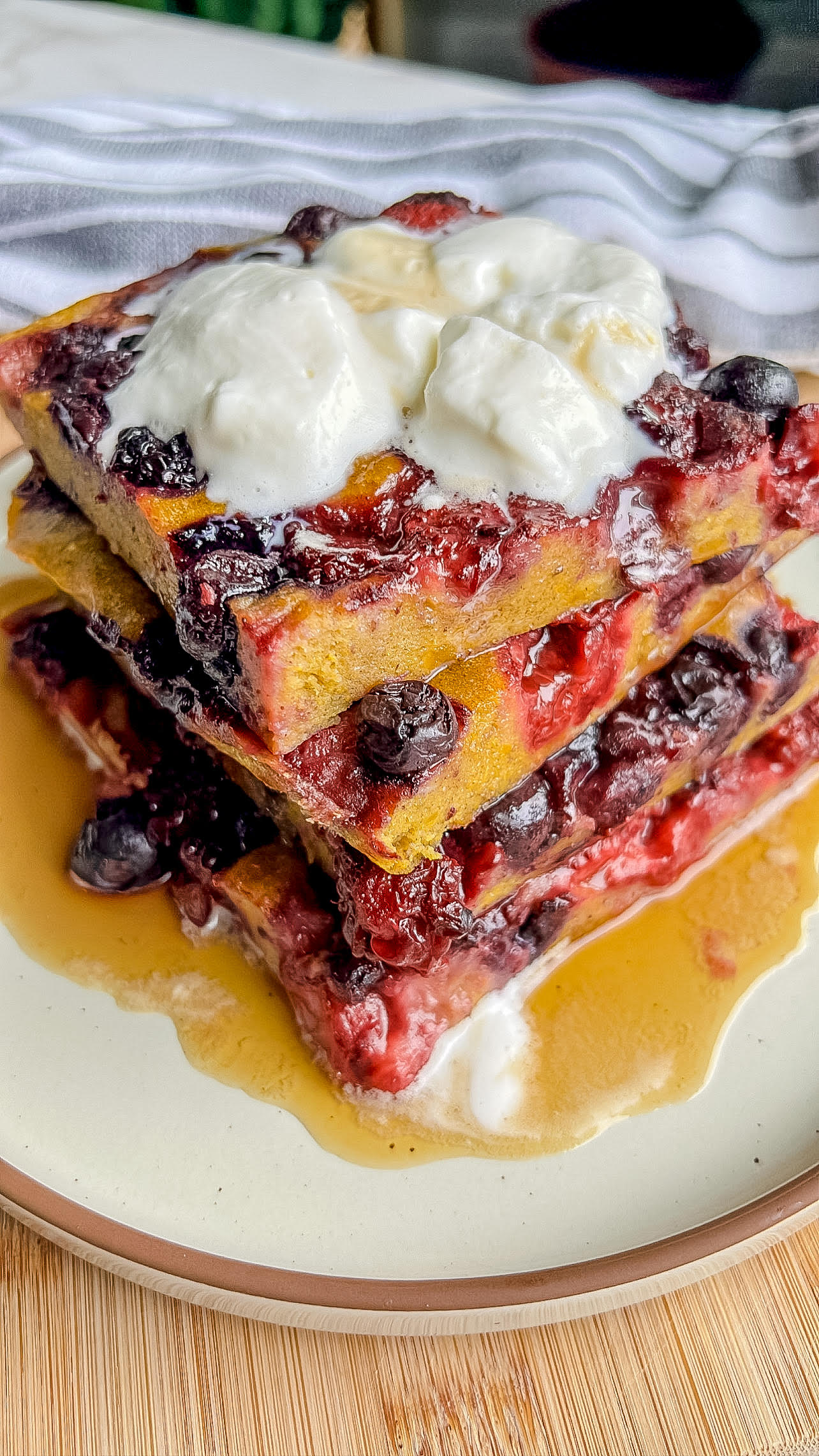
Sheet pan dinners. A single half sheet holds a full family dinner: protein plus two vegetables plus a starch, cooked in one pass with staggered add times. The AislePrompt bakeware category has three-way divided sheet pans for cooking three components at once without cross-flavoring — worth it if you're doing this three nights a week. Otherwise the flat half sheet does the job with a piece of parchment folded into a temporary divider. Solid weeknight starters: Sheet Pan High Protein Pancakes with Mixed Berries (yes — pancakes, on a sheet pan, serves six), the fajitas linked above, or any sheet-pan salmon.
Roasting. Vegetables get proper caramelization on a sheet pan because the surface area lets water evaporate rather than steam-braise the food. The rule of thumb: single layer, at least 1/2 inch of gap between pieces, uncoated pan (nonstick coatings inhibit browning), oven at 425°F. A pound of Brussels sprouts fits perfectly on a half sheet; two pounds on a full sheet (or, more usefully, two half sheets on adjacent racks).
Toast. A sheet pan holds ten pieces of toast at once under a broiler. This is the fastest way to feed a group of six breakfast. It's also how you make garlic bread (butter, garlic, parsley, 400°F for eight minutes) and how you crisp up leftover pizza (450°F for four minutes on a bare pan — beats the microwave every time).
Under other pans. The sheet pan's most-underrated job. Slide one under a pie or a casserole and drips catch on the pan instead of the oven floor. The pan is thin enough that it doesn't insulate the food (no soggy pie bottom), and cleanup is a five-minute pass with a plastic scrubber instead of an hour with a green pad and self-clean cycle.
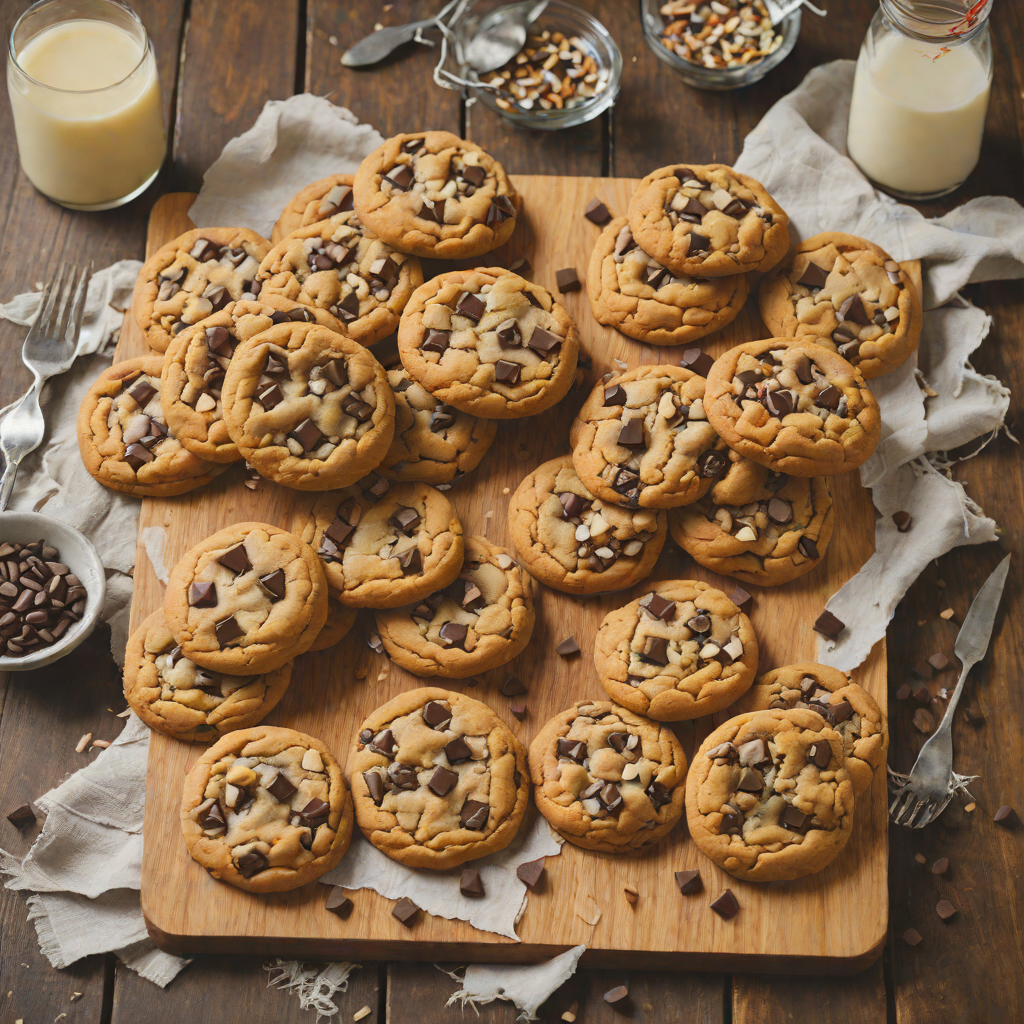
Batch cooking. Two half sheets side-by-side hold twelve chicken thighs, or 24 Potluck-Style Classic Chocolate Chip Cookies, or enough roast vegetables to feed a dinner party. This is why professional cooks own six half sheets rather than two full sheets — flexibility beats capacity.
For every-day accessories that pair with the sheet pans, check the utensils category for the silicone spatulas, offset turners, and cooling racks that make a sheet-pan kitchen work.
Common pitfalls to avoid
Five specific failure modes we see readers hit:
- Buying a dark nonstick "cookie sheet" for roasting. Dark coatings absorb heat, so a 425°F recipe browns like a 450°F recipe would. Delicate items scorch on the bottom before they cook through on top.
- Layering foil directly on the pan for easy cleanup. The foil traps steam under the food and everything braises instead of roasts. Use parchment (crisps fine) or nothing at all.
- Crowding the pan. A one-pound bag of frozen fries needs a full half sheet; half a bag needs a quarter sheet. Doubling up produces limp steamed food.
- Preheating an empty pan. This warps thin pans and does nothing for thick pans. Put food on cold, oven-preheated pan is the reliable default.
- Never rotating. Home ovens have hot spots. Rotate the pan 180° at the halfway mark for even browning; the utensils category has heat-resistant silicone mitts that make this safe with either hand.
Sources
- America's Test Kitchen — Best Rimmed Baking Sheet
- Serious Eats — The Best Baking Sheet
- NYT Wirecutter — The Best Baking Sheets
Frequently asked questions
What size baking sheet do I actually need?
Why do baking sheets warp in the oven?
Should I get a dark or light-colored sheet pan?
Are silicone baking mats better than parchment paper?
Can I put my baking sheet in the dishwasher?
How we picked
This guide is researched, not bench-tested. We shortlisted products from the AislePrompt kitchen catalog and compared them on published manufacturer specifications (such as materials, size and capacity), on what owners report in published reviews, and on any third-party sources linked in this guide. The guide was drafted with AI assistance. We did not run lab or hands-on tests of these products, so any measurement quoted here comes from the manufacturer or a cited source. Prices change often: use the “Check price on Amazon” buttons for today’s price.
Recipes to try with sheet pans
Put your gear to work — save any recipe to My Recipes (no account needed) and send its ingredients to Instacart in one tap.
Shop bakeware on AislePrompt →Browse the full kitchen shop →