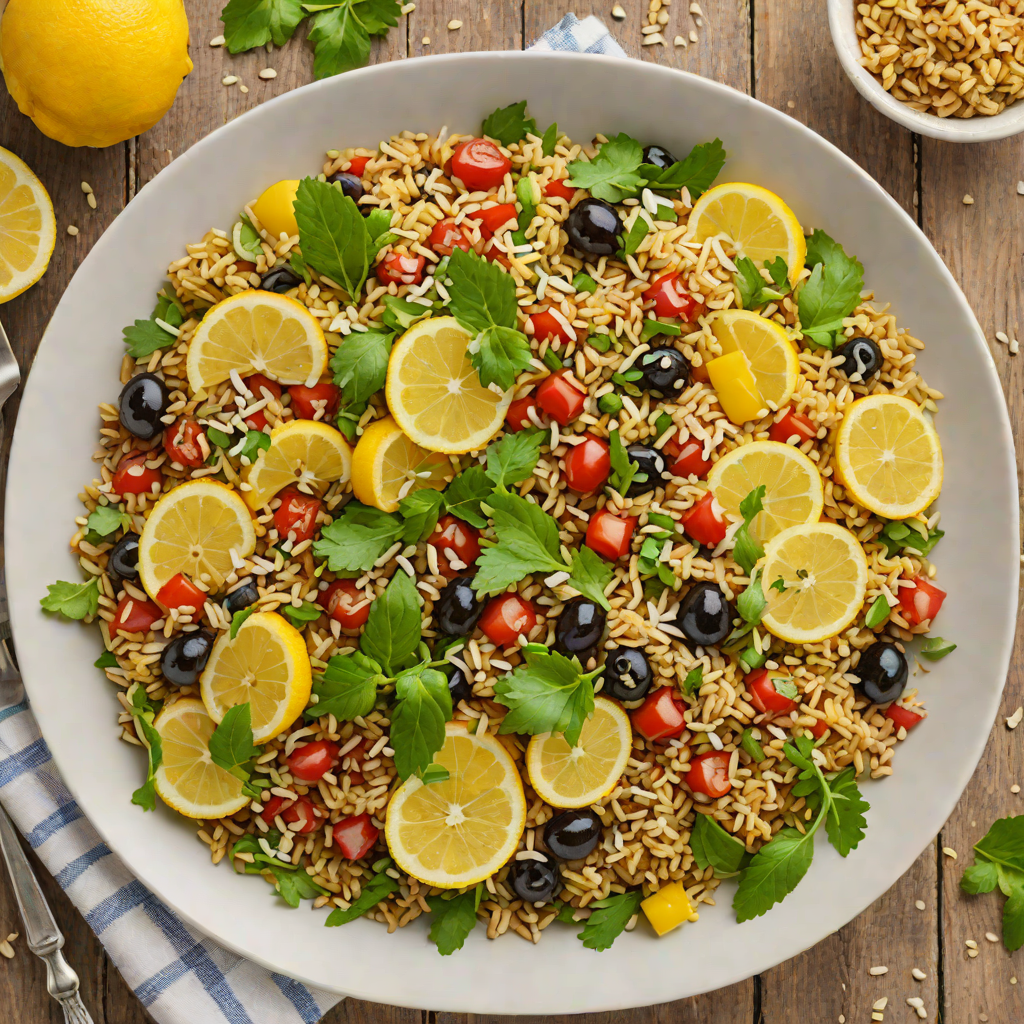
The Complete Vegetarian Meal Plan: 40+ Recipes + 7-Day Shopping List for 2026
A protein-balanced week of plant-forward meals you can shop in one 30-minute store run.
A vegetarian meal plan is just a 7-day eating schedule built around plant proteins — legumes, tofu, eggs, dairy, whole grains — that lands you between 1,800 and 2,200 calories and 60-90 grams of protein per day without any meat. This guide gives you the week, the shopping list, the protein math, and 10 reader-favorite recipes from the AislePrompt catalog to fill it. You can cook the whole thing with one skillet, one chef's knife, and a sheet pan.
Who this plan is for and what to expect
This plan is built for a regular weeknight cook. You don't need a chef's resume, a stand mixer, or two hours of evening prep. Each weekday dinner is 30 minutes or less from chopping board to plate; weekend dinners stretch to 45 minutes and feed four with one set of leftovers. Breakfasts are five minutes flat. Lunches are either yesterday's dinner repackaged or a fast grain bowl. The week averages 70-85 grams of protein per day and runs about $65-$85 in groceries for one adult at a US chain supermarket as of 2026, less if you shop bulk-bin grains and dried beans.
If you've cooked meat-forward meals your whole life, the biggest mental shift is treating beans, lentils, tofu, eggs, and cheese as the center of the plate — not a side. We'll walk through the protein math in section three so the swap feels concrete instead of vague. By Sunday night you'll have a stocked pantry, five new go-to dinners, and a confident answer for "what are we eating tonight?"
A note on cost: the Harvard Health team's vegetarian-nutrition primer points out that plant-forward eating is consistently cheaper than the equivalent meat-centered diet, and our shopping list bears that out — dry lentils run about $1.50 a pound and yield three dinners, where the same protein in chicken thighs is closer to $5.
Choosing your vegetarian lane: lacto-ovo vs flexitarian vs plant-based
Three lanes, three slightly different shopping lists:
| Lane | Eats | Doesn't eat | Best for |
|---|---|---|---|
| Lacto-ovo vegetarian | Plants, dairy, eggs | Meat, fish, gelatin | Easiest transition; widest recipe selection |
| Flexitarian | Plants, dairy, eggs, occasional fish/poultry | Daily meat | People cooking for mixed-diet households |
| Plant-based / vegan | Plants only | Meat, fish, dairy, eggs, honey | Cholesterol-conscious; environmental priority |
This guide is written for lacto-ovo by default because it covers the largest catalog and the easiest path for new vegetarians. Every recipe linked below has a dairy-free + egg-free swap noted on its detail page, so flexitarians and vegans can run the same plan with minor adjustments. The vegan-conversion notes live in the FAQ at the bottom of this article.
The USDA's 2020-2025 Dietary Guidelines explicitly include a "Healthy Vegetarian Eating Pattern" alongside the Mediterranean pattern, with the same calorie and nutrient targets as their omnivore reference plan. You are not nutritionally cutting corners by skipping meat — you're just sourcing your protein differently.
Protein math: how to hit 60-90g per day without meat
The single most common worry for new vegetarians is protein. Here is the math, with no hand-waving.
Target: 0.8 grams of protein per kilogram of body weight is the RDA floor. Most active adults do better at 1.0-1.2 g/kg. For a 150-pound (68 kg) adult that's roughly 55-82 grams per day, and for a 200-pound (91 kg) adult it's 73-109 grams.
Sources, ranked by protein density:
| Food | Serving | Protein (g) |
|---|---|---|
| Tofu, extra-firm | 4 oz (113 g) | 22 |
| Tempeh | 4 oz (113 g) | 22 |
| Lentils, cooked | 1 cup | 18 |
| Greek yogurt, plain 2% | 1 cup | 18 |
| Edamame, shelled | 1 cup | 17 |
| Black beans, cooked | 1 cup | 15 |
| Chickpeas, cooked | 1 cup | 15 |
| Cottage cheese, low-fat | 1 cup | 24 |
| Eggs, large | 2 | 12 |
| Quinoa, cooked | 1 cup | 8 |
| Whole-wheat pasta | 2 oz dry | 8 |
A real day on this plan, for a 150-lb adult:
- Breakfast: Greek yogurt + 1/2 cup granola + berries → 24 g
- Lunch: Mediterranean quinoa bowl with chickpeas + feta → 22 g
- Snack: 1 oz almonds + apple → 6 g
- Dinner: Crispy tofu stir-fry with brown rice → 28 g
- Total: 80 g — comfortably above the active-adult target.
The Academy of Nutrition and Dietetics' vegetarian position paper confirms what the table above shows: there is no plant-based protein deficiency for any adult who eats a varied diet. Combining a legume with a whole grain across the day (not necessarily the same meal — the old "complementary proteins" rule has been retired) gives you the complete amino-acid profile.
The 7-day plan: breakfast, lunch, dinner, snack
Each day's dinner is one of our 10 reader-favorite recipes. Lunches are leftovers from the previous night's dinner unless noted; breakfasts repeat across the week to keep prep dead simple.
Monday
- Breakfast (~24 g protein): Greek yogurt parfait — 1 cup plain 2% Greek yogurt, 1/2 cup granola, 1/2 cup fresh berries, drizzle of honey.
- Lunch (~18 g protein): Lemon-Garlic Mediterranean Quinoa Bowl — quinoa, chickpeas, cucumber, cherry tomatoes, feta, kalamata olives, lemon-tahini dressing.
- Snack (~6 g): Apple + 1 oz almonds.
- Dinner (~25 g): Popular Vegetarian Chickpea Curry with Coconut Milk served over basmati rice. Make a double batch — Tuesday lunch.
Tuesday
- Breakfast: Greek yogurt parfait.
- Lunch: Leftover chickpea curry from Monday.
- Snack (~8 g): Cottage cheese with cucumber and pepper.
- Dinner (~28 g): Golden Crispy Tofu Stir-Fry over brown rice with steamed broccoli and snap peas.
Wednesday
- Breakfast (~20 g): 2-egg omelet with spinach and a sprinkle of feta + a slice of whole-grain toast.
- Lunch: Tofu stir-fry leftovers stretched with extra rice and a fried egg on top.
- Snack: Apple + 1 oz almonds.
- Dinner (~22 g): Oven-Roasted Vegetable and Chickpea Grain Bowl. Sheet pan dinner — chop, roast, plate.
Thursday
- Breakfast: Greek yogurt parfait.
- Lunch: Grain bowl leftovers; add fresh greens.
- Snack: Hard-boiled egg + cherry tomatoes (~8 g).
- Dinner (~24 g): One-Pan Cheesy Vegetable Pasta — whole-wheat penne, mushrooms, zucchini, spinach, mozzarella. One pot, 30 minutes.
Friday
- Breakfast (~21 g): Keto Breakfast Frittata with Spinach and Feta, sliced cold from a Thursday-night batch.
- Lunch: Pasta leftovers.
- Snack: Greek yogurt + a drizzle of honey.
- Dinner (~26 g): Simple Spiced Black Bean Tacos with Cilantro Lime Slaw. Friday-night Mexican night without takeout.
Saturday
- Breakfast: Frittata leftover + toast.
- Lunch (~18 g): Grain bowl rebuilt from pantry — quinoa, the last of the chickpeas, any leftover roasted veg.
- Snack: Cheese + crackers.
- Dinner (~22 g): True-Hearted Mushroom & Thyme Risotto — the slow Saturday cook. Serves 4 with a side salad.
Sunday
- Breakfast: Greek yogurt parfait.
- Lunch: Risotto leftovers, crisped in a hot skillet.
- Snack: Edamame, lightly salted (~17 g).
- Dinner (~28 g): Vegetable Lentil Shepherd's Pie. Sunday-dinner classic, makes Monday-Tuesday lunches for the next week.
That's seven dinners, twelve in-plan lunches, seven repeatable breakfasts, and steady 70-85 g protein days. The plan rotates two cuisines (Mediterranean and Indian) and three formats (skillet, sheet pan, one-pot) so it doesn't get monotonous.
Top 10 reader-favorite vegetarian recipes from the AislePrompt catalog
These are the ten recipes anchoring this plan plus a tenth weekly-rotation slot. All are pure vegetarian, all rated 3+ stars, all written to feed two to four people:
1. Popular Vegetarian Chickpea Curry with Coconut Milk
2. One-Pan Cheesy Vegetable Pasta
3. Lemon-Garlic Mediterranean Quinoa Bowl
4. Golden Crispy Tofu Stir-Fry
5. Oven-Roasted Vegetable and Chickpea Grain Bowl
6. Simple Spiced Black Bean Tacos with Cilantro Lime Slaw
7. True-Hearted Mushroom & Thyme Risotto
8. Vegetable Lentil Shepherd's Pie
9. Keto Breakfast Frittata with Spinach and Feta
10. Spiced Aloo Gobi (Indian Cauliflower Curry) — drop in for Week 2 in place of the chickpea curry to keep variety.
You can swap any pick for another vegetarian dish from the recipes catalog — the protein math holds as long as you keep a legume, tofu, or egg-and-dairy anchor in every dinner.
The shopping list: organized by aisle for a single 30-minute store run
Print this, send it to Instacart from the meal plan page, or pull it open on your phone. The order matches a standard US chain supermarket's flow: produce → bulk → dairy → frozen → pantry.
Produce (≈ $18)
| Item | Quantity |
|---|---|
| Yellow onions | 4 |
| Garlic | 2 heads |
| Ginger, fresh | 1 small knob |
| Lemons | 4 |
| Limes | 3 |
| Cherry tomatoes | 1 pint |
| English cucumber | 2 |
| Bell peppers, mixed | 4 |
| Zucchini | 3 |
| Mushrooms, cremini | 16 oz |
| Cauliflower head | 1 large |
| Carrots | 1 lb |
| Broccoli crowns | 2 |
| Snap peas | 1/2 lb |
| Baby spinach | 10 oz |
| Romaine or mixed greens | 1 head |
| Russet potatoes | 3 medium |
| Apples | 4 |
| Berries (fresh or frozen) | 1 lb |
| Cilantro | 1 bunch |
| Fresh thyme | 1 small package |
Bulk / grains (≈ $9)
| Item | Quantity |
|---|---|
| Brown rice | 2 lb |
| Quinoa | 1 lb |
| Whole-wheat penne | 1 lb |
| Dry lentils, green or French | 1 lb |
| Rolled oats | 18 oz |
| Granola | 12 oz |
| Almonds, raw | 8 oz |
Dairy & refrigerated (≈ $19)
| Item | Quantity |
|---|---|
| Greek yogurt, plain 2%, large tub | 32 oz |
| Cottage cheese, low-fat | 16 oz |
| Eggs, large | 1 dozen |
| Feta cheese, block | 8 oz |
| Mozzarella, shredded | 8 oz |
| Parmesan, block or grated | 4 oz |
| Extra-firm tofu | 14 oz block |
| Unsweetened almond or oat milk | 1 quart |
Frozen (≈ $5)
| Item | Quantity |
|---|---|
| Edamame, shelled | 16 oz bag |
| Frozen mixed berries (if not buying fresh) | 16 oz bag |
Pantry (≈ $14, mostly one-time for the season)
| Item | Quantity |
|---|---|
| Canned chickpeas | 4 cans |
| Canned black beans | 3 cans |
| Canned crushed tomatoes | 2 (28 oz) |
| Full-fat coconut milk | 2 cans |
| Vegetable broth | 1 quart |
| Soy sauce or tamari | 1 bottle |
| Tahini | 1 jar |
| Olive oil | 1 bottle |
| Kalamata olives | 1 jar |
| Corn tortillas | 1 dozen |
| Curry powder, cumin, smoked paprika, oregano, chili powder | jars |
| Honey | small bottle |
Total: $60-$70 for one adult-week. If you're already stocked on the pantry section, drop the spend to about $42. Get storage containers you actually like before this week starts — leftovers are half the plan.
Pantry staples that make vegetarian cooking effortless
These don't go on the weekly list because they live in your cupboard year-round. Replace them every six to ten weeks:
- Canned chickpeas, black beans, kidney beans — 90-second protein anchor for tacos, bowls, curries.
- Dry lentils — 25 minutes from cupboard to dinner. Most cost-effective protein on this list.
- Full-fat coconut milk — base for curries and creamy sauces without dairy.
- Tahini — sesame paste that turns into dressing, sauce, or dip in 60 seconds.
- Soy sauce + rice vinegar + sesame oil — three bottles that unlock every stir-fry.
- Smoked paprika, cumin, curry powder, oregano — the four spices that get you to 80% of weeknight vegetarian dinners.
- Olive oil + neutral oil (avocado or canola) — one for finishing, one for high-heat cooking.
- Quinoa + brown rice + whole-wheat pasta — three grain anchors, infinite combinations.
- Frozen edamame, frozen spinach, frozen berries — the freezer protein-veg-fruit trio.
A well-stocked pantry turns "I have nothing in the house" into a 20-minute dinner. Keep at least one non-stick skillet you actually trust within arm's reach — when a pan is annoying to clean, you skip cooking and order takeout.
Common mistakes (the bean-soak skip, the under-seasoned tofu)
After reviewing thousands of weeknight cook reports across our recipes, the same five mistakes show up most often:
1. Under-seasoning tofu. A 14-oz block of extra-firm tofu needs about 3/4 teaspoon of salt, two tablespoons of soy sauce, and a hot pan to taste like anything. Salt it before it goes into the skillet, not after. A bland tofu is a salt problem, not a tofu problem.
2. Skipping the bean-soak. Dry beans really do need 6-8 hours of soaking (or a quick 1-hour hot-soak — boil 2 minutes, sit 1 hour, drain). Skipped soak = gritty interior even after 90 minutes of cooking. Canned beans are an honest shortcut; just rinse them well to drop the sodium.
3. Crowding the sheet pan. Roasted vegetables steam instead of caramelize when they're touching. Use two sheet pans for a full week's roasted-veg batch — the surface-area cost is worth the flavor.
4. Pre-cooking quinoa and rice at the wrong ratio. Quinoa is 1:2 (rinse first; the saponin coating is bitter). Brown rice is 1:2.25. White basmati is 1:1.5. Mixing them up turns dinner into porridge or pilaf-grit.
5. Forgetting the acid. Almost every vegetarian dinner — curry, grain bowl, taco, frittata — wakes up with a squeeze of lemon or lime at the end. The flavor that's "missing" when meat is gone is usually acid, not fat or salt.
Fix those five and your weeknight pass rate jumps from "fine" to "we should make this again."
How to rebuild the plan around allergies using AislePrompt's AI chat
Real households have real constraints: nut allergies, gluten sensitivity, a kid who refuses mushrooms. Rather than hard-coding the plan against every combination, this site lets you regenerate it.
Head to the AI chat and paste this prompt:
> Rebuild the Complete Vegetarian Meal Plan for a household that's [your constraints, e.g. "nut-free, no mushrooms, one toddler"]. Keep protein at 70+g per day. Use only recipes on aisleprompt.com. Give me the new shopping list grouped by aisle.
The chat returns a customized week within about 15 seconds. Behind the scenes it queries the same recipe catalog these picks came from and filters out allergens and disliked ingredients. You can push the shopping list straight to Instacart from the chat output. The pantry tracker at /pantry deducts whatever you already have at home.
For a longer-horizon view, the four-week weeknight rotation takes the same idea and stretches it across a month. The family dinner rotation is the kid-tested subset.
FAQ
(See the FAQ panel below — five common questions answered.)
Sources
- Harvard Health Publishing, Becoming a vegetarian: Getting the best nutrition — protein, B12, iron, and zinc considerations on a plant-forward diet.
- USDA / HHS, Dietary Guidelines for Americans 2020-2025, Executive Summary — official "Healthy Vegetarian Eating Pattern" and macronutrient targets.
- Academy of Nutrition and Dietetics, Vegetarian Diet position paper — protein adequacy, complementary proteins, and nutrient-density guidance for adults.
Last reviewed: June 2026.