Freezer-Friendly Meal Prep: 20 Recipes You Can Batch-Cook and Freeze for a Month
Cook one 4-hour Sunday, eat for a month: the framework, the containers, and 12 tested recipes that survive the freezer.
Affiliate disclosure: AislePrompt may earn a commission on qualifying purchases made through Amazon links in this article, at no additional cost to you. See our affiliate policy →
Freezer meal prep is how you cook once and eat for a month. Instead of the Sunday-for-the-week grind, you spend one 4-hour session batch-cooking 20 dinners, then thaw and reheat as you go. This guide walks through the framework, the container strategy, ten recipes that hold up in the freezer, the labeling system that keeps you out of freezer archaeology, and the reheat techniques that avoid the dried-out microwave texture.
Introduction: Why freezer meal prep beats weekly meal prep for busy weeks
Weekly meal prep breaks on the weeks you need it most. You cook five days of chicken and rice on Sunday, and by Wednesday it tastes like Sunday. By Friday you're eating out. Every crunch week — travel, illness, a launch at work, back-to-school — knocks the routine sideways and you rebuild it Monday.
Freezer meal prep decouples the cooking day from the eating day. One 4-hour Sunday produces 20 dinners; you pull one out the freezer the night before, and it eats like the day it was cooked. Variety survives because you're rotating across six different recipes, not eating the same casserole four nights in a row. Waste drops to near zero because nothing is racing a Wednesday spoil-by date. And the batch discipline — chop all onions once, brown all the ground beef once — is where the real time savings live. A single 5 lb bag of onions handles two chilis, a shepherd's pie base, and a soup mirepoix in one pass.
The math is simple. A typical week-of-meal-prep session runs 2.5 hours and produces 10 portions (~15 min/portion). A freezer-prep session runs 4 hours and produces 20 dinners (~12 min/portion) that stay good for 8-12 weeks. You cook half as often, cover twice the horizon, and lose zero variety.
As of 2026, back-to-school hits between mid-August and Labor Day for most US districts — the exact window a stocked freezer earns its keep on nights when the after-school schedule blows up the plan. Build the stock now, coast through September.
The freezer meal-prep framework: 4-hour Sunday → 20 dinners
Here is the framework that actually produces 20 portioned dinners in one session without turning your kitchen into a disaster. It runs six recipes in parallel across the stovetop, oven, and slow cooker.
Hour 1 — Prep station. Chop all vegetables for every recipe at once. Two large yellow onions diced, four cloves of garlic minced, three bell peppers chopped, a bunch of carrots sliced, celery for stew. Portion into stainless bowls by recipe. This is the highest-leverage hour of the day: 40 minutes of knife work replaces 6× 15-minute knife sessions across six recipes.
Hour 2 — Long-hold items into the slow cooker + oven. Brown 3 lbs of ground beef in a large skillet in two batches; split between a chili base and a shepherd's pie base. While that browns, stew ingredients go into the slow cooker on low (they'll finish in hour 4). Meatballs get shaped, sheet-panned, and into the oven at 400°F for 20 minutes.
Hour 3 — Quick-cook proteins + assembly. Enchiladas assembled in foil pans (freeze raw, bake from frozen). Breakfast burritos rolled and wrapped in foil. Pulled pork gets shredded from a bone-in shoulder that started on the slow cooker the night before (or you do it fresh next week — plan two weeks at a time).
Hour 4 — Portion, cool, freeze. Everything that came out of the oven or stovetop cools uncovered on a rack for 20 minutes (never freeze hot food — it steams the container and forms ice crystals that ruin texture). Portion into containers, label with cook date and reheat instructions, and stack in the freezer.
Two rules that save the day:
- Batch by TECHNIQUE, not by recipe. All the onions get diced together, all the ground beef browned together, all the meatballs shaped in one pass. Recipes cross-share ingredients — one 5 lb bag of onions covers six recipes.
- Never freeze hot. Every food-safety guide from the USDA says the same thing: cool to room temp on the counter (max 2 hours), then move to the fridge for a full chill, then freeze. Hot-to-freezer causes ice crystals that shred cell walls; the texture never recovers.
For readers who want the day sequenced against a shopping list, AislePrompt's Meal Plan planner walks the same 4-hour block and emits an aisle-ordered grocery list so nothing is missed at the store.
What freezes well (and the 5 categories that don't)
The freezer is not a universal preservative. About 80% of dinner food freezes beautifully; the other 20% comes out inedible. Knowing the difference is what separates a working freezer program from a rotating graveyard of ice-crystalled disappointment.
Freezes beautifully:
- Soups, stews, chilis (protein + liquid + acid stabilize each other)
- Tomato-based sauces (bolognese, marinara, tikka masala gravy)
- Casseroles bound with cheese or béchamel (lasagna, enchiladas, shepherd's pie)
- Ground and shredded proteins (meatballs, pulled pork, taco meat)
- Yeasted doughs, biscuits, muffins, pancakes (par-baked)
- Whole cooked grains portioned flat in bags (rice, farro, quinoa)
Does NOT freeze — and no recipe caption can rescue it:
1. Cream-based sauces. They break on thaw. The dairy separates into gritty curds and greasy water. If a recipe insists on cream, freeze the base without cream and stir the cream in during reheat. Alfredo, vodka sauce, and cream of mushroom soup are the classic failure modes.
2. Potatoes in soup or stew. They turn mealy and grainy — the ice crystals rupture the starch cells. Freeze the soup without potatoes and boil or roast fresh potatoes to add on reheat night. Mashed potatoes on top of shepherd's pie work if the mash is butter-and-milk-rich; a thin waterlogged mash freezes badly.
3. Raw leafy greens. Spinach, arugula, lettuce, cabbage — they collapse to slime on thaw. Cooked wilted spinach (in lasagna, in a soup) freezes fine.
4. Mayo-based salads and sandwiches. Egg salad, chicken salad, tuna salad — the mayo splits. Freeze the shredded chicken plain and mix with fresh mayo the day of.
5. Anything with a delicate crumb double-wrapped only once. Pancakes, waffles, biscuits — they need to be flash-frozen flat on a sheet pan first, then bagged. Bag-frozen pancakes fuse into a brick and tear when you separate them.
Borderline — freeze with technique changes:
- Cooked pasta: freezes better when the pasta and sauce are separated. In a lasagna, the pasta is fine because it's cushioned by béchamel and cheese. In a spaghetti-and-meat-sauce container, freeze the sauce solo and boil pasta on reheat.
- Fried food: loses crispness. Reheat in a 425°F oven or air fryer, not a microwave.
- Rice: freezes fine only if portioned flat and reheated with a splash of water in the microwave under a damp paper towel. Otherwise turns to gluey clumps.
Container strategy: bags, glass, foil pans, and when to use each
The right container for a freezer meal depends on what the meal is and how you plan to reheat it. Buying all one type is the most common newbie mistake.
Freezer bags (gallon and quart, heavy-duty, double-zipper).
- Best for: soups, stews, chili, marinated raw proteins, shredded meats, pesto, sauces.
- Why: they lay flat on a sheet pan to freeze into thin slabs (freeze in an hour instead of six), then stack like books — a single freezer shelf holds 25+ meals. They also thaw fastest, since surface area is maximized.
- Watch for: leaks. Double-zipper closures ("stand-and-fill" designs like Ziploc's) beat single-zipper by a wide margin. Freeze the bag flat with the zipper up until solid, then stand it up.
Browse options on the Storage & Containers page — the freezer-safe filter shows the heavy-duty bags first.
Glass containers with snap-lock lids.
- Best for: portioned single dinners you'll microwave straight out of the freezer without transferring (enchiladas, chicken pot pie, casserole leftovers, breakfast burrito sides).
- Why: goes freezer → microwave → dishwasher with no plastic-leaching worries. The snap-lock lids seal well enough for six months without freezer burn.
- Watch for: thermal shock. Do NOT go glass-freezer → hot oven. Thaw in the fridge overnight first, or use a container marked "oven-safe from frozen" (Pyrex Ultimate, Anchor Hocking TrueSeal). The classic Pyrex Basics line will crack.
Foil pans with cardboard lids (8x8 and 9x13).
- Best for: casseroles you're gifting or delivering (post-partum meals, illness meals, potluck contributions), and any casserole you want to bake straight from the freezer without transferring.
- Why: cheap enough to leave behind, oven-safe from frozen to 425°F, and the disposable lid means you skip the dishes. See Bakeware for heavy-duty foil pans that don't warp.
- Watch for: thin-gauge foil pans buckle when you lift a full one out of the freezer. Pay the extra $0.50/pan for heavy-gauge; it's the difference between a working system and a dropped-lasagna disaster.
Silicone bags (reusable).
- Best for: replacing single-use freezer bags for high-turnover items (weekly chili refill, breakfast burritos, soup portions).
- Why: last 10+ years, dishwasher-safe, freezer-to-microwave-to-oven-safe (with brand caveats).
- Watch for: they cost 20-40× a disposable bag, so only use them for items you'll refill. Never for one-off freezes.
Soups + stews: 6 recipes that freeze for 3 months
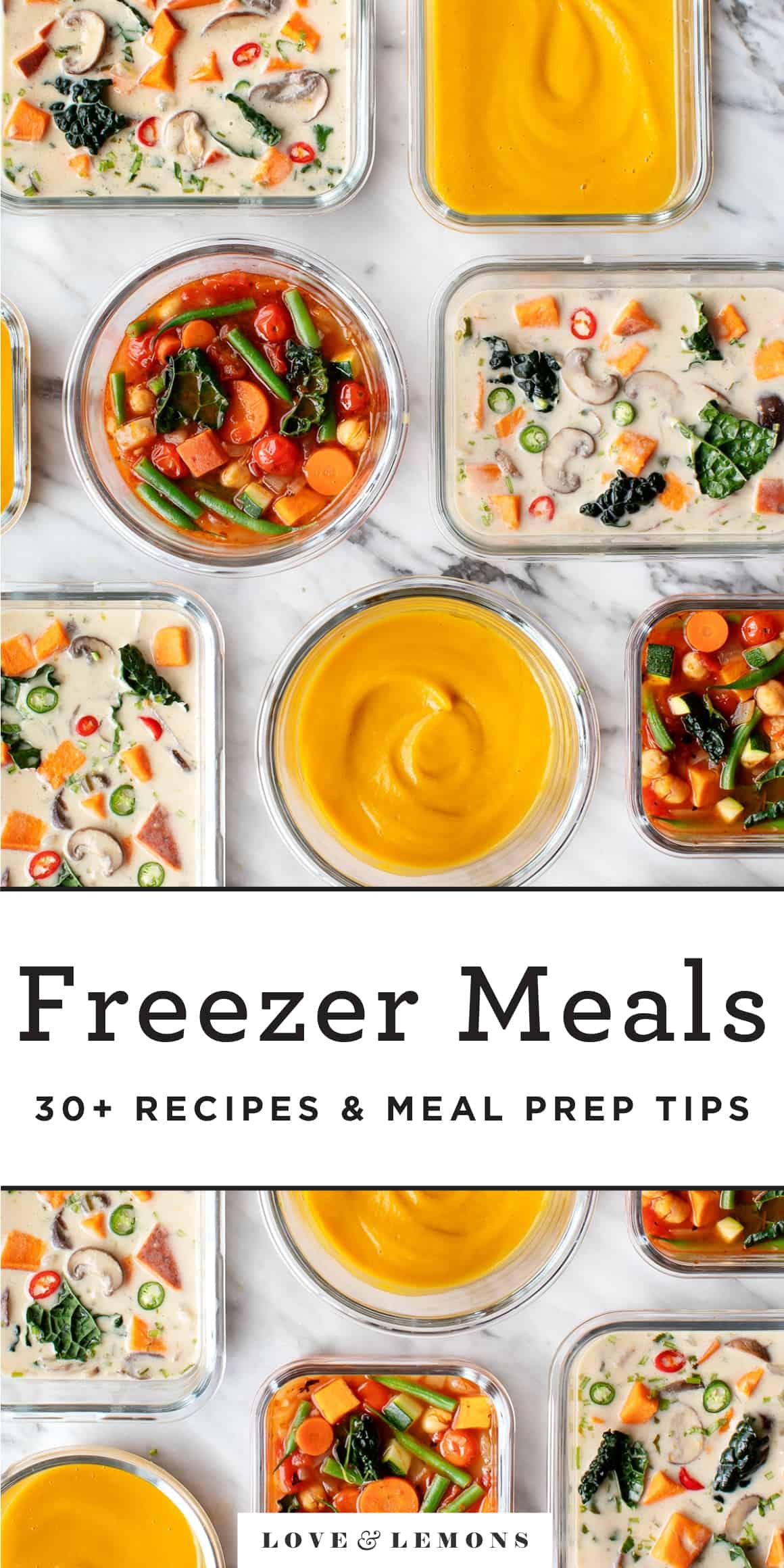
Soups and stews are the anchor of any freezer program. The liquid protects the proteins from ice crystals, the acid (tomato, wine, vinegar) inhibits off-flavor development, and reheating is idiot-proof — dump the frozen slab into a saucepan with a splash of stock and simmer.
Six freezer-anchor soups and stews to build a stock around:
1. Poker Night Beef Chili with Smoky Chipotle and Beans — the classic chili freezes for 3 months and reheats better than fresh; the flavors marry in the freezer.
2. Slow Cooker Chutney Beef Stew with Root Vegetables — do this while you're prepping other recipes; the slow cooker earns its keep.
3. Lentil & Vegetable Soup — plant-based, cheap per portion, and lentils actually improve after a freeze-thaw as the starch releases.
Two more anchors worth adding to the rotation: a chicken tortilla soup (shred a rotisserie chicken, add fire-roasted tomatoes and black beans, freeze without the tortilla strips) and a split pea with ham (uses up ham bones from any holiday meal — free protein).
Portion into 2-cup freezer bags (single-serving) or 4-cup bags (family-size). Lay flat on a sheet pan to freeze into thin slabs; a 4-cup slab thaws in ~30 minutes in a bowl of cold water, versus 4 hours for a chunky block.
Real-world numbers — freezer-safety windows
Peak-quality windows for freezer meals, from the Serious Eats freezer storage guide and USDA guidance:
| Category | Peak quality | Food-safe indefinitely (if frozen solid) |
|---|---|---|
| Cooked soups + stews + chili | 3 months | Yes |
| Casseroles (meat-based) | 2-3 months | Yes |
| Casseroles (vegetarian) | 3 months | Yes |
| Cooked meatballs | 2-3 months | Yes |
| Shredded cooked chicken / pork | 4 months | Yes |
| Raw marinated proteins (bagged) | 6 months | Yes |
| Ground beef (raw, bagged flat) | 4 months | Yes |
| Baked goods (par-baked) | 3 months | Yes |
| Whole cooked grains | 1 month | Yes |
"Food-safe indefinitely" is technically true at 0°F, but flavor and texture drop noticeably after the peak-quality window. Vacuum-sealing extends every window by ~50% because the bag excludes the air that drives freezer burn.
Sheet-pan and skillet dinners: pre-portioned family meals
Casseroles are the second anchor of a freezer program because they're pre-portioned family meals — pull one, bake, done. Assemble raw or par-cooked, freeze in foil pans or oven-safe glass, bake from frozen (add 30-40 minutes to the fresh recipe's bake time).
Six casserole picks to build a rotation around:
4. Authentic Enchiladas Verdes with Chicken — assemble in a foil pan, freeze raw, bake covered at 375°F for 60 minutes from frozen, uncovered for 15 more.
5. 1950s Home-Cooked Chicken Pot Pie — the top crust bakes crisp from frozen; par-bake the bottom crust for 10 minutes before filling to avoid a soggy bottom.
6. Irish Goodbye Shepherd's Pie — the classic; freezes for 3 months in a foil pan and reheats to within 5% of fresh.
7. Best Vegetarian Lasagna — the tomato + cheese matrix protects the pasta; freezes for 3 months.
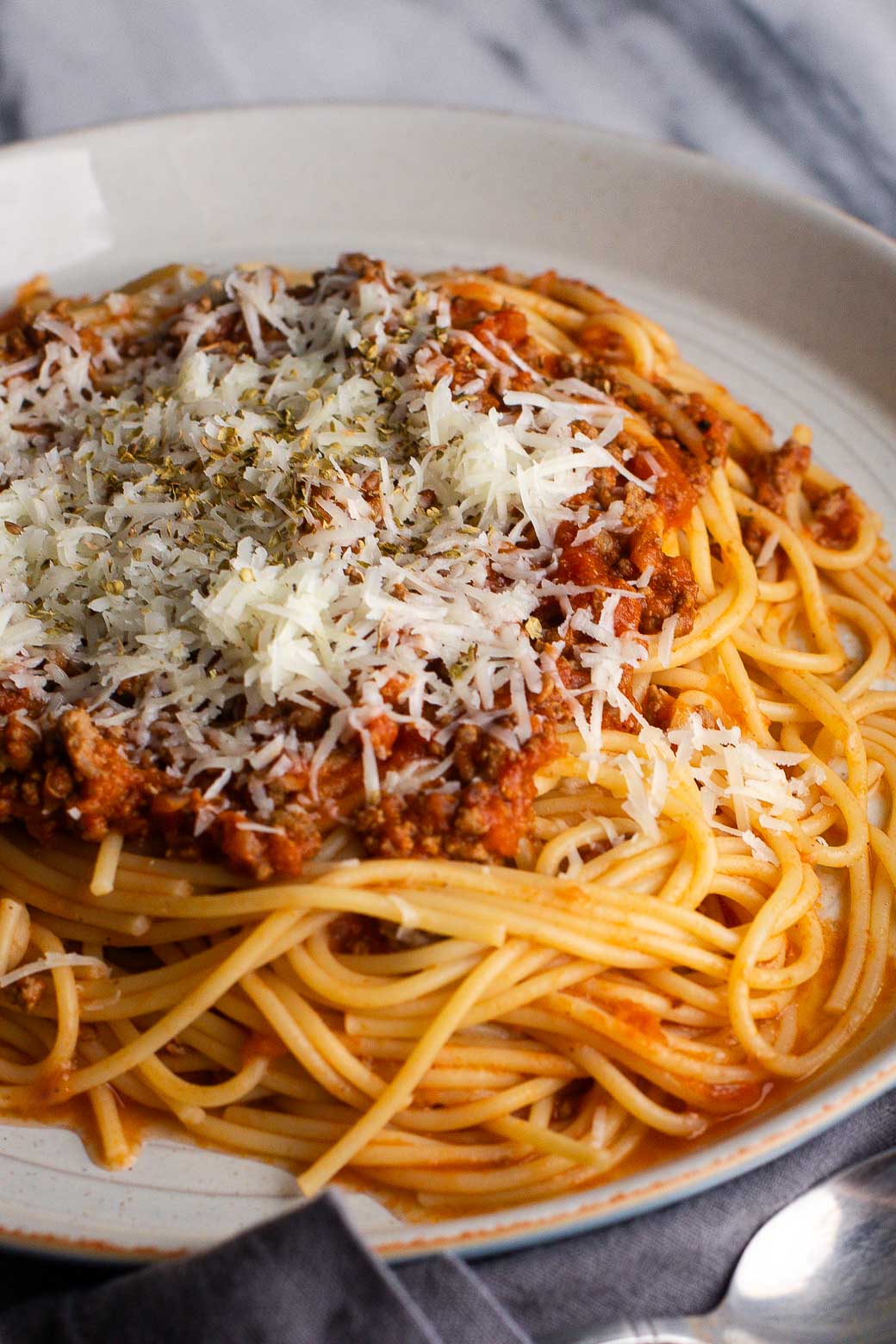
8. Traditional Italian Spaghetti Bolognese with Parmesan and Basil — freeze the sauce alone in 2-cup portions; boil pasta on reheat night.
Sheet-pan techniques that survive the freeze-thaw:
- Marinated chicken thighs in a bag. Portion 4 chicken thighs plus marinade into a gallon freezer bag, freeze flat. Thaw overnight and sheet-pan roast at 425°F for 25 minutes with a bag of frozen chopped vegetables. The bag doubles as the marinade vessel — no dishes.
- Meatballs, freezer-flash then bag. Shape and bake meatballs on a sheet pan, cool completely, flash-freeze on the sheet pan for 90 minutes, then bag. Frozen individually they don't fuse into a brick.
- Fajita packs. Sliced peppers, onions, marinated steak or chicken in one bag. Thaw and dump on a hot sheet pan — 15 minutes to dinner.
Breakfast burritos, meatballs, and shredded protein
The three highest-leverage freezer items in the AislePrompt community's tracking: breakfast burritos (grab one from the freezer, microwave 90 seconds, walk out the door), meatballs (into any pasta or sub within 5 minutes), and shredded protein (into tacos, salads, quesadillas, grain bowls without any additional cooking).
Pick these three for your first freezer session — they'll pay back the whole 4-hour Sunday within a week:
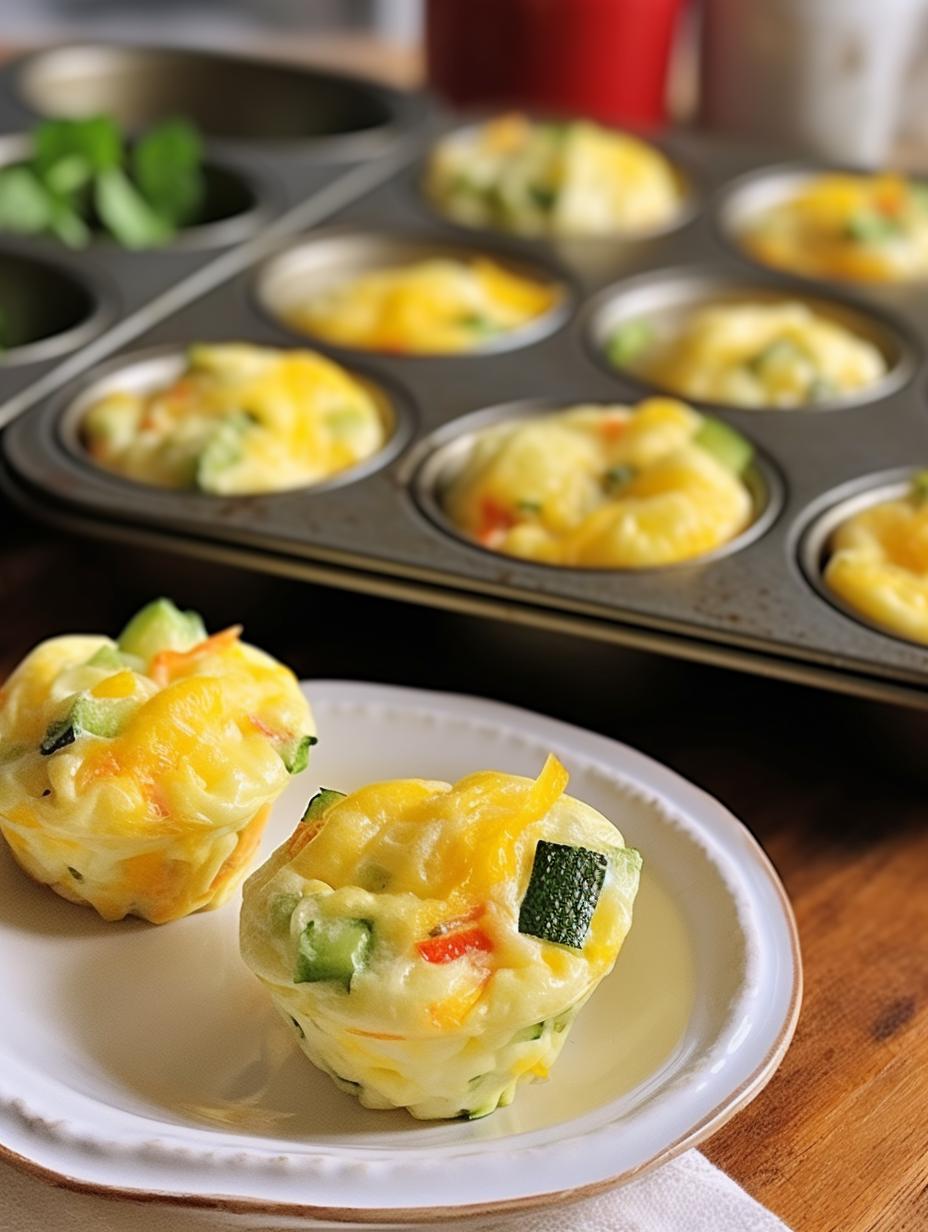
9. Make-Ahead Breakfast Burritos with Scrambled Eggs and Veggies — wrap each in foil, then bag together. Microwave from frozen: 30s wrapped in a damp paper towel to soften, then 60s to heat through.
10. Mini Veggie-Packed Turkey Meatballs — flash-freeze on the sheet pan, then bag. Drop 6 frozen meatballs into simmering marinara for 8 minutes, done.
11. Bar-B-Q Barn Pulled Pork Sandwich with Tangy Coleslaw — freeze the shredded pork with a splash of its cooking liquid so it reheats moist; make the slaw fresh.
12. Chicken Tikka Masala — the tomato-yogurt gravy holds up to freezing; freeze without the fresh cilantro garnish.
Portion size is what makes shredded proteins work: 1 lb pulled pork per bag (2 sandwich portions), 12 meatballs per bag (2 pasta portions), 4 burritos per gallon bag (individual grab-and-go). Any bigger and you thaw more than you use; any smaller and the bag count explodes.
When NOT to freezer-prep
- You cook creatively night-to-night. If dinner is "whatever the market had good today," you're building a system that fights your instincts. Freezer prep rewards routine.
- Your freezer is a single-drawer under-counter unit. You need 3-4 cubic feet of dedicated freezer space for a 20-meal program. A shared drawer with ice cream and frozen berries won't cut it.
- You have a kitchen with reliable takeout / meal-kit backup. The value of freezer prep is on nights everything blows up. If your fallback is Uber Eats, the freezer just eats compressor cost.
Labeling + FIFO: the system that keeps you from freezer archaeology
Every freezer without a labeling system devolves into archaeology. You dig through frozen bricks in unmarked bags, guessing which is chili and which is bolognese from the color of the ice crystals. FIFO (first-in-first-out) is what keeps the oldest meals moving before they hit the flavor cliff.
The system:
1. Label every container the moment you fill it. Cook date, contents, reheat instructions, portions. Use a fine-tip permanent marker directly on freezer bags (Sharpie Industrial holds up to freezer condensation; regular Sharpie smears). For glass, use dishwasher-safe freezer-tape labels — grab a roll from the Kitchen Gadgets selection.
2. Rotate by cook date, not by container position. When you add a new bag, push older bags forward. Older-first is the entire game. A batch you cooked in September should get eaten before the October batch you cooked on top of it.
3. Keep a running freezer inventory. A sheet of paper on the freezer door with two columns: what's in there, and cook date. Cross off items as you eat them, add new items when you cook. Prevents the "we have chili?" moment three weeks after you swore you were out.
4. One dedicated freezer for meals only. Ice cream, frozen fruit, and frozen vegetables live in the other freezer or the top of a side-by-side. Mixing them shatters the FIFO discipline — you'll dig around the ice cream tub for the last casserole and lose sight of what's underneath.
5. A "eat this week" bin at the front. Whatever's closest to the peak-quality cliff (3 months old for soups, 2 months for casseroles) gets promoted to a labeled bin at the front of the freezer. Reach into that bin first when you're deciding tonight's meal.
Common pitfalls this system prevents:
- "Freezer archaeology" — pulling out a mystery bag and thawing it to identify. Fixed by the label + running inventory.
- The "back of the freezer" black hole where meals disappear for a year. Fixed by FIFO rotation and monthly inventory sweeps.
- Cook-day amnesia — "how old is this?" Fixed by writing the date on the container.
- Portion mismatch — "we need dinner for 5 and this bag is 2 servings." Fixed by writing portions on the label so you can grab two bags without opening them.
- Reheat guessing. Fixed by writing reheat instructions on the label at cook time, when they're still fresh in your head.
Reheating without the microwave-dried texture
The single biggest complaint about freezer meals is that microwaved reheat tastes worse than fresh. Sometimes true (especially for breaded and fried items), often solvable with a technique swap. The two golden rules: (1) thaw overnight in the fridge whenever the schedule allows — thawed-then-heated always beats frozen-solid-then-heated on texture; (2) reheat with a moisture assist — a splash of stock, a covered pan, a damp paper towel.
By category, what actually works:
Soups + stews. Dump frozen slab into a saucepan on medium-low with 2 tbsp of stock or water. Cover, stir every 5 minutes as it thaws. Total time: 15-20 minutes for a 4-cup portion. Never microwave a solid slab — the outside boils while the core is still frozen.
Casseroles (foil pan). From frozen: cover with foil, 375°F for 60-75 minutes, uncover for the last 10-15 to re-crisp the top. Add 2-3 tbsp of broth or water in a corner before covering — the steam rehydrates the crust. From thawed: 375°F for 30-40 minutes covered, 10 uncovered.
Meatballs and shredded proteins. Frozen meatballs go straight into simmering sauce (marinara, gravy, curry) for 8-10 minutes. Shredded pork or chicken: reheat in a covered skillet with 2 tbsp of stock, medium-low, 8 minutes.
Breakfast burritos. Unwrap foil. Damp paper towel around burrito. Microwave 45s. Flip. Microwave 45s more. Serves better than the "microwave 2 minutes in one shot" method — the pause lets the heat equalize. Or air-fry from frozen at 375°F for 12 minutes for a crispy shell.
Rice and grains. Bag them flat. Reheat with a splash of water in the microwave under a damp paper towel, 90 seconds, fluff with a fork. Or dump into a wide skillet with 2 tbsp water, cover, medium-low, 4 minutes.
Sauces (pasta, curry, chili base). Slice off what you need from the frozen slab with a chef's knife, drop into a saucepan on low with a splash of stock, cover. Stir every 3 minutes.
The one investment that transforms every reheat: a countertop convection oven or air fryer for anything that had a crust when fresh. Frozen enchiladas, chicken pot pie, breakfast burritos, and reheated pizza all come out 90% of fresh in a 375°F air fryer with 8-12 minutes — vs 40% of fresh from a microwave. Browse options on Small Appliances to compare capacity and wattage against your kitchen space.
Sources
- USDA — Food and Nutrition guidance on safe cool-down windows and long-term storage temperatures.
- EatingWell — Best Freezer Meals for Busy Nights for tested-recipe freezer windows across major categories.
- Serious Eats — How to Freeze Food: Storage Guide for the peak-quality timeline and container recommendations.
Frequently asked questions
How long do freezer meals actually stay good?
What foods should I NOT freeze even if a recipe says I can?
Are freezer bags or glass containers better for meal prep?
Can I reheat freezer meals in the oven without them drying out?
How much time does a big freezer meal-prep day actually take?
Meal-prep recipes from the catalog
Save any of these to My Recipes — no account needed — and send the ingredients to Instacart in one tap.