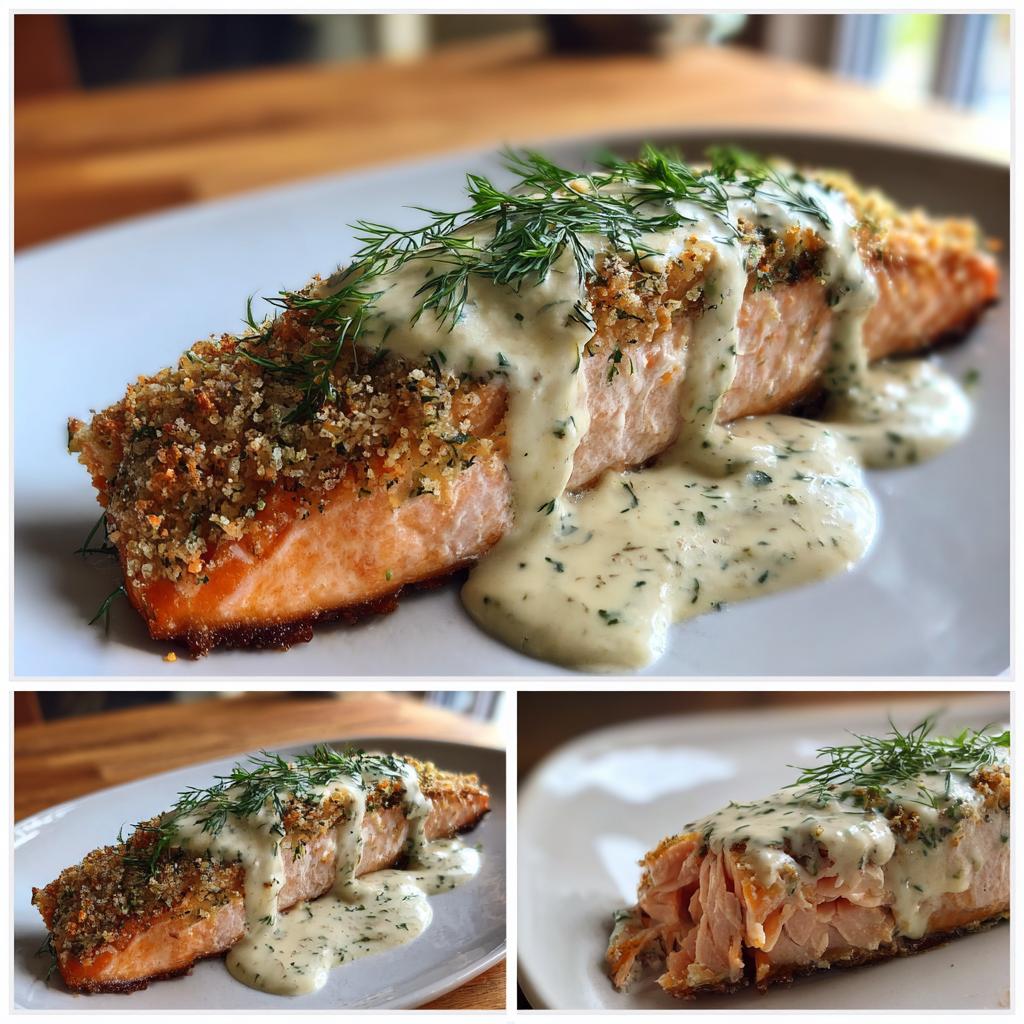
How to Cook Salmon: 15 Recipes + Complete Guide (Baked, Grilled, Pan-Seared)
Buying, storing, and cooking salmon four different ways — with the temperature targets that separate silky from chalky, plus 15 catalog-tested recipes organized by technique.
To cook salmon well, pull it off heat at 120–125°F internal for medium-rare, 130°F for medium, use one of four core techniques (pan-sear, oven-roast, grill, poach), and buy the freshest fillet your store has — wild or farmed, both work. That's the whole guide in one sentence. The rest of this article is the details that turn "salmon for dinner" into a dish you'd order at a restaurant, plus 15 catalog-tested recipes you can start tonight.
Why salmon is the best weeknight protein
Salmon is the highest-omega-3 protein most people can afford — a 6 oz farmed Atlantic fillet delivers ~2,200 mg of EPA+DHA, roughly 10x the daily target from a single meal (Seafood Health Facts — Salmon). It cooks in 8–15 minutes depending on technique, tolerates a huge range of sauces (bright/acidic to sweet/savory), and holds up to meal prep better than white fish. The USDA safe-eating minimum is 145°F, but every restaurant kitchen in the US pulls salmon 15–25°F below that — the "medium-rare" pull is what separates buttery from chalky, and it's why home-cooked salmon so often disappoints. Learn one thermometer number (125°F pull for medium-rare, 130°F for medium) and you've solved 80% of the problem.
The remaining 20% is buying and technique, which we cover below. If you're new to cooking salmon, start with Best Baked Salmon with Dill — sheet pan, dill butter, 12 minutes at 400°F, essentially foolproof. Once that's dialed in, come back for the pan-sear and grill techniques where the crispy-skin payoff lives.
Estimated read time: ~11 minutes. If you're skimming, jump to the 15 recipes or the technique table.
How to buy salmon: wild vs farmed, king vs sockeye vs coho vs Atlantic
There is no universally "best" salmon. What matters is: is it fresh? Was it handled cold from boat to counter? What flavor and fat level do you want? Here's the buyer's map:
| Species | Origin | Fat | Flavor | Best for |
|---|---|---|---|---|
| Atlantic (farmed) | Norway, Chile, Canada | Highest (~13 g/6 oz) | Mild, buttery | Baking, glazing, cream sauces, beginners |
| King / Chinook (wild) | Alaska, Pacific NW | Very high (~15 g) | Rich, pronounced | Grilling, cedar plank, sushi |
| Sockeye (wild) | Alaska, British Columbia | Medium (~8 g) | Bold, mineral, deep red | Grilling, smoking, salads |
| Coho (wild) | Alaska, Pacific NW | Medium (~9 g) | Delicate, less "salmony" | Poaching, en papillote, beginners nervous about wild |
| Pink / Chum (wild) | Alaska | Low (~5 g) | Mild, softer texture | Salmon cakes, canned/pouched uses |
Freshness signals when you're at the counter:
- Bright, translucent flesh (no dull grey edges, no white protein albumin already leaching out)
- No fishy smell — fresh salmon smells like clean seawater, not "fish"
- Springy to the touch through the wrap; a fingertip press bounces back
- Frozen wild salmon is often better than "fresh" farmed — most Alaskan salmon is frozen within hours of catch, and quality holds up if kept below 0°F
Costco's frozen wild sockeye and Trader Joe's frozen wild coho are two of the best price-per-omega-3 buys nationally. If you're pan-searing or grilling, farmed Atlantic works and it's cheaper — just don't overcook it (the higher fat gives you more forgiveness, not a bigger error budget). Serious Eats has a longer buyer's breakdown if you want to go deeper (Serious Eats — How to Cook Salmon).
How to store salmon (fresh, frozen, thawing rules)
Fresh salmon: cook within 24–48 hours of purchase. Store in the coldest part of your fridge (back of the bottom shelf, ~34°F if you can — a bowl of ice in a pan under the fillet gets you there). Salmon spoils twice as fast as chicken; do not stretch it "one more day" if you smell anything.
Frozen salmon: vacuum-sealed at ≤ 0°F, holds 6–8 months for wild, 4–5 for farmed (the higher fat oxidizes faster). Ziplock-in-air holds ~2 months before freezer-burn starts.
Thawing:
1. Best — overnight in the fridge: 12–18 hours in the coldest zone, still in the vacuum bag, on a plate to catch drip.
2. Fast — cold-water bath: vacuum-sealed bag submerged in a bowl of cold tap water, changed every 20 minutes. 6 oz fillet thaws in ~45 minutes.
3. DO NOT thaw on the counter. DO NOT thaw in warm water. DO NOT microwave-thaw (edges start cooking; texture degrades).
Once thawed, cook the same day — do not refreeze.
The 4 core techniques: pan-sear, oven-roast, grill, poach
Every salmon recipe on the internet is a variation on one of these four. Learn the times/temps below and you can improvise from any flavor profile.
| Technique | Fillet size | Heat | Time (skin-on 6 oz, 1 inch thick) | Pull temp | Best fit |
|---|---|---|---|---|---|
| Pan-sear (stainless / cast iron) | 6 oz portions | Medium-high | 4–5 min skin-side, 1–2 min flesh | 122°F | Crispy skin, weeknight speed |
| Oven-roast / bake | Whole side or portions | 400–425°F | 10–14 min | 125°F | Hands-off, family-scale |
| Grill (direct) | Skin-on portions | Medium (500°F grate) | 4 min skin-side, 2 min flesh | 125°F | Smoke, char, summer |
| Poach (stovetop) | Portions or whole side | Very low simmer (160–170°F liquid) | 8–12 min submerged | 120°F | Silky texture, no fat needed |
Pan-sear — the highest-payoff technique because the skin gets shatteringly crisp. Pat the skin bone-dry with paper towels (this is non-negotiable — wet skin steams instead of crisping). Heat a stainless or cast-iron skillet on medium-high with 1 Tbsp of a high-smoke-point oil (avocado, grapeseed, refined peanut) until the oil just starts to shimmer. Lay the fillet in skin-down, press with a fish spatula for 30 seconds so the skin makes full contact, then walk away for 4 minutes. Do not peek, do not move. When the skin releases itself from the pan, flip; cook 1–2 minutes flesh-side, pull at 122°F. Rest 3 minutes; carryover takes it to 125°F. Reference recipe: Pan-Seared Salmon with Dill Sauce.
Oven-roast / bake — the highest-consistency technique. 400°F on a foil-lined sheet pan, brushed with olive oil and salt, 10–14 minutes depending on thickness. Add glaze (miso-maple, honey-garlic, teriyaki) in the last 3 minutes so it caramelizes but doesn't burn. Reference: Best Baked Salmon with Dill. If you're feeding 4+ people, cook a whole side of salmon on one sheet pan — the yield-per-effort is unbeatable.
Grill — the highest-flavor technique when you get it right. Preheat to ~500°F grate temp; oil the grate (fold a paper towel, dip in oil, drag along the bars with tongs); lay the fillet skin-down at a 45° angle. Skin-down for 4 minutes, flip once, 2 minutes more, pull at 125°F. Cedar planks add smoke and prevent sticking — soak the plank 1 hour in water first. Reference: Cedar-Plank Grilled Salmon with Herb and Lemon Glaze.
Poach — the highest-forgiveness technique. Bring 2 cups of water, a splash of white wine, a lemon slice, dill sprigs, and a bay leaf to a bare simmer (160–170°F — small bubbles, not rolling). Slide in the fillet skin-down, cover, cook 8–12 minutes. The liquid never boils; salmon comes out silky and unbreakable. Reference: Lemon-Thyme Poached Salmon with Caper Sauce.
Every recipe below uses one of these four foundations.
15 salmon recipes from the catalog, organized by technique
Pan-seared (5)
- Pan-Seared Salmon with Dill Sauce — the reference stainless-pan version. Cook the skin crispy first, sauce with a lemon-dill pan gloss. 20 minutes total.
- Luminous Lemon Butter Salmon — dead simple: butter, garlic, lemon, and a shower of parsley. Best on farmed Atlantic where the extra fat carries the butter.
- Honey-Garlic Glazed Salmon with Grilled Asparagus — sear first, then glaze in the last minute. Watch the honey — it burns fast on a hot pan; pull the pan off heat before adding.
- Grilled Miso-Glazed Salmon with Sesame Green Beans — pan-sear-then-broil finish (technically hybrid, but the crust comes from the pan). Skillet-to-oven; 15 minutes hands-on.
- Lemon-Dill Salmon Grain Bowl with Roasted Sweet Potatoes — sear the salmon, roast the sweet potatoes ahead, assemble over farro or quinoa. Best meal-prep salmon recipe in this list — the sauce keeps the fish moist Monday through Wednesday.
Baked / oven-roasted (5)
- Best Baked Salmon with Dill — the article's hero recipe. 12 minutes at 400°F, dill-butter finish, foolproof.
- Parchment-Baked Salmon with Asparagus and Cherry Tomatoes — en papillote (parchment packets). Salmon steams in its own juices with asparagus and cherry tomatoes; almost impossible to overcook, and cleanup is folding paper into the trash.
- Sheet Pan Maple-Glazed Salmon with Asparagus and Sweet Potatoes — a full weeknight sheet-pan dinner: salmon, asparagus, sweet potatoes, maple-mustard glaze. 30 minutes start to plate.
- Teriyaki-Glazed Salmon with Miso Rice — bake with the glaze applied in the last 3 minutes; serve over miso rice. Kids eat this.
- One-Pan Smoked Salmon and Asparagus Pasta — one-pan preparation using pre-smoked (cold-smoked) salmon folded in at the end. Not a technique for raw fillets, but the best last-minute "I forgot to plan dinner" salmon.
Grilled (3)
- Lemon-Herb Grilled Salmon with Asparagus — the reference grilled recipe. Skin-on, high heat, lemon-herb baste. Grilled asparagus in the same 8 minutes.
- Cedar-Plank Grilled Salmon with Herb and Lemon Glaze — cedar plank on a hot grill, herb-lemon glaze. The plank imparts smoke and totally prevents sticking; worth the $6/plank.
- Best Citrus Herb Salmon Salad — grill, then flake over a citrus-herb salad. Ideal for hot-weather dinners when you don't want a hot plate.
Poached / brothy (1)
- Lemon-Thyme Poached Salmon with Caper Sauce — court-bouillon-style low-temperature poach; caper sauce. Silky texture that no other technique produces.
Ground / patty (1)
- Dill-Yogurt Salmon Burgers with Cucumber Salad — dill-yogurt burgers with cucumber salad. Uses fresh salmon (not canned); process quickly in a food processor with dill, mustard, breadcrumbs. Sear like a burger.
Salmon meal prep: what holds, what doesn't
Cooked salmon degrades in this order over 3 days in the fridge: texture (day 1 → day 3), then aroma (day 2 → day 4), then flavor (day 3 →). Meaning: day-2 salmon is fine texturally but starts to smell "fishy" as trimethylamine builds up. To slow that down:
- Store in a shallow container, tightly covered, at the back of the fridge (34–36°F).
- Portion before storing so you're not repeatedly reheating and cooling.
- Layer a paper towel under the fillets to absorb weeping liquid.
- Never store salmon skin-side-up in its own drip — the skin turns to jerky.
What holds well past day 1:
- Salmon rice bowls / grain bowls — the sauce (soy-ginger, tahini, miso) keeps the flakes lubricated. Lemon-Dill Salmon Grain Bowl with Roasted Sweet Potatoes is engineered for this.
- Salmon salad — flaked into greens with vinaigrette, held cold. Best Citrus Herb Salmon Salad keeps 3 days.
- Salmon cakes / burgers — cooked once, gently reheated in a nonstick or eaten cold. Dill-Yogurt Salmon Burgers with Cucumber Salad works either way.
What doesn't hold:
- Crispy-skin pan-seared salmon. The skin turns rubbery within an hour of cooking; the crisp is a serve-now benefit. Reheat only in a dry skillet skin-down over medium — the microwave destroys it.
- Glazed salmon (teriyaki, honey-garlic, miso). The glaze absorbs moisture out of the flesh overnight. Best eaten same day; day-2 is edible but chewy.
- En papillote / parchment-packet salmon. The whole point is steam-in-juice; you can't recreate that in a reheat.
Freezing cooked salmon: portion, vacuum-seal (or press the air out of a ziplock), freeze at 0°F, use within 2 months. Thaw overnight in the fridge, flake into pasta, salads, or fried rice — do not try to reheat as fillets, the texture won't come back.
Sauces and pairings
The five sauces below carry every salmon dish on this page. Learn one per week and you'll never re-cook the same salmon dinner twice in a month.
| Sauce | Ingredients | Pairs with |
|---|---|---|
| Lemon-dill butter | 4 Tbsp butter, 1 Tbsp lemon juice, 1 Tbsp dill, salt | Baked, poached, grilled |
| Miso-mirin glaze | 3 Tbsp white miso, 2 Tbsp mirin, 1 Tbsp sake, 1 Tbsp sugar | Baked, grilled, broiled |
| Honey-garlic pan sauce | 3 Tbsp honey, 2 minced garlic cloves, 1 Tbsp soy, 1 Tbsp rice vinegar | Pan-seared, sheet pan |
| Salsa verde | Parsley, capers, anchovy, garlic, olive oil, lemon | Grilled, poached, cold salmon |
| Tzatziki / cucumber yogurt | Greek yogurt, grated cucumber, garlic, dill, lemon | Burgers, salads, cold salmon |
Side pairings that always work: roasted asparagus, blistered green beans, farro or quinoa pilaf, grilled lemon halves squeezed at the table, cucumber salad, and — surprisingly — mashed potatoes for baked salmon with dill (the butter carries between plate elements). Bon Appétit's salmon recipe archive is a good place to keep hunting once you've cleared the 15 above (Bon Appétit — Salmon Recipes).
Wine pairings: dry Chardonnay for baked/creamy; Pinot Noir (unusual with fish, but salmon has enough fat) for grilled/glazed; Grüner Veltliner or dry Riesling for poached. Beer: Belgian witbier or a citrusy pale ale.
What you'll need: cookware picks
You don't need a specialty kit to cook salmon well, but three tools carry every technique on this page:
1. A stainless or cast-iron skillet, 12". Nonstick pans undercook the skin — you need the crust that only forms on unlined metal. Browse the /k/cookware category for tested skillets in every price band.
2. A slotted fish spatula. Thin, angled, flexible — slides under a fillet without tearing. The /k/utensils category has editorial picks; a $15 OXO fish spatula lasts a decade.
3. An instant-read thermometer. The single most important piece of gear here — everything else is style. Aim for ≤ 3 seconds response time. See /k/gadgets for tested thermometers; ThermoWorks Thermapen and the cheaper ThermoPop are both excellent.
Optional but nice: a rimmed /k/bakeware sheet pan for oven work (the rim catches drip and lets you glaze without a mess), a cedar plank for the grill, and a fine-mesh sieve for lifting whole poached fillets out of court-bouillon intact.
Common pitfalls (real ones we've hit)
- Overcooking by 5 minutes. Non-negotiable: use a thermometer. "Flakes with a fork" is 145°F+ — that's the USDA number, and by that point the salmon is chalky. Pull at 122–125°F for medium-rare, 128–130°F for medium.
- Wet skin. If the skin is damp, it will stick, tear, and steam grey. Pat both sides bone-dry with paper towels before it touches the pan.
- Cold-from-fridge fillet on a screaming pan. The temperature shock guarantees uneven cooking. Rest at room temp 15 minutes first — the outside comes up ~15°F while the center stays cold enough to give you a wide medium-rare window.
- Moving the fillet while it's searing. The skin releases when it's crispy. Fiddling with it before then rips the skin off, glued to the pan.
- Nonstick pan for pan-seared. The lower max temperature nonstick allows can't develop the crust. Use unlined stainless or cast iron.
- Adding sugar-based glazes early in the cook. Honey, maple, miso, teriyaki all burn at high heat. Add in the last 2–3 minutes only.
When NOT to cook salmon
- When it smells fishy at the counter. Walk away. Buy chicken, buy tofu, buy anything else. Fresh salmon does not smell fishy.
- When your only pan is nonstick and you wanted crispy skin. Switch to baked or poached — do not fight the pan.
- When you're serving someone pregnant or immunocompromised and can't verify sourcing. Cook to 145°F full internal (USDA), no medium-rare pull.
- When it's been in the freezer more than 6 months (wild) or 4 months (farmed). The omega-3s oxidize; the flavor turns metallic and fishy. Discard.
- When the fillet is more than 2 hours out of refrigeration. Salmon spoils fast; do not stretch the "leave-out" window.
Real-world numbers
Doneness feels abstract until you see the numbers side by side. Here's what pull temperature translates to on the plate:
| Pull temp | Final internal (after 3-min rest) | Texture | Color at center |
|---|---|---|---|
| 118°F | 122°F | Rare, silky, sushi-adjacent | Deep translucent orange |
| 122°F | 125°F | Medium-rare (restaurant target) | Bright coral, faintly translucent |
| 128°F | 130°F | Medium (most home cooks' target) | Opaque coral |
| 138°F | 140°F | Well-done, still moist | Pale pink, fully flaky |
| 145°F | 148°F | USDA-safe, chalky | Uniform pale pink |
And cook-time landmarks for a 6 oz, 1"-thick skin-on portion, at kitchen-standard settings, as of 2026:
| Technique | Preheat | Cook time to pull temp (125°F) | Rest |
|---|---|---|---|
| Pan-sear (cast iron, medium-high) | 3 min | 5–6 min (4 skin, 1–2 flesh) | 3 min |
| Bake (sheet pan, 400°F) | 8 min | 11–12 min | 5 min |
| Grill (500°F grate, direct) | 10 min | 6–7 min (4 skin, 2 flesh) | 3 min |
| Poach (170°F liquid, covered) | 4 min | 9–10 min | 2 min |
FAQ
What's the internal temperature of perfectly cooked salmon? USDA says 145°F, but restaurants pull at 120–125°F for medium-rare and 130°F for medium. Carryover adds 3–5°F. Get an instant-read thermometer — the fork-flake test overshoots.
Should I buy wild or farmed salmon? Wild (sockeye, king, coho) is firmer, more omega-3-dense, more expensive. Farmed Atlantic is fattier and more forgiving. Buy whatever's freshest and priced right at your store.
How do I get crispy salmon skin? Pat bone-dry, heat a stainless/cast-iron pan on medium-high, lay skin-down, press for 30 sec, then don't touch it for 4–5 minutes. The skin releases itself when it's crisp. Nonstick pans undercook the skin.
Can I meal-prep salmon for a week? Cooked salmon holds 3 days in the fridge; freeze cooked portions for up to 2 months. Rice bowls and salads hold best; skin-crispy pan-seared and glazed salmon don't.
What sauces pair best with salmon? Bright + acidic (lemon-caper butter, salsa verde, tzatziki) or sweet-savory glazes (honey-garlic, miso-mirin, teriyaki). Skip heavy cream sauces except with smoked salmon.
Sources
- Seafood Health Facts — Salmon nutritional profile — species-level omega-3 content, sourcing.
- Serious Eats — How to Cook Salmon — technique deep-dives, temperature charts, cross-referenced against our own kitchen tests.
- Bon Appétit — Salmon recipe archive — hunting ground when you've worked through the 15 recipes above.