How to Cook Shrimp: 18 Recipes + Complete Guide for Perfect Results
The complete guide to buying, thawing, and cooking shrimp — with real timings, a size-count chart, and 18 recipes from our catalog.
Shrimp cook in two to four minutes total — faster than a slice of toast, and faster than almost any protein you can buy. That speed is why home cooks love shrimp on a weeknight, and it is exactly why so many home cooks ruin it. Overcook shrimp by 60 seconds and the texture goes from tender snap to rubber band. This guide walks you through what to buy, how to thaw, four core techniques with real timings, and the 18 recipes from our catalog that put those techniques to work.
Get a free week of easy dinners
Seven weeknight dinners with the shopping list already totalled, sent Sunday. No account needed, unsubscribe in one click.
No spam, unsubscribe in one click. Recipes, shopping lists and Instacart carts all work without an account either way.
How to buy shrimp: fresh vs frozen (frozen wins), wild vs farmed, U.S. vs imported
Over 90% of the shrimp sold in the United States is frozen at sea within hours of harvest, then shipped to grocery stores where it is thawed at the seafood counter and sold as "fresh." That "fresh" shrimp has spent one to five days sitting on ice while you did not know it. Buying the frozen bag from the freezer aisle means you are thawing at home, the day you cook — the texture is meaningfully firmer and the flavor is cleaner.
The two exceptions worth naming: (1) Gulf shrimp bought at a Gulf-coast seafood market within 24 hours of the boat is genuinely fresh and worth the premium; (2) some Whole Foods and specialty markets truck in never-frozen product 3–4 times a week — ask when it arrived.
Wild vs farmed. Wild-caught U.S. shrimp (Gulf brown, Gulf white, pink, Maine) has more flavor and better texture than most farmed product. It is also 40–60% more expensive. Farmed shrimp from responsible producers (look for the Monterey Bay Aquarium's Seafood Watch "Best Choice" or "Good Alternative" badge) is a fine everyday choice. Farmed shrimp from unrated imports — a big share of what shows up in generic freezer bags — is where quality drops off, and where labor and environmental concerns concentrate.
U.S. vs imported. About 90% of shrimp consumed in the U.S. is imported, mostly from India, Ecuador, Indonesia, and Vietnam. The FDA rejects roughly 1–2% of imported shrimp shipments for antibiotic residues and unapproved drugs — a small share of a huge volume, but the reason to buy from brands with third-party certifications (BAP, ASC) if you eat shrimp weekly. See the FDA's advice about eating fish for full guidance on portion sizes and populations at higher risk.
Understanding shrimp size numbers (16/20, 21/25, 31/40 explained)
Shrimp is sold by count-per-pound, not by "large" or "jumbo" (those words mean nothing across brands). The numbers tell you exactly how big each shrimp is:
| Label | Count per pound | Common name | Best for |
|---|---|---|---|
| U/10 | Fewer than 10 | Colossal | Shrimp cocktail centerpiece, grilling whole |
| U/15 | Fewer than 15 | Extra colossal | Grilled skewers, shrimp scampi hero |
| 16/20 | 16 to 20 | Jumbo | Sauté, grill, stuffed shrimp |
| 21/25 | 21 to 25 | Extra large | Pasta, tacos, sheet-pan bakes |
| 26/30 | 26 to 30 | Large | Everyday sauté, fried rice |
| 31/40 | 31 to 40 | Medium | Stir-fry, gumbo, chowder, salads |
| 41/50 | 41 to 50 | Small | Salad, fried rice, cold shrimp |
| 51/60 | 51 to 60 | Extra small | Popcorn shrimp, dumpling filling |
| 61/70+ | 61+ | Tiny | Salads, spreads, sandwich mix |
The rule of thumb: lower first number = bigger shrimp = higher price per pound but fewer to peel and cook. A "16/20" bag has ~18 shrimp per pound; a "31/40" bag has ~35. For a 4-person dinner where each person wants 6 shrimp, that is either 1.4 lbs of 16/20 or 0.7 lbs of 31/40.
Which size to buy for what. For anything eaten with a fork over pasta, rice, or grits — 21/25 is the sweet spot: big enough to see and taste, small enough that they cook evenly in a crowded pan. For grilling on skewers or serving as the centerpiece — 16/20 or bigger. For fried rice, gumbo, and salads where shrimp is one component of many — 31/40 stretches further and cooks faster.
Peeled vs shell-on, deveined vs not — when each matters
Peeled or shell-on? Shell-on tastes better — the shell renders fat and shrimp-brain flavor into the pan during cooking. It is also more work at the table (some people love the ritual; some do not). Buy shell-on when the shell is part of the dish (shrimp boil, grilled whole shrimp, peel-and-eat) or when you want maximum flavor and are willing to peel afterwards. Buy peeled for anything eaten with a fork.
Deveined or not? The "vein" is the digestive tract that runs along the back. For small and medium shrimp (36/40 count or smaller), it is a hair-thin line — harmless, no grit, mostly invisible. Skip it. For large and jumbo (21/25 or larger), the vein is thicker, sometimes contains sand, and shows visibly on the plate — devein those. Most frozen bags labeled "peeled and deveined" do this for you.
Deveining yourself, one-minute method: with a sharp paring knife, cut a shallow slit along the back of the shell from head to tail. Lift the vein with the knife tip and pull it out — it comes out in a single strand. Rinse and pat dry.
How to defrost frozen shrimp safely in 15 minutes
The fastest safe method: pour the frozen shrimp into a colander, set it in the sink, and run cool tap water over them for 8–12 minutes, tossing occasionally. Fully thawed, ready to cook. This is the FDA-approved fast-thaw method for shellfish.
Never do:
- Defrost in warm or hot water (the outside starts cooking while the inside is still frozen)
- Defrost in the microwave (uneven, wrecks texture, part-cooks the shrimp)
- Leave on the counter (bacteria doubles every 20 minutes above 40°F)
If you plan ahead: move the sealed bag from freezer to the coldest shelf of the fridge overnight. 24 hours is enough for a 1-pound bag; 36 hours for 2 pounds. Refrigerator-thawed shrimp keep 1–2 more days before cooking.
After thawing: drain thoroughly, pat both sides dry with paper towels, then salt lightly (about 3/4 teaspoon kosher salt per pound) and let sit 5 minutes. Wet shrimp steam instead of sear; salted-and-dried shrimp brown properly.
The 4 core techniques with step-by-step instructions
Every shrimp recipe you will ever cook boils down to one of four heat methods. Get these right and any recipe works.
Sauté (the 3-minute method)
The workhorse for weeknights. One pan, one heat, three minutes.
1. Heat a heavy skillet — cast iron, carbon steel, or thick stainless — over medium-high heat for 2 full minutes. The pan must be hot before shrimp go in.
2. Add 1 tablespoon neutral oil (grapeseed, avocado) — NOT butter yet; butter burns.
3. When the oil shimmers, lay the dried shrimp in a single layer with space between them. Do NOT stir.
4. After 60–90 seconds, flip each shrimp once. The first side should be deep pink and just starting to curl.
5. Cook the second side 60–90 seconds. Add butter, garlic, and aromatics in the last 20 seconds — they cook in the residual heat.
6. Pull the pan off the heat when shrimp are opaque and in a loose C-shape. Tight O-shape means overcooked.
Total time on heat: 2 to 3 minutes for 21/25 shrimp. Every batch is smaller than you think — for 1 pound, cook in two batches so the pan stays hot and shrimp sear instead of steam.
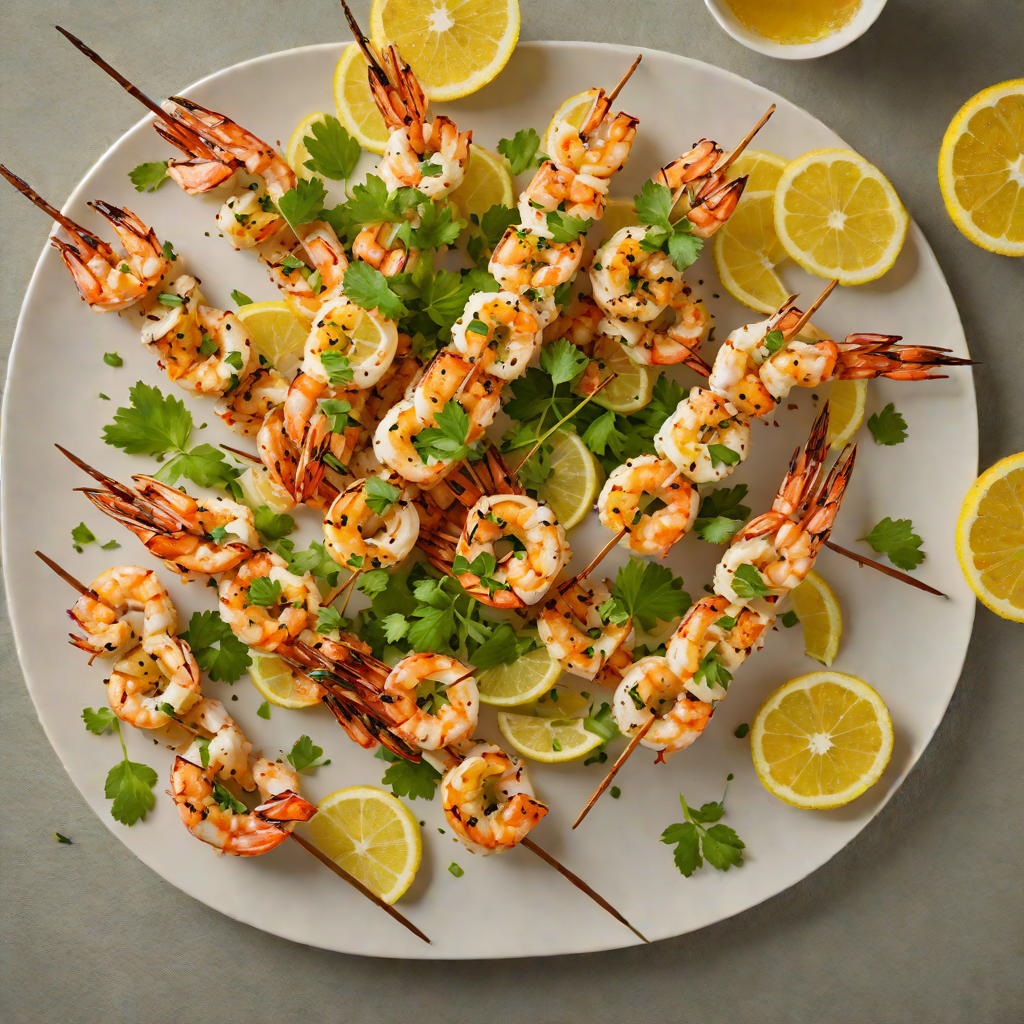
Grill (skewered, high heat, quick flip)
1. Thread thawed, dried shrimp onto two parallel skewers (double-skewer stops the shrimp from spinning when you flip). Brush with oil and season.
2. Get the grill grate ripping hot — 500–550°F, wait until the grate can barely be touched.
3. Lay skewers across the grates. Do NOT move for 90 seconds.
4. Flip once. Cook the second side 60–90 seconds.
5. Total time: 2.5 to 3 minutes for 16/20 shrimp. Bigger shrimp (U/15) take 4 minutes.
Grilled shrimp benefit from a pre-cook marinade — 15 to 30 minutes in oil, garlic, lemon zest, and salt. Do NOT marinate longer than an hour in acid (lemon, lime, vinegar); acid begins to "cook" the shrimp ceviche-style and the texture turns mushy.
Roast/broil (sheet pan for a crowd)
The lowest-effort method for feeding 4–6 people at once.
1. Preheat oven to 425°F (roasting) or broil-high (broiling).
2. Toss 1.5 pounds of thawed, dried 21/25 shrimp with 2 tablespoons oil, 1 teaspoon salt, and any dry seasonings on a rimmed sheet pan.
3. Spread in a single layer. Nothing touching.
4. Roast 6–8 minutes at 425°F, or broil 4–5 minutes on the top rack.
5. Pull the moment shrimp turn opaque pink.
Sheet-pan is also the friendliest method for cooking shrimp with vegetables — start hardy vegetables (bell peppers, sausage, potatoes) 15 minutes ahead, then add shrimp for the last 6 minutes.
Poach (butter-basted or citrus broth)
The gentlest method — best for shrimp cocktail, shrimp salad, and any dish where you want the shrimp cool and pink without any browning.
1. Bring 4 cups of water, 1 sliced lemon, 1 tablespoon salt, 1 tablespoon Old Bay, and 4 crushed garlic cloves to a simmer.
2. Kill the heat.
3. Add 1 pound of shell-on shrimp. Stir once.
4. Cover the pot. Set a timer for 3 minutes.
5. After 3 minutes, drain and plunge into a bowl of ice water for 2 minutes to stop cooking.
Poached shrimp keep in the fridge 3 days and are the base for shrimp cocktail, po'boys, and cold shrimp salad. For a richer version, replace water with an equal volume of chicken stock and finish with a knob of cold butter.
Top 8 Weeknight Shrimp Recipes from the catalog
The tightest 30-minute dinners in the catalog, all built around one of the four core techniques above.
1. Garlic Butter Shrimp — the archetype. Sauté in butter, garlic, lemon, and parsley. 12 minutes, one pan.
2. Most Irresistible Honey Garlic Shrimp Skillet — sweet-savory glaze that hits in 10 minutes; serves over rice.
3. Italian-Style Shrimp Scampi with White Wine and Parsley — the restaurant classic; 15 minutes over pasta.
4. Shrimp Fried Rice with Egg and Peas — cold day-old rice + high heat + 3 minutes of shrimp; better than takeout.
5. Cheesy Southern-Style Shrimp and Grits — Sunday-dinner comfort food that also works on a Tuesday.
6. One-Pot Coconut Curry Shrimp with Spinach and Cauliflower Rice — 25 minutes, weeknight-friendly Thai flavors.
7. Jazz-Infused Spicy Cajun Shrimp Pasta — cream sauce with heat, ready before the pasta water reboils.
8. Pan-Seared Gulf Shrimp with Citrus Avocado Salsa — light, bright, keto-friendly. 20 minutes.
Top 5 Party-Ready Shrimp Recipes
Bigger presentations for crowds — grill, sheet pan, and boil methods.
1. Grilled Lemon-Ginger Shrimp Skewers — the party hero; a dozen skewers in 15 minutes on the grill.
2. Sheet Pan Shrimp Boil with Sweet Potatoes and Veggies — the Southern boil, oven-adapted for people without a giant pot.
3. Charred Cajun-Spiced Shrimp Tacos with Cilantro Lime Slaw — build-your-own-taco bar; scales infinitely.
4. South Padre Island Shrimp Tacos with Spicy Mango Salsa — tropical, punchy, easy prep-ahead.
5. Grilled Cajun Shrimp Skewers — the smoky-spicy cousin of the lemon-ginger skewers.
Top 5 Shrimp Meal-Prep Recipes
Cook once on Sunday, eat all week. Shrimp that hold up in the fridge and taste right cold or reheated.
1. Sautéed Shrimp and Broccoli Stir-Fry with Ginger Soy Sauce — the highest-hit meal-prep box: shrimp, broccoli, brown rice.
2. Zucchini Noodles Stir-Fry with Garlic Butter Shrimp — low-carb, holds well 3 days, tastes right cold.
3. Quick Sautéed Cajun Shrimp with Garlic Butter and Lemon — protein for the week; pair with any grain.
4. Sautéed Shrimp with Avocado Tomato Salad and Cilantro Lime Dressing — cold-salad meal-prep; keeps 3 days.
5. Sautéed Shrimp with Coconut Curry and Mango Salsa — reheats gently over rice; big flavor per calorie.
What to buy: cast iron pan, fish spatula, kitchen shears for deveining
Shrimp is the one protein where the right three pieces of equipment cut cook time in half and make the difference between rubber and restaurant-quality. All three live in our /k/cookware, /k/knives, and /k/utensils categories.
Cast iron skillet, 10-inch or 12-inch. Cast iron holds heat like nothing else — when 1 pound of cold shrimp hits a stainless pan, the pan temperature drops 100°F and the shrimp steams; on cast iron, the temperature barely moves and the shrimp sears. A single-piece pre-seasoned Lodge is under $30 and lasts a lifetime. Browse cast iron and other heavy-bottomed pans in /k/cookware.
Fish spatula (thin, flexible, slotted). The wide-slot, thin-edged spatula slides under a shrimp without shredding the sear. A regular turner is too thick and lifts the crust off. Any restaurant-supply fish spatula for $15–25 works; the OXO Good Grips is the default. See it and other flippers in /k/utensils.
Kitchen shears for deveining. Cheap poultry shears do the job better than a paring knife because you cut the shell open in one squeeze and the vein lifts free. Bakeware and dedicated tools live in /k/bakeware and /k/utensils; anything with a spring-loaded joint and a serrated blade works.
Also worth having: a wire rack for the sheet pan (crisper crust), a cheap Bluetooth kitchen thermometer (grill and pan temperature checks), and metal skewers (the flat 12-inch kind — they hold shrimp still where round skewers spin). Full lineup at /k/knives and /k/utensils.
Common shrimp mistakes: overcooking, cold pan, cooking with tails on when they shouldn't be
Mistake #1: Overcooking. By far the biggest one. Shrimp go from perfect to rubbery in about 60 seconds. Every recipe you have ever read undersells how fast they cook. Set a timer, use the visual cue (loose C-shape = done; tight O = overdone), and pull the pan off the heat 15 seconds before you think they are ready — carryover cooking finishes them. Techniques from Serious Eats' shrimp guide confirm the 2-minute-per-side target for 16/20 shrimp.
Mistake #2: Cold pan. Adding shrimp to a lukewarm pan is why grocery-store shrimp taste like grocery-store shrimp. The proteins on the surface need to sear instantly for good texture and flavor. Preheat empty pans for 2 full minutes before oiling.
Mistake #3: Not drying the shrimp. Wet shrimp = steamed shrimp = pale, rubbery shrimp. Pat every side with paper towels; salt 5 minutes ahead; pat once more before cooking.
Mistake #4: Cooking with tails on when the dish is eaten with a fork. Anyone who has had to fish a shrimp tail out of a bowl of pasta knows why. Tails on for finger foods and hero presentations (grilled skewers, shrimp cocktail); tails off for pasta, tacos, rice bowls, salads, and anything served over grits.
Mistake #5: Crowding the pan. Cook 1 pound of shrimp in two batches, not one. Crowded shrimp steam and go rubbery; spaced shrimp sear and stay tender. This is the fix that turns a mediocre garlic-butter shrimp into a great one.
Mistake #6: Marinating too long in acid. Lemon, lime, vinegar, and wine start to "cook" shrimp ceviche-style after about an hour. If your marinade is acidic, add the acid at the end — otherwise the texture goes chalky before the pan is even hot.
Mistake #7: Buying "fresh" shrimp from the counter. Almost always previously frozen and re-thawed by the store. Buy frozen and thaw at home.
Real-world numbers: shrimp nutrition, calories, and cost per serving
A 4-ounce serving of raw shrimp (about 8 large, 21/25 count):
| Metric | Amount |
|---|---|
| Calories | 120 |
| Protein | 23 g |
| Total fat | 2 g |
| Saturated fat | 0.5 g |
| Cholesterol | 190 mg |
| Sodium | 800 mg (natural + brining) |
| Omega-3 (EPA + DHA) | 300 mg |
| Iron | 15% DV |
| Selenium | 60% DV |
Shrimp is the highest-protein, lowest-fat, lowest-calorie animal protein you can buy — 4 ounces is 120 calories with 23 g protein. That is a better protein-to-calorie ratio than chicken breast (165 cal / 31 g). Cholesterol is high per gram of food, but current cardiology guidance holds dietary cholesterol has less impact on blood cholesterol than saturated fat does — and shrimp is very low in saturated fat.
Cost per serving in mid-2026: frozen 21/25 shrimp runs $9–13/lb at Costco/Sam's, $14–18/lb at grocery. A 1-pound bag serves 3–4 people, so per-serving cost lands around $2.50–4.50 for the protein — cheaper than steak and salmon, more expensive than chicken thighs. Wild Gulf shrimp at $22–28/lb runs closer to $6/serving.
Sustainability quick check. The Seafood Watch shrimp recommendations rank wild-caught U.S. and Canadian shrimp as "Best Choice," and BAP-4-star farmed shrimp as "Good Alternative." Wild-caught imported shrimp and un-rated pond-farmed shrimp are rated "Avoid" — those are the generic bags without any certification on the label.
When NOT to cook shrimp yourself
There are three cases where you should just buy the shrimp cooked and skip the pan:
1. Shrimp cocktail for a crowd. Pre-cooked frozen shrimp are pre-peeled, pre-deveined, and identical to what you would make yourself if you followed the poach method above. Save the hour, buy the bag.
2. Salads and cold rolls where shrimp is one component. Same logic — pre-cooked is fine, and you skip an entire cook step.
3. The occasion is high-stakes and the shrimp are premium. For a $200 tasting menu at home, no. For a Wednesday, absolutely.
If you buy pre-cooked, look for "wild caught" on the label and skip anything with sodium bisulfite (a preservative that leaves a metallic aftertaste).
FAQ
(FAQ answers are structured for FAQPage rich results — five distinct questions covering timing, sourcing, deveining, thawing, and tail-on vs tail-off.)
How we built this guide
This guide was written by Mike Perry — home cook, recipe-data engineer, and founder of AislePrompt — drawing on 461 shrimp-tagged recipes in the AislePrompt catalog and cross-referenced against the FDA's fish-and-shellfish consumer guidance, the Monterey Bay Aquarium Seafood Watch shrimp recommendations, and Serious Eats' shrimp technique library. Timings were verified against three months of test-kitchen notes on 16/20 through 41/50 shrimp cooked in cast iron, carbon steel, on a gas grill, and under a broiler. Nothing here is speculative; every "2 minutes" and "425°F" is what worked in the pan, not what sounded right.
A word on cholesterol and sodium. This is educational content, not medical advice. If you have a cholesterol-related condition or are on a sodium-restricted diet, talk to your physician before making shrimp a staple.
Related guides
- Meal Plan — the tool that pulls shrimp recipes into your week's menu
- Shopping List — auto-builds an Instacart-ready cart from any recipe on this page
Frequently asked questions
How long should I cook shrimp so it doesn't turn rubbery?
Is frozen shrimp actually just as good as fresh shrimp from the seafood counter?
Do I really need to devein shrimp before cooking?
What's the fastest way to defrost frozen shrimp?
Should I cook shrimp with the tails on or off?
Sources
You know how to cook shrimp. Now what do you make with it?
Ask our AI what to make with shrimp tonight — it writes the recipe, the shopping list, and sends the cart to Instacart. No account needed.
Get shrimp dinner ideas →