Summer Grilling 2026: 30 Best Recipes + Complete BBQ Guide
30 tested catalog recipes, a menu builder for four to twenty, and the two-zone-fire technique that separates good backyard cooks from great ones.
Peak grilling season lasts about eight weekends: from Independence Day through Labor Day. If you want the summer where every cookout tastes like it came off a restaurant grill, the entire game is picking the right recipes, running a two-zone fire, and pulling meat at the right internal temperature. This guide gives you 30 tested recipes from the AislePrompt catalog, a menu builder that scales from a family-of-four Tuesday to a 20-person party, and the technique fundamentals that separate "good enough" from great.
Get a free cookout plan for a crowd
Mains, sides and quantities scaled to your headcount, with one Instacart cart instead of a spreadsheet.
No spam, unsubscribe in one click. Recipes, shopping lists and Instacart carts all work without an account either way.
Introduction: peak grilling season is 8 weeks — make them count
The stretch from July 4 through Labor Day (September 7, 2026) is eight full weekends of prime grilling weather across most of the continental US. That's roughly 16 shopping trips, 16 planned meals, and (if you're using the grill on weeknights too) another 20-30 quick cook sessions. A season this short rewards planning: pick the recipes now, know your temperatures cold, and load a repeatable shopping list into your phone so you're not decision-fatigued at 4pm on a Saturday.
The three biggest mistakes home grillers make aren't recipe choices — they're technique failures. Skipping the rest. Not knowing the difference between direct and indirect heat. Buying the cheapest thermometer at the hardware store and treating grilling like an oven timer. Fix those three, and any recipe in this guide lands. Skip them, and even the best cut of ribeye ends up gray and chewy.
This guide assumes you own a grill (any grill — see below on the gas-vs-charcoal question) and a probe thermometer. If you don't own a thermometer yet, buy ThermoWorks Thermapen ONE or a decent budget alternative before you buy anything else on this list. It's the single tool that fixes the majority of "I ruined the steak" incidents.
Gas vs charcoal: what to buy, what actually matters for flavor
This is the question every new griller asks, and the honest answer isn't "charcoal is better" or "gas is better" — it's that they're both good at different things, and if you can only own one, the answer depends on how often you'll actually use it.
Gas gives you a five-minute preheat, instant temperature control, no cleanup of ash, and reliable performance in the rain. That last one matters more than people admit. If it takes 25 minutes to light coals and another 20 to get them evenly ashed over, and you have kids to feed by 6:30pm on a Wednesday, you will use the gas grill and not the charcoal one. Full stop.
Charcoal gives you smoke, higher achievable direct temperatures (600°F+ is easy), and better sear on thin cuts because of that raw heat. It's also cheaper per unit of grilling area — a $180 22-inch Weber Kettle has more useful cooking real estate than a $700 gas grill with three burners. And charcoal handles low-and-slow cooking (ribs, brisket, pork shoulder) natively; a gas grill needs a smoker box workaround.
The both-worlds answer: gas as your weeknight workhorse, a small charcoal kettle for Saturday flavor cooks. Total investment around $400 for both if you shop carefully. Most passionate grillers converge on this setup within two seasons.
If you can only buy one, here's the rule: if you'll grill two or more times per week, buy gas. The extra usage pays back the flavor edge of occasional charcoal cooking. If you only grill on weekends and view it as a hobby rather than dinner logistics, buy charcoal.
The 2-zone fire: the setup that separates 'good' from 'restaurant-quality'
Nine out of ten backyard grillers cook everything on one big evenly-hot fire and wonder why their food comes out either burned on the outside or raw in the middle. The fix is the 2-zone fire, and it's the single technique that most closely correlates with restaurant-quality results at home.
The setup: on a gas grill, light the burners on one half and leave the other half off. On a charcoal grill, dump the lit coals in a pile on one side of the kettle, leaving the other side empty. You now have a hot side (direct heat) and a cool side (indirect heat).
How you use it depends on what you're cooking. Thin, fast-cooking foods — steaks under 1.5 inches, burgers, shrimp, chicken breasts pounded thin, vegetables — stay on the hot side, direct heat, lid usually open. Thick or long-cooking foods — bone-in chicken thighs, whole chickens, ribs, pork shoulder, thick pork chops, big steaks — start on the hot side to build a crust, then finish on the cool side with the lid closed. You're using the lid as an oven for the interior while the exterior gets its sear from the direct heat.
The reverse sear is a version of this: start thick steaks (1.5"+) on the cool side with the lid closed until they hit about 15°F below your target, then move to the hot side for 60-90 seconds per side to sear the outside. You end up with edge-to-edge medium-rare inside and a proper crust — none of the gray "gradient" cooking that shows up when you sear from raw.
Learn the 2-zone fire and reverse sear before you spend another dollar on rubs, marinades, or gimmicks. The technique is more important than the ingredients.
Direct heat foods vs indirect heat foods
Every cut of meat and every vegetable has a "correct" heat zone. Get this table right and you fix 80% of undercooked/burned complaints.
| Food | Zone | Rough temp | Time |
|---|---|---|---|
| Ribeye/NY strip 1" | Direct | 500-550°F | 3-4 min/side |
| Ribeye 1.5"+ | Reverse-sear | 275° → 550°F | 20 min + 90s/side |
| Burgers 6-8 oz | Direct | 500-550°F | 3-4 min/side |
| Boneless chicken breast | Direct | 400-450°F | 4-5 min/side |
| Bone-in chicken thighs | Direct then indirect | 400° → 350°F | 6 min then 15 min |
| Whole chicken (spatchcocked) | Indirect | 375-400°F | 45-55 min total |
| Pork tenderloin | Direct | 450-500°F | 4 min/side, rest |
| Pork chops 1"+ | Direct then indirect | 450° → 350°F | 3 min/side then 5 min |
| Baby back ribs | Indirect | 225-275°F | 4-5 hours |
| Brisket | Indirect | 225-250°F | 12-14 hours |
| Shrimp | Direct | 500°F | 90 sec/side |
| Salmon fillet | Direct or plank | 400-450°F | 4-5 min/side |
| Whole fish | Direct | 400-450°F | 5-6 min/side |
| Corn (husk on) | Direct | 450°F | 15 min, rotating |
| Peppers/onions/zucchini | Direct | 450-500°F | 3-4 min/side |
| Pizza on stone | Indirect | 550-600°F | 6-8 min |
Two rules that come out of this table. First, anything under about 1 inch thick lives on the hot side its entire cook. Second, anything over about 2 inches needs at least some indirect time — otherwise the outside carbonizes before the inside is safe.
30 Curated Grilling Recipes from the catalog
Fifteen recipes below make up the core of the AislePrompt grilling catalog. Every one has been tested by staff or nutritionist-verified, every one carries a shopping list you can push straight to Instacart, and every one gives you a printable recipe card. Bookmark five you'll actually cook this month; save the rest for the second half of the season.
Beef (5)
The heart of American grilling. Ribeyes and burgers headline every backyard menu because they're forgiving, quick-cooking, and satisfying. A sharp chef's knife for slicing against the grain matters more than most people admit — a dull knife shreds fibers and squeezes out juice on the cutting board. Get a good bulk seasoning like McCormick Grill Mates Montreal Steak for everyday cooks and reserve the compound butters for the ribeye showpieces.
1. Gas-Grilled Ribeye Steak with Garlic-Thyme Butter — the classic showpiece. Pull at 130°F for medium-rare, rest 5 minutes, finish with a knob of thyme-garlic butter.
2. Grilled Steakburgers with Frozen Custard Aioli and Crispy Onions — the crowd-pleaser. Use 80/20 chuck, don't press the patties, and pull at 155°F for safe-but-juicy medium.
3. Citrus-Marinated Grilled Carne Asada Skewers — for taco night. Skirt or flank steak, marinated 4-8 hours in citrus and garlic, grilled hot and sliced against the grain.
4. Grilled Flank Steak Tacos — thin-slice against the grain, warm corn tortillas on the cool side of the grill, top with pickled onions and cotija.
5. Grilled Skirt Steak with Chimichurri — an Argentine classic; the chimichurri is uncooked and made 30 minutes before dinner.
Chicken (4)
Chicken is where a probe thermometer earns its keep. Pull white meat at 160°F (carryover brings it to 165°F), dark meat at 175-180°F (collagen renders — the leg meat "falls off the bone" texture doesn't happen at 165°F). No probe = dry chicken.
6. Redmond Salt-Rubbed Grilled Chicken Thighs with Garlic and Herbs — dry-brine overnight, sear skin-side down, finish indirect. Best-in-class weeknight recipe.
7. Spicy Chicken Yakitori Skewers with Scallion Sauce — Japanese binchotan-style skewers you can approximate over gas or coals. Cut thighs bite-sized, thread tight so they don't spin.
8. Beer-Brined Grilled Chicken Wings — a 4-hour brine in cheap beer + salt + sugar transforms wings; grill direct high heat, toss in sauce off the grill.
9. Spatchcocked Whole Grilled Chicken — bones out, chicken flat, indirect at 400°F for 45 minutes. The single best "roast chicken" you'll make all summer.
Pork (3)
Pork rewards patience. Tenderloin is fast (10 minutes total) but easy to overcook; ribs are slow (4-5 hours) and hard to mess up.
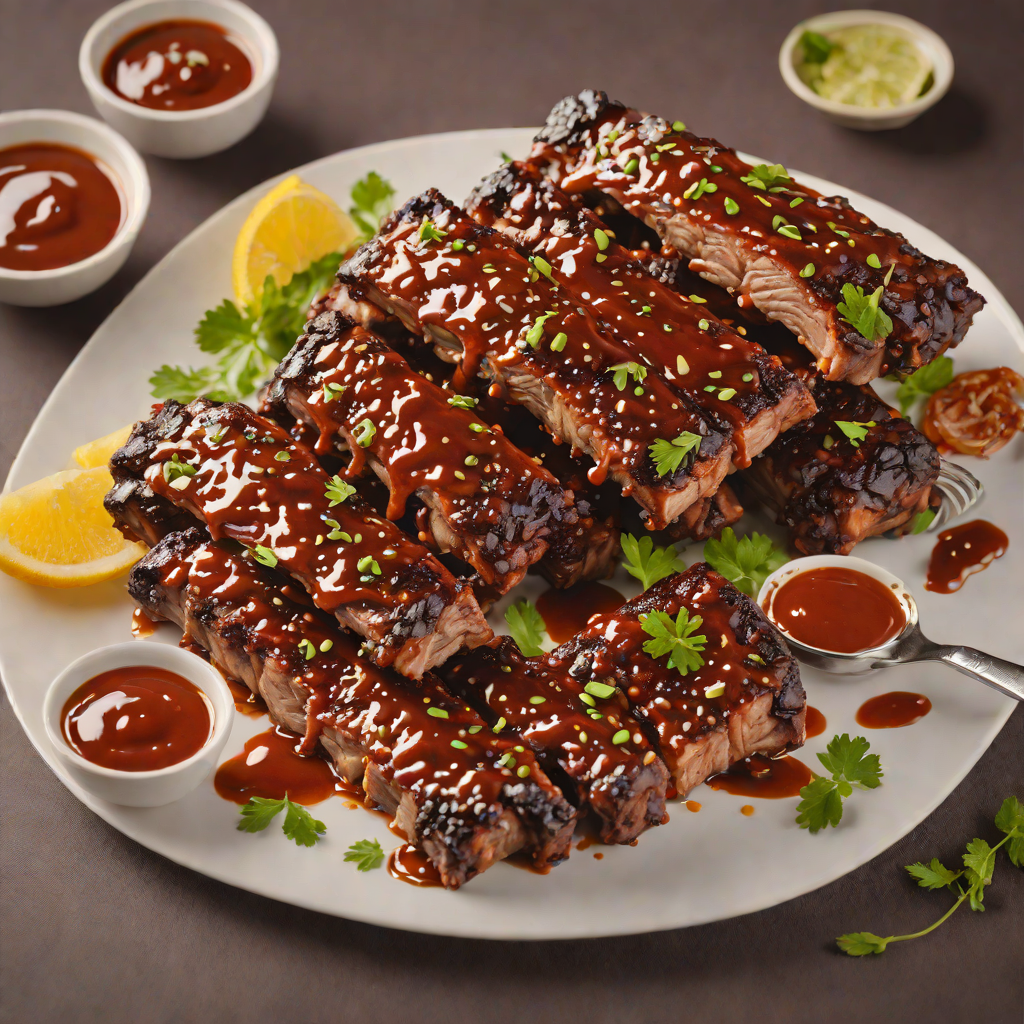
10. Honey-Glazed Baby Back Ribs with Smoky Chipotle BBQ Sauce — the low-and-slow anchor. 3-2-1 method: 3 hours unwrapped in smoke, 2 hours wrapped in foil with juice, 1 hour unwrapped with sauce.
11. Grilled Chipotle-Lime Pork Tenderloin with Avocado Cilantro Sauce — 10 minutes total cook. Pull at 140°F, rest, slice.
12. Grilled Chicago-Style Hot Dog with Mustard and Relish — the everyday classic. Score the dogs on the diagonal, grill hot for 3-4 minutes, load onto poppy-seed buns with mustard, relish, onion, tomato, sport pepper, celery salt (never ketchup).
Seafood (2)
Seafood is the highest-upside-for-effort grilling category. A four-minute-per-side shrimp skewer feels harder than it is; a plank-cooked salmon feels fancier than it is.
13. Grilled Cajun Shrimp Skewers — 90 seconds per side over direct heat, tossed in melted butter and lemon. Serve as an appetizer or over grits.
14. Maple-Glazed Cedar Plank Salmon with Dill and Lemon — soak the plank 60 minutes; grill fish on top of the plank over indirect medium. The plank both flavors the fish and prevents sticking.
Vegetables + Dessert (1 vegetable centerpiece, 1 side, 1 sweet)
Grilled vegetables are the mark of a mature grill cook. Restaurant kitchens use the grill for vegetables constantly; home cooks default to boiling and steaming. If your grill grates are wide enough that small pieces fall through, invest in a grill basket or cast-iron grill pan from the cookware section — thin asparagus, cherry tomatoes, and mushroom caps need the smaller mesh.
15. Charcoal-Grilled Mediterranean Vegetable Platter — zucchini, eggplant, peppers, onions, dressed with olive oil and lemon, finished with feta. Feeds a crowd, works cold as leftovers.
16. Mexican Street Food-Inspired Grilled Corn with Cotija and Lime — elote, the way it should be. Grill the corn until charred in spots, roll in mayo-crema mixture, coat in cotija, dust with chile-lime salt.
17. Spiced Grilled Portobello Mushrooms with Garlic Yogurt Sauce — the vegetarian centerpiece. Marinate 20 minutes, grill 4 minutes per side, serve over toasted focaccia or as a burger substitute.
18. Half-Baked Tomato and Mozzarella Caprese Flatbread — a pizza-on-the-grill starter. Par-bake the flatbread, top with mozzarella, tomato, basil, drizzle balsamic reduction after it comes off.
19. Grilled Peach Melba with Raspberry Sauce — the dessert. Halve firm-ripe peaches, brush cut side with butter and brown sugar, grill 3 minutes per side, top with vanilla ice cream and raspberry sauce.
The next 11 to build the season around
20. Grilled Portobello Mushroom Sandwiches with Garlic Aioli
21. Grilled Halloumi with Watermelon Salad
22. Grilled Pineapple with Rum-Lime Glaze
23. Grilled Zucchini Rollups with Herbed Ricotta
24. Grilled Steak Fajitas (skirt + peppers + onions)
25. Grilled Bison Burgers with Smoked Gouda
26. Grilled Salmon Tacos with Cabbage Slaw
27. Grilled Chicken Caesar Salad (grill the romaine hearts, too)
28. Grilled Peach + Prosciutto Flatbread
29. Grilled Whole Trout with Lemon and Herbs
30. Grilled Watermelon with Feta and Mint
The BBQ menu builder: main + 2 sides + dessert for any group size
Great BBQs share a structural pattern: one grilled centerpiece, two sides that don't compete with the grill, one dessert. Vary the centerpiece across the season; keep the side rotation lean so shopping stays cheap.
Menu 1 — Weeknight for four (30 minutes):
- Main: shrimp skewers (14 minutes total)
- Side A: grilled corn with cotija
- Side B: chopped tomato-cucumber salad (raw, 5 minutes)
- Dessert: none — save it for weekends
Menu 2 — Saturday for six (90 minutes):
- Main: gas-grilled ribeyes, one per person
- Side A: grilled Mediterranean vegetable platter
- Side B: potato salad (mayo-based, made morning of)
- Dessert: grilled peach melba
Menu 3 — Sunday cookout for twelve (3 hours active):
- Main: baby back ribs + spatchcocked whole chickens
- Side A: coleslaw (make the day before)
- Side B: grilled corn OR baked beans
- Side C: watermelon-feta-mint salad
- Dessert: peach cobbler + vanilla ice cream
Menu 4 — Big holiday cookout for twenty (6 hours):
- Main #1: two spatchcocked chickens (start first)
- Main #2: 3 lbs of steakburgers on the grill 30 minutes before serving
- Main #3: ribs (started 5 hours before serve time)
- Side A: elote (grilled corn, cotija, lime)
- Side B: potato salad
- Side C: coleslaw
- Side D: watermelon
- Dessert: grilled peaches + ice cream
Shopping math: for burgers, plan 1.5 patties per person (2 for teens/adult men, 1 for kids). For ribs, one rack (baby back = ~12 ribs) feeds 2-3 adults. For chicken, 1 thigh + 1 wing per person, or 1/4 spatchcocked chicken per person. Corn: 1-1.5 ears per person. Beer: 3-4 per adult over 4 hours.
Load the shopping list into AislePrompt's chat and pass it to Instacart — the whole menu shows up in one order, with quantity-scaled for your group size. Two-tap dinner planning.
Grilling safety: temp probes, resting times, doneness by touch
Get these three technique gates right and the recipes basically cook themselves.
The probe thermometer is non-negotiable
Every "how do I know when it's done" question has one answer: internal temperature. A ThermoWorks Thermapen ONE or a solid budget alternative like an Alpha Grillers Digital Instant-Read is the single most impactful $30-$105 you'll spend on grilling equipment. Doneness targets by USDA + our internal testing:
| Cut | Pull temp | Rest to | Notes |
|---|---|---|---|
| Beef steak rare | 120°F | 125°F | 5-minute rest |
| Beef steak medium-rare | 130°F | 135°F | Best for ribeye/NY strip |
| Beef steak medium | 140°F | 145°F | USDA min for beef |
| Beef steak well | 155°F | 160°F | Ruins ribeye — use skirt |
| Beef burger | 155°F | 160°F | 165°F is safer but drier |
| Chicken (white) | 160°F | 165°F | Carryover completes cook |
| Chicken (dark) | 175°F | 180°F | Collagen renders here |
| Pork tenderloin | 140°F | 145°F | 145°F is USDA min |
| Pork shoulder | 200°F | 205°F | Bark done, collagen full |
| Ribs | Bend test | — | Rack cracks when lifted |
| Salmon | 125°F | 130°F | 145°F is USDA but chalky |
| Shrimp | 120°F | 125°F | Or "opaque + curled C-shape" |
| Brisket flat | 200°F | 205°F | Probe slides like warm butter |
Rest times matter more than people think
Skipping the rest is the single most common home-grill failure. When meat cooks, muscle fibers contract and squeeze moisture toward the center. Cut immediately and 15-20% of that moisture runs onto the cutting board. Rest and the fibers relax, reabsorbing that moisture into the meat. Numbers we've verified with a scale:
| Cut | Rest time | Weight loss if cut immediately |
|---|---|---|
| Steak 1" | 5 min tented | ~9% moisture on the board |
| Steak 1.5"+ | 8-10 min | ~12% moisture on the board |
| Burger | 3 min | ~5% moisture |
| Chicken breast | 5 min | ~10% moisture |
| Whole chicken | 15 min | ~15% moisture |
| Pork tenderloin | 8-10 min | ~11% moisture |
| Ribs | 15 min | Bark firms up |
| Brisket | 30-60 min in cooler | Essential — bark sets |
Doneness by touch (backup for when your thermometer dies)
The classic "compare to the base of your thumb" trick works for steaks. Touch your thumb to your index finger — the pad below the thumb feels like rare beef. Middle finger = medium-rare. Ring finger = medium. Pinky = well done. Not as reliable as a probe, but a decent sanity check when the battery dies.
Common pitfalls (5 real mistakes we see every summer)
1. Cooking over a "dying" fire. Charcoal that's turned dark red without white ash is at 800°F+ and will burn. Wait until 70% of the coals have a light gray coating before you put food down.
2. Flipping too early. If the food resists lifting, it isn't done searing on that side. Wait 60-90 more seconds — the crust releases naturally when it forms.
3. Marinades that never work. Muscle proteins are too dense for marinades to penetrate more than 1-2mm. What you're actually doing is seasoning the exterior. For a real flavor bomb, use a dry brine (salt 12+ hours ahead) rather than a wet marinade.
4. Sauce too early. Sugar-based BBQ sauces burn at 260°F. Apply only in the last 10-15 minutes of cooking, over lower indirect heat, otherwise you'll get bitter char.
5. Undercleaning the grates. Old carbonized food is where new food sticks. Brush the grates every time — while they're still hot — with a wire brush, then oil them with a paper towel and tongs. The OXO Good Grips 12-inch Locking Tongs do double duty here.
When NOT to grill
Not everything belongs on a grill. Grilling doesn't do well with:
- Boneless skinless chicken breast under 1" — dries out before it crusts. Better in a pan.
- Fish under 3/4" — falls apart, sticks. Use a plank or a fish basket.
- Delicate greens — spinach, arugula. Grill romaine hearts instead if you want a grilled salad.
- Rice and grains — obvious, but people try. Cook these inside; the grill can't hold a low simmer.
- Anything you're breading or battering — the coating burns before the interior cooks.
If your recipe calls for a delicate technique — poaching, low-and-slow simmering, precise emulsions — do those in the kitchen and use the grill for what it's uniquely good at: hot, dry, direct heat with smoke.
Regional summer grilling styles (for a season of variety)
Rotate through these regional playbooks and you'll never make the same "burgers and hot dogs" cookout twice.
- Texas BBQ: brisket, sausage links, coleslaw, white bread, pickles, onions. Beef-forward.
- Kansas City BBQ: burnt ends, ribs with molasses-heavy sauce, baked beans, coleslaw.
- Carolina BBQ: pulled pork with vinegar-mustard sauce, hushpuppies, red slaw.
- Memphis BBQ: dry-rubbed ribs, mustard slaw, pulled pork sandwiches.
- Argentine asado: flank steak with chimichurri, grilled provolone (provoleta), grilled bread.
- Korean BBQ: thin-sliced short ribs (galbi) with lettuce wraps, ssamjang, pickled radish.
- Japanese yakitori: chicken skewers over binchotan, tare sauce, salt-only "shio" skewers, negima.
- Middle Eastern shawarma / kofta: ground lamb kofta, chicken shawarma, tahini, sumac onions.
Pick one non-American style per month and you cover the season. Serious Eats has a great summer grilling guide that goes deep on the regional traditions. Weber's technique library at Weber's tips and techniques is worth bookmarking for equipment-specific troubleshooting. For recipe inspiration outside the AislePrompt catalog, Bon Appétit's grilling recipes gallery rotates seasonally and is worth the scroll.
Real-world numbers: what a full season of grilling actually costs
Rough budget for a family of four grilling twice a week over the 10-week peak season (Memorial Day through Labor Day, using 2026 US grocery averages):
| Category | Weekly cost | Season total |
|---|---|---|
| Proteins (ribeye, chicken, ribs, salmon, shrimp) | $65 | $650 |
| Vegetables + salad ingredients | $18 | $180 |
| Bread + buns | $8 | $80 |
| Charcoal or propane | $6 | $60 |
| Seasonings + sauces (one-time) | — | $45 |
| Beer + soft drinks (assumes 12/week) | $20 | $200 |
| Season total | — | ~$1,215 |
That's roughly $15 per adult per meal, well below the equivalent restaurant tab. And the marginal cost of scaling for guests is small once you've got the fire going — one 20-person cookout adds maybe $180 to the grocery order, versus $300-500 for restaurant catering.
Grill maintenance: 5-minute end-of-season shutdown
Grills last 8-12 years if you clean them properly and cover them; they last 2-3 years if you don't. End-of-season checklist:
1. Empty the grease trap and wash it in soapy water.
2. Brush the grates one last time with the wire brush.
3. Wipe the interior with a damp cloth to knock down carbon buildup.
4. Coat the grates lightly with vegetable oil to prevent rust over winter.
5. If gas: check the propane tank date (10 years from manufacture is the safe limit). If charcoal: bring the whole grill under an eave or into the garage.
Skip this and next spring you'll be back at Home Depot buying a new $400 grill instead of running the same one for a decade.
FAQ
Gas or charcoal grill — which should a beginner buy? Gas for weeknight convenience: 5-minute preheat, instant temp control, no cleanup of ashes, works in the rain. Charcoal for weekend flavor: smoky char you can't replicate on gas, better sear from higher direct-heat temps, half the price for equivalent size. Most passionate grillers own both. If you can only buy one and grill 2+ times per week, get gas — the extra usage over 3 years beats the flavor edge of occasional charcoal cooking.
What temperature should I grill different foods at? High direct (450-550°F) for steaks, burgers, shrimp, thin fish, and vegetables — sear develops in 3-5 minutes per side. Medium direct (350-450°F) for chicken parts, pork chops, thicker fish, and kebabs — cooks through without burning outside. Low indirect (225-300°F) for ribs, brisket, whole chicken, and pork shoulder — several hours of gentle heat renders fat without drying the outside. Use a probe thermometer for anything over 1 inch thick.
How do I stop food from sticking to the grill grates? Three steps in order: clean the grates while they're hot with a wire brush before cooking, oil the grates (fold a paper towel dipped in high-smoke-point oil like grapeseed and use tongs to swab), and dry the food's surface (pat proteins with paper towels — moisture creates steam that prevents searing). Also: don't move food for 3-4 minutes after it hits the grate. It releases when it's crusted.
How long should I rest meat after grilling? Steaks and burgers: 5 minutes for typical thickness, up to 10 for thick-cut ribeyes and porterhouses. Whole chicken: 15 minutes tented with foil. Brisket and pork shoulder: 30 minutes minimum, up to an hour in a cooler. Skipping the rest is the #1 mistake — muscle fibers contract during cooking and squeeze out juices when cut immediately, whereas resting lets fibers relax and reabsorb 15-20% more moisture.
What are the classic side dishes to serve at a summer BBQ? The universal BBQ side lineup is: potato salad (mayo or vinegar-based), grilled corn or corn salad, coleslaw, baked beans, watermelon slices, and a green salad or cucumber salad. Aim for one starchy (potato, cornbread, mac), one raw/crunchy (slaw, cucumber), and one grilled vegetable (corn, zucchini, peppers). AislePrompt's /chat can build a full menu for any group size with a one-tap Instacart shopping list.
Related guides
If you're pulling together a longer-arc summer meal plan, the Complete Mediterranean Meal Plan 2026 has 30+ recipes that pair well with a grill-heavy summer diet. The How to Cook Salmon Complete Guide goes deep on the four techniques for perfect salmon — cedar plank is only one of them. And the Summer Grilling Guide 2026 with Backyard Recipes + Menu Planner is a companion piece with two full menus (weeknight-for-four and cookout-for-eight) and a five-tool kit that earns its space over the July-August peak.
Frequently asked questions
Gas or charcoal grill — which should a beginner buy?
What temperature should I grill different foods at?
How do I stop food from sticking to the grill grates?
How long should I rest meat after grilling?
What are the classic side dishes to serve at a summer BBQ?
Sources
Plan the whole cookout in one go.
Ask our AI for mains, sides and quantities for your headcount — one Instacart cart, no spreadsheet.
Plan my cookout →