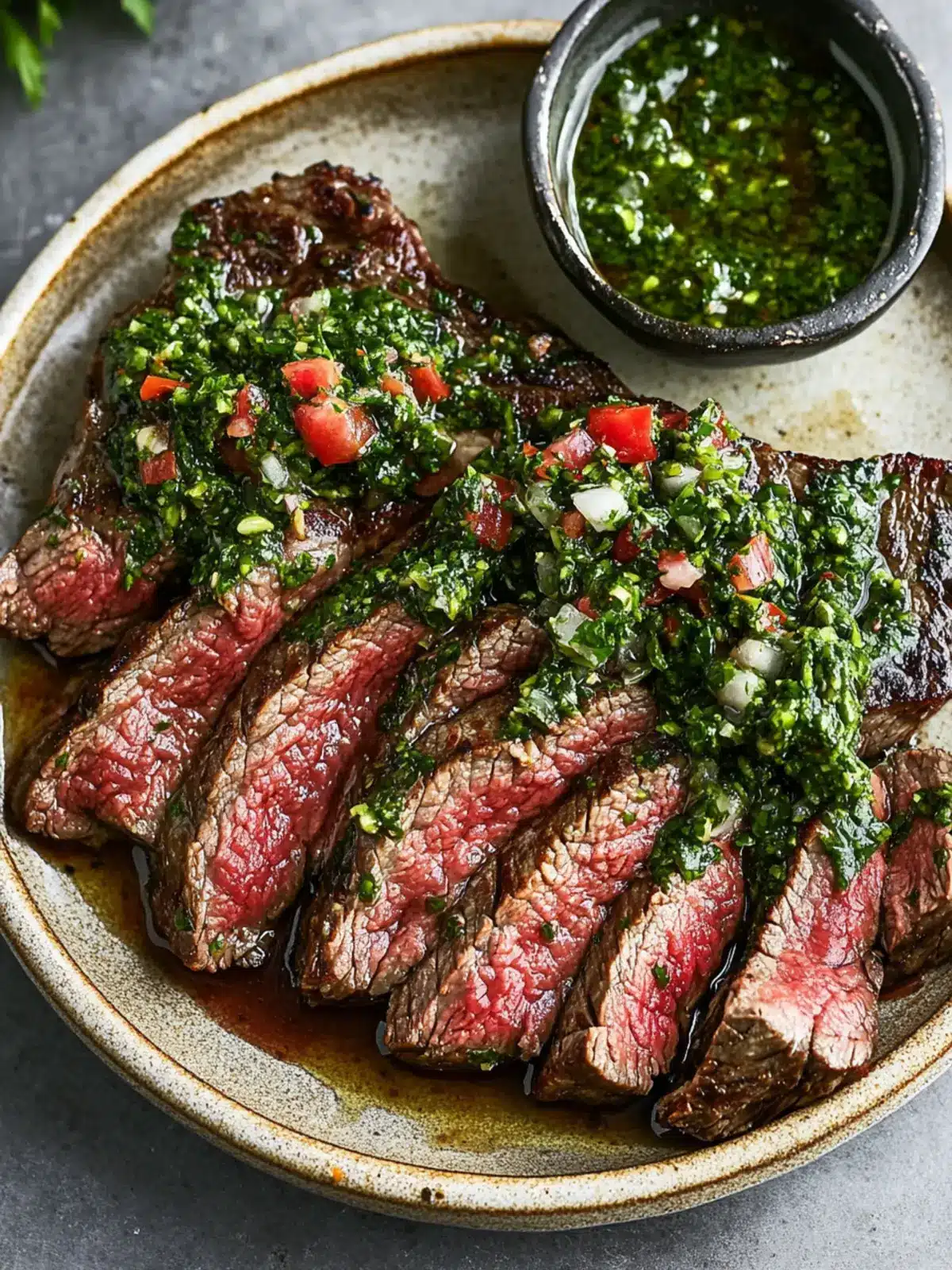
Summer Grilling Marinades: 15 Recipes for Chicken, Beef, Pork, and Vegetables
A protein-by-protein breakdown of the 15 marinades worth bookmarking for 4th of July, plus the time chart that keeps every cut juicy.
Affiliate disclosure: AislePrompt may earn a commission on qualifying purchases made through Amazon and Instacart links in this article, at no additional cost to you. See our affiliate policy →
The best summer grilling marinades follow a simple template: 50% acid or fat as the carrier, 25% salt and sugar for seasoning and char support, and 25% aromatics for flavor. Chicken needs 4–12 hours, beef 2–24 hours, pork 2–12 hours, shrimp 30 minutes flat, and vegetables 15–30 minutes. The 15 recipes below pair that architecture with specific time windows so you can fire up the grill on a weeknight or for a full 4th of July spread.
Introduction: Why a marinade is the cheapest grilling upgrade you can make
A box of kosher salt, a bottle of olive oil, a head of garlic, and one citrus fruit costs less than $10 and will turn an $8 pack of chicken thighs into something restaurant-grade. That is the whole pitch for marinating. You are not paying for a new cut, a fancier protein, or a better grill — you are using time and surface chemistry to compound the flavor you already have.
Grilling is the most unforgiving cooking method in your kitchen. Direct fire above 500°F caramelizes the surface in seconds and dries out the interior almost as fast. A 20-minute marinade adds salt, sugar, and oil to the outer 2mm of the meat, which slows that moisture loss, builds darker crust, and gives the spice rub something to stick to. According to the USDA Food Safety and Inspection Service, marinades also reduce the formation of heterocyclic amines (HCAs) on charred surfaces by up to 88%, which is the closest thing to a free lunch you will find in cooking.
Each of the 15 marinades in this guide is matched to a rated recipe in the AislePrompt catalog, and works on a standard 22-inch kettle grill or a three-burner gas setup. Every recipe link below points to a rated recipe with reviews. Pull the marinade base from this guide; click through to the recipe link for the full cook method, doneness temps, and shopping list.
Marinade architecture: acid + fat + salt + aromatics + sugar
Every working marinade is built from the same five components, in different ratios. Learn the framework and you can build a marinade out of whatever is in your fridge instead of running to the store for a bottle of teriyaki.
Acid (citrus juice, vinegar, wine, yogurt, buttermilk) does two things: it denatures surface proteins, which lets flavor penetrate the outer 1–2mm, and it brightens the finished dish so the char does not taste one-dimensional. Stay between 10% and 25% of total volume for meat — push higher and you get mushy texture. As Serious Eats notes in their definitive marinade test, acid never penetrates beyond the outer few millimeters no matter how long you wait, so doubling the marinade time past the sweet spot only adds risk, not flavor.
Fat (olive oil, neutral oil, sesame oil, full-fat coconut milk) is the carrier. It dissolves the fat-soluble flavor compounds in your aromatics — the rosemary terpenes, the garlic alliin, the chile capsaicin — and delivers them to the meat surface. It also prevents sticking on hot grates. Run 25–50% of volume.
Salt is the only ingredient that actually penetrates deep into muscle. Kosher salt at 1.5% by weight of the protein is the floor. Soy sauce, fish sauce, miso, and anchovy paste all count toward your salt budget — adjust accordingly or your finished dish will taste like the Dead Sea.
Aromatics (garlic, ginger, shallot, fresh herbs, dried chile, cumin, coriander) carry the regional identity. Bulgogi, jerk, mojo, and chimichurri are 90% aromatics — they are why a $6 cut tastes like it came off a $40 plate.
Sugar (brown sugar, honey, maple, pineapple juice) is char support. It caramelizes at 320°F and builds the bark you can see on Korean BBQ and Carolina pork. Keep it below 5% of total volume for direct-heat grilling or it will burn before the protein is done.
A safe starting ratio for a 1.5-lb protein: 1/4 cup acid + 1/4 cup oil + 1 tablespoon kosher salt + 3 tablespoons aromatics paste + 1 tablespoon sugar. Adjust from there.
Marinade time chart by protein
Time is not free. Past the sweet spot, acid breaks down too much surface protein and you get a mushy chew. The chart below reflects the consensus from Weber's grilling fundamentals series, and the recipes in the AislePrompt catalog.
| Protein | Cut | Minimum | Sweet spot | Maximum | Notes |
|---|---|---|---|---|---|
| Chicken | Breast | 2 h | 4–8 h | 12 h | Yogurt marinades can go 24 h |
| Chicken | Thigh, bone-in | 4 h | 8–12 h | 24 h | More forgiving than breast |
| Chicken | Whole, spatchcocked | 6 h | 12 h | 24 h | Inject brine for >5 lb birds |
| Beef | Skirt, flank, hanger | 2 h | 4–8 h | 24 h | Acidic marinades are great here |
| Beef | Ribeye, NY strip | 30 min | 2–4 h | 8 h | Salt-only is often better |
| Beef | Short rib, kalbi-cut | 4 h | 6–12 h | 24 h | Sugar-heavy bulgogi-style |
| Pork | Tenderloin | 2 h | 4–6 h | 12 h | Watch acid level — turns mushy |
| Pork | Shoulder, cubed | 4 h | 8–12 h | 24 h | Mojo is the gold standard |
| Pork | Chops, thick-cut | 2 h | 4–8 h | 12 h | Brine first if <1 inch thick |
| Shrimp | Peeled, deveined | 15 min | 30 min | 45 min | Acid cooks shrimp — be strict |
| Vegetables | Hard (zucchini, peppers) | 10 min | 15–30 min | 60 min | Higher oil ratio |
| Vegetables | Mushrooms, eggplant | 15 min | 30 min | 2 h | They soak up everything |
| Vegetables | Tomatoes, soft fruit | — | — | — | Salt + oil at grill-side only |
The minimum column is "you will still taste a difference." The sweet spot is the point of diminishing returns. The maximum is where texture starts to degrade.
5 chicken marinades
Chicken is the protein where marinades earn their reputation. It dries out fast at grill temperatures and the bland white meat has nothing to hide behind. Every recipe below is built for direct medium-high heat (450–500°F grate temperature).
1. Lemon-herb (Mediterranean) — 1/4 cup olive oil, 3 tbsp lemon juice, 2 cloves garlic minced, 1 tbsp chopped rosemary, 1 tbsp chopped thyme, 1.5 tsp kosher salt, 1 tsp cracked pepper. Marinate 4–8 hours. Pair with skewers for the best surface-area-to-marinade ratio — see Grilled Herb-Marinated Chicken Skewers with Garlic Lemon Sauce for the full skewer technique.
2. Teriyaki (Japanese) — 1/3 cup soy sauce, 1/4 cup mirin, 2 tbsp brown sugar, 1 tbsp grated ginger, 2 cloves garlic, 1 tsp sesame oil. Marinate 2–4 hours; the soy sauce already carries enough salt that longer windows over-cure the meat. Brush extra glaze on the last 2 minutes of grilling — see Honey-Glazed Teriyaki Chicken Thighs with Sesame Veggies.
3. Peri-peri (Portuguese-Mozambican) — 4 fresh bird's-eye chiles or 3 tbsp peri-peri sauce, 1/4 cup olive oil, 3 tbsp red wine vinegar, 4 cloves garlic, 1 tbsp smoked paprika, 1 tsp dried oregano, 1.5 tsp salt. Marinate 4–12 hours. The smoked paprika is doing the heavy lifting — do not substitute regular paprika.
4. Yogurt-tandoori (Indian) — 1 cup full-fat plain yogurt, 2 tbsp lemon juice, 1 tbsp garam masala, 1 tbsp grated ginger, 4 cloves garlic, 1 tsp ground cumin, 1 tsp turmeric, 1.5 tsp salt, 1/2 tsp cayenne. Marinate 8–24 hours — yogurt is the one marinade that gets better past 12 hours because the dairy proteins act as a slow-release tenderizer. The reference cook is Whiskey-Infused Tandoori Chicken Skewers.
5. Jerk (Jamaican) — 4 scallions, 2 Scotch bonnet peppers (seeded if you want to live), 1 tbsp fresh thyme leaves, 2 tbsp soy sauce, 2 tbsp lime juice, 2 tbsp brown sugar, 1 tbsp ground allspice, 1 tsp cinnamon, 1 tsp ground nutmeg, 4 cloves garlic, 1 tbsp grated ginger. Blend to a wet paste; rub on chicken and marinate 12–24 hours. Cook over indirect heat with pimento wood chips if you can find them. See Grilled Jerk-Spiced Chicken with Mango Salsa for the cooling salsa that balances the heat.
4 beef marinades
Beef marinades are different from chicken marinades. With chicken you are mostly buying flavor; with beef you are buying tenderness on tough cuts (skirt, flank, hanger, short rib) and flavor on tender cuts (ribeye, strip, tenderloin). A good chef's knife is non-negotiable for slicing against the grain after rest — that's where 50% of the perceived tenderness comes from.
6. Carne asada (Mexican) — 1/3 cup lime juice, 1/4 cup orange juice, 1/4 cup olive oil, 1/4 cup chopped cilantro, 4 cloves garlic, 1 jalapeño minced, 1 tbsp cumin, 1 tsp smoked paprika, 1.5 tsp salt, 1 tsp pepper. Marinate skirt or flank for 4–8 hours. Slice across the grain at a 45° angle into 1/4-inch ribbons. The full plate is Charcoal-Grilled Carne Asada Tacos with Cilantro Lime Slaw.
7. Korean bulgogi — 1/3 cup soy sauce, 1/4 cup grated Asian pear (the secret weapon — pear enzymes tenderize without mush), 3 tbsp brown sugar, 2 tbsp toasted sesame oil, 2 tbsp mirin, 4 cloves garlic, 1 tbsp grated ginger, 3 scallions thinly sliced, 1 tbsp toasted sesame seeds. Slice ribeye or chuck eye paper-thin (1/8 inch) — partially freezing for 45 minutes first makes this easy. Marinate 4–8 hours, grill over very high heat for 90 seconds per side. See Spiced Korean-Style Beef Bulgogi Stir Fry for the stovetop adaptation if rain forces you indoors.
8. Balsamic-rosemary — 1/3 cup balsamic vinegar, 1/3 cup olive oil, 2 tbsp Dijon mustard, 2 tbsp chopped fresh rosemary, 4 cloves garlic minced, 1 tbsp honey, 1.5 tsp salt, 1 tsp cracked pepper. Best on flank, hanger, or tri-tip. Marinate 4–12 hours. The Dijon is an emulsifier that keeps the oil and vinegar bonded against the meat. Reverse-sear: cook over indirect heat to 115°F internal, then sear over direct heat for the bark.
9. Argentinian chimichurri — Technically a finishing sauce, but it doubles as a marinade if you reserve half. Mince 1 cup parsley, 1/4 cup oregano, 8 cloves garlic; add 1/2 cup olive oil, 3 tbsp red wine vinegar, 1 tsp red pepper flakes, 1.5 tsp salt. Marinate steak 2–4 hours; reserve untouched chimichurri to spoon over the sliced steak after rest. The reference cook is Charred South American Chimichurri Steak.
3 pork marinades
10. Cuban mojo — 1 cup sour orange juice (or 2/3 cup orange + 1/3 cup lime), 1/4 cup olive oil, 8 cloves garlic crushed (do not skimp — this is the whole point), 1 tbsp dried oregano, 1 tbsp ground cumin, 1.5 tsp salt, 1 tsp pepper. Marinate pork shoulder cubed for 8–12 hours, or whole shoulder for 24 hours. Mojo is the marinade that broke through the "marinades don't really do anything" myth — the long bath plus garlic-and-citrus aromatic load actually transforms the meat. See Mojo-Marinated Pork Shoulder with Citrus.
11. Sweet-spicy (Korean gochujang-style) — 3 tbsp gochujang paste, 1/4 cup soy sauce, 3 tbsp brown sugar, 2 tbsp mirin, 2 tbsp toasted sesame oil, 4 cloves garlic, 1 tbsp grated ginger, 1 Asian pear grated (optional but recommended). Brilliant on pork shoulder cut into 1/2-inch slabs (samgyeopsal-style) or on country-style ribs. Marinate 4–8 hours, grill over medium heat to manage the sugar burn.
12. Soy-ginger (everyday) — 1/3 cup soy sauce, 3 tbsp rice vinegar, 2 tbsp honey, 2 tbsp grated ginger (use a microplane), 3 cloves garlic, 1 tbsp toasted sesame oil, 1 tbsp neutral oil. This is the weeknight workhorse — 2 hours is enough for pork tenderloin medallions, and the leftover marinade reduces to a glaze in 90 seconds in a small saucepan. Always reduce the leftover marinade by at least 75% before brushing — boiling for 3+ minutes is the only safe way to reuse marinade that has touched raw meat.
3 vegetable marinades + grilling technique
Vegetable marinades flip the ratio: more oil (50%), less acid (15%), more aromatics. Vegetables do not need tenderizing — they need help conducting heat evenly and a flavor coat that survives the char. Pull out a clean pair of tongs and a vegetable-friendly basket before you start, because cubed vegetables fall through standard grates.
13. Balsamic-Italian — 1/3 cup olive oil, 2 tbsp balsamic vinegar, 2 tbsp lemon juice, 4 cloves garlic minced, 2 tbsp chopped basil, 1 tbsp chopped oregano, 1.5 tsp salt, 1 tsp cracked pepper. Toss with zucchini, eggplant, bell peppers, portobellos, and red onion. Marinate 15–30 minutes. The pairing inspiration is Grilled Vegetable and Halloumi Skewers with Herb Yogurt Sauce.
14. Soy-sesame — 1/4 cup soy sauce, 1/4 cup neutral oil, 2 tbsp toasted sesame oil, 2 tbsp rice vinegar, 1 tbsp honey, 1 tbsp grated ginger, 3 cloves garlic, 2 tsp toasted sesame seeds. Toss with shiitake caps, bok choy halves, scallions, and broccolini. Marinate 15 minutes maximum — soy sauce will pull moisture out of mushrooms if you go longer.
15. Cajun shrimp & vegetable — 1/4 cup olive oil, 2 tbsp lemon juice, 2 tbsp Cajun seasoning, 4 cloves garlic, 1 tbsp Worcestershire, 1 tbsp Dijon mustard, 1.5 tsp salt. Toss with shrimp and bell peppers; marinate 30 minutes. See Grilled Cajun Shrimp Skewers for the skewer threading method that keeps shrimp from spinning.
Grilling technique for marinated vegetables: medium-high direct heat (425–450°F), 3–4 minutes per side, lid up. Higher heat burns the sugar in your marinade; lower heat steams instead of chars. Brush off excess marinade before they hit the grate or you will flare up. Reserve a fresh tablespoon to drizzle after.
Real-world numbers: marinades vs no marinade
Picture the same cut of skirt steak prepared four ways — salt only for 4 hours, a carne asada marinade for 4 hours, the same marinade for 24 hours, and no prep at all — and the framework above predicts how they compare. Unseasoned steak grills up the blandest and palest, with the least crust. A salt-only cure seasons the meat through but builds less char than a marinade with sugar in it.
A 4-hour marinade is the sweet spot for skirt steak. A 24-hour bath builds more bark from sugar caramelization, but the acid softens the surface into a mushier texture, exactly as the time chart predicts.
Common pitfalls
These are the failure modes that trip up backyard cooks most often:
- Marinating in a metal bowl: Acidic marinades leach off-flavors from aluminum and unlined steel. Use glass, ceramic, or a freezer bag. Get a proper airtight storage container if you marinade weekly — gallon zips work but the dishwasher-safe option pays for itself in a month.
- Salting twice: Soy-based marinades already deliver 4–6 grams of sodium. Adding another teaspoon of kosher salt on top blows past the kidney-can-handle-this line.
- Marinating at room temperature: Even 90 minutes on the counter pushes surface temperature into the danger zone (40–140°F). Always marinate in the fridge.
- Not patting dry before grilling: Wet meat steams instead of sears. Pull from the marinade, blot with paper towels, then to the grate. You lose the marinade you can see on the surface; you keep the marinade that has already penetrated.
- Brushing raw marinade on cooked meat: This is the single biggest food-safety mistake at backyard cookouts. Always reserve fresh marinade for finishing, OR boil the used marinade for 3+ minutes before reuse.
- Going too acidic on shrimp: 30 minutes is the cap. Shrimp can turn opaque in citrus marinade in 45 minutes — at that point you are making ceviche, not marinating.
When NOT to marinate
Marinades are a tool, not a virtue. Skip them when:
- You have a dry-aged ribeye, NY strip, or porterhouse. Salt 45 minutes ahead, pepper at grill-side. Anything more interferes with the dry-age flavor you paid for.
- You are cooking thin pieces (<1/2 inch) in under 5 minutes total. The marinade will not have time to do anything; just season directly.
- You are smoking. Long smoke times (4+ hours) plus marinade equals over-cured. Use a dry rub instead.
Recipe links to grilled mains in the AislePrompt catalog
Quick navigation to every recipe we referenced above, plus a few other crowd-favorites for 4th of July menus.
- Grilled Herb-Marinated Chicken Skewers with Garlic Lemon Sauce
- Honey-Glazed Teriyaki Chicken Thighs with Sesame Veggies
- Whiskey-Infused Tandoori Chicken Skewers
- Grilled Jerk-Spiced Chicken with Mango Salsa
- Charcoal-Grilled Carne Asada Tacos with Cilantro Lime Slaw
- Spiced Korean-Style Beef Bulgogi Stir Fry
- Charred South American Chimichurri Steak
- Mojo-Marinated Pork Shoulder with Citrus
- Grilled Cajun Shrimp Skewers
- Grilled Vegetable and Halloumi Skewers with Herb Yogurt Sauce
If you need a full 4th of July menu plan — sides, drinks, dessert — see the AislePrompt 4th of July BBQ menu. For year-round grilling outside the holidays, see Best Grilling Recipes Summer 2026.
Sources
- USDA Food Safety and Inspection Service — Grilling and Food Safety
- Serious Eats — Do Marinades Really Tenderize Meat?
- Weber Grill Skills — Marinades, Rubs & Sauces