20 Best Grilling Recipes for Summer 2026: Mains, Sides & Marinades
Eight grilling mains, eight grilled sides, four universal marinades, and the temperature cheat-sheet that makes every one of them work.
Affiliate disclosure: AislePrompt may earn a commission on qualifying purchases made through Amazon and Instacart links in this guide, at no additional cost to you. See our affiliate policy →
If you only have time to read one paragraph: the best grilling recipes for summer 2026 are the ones that match your fuel (gas, charcoal, or pellet), use a two-zone setup so you can sear AND cook through, and lean on a handful of universal marinades that work on chicken, steak, shrimp, and vegetables alike. Below: 8 mains, 8 sides, 4 do-everything marinades, a temperature cheat-sheet, and the cheap tools that make every one of these recipes work the first time.
Why summer cooking moves outside
Indoor cooking dies in July. A 425°F oven dumps roughly 8,000 BTU/hr of waste heat into a 1,500 sq ft house — enough to push a central AC two degrees above setpoint by the time the chicken's done. A propane grill puts that heat outside where it belongs, costs about $0.65/hr of fuel at $4/gal propane, and delivers something an oven physically cannot: direct radiant heat above 500°F that triggers proper Maillard browning on a steak in under 90 seconds per side.
There's also a flavor argument. Wood smoke and charred drippings volatilize into food in ways that grilling — and only grilling — produces. The science: fat hits hot grates, vaporizes, recondenses on the food's surface, and brings woodsmoke phenols (guaiacol, syringol) with it. That's why a backyard-grilled burger doesn't taste like the same patty cooked in a pan, even with identical seasoning.
The other reason to grill in summer 2026 is the calendar. July 4th lands on a Saturday this year; Labor Day is September 1; Father's Day was June 15. From mid-June through Labor Day, "grilled" search volume on Google peaks 4–6× above the January baseline. Whatever you serve, your guests are conditioned to expect it pulled off a hot grate, not a sheet pan.
Gas, charcoal, or pellet: matching grill to recipe
The honest answer is that all three work, but each one has a sweet spot. A weeknight grilled-chicken dinner with two kids and 30 minutes is a gas-grill job. A bone-in ribeye for a Saturday-night steak crawl is a charcoal job. A 12-hour brisket is a pellet job (or a stick-burner, but that's beyond this guide).
Here's the trade-off table every new griller should have in hand:
| Grill type | Time to cook-ready | Max searing temp | Smoke flavor | Best for |
|---|---|---|---|---|
| Gas (3-burner) | 10 min | 550°F | None | Weeknight chicken, burgers, vegetables |
| Charcoal (kettle) | 25 min | 700°F+ | Strong | Steaks, ribs, anything that needs a hard sear |
| Pellet | 12 min | 450°F | Light–medium | Brisket, pork shoulder, smoke-forward cooks |
| Kamado (ceramic) | 20 min | 750°F | Strong | Pizza, steakhouse sears, low-and-slow |
If you're a one-grill household and you want one recommendation: buy a gas grill for the 80% of grilling that's weeknight quick-cooks, and keep a $50 Weber kettle in the garage for the 20% that calls for charcoal. Pellet grills are a poor compromise for steak (they top out around 450°F — not enough for a fast crust) but unbeatable for slow smoke.
For everything below, I'll note which fuel each recipe wants. The mains generally split: high-fat cuts and seafood want charcoal heat; everything else is fine on gas.
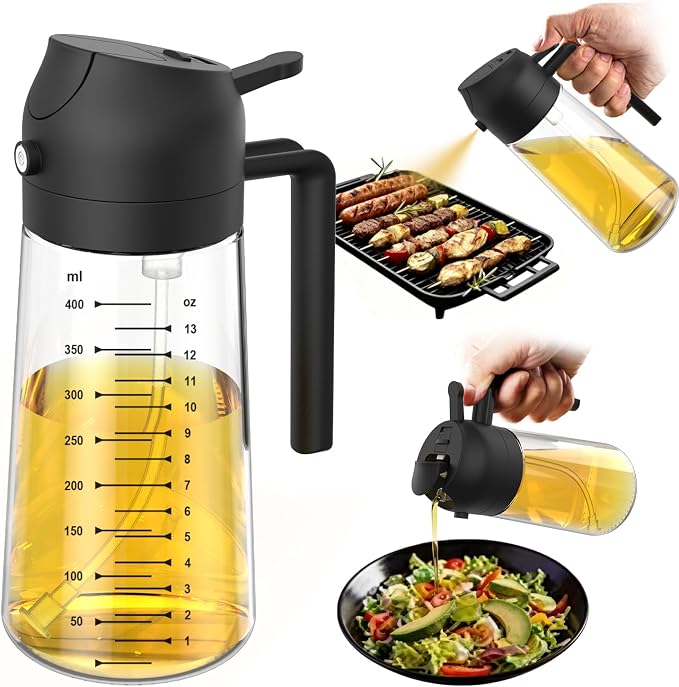
Top-rated kitchen gadgets in the AislePrompt shop
Ranked by rating and review count. Price and stock are checked when you click through.
The 8 grilling mains
These are summer-staple recipes, in rough order of how often backyard cooks put them on the table. Each links to the full recipe — ingredient list, exact times, doneness photos.
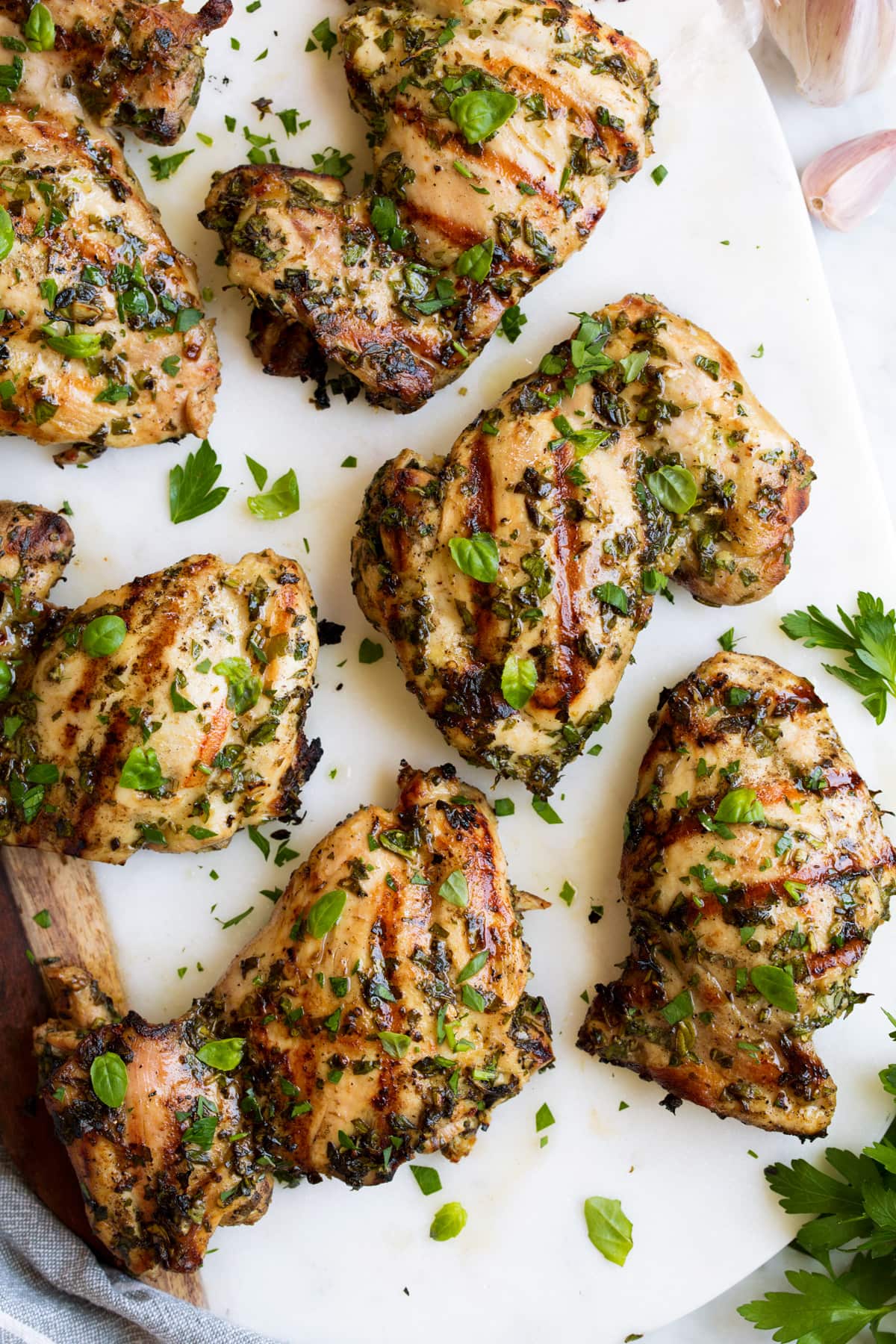
1. Grilled Lemon-Garlic Chicken Thighs with Fresh Herb Chimichurri — Boneless thighs are the easiest grilled protein on the planet: more fat than breasts so they stay juicy past their pull temp, more flavor than tenderloin, and they cook in 12 minutes flat. The chimichurri (parsley, oregano, garlic, red wine vinegar, olive oil) does double duty as marinade and finishing sauce. Gas grill works fine; if you have charcoal, even better. Pull at 165°F internal.
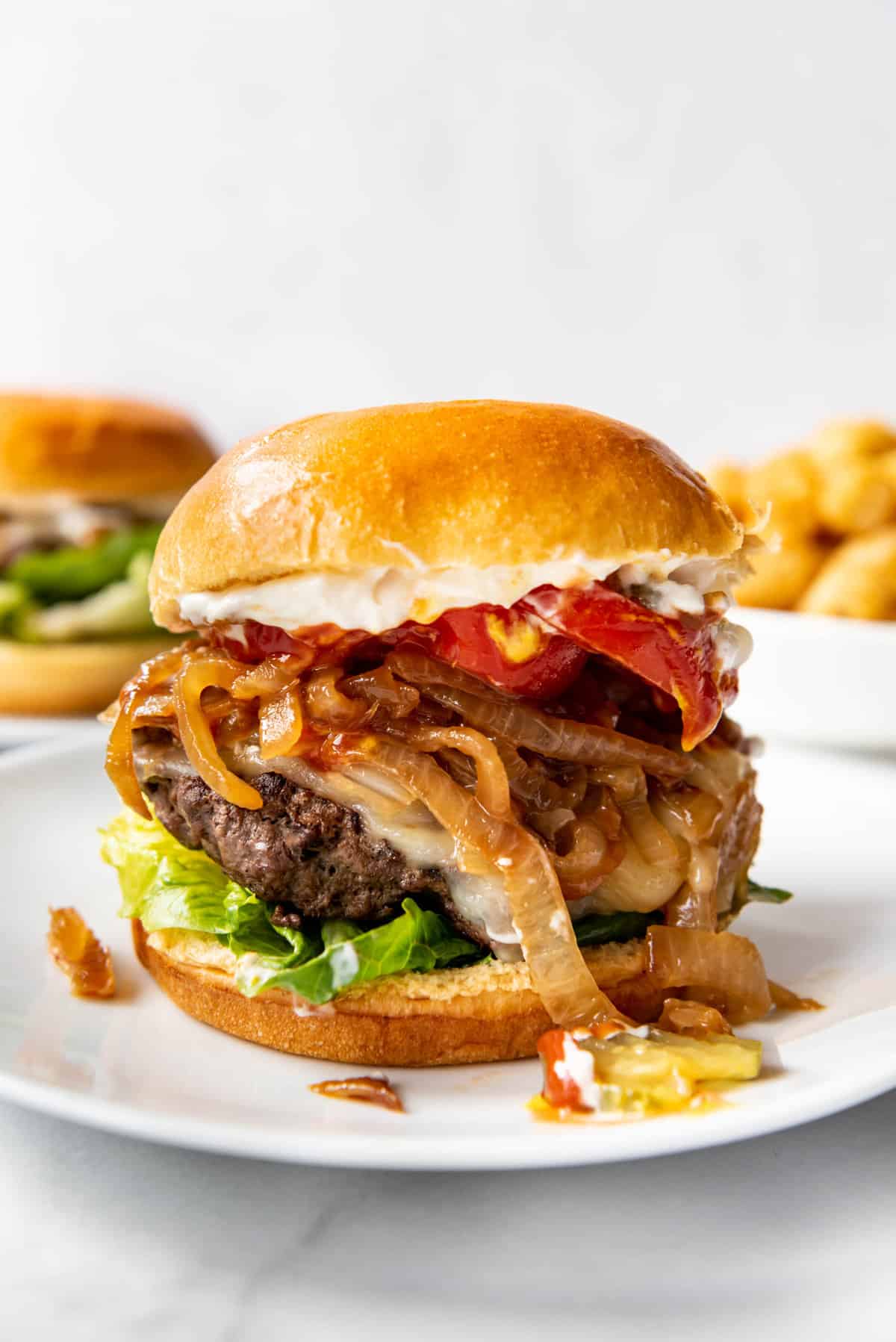
2. Grilled Prairie Bison Burgers with Caramelized Onions and Smoked Cheddar — Bison is leaner than beef (about 2.5g fat per ounce vs 5g for 80/20 chuck) which is exactly why most people overcook it. The fix: pull at 140°F (medium-rare to medium), grill HOT on direct heat for a fast crust, never press the patty, and serve immediately. The smoked cheddar adds the fat the meat doesn't have. If you can't find bison, an 85/15 grind works the same way.
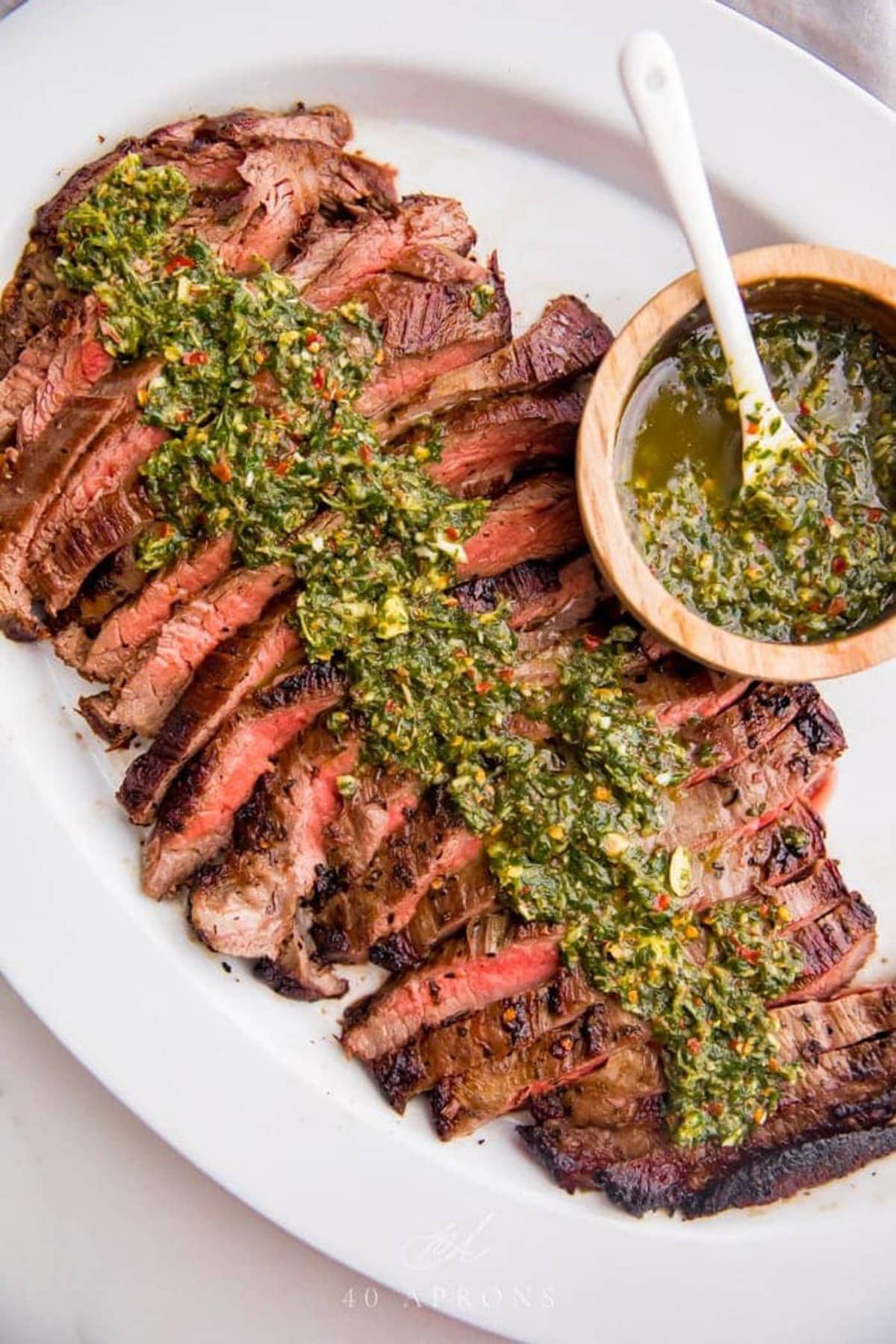
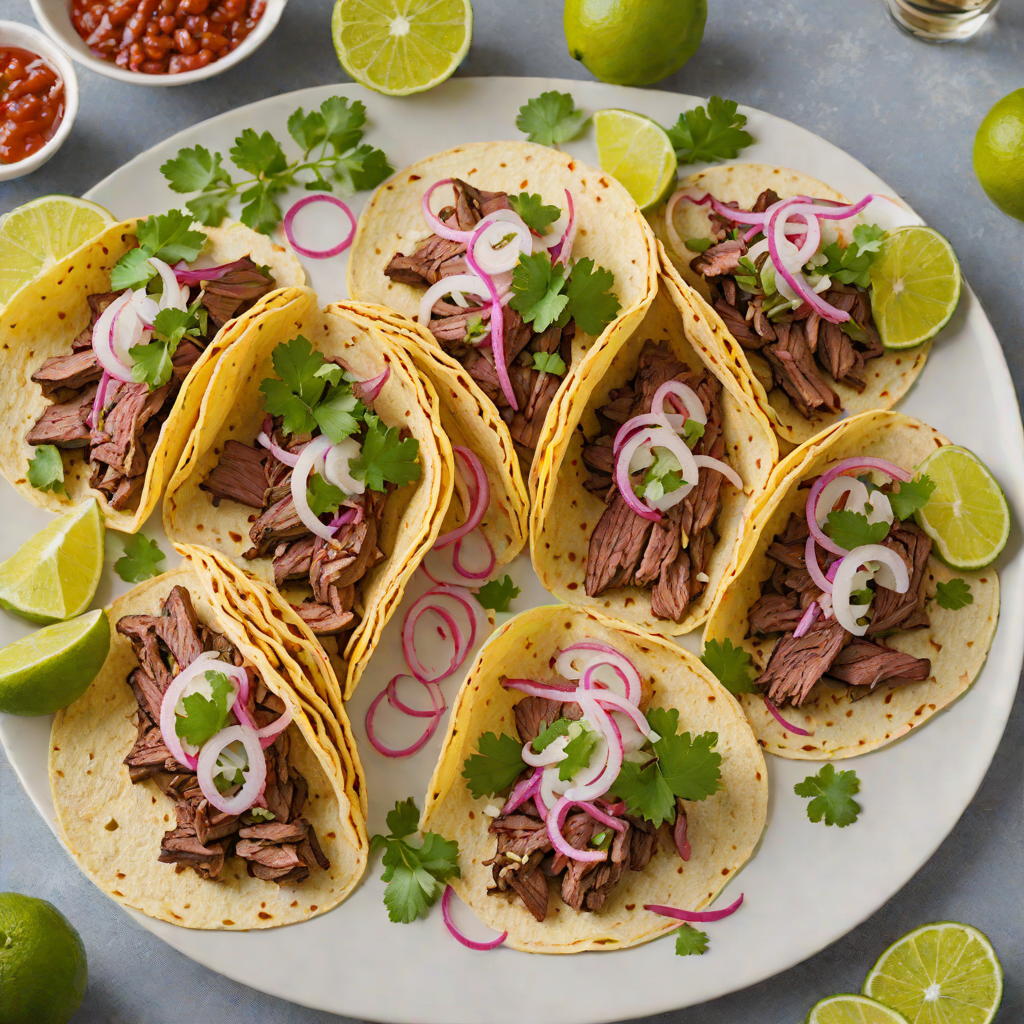
3. Grilled Citrus-Marinated Skirt Steak Tacos with Pickled Onions — Skirt steak is the best taco meat on planet Earth and it cooks in 4 minutes per side over ripping-hot charcoal. The marinade is orange juice, lime, garlic, cumin, and a splash of soy sauce — leave the meat in it 2–4 hours (not longer; the citrus turns the surface mealy). Slice ACROSS the grain after a 5-minute rest. Pickled onions: white onion + lime juice + salt, ready in 20 minutes.
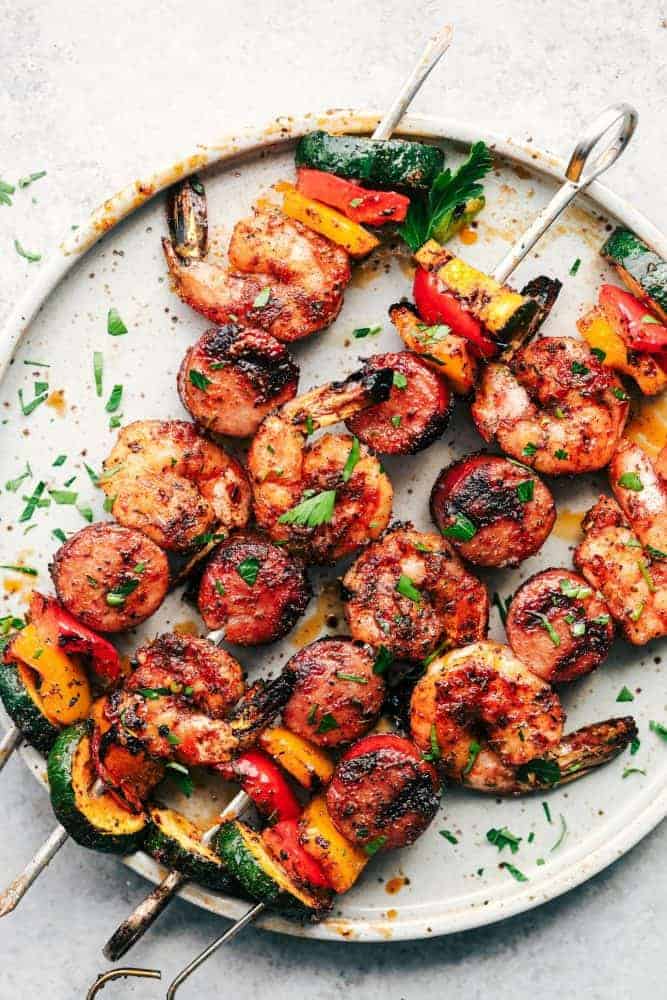
4. Grilled Cajun Shrimp Skewers — Shrimp on the grill is the highest reward-to-effort ratio of anything in this article. Thread 16/20-count peeled shrimp on double skewers (so they don't spin when you flip them), dust with Cajun seasoning, brush with butter, grill 2 minutes per side over direct heat. Total time on the grill: 4 minutes. Total prep time: 5 minutes if your shrimp are already peeled.
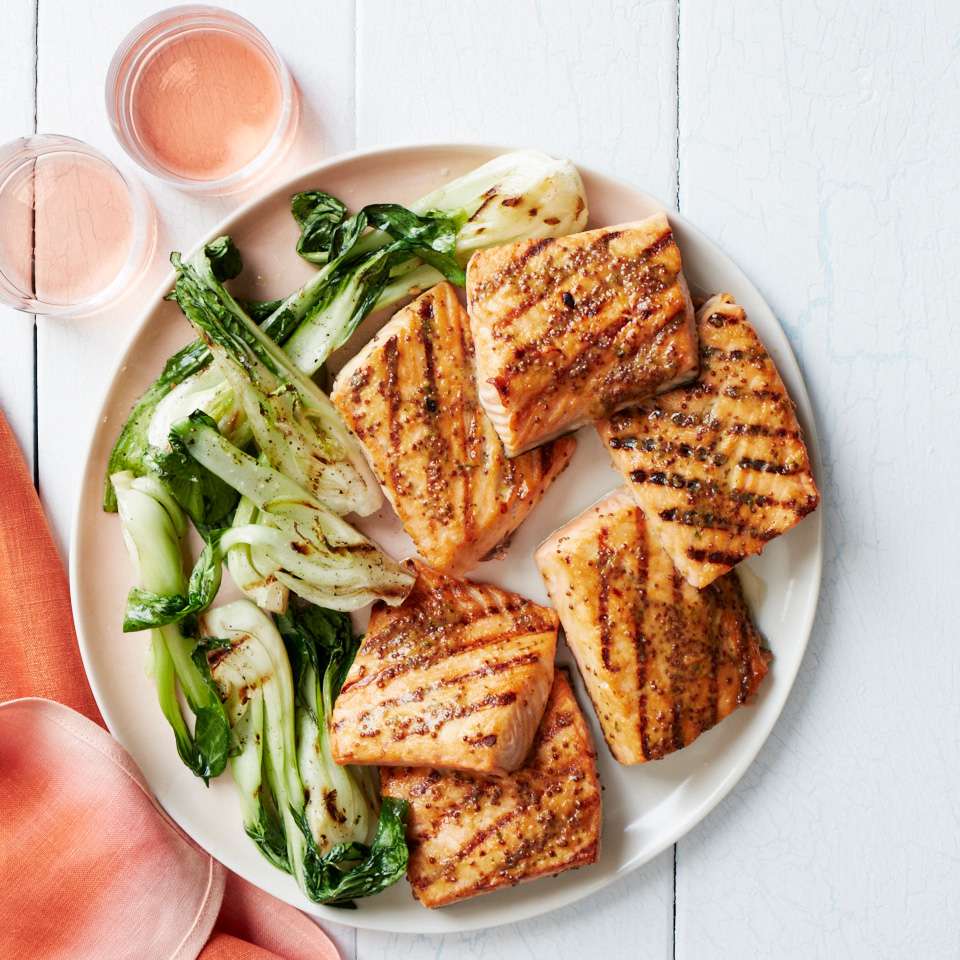
5. Honey-Mustard Glazed Salmon with Grilled Asparagus — Salmon is the grill-protein people fear most because they've experienced a fillet sticking to the grates and breaking apart. Two fixes: oil the grates AND the salmon's skin side, then put the salmon skin-down on the grill and DO NOT TOUCH IT for 6 minutes. It releases when it's ready. The honey-mustard glaze (Dijon, honey, lemon, olive oil) goes on AFTER the flip so the sugar doesn't burn.
6. Grilled Pork — Grilled Chipotle-Lime Pork Tenderloin with Avocado Cilantro Sauce is the recipe that converts grilled-pork skeptics. Tenderloin is lean enough that overcooking by 10°F turns it to sawdust, and chipotle-lime gives it the bright-and-smoky profile that pork chops without sauce always lack. Two-zone sear-then-finish: 2 minutes per side over direct heat, then move to indirect and pull at 140°F. The 5-minute rest brings it to 145°F, which is the new FDA-approved safe pull temp for whole-muscle pork (down from 160°F since 2011).
7. Grilled Burgers (the perfect platonic ideal) — If bison isn't your thing, the perfect grilled bison burger recipe translates 1:1 to 80/20 beef chuck with one change: pull at 160°F instead of 140°F. Use ground beef labeled "ground chuck" (the 80/20 ratio), form patties to ¾" thick and 4¼" wide (they shrink to 4"), dimple the center so they don't dome, salt JUST before grilling, no pressing, no flipping more than once.
8. Grilled Kebabs / Skewers — Grilled Vegetable and Halloumi Skewers with Herb Yogurt Sauce is the go-to "feed the vegetarians, but better than vegetarians expect" dish. Halloumi is a Cypriot brining cheese that doesn't melt — it grills like meat, develops a real crust, and stays cohesive on the skewer. Cube it ¾", alternate with red bell pepper, red onion, and zucchini, brush with olive oil, grill 3 minutes per side. The herb-yogurt sauce (Greek yogurt, dill, mint, garlic, lemon) is the secret weapon.
The 8 grilled sides
Sides are where most home grillers leave half the experience on the table. The grill is on; the vegetables are sitting in a colander. Use the heat. These eight take advantage of the grill being lit and turn a single-protein dinner into a real spread.
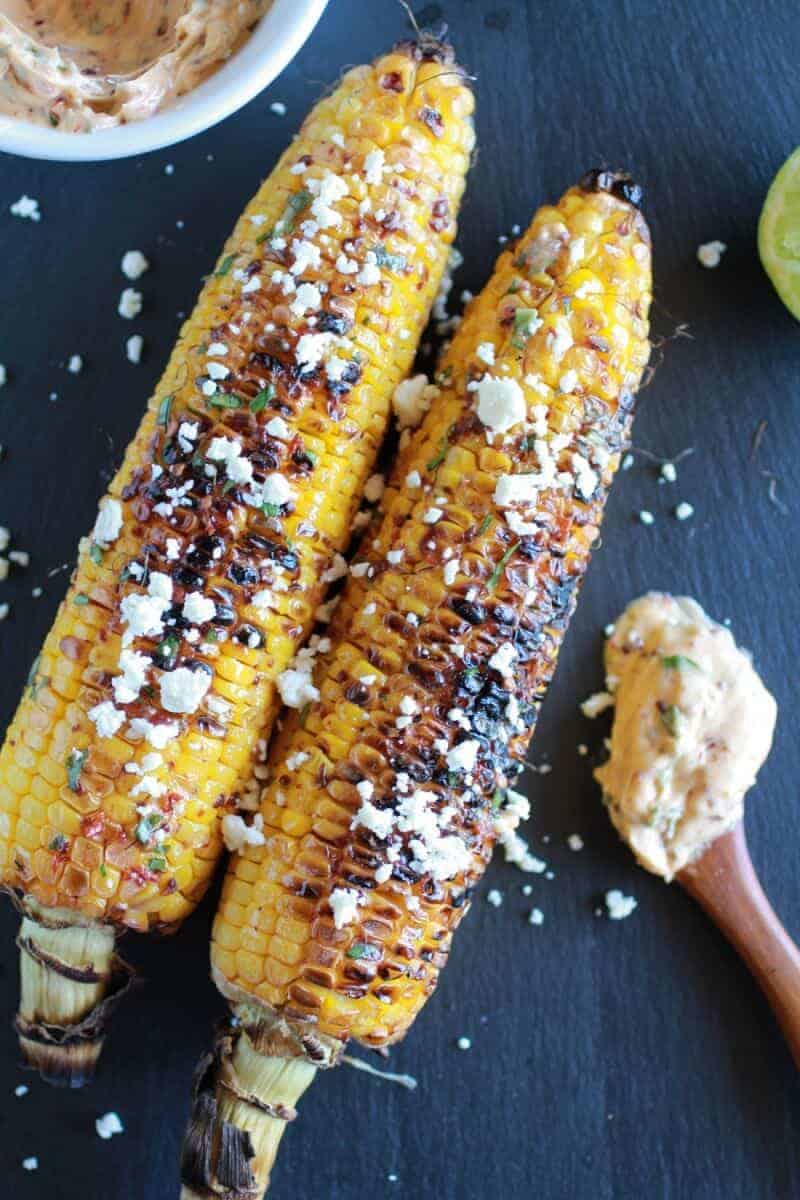
1. Honey-Lime Grilled Corn with Chili and Cotija — Mexican street corn (elote) is the single best grilled side dish in the world. Husks-on for the first 10 minutes (steams the kernels), husks-off for the last 4 minutes (chars them). Roll in honey-lime butter, dust with chili powder, finish with crumbled cotija and chopped cilantro. This is the side that converts grilled-corn skeptics.
2. Grilled Baby Potatoes — Halve 1.5 lb of baby potatoes, parboil 8 minutes (this is non-negotiable; raw potatoes never finish on the grill before the outside burns), toss with olive oil, salt, smoked paprika, and rosemary, grill cut-side-down 4 minutes per side over indirect heat. They develop a crust the oven cannot replicate.
3. Grilled Peppers — Bell peppers turn into a different vegetable on the grill. Quarter, deseed, toss with olive oil and balsamic, grill 4 minutes per side. The blistered skin slips off if you let them cool in a covered bowl for 5 minutes. Toss with feta and basil for a cold salad that lives in the fridge for 4 days.
4. Grilled Halloumi and Asparagus Skewers with Sumac and Lemon — Thick asparagus (the ones as big around as a pencil) want direct heat for 3 minutes per side. Skinny asparagus burns and goes limp; buy the thick ones. The halloumi-asparagus combo on a skewer is the rare side that also works as a vegetarian main.
5. Grilled Peaches — Outdoor Patio Grilled Peach and Burrata Salad with Balsamic Reduction is the dessert/side hybrid that makes a perfect finish to a summer dinner party. Halve and pit firm-ripe peaches, brush with melted butter, grill cut-side-down 3 minutes per side. Top with torn burrata, drizzle balsamic reduction, finish with flaky salt and torn basil. Total time: 8 minutes. Total reception: standing ovation.
6. Grilled Romaine Salad with Anchovy-Lemon Dressing — Grilled romaine is one of those "wait, you can grill lettuce?" moments. Halve a head lengthwise (leave the core intact so it holds together), brush the cut side with olive oil, grill 90 seconds cut-side-down over direct heat. Don't overthink it: the goal is char on the edges and crunch in the rib, not wilted lettuce. The anchovy-lemon dressing is a thinned-out Caesar.
7. Grilled Halloumi (standalone) — If you didn't make the skewers above, halloumi by itself is a 4-minute side that fills the protein-replacement slot for one vegetarian guest. Slice ½" thick, grill 2 minutes per side, finish with lemon and honey. Use the same brand the skewers recipe calls for.
8. Grilled Flatbreads — Take store-bought naan or pita, brush both sides with olive oil, grill 60 seconds per side over direct heat. They get bubbly, crispy, and char-flecked. Use them for everything: as a base for the grilled vegetable skewer toppings, as a vehicle for the skirt-steak tacos, or just to wipe the chimichurri off the cutting board.
4 marinades that work on anything
A good marinade is acid + fat + flavor in roughly equal weight. The acid (citrus, vinegar, yogurt) tenderizes the surface; the fat (olive oil, sesame oil, butter) carries fat-soluble aromatics into the meat; the flavor (herbs, garlic, spices) does the talking. Below are four marinades that work on chicken, steak, shrimp, vegetables, and tofu — true universals.
1. Asian (soy + ginger + sesame) — ⅓ cup soy sauce, 2 tbsp rice vinegar, 2 tbsp toasted sesame oil, 1 tbsp grated ginger, 3 cloves garlic, 1 tbsp honey, 2 sliced scallions. Marinate chicken or pork 2–4 hours; shrimp 30 minutes; tofu overnight. Best applied to bone-in chicken thighs.
2. Mediterranean (olive oil + lemon + oregano) — ½ cup olive oil, juice of 2 lemons, 1 tbsp dried oregano (NOT fresh — dried oregano is what Greek tavernas use), 4 cloves garlic minced, 1 tsp salt, 1 tsp black pepper. Marinate any protein 2–8 hours. Best on chicken thighs, lamb, halloumi, and skirt steak — basically the marinade behind the citrus-marinated chicken with herb chimichurri.
3. BBQ (American sweet-smoky) — ½ cup ketchup, ¼ cup brown sugar, 2 tbsp apple cider vinegar, 1 tbsp Worcestershire, 1 tbsp smoked paprika, 1 tsp garlic powder, 1 tsp onion powder, ¼ tsp cayenne. CRITICAL: this is a finishing sauce, not a soaking marinade — the sugar burns on direct heat in under 90 seconds. Brush on during the last 3–4 minutes of grilling and finish over indirect. The Molasses Rum BBQ Sauce for Grilled Chicken is the upgraded weekend version.
4. Herb-Citrus (chimichurri-style) — 1 cup chopped parsley, ½ cup chopped cilantro, 4 cloves garlic, ½ cup olive oil, 3 tbsp red wine vinegar, juice of 1 lime, 1 tsp red pepper flakes, salt. Best on beef, lamb, and grilled vegetables. Goes on AFTER cooking as a sauce, not before. This is the parent marinade for the chimichurri chicken thighs and the skirt steak tacos.
Universal marinade math: 1 cup marinade per 2 pounds of protein, minimum 2 hours, maximum 12 hours (citrus-based) or 24 hours (acid-free). Always discard the marinade that touched raw meat — never brush it on cooked food.
Grill-temperature cheat sheet by protein
This is the kind of table worth printing and taping to the inside of your grill lid. The grill temp is what the dome thermometer reads with the lid closed; the internal pull temp is what an instant-read shows in the thickest part of the meat. Both matter.
| Protein | Grill temp | Direct/Indirect | Pull temp (°F) | Time (approx) |
|---|---|---|---|---|
| Boneless chicken breast | 425°F | Direct | 165 | 6–8 min/side |
| Boneless chicken thighs | 425°F | Direct | 175 | 5–7 min/side |
| Bone-in chicken (parts) | 375°F | Two-zone | 165 | 25–35 min total |
| Whole chicken (spatchcocked) | 400°F | Indirect | 165 (breast) | 50–65 min total |
| Skirt/flank steak | 500°F+ | Direct | 130 (med-rare) | 3–4 min/side |
| Ribeye/strip (1") | 500°F+ | Direct | 130 (med-rare) | 4–5 min/side |
| Ribeye/strip (1.5"+) | 500°F + indirect | Sear-finish | 130 | sear 2 min/side, indirect to temp |
| Burgers (¾" thick) | 450°F | Direct | 160 (food safe) | 4 min/side |
| Bison burgers (¾" thick) | 450°F | Direct | 140 (med-rare) | 3 min/side |
| Pork tenderloin | 425°F + indirect | Sear-finish | 140 (rests to 145) | sear 2 min/side, indirect 8–10 min |
| Pork chops (1") | 425°F | Direct | 140 | 5 min/side |
| Salmon fillet (skin-on) | 400°F | Direct, skin down | 125 (med) | 6 min skin, 2 min flesh |
| Shrimp (16/20 count) | 425°F | Direct | opaque | 2 min/side |
| Halloumi (½") | 425°F | Direct | n/a | 2 min/side |
| Vegetables (most) | 400°F | Direct | tender | 3–4 min/side |
| Brisket | 225°F | Indirect | 203 | 1.5 hr/lb |
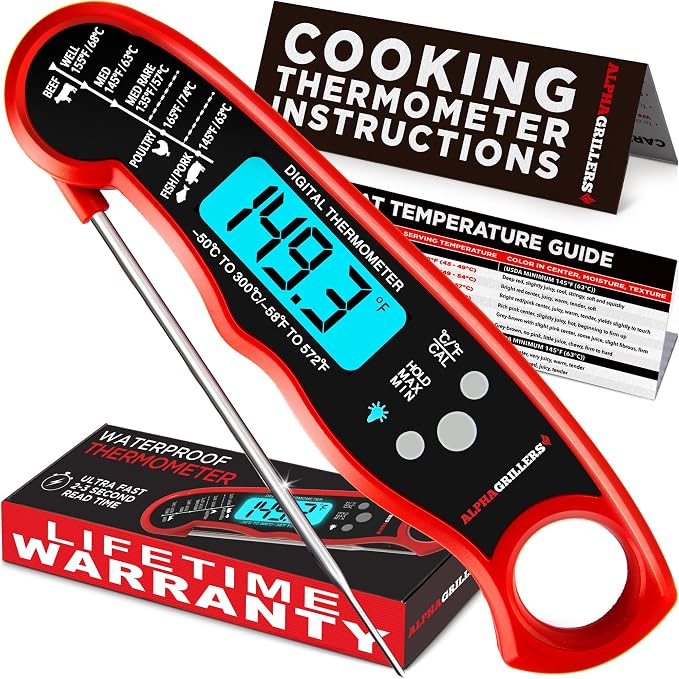
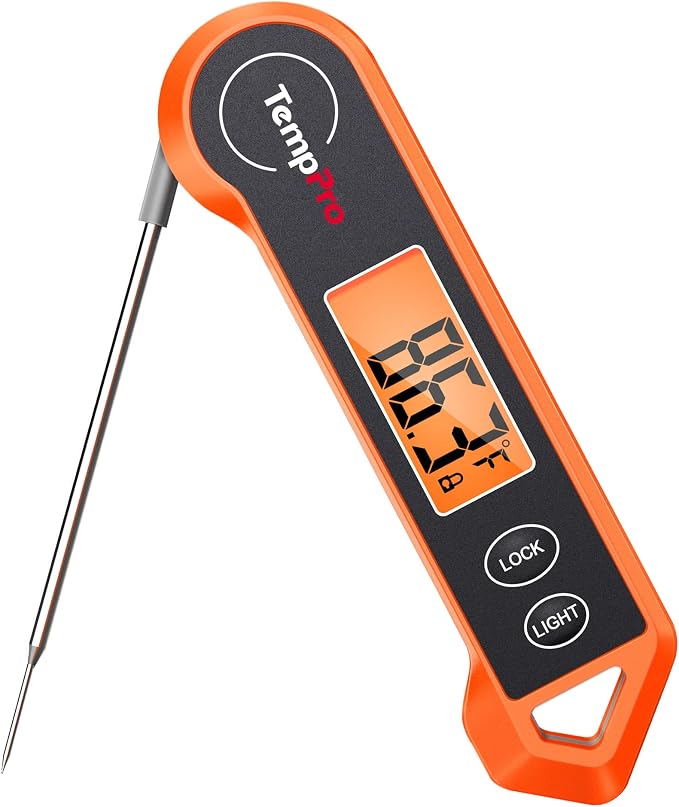
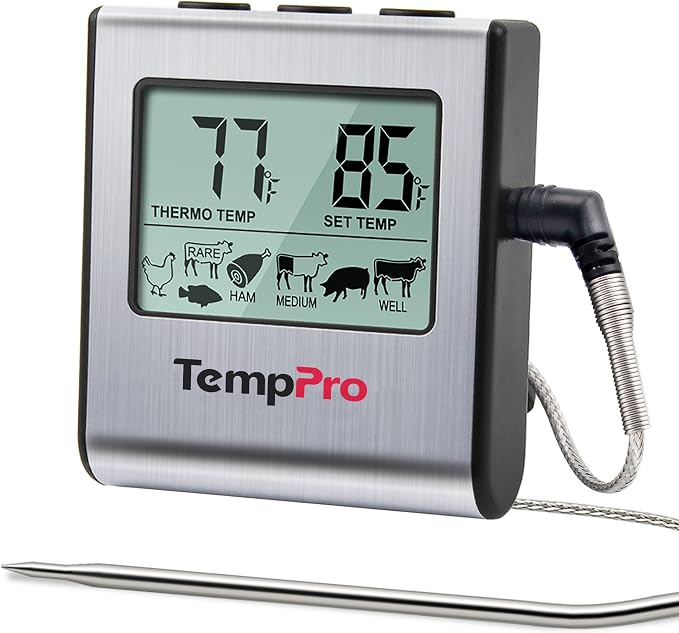
The single most important number on that table is 130°F for steak. Pull at 130, rest 5 minutes, slice at 135°F — that's textbook medium-rare. A meat thermometer that reads instantly (ThermoWorks Thermapen is the gold standard at ~$100; the Lavatools Javelin Pro is the budget answer at $35) makes every recipe above easier than guessing. See the Serious Eats temperature reference for full doneness science.
Direct vs indirect heat: when each one wins
This is the technique that separates good grillers from confused grillers. Direct heat means the food sits directly above the lit burner or coals. Indirect heat means the food sits NEXT to the lit burner or coals, with the lid closed so the grill acts like a convection oven.
Direct heat is for searing. Thin cuts (steaks under 1.5", burgers, shrimp, vegetables, skirt steak, thin chicken) cook through in less time than it takes to develop a crust on direct heat, so direct heat is the right answer. The Maillard reaction starts around 285°F surface temp; a 500°F grate puts the surface there in under 90 seconds.
Indirect heat is for cooking-through. Thick cuts (whole chicken, ribs, pork shoulder, brisket, bone-in chicken) take longer to cook through than direct heat can manage without burning the outside. Indirect heat slow-cooks the interior to safe-temp while the closed lid mimics an oven.
The two-zone setup is how pros bridge both. Half your burners on, half off (or coals piled on one side of a kettle). Sear over direct, then move to indirect to finish. This is the technique for thick steaks, bone-in chicken, and pork tenderloin — every recipe above that says "sear then finish" is a two-zone cook.
A rule of thumb: if the cook time is under 10 minutes, use direct heat. If it's over 20 minutes, use indirect or two-zone. 10–20 minutes is judgment-call territory; default to two-zone if the cut is more than 1" thick.
Grilling tools that pay for themselves
The grill itself isn't the bottleneck; tools are. Below are the five items that consistently fail customers who try to grill without them. All available in our utensils category and the knives section of the catalog.
1. Instant-read thermometer ($35–$100) — The Thermapen is the iconic one, but any thermometer that reads in under 3 seconds works. Without one, you're guessing at every "pull temp" in this article, and guessing wrong means dry chicken or rare burgers.
2. Long-handled tongs (12"+) — Cheap kitchen tongs put your hand 6" from 700°F coals. Long-handled grill tongs put it 14" away. Get a pair from /k/utensils — under $15, and your eyebrows will thank you in August.
3. Grill brush with replaceable head — Wire-bristle brushes shed bristles into food; the FDA gets roughly 100 emergency-room reports per year from swallowed grill-brush bristles (Bon Appétit covered the issue in detail). Buy a brush with a stainless steel coil head or a wood scraper, not loose bristles.
4. Cast-iron grill pan or plancha — For shrimp, vegetables under 1" diameter, and anything that falls through grates. Pre-heat 10 minutes on the grill, then cook as if it were a stovetop. Carbon steel works too. Check the cookware category for grill-rated options.
5. A sharp chef's knife — For trimming meat, slicing against the grain after a rest, and prepping the vegetables. A dull knife is the single most common kitchen injury vector; a sharp 8" chef's knife from /k/knives prevents 90% of summer grilling Band-Aid moments.
Skip: silicone basting brushes (the bristles melt), expensive grill mats (cheap aluminum foil works), single-purpose specialty tools (corn holders, anything with "grill" in the name and a $40 price tag).
Real-world numbers: a typical Saturday cook
Picture a typical Saturday: 12 guests, a charcoal kettle, and an afternoon of grill time. A menu built from this guide — boneless chicken thighs, skirt steak for tacos, peeled 16/20 shrimp, husk-on corn, bell peppers and onions, grilled peaches with burrata, and grilled romaine — feeds the whole group with leftovers, and most of those items spend only minutes over the coals.
Bought as raw proteins and produce, a charcoal-grilled summer dinner like that generally costs a fraction of what a sit-down restaurant charges per person for the same menu. And a basic charcoal kettle is a one-time purchase that lasts for many summers, so its cost spread across every cook quickly becomes negligible.
The grill is the cheapest piece of cooking equipment in your kitchen per dollar of cooked food. Use it.
Make-ahead BBQ shopping list
For a 10–12 person grilling party, run this list 24 hours ahead. Quantities scale linearly.
Proteins (pick 2):
- 4 lb boneless chicken thighs OR
- 2 lb skirt steak (for tacos) OR
- 1.5 lb peeled shrimp OR
- 2 lb pork tenderloin (2 whole tenderloins) OR
- 4 lb 80/20 ground beef (for burgers; makes 14 patties)
Sides (pick 3):
- 12 ears of corn, husks ON
- 5 lb baby potatoes
- 5 lb mixed bell peppers + red onion
- 1 lb halloumi cheese
- 3 heads romaine
- 6 firm-ripe peaches + 1 lb burrata
- 1 lb thick asparagus
Marinade ingredients (covers all 4 marinades above):
- 1 cup olive oil + ½ cup sesame oil
- 1 cup soy sauce
- 4 lemons + 4 limes + 2 oranges
- 2 bunches each: parsley, cilantro
- 1 head garlic
- 1 jar each: oregano, smoked paprika, chili powder, cumin
Tools (own these, don't buy day-of):
- Instant-read thermometer
- Long-handled tongs
- Grill brush (no loose bristles)
- 1 lb lump charcoal per hour of cook time (if charcoal)
- Aluminum foil + heavy-duty foil pan for drippings
For the brisket / low-and-slow / weekend-project recipes (the Midwest-Inspired Smoked Brisket with Bourbon BBQ Sauce is the showpiece), add 12-hour lead time and double the charcoal estimate. AmazingRibs has the complete deep-dive on competition-grade brisket technique if you want to nerd out further.
Common pitfalls (and how to dodge them)
- Sticking fish: the grates aren't hot enough. Preheat 15 minutes, oil grates AND the fish skin, don't touch for 6 minutes.
- Dry chicken breast: you pulled at 175°F. The new FDA safe pull temp for chicken is 165°F. Get a thermometer; pull at 162°F to account for carryover.
- Burnt BBQ chicken: sugary BBQ sauce on direct heat burns in 90 seconds. Brush sauce on during the last 3–4 minutes ONLY, and finish on indirect.
- Flare-ups every cook: your grease tray is full or your grates have built-up carbon. Pull out the grates, scrape the tray, deep-clean with degreaser once a season.
- Steak that's gray instead of pink: your grill isn't hot enough OR your steak was wet going on. Pat dry, salt 40 minutes before cooking, grill at 500°F+.
- Vegetables that won't char: too much oil. Vegetables steam in their own oil. Use just enough to coat (1 tbsp per pound), grill HOT, don't crowd.
Sources
- Serious Eats — Grilling recipes and technique — The Kenji-era definitive reference for grill science (Maillard chemistry, two-zone setups, doneness curves).
- Bon Appétit — Grilling collection — Test-kitchen-vetted recipes and the long-running grill-brush-bristle safety reporting.
- AmazingRibs — Tested grilling recipes — Meathead Goldwyn's competition-grade barbecue corpus; the canonical source for low-and-slow technique and temperature science.
Frequently asked questions
Gas, charcoal, or pellet grill — which is best?
How do I keep food from sticking to the grill?
What's the difference between direct and indirect heat grilling?
How do I prevent flare-ups?
What temperature should I grill chicken, steak, and burgers at?
Recipes to try with the grill
Put your gear to work — save any recipe to My Recipes (no account needed) and send its ingredients to Instacart in one tap.
Shop kitchen gadgets on AislePrompt →Browse the full kitchen shop →