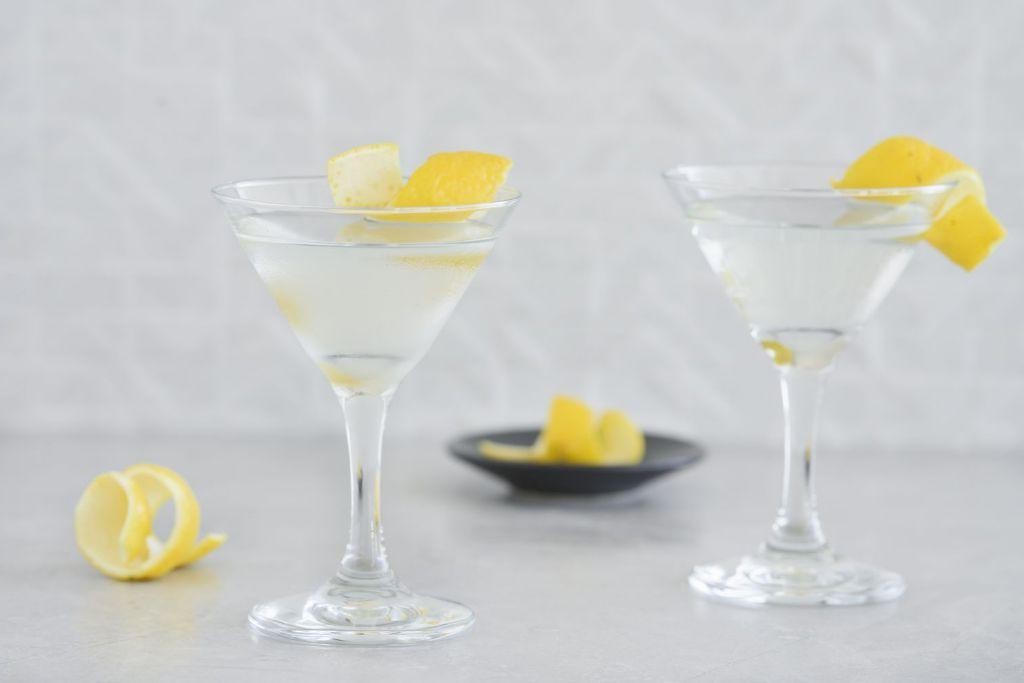
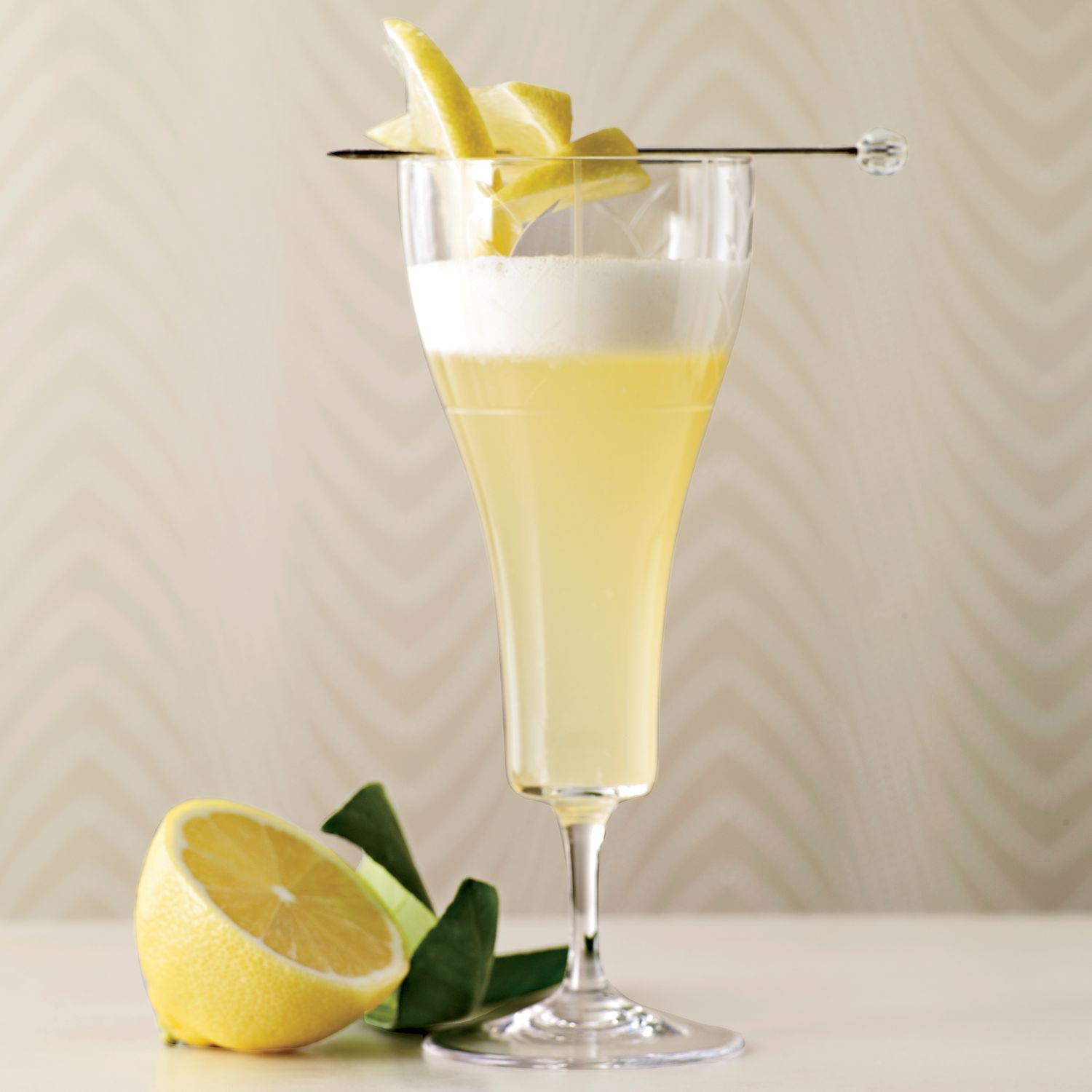
Gin Martini with Violet Liqueur Float
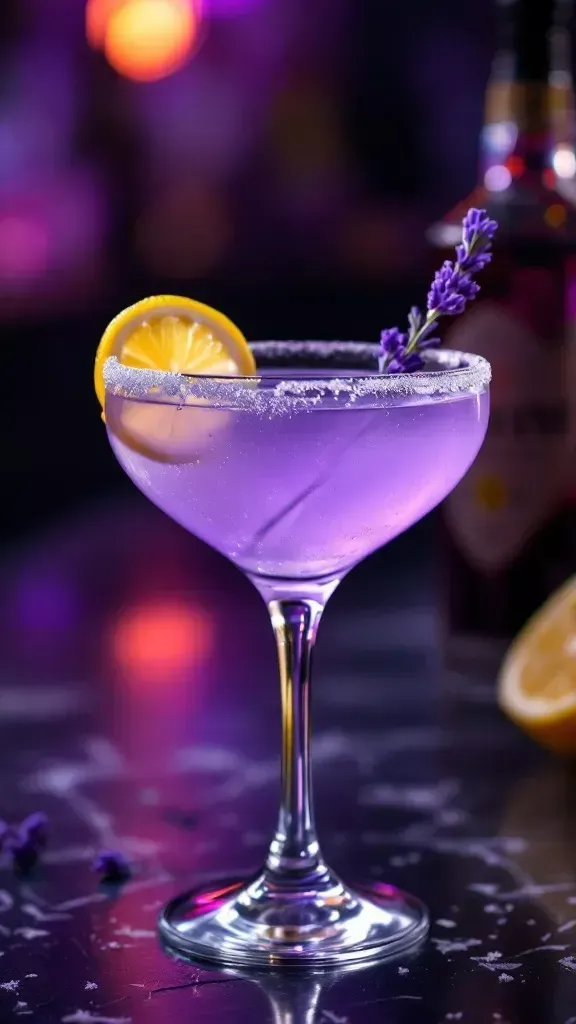
A classic gin martini elevated by a delicate float of violet liqueur, adding floral complexity and a stunning visual contrast. This recipe, ready in about 6 minutes, brings together gin, dry vermouth, violet liqueur for a refreshing, crowd-pleasing drink — a bright, easy pour for parties, gatherings, or any warm-weather afternoon when you want something festive without alcohol-only options. Each serving lands at about 170 calories and feeds 1, so it works for entertaining, brunch, or a non-alcoholic option at the bar cart. Tap "Plan a meal with the AI" below to drop this recipe into your week and send the ingredients straight to Instacart. Nutrition values are approximate, calculated from USDA FoodData Central (fdc.nal.usda.gov) — verify against ingredient labels for any health-driven dietary plan.
Ingredients
- 2.5 oz gin
- 0.5 oz dry vermouth
- 0.25 oz violet liqueur
- 1 lemon twist
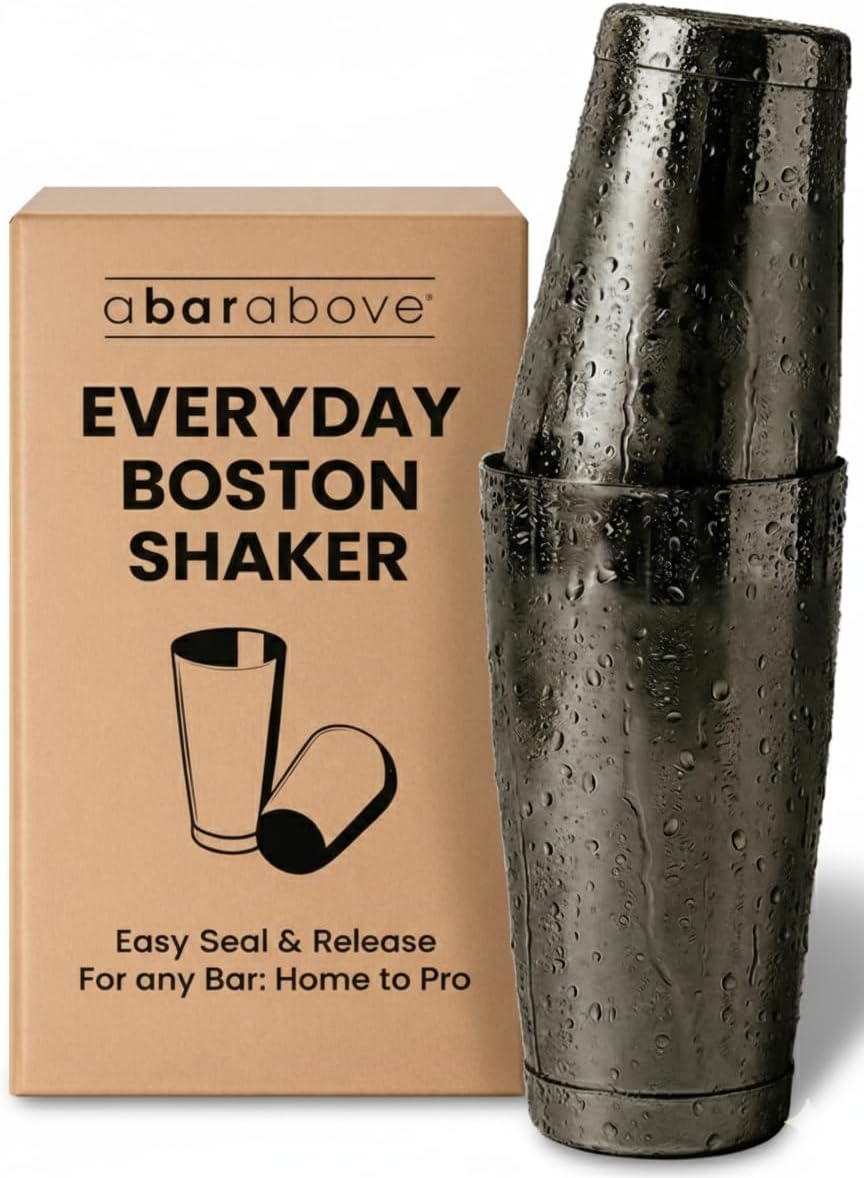
The shaker and jigger we’d mix this with → Best Bar Tools for 2026: Shakers, Jiggers & Strainers Worth Buying
Affiliate disclosure: AislePrompt may earn a commission on qualifying purchases made through Amazon links, at no additional cost to you. See our policy →
Equipment for this recipe
Tools this recipe's steps call for, with a link to each on Amazon.
Instructions
- Step 1: Fill a mixing glass with large ice cubes to chill. Pour in 2.5 oz gin and 0.5 oz dry vermouth.
- Step 2: Stir gently with a bar spoon for 30 seconds until the mixture is cold and slightly diluted.
- Step 3: Strain into a chilled martini glass.
- Step 4: Slowly pour 0.25 oz violet liqueur over the back of a spoon held just above the surface of the martini to create a gentle float.
- Step 5: Express a wide lemon twist over the surface to release oils, then rest it on the rim of the glass as garnish.