Best Bar Tools for 2026: Shakers, Jiggers & Strainers Worth Buying
Five tools cover almost every cocktail. Here's which shaker, jigger and strainer to buy — and the popular one to avoid.
Black Friday runs November 27 through Cyber Monday, November 30, 2026. Black Friday kitchen picks →
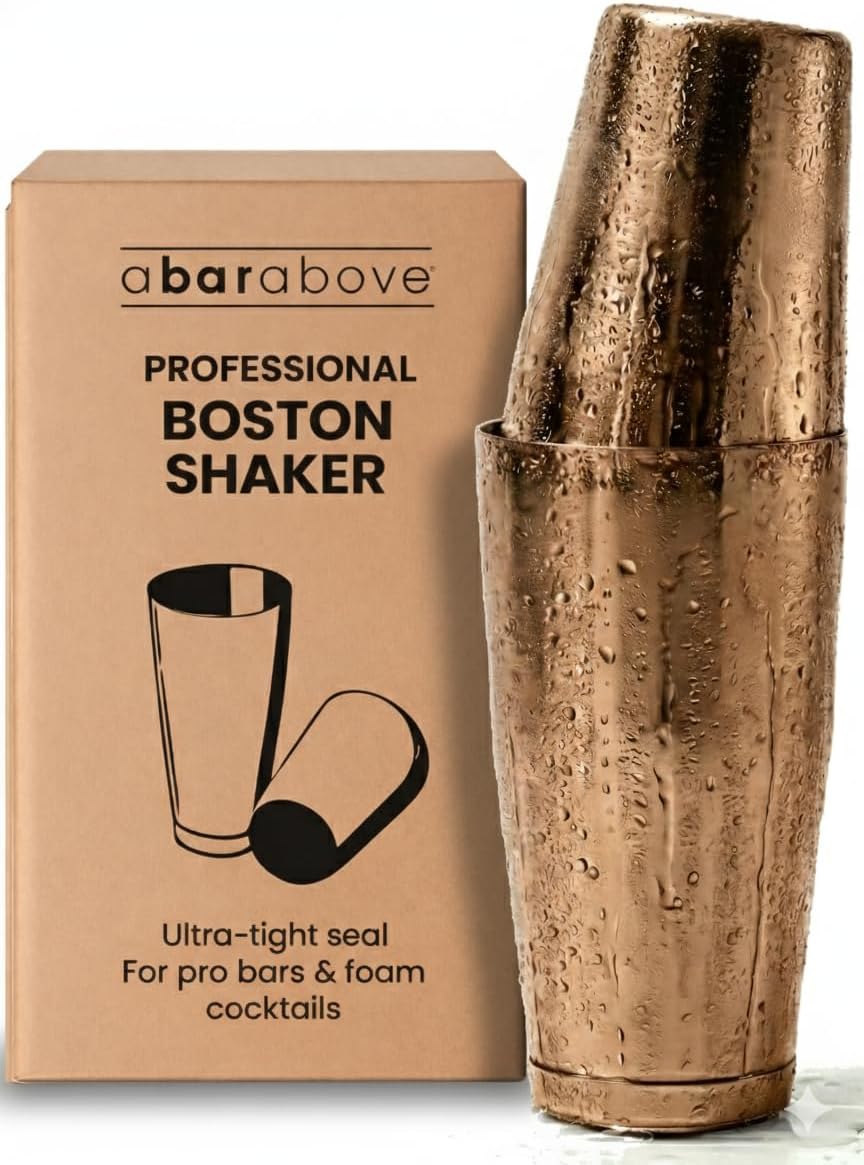
The best bar tools for home in 2026 are a weighted Boston shaker, a Japanese jigger, a Hawthorne strainer, a long bar spoon and a mixing glass, and our top pick is the A Bar Above Professional Boston Shakers Set.
Where to buy these picks
Affiliate links: we may earn a commission on qualifying Amazon purchases. Policy. Prices show only when checked in the last 24 hours.
- Best Overall Shaker: A Bar Above Professional Boston Shakers $26.00 at Amazon, Check price on Amazon →
- Best Value Set: HomeCurated 24-Piece Bartender Kit $39.99 at Amazon, Check price on Amazon →
- Best Jigger: Barfly Japanese Style Jigger, 1 oz × 2 oz $11.55 at Amazon, Check price on Amazon →
- Best Strainer: A Bar Above 4-Prong Cocktail Strainer $13.90 at Amazon, Check price on Amazon →
- Best Premium Kit: The Art of Craft Professional Bartending Set $59.99 at Amazon, Check price on Amazon →
Which bar tool to buy first
| Your situation | Buy | Why | Buy link |
|---|---|---|---|
| Starting a home bar from nothing | HomeCurated 24-Piece Bartender Kit $39.99 | Shaker, jigger, strainer, spoon, muddler, pourers and a stand; pieces are lighter than the standalone picks | Amazon → |
| Shaking sours and citrus drinks weekly | A Bar Above Professional Boston Shakers $26.00 | Weighted 28 oz tin + unweighted 18 oz tin; holds a double build and separates with one palm strike | Amazon → |
| Drinks taste different every time | Barfly Japanese Style Jigger, 1 oz × 2 oz $11.55 | 1 oz / 2 oz Japanese jigger, marked inside at ½, ¾, 1 and 1½ oz | Amazon → |
| Ice chips end up in the glass | A Bar Above 4-Prong Cocktail Strainer $13.90 | Hawthorne with a dense spring; four prongs sit steadier in the tin than two | Amazon → |
| Stirring Manhattans as often as shaking sours | The Art of Craft Professional Bartending Set $59.99 | Boston shaker, Hawthorne, Japanese jigger, bar spoon and a crystal mixing glass | Amazon → |
Quick answer
What does each bar tool pick do?
The best overall shaker is the A Bar Above Professional Boston Shakers Set: its weighted 28 oz tin and unweighted 18 oz tin seal against each other and separate with one palm strike, even when cold. The best value is the HomeCurated 24-Piece Bartender Kit if you'd rather buy everything at once: shaker, jigger, strainer, spoon, muddler, pourers and a stand. The Barfly Japanese Style Jigger, 1 oz × 2 oz, is the best jigger, with interior marks at 1/2, 3/4, 1 and 1 1/2 oz, and the A Bar Above 4-Prong Cocktail Strainer is the best strainer, with a dense spring that catches ice shards. The Art of Craft Professional Bartending Set is the premium kit: a shaker, Hawthorne strainer, Japanese jigger, bar spoon and crystal mixing glass, so it covers stirred drinks as well as shaken ones.
Skip the three-piece cobbler shaker with the built-in strainer, for the reasons below.
Introduction: the 5 tools that turn a home bar into a good one
Almost every cocktail in existence is one of four operations: shake, stir, measure, strain. Five tools cover all of them:
1. A weighted Boston shaker (two tins, 18 oz and 28 oz)
2. A Japanese jigger (1 oz / 2 oz, with internal markings)
3. A Hawthorne strainer (the one with the spring)
4. A bar spoon (30+ cm, spiral shaft)
5. A mixing glass (500-540 ml, thick base)
Everything else — muddlers, channel knives, smoke guns, ice molds — is optional. Buy the five, use them for a month, and then buy what you actually reached for and didn't have.
Our Top 5 Picks
#1 Best Overall Shaker: A Bar Above Professional Boston Shakers
Verdict: Two tins, a positive seal, and it separates with one palm strike.
A Boston shaker is two metal tins that seal against each other at a slight angle. The 28 oz tin is the weighted one and gives you a heavier, more stable base; the unweighted 18 oz tin fits inside it. It chills faster than a cobbler shaker because there's more metal surface in contact with the ice, it holds a full double build with room for proper aeration, and — critically — it comes apart when it's cold.
The WOTOR Boston Cocktail Shaker Set and the Etens Cocktail Shaker Tins Set are the same two-tin design.
Why not a cobbler shaker? The three-piece cobbler has a built-in strainer and a cap. When the metal contracts around cold liquid, the cap seizes, and you end up hammering it on a counter. The built-in strainer also has holes too large to catch ice shards.
#2 Best Value Set: HomeCurated 24-Piece Bartender Kit
Verdict: Everything at once — shaker, jigger, strainer, spoon, muddler, pourers and a stand.
If you're starting from nothing, a complete kit like the HomeCurated 24-Piece Bartender Kit removes every decision. You get a shaker, jigger, strainer, spoon, muddler, pourers, and a stand. Individual pieces are lighter than the standalone picks here, but every piece covers a standard build, and it makes a good gift.
Upgrade path: replace the shaker and jigger first when the budget allows; keep the stand, spoon, and pourers indefinitely.
#3 Best Jigger: Barfly Japanese Style Jigger, 1 oz × 2 oz
Verdict: Tall, narrow, and marked inside.
A Japanese jigger is taller and narrower than the American style, which makes it far more accurate at small volumes — the liquid column is deeper, so a 2 mm error is a smaller fraction of the pour. Interior markings at 1/2, 3/4, 1, and 1 1/2 oz mean one tool covers every measurement in a standard build.
Alternatives worth knowing: the OXO SteeL Double Jigger is perfectly good; the A Bar Above Premium Bell Jigger has ten internal marks; the OXO SteeL Angled Measuring Jigger lets you read the measurement from above, which is genuinely easier for beginners.
Why not free-pour? Because a quarter-ounce error in a 2-ounce drink is a 12% change in strength. Bartenders who free-pour accurately practiced for months with a speed pourer and water. Measure.
#4 Best Strainer: A Bar Above 4-Prong Cocktail Strainer
Verdict: A dense spring designed to catch ice shards.
A Hawthorne strainer is a flat disc with a coiled spring that seats inside the shaker tin. The spring density is the whole spec: a loose spring lets through the ice chips that dilute the drink in the glass. Four prongs hold it steadier in the tin than two.
For stirred drinks in a mixing glass, a julep strainer is the correct tool — the A Bar Above Matte Black Julep Strainer is our pick. Want both plus a fine-mesh for double-straining? The Etens Cocktail Strainer Set bundles all three. The Kirecoo 2-pack is the cheapest thing here that isn't a compromise.
#5 Best Premium Kit: The Art of Craft Professional Bartending Set
Verdict: Shaker, Hawthorne, Japanese jigger, bar spoon, and a crystal mixing glass in one box.
The Art of Craft set is the one kit that covers both shaken and stirred properly, because it includes a real mixing glass rather than expecting you to stir in a tin. If you make Manhattans and old fashioneds as often as you make sours, this is the buy.
Building it yourself instead? The Mofado Crystal Cocktail Mixing Glass has the thick base you want, and the Purefold bar spoon set covers two lengths. For the four-piece kit route, A Bar Above's 4-piece professional set puts the shaker, strainer and jigger in one box.
Boston vs cobbler vs French (Parisian) shakers
There are three shaker designs on the market, and every "best cocktail shaker set" listing is some version of one of them. Wikipedia's cocktail shaker entry has the construction history. Here's how they compare in a home kitchen:
|
| Boston (tin-on-tin) | Cobbler (3-piece) | French / Parisian (2-piece) | |
|---|---|---|---|
| Pieces | 2 tins (18 oz + 28 oz) | Tin, built-in strainer cap, lid | Metal base + fitted metal cap |
| Strainer needed | Yes (Hawthorne) | No, it's built in | Yes (Hawthorne) |
| Capacity | 2 drinks | 1 drink, maybe 1.5 | 1-2 drinks |
| Seals when cold | Tightens but separates with a palm strike | Cap often seizes | Snug, and sometimes sticks |
| Chilling speed | Fastest (most metal surface) | Slowest | Fast |
| Cleaning | Two open tins, no crevices | Strainer holes trap pulp | Two open pieces |
| Typical price, as of 2026 | $14-$25 | $15-$30 | $25-$60 |
| Best for | Anyone making drinks weekly | Occasional one-drink use | Style-first buyers who want a lid-style shaker that doesn't jam as often |
Boston wins for the reasons in pick #1. It's fast and large, it has nothing to clog, and it's the only design where a stuck seal is fixed by hitting the tin with your palm rather than running it under hot water. Its one learning curve is the seal. Set the small tin in at a slight angle, give it one firm tap, and it holds.
Cobbler is the gift-kit default because it looks self-contained. The trade-off is real, though. The strainer holes are too large to stop ice chips, the cap acts as a jigger only if you trust a stamped-steel cap to hold exactly 1 oz, and cold metal contracts around the lid. If you already own one, keep it for single sours and add a Hawthorne strainer for anything served up.
French (Parisian) is the middle option: two metal pieces, no built-in strainer, and a cap that fits over the base instead of nesting inside it. It chills nearly as fast as a Boston and looks better on a bar cart. It costs roughly twice as much for the same result, and you still need a separate strainer. Buy one if appearance matters to you. Otherwise the Boston does the job for less.
What to look for
| Spec | Why it matters | Target |
|---|---|---|
| Steel grade | Cheap steel pits and holds odor | 304 (18/8) stainless |
| Tin weight | Light tins skate on the counter and dent | Weighted 28 oz base tin |
| Seal fit | A tin that won't separate cold is useless | Slight taper, positive "thunk" |
| Jigger geometry | Deeper column = more accurate small pours | Japanese style, internal marks |
| Spring density | Loose springs pass ice shards | Tight coil, 4-prong seat |
| Spoon length | Short spoons can't reach a mixing glass bottom | 30 cm minimum, 40 cm better |
| Mixing glass base | Thin bases crack and tip | 500-540 ml, thick weighted base |
| Dishwasher rating | Otherwise you won't wash it | Top-rack safe |
The 7-piece starter kit under $100
| Item | Pick |
|---|---|
| Boston shaker tins | A Bar Above weighted set |
| Japanese jigger | Barfly 1 oz × 2 oz |
| Hawthorne strainer | A Bar Above 4-prong |
| Julep strainer | A Bar Above matte black |
| Bar spoons (2 lengths) | Purefold set |
| Mixing glass | Mofado 18 oz crystal |
That's a genuinely professional set for under $100, and every piece will outlast the kitchen it's in. Browse the full barware category for glassware to go with it, and dining for serving pieces.
Bar tools you can skip
- Cobbler shakers. Covered above. They seize.
- Muddlers with plastic ends. Plastic scratches, stains, and holds mint oil. If you muddle often, buy unfinished wood or stainless; if you muddle twice a year, the back of a bar spoon works.
- Speed pourers on home bottles. They oxidize whatever's in the bottle and they only pay off if you free-pour, which you shouldn't.
- Cocktail smokers. $60 for a gimmick you'll use four times. A toasted cinnamon stick or a torched orange peel does 80% of it for nothing.
- Novelty ice molds. One large cube or sphere mold is genuinely useful — less surface area means slower dilution. Six shapes are not.
- Pre-batched syrup kits. Simple syrup is sugar and water. Cinnamon syrup is sugar, water, and cinnamon sticks. Both take ten minutes.
How these pair with the cocktail catalog
The point of good tools is repeatability. These are the drinks where a jigger and a proper shake are visible in the glass:
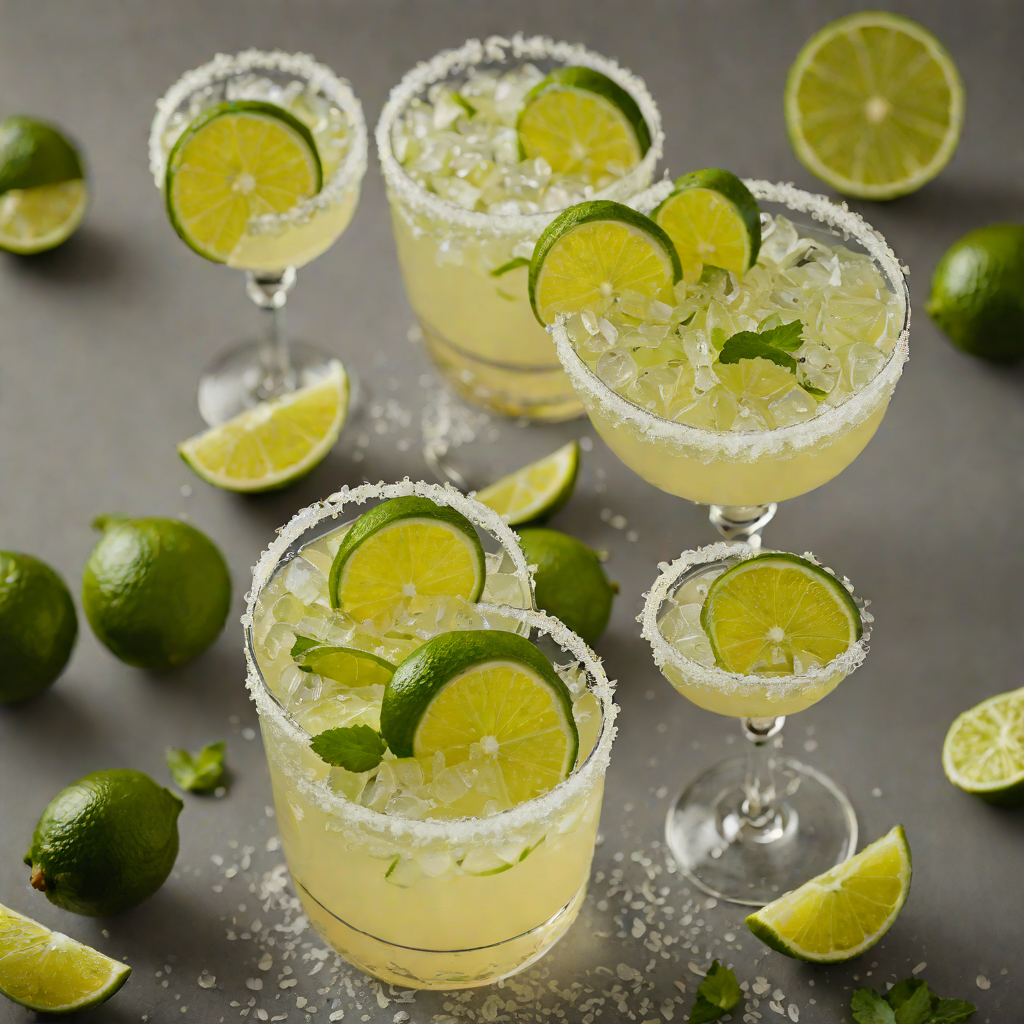
- Shaken, needs a hard 12-15 second shake: Classic Margarita Cocktail with Fresh Lime and Orange Liqueur, Shaken Classic Daiquiri with Fresh Lime, Creamy Vanilla Espresso Martini, and Cinnamon Maple Bourbon Sour.
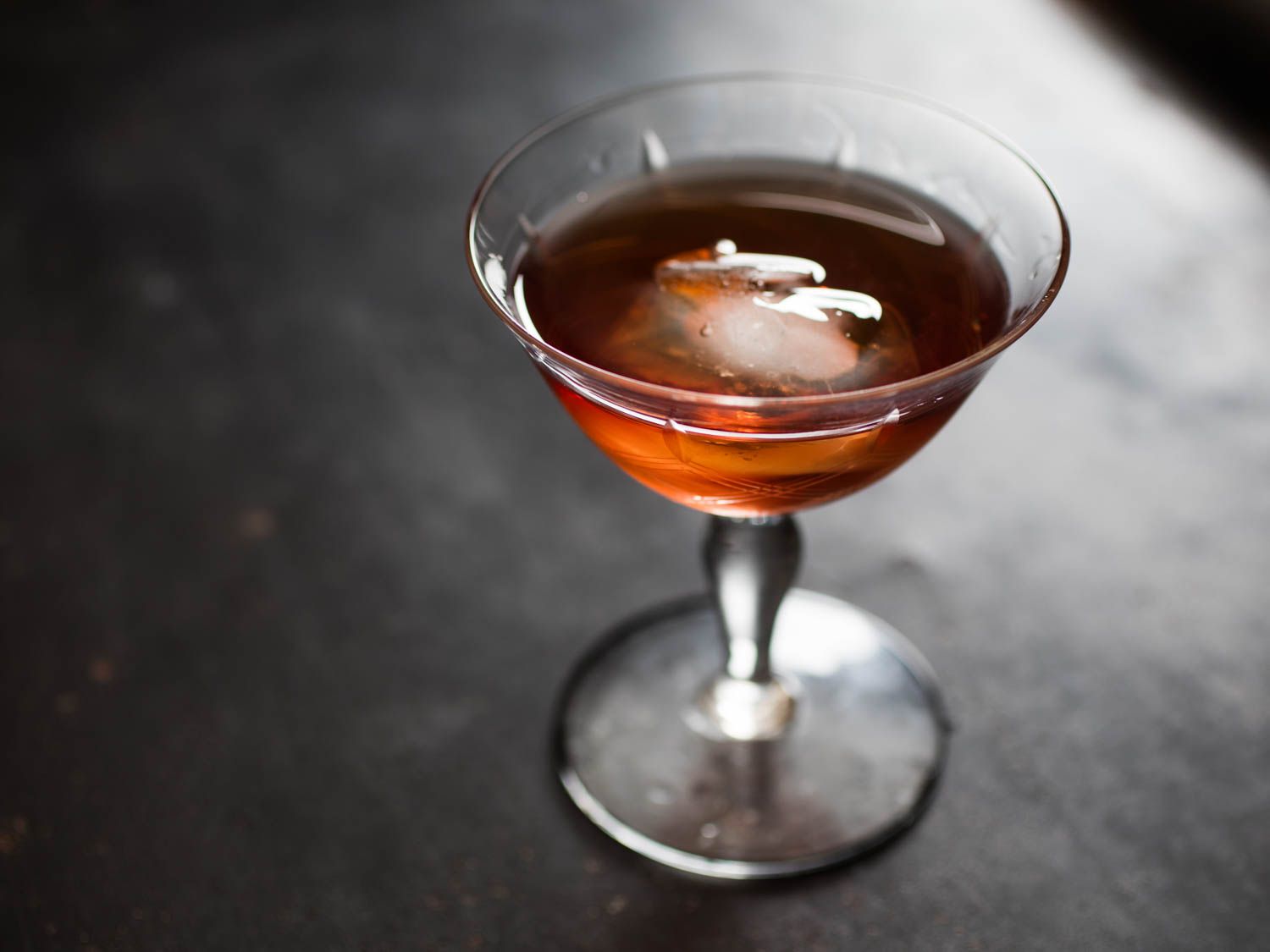
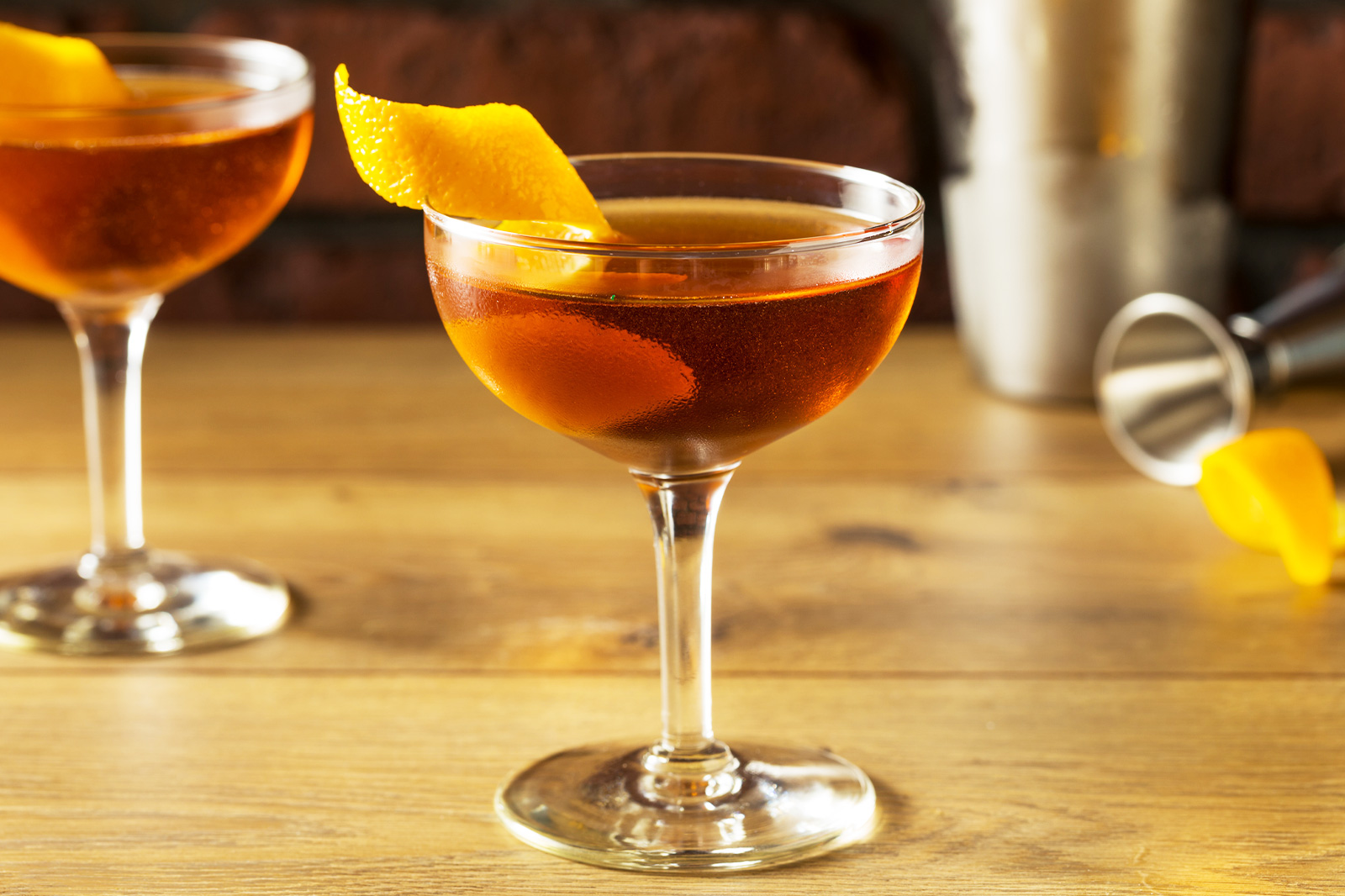
- Stirred, 30 seconds in a mixing glass: Classic Manhattan Cocktail with Sweet Vermouth and Cherry, Equal Parts Negroni Twist, and Smoked Cinnamon Maple Old Fashioned.
- Built in the glass, no shaker at all: Classic Venetian Prosecco and Aperol Spritz and Citrus Gin and Tonic Highball.
For a seasonal run at all of these, our 25 Fall Cocktails roundup covers apple, bourbon, and spiced builds, and 22 End-of-Summer Cocktails covers the warm-weather half.
Next up on the calendar: the 18 Halloween Cocktails list (most of it shaken, so the Boston tins earn their keep), Thanksgiving Cocktails: 20 Make-Ahead Drinks + Mocktails, and for a crowd, the 20 Pitcher Cocktails. Batching skips the shaker entirely, so measure the water in with a jigger. For the canon, work through the 18 Classic Cocktails Every Home Bartender Should Know, then go by spirit with the 25 Margarita Recipes and the 20 Classic Rum Cocktails. Two good first shakes for new tins are the Shaken Citrus-Maple Whiskey Sour and the Cosmopolitan Twist with Fresh Lime. Browse the whole cocktails and drinks category when you want more.
Real-world numbers: shake, stir, and dilution
The reason tools matter is that a cocktail is a dilution problem. Water is an ingredient — usually the second-largest one — and how you add it determines whether the drink tastes balanced or hot.
| Technique | Duration | Final dilution | Final temp | Use for |
|---|---|---|---|---|
| Hard shake, cubed ice | 12-15 sec | 25-30% | -3 to 0°C | Citrus, egg, cream, juice |
| Short shake | 5-7 sec | 15-18% | 2-4°C | Drinks topped with soda |
| Stir, 3 large cubes | 30 sec | 20-24% | 5-7°C | All-spirit drinks |
| Over-stir | 60 sec | 30%+ | 4-6°C | Nothing — this is the error |
| Build in glass, no ice | 0 sec | 0% | ambient | Never do this |
Two practical consequences. First, if a drink tastes harsh, it's usually under-diluted, not under-sweetened — shake or stir longer before you add more syrup. Second, ice size matters more than ice quantity: three large cubes dilute more slowly and chill just as fast as a tin full of small ones, because chilling is driven by surface contact and dilution is driven by surface melt.
A worked example: the same drink, four ways
Take a whiskey sour — 2 oz bourbon, 3/4 oz lemon, 3/4 oz simple syrup.
Free-poured, shaken 5 seconds, no strainer. Somewhere between 1.7 and 2.4 oz of bourbon depending on the bottle's pour rate, under-diluted, with ice shards floating on top that keep diluting in the glass. It'll taste different every time you make it.
Jiggered, shaken 5 seconds. Correct proportions, but sharp and hot — you can taste the alcohol separately from the lemon because there isn't enough water to bind them.
Jiggered, shaken 14 seconds, single-strained. Balanced and cold, but with chips of ice riding on the surface. Fine in a rocks glass; wrong served up.
Jiggered, shaken 14 seconds, double-strained through a fine mesh. Silky, evenly cold, and it looks like it came from a bar. Total added effort over the first version: about 20 seconds and one extra tool.
That gap — between the first version and the last — is the entire argument for buying tools. It isn't craftsmanship; it's repeatability.
Common pitfalls
- Shaking too briefly. A proper shake is 12-15 seconds, hard, until the tin frosts. Most home shakes are five seconds and the drink comes out warm and under-diluted.
- Stirring a shaken drink. Anything with citrus, egg, or cream gets shaken. Anything all-spirits gets stirred. Stirring a sour leaves it flat and cloudy; shaking a Manhattan makes it hazy and over-aerated.
- Using old ice. Freezer ice absorbs odors and melts fast because it's full of air. Fresh ice, made that week, in a covered container.
- Not double-straining. For anything shaken with fruit or herbs, pour through the Hawthorne and a fine-mesh strainer. Otherwise the drink has pulp in it.
- Washing tins in the dishwasher with detergent residue. Any soap film changes how a drink foams. Rinse tins hot immediately after use instead.
When NOT to buy any of this
If you make two drinks a year, a $10 jigger and a pint glass will get you there — you can shake in a mason jar and strain through the lid. Tools are worth buying at roughly the point you're making drinks weekly. And if you mostly drink wine, beer, or highballs, skip the shaker entirely and spend the money on glassware and a good ice tray instead; nothing in this guide improves a gin and tonic.
Buying for someone else? Our kitchen gifts under $50 guide has a cocktail-maker row (a double jigger under $15 and a 10-piece shaker set) next to the small tools any home cook will use every week.
Sources
Technique, dilution, and tool-design context cross-checked against Serious Eats — Bar Tools and Cocktail Equipment, Wikipedia — Cocktail shaker for the cobbler-vs-Boston history, Wikipedia — Cocktail strainer for Hawthorne vs julep strainer design, and Wikipedia — Jigger for measure standards.
Frequently asked questions
Do I need a Boston shaker or a cobbler shaker?
What jigger size do I actually need?
Is a Lewis bag and mallet worth it for crushed ice?
What is the difference between a Hawthorne and a julep strainer?
Can I make cocktails from AislePrompt recipes using only what I have?
What is a French or Parisian cocktail shaker, and is it worth it?
How we picked
This guide is researched, not bench-tested. We shortlisted products from the AislePrompt kitchen catalog and compared them on published manufacturer specifications (such as materials, size and capacity), on what owners report in published reviews, and on any third-party sources linked in this guide. The guide was drafted with AI assistance. We did not run lab or hands-on tests of these products, so any measurement quoted here comes from the manufacturer or a cited source. Prices change often: use the “Check price on Amazon” buttons for today’s price.
Recipes to try with your bar tools
Put your gear to work — save any recipe to My Recipes (no account needed) and send its ingredients to Instacart in one tap.

Shop kitchen gadgets on AislePrompt →Browse the full kitchen shop →