Mid-Roast Chicken with Honey Mustard Glaze
A medium-heat roasted chicken brushed with a sweet and tangy honey mustard glaze that caramelizes beautifully. This Middle Eastern recipe, ready in about 65 minutes, pairs whole chicken, honey, Dijon mustard for a weeknight-friendly dinner that comes together with one pan and minimal cleanup. Each serving lands at about 400 calories and feeds 4, so it slots cleanly into a weekly meal plan and pairs well with a quick salad or grain on the side. Tap "Plan a meal with the AI" below to drop this recipe into your week and send the ingredients straight to Instacart. Nutrition values are approximate, calculated from USDA FoodData Central (fdc.nal.usda.gov) — verify against ingredient labels for any health-driven dietary plan.
Ingredients
- 3 lbs whole chicken
- 3 tbsp honey
- 2 tbsp Dijon mustard
- 2 tbsp olive oil
- 3 garlic cloves, minced
- 1 tsp salt
- 1/2 tsp black pepper
- 1 tbsp fresh thyme
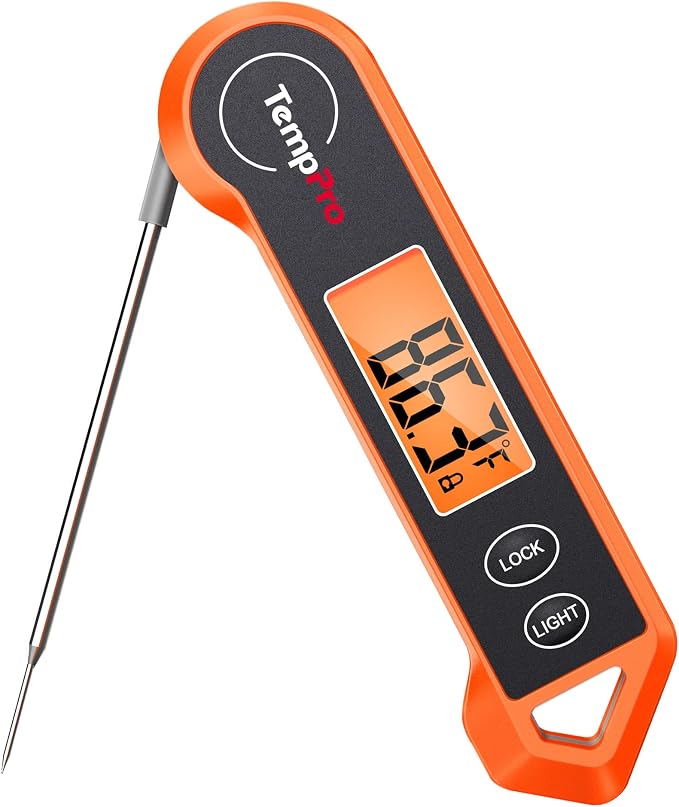
The instant-read thermometer we’d check this chicken with → Best Instant-Read Thermometers for 2026: Fast, Accurate Picks Under $100
Affiliate disclosure: AislePrompt may earn a commission on qualifying purchases made through Amazon links, at no additional cost to you. See our policy →
Equipment for this recipe
Tools this recipe's steps call for, with a link to each on Amazon.
Instructions
- Step 1: Preheat oven to 375°F (mid-temperature). Rinse and pat dry the 3 lbs whole chicken. Season the chicken inside and out with 1 tsp salt and 1/2 tsp black pepper.
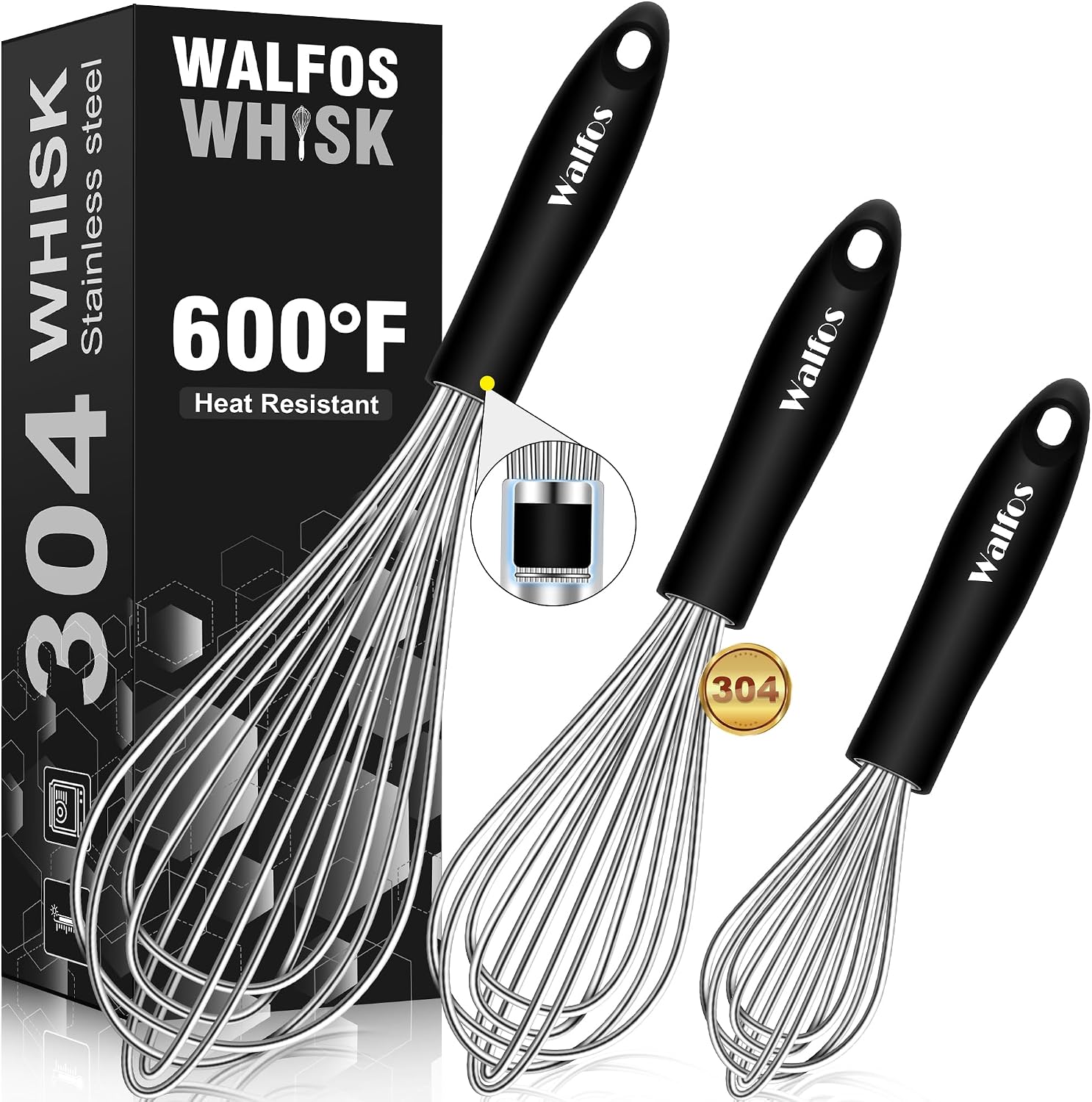
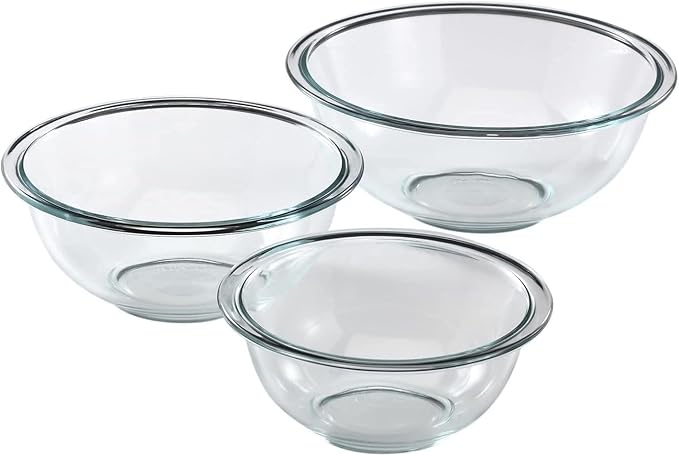
- Step 2: In a small bowl, whisk together 3 tbsp honey, 2 tbsp Dijon mustard, 2 tbsp olive oil, 3 minced garlic cloves, and 1 tbsp fresh thyme until smooth and combined.
- Step 3: Place the chicken breast-side up on a roasting rack in a pan. Brush generously with half of the honey mustard glaze.
- Step 4: Roast in the oven for 50 minutes, basting every 15 minutes with the remaining glaze, until the internal temperature reaches 165°F and the skin is golden and caramelized.
- Step 5: Remove chicken from oven, let rest for 10 minutes before carving to allow juices to redistribute.
Related recipes
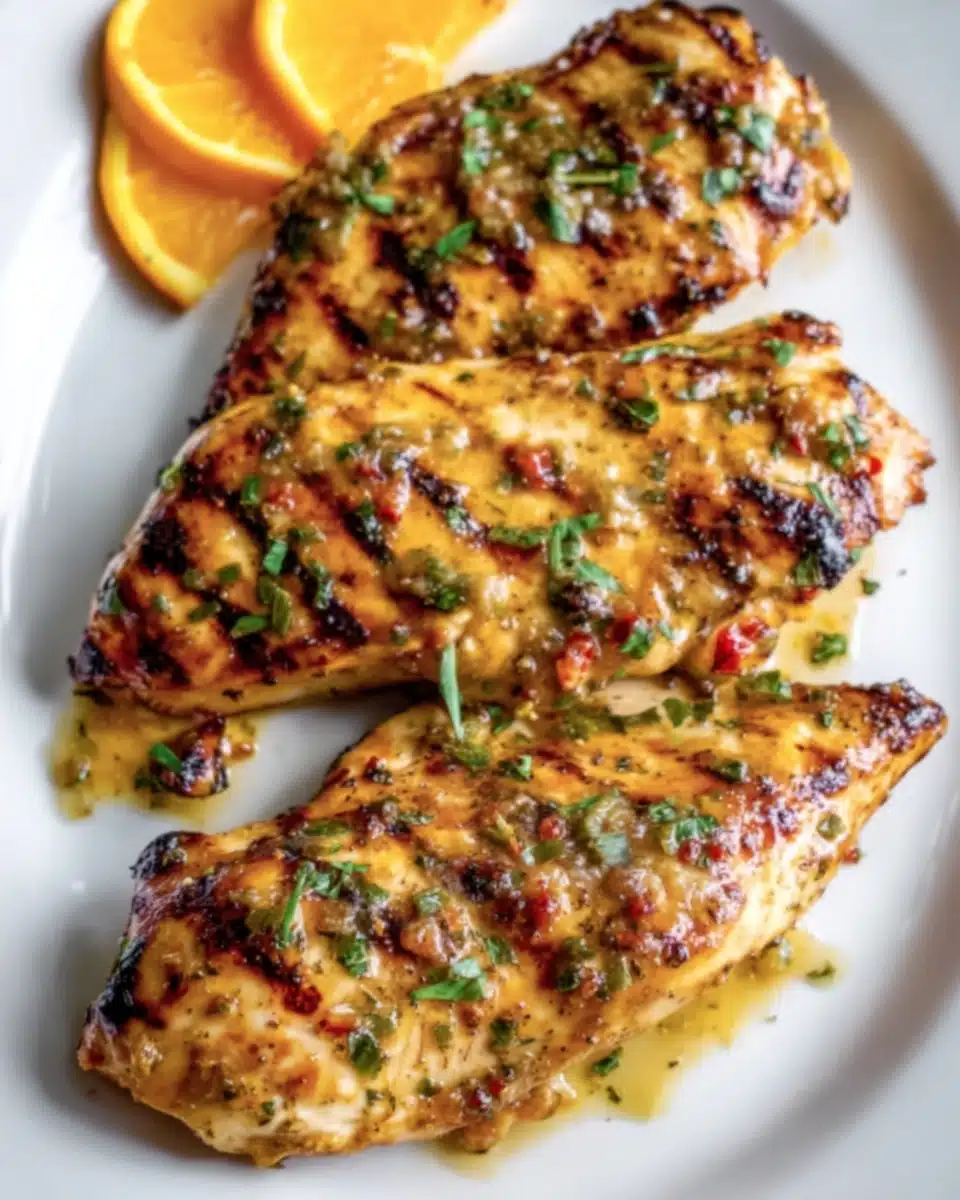
Midnight Spice Grilled Chicken with Charred Citrus Glaze
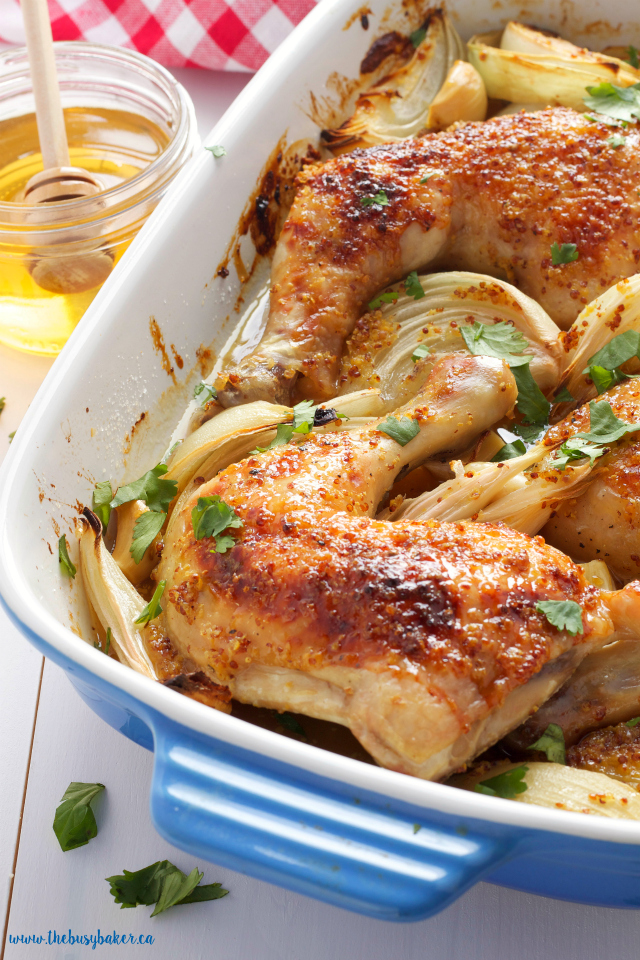
Mid-Roast Chicken with Honey-Mustard Glaze
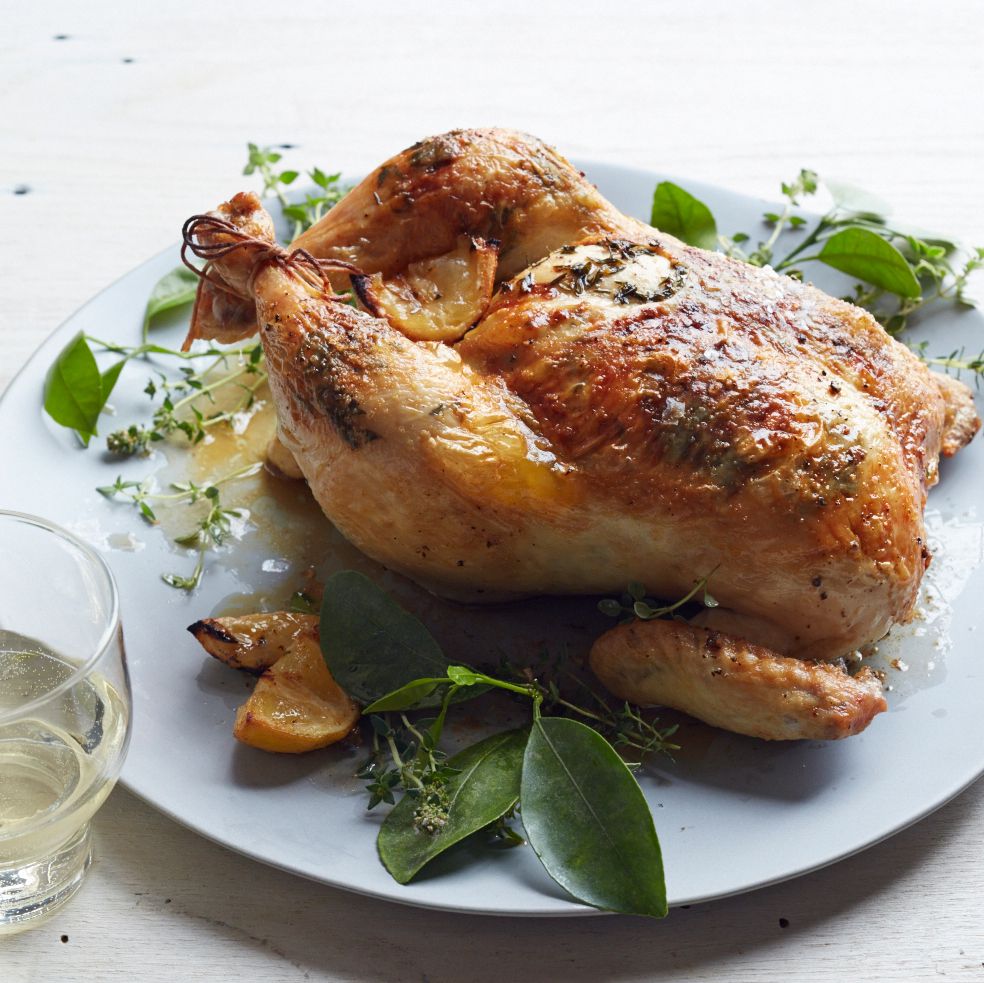
Mid-Roast Chicken with Citrus and Thyme

Mid-Roast Chicken with Spiced Middle Eastern Za'atar Glaze

Mid-Roast Chicken with Citrus and Herb Glaze
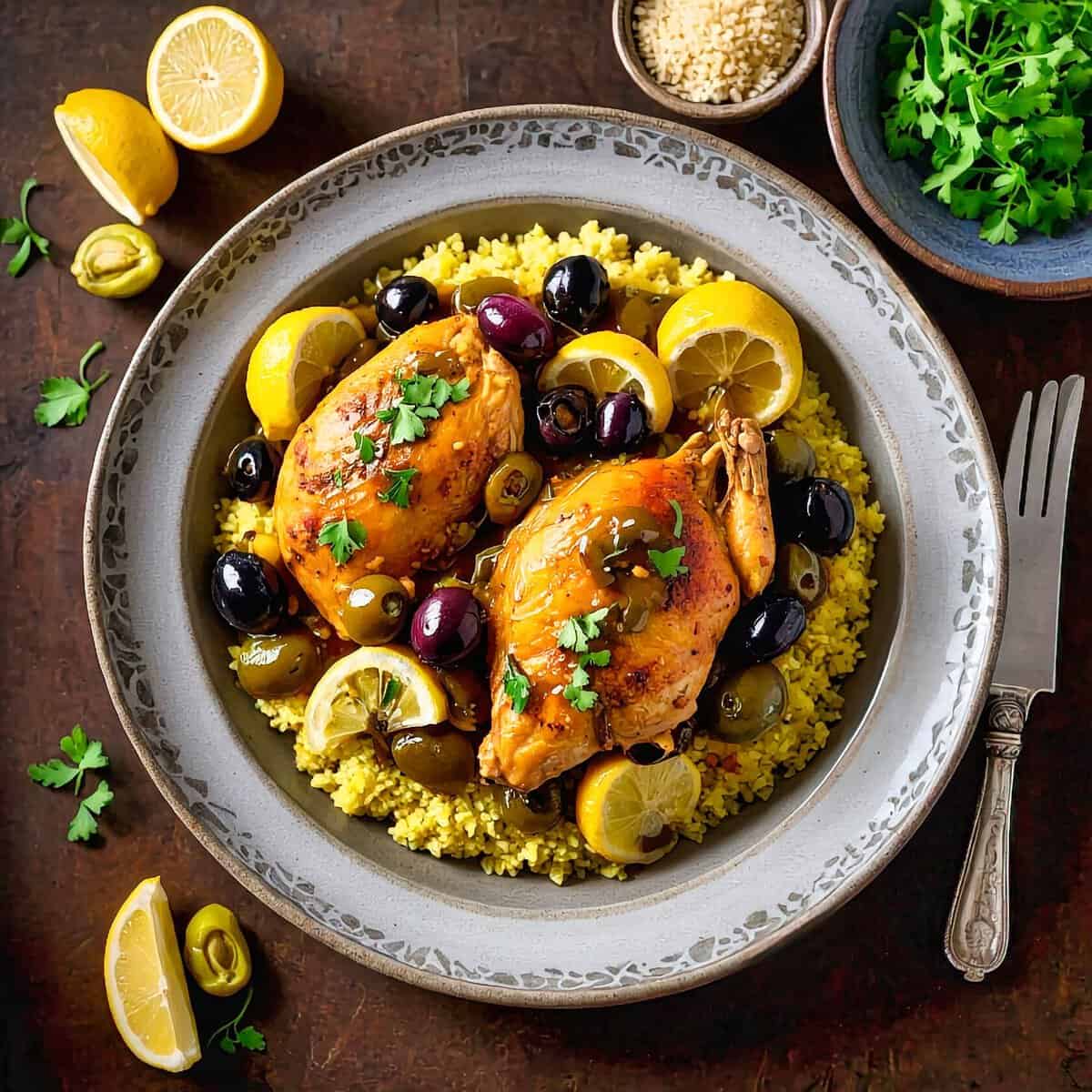
Mid-Roast Chicken with Middle Eastern Spices and Preserved Lemon