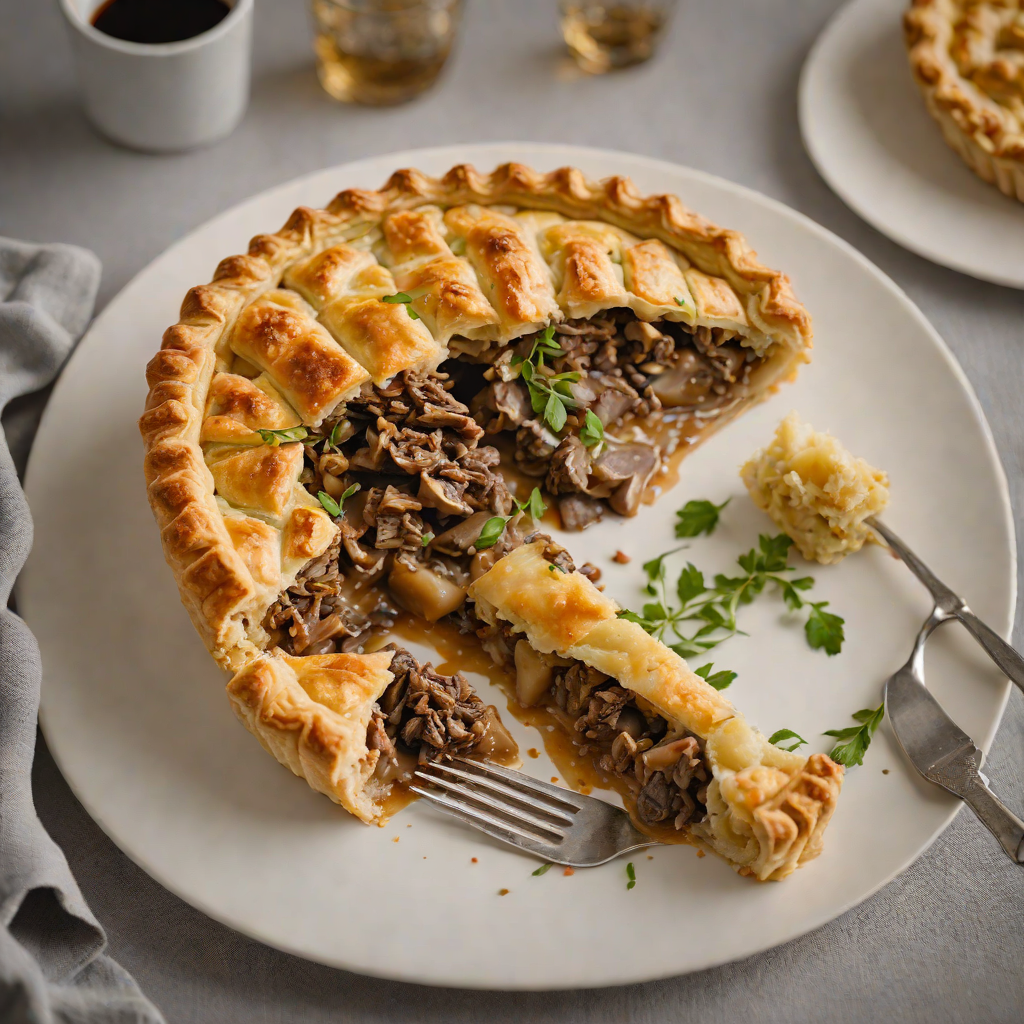
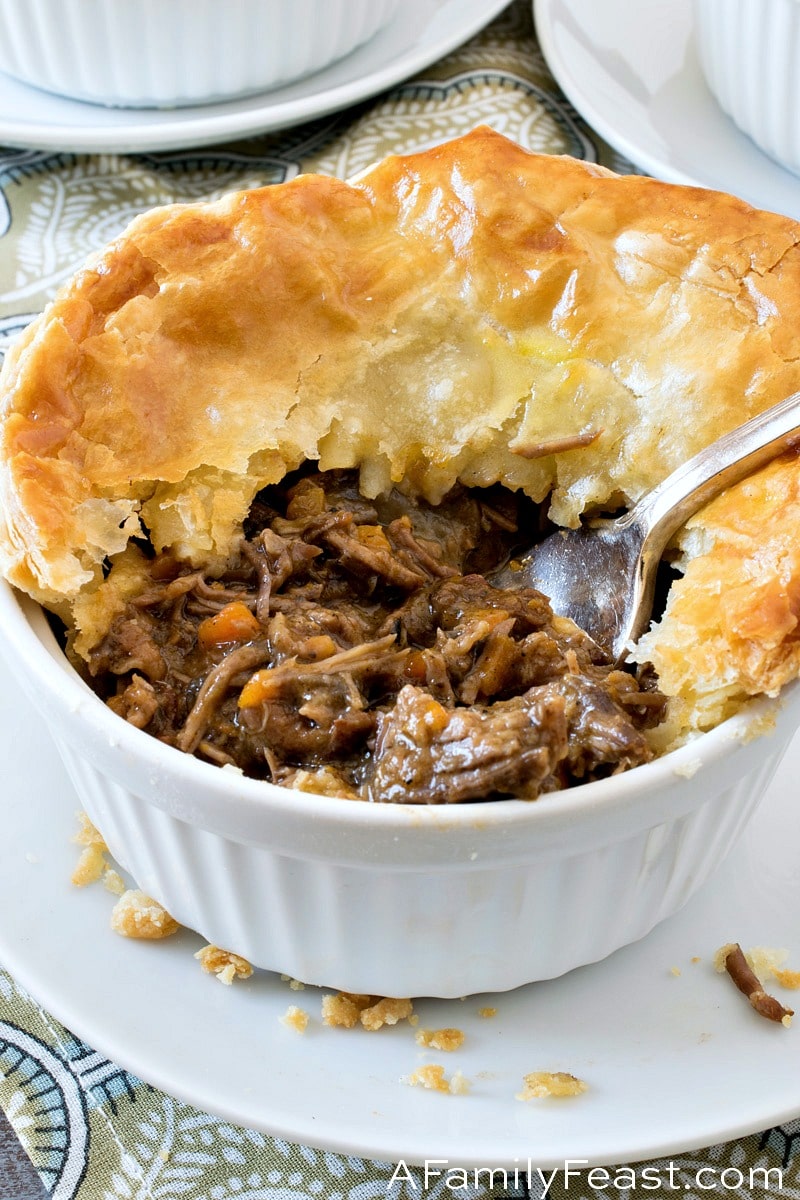
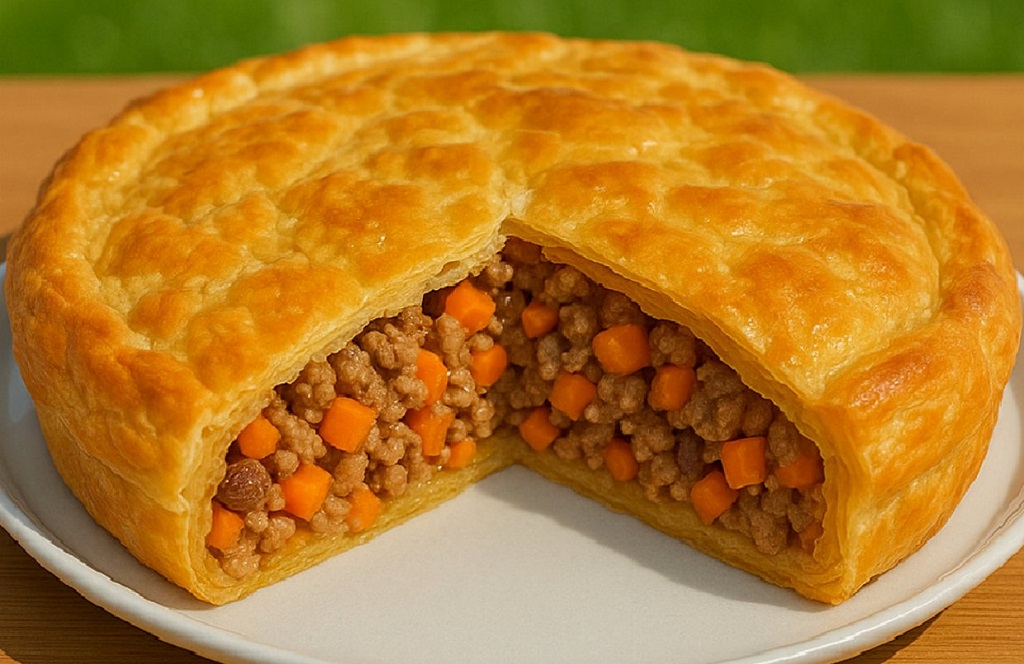
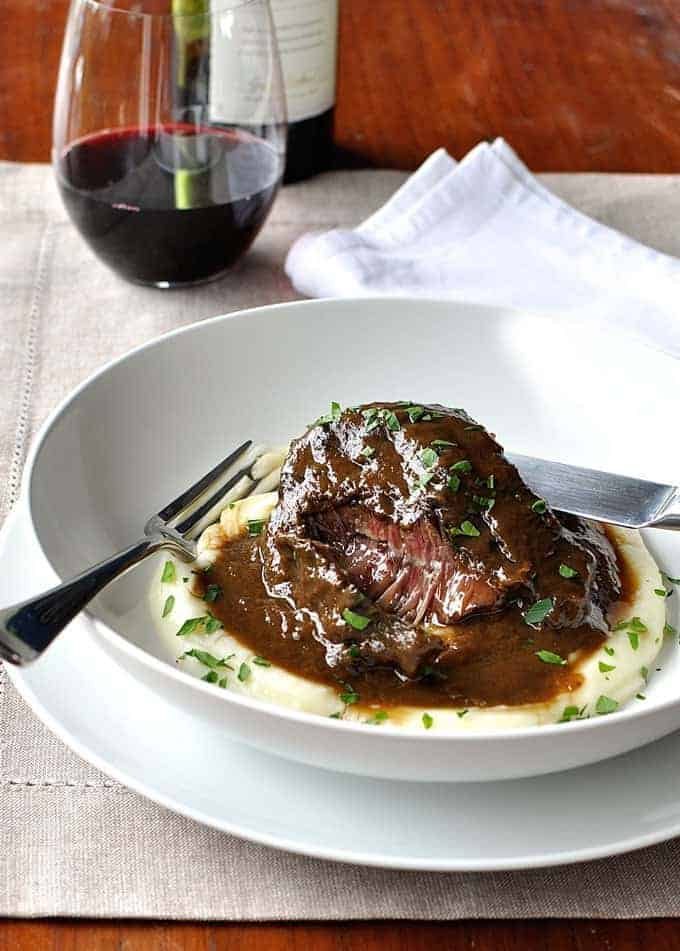
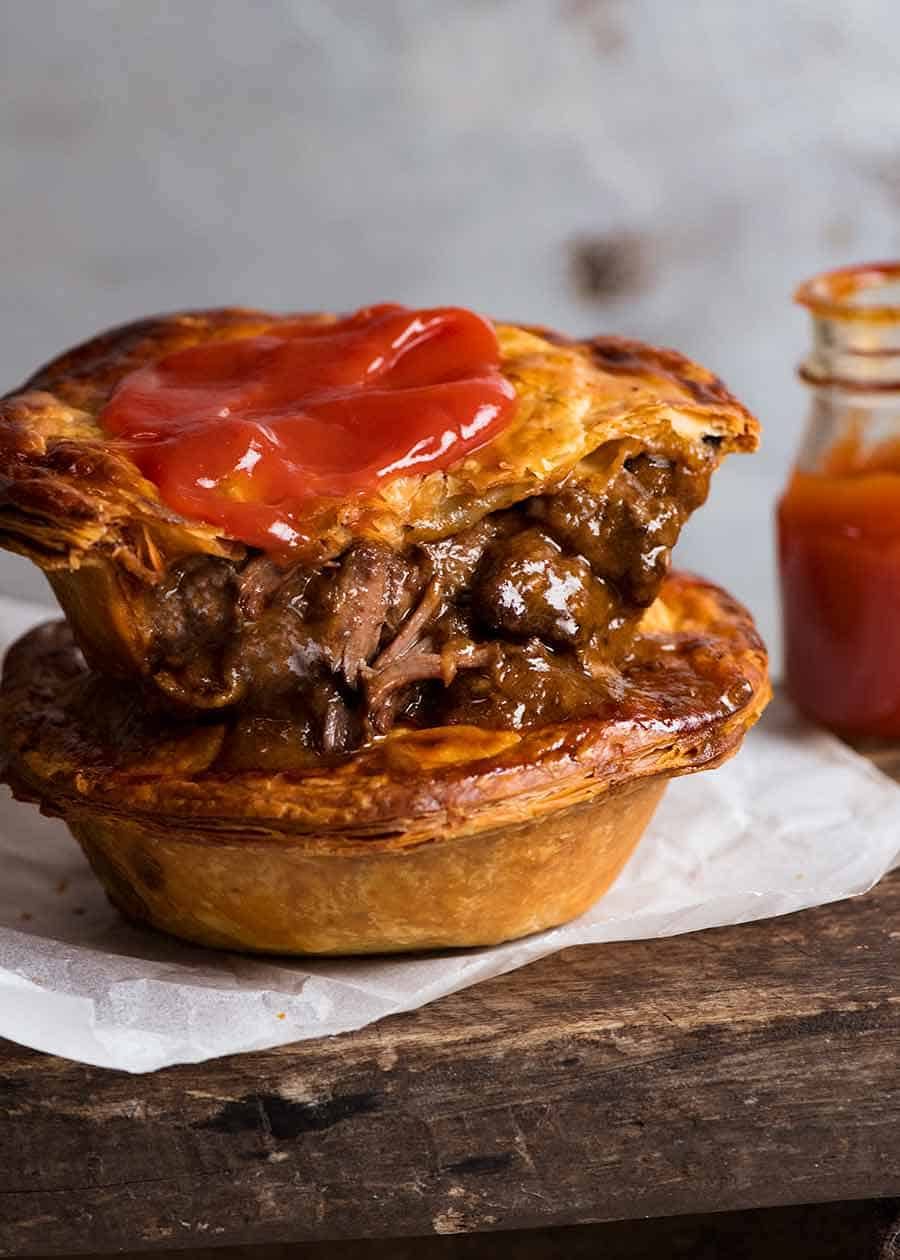
Slow-Baked Beef and Rosemary Meat Pie
A classic Australian meat pie filled with slow-cooked beef and fragrant rosemary in a flaky golden pastry crust. This australian-inspired beef ready in about 165 minutes layers beef chuck, cubed, medium, finely chopped onion, minced garlic cloves into a dessert worth slowing down for — great for weekend baking, holiday tables, or any time you want a sweet payoff at the end of a meal. Each serving lands at about 550 calories and feeds 4, so it slots into a weekend bake or a special-occasion dessert tray. Tap "Plan a meal with the AI" below to drop this recipe into your week and send the ingredients straight to Instacart. Nutrition values are approximate, calculated from USDA FoodData Central (fdc.nal.usda.gov) — verify against ingredient labels for any health-driven dietary plan.
Ingredients
- 1.5 lb beef chuck, cubed
- 1 medium, finely chopped onion
- 2 cloves, minced garlic cloves
- 1 medium, diced carrot
- 2 sprigs, finely chopped fresh rosemary
- 1 cup beef broth
- 2 tbsp tomato paste
- 2 tbsp all-purpose flour
- 2 tbsp olive oil
- 1 tsp salt
- 1/2 tsp black pepper
- 2 sheets, thawed frozen puff pastry sheets
- 1, beaten for egg wash egg
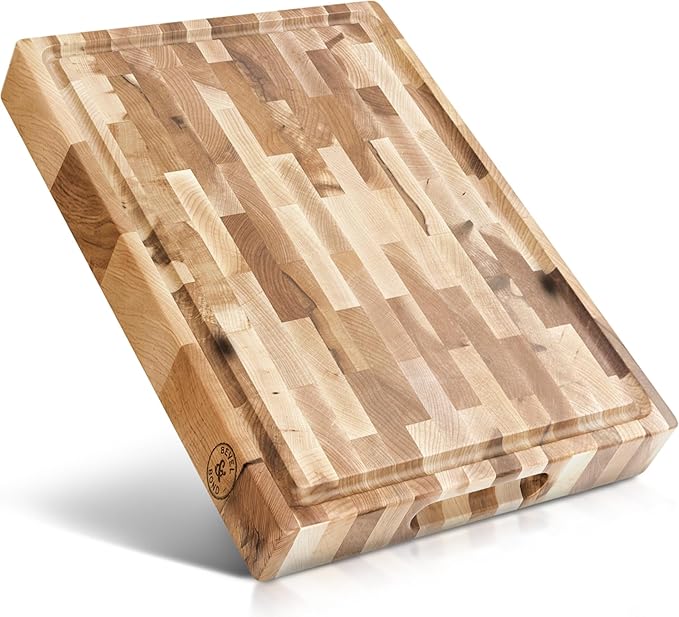
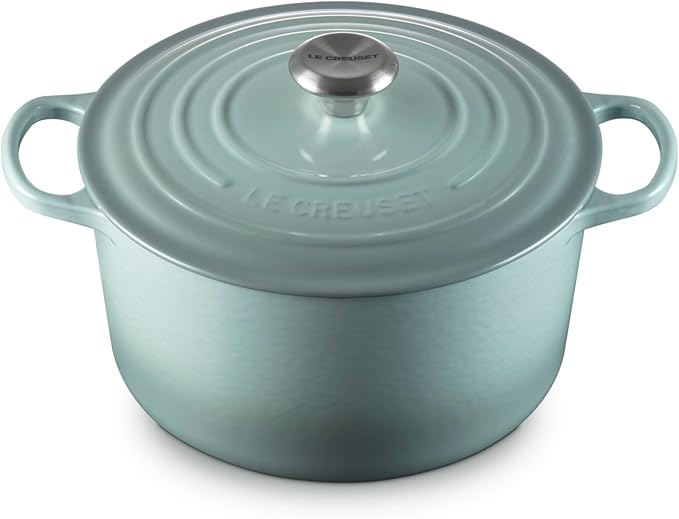
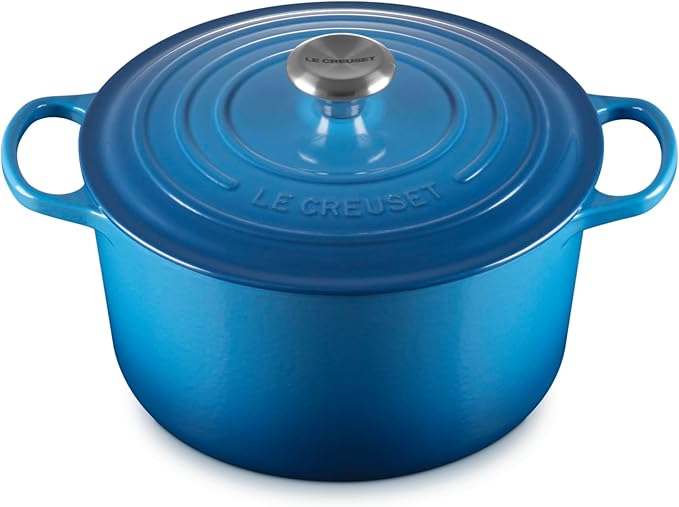
Equipment for this recipe
Top-rated tools to make this recipe successfully.

Instructions
- Step 1: Preheat oven to 325°F (160°C). Heat 2 tablespoons olive oil in a heavy-based pan over medium heat. Add 1 medium finely chopped onion and 2 minced garlic cloves, sautéing for 3-4 minutes until translucent and fragrant.
- Step 2: Add 1.5 pounds cubed beef chuck to the pan and brown on all sides for 5-6 minutes.
- Step 3: Stir in 1 diced medium carrot, 2 tablespoons tomato paste, and 2 tablespoons all-purpose flour, cooking for 2 minutes to coat the beef and vegetables.
- Step 4: Pour in 1 cup beef broth and add 2 sprigs finely chopped fresh rosemary, 1 teaspoon salt, and 1/2 teaspoon black pepper. Bring to a simmer, cover, and transfer to the oven.
- Step 5: Bake the beef mixture for 2 hours until the meat is tender and the sauce has thickened, stirring halfway through.
- Step 6: Increase oven temperature to 400°F (200°C). Roll out 2 thawed puff pastry sheets and cut to fit your pie dishes.
- Step 7: Spoon the beef mixture into four 8-ounce pie dishes. Cover each with a pastry sheet, sealing edges with beaten egg and cutting a small slit on top for steam.
- Step 8: Brush the pastry tops with the remaining beaten egg and bake for 20-25 minutes until the pastry is puffed and golden.
- Step 9: Let pies cool slightly before serving.
Frequently asked questions
How long does Slow-Baked Beef and Rosemary Meat Pie take to make?
Total time is about 165 minutes (20 min prep + 145 min cook). Most home bakers find this fits a weekend afternoon; chill or store as the recipe directs before serving.
How do I store leftover Slow-Baked Beef and Rosemary Meat Pie?
Cool fully before storing. Most baked desserts keep at room temperature in an airtight container for 2–3 days, or in the fridge for up to 5 days. Cream- or custard-based desserts must go in the fridge within 2 hours; reheat gently or serve cold per the recipe.
Can I substitute ingredients in Slow-Baked Beef and Rosemary Meat Pie?
Yes — most ingredients in this recipe have flexible swaps. For oil, use any neutral high-smoke-point oil (avocado, grapeseed, refined coconut). For aromatics, dried herbs at ⅓ the volume of fresh work in a pinch. The full ingredient list is shoppable on Instacart so you can see substitutes in real time.
How do I scale Slow-Baked Beef and Rosemary Meat Pie for a different number of people?
The recipe is written for 4 servings. Multiply each ingredient by (your serving target / 4). Cook time stays roughly the same up to 2x; for 3-4x batches, switch from a skillet to a sheet pan or stockpot so the food isn't crowded — overcrowding steams instead of browns.
What goes well with Slow-Baked Beef and Rosemary Meat Pie?
Australian beef like this pair well with a simple grain (rice, couscous, or crusty bread), a quick salad with acid (lemon vinaigrette, pickled onions), and a pan sauce or yogurt-based dip. Tap "Plan a meal with the AI" to get specific side suggestions.