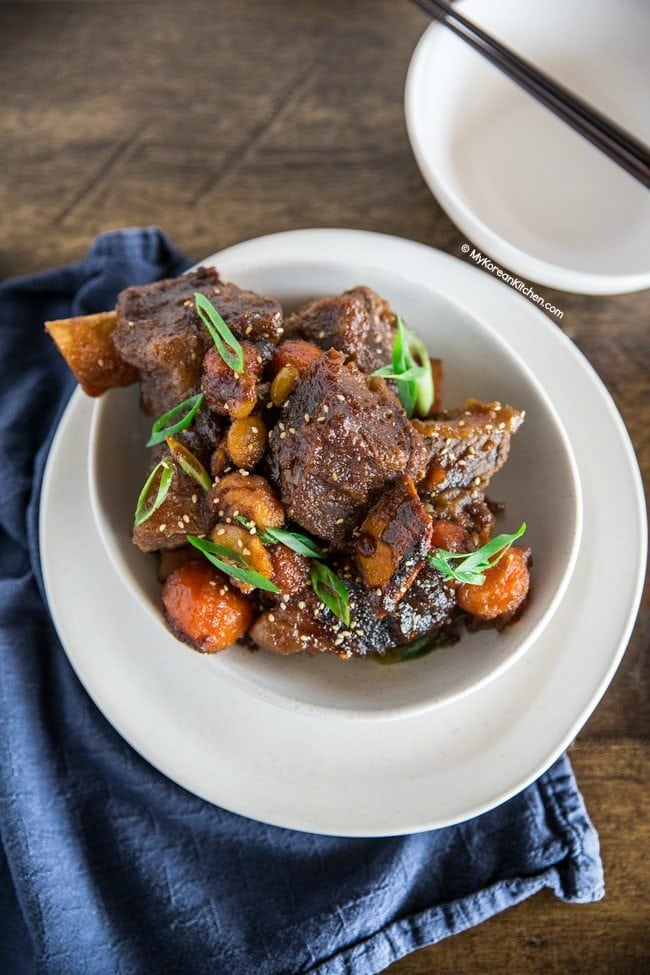
Slow Cooker Korean-Style Beef Short Ribs with Gochujang Glaze
Tender slow-cooked beef short ribs smothered in a sweet and spicy Korean gochujang sauce, perfect for comforting weeknight dinners. This Korean-inspired dumpling recipe, ready in about 435 minutes, pairs beef short ribs, soy sauce, gochujang (Korean chili paste) for a weeknight-friendly dinner that comes together with one pan and minimal cleanup. Each serving lands at about 620 calories and feeds 4, so it slots cleanly into a weekly meal plan and pairs well with a quick salad or grain on the side. Tap "Plan a meal with the AI" below to drop this recipe into your week and send the ingredients straight to Instacart. Nutrition values are approximate, calculated from USDA FoodData Central (fdc.nal.usda.gov) — verify against ingredient labels for any health-driven dietary plan.
Ingredients
- 2 lbs (900 g) beef short ribs
- 1/4 cup soy sauce
- 3 tbsp gochujang (Korean chili paste)
- 2 tbsp brown sugar
- 1 tbsp rice vinegar
- 5, minced garlic cloves
- 1 tbsp, grated ginger
- 1 tbsp sesame oil
- 2 stalks, sliced green onions
- 1 tbsp toasted sesame seeds
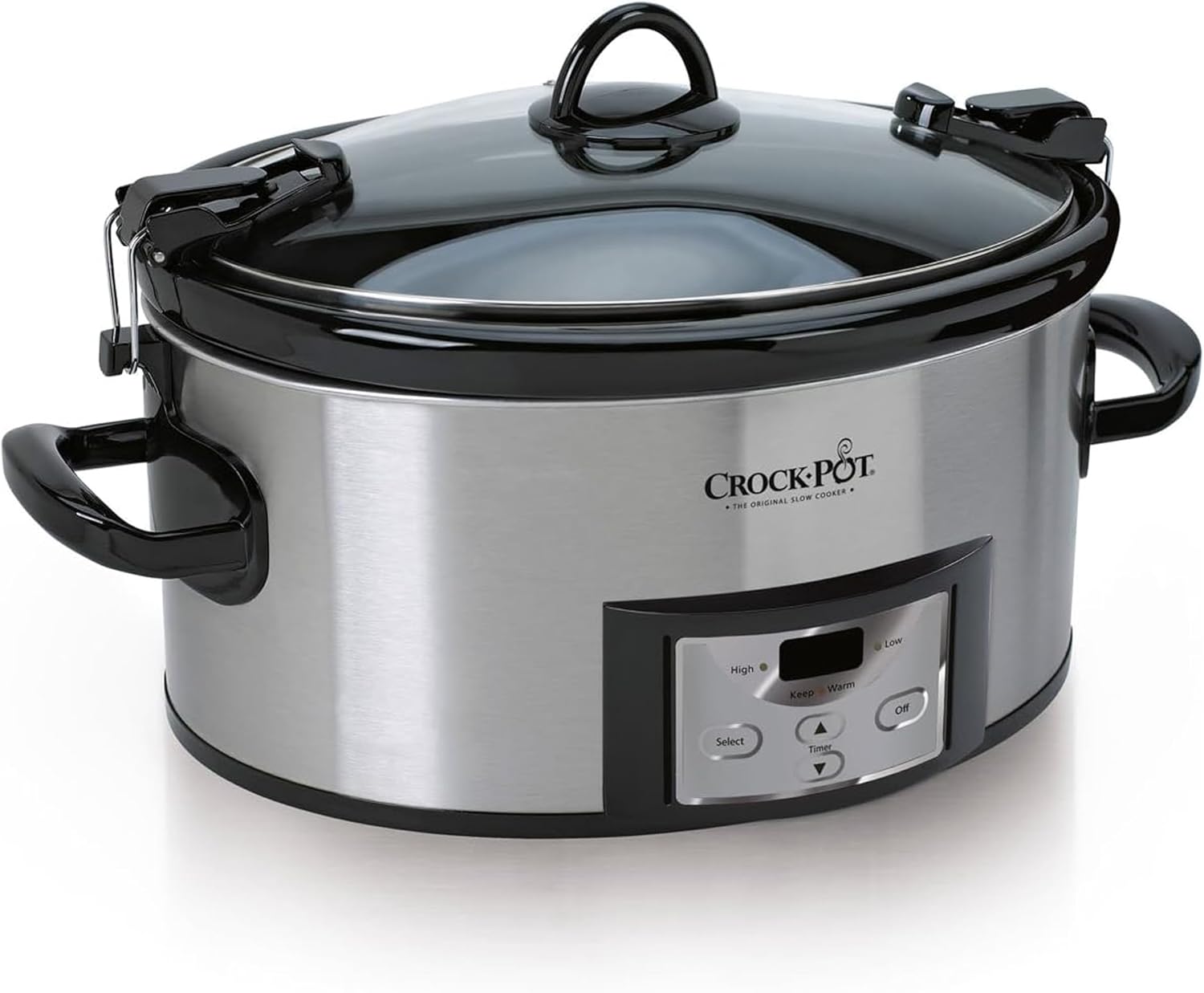
The slow cooker we’d leave this in all day → Best Slow Cookers in 2026: Top Picks + Buying Guide
Affiliate disclosure: AislePrompt may earn a commission on qualifying purchases made through Amazon links, at no additional cost to you. See our policy →
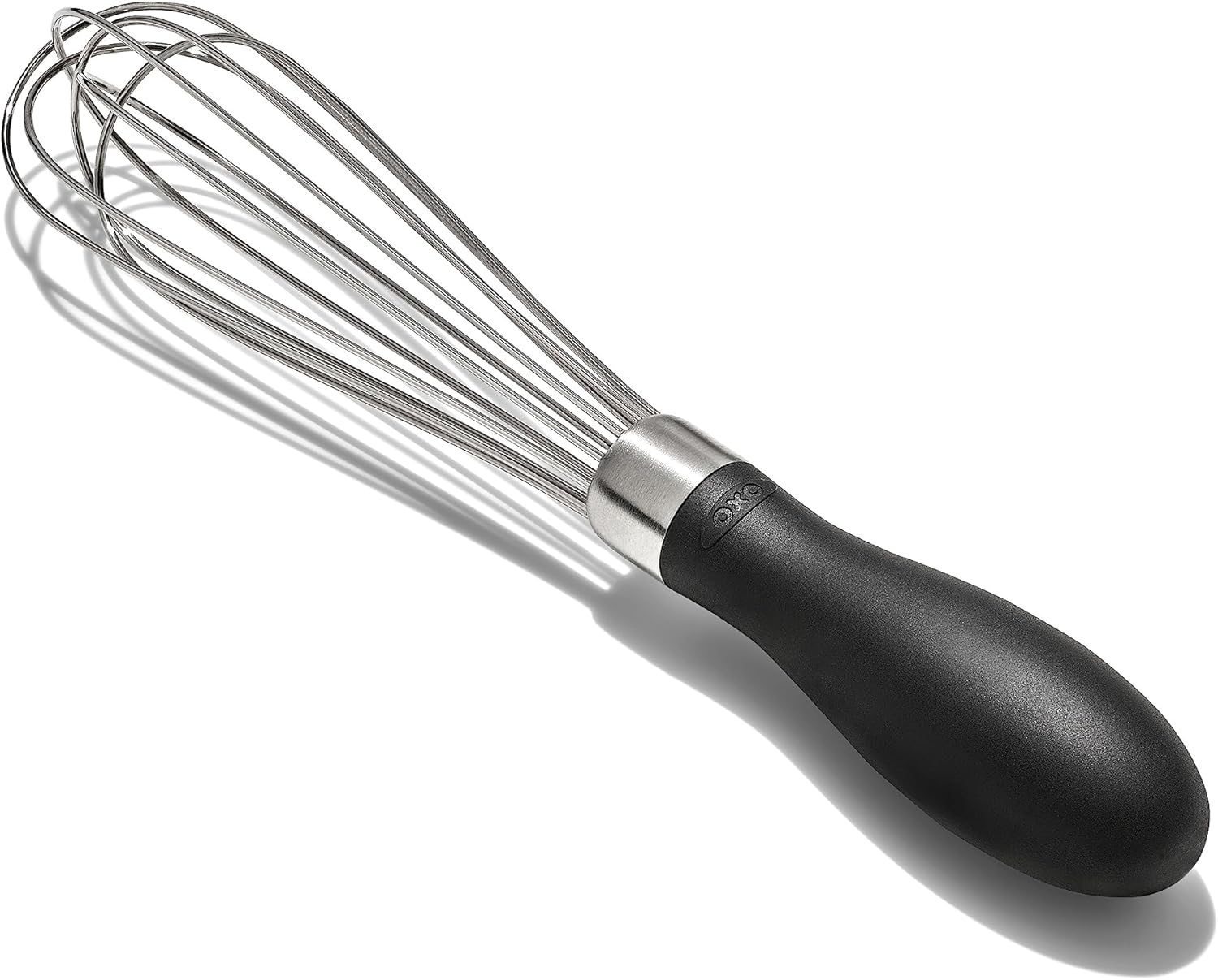
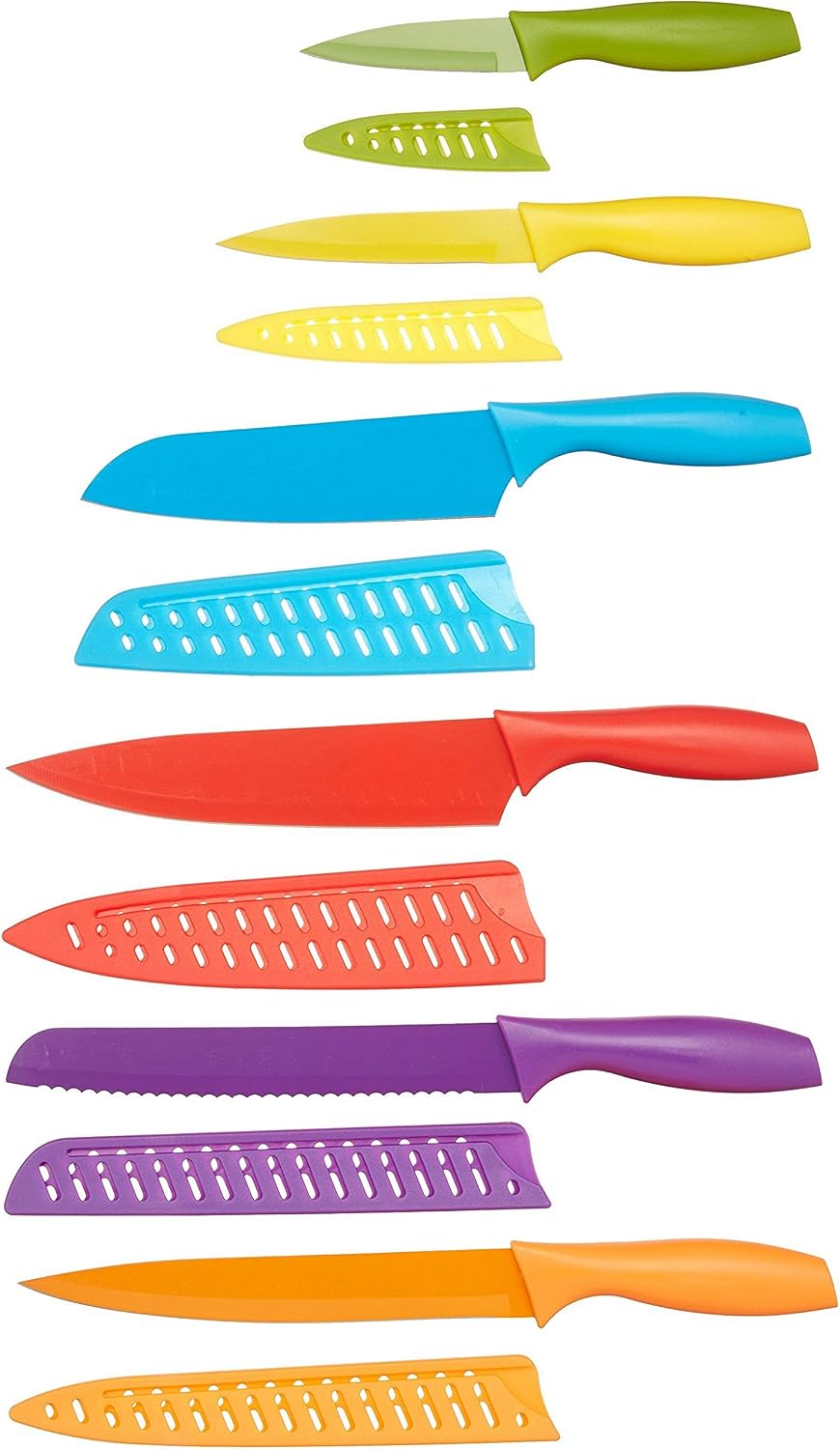
Equipment for this recipe
Tools this recipe's steps call for, with a link to each on Amazon.

Instructions
- Step 1: Pat dry 2 lbs beef short ribs and place them in the slow cooker.
- Step 2: In a bowl, whisk together 1/4 cup soy sauce, 3 tbsp gochujang, 2 tbsp brown sugar, 1 tbsp rice vinegar, 5 minced garlic cloves, 1 tbsp grated ginger, and 1 tbsp sesame oil until smooth.
- Step 3: Pour the sauce over the short ribs, turning the ribs to coat evenly.
- Step 4: Cover and cook on low for 7-8 hours or on high for 4-5 hours until the meat is fall-off-the-bone tender.
- Step 5: Before serving, sprinkle with 2 sliced green onions and 1 tbsp toasted sesame seeds for garnish. Serve with steamed rice or kimchi.
Related recipes

Spicy Korean-Inspired Beef and Rice Bowl

Slow-Cooked Korean Beef Short Ribs with Gochujang Glaze
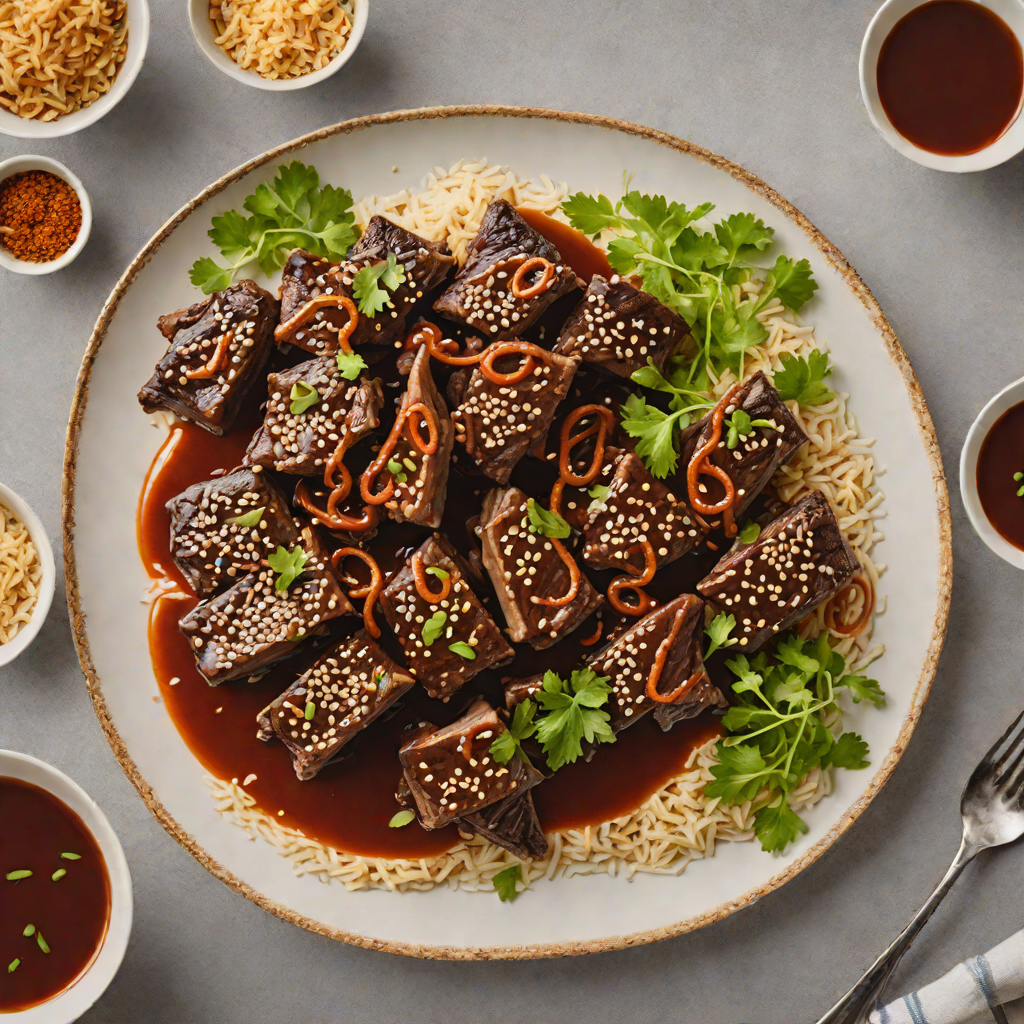
Slow Cooker Korean-Style Beef Short Ribs with Gochujang and Sesame

Glazed Korean-Style Beef Bulgogi Lettuce Wraps
Soy-Garlic Glazed Korean Beef Short Ribs

Spicy Korean-Style Beef Bibimbap with Sesame-Garlic Sauce