22 One-Pot Pasta Dinners: 30-Minute Weeknight Recipes with Just One Pan
The one-pan pasta technique explained, plus 10 catalog-tested recipes and 12 pantry variations — every dinner on the table in under 30 minutes with a single vessel to wash.
One-pot pasta is a technique, not a shortcut: dry noodles simmered directly in their sauce so the starch they release thickens the pan into a glossy, cling-y coating no strain-and-mix method can match. Below are 22 dinners built on that method — 10 catalog-tested recipes plus 12 pantry variations — every one on the table in under 30 minutes with a single pan to wash. This is the working weeknight playbook for tomato, creamy, chicken, shrimp, vegetarian, and skillet-to-oven pastas.
Get a free week of easy dinners
Seven weeknight dinners with the shopping list already totalled, sent Sunday. No account needed, unsubscribe in one click.
No spam, unsubscribe in one click. Recipes, shopping lists and Instacart carts all work without an account either way.
The one-pot pasta technique — get it right the first time
Every recipe below runs on the same governing ratio: 1 pound of dry pasta, 4 cups of liquid, cooked at a hard simmer for 9–11 minutes. Get the ratio right and the pasta cooks al dente while the starch it sheds thickens the pan into a sauce. Get it wrong and you either boil the pan dry (too little liquid) or drown the noodles in soup (too much).
Four rules the recipes assume you'll follow:
1. Bring the pan to a boil before dropping the pasta. Cold-start recipes ("everything in the pot at once") work in laboratory conditions and fail on a real stove because the cook time drifts by 3–4 minutes depending on your burner. Boil first, then add pasta.
2. Use a 12-inch straight-sided skillet or a 5-quart Dutch oven. A 10-inch nonstick pan crowds the noodles and produces pale, gummy patches. The Le Creuset 5.5-qt round Dutch oven is the reference vessel in our test kitchen; any wide, heavy-bottomed pan holds heat evenly enough.
3. Stir 3–4 times, not constantly. Constant stirring prevents the starch from binding into a sauce; too little stirring welds noodles together at the bottom. Set a timer and stir at 3, 6, and 9 minutes.
4. Pull the pot off heat 1 minute before the pasta hits al dente. Residual liquid keeps cooking the noodles as you plate. This is where 90% of home cooks overshoot.
Salt matters. Dry pasta absorbs the seasoning of its cooking liquid — under-salt and you'll never fix it at the table. Use 1 tablespoon Diamond Crystal kosher salt (or 2 teaspoons Morton) per 4 cups of liquid, minimum. Restaurant kitchens use double that.
The starch-release effect only works with wheat-based semolina pastas (spaghetti, penne, rigatoni, orzo, campanelle). Gluten-free chickpea or rice pastas release different starches and need adjustments — see the FAQ.
Tomato-based one-pot pastas
Tomato sauce is where one-pot pasta shines: the acid brightens the starchy cooking water, the tomatoes break down into a rustic ragù, and you never dirty a second pan. Three catalog recipes anchor this section.
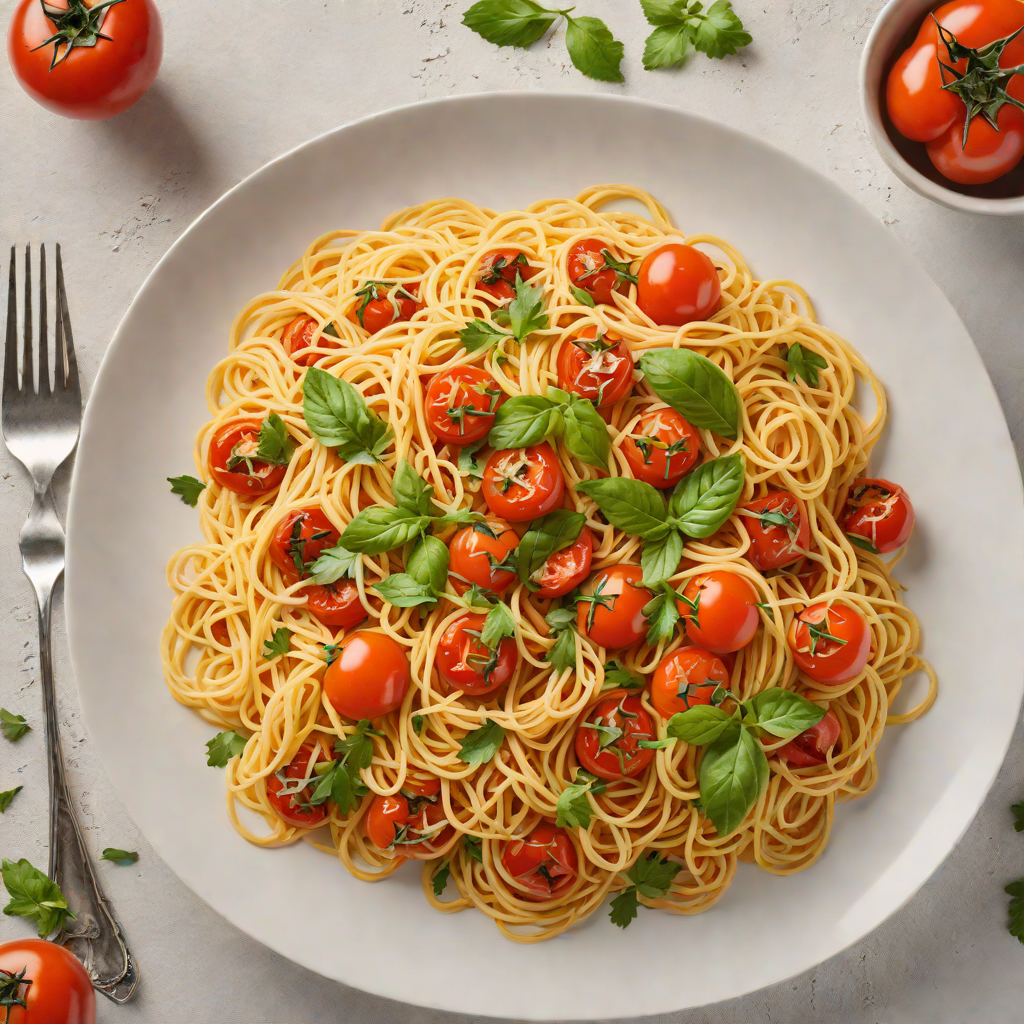
Start with One-Pot Tomato Basil Pasta — the platonic ideal of the technique. Cherry tomatoes, garlic, dry spaghetti, and 4 cups of water go in cold; you bring it to a boil, cook 10 minutes with 3 stirs, and finish with torn basil and a shower of Parmesan. Total active time: 6 minutes. The 20-minute total makes this the fastest dinner in this guide.
For a smokier profile, One-Pot Spaghetti with Garlic and Roasted Tomatoes blisters halved cherry tomatoes in olive oil first, then adds the spaghetti and hot water so the tomatoes' caramelized sugars are already dissolved when the pasta hits the pan. Uses one extra step but the result reads as if it simmered for an hour.
The third tomato workhorse — One-Pot Cheesy Beef Taco Pasta — is not what it sounds like. Ground beef, taco seasoning, canned diced tomatoes, and shell pasta cook together, then get finished with melted cheddar off the heat. It's the recipe kids ask for by the second week and it hits the table in 20 minutes.
Three pantry variations that adapt the same base:
- Puttanesca: swap in olive oil, capers, black olives, and anchovies at the top. Skip cheese; finish with parsley.
- Amatriciana: crisp diced pancetta or thick-cut bacon before the tomatoes go in. Finish with Pecorino.
- Vodka: add 1/2 cup vodka + 1/4 cup heavy cream in the last 3 minutes of cook time. Cream last, always — dairy breaks under a hard boil.
Creamy one-pot pastas (no cream required)
The most-misunderstood category. Cream isn't what makes one-pot pastas creamy — starch is. The pasta sheds enough during the cook to emulsify with butter or a splash of dairy into a sauce that reads as if you finished it with a whole cup of heavy cream.
The catalog's flagship demonstration is One-Pot Creamy Mushroom Spinach Pasta Primavera. Sautéed cremini mushrooms, spinach, garlic, and dry farfalle cook together with just 3 1/2 cups of chicken stock and 1/2 cup of milk. The mushroom liquid + pasta starch + reduced dairy carry the sauce; no cream in sight.
For weekends when you want the full-fat version, One-Pot Chicken Alfredo Pasta with Spinach and Parmesan uses seared chicken breast, penne, chicken stock, and heavy cream — added in the last 4 minutes to keep it from breaking. Finish off-heat with grated Parm; the residual starch pulls the sauce onto every noodle.
The cream-versus-starch tradeoff, benchmarked against the same base recipe (1 lb penne, 1 lb chicken, 3 cups stock):
| Finish | Sauce viscosity | Calories/serving | Reheats well? |
|---|---|---|---|
| 1/2 cup heavy cream | Rich, coating | 620 | Yes (add splash of milk) |
| 1/2 cup whole milk + 1 tbsp butter | Silky, medium | 480 | Yes |
| Pasta water only + 2 tbsp butter | Glossy, light | 410 | Reheats stiff |
| Pasta water + Parmesan (cacio-style) | Emulsion, tight | 445 | Reheats stiff |
Read that last row twice: the traditional Roman cacio-and-pepper emulsion is arguably better than the cream version, and it's just pasta water + cheese + butter. Skip the cream when you're chasing weeknight speed; use it when you want richness that reheats.
One-pot pasta with chicken and shrimp
Protein-forward one-pot pastas are where the technique earns its keep — you're building the sear, the sauce, and the pasta in the same pan, so a Tuesday dinner takes 25 minutes start to finish instead of the 45-minute two-pan version.
Chicken: dice boneless thighs (not breasts — thighs won't dry out in the 10-minute pasta simmer), sear hard in olive oil, remove, cook aromatics + pasta in the same pan, return chicken in the last 3 minutes. One-Pot Spicy Cajun Chicken Alfredo Pasta is the template: blackened chicken, penne, cream, and Cajun seasoning cook in one skillet with the fond from the sear as the sauce base. If you like heat, this is the recipe to bookmark.
Shrimp: never sear shrimp before pasta. Instead, cook the pasta first and add raw peeled shrimp for the final 3 minutes — the residual heat brings them to 145°F without a chalky texture. One-Pot Lemon Shrimp Pasta is the master recipe: linguine simmered in chicken stock, then raw shrimp folded in with lemon zest, butter, and parsley. 15 minutes end to end and the lightest pasta dinner in this guide (about 480 calories per serving with 32g protein).
Three protein variations:
- Sausage-forward: One-Pot Pasta with Italian Sausage and Bell Peppers uses hot Italian sausage crumbled in fat-first, then peppers, then rigatoni. Ships as an anti-fussy stovetop dinner that photographs like a restaurant special.
- Salmon-orzo: sear skin-side salmon fillets, remove; cook orzo in the pan with white wine and stock; return salmon to warm through. See the salmon guide (link in Sources) for the full method.
- Sheet-pan meatball + skillet-pasta: bake meatballs at 425°F while you cook penne + jarred marinara in a skillet. Combine at the table. Not strictly one-pot, but two vessels for a dinner your kids will actually eat.
Vegetarian and vegan one-pot pastas
The technique translates cleanly to plant-based cooking. Cashew cream, coconut milk, and roasted vegetables all work as sauce bases — provided you respect the starch principle: use wheat pasta, don't over-thin the sauce, and finish the pan with a fat.
Two workhorses:
One-Pot Cheesy Broccoli Pasta Bake is a vegetarian skillet-to-oven hybrid that lands in the tomato section conceptually but reads better here. Fresh broccoli florets, shells, milk, and cheddar cook together on the stove; the pan then goes under the broiler for 3 minutes to blister the top. Kids will eat their vegetables when they're under a crust of melted cheese.
For a vegan version, adapt any of the tomato pastas above: skip cheese, finish with 2 tablespoons of good olive oil and a handful of pine nuts. The starch does the rest.
Three plant-based variations worth trying this week:
- One-pot lemon-orzo with white beans and kale: orzo, cannellini beans, chopped lacinato kale, lemon zest, and vegetable stock. 4 cups stock per pound of orzo; 15-minute cook. Finish with olive oil, no dairy.
- Coconut-curry chickpea pasta: dry rigatoni + full-fat coconut milk + Thai red curry paste + canned chickpeas. Serve with cilantro and lime. Reheats well.
- Roasted-eggplant puttanesca: pre-roast diced eggplant at 425°F while you start the pasta; fold in with capers, olives, and canned tomatoes for the last 3 minutes. Meaty texture without meat.
One-pot pasta bakes (skillet to oven)
The skillet-to-oven bake is what separates a good one-pot cook from a great one: you finish the pan under the broiler to add texture — a bubbled, browned crust that no stovetop pasta can produce. Uses a single oven-safe pan (cast iron, enameled steel, stainless with a metal handle) and adds 3–5 minutes of hands-off broil time to the stovetop cook.
The catalog's showpiece is One-Pot Macaroni and Cheese with Crispy Tater Tots. Elbow macaroni cooks in milk and cheddar in a cast-iron skillet, then gets crowned with a layer of tater tots and broiled until the tots crisp. Full disclosure: this is a comfort-food record-setter that reads better as Sunday-night nostalgia than Tuesday utility. Worth it.
Two other bakes to know:
- Baked ziti one-pot: cook ziti + marinara + Italian sausage in an oven-safe skillet; top with mozzarella; broil 4 minutes. Rivals the traditional Sunday-gravy version at 1/4 the effort.
- French-onion pasta bake: caramelize onions in an enameled Dutch oven (start-to-jam takes 40 minutes but you can do this Sunday and refrigerate); add beef stock + pasta + thyme; cook 12 minutes; top with Gruyère and broil. Reads like French onion soup got a wheat-carb upgrade.
Bake vs stovetop, on the same base recipe (1 lb pasta + 1 lb protein + sauce, in a 12-inch pan):
| Method | Total time | Active time | Textural payoff |
|---|---|---|---|
| Stovetop only | 20 min | 12 min | Glossy, uniform |
| Broiled finish (3 min) | 23 min | 12 min | Bubbled brown crust on top |
| Full 400°F bake (15 min) | 40 min | 12 min | Casserole-style, cheese-crust throughout |
The broiled finish is the highest reward per marginal minute. Buy an oven-safe pan and use it.
Scaling to feed a family or meal-prep for the week
The 4:1 liquid-to-pasta ratio holds from 1 to 6 servings — but pan geometry changes. Small batches (2 servings, 8 oz pasta) fit a 10-inch skillet fine. Family batches (6 servings, 1.5 lb pasta) need a 6-quart Dutch oven or a 14-inch skillet so the noodles cook in a single wide layer.
Meal-prep rules that came out of testing:
- Reheat with 2 tablespoons of milk or broth per serving. Pasta absorbs sauce in the fridge; the splash rebuilds the emulsion.
- Store the pasta and any raw garnish (basil, parsley, lemon) separately. Herbs bruise in the fridge overnight; add at serving time.
- Best-holding one-pot pastas: tomato-based, sausage, taco pasta, mac and cheese. Sturdy sauces, robust flavors.
- Worst-holding: cream-forward Alfredos, cacio e pepe emulsions. The starch relaxes and the sauce breaks. Cook fresh.
- Freeze-thaw works for tomato-based pastas only; portion in single-serving containers, freeze up to 2 months, thaw overnight in the fridge, reheat with a splash of stock.
Pair the pasta with a store-bought side to avoid cooking anything else: a bag of arugula tossed with lemon and olive oil, a wedge of good crusty bread, or a simple caesar. Feed six for under $18 total.
The right tools multiply what you get out of the technique. A 12-inch straight-sided skillet, a 5.5-quart Dutch oven, and a good spider strainer will run every recipe in this guide. Add a Microplane, a fish spatula (for stirring without breaking noodles), and a set of OXO tongs — everything else in your pasta drawer is optional. For prep — chopping onions and garlic, mincing herbs, breaking down chicken thighs — a sharp 8-inch chef's knife is the one tool worth spending on. A dull knife makes you a slower cook; a $60 Wüsthof Gourmet or a Victorinox Fibrox will change your weeknight throughput.
FAQ
How does one-pot pasta actually work — doesn't the pasta stick or turn mushy?
The trick is the water ratio: about 4 cups liquid per 1 pound dry pasta, brought to a boil with the sauce ingredients already in the pot. The starch released by the pasta thickens the liquid into a silky, cling-y sauce as the noodles cook. Stir 3–4 times during the 9–11 minute cook and pull the pot off heat while the pasta is 1 minute shy of al dente.
What kind of pan works best for one-pot pasta?
A 12-inch stainless or enameled cast-iron skillet with 3-inch-deep sides is ideal — it holds a pound of pasta plus 4 cups of liquid with room to stir. A 5-quart Dutch oven works too. Nonstick 10-inch skillets are usually too small and produce a pale, gummy sauce because the pasta is crowded and undercooks in patches.
Can I make one-pot pasta gluten-free?
Yes, with two caveats: gluten-free pastas (rice, corn, or chickpea-based) release more starch than semolina and can turn gluey, so use 1 extra cup of liquid and stir gently to avoid breaking the noodles. Chickpea pasta holds shape best. Add an extra squeeze of lemon or splash of vinegar at the end — GF pasta benefits from a brighter acid to cut the starchiness.
How do I scale a one-pot pasta from 2 to 6 servings?
Scale the pasta and liquid proportionally, but move from a skillet to a larger Dutch oven so the pasta cooks in a single wide layer. Cook time stays roughly the same but check the pasta at 8 minutes because larger volumes hold heat differently. Use the serving-size stepper on any AislePrompt recipe page and quantities recalculate automatically.
What sauces don't work as one-pot pasta?
Skip long-braise sauces (Sunday gravy, bolognese) and cream-based emulsions that break when boiled hard (carbonara, cacio e pepe). Those want cooked-separately pasta. One-pot pasta excels at tomato-based, chicken-stock-based, and coconut-milk-based sauces that thicken as the pasta cooks. The recipes here are all tested for the one-pot technique — no guesswork needed.
Common one-pot pasta pitfalls
Five failure modes we've seen in home kitchens and how to avoid them:
1. Under-salted cooking liquid. You cannot fix this at the table. 1 tablespoon Diamond Crystal per 4 cups minimum.
2. Adding cream too early. Dairy breaks under a hard boil. Cream, milk, and yogurt go in the last 3–4 minutes only, off a hard boil.
3. Cooking in a nonstick pan on high heat. Nonstick coatings degrade above 500°F. Use stainless or cast iron for the sear step; nonstick for the pasta simmer only.
4. Using a small pan for a big batch. Two pounds of pasta in an 11-inch skillet crowds the noodles and cooks unevenly. Batch or go bigger.
5. Skipping the off-heat rest. Residual carryover cooking is real. The pasta thickens for 2 more minutes off the burner; plate at that point, not before.
When one-pot pasta ISN'T the right technique
Not every pasta wants this method. Skip one-pot for: carbonara (raw-egg emulsion breaks under boiling water), cacio e pepe (the pepper needs to bloom in cold-toasted olive oil before pasta water hits it), fresh handmade pasta (cook time is 90 seconds — no starch develops), very long-cook ragùs (the whole point of a 3-hour bolognese is the caramelization). For those, cook the pasta separately and toss with the sauce in a pre-heated bowl.
Sources
- Serious Eats — One-Pot Pasta Recipes for the definitive test-kitchen breakdown of the technique's starch-emulsion science.
- Bon Appétit — One-Pot Pasta for the editorial recipe canon that popularized the method.
- NYT Cooking — One-Pot Pasta Recipes for a broader library organized by protein and season.
- How to Cook Salmon: 15 Recipes + Complete Guide — the companion protein guide with a full method for the salmon-orzo one-pot variation mentioned above.
Frequently asked questions
How does one-pot pasta actually work — doesn't the pasta stick or turn mushy?
What kind of pan works best for one-pot pasta?
Can I make one-pot pasta gluten-free?
How do I scale a one-pot pasta from 2 to 6 servings?
What sauces don't work as one-pot pasta?
Sources
Recipes to start your week with
Save any of these to My Recipes — no account needed — and send the ingredients to Instacart in one tap.

Plan a week of meals in two minutes.
Tell our AI what you have and what you like — it builds your plan, shopping list, and Instacart cart. No account needed.
Plan my week →