25 Easy Indian Dinner Recipes: Curries, Biryani, Dal & Tandoori Bowls
Seven spices and one pan cover 25 dinners — from a 27-minute lamb skewer to a two-hour dal makhani, with a 5-day plan off one Sunday prep session.
Affiliate disclosure: AislePrompt may earn a commission on qualifying purchases made through Amazon and Instacart links in this article, at no additional cost to you. See our affiliate policy →
Easy Indian dinner recipes are curries, dals, and tandoori bowls you can cook on a Tuesday with one pan and seven spices — most land on the table in 30 to 50 minutes. Below are 25 of them from the AislePrompt catalog, grouped by total cook time and protein, plus the 10-item pantry and the five pieces of gear that make the whole cuisine fast.
Introduction: why Indian food is the perfect weeknight rescue
Indian cooking has a reputation problem in American kitchens. People picture a four-hour project with 30 ingredients and a special oven. That describes maybe 5% of the cuisine — the celebration food. The other 95% is a weeknight technique: bloom whole spices in hot fat for 40 seconds, add aromatics, add a liquid, simmer. That's a curry. It is structurally the same move as a French sauté or an Italian soffritto, and it takes about the same time.
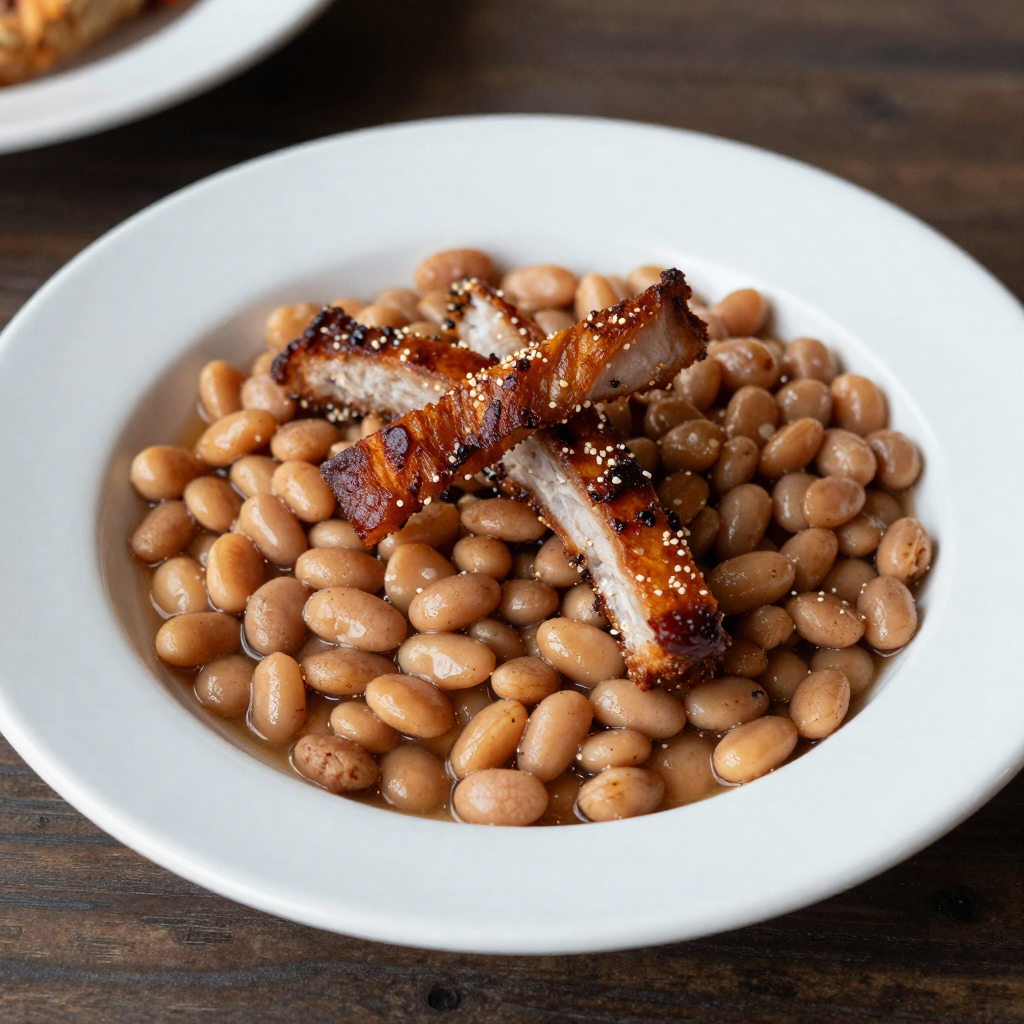
The economics are also better than almost anything else you cook. A dal that feeds four costs roughly $3.50 in ingredients — a cup of red lentils is about 60 cents, and the rest is onion, tomato, and spice you already own. Slow-Simmered Rajma Masala with Red Kidney Beans delivers 15 g of protein per serving at 280 calories for under a dollar a plate. Compare that to a $14 takeout tikka masala and the payback on a $25 spice shelf arrives in the first two dinners.
The third argument is leverage. Seven spices unlock 25 different dinners because Indian regional cooking varies the fat, the souring agent, and the finishing dairy far more than it varies the spice list. Learn the six sauce families in the next-but-one section and you can improvise. That's not true of, say, Thai cooking, where each curry paste is a distinct ingredient you have to buy.
One note on scope: if you specifically want the sub-30-minute end of this cuisine, we have a companion roundup at 25 Indian Weeknight Curries that is built entirely around speed. This page is the wider hub — pantry, sauce theory, 25 dinners across every cook-time band, a 5-day plan, and equipment.
How to build a 10-item Indian pantry (spices, ghee, basmati, lentils)
Buy these ten once. As of 2026 the whole list runs about $38 at an Indian grocery and roughly $60 at a mainstream supermarket — the specialty store is worth the drive, because spice turnover there is measured in weeks rather than years, and ground spices lose most of their volatile aroma compounds within 6–9 months of grinding.
| Item | Buy this size | Approx. cost | What it unlocks |
|---|---|---|---|
| Basmati rice | 5 lb bag | $9 | Every biryani, every curry plate |
| Red lentils (masoor dal) | 2 lb bag | $4 | Dal in 25 minutes, no soaking |
| Chickpea flour (besan) | 1 lb | $3 | Pakora batter, kadhi, binding |
| Ghee | 14 oz jar | $8 | 485°F smoke point — the whole tempering technique |
| Cumin seeds (whole) | 3.5 oz | $2 | The tadka base note |
| Ground turmeric | 3.5 oz | $2 | Color plus the curcumin in every dal |
| Ground coriander | 3.5 oz | $2 | Body and citrus-warmth in gravies |
| Garam masala | 3.5 oz | $3 | The finishing blend — added last, never first |
| Brown mustard seeds | 3.5 oz | $2 | South Indian and Gujarati tempering |
| Kashmiri red chili powder | 7 oz | $3 | Deep red color at low heat |
Four fresh items rotate through the fridge alongside them: ginger, garlic, plain full-fat yogurt, and a 28 oz can of crushed tomatoes. With those fourteen things you can cook 20 of the 25 recipes below without a second grocery run.
Two rules that matter more than the shopping list. First, buy cumin, coriander, and mustard whole where you can — whole seeds hold aroma for two years, ground for six months. Second, store everything in airtight glass away from the stove; the cabinet above your range runs 15–20°F hotter than ambient and it strips volatiles fast. A basic set of sealed jars from Storage & Containers pays for itself in one spice cycle.
If you're adding one optional item, make it kasuri methi (dried fenugreek leaves). Crushed between your palms and stirred in during the last 30 seconds, it is the single ingredient that makes home butter chicken taste like restaurant butter chicken.
The 6 curry families: tomato-based, cream-based, coconut, yogurt, mustard, tamarind
Almost every gravy on this page belongs to one of six families. Once you can name the family, you can predict the technique, the cook time, and the failure mode.
| Family | Souring / body agent | Region | Typical cook time | Failure mode |
|---|---|---|---|---|
| Tomato-based | Crushed tomato, onion | North India | 30–45 min | Raw, tinny — undercooked masala |
| Cream-based | Cream, cashew paste, butter | Punjab, Delhi | 40–60 min | Splitting from boiling after the cream |
| Coconut | Coconut milk, fresh coconut | Kerala, Goa, coastal | 25–40 min | Grainy from a hard boil |
| Yogurt | Whisked yogurt, besan | Gujarat, Punjab | 40–60 min | Curdling from cold yogurt hitting heat |
| Mustard | Mustard seeds, mustard oil | Bengal, Gujarat | 20–35 min | Bitter from burnt seeds |
| Tamarind | Tamarind paste, kokum | Tamil Nadu, Goa | 45–120 min | Flat — under-salted against the acid |
Tomato-based is the workhorse. Authentic Indian Chana Masala and Chicken Tikka Masala both live here. The one non-negotiable step is cooking the onion-tomato masala until the oil visibly separates and pools at the edge of the pan — usually 8–12 minutes. Skip it and the sauce tastes of raw tomato no matter how long you simmer afterward.
Cream-based covers korma and makhani. Creamy Homemade Butter Chicken with Warm Naan and Spiced Butter Chicken (Korma) with Basmati Rice are the reference dishes. Rule: cream goes in off the boil, at a bare shimmer, and the pan never returns to a rolling simmer afterward.
Coconut is the coastal family — fast, because coconut milk needs no reduction. Pan-Seared Fish Curry with Coconut and Kokum is done in 35 minutes end to end.
Yogurt gravies are the trickiest. Kadhi Pakora with Tangy Yogurt Gravy and Chickpea Fritters whisks besan into the yogurt first — the flour stabilizes the proteins so they don't break at a simmer. Never add fridge-cold yogurt straight to a hot pan.
Mustard cooking is the fastest of the six. Seeds go into hot fat and you wait for them to pop — about 30 seconds — then everything else follows. Stovetop Gujarati Dal Tadka with Mustard Seeds is the clearest example. Pull the pan the moment the popping slows; ten seconds past that is acrid.
Tamarind dishes trade time for depth. Slow-Cooked Goan Pork Vindaloo with Tamarind and Red Chili takes two hours, and the dish is genuinely a Portuguese import — carne de vinha d'alhos, meat in wine-vinegar and garlic, adapted in Goa with palm vinegar and Kashmiri chili, as documented in the Wikipedia entry on vindaloo. Spiced Red Lentil Sambar with Tamarind gets you the same acidity in an hour.
25 weeknight Indian dinners (grouped by cook time and protein)
Times below are total — prep plus cook — as recorded on each recipe page.
Under 40 minutes
1. Tandoori-Spiced Lamb Skewers with Cucumber Raita — 27 min, 350 cal, 30 g protein. The fastest red-meat dinner in the catalog. Yogurt marinade does the tenderizing; a 500°F broiler does the char.
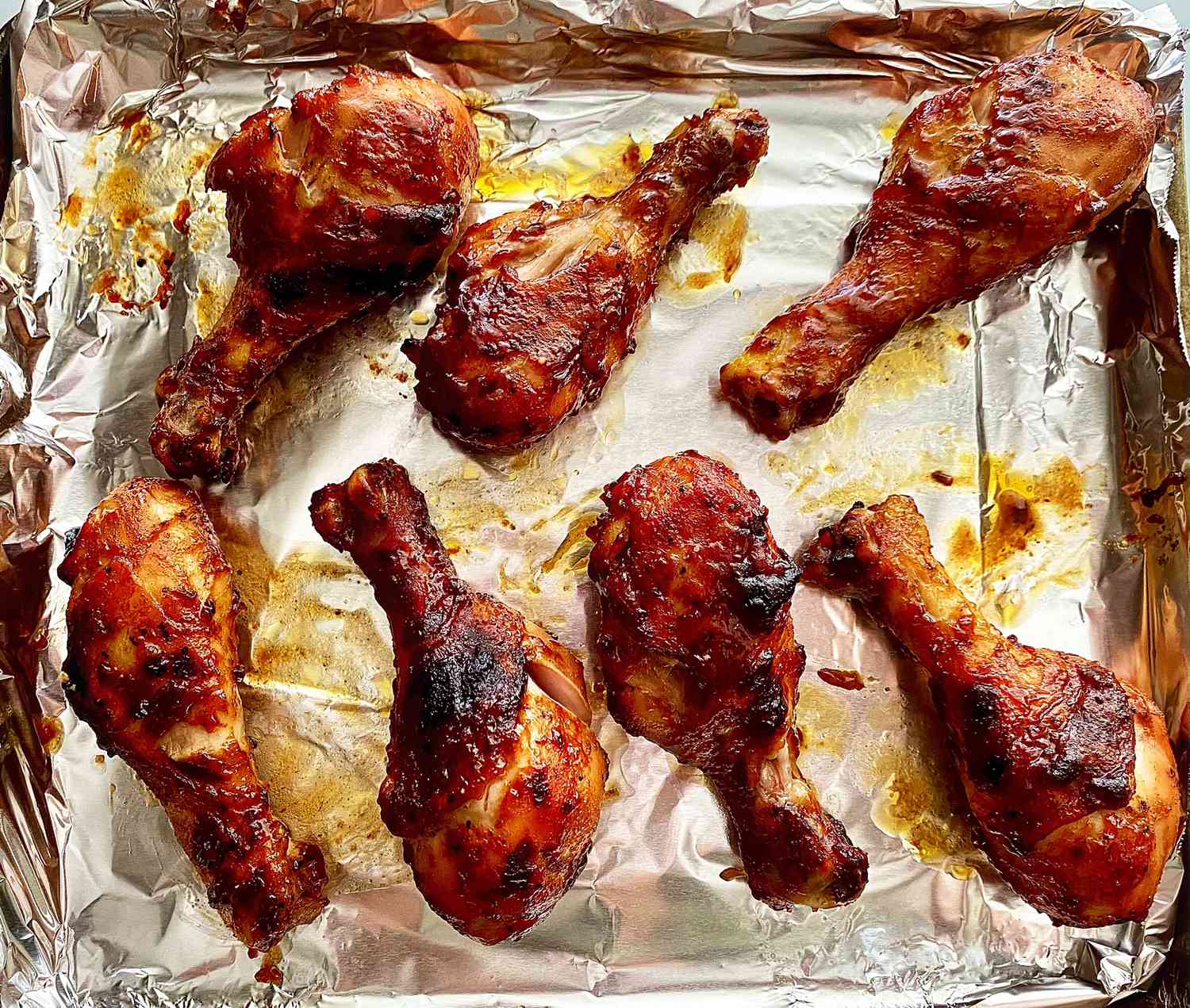
2. Grilled Tandoori Chicken with Cooling Cucumber Raita — 30 min, 350 cal, 38 g protein. Thighs, not breasts — the fat is what survives high heat.
3. Creamy Turmeric Lentil Curry with Coconut Milk — 35 min, 410 cal, 18 g protein. Vegan, one pot, and about $3.00 for four servings.
4. Creamy Saag Paneer with Spice Mix — 35 min, 320 cal, 18 g protein. Frozen chopped spinach works fine here and saves ten minutes of washing.
5. Pan-Seared Fish Curry with Coconut and Kokum — 35 min, 280 cal, 32 g protein. Kokum is the coastal souring fruit; tamarind paste substitutes 1:1.
6. Spiced Lamb Keema with Peas and Basmati Rice — 40 min, 450 cal, 35 g protein. Ground lamb browns in 8 minutes. This is the Indian answer to a weeknight bolognese.
7. Kadai Paneer Simmered in Spiced Tomato Gravy — 40 min, 350 cal, 18 g protein. Bell peppers go in last so they stay crisp.
8. South Indian Fish Curry with Tamarind and Coconut — 40 min, 320 cal, 35 g protein. Firm white fish only; cod and halibut hold, tilapia disintegrates.
9. Red Chili Masala Dosa with Spiced Potato Filling — 40 min, 280 cal. The quick-batter version — no overnight ferment required.
41 to 55 minutes
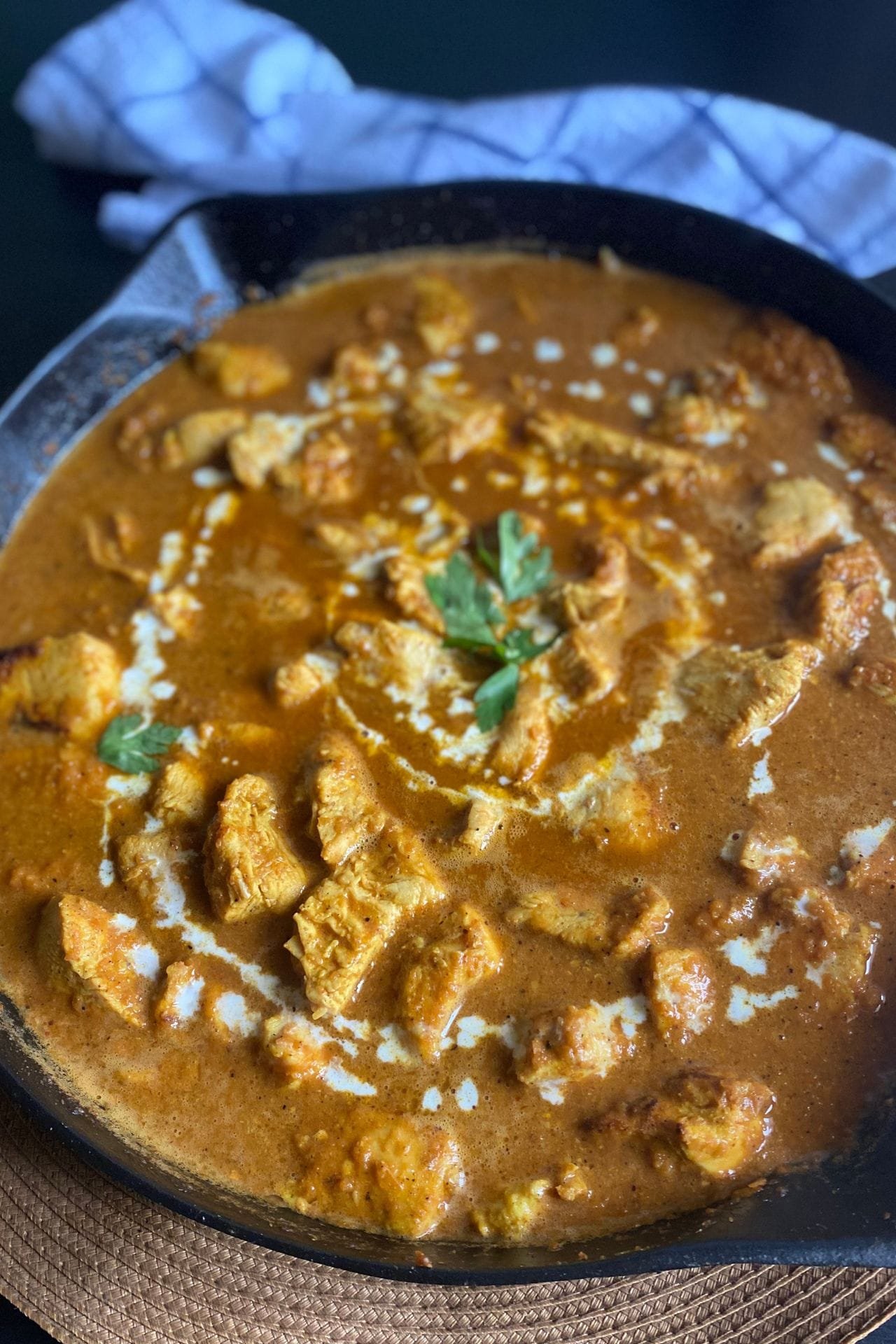
10. The Best Ever Indian Butter Chicken — 45 min, 450 cal, 35 g protein. The murgh makhani template: tandoori-marinated chicken, tomato-cream gravy, fenugreek at the finish.
11. Maharaj Indian Grill-Inspired Chicken Tikka Masala — 45 min, 480 cal, 38 g protein. Fifteen minutes of prep, so it's the tikka masala to cook on a school night.
12. Palak Paneer Simmered in Creamy Spinach Sauce — 45 min, 380 cal, 18 g protein. Blanch the spinach 60 seconds and shock it — that's what keeps the sauce green instead of olive.
13. Kadai Paneer with Bell Peppers and Fresh Tomato Gravy — 45 min, 350 cal, 18 g protein. Coarse-crushed coriander seed is the signature of a proper kadai.
14. One-Pot Coconut Curry Lentil Stew with Spinach and Tomatoes — 45 min, 350 cal, serves 6. The best cost-per-serving on this list.
15. Vegetable Sambar with Lentils and Drumstick — 45 min, 220 cal. South Indian, tamarind-soured, and it reheats better on day two.
16. Authentic Indian Chana Masala — 50 min, 428 cal, 17 g protein. Canned chickpeas, drained and rinsed, are entirely acceptable here.
17. Chicken Korma with Spinach — 50 min, 420 cal, 30 g protein. Mild enough for kids; the heat is all in the optional chili.
18. Gujarati Aloo Gobi with Fresh Mint — 50 min, 200 cal. A dry curry — no gravy, so it pairs with a wet dal rather than competing.
19. Stovetop Gujarati Dal Tadka with Mustard Seeds — 50 min, 230 cal, 13 g protein. The single best dish to learn tempering on.
20. Authentic Kerala Fish Curry — 50 min, 380 cal, 25 g protein. Coconut milk plus curry leaves; do not let it boil once the milk is in.
Over 55 minutes — weekend and hands-off
21. Rajma in Spiced Tomato Gravy — 60 min, 380 cal, 20 g protein. Kidney beans in a North Indian tomato masala, served over rice as rajma chawal.
22. Saffron-Infused Chicken Biryani with Toasted Nuts and Fresh Herbs — 70 min, serves 6, 450 cal, 30 g protein. The layered rice technique goes back to Mughal court cooking; the history of biryani is genuinely contested across a dozen regional claims.
23. Basmati Vegetable Biryani — 70 min, 380 cal. The vegetarian version, and the better one to learn on because there's no meat doneness to manage.
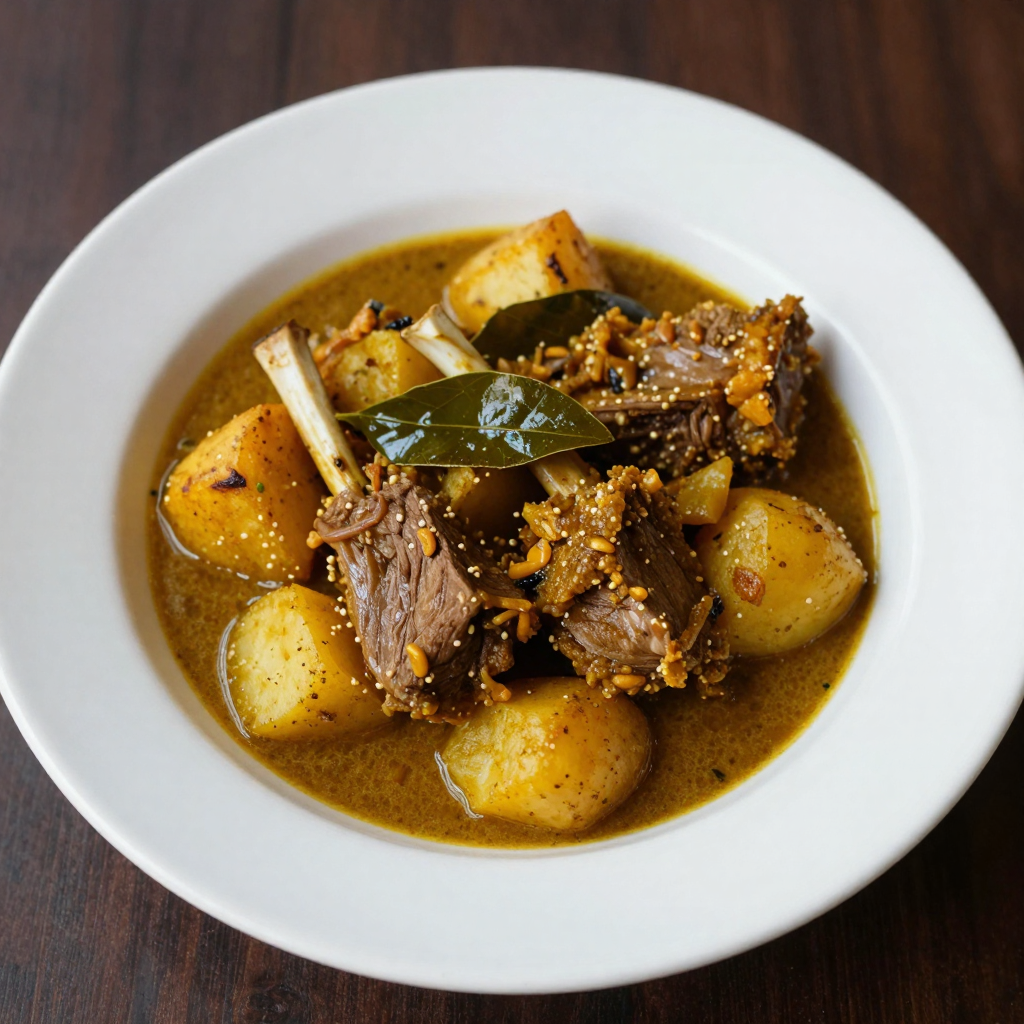
24. Slow-Cooked Lamb Rogan Josh with Kashmiri Chili and Yogurt — 140 min, 450 cal, 35 g protein. Two hours, but 20 minutes of it are hands-on.
25. Slow-Cooked Dal Makhani with Black Lentils and Cream — 165 min, 450 cal, 20 g protein. The one genuinely slow dish here. Black urad lentils need the full time; there is no shortcut that tastes the same.
Common pitfalls
Five failures account for most disappointing home curries:
1. Adding garam masala at the start. It's a finishing blend built on cinnamon, clove, and cardamom — volatile aromatics that cook off in under two minutes. Stir it in during the last 30 seconds.
2. Not cooking the masala until the oil separates. If you can't see oil pooling at the edges of the onion-tomato base, it isn't done. Give it four more minutes.
3. Boiling after the dairy. Cream and yogurt break above roughly 180°F. Drop the heat before either goes in.
4. Burning the tempering. Mustard seeds pop for about 30 seconds and then go bitter. Have your onions in a bowl next to the stove before the seeds hit the fat.
5. Under-salting acidic gravies. Tamarind and tomato both read as "sharp" when the salt is low. Salt in two stages — once at the masala, once at the end.
When NOT to cook Indian on a weeknight
If you have under 25 minutes, cook something else. The tempering-plus-masala sequence has a floor of about 20 minutes before any protein goes in, and rushing it is the single most reliable way to make a curry taste flat. On a genuinely 20-minute night, a stir-fry or a sheet-pan dinner is the better call — see 22 Thai Weeknight Dinners, where the paste does the work the masala does here.
The other no-fit case is a single-serving dinner. Indian gravies scale badly downward — a quarter-recipe of masala scorches in the pan before it reduces. Cook four servings and eat the rest for lunch; every dish on this page except the fish curries improves overnight.
A 5-day Indian meal plan with shared prep
The whole plan runs on one 25-minute Sunday session: blend a double batch of ginger-garlic paste, cook 6 cups of basmati, and caramelize four sliced onions to a deep brown. Those three things are the base of nine of the ten components below.
| Day | Main | Side | Total active time | Shared prep used |
|---|---|---|---|---|
| Monday | Stovetop Gujarati Dal Tadka | Cooked basmati | 20 min | Rice, ginger-garlic |
| Tuesday | Maharaj Chicken Tikka Masala | Leftover rice | 25 min | Onions, ginger-garlic |
| Wednesday | Creamy Saag Paneer | Tandoori-Spiced Aloo Gobi | 30 min | Onions |
| Thursday | Spiced Lamb Keema with Peas | Cucumber raita | 20 min | Rice, ginger-garlic |
| Friday | Authentic Kerala Fish Curry | Crisp Papdi Chaat | 30 min | Ginger-garlic |
Total grocery cost for five dinners feeding four, as of 2026: about $62, or $3.10 per plate. The protein-heavy days (Tuesday, Thursday, Friday) carry the cost; Monday's dal is under $4 for the whole pan.
Two swaps worth knowing. If Monday runs long, Classic Indian Dal Tadka with Slow-Simmered Lentils can go in a slow cooker before work. And if you want a hands-off Wednesday, Slow-Cooked Indian Chickpea Curry with Coconut and Spinach runs 8 hours unattended and needs nothing but a rice pot at 6pm.
Every recipe page on this list has an Instacart cart button, so the five-day list can be ordered in one pass rather than reconstructed by hand.
What to cook it in: kadai, tawa, pressure cooker, instant pot
You do not need Indian-specific cookware to cook Indian food, but four pieces genuinely change the outcome.
| Vessel | What it's for | Why it matters | Substitute |
|---|---|---|---|
| Kadai / karahi | Curries, deep-frying | High curved sides concentrate a small volume of gravy | 3 qt saucier or wok |
| Tawa | Roti, dosa, paratha | Flat, thin, heats to 450°F fast and evenly | Cast-iron skillet |
| Stovetop pressure cooker | Beans, tough cuts | Cuts rajma and chana from 90 min to 20 | Instant Pot on high |
| Instant Pot | Dal, biryani, one-pot | Sauté and pressure in one insert — no second pan | Dutch oven plus more time |
| Spice grinder | Whole-spice blends | Fresh-ground garam masala is a different ingredient | Mortar and pestle |
Kadai. The curved wall means a two-cup gravy still has depth against the sides, so it reduces evenly instead of scorching in a thin layer. A 10-inch carbon-steel kadai runs $30–45. Anything in Cookware with a curved profile and a heavy base does the same job — a saucier is a legitimate substitute.
Tawa. A flat 10–12 inch disc for breads. Cast iron is the practical version and it holds heat better than the traditional thin steel, which matters for the puff on a naan.
Pressure cooker vs Instant Pot. For dried beans, pressure is the difference between a weeknight and a weekend: unsoaked rajma takes about 90 minutes at a simmer and roughly 20 minutes at 15 psi. The stovetop version reaches pressure faster; the electric version is genuinely hands-off and does the sautéing in the same insert. Both live in Small Appliances territory alongside the one accessory that punches above its price — a dedicated spice grinder, which is a $20 blade coffee grinder you never use for coffee.
The two hand tools. A heavy-based spoon for scraping fond off the pan bottom, and a fine microplane for ginger — grated ginger dissolves into a gravy where minced ginger stays fibrous. Both are in Utensils & Tools. And if you're breaking down whole chicken thighs for tandoori, a boning knife from Knives & Cutting saves more time than any appliance on this list.
Sources
- Wikipedia — Butter chicken, on the Delhi origin of murgh makhani and its tomato-cream base.
- Wikipedia — Chicken tikka masala, on the dish's contested British origin and how it diverged from butter chicken.
- Wikipedia — Biryani, on the layered-rice technique and the competing regional histories.
- Wikipedia — Vindaloo, on the Portuguese carne de vinha d'alhos root of the Goan dish.
- Harvard T.H. Chan School of Public Health — Legumes and Pulses, on the protein and fiber profile of the lentils and chickpeas these dals are built on.
- National Library of Medicine — Curcumin bioavailability, on why turmeric is traditionally cooked with fat and black pepper.
Nutrition figures are per-serving values recorded on each linked recipe page. Prices are US retail as of August 2026 and will vary by region.
Frequently asked questions
What are the essential Indian pantry staples I need to start cooking Indian food at home?
How is butter chicken different from chicken tikka masala?
Do I need a tandoor to make tandoori chicken or naan at home?
Which of these Indian recipes are naturally gluten-free?
Can I get an Instacart cart from an Indian recipe on AislePrompt?
Recipes to start your week with
Save any of these to My Recipes — no account needed — and send the ingredients to Instacart in one tap.