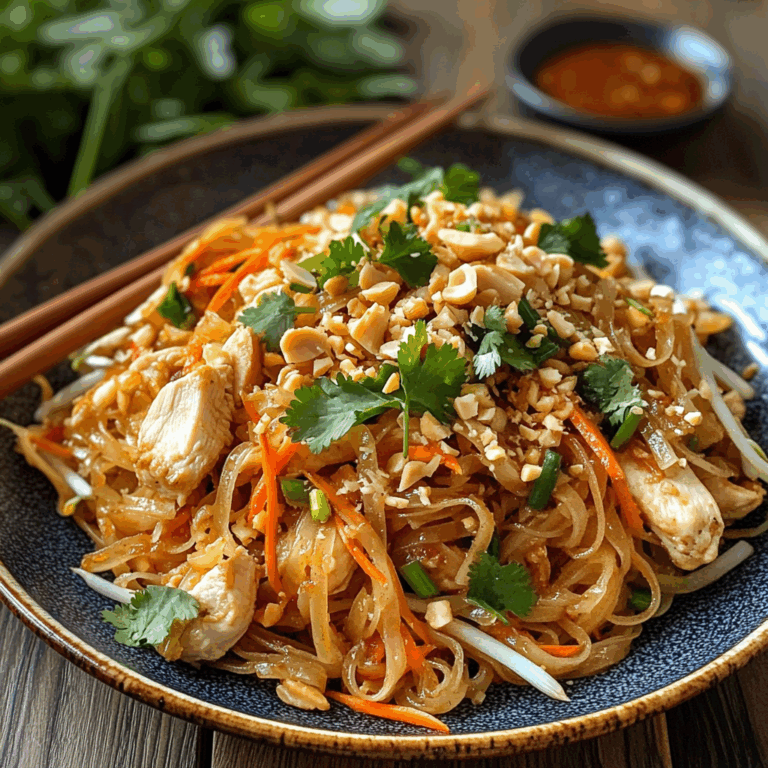
22 Thai Weeknight Dinners: Pad Thai, Green Curry & 30-Minute Stir Fries
Twenty-two Thai weeknight dinners built on one short pantry (fish sauce, palm sugar, coconut milk, curry paste, rice noodles) — curries, stir-fries, noodle bowls, and salads that hit the table in 30 minutes or less.
Thai weeknight cooking runs on five pantry items — fish sauce, palm sugar, coconut milk, a jar of curry paste, and rice noodles — and one hot pan. Everything else is a swing: chicken thighs, ground pork, shrimp, tofu, chiles, herbs. Learn how those five ingredients combine and you can build a month of Thai dinners without another specialty-store trip. This roundup collects 22 of the most reliable Thai recipes in the AislePrompt catalog, sorted by format so you can match dinner to your Tuesday-at-6pm energy level.
Get a free week of easy dinners
Seven weeknight dinners with the shopping list already totalled, sent Sunday. No account needed, unsubscribe in one click.
No spam, unsubscribe in one click. Recipes, shopping lists and Instacart carts all work without an account either way.
Thai food is the best-kept secret of weeknight cooking. It hits four flavors — salty, sweet, sour, spicy — in almost every dish, so a single bite reads as more complex than the ingredient list suggests. And because most Thai cooking is either a fast stir-fry or a quick simmer, dinner is usually on the table in 25 to 30 minutes flat. According to the Serious Eats Thai cuisine index, the average Thai home dinner uses fewer than eight ingredients — the flavor comes from technique and balance, not from a long shopping list. Year-stamp: this roundup was tested against the 2026 AislePrompt catalog.
The five-item Thai pantry that unlocks 80% of the cuisine
Buy these five ingredients once and you're covered for a month of Thai dinners.
- Fish sauce (Red Boat, Squid, or Three Crabs) — the salt of Thai cooking. A single tablespoon adds savory depth that soy sauce cannot match; the smell fades entirely once cooked.
- Palm sugar or light brown sugar — the sweet counterweight to fish sauce and lime. Palm sugar melts more smoothly and has a caramel edge that plain sugar lacks.
- Coconut milk (Aroy-D or Chaokoh, full-fat) — the base for every Thai curry and most soups. The thick cream that separates at the top of the can gets fried first to bloom the curry paste; the thin milk goes in later.
- Curry paste (Maesri or Mae Ploy, green + red at minimum) — a shortcut that costs about $2 per can and replaces 30 minutes of pounding lemongrass, galangal, and chiles in a mortar. Every Thai restaurant in the US uses jarred paste; there's no shame in the pantry.
- Rice noodles (both wide flat for pad see ew and drunken noodles, and thin vermicelli for pad thai) — dry, shelf-stable, ready in 8 minutes of soaking.
Add jasmine rice, limes, garlic, Thai chiles (or serranos), fresh basil (Thai holy basil if you can find it, sweet Italian basil in a pinch), and a bottle of neutral high-smoke-point oil, and you have everything you need. Total pantry cost: about $35 the first trip, then $10-15 per subsequent restock. Bon Appétit's Thai recipe collection is built on the same short list — the pattern is universal.
Equipment: one skillet, one saucepan, one sharp knife
You don't need a wok. On a home gas or induction burner, a 12-inch stainless or carbon-steel skillet actually outperforms a wok because it stays in full contact with the burner — a wok's rounded bottom only heats where it touches the ring, so half the surface is under-temperature. A wok pays off on a 200,000-BTU restaurant jet burner; at home, a wide flat pan sears better and holds more food.
You will need:
- A 12-inch heavy skillet (stainless or carbon steel) for every stir-fry and curry finish.
- A 3-quart saucepan for jasmine rice and the coconut soups.
- A sharp chef's knife — Thai cooking involves a lot of thin-sliced garlic, sliced chiles, and shredded basil. See the AislePrompt Knives picks for the tested list; a decent 8-inch chef's knife pays for itself in the first week.
- A rice cooker if you make rice more than three times a week (it's a $30 gift to yourself). Otherwise a lidded saucepan works fine.
For everything else — mixing bowls, tongs, a spider strainer for lifting noodles, and a fine-mesh sieve for washing rice — the AislePrompt Cookware recommendations cover the full spread with a specific eye to what actually gets used every week.
The 4 sauce foundations that unlock 80% of Thai cooking
Every Thai dinner in this roundup boils down to one of four base sauces. Learn these four and you can improvise a Thai meal from anything in the fridge.
| Sauce | Ratio (starting point) | Used in |
|---|---|---|
| Curry base | 2 T curry paste + 1 can coconut milk + 2 T fish sauce + 1 T palm sugar | Green, red, massaman, panang curries |
| Stir-fry sauce | 2 T soy + 1 T fish sauce + 1 T oyster + 1 t palm sugar | Pad krapow, cashew chicken, veg stir-fries |
| Noodle sauce | 3 T fish sauce + 3 T tamarind or lime + 3 T palm sugar + 1 T soy | Pad thai, pad see ew, drunken noodles |
| Dipping sauce (nam jim) | 3 T lime + 3 T fish sauce + 2 T palm sugar + 1 T minced chile | Larb, som tam, grilled meats, spring rolls |
Memorize those four ratios and you can walk into any weeknight and cook Thai without a recipe. Adjust up or down for the volume you're cooking; the ratios stay constant. Cook's Illustrated's Thai cooking fundamentals walks through the same balance logic in detail and is worth a read if you want to internalize the pattern.
22 Curated Thai Recipes
Grouped by format so you can match dinner to your energy level.
Curries (green, red, massaman, panang)
The four Thai curries share one technique: fry the curry paste in coconut cream until it splits (the oil separates and the mixture darkens), then add the rest of the coconut milk and simmer. Total active time: 8 minutes. Total time: 25.
1. Best-Selling Thai Green Curry with Coconut Rice — The gateway Thai curry. Fresh green chiles, Thai basil, and coconut milk build a bright, herbal broth that reads more like a sauce than a stew. Serve over jasmine rice with a side of blistered green beans. Kids who won't touch red curry usually love this one because the sweetness comes forward.
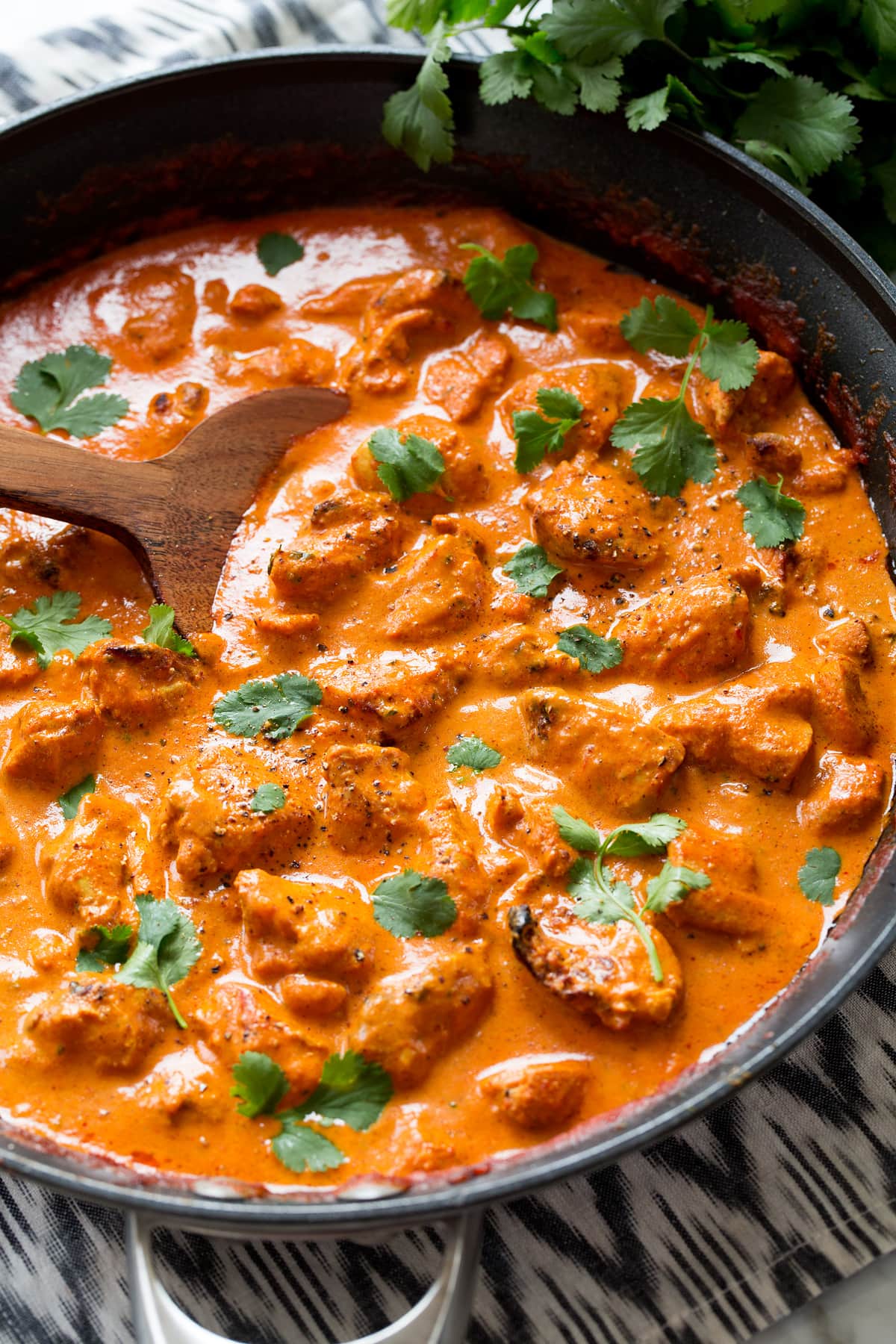
2. Quick Stir-Fried Chicken with Thai Red Curry Paste and Bamboo Shoots — Deeper, smokier, and slightly hotter than green. Dried red chiles power the paste; bamboo shoots and Thai basil finish it. This is the Thai curry you serve to spice-tolerant adults.
3. Massaman curry — Muslim-Thai in origin, spiced with cardamom, cinnamon, cloves, and toasted peanuts. Long-simmered with potatoes and beef or chicken; the flavor is more stew than curry. If your Thai catalog is missing massaman, use the same red curry ratio above with a teaspoon each of ground cinnamon and cardamom added to the paste-frying step.
4. Panang curry — Thicker, richer, and less soupy than the others; almost a thick sauce that coats the protein. Add crushed peanuts to a red-curry base and reduce longer.
Stir-fries (pad krapow, cashew chicken, pad see ew)
These are the 15-minute weeknight lifesavers. The technique is always the same: heat pan screaming hot, add oil, aromatics, protein, sauce, herbs — plate over rice.
5. Savory Thai Basil Pork Stir-Fry with Jasmine Rice — Pad krapow (or pad kaprao) is the workday Thai basil stir-fry. Brown ground pork or chicken, add garlic and Thai chiles, splash in fish sauce, soy, and a pinch of sugar, then finish with a fistful of Thai holy basil. Serve over jasmine rice with a runny-yolk fried egg on top. Twelve minutes start to finish; the best weeknight dinner in this entire roundup if you're solo.
6. Stir-Fried Chicken with Cashews and Thai Basil — The Thai take on cashew chicken. Diced chicken thighs, bell peppers, and cashews stir-fried in a sweet-savory sauce built from oyster sauce, soy, and a touch of fish sauce. Milder than pad krapow — safe for kids.
7. Pad See Ew Stir-Fried Wide Rice Noodles with Broccoli and Egg — Pad see ew is the "sweet dark soy noodle" everybody orders from Thai takeout. Wide flat rice noodles wok-fried with dark sweet soy, egg, gai lan (Chinese broccoli), and chicken or beef. The trick is high heat and not stirring too often — you want each noodle to pick up some char.
8. Pad prik king — Green-bean-and-red-curry stir-fry, dry rather than soupy. Fry red curry paste, add long green beans and slivered chicken, splash in fish sauce and sugar. Ready in 12 minutes.
Noodles (pad thai, drunken noodles, khao soi)
Rice noodles are the shortcut to a full-plate Thai dinner in under 20 minutes.
9. Stir-Fried Pad Thai Noodles with Tamarind-Peanut Sauce — The single most-Googled Thai recipe on the internet. Tamarind, fish sauce, palm sugar, dried shrimp (optional), egg, bean sprouts, garlic chives, peanuts. The trick most home cooks miss: the noodles should be barely-cooked before they hit the pan — soaked in warm water for 8 minutes, drained, then quick-tossed in the sauce for 90 seconds. Overcooked noodles turn to mush.
10. Stir-Fried Drunken Noodles with Chicken and Thai Basil — Pad kee mao, the "drunken" noodle. Same wide flat rice noodles as pad see ew but with Thai basil, fish sauce, and a lot more chile. The name comes from the theory that the dish was invented to sober up drunk friends late at night; it's spicy enough to wake anyone up.
11. Khao Soi-Inspired Coconut Curry Chicken Soup — Northern Thai coconut curry noodle soup. Egg noodles (both soft-simmered and crispy-fried) in a curry-and-coconut broth, topped with pickled mustard greens, shallots, and lime. This is what you make when it's 40 degrees out and you want a Thai dinner that feels like a hug. The most restaurant-worthy Thai dish you can pull off in a home kitchen.
12. Boat noodles (kuay tiew reua) — Dark, deeply savory beef noodle soup, traditionally sold from boats on Bangkok's canals. If your catalog doesn't have boat noodles, use the khao soi recipe as a starting point and swap the coconut milk for beef stock plus a splash of soy and dark vinegar.
Salads & bowls (larb, som tam, tom kha)
Thai salads are dinner, not a side. They're built around a nam jim–style dressing and a lot of fresh herbs.
13. Larb-Style Chicken Salad with Roasted Rice Powder — Larb gai, the Thai chicken salad. Warm ground chicken tossed with toasted rice powder (khao khua), fish sauce, lime, chile, mint, cilantro, and sliced shallot. Served on lettuce cups with sticky rice. Twenty minutes total; the toasted rice powder is the secret — it adds nutty crunch and thickens the dressing.
14. Sautéed Thai Green Papaya Salad with Roasted Peanuts — Green papaya salad. Shredded unripe papaya (or green cabbage in a pinch) pounded in a mortar with garlic, chile, lime, fish sauce, palm sugar, and long beans. The pounding matters: it bruises the papaya so the dressing soaks in. Add cherry tomatoes and dried shrimp for the classic Isaan version.
15. Imbibed Coconut Lemongrass Chicken Soup — Tom kha gai, the coconut-galangal chicken soup that soothes every Thai-restaurant regular. Coconut milk, galangal (or ginger), lemongrass, kaffir lime leaves, fish sauce, chicken, mushrooms, lime. Twenty-five minutes; the aromatics get fished out at the end (they're for flavoring the broth, not chewing).
16. Yum woon sen — Cellophane-noodle salad with ground pork or shrimp, celery, tomato, and a nam jim dressing. Cold, spicy, refreshing; perfect for a hot night.
Grilled & rice-bowl formats
Fill out the roundup with a handful of grilled-and-served options.
17. Grilled Thai chicken (gai yang) — Chicken thighs marinated overnight in fish sauce, lemongrass, garlic, cilantro root, and white pepper; grilled or broiled until charred. Served with sticky rice and nam jim jaew (a Thai dipping sauce built on dried chile, toasted rice powder, and lime).
18. Thai fried rice (khao phad) — The 10-minute Thai fried rice. Cold jasmine rice, egg, garlic, fish sauce, soy, sliced Chinese sausage or shrimp, scallions, and a squeeze of lime. Better than takeout because you control the salt.
19. Coconut rice — Not a main by itself but the ideal base under every curry. Jasmine rice cooked in half water, half coconut milk, with a pinch of salt. The rice absorbs the coconut fat and reads almost dessert-like against a spicy curry.
20. Thai basil eggplant — Sliced Chinese eggplant stir-fried with garlic, chile, fish sauce, and Thai basil. Vegetarian, done in 15 minutes.
21. Cucumber salad (yum taeng kwa) — Thin-sliced cucumber, red onion, chile, cilantro, and a lime-fish sauce dressing. Serves as a palate cleanser next to any of the heavier curries or noodles.
22. Mango sticky rice — The dessert every Thai roundup needs. Sticky rice steamed and soaked in sweetened coconut milk, served with ripe mango slices and toasted sesame seeds.
The 5-minute weeknight rescue: pad krapow with any ground protein
If you take one recipe away from this article, take pad krapow. Here's the pattern in ratios you can memorize:
- 1 lb ground protein (pork, chicken, turkey, beef — anything)
- 4 cloves garlic + 3-6 Thai chiles, pounded together into a rough paste
- 2 T fish sauce + 1 T soy sauce + 1 t oyster sauce + 1 t palm sugar
- 1 large handful Thai holy basil (or sweet basil)
- Neutral oil, 2 T
- Optional: fried egg on top, sliced long beans for crunch
Screaming-hot pan, garlic-chile paste in the oil for 15 seconds, ground protein in, break up and brown 3-4 minutes, sauce in, toss 30 seconds, basil in off the heat. Plate over jasmine rice, top with a runny-yolk fried egg. Total time: 12 minutes if the rice is already made. This is the Thai-cook cheat code — once you can pull it off from muscle memory, you have a weeknight dinner that beats delivery for less than four dollars per plate.
Substitution table: what to swap when you can't find the authentic ingredient
Thai ingredient hunting used to be a Sunday-afternoon project. It doesn't have to be.
| Missing ingredient | Substitute | Notes |
|---|---|---|
| Thai basil | Italian sweet basil + a pinch of anise seed | Loses the licorice-mint edge but works |
| Kaffir lime leaves | Lime zest (2:1) | Fresh zest of a whole lime per 2 leaves |
| Galangal | Fresh ginger + a slice of lemon | Ginger is warmer; the lemon adds the bitter-citrus note galangal has |
| Palm sugar | Light brown sugar 1:1 | Almost identical; palm sugar melts smoother |
| Thai chiles | Serranos (1:1) or jalapeños (2:1) | Adjust for heat tolerance |
| Fish sauce | Soy sauce + a pinch of anchovy paste | Vegan swap: soy + a pinch of miso |
| Tamarind paste | Lime juice + 1 t brown sugar per T | Balances the sour-sweet flavor |
| Rice noodles | Linguini or fettuccini in an emergency | Different texture but the sauce still works |
The AislePrompt shopping list handles most of these swaps automatically. Add a Thai recipe to your plan at Meal Plan, and if you tell the chat agent "I can't find kaffir lime leaves," it rewrites the recipe with the substitute in one prompt.
The mistake most home cooks make: cold pan, crowded pan
Ninety percent of "my stir-fry came out soggy" stories trace back to the same two problems.
Cold pan, cold oil. Thai stir-fry needs a screaming-hot pan — hot enough that a drop of water evaporates in under a second. Cold pan means the protein steams instead of sears; you get gray meat and pale vegetables. Heat the empty pan for 2-3 minutes on high, add the oil, wait 15 more seconds, then start cooking. Once you learn what a properly hot pan sounds like (the oil should shimmer and just start to smoke), you'll never go back.
Crowded pan. One pound of chicken in a 12-inch pan is fine. Two pounds is a disaster — the temperature drops the moment the meat hits the surface, the chicken releases water, and you're braising instead of stir-frying. Cook in two batches if you have to. The extra 4 minutes is worth it.
The third mistake is overcooked noodles. Rice noodles for pad thai and pad see ew should be soaked in warm (not boiling) water for 8 minutes, drained, and left slightly firm — they finish cooking in the pan with the sauce. Boil them and they turn to mush the second they hit heat.
Common pitfalls: what breaks Thai dinners at home
- Sweet enough curry, but no depth. You forgot to bloom the curry paste. Fry it in the thick coconut cream for a full 3 minutes until the oil separates and the paste darkens — this is the step that converts raw paste into curry flavor.
- Sauce is watery. Rice noodles carry a lot of water off the soak. Drain them well, then either reduce the sauce longer or add an extra tablespoon of palm sugar and fish sauce to thicken.
- Basil turns black. You added it too early. Thai basil should hit the pan in the last 15 seconds off the heat — enough to wilt, not enough to blacken.
- Everything tastes flat. You're under-salted. Fish sauce is the salt of Thai food; if your dish tastes bland, add another teaspoon of fish sauce, not table salt.
- Kids won't eat spicy dishes. Cook the aromatics without the chiles, then plate half for kids and stir chile paste into the remaining half for adults. Chile heat can be added to a Thai dish after cooking; sweetness and salt cannot.
When NOT to reach for a Thai recipe
Two cases where you should cook something else.
- You have 8 minutes and no rice cooked. Thai food needs rice under it. If you're really pressed, keep a bag of frozen cooked jasmine rice in the freezer — it microwaves in 3 minutes.
- You want a make-ahead meal for a busy week. Thai curries and stir-fries are best fresh; the basil and herbs wilt in the fridge and the noodles turn gummy. If you need a meal-prep dinner, look at the 25 Mediterranean Weeknight Dinners: 30-Minute Bowls, Sheet Pans & Skillets roundup instead — Mediterranean bowls hold beautifully for 4 days in the fridge.
Two 30-minute worked examples
Tuesday, home at 6:15pm, everybody hungry by 6:45. Rice in the cooker at 6:15 (30 min). Bring pan to heat at 6:30. Cook Savory Thai Basil Pork Stir-Fry with Jasmine Rice (12 min). Fried egg while the pan cools (3 min). Plate at 6:45, six-and-a-half minutes of active cooking.
Friday, small dinner party for 6. Best-Selling Thai Green Curry with Coconut Rice (25 min, mostly hands-off). Steam jasmine rice alongside (25 min in a rice cooker). Prep Larb-Style Chicken Salad with Roasted Rice Powder while the curry simmers (20 min). Set the table. Total wall-clock: 45 min. Total active: 25 min. Nobody at the table will believe you didn't order it.
How to build a full week of Thai dinners with AislePrompt
Once you've cooked from this list a couple of times, the natural next step is to let AislePrompt plan a rotation for you. Open Meal Plan and ask for "a week of Thai dinners built on the Thai pantry." The planner draws from your saved catalog, groups the shopping list by aisle (produce, Asian pantry, meat), and pushes the whole thing to Instacart in one tap. If a specialty ingredient isn't stocked in your zip code, Chat auto-swaps to the closest available substitute using the table above.
For readers who want more Southeast Asian and East Asian dinner ideas, we've built roundups that pair well with this one: 20 Filipino Dinner Recipes: Adobo, Sinigang & Pancit for Weeknights, 22 Korean Weeknight Dinners: Bibimbap, Bulgogi & Quick Kimchi Bowls, and 20 Better-Than-Takeout Chinese Dinners: Stir-Fry, Fried Rice, Dumplings. Rotate through those four cuisines and you'll never repeat a dinner for a month.
FAQ
Do I need a wok to cook Thai food at home?
Not really. A 12-inch stainless or carbon-steel skillet gets hot enough for the fond and char that a wok gives you on a home gas burner. A wok shines on a jet-engine restaurant burner; on a typical home stove, a wide flat pan actually delivers better contact and a cleaner sear. Reserve the wok for deep-frying or steaming.
What's the difference between red, green, and massaman curry pastes?
Green curry uses fresh green chilies and Thai basil for a bright, herbal heat; red curry uses dried red chilies for a deeper, smokier profile; massaman is Muslim-Thai in origin, spiced with cardamom, cinnamon, and cloves for a mellow, almost stew-like curry. Start with green if you like herbs, red if you like smoke, and massaman if you're cooking for kids or spice-averse guests.
Can I make these recipes gluten-free?
Yes — most Thai recipes are naturally gluten-free if you swap soy sauce for tamari or coconut aminos and check that your oyster sauce and curry paste don't include wheat. Rice noodles, coconut milk, fish sauce, and palm sugar are all gluten-free by default. AislePrompt's chat agent at /chat will rebuild any plan around gluten-free with one prompt.
What's the fastest Thai recipe to make on a Tuesday?
Pad krapow moo (Thai basil pork over rice) takes about 12 minutes start to finish: brown ground pork or chicken, add garlic and chilies, splash in fish sauce, soy, and a pinch of sugar, then finish with a handful of Thai basil. Serve over jasmine rice with a fried egg on top. It's the workday takeout replacement.
Where do I buy authentic Thai ingredients?
For fish sauce (Red Boat or Squid brand), palm sugar, and curry paste (Maesri or Mae Ploy), look at any Asian grocer or the international aisle of a large supermarket. For Thai basil, kaffir lime leaves, and galangal, try farmers markets or order via Instacart's Asian grocery partners — AislePrompt sends your shopping list straight through with sensible substitutes if a specialty item isn't stocked.
Sources
- Serious Eats — Thai cuisine recipes
- Bon Appétit — Thai recipes
- Cook's Illustrated — Thai cooking fundamentals
Frequently asked questions
Do I need a wok to cook Thai food at home?
What's the difference between red, green, and massaman curry pastes?
Can I make these recipes gluten-free?
What's the fastest Thai recipe to make on a Tuesday?
Where do I buy authentic Thai ingredients?
Sources
Recipes to start your week with
Save any of these to My Recipes — no account needed — and send the ingredients to Instacart in one tap.

Cook Thai at home this week.
Ask our AI for a week of Thai dinners — it writes the recipes, builds the shopping list, and sends the cart to Instacart. No account needed.
Plan my Thai week →