25 Mediterranean Weeknight Dinners: 30-Minute Bowls, Sheet Pans & Skillets
Twenty-five real Mediterranean weeknight recipes — 15-minute shrimp orzo, sheet-pan lemon chicken, one-pot chickpea shakshuka — with pantry primer, one-week rotation, and Instacart export.
Introduction: Why the Mediterranean Pattern Is the Easiest Weeknight Framework
Get a free week of one-pan dinners
Seven one-pan and sheet-pan dinners, one shopping list, one Instacart cart. Sent Sunday, no account needed.
No spam, unsubscribe in one click. Recipes, shopping lists and Instacart carts all work without an account either way.
Mediterranean weeknight dinners are the fastest healthy-eating framework a busy home cook can adopt because the pattern is only four moving parts — one protein (fish, chicken, or legumes), one plant (greens, tomatoes, or squash), one whole grain or bean (orzo, farro, chickpeas), and one bright acid (lemon, red wine vinegar, or tomato) — all finished with a good pour of extra-virgin olive oil. Nothing else is required. That's why every recipe below hits the table in 30 to 45 minutes, and why you can rotate five of them across Monday through Friday without ever feeling like you cooked the same thing twice.
The 25 recipes in this roundup come out of the AislePrompt Mediterranean cluster — nearly 5,000 real recipes indexed by cuisine, cook time, and equipment — and they're organized the way a real home cook picks dinner: by the pan you want to use tonight. Skillet plus bowl on tired Mondays, sheet pan on Tuesdays when the sink is already full, grain bowls on Wednesdays when you want leftovers for tomorrow's lunch. Every recipe links to a full ingredient list, exact timings, and a one-tap Instacart shopping list so you don't spend the weekend planning what you already know you want to eat.
Decision Framework: Bowl vs Sheet Pan vs Skillet — Which Fits Your Weeknight
The single biggest lever on a Mediterranean weeknight dinner isn't the recipe, it's the pan. Match the pan to how much energy you have left after work and you cut half the friction out of cooking.
| Pan | Total time | Cleanup | Best for | Sweet-spot dish |
|---|---|---|---|---|
| 12-inch skillet | 20–30 min | 1 pan + 1 board | Tired weeknights, single portion, quick sauté | Shrimp orzo, chickpea shakshuka |
| Half sheet pan | 25–40 min | 1 pan (line with parchment) | Protein + veg together, hands-off oven time | Sheet-pan lemon chicken, baked cod |
| Dutch oven | 30–45 min | 1 pot | Grain bowls, simmered legumes, one-pot pasta | Farro bowl, chickpea stew, avgolemono |
| Grill/broiler | 15–25 min | Skewer sticks + tongs | Fast char, skewered proteins, weeknight kebabs | Souvlaki, greek chicken bowls |
Sheet-pan cooking wins on cleanup: one lined pan, one hot oven, and you're plating in 30 minutes. Skillet cooking wins on speed if you're already tired; the whole dinner happens over one burner. Grain bowls win on leftover value — every farro or quinoa bowl feeds two dinners and one work lunch. Pick the pan first, pick the recipe second, and shopping is easier because you already know the equipment on your counter.
What You'll Need: Pantry Staples + Equipment Checklist
The Mediterranean pantry is small, cheap, and mostly shelf-stable. Twelve items in your cabinet plus a weekly produce run gets you through 40+ recipes in the AislePrompt Mediterranean catalog without another store trip.
Pantry (buy once, restock quarterly):
- Extra-virgin olive oil (one bottle for finishing, a cheaper one for cooking)
- Canned chickpeas, canned white beans, canned San Marzano tomatoes
- Kalamata olives, capers, tahini
- Dried oregano, za'atar, sumac, smoked paprika
- Red wine vinegar, sherry vinegar, Dijon mustard
Fridge (weekly):
- Feta (block, not crumbled — it dries out crumbled)
- Greek yogurt (full-fat, plain)
- Lemons (six at a time), garlic, fresh oregano or dill
- One protein (salmon fillets, chicken thighs, or shrimp) and one bag of greens
Equipment (buy once, use forever):
- Heavy 12-inch skillet (cast iron or stainless) — the workhorse
- Half sheet pan plus a wire rack for finishing — ranked picks in Best Sheet Pans in 2026
- 5.5-quart Dutch oven — grain bowls, stews, one-pot pasta
- 8-inch chef's knife plus a Y-peeler
- Digital instant-read thermometer (probe, not surface)
You can browse the cookware collection for stainless-steel skillets that go from stovetop to oven at 500°F, and the bakeware collection for half sheet pans that don't warp when they hit a hot oven — the two most-recommended tools in this roundup.
8 Fastest 30-Minute Skillet + Bowl Dinners
Weeknight Mediterranean cooking is at its best when the whole thing happens in one skillet over one burner. Each recipe below finishes in 30 minutes or less, uses fewer than nine ingredients, and leaves you with one pan to wash. Ordered from fastest (top) to most-effort (bottom).
Start with 15-minute shrimp and garlic lemon orzo — genuinely 15 minutes, one heavy skillet, a pound of shrimp, a cup of orzo, half a cup of white wine, and a full lemon zested and juiced at the end. The orzo cooks in the same skillet as the shrimp, so it picks up all the garlicky pan drippings. Serve with a lemon wedge and a heavy shower of parsley. It's the recipe I make when I got home at 7:30 and never planned anything.
Second is one-pan spicy tomato and chickpea shakshuka. Shakshuka is the fastest way to turn a can of chickpeas and a can of tomatoes into a full dinner: bloom smoked paprika and cumin in olive oil for 30 seconds, add tomatoes and chickpeas, simmer 10 minutes, crack four eggs directly into the sauce and cover for six minutes. Eggs come out with jammy yolks and a solid white, and the whole thing serves two people with a hunk of grilled bread for scooping.
Third, Mason jar Mediterranean quinoa power bowls. Cook one cup of quinoa on Sunday, portion it into four jars with cucumber, cherry tomato, feta, olives, chickpeas, and a lemon-oregano vinaigrette at the bottom. Shake the jar at your desk and eat straight from it, or pour into a wide bowl. Total weeknight effort: zero minutes if you prepped Sunday, ten if you didn't.
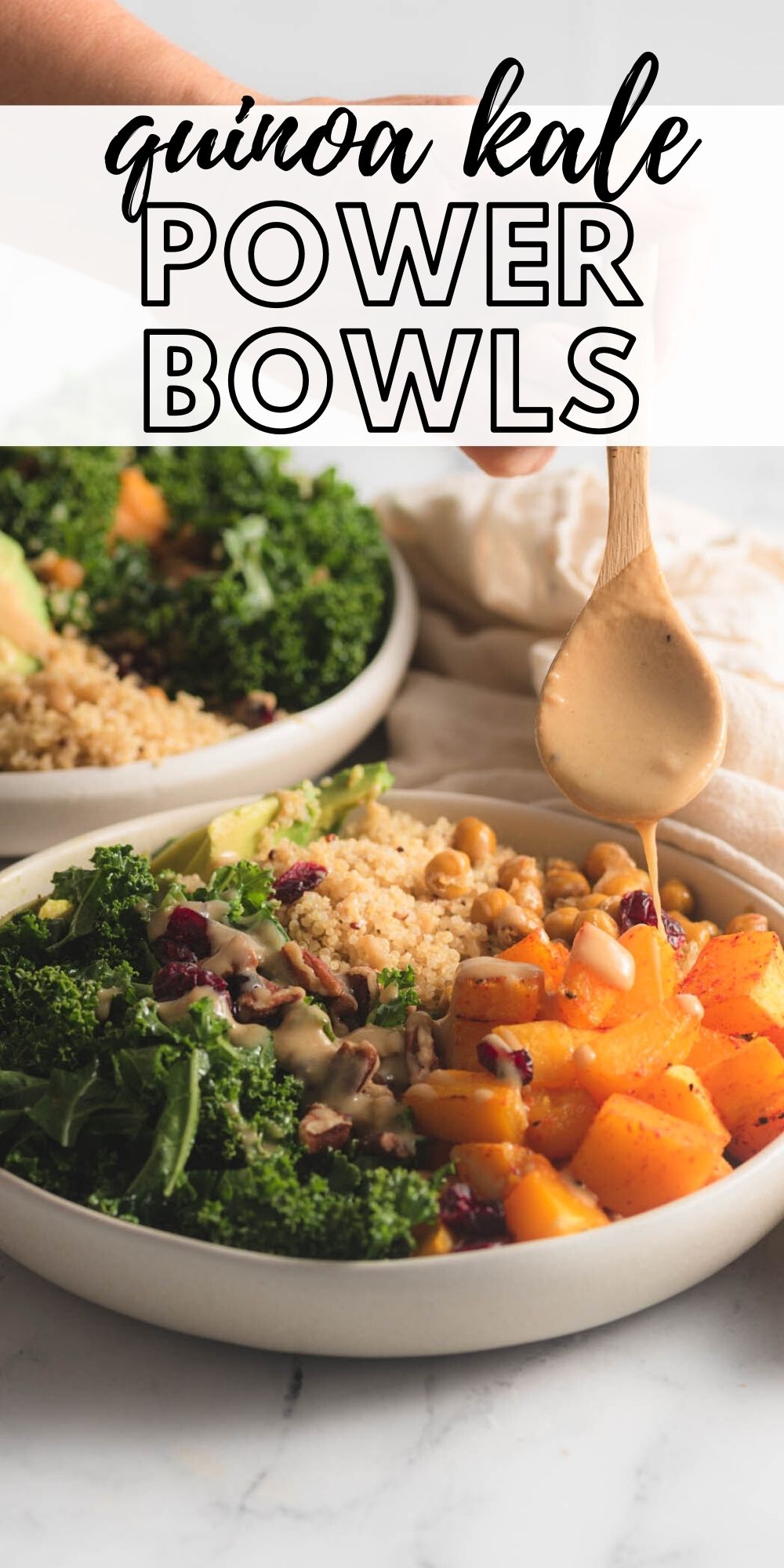
Fourth, a true Mediterranean quinoa power bowl — same idea as above but built hot for a cold weeknight. Warm quinoa, roasted chickpeas seasoned with cumin and paprika, wilted spinach, and a lemony tahini drizzle. Ready in 25 minutes if you use canned chickpeas and pre-cooked quinoa.
Fifth, lemon-oregano Greek chicken souvlaki skewers. Marinate chicken thigh cubes for 20 minutes in lemon juice, olive oil, oregano, and garlic; thread onto metal skewers; broil 4 inches from the element for eight minutes total, turning once. Serve on toasted pita with tzatziki, red onion, and a fistful of arugula. Every step is fast, every step is forgiving.
Add one of two chickpea moves for meatless nights: a warming lemon-garlic Mediterranean chickpea stew that finishes in 25 minutes and reheats better on day two, or a chilled Mediterranean quinoa and chickpea pasta salad for hot-weather dinners when the oven is not welcome.
Common mistake to avoid on skillet nights: crowding the pan. If the whole surface is covered, the food steams instead of browning. Sear proteins in two batches if you have to, and you'll be rewarded with actual color and actual crust.
8 Sheet-Pan Mediterranean Dinners (Protein + Veg, One Pan)
Sheet-pan dinners are the highest-leverage weeknight technique in Mediterranean cooking: one pan, one hot oven at 425°F, protein plus vegetables cooked together, and one round of cleanup. The trick is arranging things by cook time so nothing overcooks.
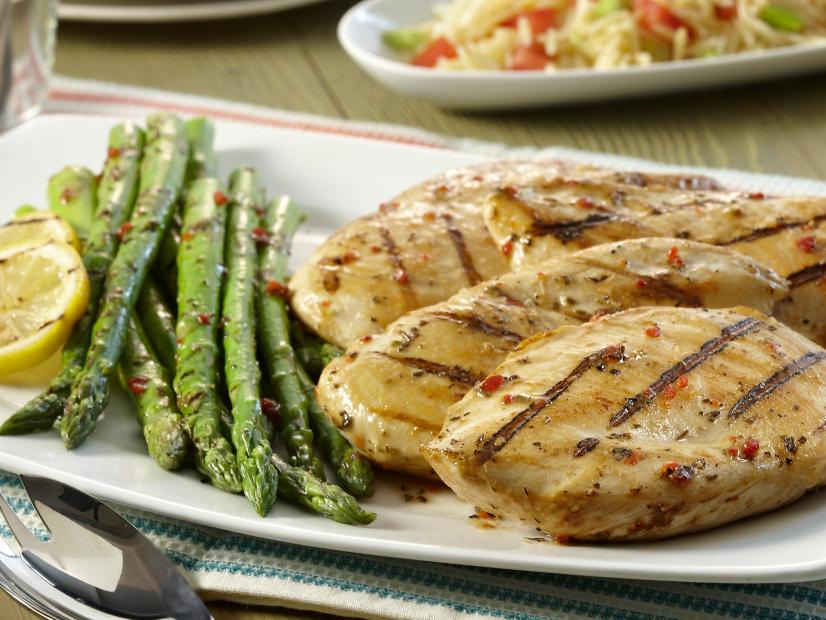
The workhorse recipe is sheet-pan garlic and lemon chicken with asparagus — bone-in chicken thighs seasoned with olive oil, garlic, lemon zest, and oregano; sear skin-side down on a preheated sheet pan for eight minutes; flip; add asparagus around the thighs; return to the oven for 15 minutes. Chicken hits 165°F, asparagus is tender-crisp, and the pan drippings become a lemon-garlic sauce with a squeeze of the roasted lemon halves.
For fish nights, baked lemon-rosemary cod with garlic and olive oil is the shortest path to a real dinner. Six-ounce cod fillets on parchment, brushed with a paste of minced garlic, chopped rosemary, olive oil, and lemon zest; roasted at 425°F for 12 minutes. Cod is done at 130°F internal — pull a minute early, let carryover finish it, and it stays flaky, not chalky.
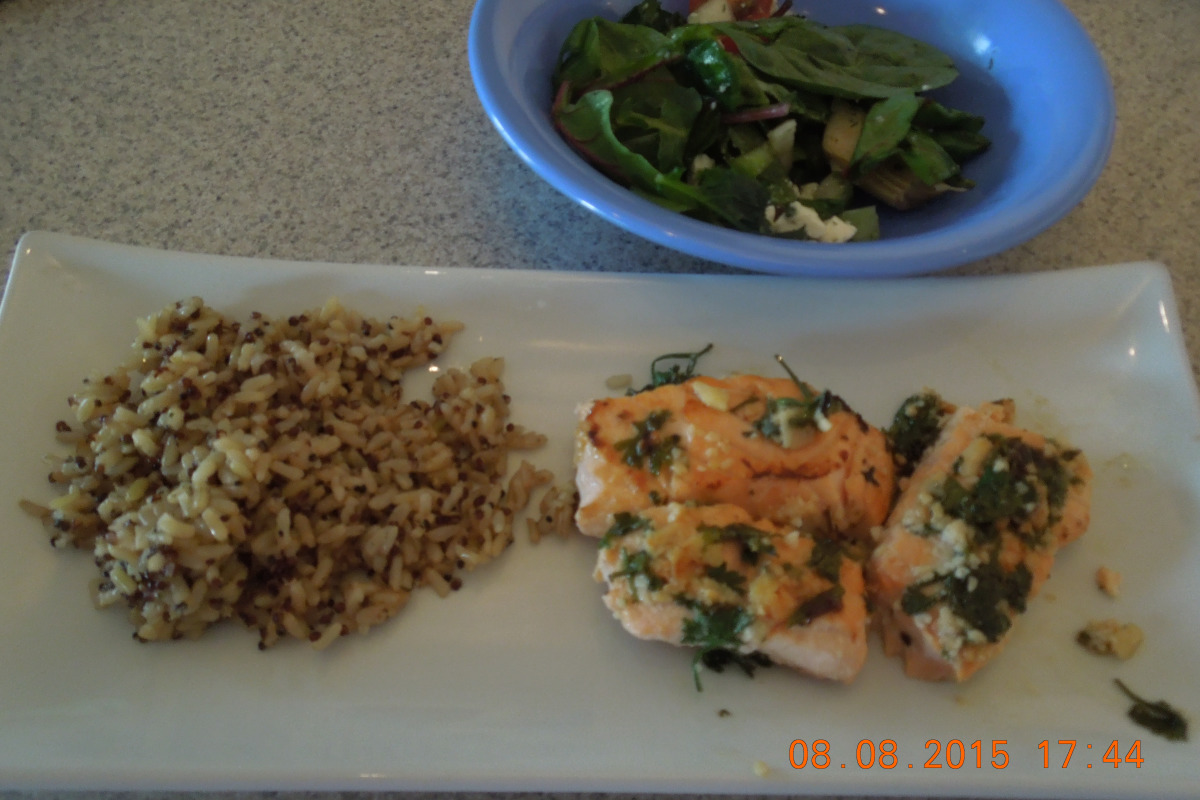
Salmon lovers should go straight to baked herb-crusted salmon with lemon and dill yogurt sauce. Rub center-cut salmon with a mix of panko, dill, parsley, lemon zest, and olive oil; roast at 400°F for 12 minutes. The crust bakes crisp on top while the fillet stays medium-rare in the middle. Serve with a spoonful of yogurt whisked with dill, garlic, and lemon.
Round out the sheet-pan set with tray-roasted vegetables and feta: a full cauliflower head cut into steaks, cherry tomatoes, a red onion in wedges, and half a block of feta right on the pan, all drizzled in olive oil and dressed with za'atar. Twenty-two minutes at 425°F. The feta bronzes but holds shape; the tomatoes burst and coat everything in tomato-y oil.
Key numbers for sheet-pan success:
| Protein | Oven temp | Done temp (internal) | Approx time |
|---|---|---|---|
| Bone-in chicken thigh | 425°F | 175°F | 25–30 min |
| Boneless chicken breast | 425°F | 160°F (rest to 165°F) | 18–22 min |
| Salmon (1 in thick) | 400°F | 125°F | 10–12 min |
| Cod (1 in thick) | 425°F | 130°F | 10–12 min |
| Shrimp (large) | 425°F | 120°F (curl into a C) | 6–8 min |
Common mistake: using a rimmed cookie sheet instead of a real half sheet pan. Cookie sheets warp at 425°F and dump the fond and drippings into the oven. A heavy aluminum half sheet pan runs $15–$25 and lasts a decade.
9 Grain-Bowl and Pasta Mediterranean Dinners
Grain bowls are where Mediterranean cooking really pays for itself: cook a big pot of farro or orzo once, then rotate through three or four different toppings across the week. Each of the recipes below scales cleanly for four servings and reheats well for lunch.
Anchor the grain rotation with one-pot roasted vegetable farro bowl. Farro simmers in vegetable stock while roasted red pepper, zucchini, and eggplant finish in the oven; combine with a lemon-tahini dressing and a scattering of parsley. Four servings, 40 minutes start to finish, reheats better than any other grain in the pantry.
For soup nights, slow-simmered Greek lemon-avgolemono soup with chicken and rice is the cold-day answer. Avgolemono is a lemon-egg emulsion whisked into chicken broth at the last second — thick and creamy without a drop of cream. Poached chicken, arborio or short-grain rice, and a big squeeze of lemon carry the whole thing. Twenty-five minutes if you use rotisserie chicken.
Pasta options: skip the boilerplate spaghetti-with-tomato and try a proper Mediterranean take. Cold Greek-style Mediterranean quinoa and chickpea pasta salad travels better than any other dinner you'll make this month — it's the recipe I bring to picnics and the one my kids ask for two nights in a row.
For weeknight dinners where you want the depth of a longer cook without the weekend commitment, both the chickpea stew and the avgolemono soup improve overnight. Cook a double batch Sunday, portion, and you have two weeknight dinners plus two workday lunches without ever picking up a knife again.
The grain-bowl gotcha most people miss: dress the grains while they're still warm. Warm grains absorb dressing; cold grains sit under it. A tablespoon of good olive oil, a tablespoon of vinegar, and a heavy pinch of salt straight into the warm cooked farro or quinoa transforms it from bland to seasoned. Add tender greens (arugula, spinach) at the end so they wilt from the residual heat.
One-Week Rotation: How to Sequence 5 of These Across Mon–Fri
The single biggest cognitive load in weeknight cooking is decision fatigue. Solve it once on Sunday morning: pick five, put the grocery list into a shopping app, and never think about it again until Friday night.
| Day | Recipe | Prep tonight | Reheat/reuse tomorrow |
|---|---|---|---|
| Monday | Sheet-pan garlic lemon chicken | Roast a double batch of chickpeas | — |
| Tuesday | 15-minute shrimp and lemon orzo | Cook 2 cups of farro | Chicken → wraps for lunch |
| Wednesday | Roasted vegetable farro bowl | Marinate souvlaki | Farro → Thu lunch |
| Thursday | Greek souvlaki skewers on pita | — | Souvlaki → Fri lunch |
| Friday | Chickpea shakshuka + crusty bread | — | — |
Grocery load for the whole week: one whole chicken or 8 thighs, 1 lb shrimp, 1 lb chicken thigh (souvlaki), 2 lemons per day (14 total), 2 cans chickpeas, 1 large can San Marzano tomatoes, 1 lb orzo, 1 lb farro, feta, one bag of greens per day, whatever fresh vegetables (asparagus, zucchini, pepper) are in season. Total shop: under $80 for four servings each night on the AislePrompt shopping list.
Send it to Instacart with one tap on the AislePrompt shopping-list screen and the whole week lands in about 25 minutes at your door. Or bring the list to the store and let the pantry app group it by aisle so you walk a single loop instead of doubling back three times for capers.
Common Mistakes: Dry Chicken, Soggy Vegetables, Over-Dressed Salads
Three failure modes account for 80% of disappointing Mediterranean weeknight dinners. Fix them and you're already ahead of most home cooks.
Dry chicken. The mistake is cooking to a timer instead of a temperature. Pull boneless chicken breasts at 160°F internal (they carry over to 165°F while resting) and bone-in thighs at 175°F. Use a probe thermometer, not a timer, and rest chicken loosely tented for three to five minutes before slicing. A five-dollar instant-read thermometer solves this permanently — no amount of marinade or technique can compensate for a timer-based cook. See Serious Eats' Mediterranean recipe collection for technique-forward writing that shows the science behind the carryover.
Soggy vegetables. The mistake is crowding the pan or roasting too cool. Any vegetable roasted at less than 400°F steams instead of caramelizing. Space vegetables so each piece has at least half an inch of pan around it; if they don't fit, use two pans. Blot wet vegetables (zucchini, mushrooms) with a paper towel before oiling. Roast at 425°F minimum, or 450°F if you want more color. And salt right before roasting — earlier and the salt pulls moisture out and cools the pan when you add them.
Over-dressed salads and grain bowls. Mediterranean cooks use a light hand with dressing — a tablespoon of good olive oil and a half-tablespoon of vinegar per person, no more. Anything heavier and the salad tastes greasy and the grains turn to mush by lunchtime. Dress warm grains lightly, then add extra oil and lemon at the table if you want more brightness. The Mayo Clinic's Mediterranean diet primer sums it up well: the fat is central, but restraint on volume is what keeps the pattern sustainable.
A fourth quiet mistake: buying pre-crumbled feta. It's coated in cellulose and dries out to a sandy texture. Buy a block of Bulgarian or Greek sheep's-milk feta, keep it in its brine in the fridge, and crumble by hand as you use it. The difference is night and day.
FAQ
What makes a dinner "Mediterranean" vs just healthy?
Mediterranean weeknight dinners lean on olive oil (not butter) as the fat, feature at least one plant-forward component (legumes, greens, or whole grains) alongside the protein, and use bright acid (lemon, vinegar, tomato) rather than heavy cream sauces. Fish, chicken, and legumes dominate; red meat appears occasionally. That pattern — not any specific country — is what registered dietitians and the Mayo Clinic describe when they recommend the Mediterranean diet.
How do I keep chicken from drying out in a 30-minute Mediterranean dinner?
The fix people skip is temperature: pull boneless chicken breasts at 160°F internal (they carry over to 165°F while resting) and thighs at 170–175°F. Use a probe thermometer, not a timer. Pounding breasts to an even half-inch thickness, marinating 20 minutes in lemon-yogurt-garlic, and finishing under the broiler for 90 seconds are the three other reliable fixes for weeknight cooks.
Can I make these Mediterranean dinners gluten-free or dairy-free?
Yes — swap orzo and pasta for gluten-free options like quinoa or rice, and swap feta for a small handful of toasted pine nuts or a squeeze of lemon plus fresh herbs for the bright, salty finish. About 18 of the 25 recipes in this roundup work with either substitution; the AI chat at /chat will rebuild the whole plan around a dietary restriction if you paste the recipe URLs.
What Mediterranean pantry staples should I always have on hand?
A good extra-virgin olive oil, canned chickpeas and white beans, canned San Marzano tomatoes, dried oregano and za'atar, fresh lemons, garlic, kalamata olives, tahini, feta, and one hard cheese (parmesan or pecorino). With those twelve items plus any protein and one bag of greens, you can make roughly 40 of the recipes in the AislePrompt Mediterranean catalog with zero extra shopping.
How does AislePrompt help me shop for these dinners?
Tap 'Add to shopping list' on any of the 25 recipes, then hit the green Instacart icon at the top of the shopping list to send everything to your local store — items group by aisle and duplicate ingredients merge automatically. If you're building a whole week's Mediterranean rotation, the AI meal planner at /meal-plan will size servings and consolidate the list in one step.
Related Guides and Sources
For a deeper dive on the science behind the eating pattern, the Harvard Medical School guide to the Mediterranean diet is the best free primer online — it covers cardiovascular outcomes, cognitive benefits, and the specific micronutrient profile that makes olive oil, legumes, and oily fish the anchor. Pair it with the Mayo Clinic's practical guide for the "what does a typical day look like" framing, and with Serious Eats' Mediterranean recipe collection for technique-forward writing.
On AislePrompt, keep browsing the Mediterranean cluster from any recipe page — every recipe you open surfaces five related recipes below it, so the rotation builds itself as you cook. The chat at /chat can rebuild any of these dinners around a dietary restriction, a smaller family, or a leftover ingredient. And the AI meal planner at /meal-plan can pull five Mediterranean recipes into a full week, size the servings, and turn the whole thing into a single Instacart cart in one tap.
Frequently asked questions
What makes a dinner 'Mediterranean' vs just healthy?
How do I keep chicken from drying out in a 30-minute Mediterranean dinner?
Can I make these Mediterranean dinners gluten-free or dairy-free?
What Mediterranean pantry staples should I always have on hand?
How does AislePrompt help me shop for these dinners?
Sources
Mediterranean recipes from the catalog
Save any of these to My Recipes — no account needed — and send the ingredients to Instacart in one tap.
One pan, one shopping list, one tap.
Ask our AI for one-pan weeknight dinners — it totals the ingredients and sends the cart to Instacart.
Get one-pan dinners →