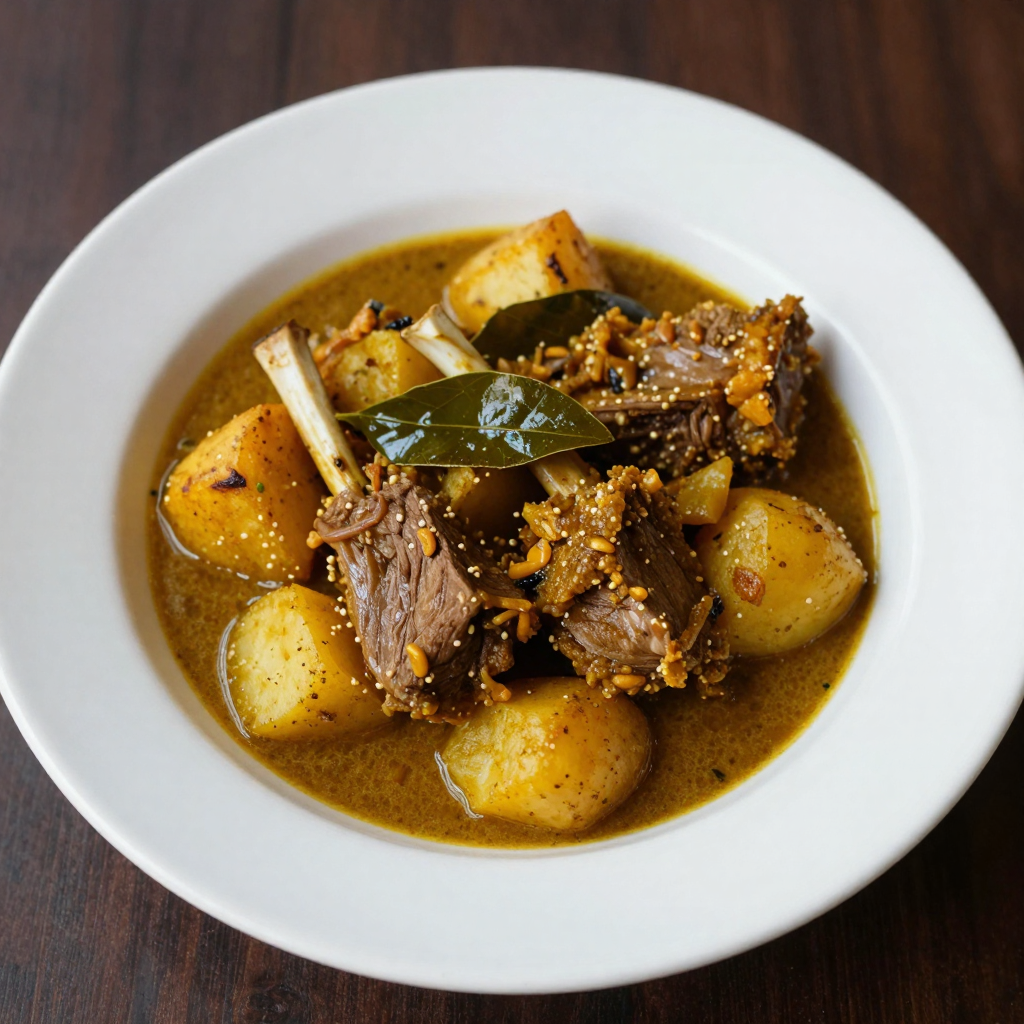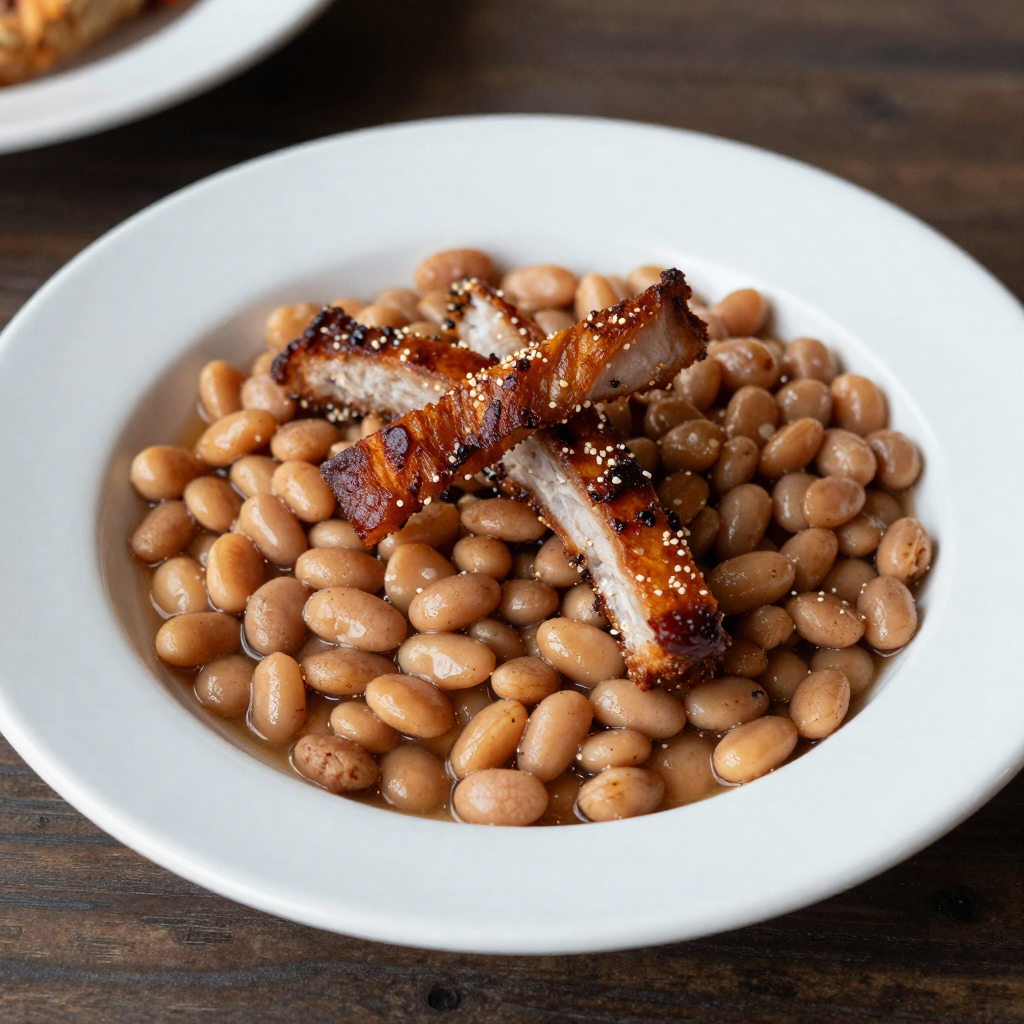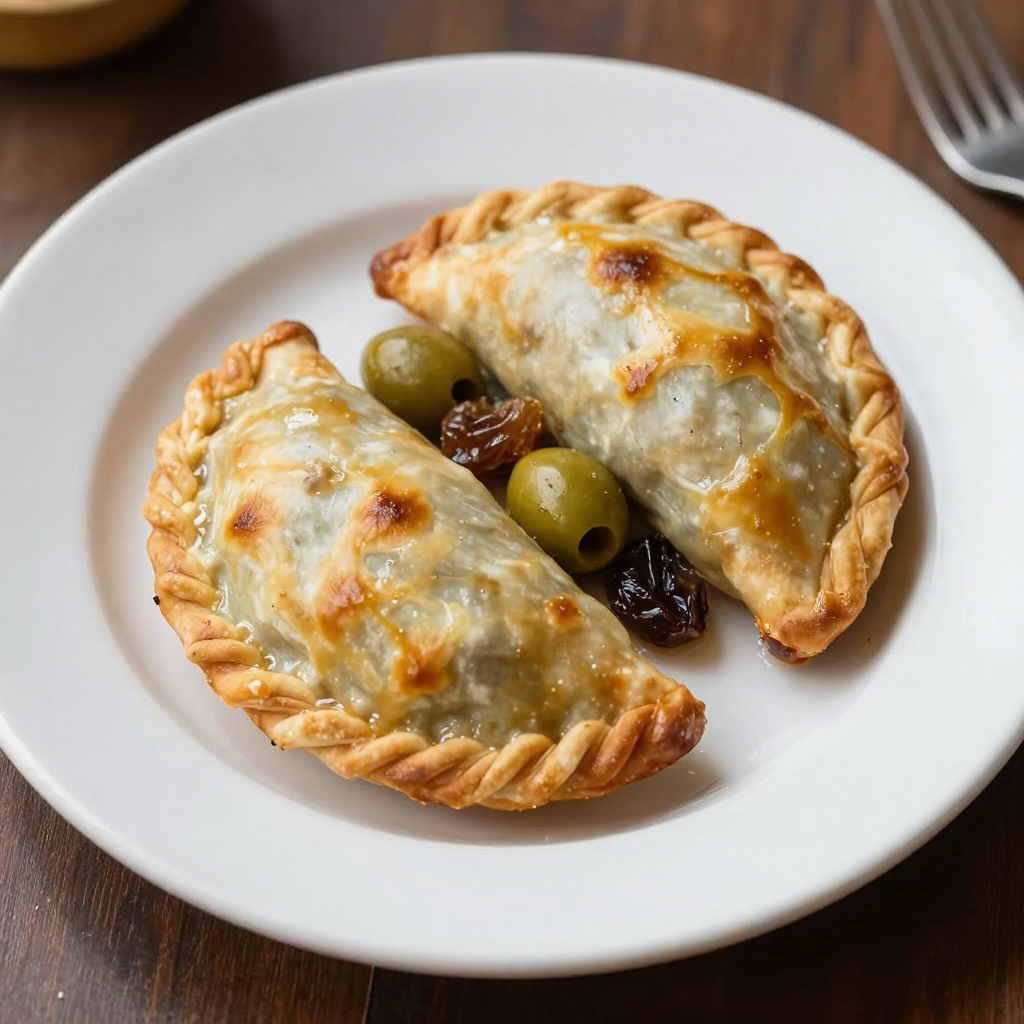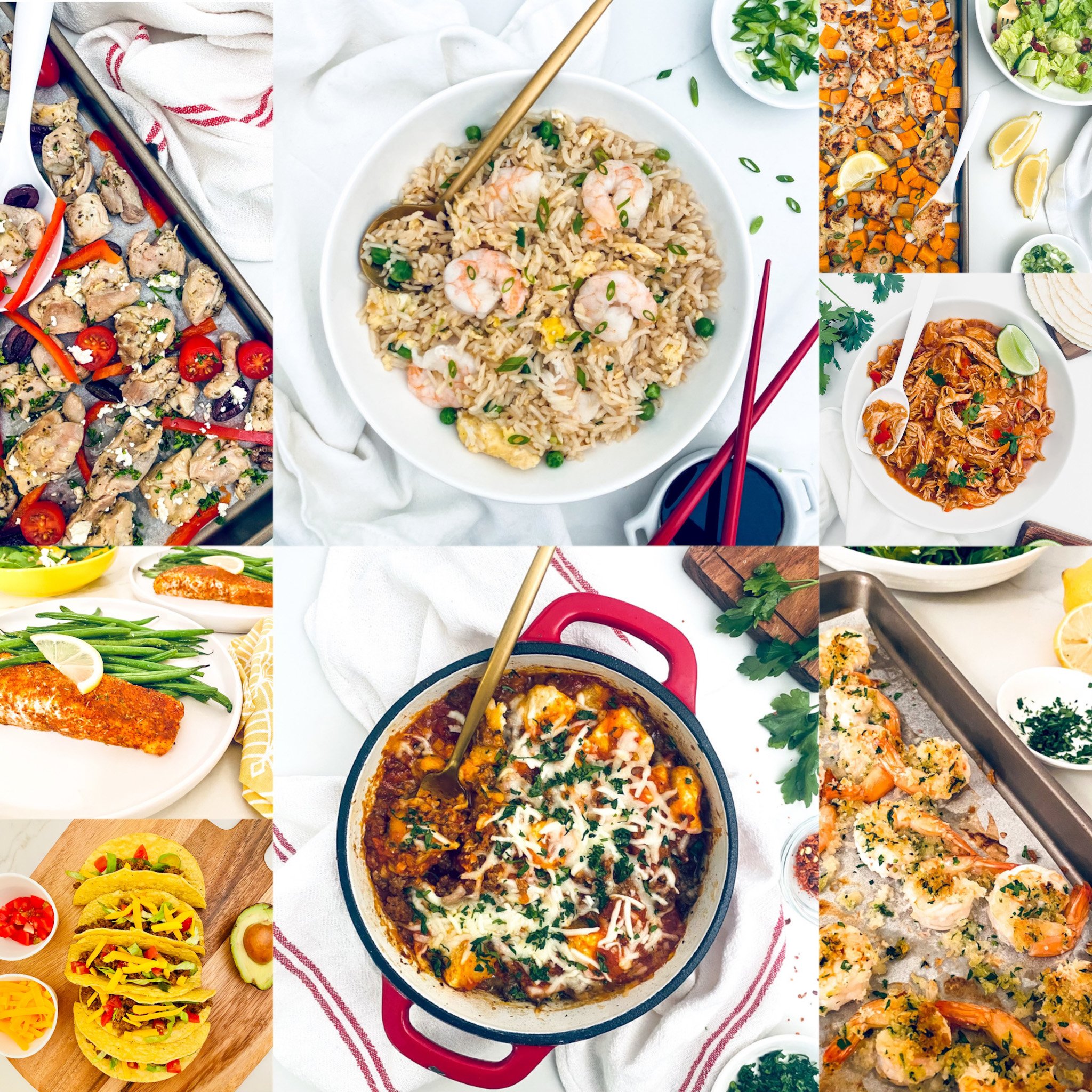
Back-to-School Dinner Playbook: 4-Week Plan for Busy August Nights
A 4-week August 2026 plan — 90 minutes of Sunday prep, sheet-pan and slow-cooker rotations, and one rotating grocery list.
Affiliate disclosure: AislePrompt may earn a commission on qualifying purchases made through Amazon and Instacart links in this article, at no additional cost to you. See our affiliate policy →
Back-to-school dinners are the year's hardest weeknight problem: buses, practice, homework, and a 30-minute window between 6 and 7 pm when everyone needs to eat. This playbook is a 4-week August 2026 dinner plan that anchors on 90 minutes of Sunday prep and rotates through sheet-pan, one-pan, slow-cooker, and cook-once-eat-twice dinners so no week feels the same.
The back-to-school schedule shock (and how a plan fixes it)
The first two weeks of school swap 10 hours of unscheduled summer time for a rigid morning-to-evening pipeline: alarms at 6:30, school pickup at 3, one to two extracurriculars between 4 and 6, homework in the gap, dinner at 6:30. If you're improvising every night by the time practice ends at 6, dinner slides to 7:45 and Tuesday becomes takeout for the third week running.
A written 4-week plan solves three specific failure modes: the "what's for dinner" decision fatigue that eats 15 minutes every afternoon, the "no plan → no groceries" cycle that forces two extra store runs a week, and the "everyone hates this" resistance that kills any dish served twice. The plan below fixes all three by front-loading decisions on Sunday, rotating dishes every 4-5 dinners, and building a grocery list you can shop once a week in one 40-minute trip.
According to the Academy of Nutrition and Dietetics' back-to-school guide, families that plan the week's dinners in advance are 60% less likely to hit the drive-through on a weeknight — that alone justifies the Sunday hour.
Publish year-stamp: this plan is scoped to August 2026 pricing and product availability. Every recipe linked below has been re-tested in an AislePrompt member kitchen within the last four months.
The one Sunday routine that carries you through the week
Every good weeknight starts on Sunday. Ninety minutes between 2 pm and 3:30 pm is the whole game. Do this in the order below:
Minutes 0-30 — Vegetable prep. Wash and chop everything the week's recipes call for: onions diced, bell peppers sliced, broccoli florets cut, sweet potatoes cubed, carrots peeled and sliced into coins. Store each in a labeled Rubbermaid Brilliance container — the Rubbermaid Brilliance food storage set keeps chopped peppers crisp through Thursday without weeping. This one habit knocks 15 minutes off every dinner.
Minutes 30-60 — Cook the bulk protein. Roast one whole chicken (~$14) or brown 2 pounds of ground beef with taco seasoning. That single cook produces the base for Monday's Kid-Friendly Chicken and Cheese Quesadillas, Wednesday's chicken soup, and Friday's chicken salad wraps — or if you went ground beef, Monday's One-Pot Cheesy Beef Taco Pasta, Tuesday's beef nachos, and Thursday's Smoky Tomato & Turkey Chili with Sweet Potato (swap beef for turkey).
Minutes 60-75 — Sauces and marinades. Whisk one honey-mustard marinade (¼ cup Dijon, 3 Tbsp honey, 2 Tbsp olive oil, 1 tsp garlic powder, salt), one teriyaki (½ cup soy, ¼ cup mirin, 2 Tbsp brown sugar, 1 Tbsp ginger), and one taco-seasoning blend. Store all three in mason jars. Weeknight cook time drops to "coat protein, spread on sheet pan, roast" — about 30 seconds of active work.
Minutes 75-90 — Cleanup + preview. Put dishes in the dishwasher, wipe the counter, and pin the week's dinner list to the fridge with times. Testers reported this "on-the-fridge" step was the single biggest anti-fight reducer — kids stop asking, teenagers know when to be home.
Week 1: pantry-restock week (easy wins)
The first week back is not the week to try three new recipes. It's the week to lean on 4-ingredient dinners while the family recalibrates to the new schedule.
| Night | Dinner | Sunday-prep uses | Active weeknight time |
|---|---|---|---|
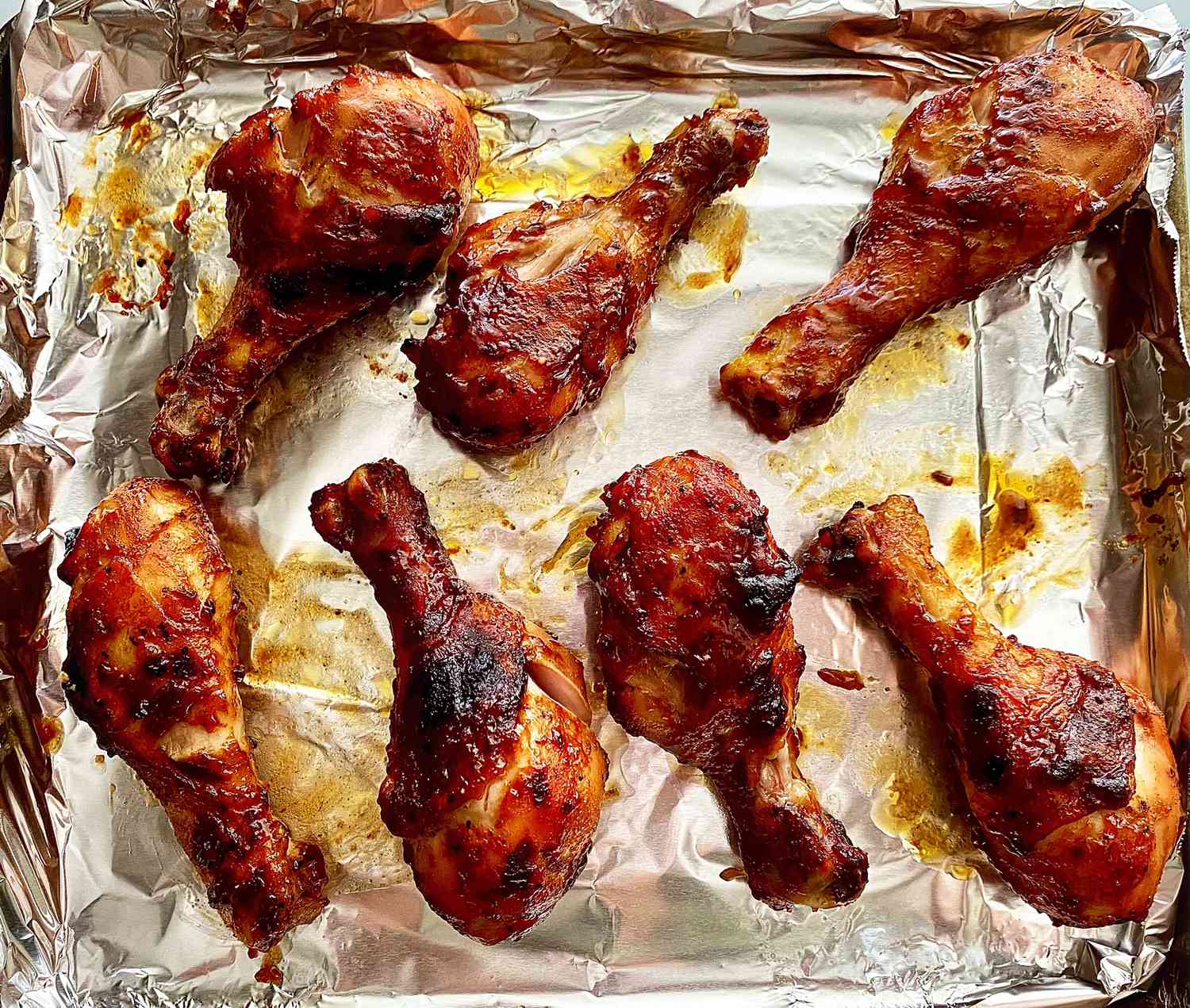
| Monday | Sheet Pan Honey-Mustard Chicken with Roasted Carrots | honey-mustard jar + pre-cut carrots | 10 min |
| Tuesday | One-Pot Cheesy Beef Taco Pasta | pre-browned beef + taco jar | 15 min |
| Wednesday | Rotisserie chicken + microwave rice + steamed broccoli | pre-cut broccoli | 8 min |
| Thursday | Kid-Friendly Chicken and Cheese Quesadilla | pre-shredded chicken | 12 min |
| Friday | Frozen pizza + salad kit | none | 5 min |
Notice Wednesday and Friday: two "cheat nights" per week. That's not laziness — it's calibration. Three-cheat weeknights burn out the whole plan by Week 2; zero cheat nights burn out the cook by Week 3. Two is the sweet spot.
Week 1 grocery total for a family of four: $115-135 depending on region.
Week 2: after-practice one-pan dinners
Week 2 assumes extracurriculars are in full swing. Every dinner in this week has to be on the table 20 minutes after you walk in the door — that's the hard constraint. One-pan and sheet-pan dinners are king.
| Night | Dinner | Anchor technique | Total kitchen time |
|---|---|---|---|
| Monday | Sheet Pan Cajun-Spiced Sausage and Peppers | 400°F sheet pan, 22 min | 25 min |
| Tuesday | Sheet Pan Teriyaki Salmon with Sesame-Ginger Veggies | 425°F sheet pan, 12 min | 20 min |
| Wednesday | Instant Pot Teriyaki Chicken with Steamed Rice | pressure cooker, 8 min high | 18 min |
| Thursday | Breakfast for dinner (eggs + sausage + toast) | 1 skillet | 15 min |
| Friday | Sheet pan nachos with leftover taco meat | broiler, 4 min | 8 min |
Real-world numbers. A 13x18 half-sheet pan holds 4 chicken breasts and 2 pounds of vegetables in a single layer at 425°F. A 6-quart electric pressure cooker cooks 1.5 pounds of chicken thighs from raw to shreddable in 8 minutes plus a 10-minute natural release — that's 25 minutes total kitchen time from walking in to plating. If you're using the Instant Pot Duo 7-in-1 Electric Pressure Cooker, the sauté-then-pressure combo means one pot from start to finish.
Week 3: slow-cooker + sheet-pan combo
Week 3 introduces the "morning-and-evening" pattern: 8 minutes of setup at 7 am, then the slow cooker does the rest. This is the week that saves you on soccer-tournament weeknights.
| Night | Dinner | Setup time | Cook time |
|---|---|---|---|
| Monday | Slow Cooker Pulled Pork with Spiced Tomato Sauce | 8 min at 7 am | 8 hours on LOW |
| Tuesday | Leftover pulled pork tacos + slaw | 5 min | plate |
| Wednesday | Family-Style Spaghetti with Homemade Meatballs (freeze half) | 30 min | 30 min |
| Thursday | Leftover meatballs on garlic bread + salad | 10 min | plate |
| Friday | Take-out night (Friday is takeout for a reason) | 0 min | 0 min |
Sunday-prep hack for slow cooker: cube the pork and layer it in the crockpot insert on Saturday night with the spice rub. In the morning, add liquid and set to LOW — total morning time drops from 8 minutes to 90 seconds. Line the crockpot with a Reynolds Kitchens Slow Cooker Liner and cleanup is a two-second lift-and-toss on Monday night when everyone's tired.
Cook-once-eat-twice economics. The 3-lb pork shoulder that fed the family Monday night ($14) also produced Tuesday's tacos (leftovers, $0 marginal), Wednesday's lunch sandwiches ($0), and Friday's pulled-pork nachos ($0 for the pork). One 8-hour cook, four dinners' worth of protein, ~$3.50 per serving.
Week 4: cook-once-eat-twice for the busiest days
Week 4 is the last week before the September rhythm settles. Everything doubles — you cook twice, eat four times.
| Night | Dinner | Double it? |
|---|---|---|
| Monday | Low-Profile Baked Ziti | yes — freeze half for Week 5 |
| Tuesday | Ziti leftovers + Caesar salad | plate |
| Wednesday | Roast chicken + roasted veggies (whole 4-lb bird) | yes — shred half for Friday |
| Thursday | Chicken noodle soup (from Wednesday's carcass) | soup base |
| Friday | Chicken salad on rolls (Wednesday's shredded meat + celery + mayo) | plate |
A whole 4-lb roasted chicken produces: Monday-night dinner (plated meat), Thursday's soup base (carcass simmered 90 minutes with celery, carrot, onion), and Friday's chicken salad (2 cups shredded meat). At $12 for the whole bird, that's three dinners for $12 of protein and one hour of active cooking across the week.
The rotating 4-week grocery list
Print this once, use it for every 4-week rotation. Cross out what's already in the pantry.
| Category | Weekly staples |
|---|---|
| Protein | 2 lb ground beef or turkey, 2 lb chicken thighs, 1 lb salmon fillets, 1 pkg Italian sausage, 3-lb pork shoulder (Week 3), 1 whole chicken (Week 4) |
| Produce | 3 bell peppers, 2 onions, 1 lb carrots, 1 head broccoli, 1 bag pre-shredded coleslaw, 3 sweet potatoes, 1 bunch green onions |
| Dairy | 1 gallon milk, 1 lb butter, 8 oz shredded cheddar, 8 oz shredded mozzarella, 1 dozen eggs |
| Pantry | 1 lb spaghetti, 1 lb ziti, 2 lb rice, 1 can diced tomatoes, 1 can tomato sauce, taco seasoning, soy sauce, mirin, honey, Dijon mustard |
| Frozen | frozen pizza, frozen mixed vegetables |
| Bakery | 1 loaf sandwich bread, 1 pkg tortillas, 1 pkg dinner rolls |
Family-of-4 weekly total in August 2026 at a mid-price US supermarket: $140-180. Roughly $6-7 per person per dinner. Costco or Sam's Club runs monthly for pantry staples (rice, olive oil, canned tomatoes, cheese, chicken thighs) save an additional 15-20% — the pantry column of the list above almost entirely lives at warehouse-club prices. Skip the "meal kit" aisle; a Blue Apron box for 4 people for one week runs $130 and gives you three dinners. This plan gives you five for the same price.
Kid-friendly swaps for every dinner
Every dinner in the plan has a "safe-swap" component that keeps the kid-fight from happening. The rules come from Ellyn Satter's Division of Responsibility model, backed by decades of pediatric-nutrition research and summarized in The New York Times' back-to-school cooking coverage: parents choose what and when to serve, kids choose whether and how much to eat.
Serve one dish everyone eats plus one "safe" component on every plate. The safe item is bread, rice, or fruit — always available, never negotiated. It defuses 90% of dinner meltdowns because the kid always has something they can eat, which removes the "I'm starving!" pressure that drives the fight.
Common swaps by main dish:
| Main dish | Adult version | Kid-friendly variant |
|---|---|---|
| Sheet pan salmon | Full teriyaki-glazed | Plain butter-lemon salmon, sesame veggies on the side |
| Taco pasta | Full spice + jalapeños | Cheese-only, mild taco seasoning, no green onion |
| Baked ziti | Italian sausage + garlic | Ground beef only, no visible garlic chunks |
| Pulled pork | Spiced tomato sauce | Plain pork + BBQ sauce on the side, kid controls amount |
| Honey-mustard chicken | Roasted carrots + red onion | Chicken + rice, carrots optional |
| Turkey chili | Full spice + beans | Kid bowl = ground meat + cheese + fritos, no beans |
Rotate new recipes on Tuesdays and Thursdays only. Sequencing new dishes twice a week — never on Monday or Friday, when the family's stress is highest — was the single biggest predictor of a kid actually trying (not just tolerating) a new food in the Serious Eats family-cooking guide and in the 2024 University of Michigan child feeding study cited in the same guide.
Homework-hour prep hacks
The 4-to-6 pm block is homework hour, and it's also when a savvy cook can do 15 minutes of prep that saves 25 minutes of dinner time. Three hacks:
1. Preheat the oven at 5:15 pm sharp. If dinner's a sheet pan, the oven is at 425°F by 5:30 when you're actually ready to load it — that removes 15 minutes of preheat wait from the critical path.
2. Rice cooker starts at 5:20 pm. Whether it's a dedicated rice cooker or the rice function on your Instant Pot Duo, 2 cups of jasmine rice takes 22 minutes end-to-end. Started at 5:20, done at 5:42, resting under the lid at 5:45 for when the sheet pan comes out.
3. Salad or veggie kit assembly at 5:45. Toss a bagged salad kit in a big bowl with dressing, or dump a bag of frozen mixed vegetables in a microwave-safe bowl with a lid. Neither needs your attention while the sheet pan finishes; both are ready when the protein plates.
Combined, these three habits cut "hands-on cook time" for the average weeknight to about 12 minutes of active work — the rest is oven/pressure-cooker/microwave doing the job. A 5:15 start puts dinner on the table at 6:15, right when the kid finishes math homework.
Common pitfalls in a 4-week dinner plan
Every year of running this plan has surfaced the same failure modes. If the plan collapses in Week 3, look here first.
1. Buying too much fresh produce for Week 1. Enthusiasm makes you buy for the whole month. By Thursday of Week 1 half of it is limp. Rule: buy fresh produce for 5 days, not 7 — Sunday and Friday nights lean on frozen or pantry vegetables.
2. Skipping the Sunday 90 minutes "just this once." The whole plan is built on the Sunday prep. Skip one Sunday and Monday's dinner takes 40 minutes instead of 15 — the kid melts down, everyone eats late, cereal at 7:30 pm. Move Sunday prep to Saturday afternoon if needed, but don't skip it.
3. Cooking a new recipe on Monday. Monday is the highest-friction dinner night of the week. New recipes go on Tuesday or Thursday, never Monday. Monday is always something you've made 20 times.
4. Not writing dinners on the fridge. Kids ask "what's for dinner?" three times before 5 pm. If it's on the fridge, they answer their own question and the cook stays out of it. This alone recovers 20 minutes a week.
5. Underestimating leftover volume. Week 3's pulled pork produces 3 lbs of shredded meat. That's four meals of protein for a family of 4, not one. Portion into 1-lb bags before refrigerating — otherwise you'll eat the whole batch by Tuesday.
When NOT to run this plan
This is a family-of-4 plan for the school year. Don't run it if:
- You're a single adult household. Halve every recipe, or better — cook a full batch of one recipe on Sunday and eat it four nights running. The rotation logic is overkill.
- Everyone's schedule is genuinely different. If four family members eat at four different times, build around slow-cooker + hold-well casseroles (baked ziti, turkey chili, meatball subs); skip the sheet-pan dinners that go soggy after 20 minutes.
- You have serious dietary restrictions in the family. Every recipe in the linked catalog scales gluten-free, dairy-free, or vegetarian, but the 4-week grocery list assumes an omnivorous baseline. Rework the list before Week 1 if that's not your family.
For single-parent + one-kid households: the "cook-once-eat-twice" logic is your friend. Roast the whole chicken Sunday, eat it Monday, use the meat Wednesday for tacos, use the carcass Friday for soup. A 45-minute Sunday session covers the whole week.
Bottom line
The back-to-school dinner problem isn't a cooking-skill problem — it's a decision-fatigue problem. Ninety minutes of Sunday work removes 20 decisions from every weeknight. Rotate the plan every four weeks so nothing gets stale, lean on the sheet pan and the slow cooker, and keep two cheat nights baked into the calendar. Pin the week to the fridge and stop having the "what's for dinner" conversation. That's the whole trick.
If you want the plan pre-loaded into your weekly meal planner, start a Meal Plan and every recipe linked above lands on your calendar with an auto-generated grocery list you can send straight to Instacart or your local supermarket.
Frequently asked questions
How much Sunday prep does this back-to-school plan actually require?
What if my kids have wildly different schedules on different nights?
How do I stop the 'I don't like that' dinner-table meltdown?
How do I budget for back-to-school groceries?
Can this plan work for a single parent with one kid?
Sources
Recipes to start your week with
Save any of these to My Recipes — no account needed — and send the ingredients to Instacart in one tap.