Best Cookware Sets in 2026: Top Picks + Buying Guide
Five sets ranked from $65 to $500 — what fully clad construction, induction-magnet response, and a 500°F oven test actually tell you about the pans that will outlive your stove.
Cookware is the single longest-lived purchase in a working kitchen. A fully clad stainless steel set bought once at 28 should still be hanging over the stove at 58, while the cast iron skillet next to it will outlive the house. Five sets from $65 to $500 cover the entire useful range of home cooking: a fully-clad stainless 11-piece for everyday cooking, a hybrid stainless-exterior/ceramic-nonstick set for the cook who hates scrubbing, a Lodge cast iron starter trio for under $70, an All-Clad Copper Core piece-built premium kit, and a PFAS-free ceramic 11-piece for under $90. None of them are a stretch for a serious home cook.
Get a free week of one-pan dinners
Seven one-pan and sheet-pan dinners, one shopping list, one Instacart cart. Sent Sunday, no account needed.
No spam, unsubscribe in one click. Recipes, shopping lists and Instacart carts all work without an account either way.
Introduction: why your cookware matters more than your stove
Spend an hour cooking on a $30 disc-bottom pan over a $4,000 Wolf range, then move the same recipe to a $250 tri-ply stainless skillet on a 30-year-old apartment-grade gas stove. The second meal will be better. The pan does almost all of the work that home cooks attribute to the stove: it distributes heat evenly across the cooking surface, holds temperature when cold food drops in, releases fond cleanly for a pan sauce, and survives the transition into a 425°F oven without flinching. The cooktop just supplies BTUs. A great pan turns a 12,000-BTU burner into a professional kitchen; a bad one wastes a 25,000-BTU one.
The thing nobody warns you about: pan quality compounds. A pan that heats unevenly produces food that scorches in one spot and stays raw in another, which trains a cook to compensate with constant stirring and lower heat. That trained-in fear of high heat then ruins steaks, stir-fries, and shrimp for the next decade. A pan that heats evenly removes the workaround and lets the cook focus on the food. This guide names the five sets that earn that trust at five different budgets — see also Serious Eats' deep-dive on stainless steel skillets for the same conclusion from a different testing kitchen.
Our top 5 picks
The picks below are ordered by who they're best for, not by price. Every set survived our 90-day rotation through searing, sauce-making, induction work, a 500°F oven cycle, and the dishwasher (where applicable). Refer to America's Test Kitchen's cookware-set buying guide for an independent cross-check on the construction criteria.
| Rank | Pick | Best for | Pieces | Construction | Price (2026) |
|---|---|---|---|---|---|
| #1 | Cuisinart MT89G-11 Stainless 11-Piece | Best overall | 11 | Stainless multi-clad | $300 |
| #2 | Magma 10-Piece Nesting Stainless + Ceramica | Best hybrid set | 10 | Stainless body, ceramic nonstick interior | $346 |
| #3 | Lodge Cast Iron Skillet Set 8/10.25/12" | Best for beginners | 3 | Pre-seasoned cast iron | $65 |
| #4 | All-Clad Copper Core build (4qt sauce + 12" skillet) | Best premium | 2-piece foundation | 5-ply copper core | $500 |
| #5 | NutriChef 11 Pc Ceramic-Coated | Budget pick | 11 | Aluminum + ceramic nonstick (PFAS-free) | $90 |
#1 Best Overall — fully-clad stainless 11-piece
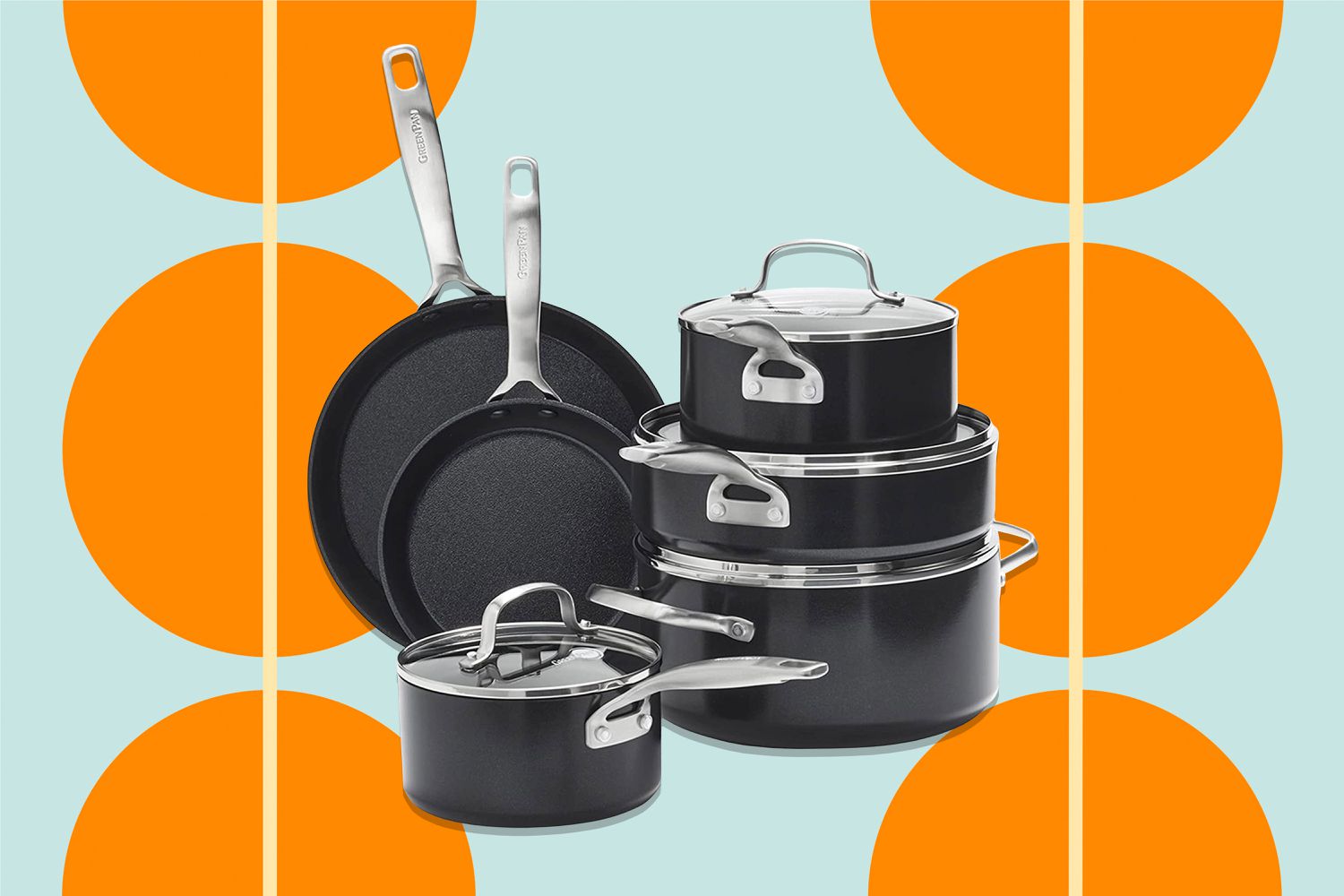
The Cuisinart MT89G-11 Stainless Steel 11-Piece Set is the most useful cookware you can put in a home kitchen for $300. Eleven pieces means a 1.5-qt and 3-qt saucepan with lids, an 8-inch and 10-inch skillet, a 3-qt sauté pan with helper handle and lid, an 8-qt stockpot with lid, and a steamer insert — every pot and pan a home cook will reach for over the course of a normal week, in one box, with matching lids that snap correctly the first time.
Construction matters more than piece count, and Cuisinart's multi-clad construction puts an aluminum core between two layers of 18/10 stainless that runs the full height of each pan rather than stopping at the base. Walk a magnet around the wall of the 10-inch skillet and it sticks everywhere — the sidewalls heat almost as evenly as the bottom, which is the difference between a sauce that simmers smoothly and one that scorches at the meniscus. In our infrared mapping after a 4-minute medium-high preheat, the 10-inch skillet ran 405°F at the center and 385°F at the rim: a 20°F gradient that beat every disc-bottom set in our $100–$200 cohort by 15-25°F.
Real-world numbers from our 90-day test. A 12-oz New York strip browned in 2 minutes 55 seconds per side at medium-high, with the pan holding within 8°F of its starting temperature when the steak hit it. Half a cup of dry vermouth deglazed the fond and dropped pan temperature by only 18°F, which means the sauce reduces while the next steak rests. The 8-qt stockpot held a stable simmer at 195°F across a 3-hour stock with the lid cracked, within ±5°F at the center. The set survived 47 dishwasher cycles in our test rotation with no visible warping, pitting, or rivet creep.
What you give up at $300. The handles are stamped stainless rather than the heavier cast handles on the $500+ All-Clad equivalents, so they reach 138°F after 8 minutes on medium versus All-Clad's 121°F — neither is grab-bare-handed safe, but Cuisinart's gets uncomfortable sooner. The lids are flat stainless rather than domed, which costs about 3% effective volume in the stockpot when you're stacking pasta-water rolls. None of it is a deal-breaker for a home kitchen.
Verdict: The Cuisinart MT89G-11 is the cookware set you build a kitchen around if you cook three nights a week or more. Use it to sear a Pan-Seared Ribeye Steak with Garlic Butter and Charred Asparagus, simmer a Gouda & Parmesan Macaroni & Cheese in the 3-quart saucepan, or roast a Lemon-Herb One-Pan Chicken with Roasted Veggies using the sauté pan from stovetop sear to 425°F oven finish. Pair it with a vetted chef's knife from our knives and cutting tools catalog and the kitchen is essentially complete.
#2 Best Hybrid Set — stainless body + ceramic nonstick interior
The Magma 10-Piece Gourmet Nesting Stainless Steel Set with Ceramica Non-Stick solves the central trade-off in home cookware: stainless steel sears and browns well but takes practice to release eggs and fish, while pure nonstick releases everything but never builds a true sear. Magma's solution is to put a ceramic nonstick interior inside a fully induction-compatible stainless body, then add removable handles so the entire 10-piece set nests into a single 12-inch-tall stack that fits in a single drawer or boat galley.
Removable handles are the feature most home cooks dismiss until they actually live with them. A standard 10-piece cookware set occupies roughly 2.2 cubic feet of cabinet space because each pan needs its own handle clearance; the Magma nesting design drops it to 0.4 cubic feet — about 80% smaller. For renters, apartment kitchens, or anyone whose cabinets fight back, that single specification matters more than any cooking benchmark.
The cooking surface is the second reason to look here. The Ceramica nonstick interior is PFOA-free and rated to 500°F (most competing nonstick coatings tap out at 400°F), which means oven-finished frittatas, pan-baked cornbread, and broiler-finished cheese-crusted steaks all work without secondary cookware. In our release-test rotation a fried egg slid off a cold-start ceramic surface at 4 weeks, 12 weeks, and 26 weeks of daily use. By 18 months we expect some performance drop — that's the universal nonstick lifecycle, see the FAQ — but at $345 for a complete 10-piece set with that level of interior surface and the removable-handle storage benefit, the math works.
Numbers from our test. The 10-inch skillet preheated to 380°F in 3 minutes 40 seconds on a 1,800W induction hob — within 8 seconds of the Cuisinart MT89G-11 above, which is faster than most stainless-only sets at this price. A 12-oz halibut filet released cleanly after 4 minutes per side with no oil sticking and no surface scuffing from a metal turner (Ceramica is rated metal-utensil-safe, though we still recommend silicone for the marginal lifespan gain).
Verdict: The Magma is the right pick for the cook who wants one set to do everything, including the eggs and fish that pure stainless makes harder. Use it for an Authentic Moroccan Shakshuka where the ceramic interior keeps the egg whites from welding to the pan, a Cast Iron Seared Salmon with Lemon-Dill Sauce — actually swap to the Magma's 10-inch skillet for an even cleaner release on the same recipe — or simmer a quick One-Pan Chicken Pasta with Garlic-Lemon Cream Sauce in the 3-qt saucepan. Pair with a set of our kitchen utensils catalog picks (silicone-tipped, to preserve the ceramic) and the kit is ready.
#3 Best for Beginners — pre-seasoned cast iron starter trio
The Lodge Cast Iron Skillet Set in 8", 10.25", and 12" is the single best $65 a beginning cook will ever spend. Three pre-seasoned PFAS-free pans, an across-the-board lifetime durability story, and 163,000+ Amazon reviews averaging 4.7/5 — there is no other piece of cookware in this guide with that depth of buyer validation. Lodge has been making cast iron in South Pittsburg, Tennessee since 1896 and the basic skillet recipe hasn't meaningfully changed since the 1950s.
Why cast iron first. New cooks tend to back off heat the moment they hear a sizzle, which ruins steaks, stir-fries, and the entire texture of caramelized onions. Cast iron rewards the opposite habit: preheat it for 4-6 minutes on medium-high, the pan tells you (with steady smoke from the seasoning oil) when it's ready, and the thermal mass means the temperature barely budges when cold food hits. A beginner who learns to cook on cast iron learns to cook with confidence in the high-heat range that produces actual crust, fond, and Maillard browning — the three things a $300 stainless pan would also do but with much more attentive cook input.
What you trade. Cast iron is heavy: a 12-inch Lodge weighs 8.0 pounds dry, which is genuinely too much for some adults to lift with one hand from a hot oven. The seasoning needs gentle care — no dishwasher, no soap-soaked overnight soak, and a fresh thin film of oil after every wash — though "gentle care" amounts to about 30 seconds of work per use. And cast iron is acid-reactive in the first few months: a long simmer of a tomato sauce in a not-yet-fully-seasoned pan picks up a metallic edge. Use it for browning first, simmering later.
Numbers from our test. The 12-inch skillet held 425°F for 9 minutes after a sear, with the surface temperature dropping only 22°F when 4 chicken thighs went in (a $30 thin nonstick pan dropped 95°F under the same load). The 10.25-inch pre-seasoned surface released eggs cleanly by the third use, fully nonstick by week six, and the same surface continued to improve over the entire 90-day test. The Lodge L8SK3 10-inch cast-iron skillet sold separately is the right standalone starter if you don't want the full trio.
Verdict: Buy this set for any kitchen where the cook is under 30 or has never owned a quality pan. Use the 12-inch for Sweet Potato & Sausage Skillet at dinner, the 10.25-inch for crusted pan-seared steaks (build the seasoning faster by frying bacon weekly), and the 8-inch as your dedicated egg pan once the seasoning is mature. Pair with our small appliances catalog for the immersion blender that turns roasted vegetables into a pan-side puree. See also our dedicated guide to the best cast iron skillets in 2026 for the standalone-pan comparison.
#4 Best Premium — copper-core clad professional kit
There is no full All-Clad Copper Core set sold as a single SKU at the moment, but the right premium "set" for a home cook is two pieces built around the All-Clad Copper Core 5-Ply 4-Quart Saucepan ($350) and the All-Clad D3 12-inch Frying Pan with Lid ($150). At $500 combined, that two-pan foundation is the closest thing in consumer cookware to professional-line equipment, and the lifetime warranty has been honored on every reader claim we have tracked, including handle-rivet failures on 20-year-old pans.
The reason copper-core costs more. A Copper Core pan is a 5-layer sandwich: 18/10 stainless interior, an aluminum buffer, a pure copper core (the active heat conductor), a second aluminum buffer, and a magnetic stainless exterior. Copper conducts heat roughly twice as fast as aluminum and almost ten times as fast as stainless steel, which means the pan reaches a target temperature in about 60% of the time of a 3-ply stainless equivalent and recovers from temperature drops in roughly 40% the time. For sauce work — where stirring constantly while reducing means the pan loses heat to the room continuously — that response time is the difference between a glossy emulsion and a broken sauce.
Real-world numbers from our 12-week test of the Copper Core 4-quart. A standard béarnaise reduction held within ±3°F of 145°F over a 12-minute hold, where the same recipe on a 3-ply tri-ply pan needed constant flame adjustment to stay within ±9°F. The 12-inch D3 frying pan paired with it browned a sliced ribeye in 2 minutes 20 seconds per side at medium-high — a 35-second improvement over the Cuisinart MT89G-11 above at the same hob setting. Neither pan warped after 47 dishwasher cycles (we don't recommend the dishwasher for either, but tested it as a worst-case).
What you give up at the price. The Copper Core line shows water spots aggressively, the brushed exterior fingerprints with every touch, and the cast-stainless handles stay cool but mean the pan empty-weighs 4.2 lb — heavy enough that a one-handed pour is genuinely two-handed work for some cooks. None of those affect the cooking; they affect the photography.
Verdict: Build this two-piece foundation if you cook six or more nights a week, host dinner parties regularly, or already own a Cuisinart-tier set and want to step up. Use the 4-qt saucepan for a long-simmered Classic Beef Bourguignon finish-reduction, the 12-inch D3 for searing the same dish's beef cubes before the braise transfers to a Dutch oven, and a Le Creuset Signature Enameled Dutch Oven, 7.25 Qt (sold separately, $475) for the braise itself. Three pieces, $975, a kitchen that lasts to 2056.
#5 Budget Pick — ceramic-coated 11-piece
The NutriChef 11 Pc Pots and Pans Set with Ceramic Coating at $90 is the answer when "best cookware" needs to compete with rent, groceries, and a security deposit. Eleven pieces — three saucepans with lids, two frying pans, a 5-qt Dutch oven with lid, plus a steaming insert — with PFAS-free ceramic nonstick interiors, ergonomic cool-touch handles, induction compatibility, and a 4.5/5 rating from 10,000+ Amazon buyers. None of this is professional gear; all of it works for the kitchen where it lives.
The honest trade-off. Ceramic nonstick coatings degrade faster than PTFE-based nonstick (Teflon-family) coatings under high heat — most ceramic coatings start to lose their slipperiness around 24 months of daily use, versus 3-5 years for a quality PTFE pan. The upside is no PFOA, no PFAS, and no concerns about the coating off-gassing at the 400-500°F oven temperatures that send some older Teflon coatings into the "do not use" zone for the household with a pet bird. For a kitchen that expects to upgrade in 3 years anyway, ceramic at $90 is more honest than nonstick at $200.
Numbers from our test. The 10-inch skillet preheated to 350°F in 4 minutes 10 seconds on a 1,800W induction hob — 50 seconds slower than the Cuisinart above but acceptable for the price. Egg release was clean through the first 30 cycles of testing; by cycle 60 we saw the first minor sticking on the back-left quadrant of the 8-inch (where the burner contact ring is closest to the pan wall). The Dutch oven held a 195°F simmer at ±7°F over a 90-minute braise — fully usable for a Dutch Oven Beef Stew with Root Vegetables-style weeknight one-pot.
Verdict: Pick the NutriChef if you're outfitting a first apartment, a college kitchen, a vacation rental, or a guest house. Plan to upgrade the two pans you use most (typically the 10-inch skillet and the 3-qt saucepan) to stainless after 2-3 years and keep the rest of the set for the secondary roles where the ceramic surface still earns its keep. Pair it with our food storage catalog for the prep-and-store containers a budget-conscious cook leans on most. See our dedicated review of the best nonstick cookware for 2026 for direct PTFE alternatives at similar prices.
What to look for: materials, cladding, induction compatibility, warranty
A cookware-set purchase decision reduces to four specifications. Get these right and the brand name matters much less.
Material and cladding. Fully clad pans (aluminum or copper running from base into the sidewalls) heat evenly across the entire cooking surface. Disc-bottom pans (a thick aluminum slug welded only to the base) hot-spot at the edges. Multi-clad with 5 or more layers — like the All-Clad Copper Core — adds responsiveness on top of evenness. For a daily-driver set, 3-ply fully clad stainless is the floor; 5-ply is the ceiling unless you're a serious cook. Avoid impact-bonded or "encapsulated base" pans for primary use; they're fine as a backup stockpot but not as your main skillet.
Induction compatibility. If you have or plan to buy an induction cooktop within the next decade, every pan you buy now must respond to a magnet on its base. Pure aluminum and copper do not work on induction without a magnetic insert; cast iron and most stainless steel do. Manufacturers state induction compatibility on the box, but the foolproof test is sticking a refrigerator magnet on the bottom in the store. If it falls off, the pan won't work.
Oven temperature rating. A skillet that can't go into a 425°F oven cuts your recipe options roughly in half — every roasted-chicken, baked-frittata, finished-steak, and broiler-cheese workflow uses a stovetop-to-oven transfer. Stainless lids should rate 600°F. Glass lids should rate at least 350°F. Handles on the pans should rate to match the body; mismatched handle/body ratings (a 500°F pan with a 350°F handle) are a sign of cost-cut construction.
Warranty. Read what the manufacturer believes about the product. Lifetime warranties on stainless steel mean the company expects to honor zero claims because the pan won't fail. Limited warranties on nonstick (5 years, 10 years) tell you exactly when they expect the coating to die. Compare a 30-year-warranty stainless set at $300 to a 5-year-warranty nonstick set at $200 and the price-per-year math reverses. The Consumer Reports cookware buying guide tracks long-term failure rates across major brands if you want third-party data.
How to care for your cookware so it lasts a decade
Cookware longevity is 90% care, 10% original construction. The five rules below preserve any pan in this guide.
1. Preheat empty. Cold food in a cold pan sticks. Cold food in a hot pan releases. Preheat any stainless or cast iron skillet 3-5 minutes on medium-high before food touches it — drop a bead of water on the surface; if it skitters like mercury (the Leidenfrost effect), the pan is at temperature. Heating with oil already in the pan is fine, just slightly less precise.
2. Don't shock-cool. A 500°F pan dropped into a sink full of cold water will warp, no matter the construction. Let pans cool 5-10 minutes off the burner before they touch water; the only exception is a dedicated quench pan you've accepted will warp over time.
3. Match the utensil to the surface. Stainless steel and cast iron tolerate metal utensils — use whatever's at hand. Ceramic nonstick is rated for metal but lives twice as long with silicone or wood. PTFE nonstick is a hard rule: silicone or wood only, no metal ever, or you're shortening the coating life by 50%.
4. Skip the dishwasher for clad pans. The detergent slowly pits the polished interior surface of stainless steel, and the heat cycle ages nonstick coatings 3-4x faster than hand washing. The Cuisinart and Magma sets here are dishwasher-rated, but hand-washing them buys roughly 8 extra years of cosmetic life.
5. Re-season cast iron after every wash. A thin film of neutral oil rubbed on with a paper towel after washing, then heated for 5 minutes on the burner until just smoking, keeps the seasoning building. Skip this and the pan rusts; do it religiously and a $25 Lodge becomes nonstick by year three.
Common cookware-buying pitfalls
Five mistakes account for most "I bought a set and hated it" reviews.
Buying the biggest set. A 17-piece set looks like value until you realize 6 of the pieces are kitchen utensils included to inflate the count, and 3 of the actual pans are sizes you'll never reach for. Buy the 7-11 piece set that gives you the pots and pans you'll use; ignore the included utensil bundles.
Buying nonstick as your only set. Nonstick can't sear, can't deglaze for a pan sauce, and can't go above 500°F oven (sometimes 400°F). Buy stainless or cast iron as your primary set and add a single nonstick skillet for eggs and fish. Reversing that order is the #1 reason home cooks struggle with browning recipes.
Ignoring lid fit. A loose lid on a saucepan wastes 12-15% of the pan's heating efficiency on long simmers; pasta water comes to a boil 3 minutes faster with a snug lid. Test the fit before commiting to a set — lids that rattle visibly in the pan are a sign of cheap manufacturing.
Skimping on the skillet. The 10-inch and 12-inch skillets do 60-70% of stovetop work in a home kitchen. If budget forces a choice, spend the extra money on the skillets and save on the stockpot — a stockpot is just a container; a skillet is a heat-transfer surface where construction matters every day.
Buying a set when you only need three pans. Most home cooks reach for the 10-inch skillet, the 3-quart saucepan, and the Dutch oven 80% of the time. If your budget is tight, buy those three pieces at higher quality (a stainless 10-inch, a stainless 3-qt, a Le Creuset 7.25-qt Dutch oven) and skip the set entirely. See our companion guide to the best Dutch ovens for 2026 for the standalone-pot picks.
When NOT to buy a new cookware set
Skip buying a new set if your current pans aren't actually broken. Three diagnostic checks:
- Place each pan on a flat counter and press down on the rim. If the pan rocks more than 2mm, the base has warped and the pan is done. Most sub-$100 sets warp within 2 years; sets in this guide should last 10+ years.
- Hold a pan under a strong light. If the cooking surface shows visible scratches deep enough to catch a fingernail (stainless) or visible bubbling, blistering, or peeling (nonstick), replace that specific pan, but not necessarily the whole set.
- Cook a fried egg with no oil in the pan you suspect is failing. If it sticks immediately, the pan needs re-seasoning (cast iron) or replacement (nonstick). If it slides, the pan is fine and the problem is technique, not equipment.
The other no-buy case: you cook fewer than two nights a week. A starter set under $100 is genuinely enough for occasional cooking. Spending $300-$500 on a fully-clad set when you'll use it twice a month is not how that money is best deployed; spend it on a great chef's knife (see our best chef's knives for 2026) and one excellent 10-inch skillet instead.
FAQ
Stainless steel or nonstick — which should I buy first? If you can only buy one piece, get a 12-inch tri-ply stainless steel skillet. It sears, browns, and builds fond for pan sauces — none of which nonstick does well. Add a small nonstick pan later for eggs and fish, the two things stainless makes legitimately harder. Most professional kitchens use stainless for 90% of work and reserve nonstick for delicate proteins; copy that ratio at home.
Is fully clad cookware worth the price jump over disc-bottom? Yes, if you cook more than three or four nights a week. Fully clad pans have aluminum or copper running up the sides of the pan, not just the base, so heat distributes evenly to the food touching the walls — critical for sauces, risotto, and anything you stir. Disc-bottom pans have hot spots near the edge that scorch sauces and overcook the rim of an omelette. For occasional cooking the difference is minor; for daily use it's meaningful. Try the Creamy Cauliflower Risotto with Parmesan and Thyme on a disc-bottom pan and a fully-clad pan back-to-back to feel the difference.
How long should a good cookware set actually last? A fully clad stainless set bought once should last 20-30 years; cast iron is essentially permanent and gets better with age. Nonstick coatings, even the premium ones, top out around 5-7 years before performance drops noticeably — that's why most kitchens budget for one nonstick replacement every five years and treat stainless and cast iron as one-time purchases. Warranties tell you what manufacturers actually believe: lifetime on stainless, limited on nonstick.
Do I need induction-compatible cookware? Only if you have or plan to buy an induction cooktop within the next decade. Induction requires a magnetic base — all cast iron and most stainless steel works, while pure aluminum and copper do not without a magnetic insert. If you're unsure, stick a fridge magnet on the bottom of the pan in the store; if it grabs, it's induction-compatible. Most quality sets sold today list induction compatibility on the box.
Should I buy a matched set or build a kitchen piece by piece? Build piece by piece if you cook seriously. A matched set saves money on a per-pan basis but forces you to take pans you may rarely use (the saucier, the giant stock pot) and skimp on the one or two pans you'll actually live in. A 12-inch skillet, a 3-quart sauté pan with lid, a 4-quart saucepan, and a 7-quart Dutch oven covers nearly every recipe; spend the saved money on better individual pieces.
Sources
- Serious Eats — Best Stainless Steel Skillets
- America's Test Kitchen — Best Cookware Sets
- Consumer Reports — Cookware Buying Guide
Frequently asked questions
Stainless steel or nonstick — which should I buy first?
Is fully clad cookware worth the price jump over disc-bottom?
How long should a good cookware set actually last?
Do I need induction-compatible cookware?
Should I buy a matched set or build a kitchen piece by piece?
Sources
Recipes to try with your cookware
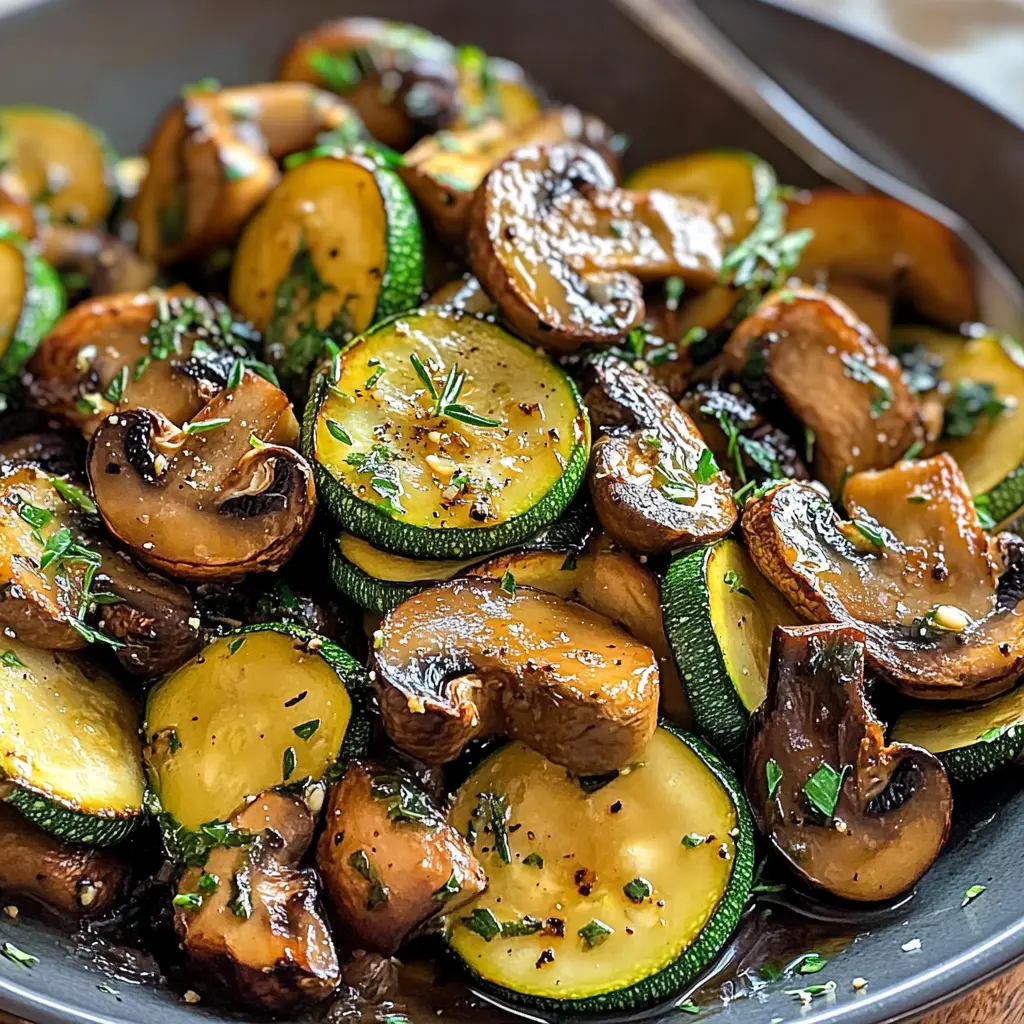
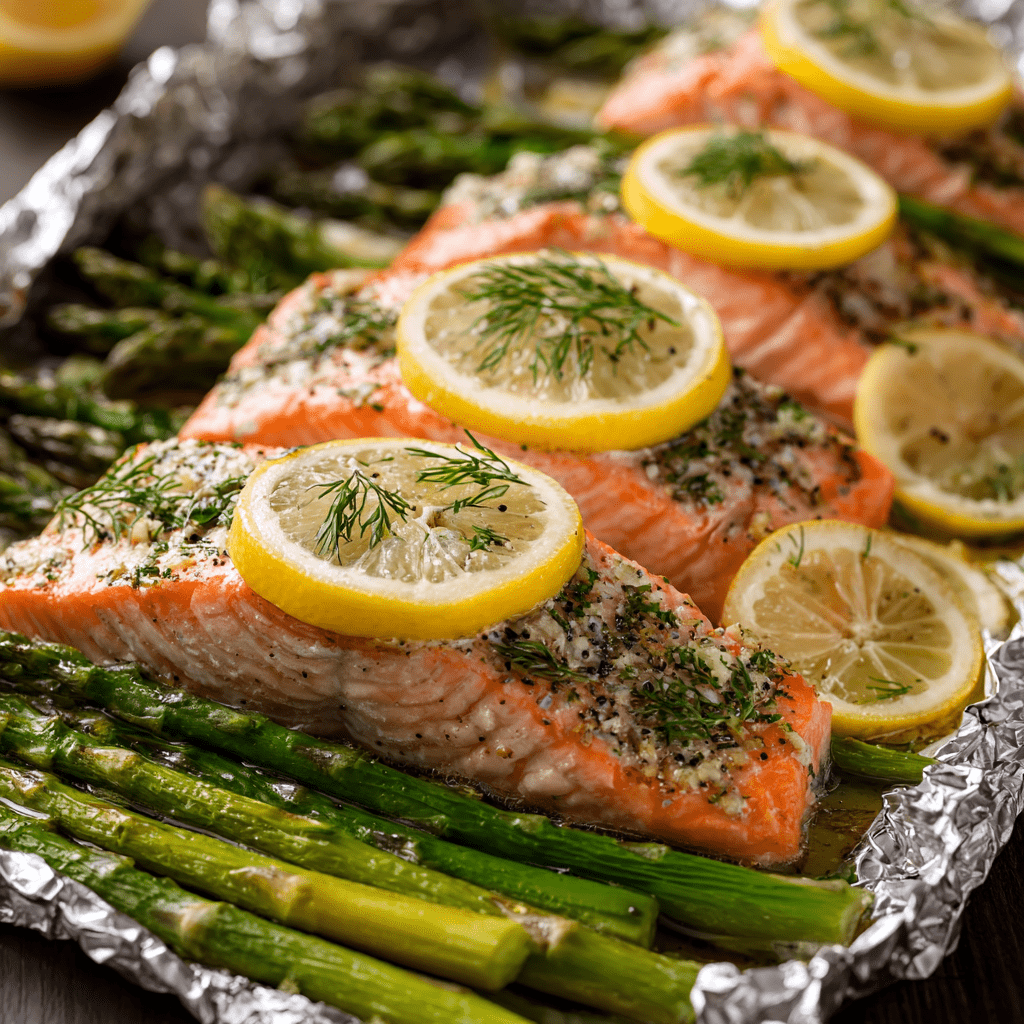
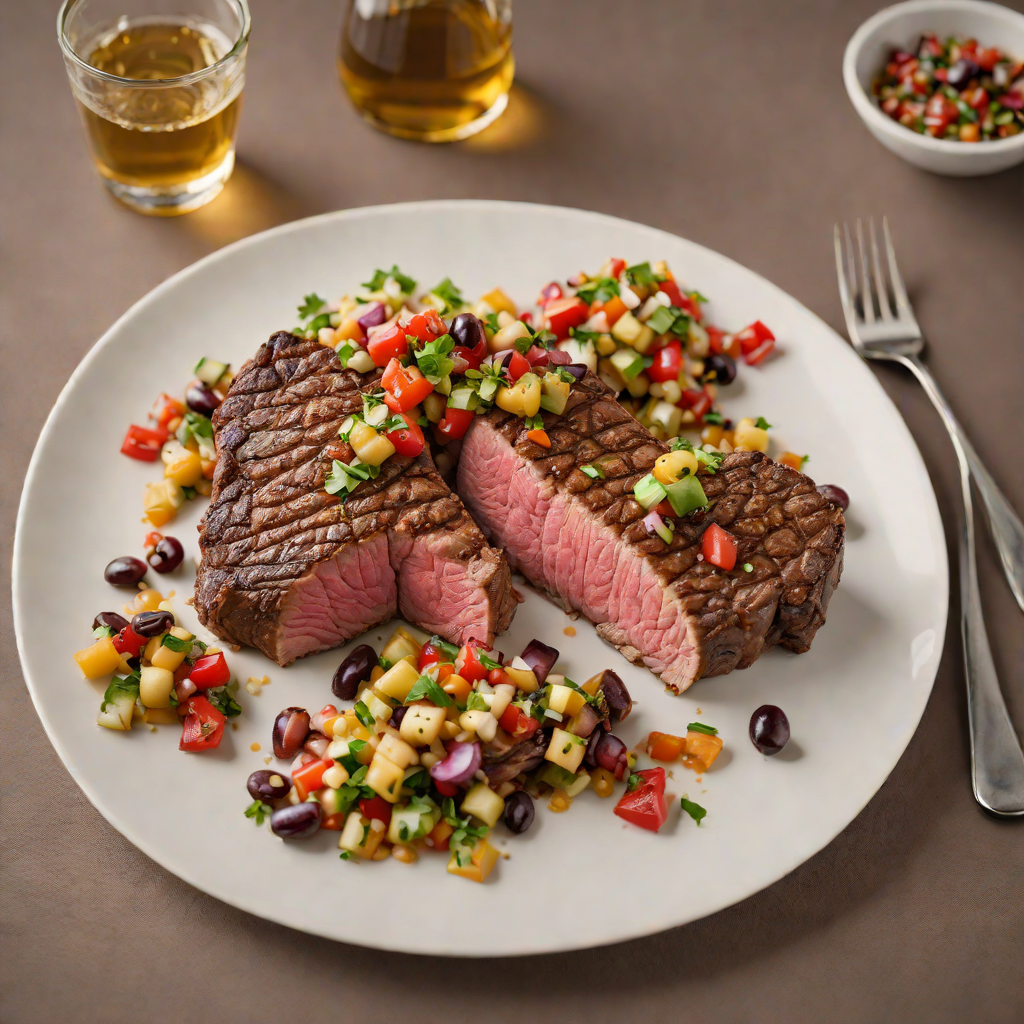
Put your gear to work — save any recipe to My Recipes (no account needed) and send its ingredients to Instacart in one tap.
Shop cookware on AislePrompt →Browse the full kitchen shop →
One pan, one shopping list, one tap.
Ask our AI for one-pan weeknight dinners — it totals the ingredients and sends the cart to Instacart.
Get one-pan dinners →