Best Cutting Board Oil and Board Cream in 2026: Food-Grade Mineral Oil and Wax for Wood Boards
Affiliate link: we may earn a commission on qualifying Amazon purchases. Policy
Buy on AmazonFood-grade mineral oil soaks the wood and a wax cream seals it: five picks, from an under-$15 bottle to a gift-ready care kit.
Where to buy these picks
Affiliate links: we may earn a commission on qualifying Amazon purchases. Policy. Prices show only when checked in the last 24 hours.
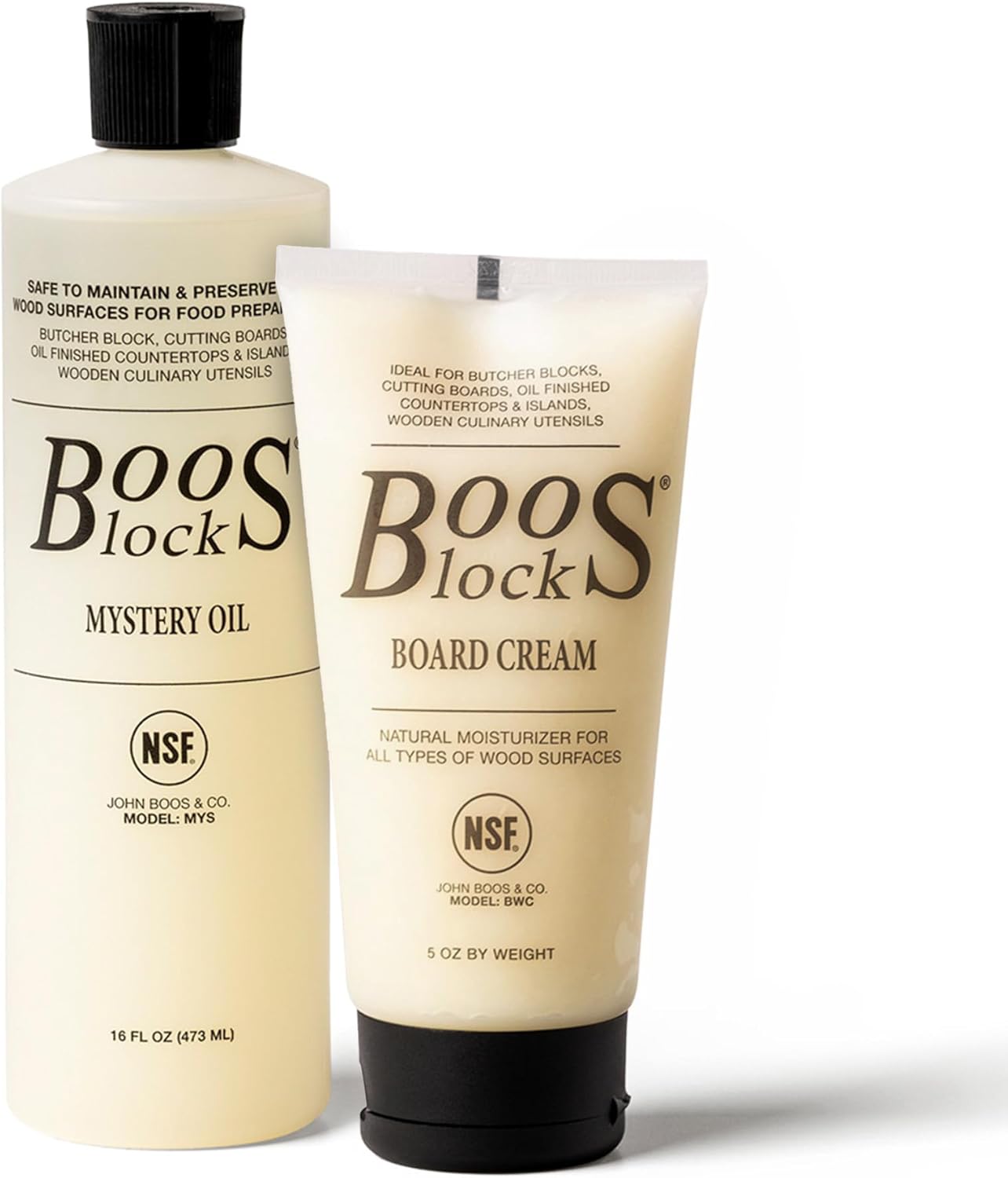
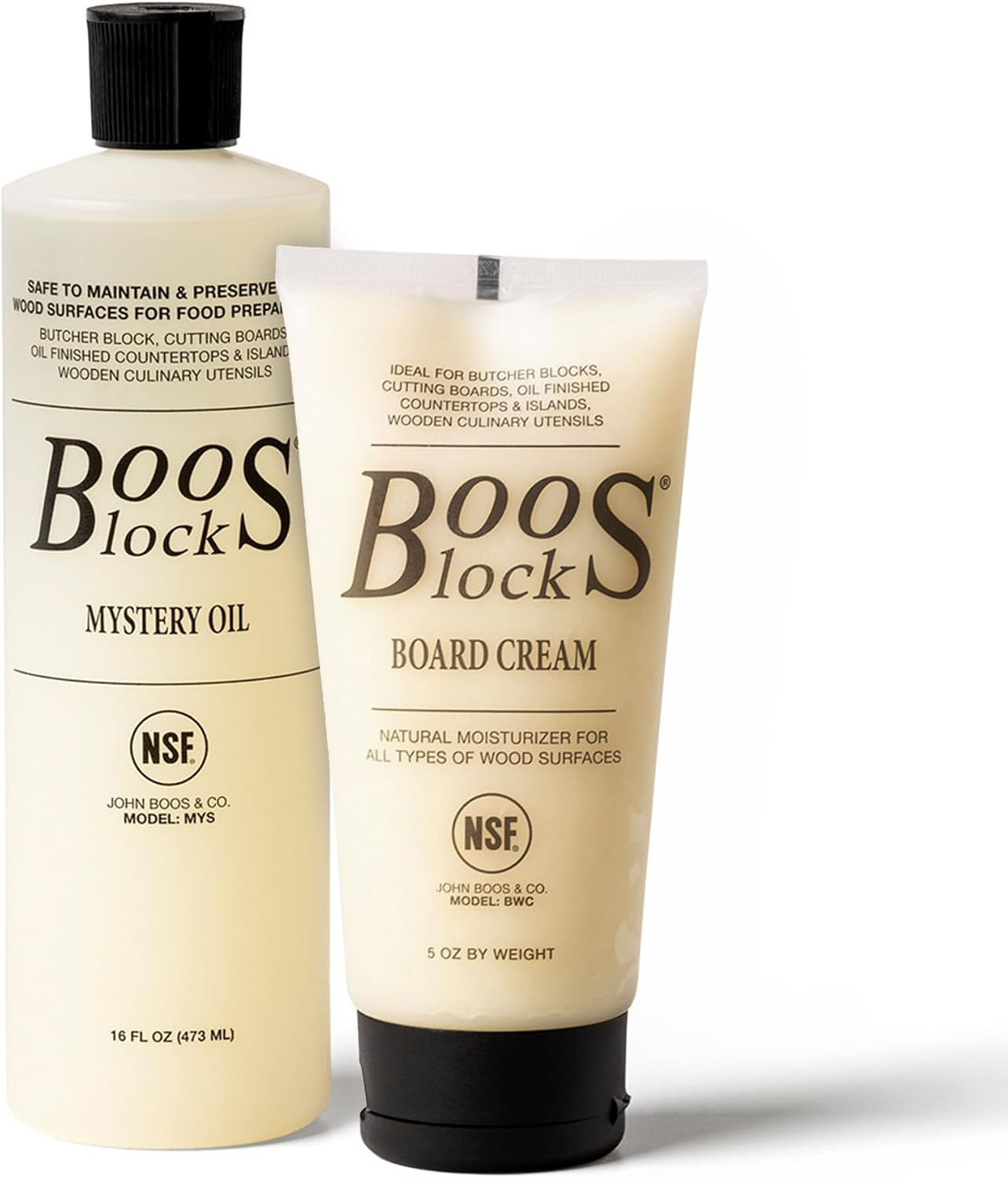
- Best Overall: John Boos Mystery Oil + Board Cream set $25.95 at Amazon, *Check price on Amazon →
- Best Value: Howard Products Food Grade Mineral Oil (12 oz) $10.97 at Amazon, *Check price on Amazon →
- Best for Beginners: CLARK'S Mineral Oil + Carnauba Wax set $22.99 at Amazon, *Check price on Amazon →
- Best Premium: Walrus Oil Cutting Board Oil + Wood Wax $9.97 at Amazon, *Check price on Amazon →
- Budget Pick: Pure Original Ingredients Mineral Oil (4 fl oz) $8.99 at Amazon, *Check price on Amazon →
The best oil for a wood cutting board is food-grade (USP) white mineral oil, followed by a board cream made of mineral oil plus beeswax or carnauba wax. The oil soaks in and rehydrates the wood; the cream seals the surface. Our Best Overall is the John Boos Mystery Oil and Board Cream set (Check price) in the $20–$40 tier. Best Value is a plain 12 oz bottle of USP mineral oil under $15. The spec that decides it: mineral oil does not go rancid. Olive, vegetable and canola oil can.
Picks at a glance
| Award | Model | Type | Size | Price tier |
|---|---|---|---|---|
| Best Overall | John Boos Mystery Oil + Board Cream set | Kit (oil + cream) | 16 fl oz oil, 5 oz cream | $20–$40 |
| Best Value | Howard Products Food Grade Mineral Oil | Oil | 12 oz | Under $15 |
| Best for Beginners | CLARK'S Mineral Oil + Carnauba Wax set | Kit (oil + wax) | 12 oz oil, 6 oz wax | $20–$40 |
| Best Premium | Walrus Oil Cutting Board Oil + Wood Wax | Blend oil + wax | 8 oz oil, 3 oz wax | $20–$40 (pair) |
| Budget Pick | Pure Original Ingredients Mineral Oil | Oil | 4 fl oz | Under $15 |
Prices move daily, so the tiers above are bands, not quotes. The live price button on each product page shows what Amazon is charging right now.
Our #1 pick in this guide
Prices are shown only when checked in the last 24 hours; otherwise check the current price on Amazon.
The board guide's missing half
If you landed here from our best cutting boards of 2026 guide, this page is its upkeep companion. That guide explains why a wood board needs oil and how often. It does not tell you which bottle to buy. This one does. A $100+ maple butcher block that never gets oiled will dry, cup and crack within a couple of winters; a bottle of oil that costs less than a takeout lunch prevents that.
You can browse the rest of the prep gear in knives and cutting boards and the small tools in kitchen utensils.
Oil, cream or kit: which one you need
Three product types sit on this shelf, and they do different jobs.
Oil is thin. Food-grade mineral oil wicks into the wood fibers and fills them, so water from washing has less room to soak in and the wood does not swing between wet and dry. It is the product for a new board, a board that looks pale and chalky, or a board that just came through a dry winter with the heat on.
Cream (sometimes sold as "board wax" or "butcher block conditioner") is mineral oil thickened with beeswax, carnauba wax or both. It does not penetrate as deeply. Instead it leaves a thin, slightly waxy layer on top that makes water bead instead of soak. John Boos describes its cream as food-grade mineral oil plus unbleached beeswax, applied monthly and left to sit overnight, according to the John Boos care guidance.
A kit gives you both, often with an applicator. For most people with one or two boards, a kit is the simplest way to start: oil first, cream on top.
When to skip the cream. If you oil your board every week or two, dry it upright right after washing, and never leave it sitting in a puddle, oil alone is enough. The wax layer earns its keep on boards that see a lot of wet work (rinsing vegetables, carving juicy roasts) or that live next to the sink.
Our top 5 picks
How these were chosen is covered in "How we picked" below. In short: listings available in our catalog, the makers' own ingredient and food-safe statements, and public care guidance. No first-hand tests.
Best Overall: John Boos Mystery Oil + Board Cream set
The John Boos 2-piece care set is the maker of the most-clicked boards on this site selling the oil-then-cream routine as one box. (Check price)
- Volume: 16 fl oz Mystery Oil plus 5 oz Board Cream.
- Ingredients, as the maker words them: "food-grade mineral oil" in the oil; "unbleached beeswax with mineral oil" in the cream.
- Food-safe statement: both bottles carry the NSF mark and are labeled safe to maintain wood surfaces used for food prep.
Pros: both steps from the same maker as your board; 16 oz lasts a long time on one or two boards; the cream comes in a squeeze tube, which is less messy than a tin.
Cons: you pay for the brand; the oil itself is plain mineral oil you can buy for less.
As a gift: pair it with the board below and you have a complete, ready-to-use present.
Best Value: Howard Products Food Grade Mineral Oil (12 oz)
If you want only the oil, Howard's 12 oz cutting board oil is the one to buy. (Check price)
- Volume: 12 oz.
- Ingredients, as the maker words them: "100% Pure USP Food Grade Mineral Oil," stabilized with vitamin E.
- Food-safe statement: Howard says it is tasteless, odorless, colorless, "will never go rancid," and made with "no contact with nuts, gluten or other potentially allergenic materials."
Pros: USP grade named on the label; low cost per ounce; the allergen statement matters if anyone in your house has a nut allergy.
Cons: oil only, so you will want a wax or cream later if the board lives near the sink.
Best for Beginners: CLARK'S Mineral Oil + Carnauba Wax set
The CLARK'S oil and wax set is a two-step kit with clear instructions: oil, then wax. (Check price)
- Volume: 12 oz oil, 6 oz wax.
- Ingredients, as the maker words them: food-grade mineral oil; a wax with beeswax and carnauba; lavender and rosemary extract for scent.
- Food-safe statement: sold as "food safe" and "100% natural" by the maker.
Pros: the most generous wax portion of any kit here; CLARK'S sells a round, maple-handled oil and wax applicator (Check price) that fits inside the wax tin, which takes the guesswork out of an even coat.
Cons: scented, which some cooks do not want near food; the applicator is a separate purchase.
As a gift: the kit plus the applicator is a tidy stocking stuffer for anyone who already owns a nice board.
Best Premium: Walrus Oil Cutting Board Oil + Wood Wax
Walrus Oil's cutting board oil (Check price) is a blend rather than plain mineral oil, and its Wood Wax (Check price) is the matching topcoat. Woodworkers who make boards often finish with it.
- Volume: 8 oz oil; 3 oz wax.
- Ingredients, as the maker words them: "Beeswax, Fractionated Coconut Oil, Pure Mineral Oil, and Vitamin E."
- Food-safe statement: "FDA Compliant and safe for food-contact surfaces."
Pros: a little wax already in the oil, so a single coat gives some water resistance; the fractionated coconut oil stays liquid and is processed to resist going rancid; small, giftable packaging.
Cons: the highest cost per ounce here; contains coconut-derived oil, so check with the recipient if tree-nut or coconut sensitivities are a concern.
As a gift: the oil and wax together land in the $20–$40 tier and look more like a craft product than a hardware-store bottle.
Budget Pick: Pure Original Ingredients Mineral Oil (4 fl oz)
If you own one small board, this 4 fl oz bottle is the smallest sensible purchase. (Check price)
- Volume: 4 fl oz.
- Ingredients, as the maker words them: "made from a single ingredient"; "never any additives or fillers."
- Food-safe statement: the maker lists cutting boards, butcher blocks and wood utensils as intended uses. The listing does not print the words "USP" or "food grade," so read the bottle's label when it arrives.
Pros: cheapest way in; no scent; small enough to finish before it gets lost at the back of a cabinet.
Cons: 4 oz will not go far on a large end-grain block; the per-ounce cost is higher than Howard's 12 oz.
Honorable mentions. If you already own oil, the John Boos Board Cream on its own (Check price) is the simplest add-on. If you want a kit built on coconut oil instead of mineral oil, the CLARK'S coconut oil care kit (Check price) pairs refined coconut oil with beeswax and carnauba.
Shop more prep gear: Shop on AislePrompt →
How to oil a cutting board, step by step
The routine is the same whichever product you buy.
1. Clean it. Wash with hot, soapy water, rinse, and wipe dry. USDA's food-safety agency recommends washing boards with hot soapy water after each use, and its cutting board guidance from USDA FSIS also covers sanitizing with a dilute solution of unscented liquid chlorine bleach (one tablespoon per gallon of water).
2. Let it dry completely. Oil will not soak into wet wood. Stand the board on its edge so air reaches both faces. Overnight is the safe choice.
3. Apply a generous coat. Pour oil directly onto the board and spread it with a clean cloth, paper towel or applicator. Do not be stingy on a new or very dry board; it will drink a lot.
4. Do the end grain and the underside. This is the step most people skip. The end grain (the short edges, or the whole face on an end-grain block) is where wood absorbs and loses water fastest. If you oil only the top, the two faces dry at different rates and the board can cup or warp.
5. Let it soak, then wipe off the excess. Follow the maker's directions for soak time. John Boos, for instance, tells owners to let its cream penetrate overnight. Then wipe away anything still sitting on the surface, so the board is not sticky.
6. Add cream or wax (optional). Rub a thin layer over every face, let it sit, and buff off what remains.
How often? A practical rule from the makers: whenever the board looks pale or dry, or when water stops beading. New boards need several coats in their first weeks.
Worked example: a new maple board
Say you just unboxed the John Boos CB maple board (Check price). At 20 x 15 x 1.5 inches, that is a lot of surface. Oil all six faces, let it soak, wipe, and repeat over the next few days until the wood stops looking thirsty. Then add cream. A 16 oz bottle handles that comfortably; a 4 oz bottle will run low.
Worked example: a board that smells like garlic
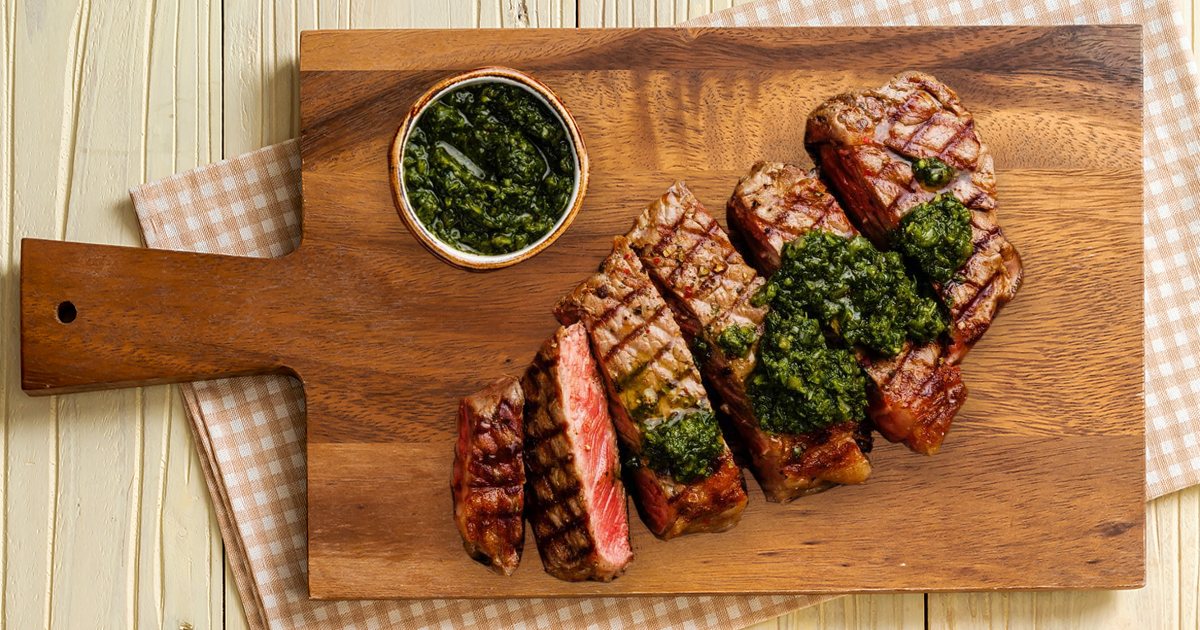
You chopped herbs and garlic for grilled sirloin with chimichurri and lemon zest, and the board still smells of it. Oil will not fix odor. Wash, scrub with coarse salt and half a lemon, rinse, dry fully, and then oil. Oiling over a dirty or damp board seals the smell in.
Worked example: the holiday carving board
Carving a slow-roasted Mediterranean lamb with herb gremolata puts hot juice and fat on the board for a long time. FSIS advises keeping separate boards for raw meat and for ready-to-eat food. After carving, wash, dry upright and give the board a fresh coat of oil, plus cream if it lives near the sink. A juice groove like the one on the Boos CB series keeps most of the liquid off the counter.
Which oils to avoid, and why
Cooking oils (olive, vegetable, canola, sunflower). These are fats that oxidize over time. Inside the wood, that can mean a sticky feel and a stale, rancid smell that does not wash out. That is why board makers build on mineral oil.
Walnut and other nut oils. Some woodworkers like them because certain nut oils cure to a harder film. The catch for a kitchen board is allergy: if anyone who eats from that board has a tree-nut allergy, it is a question you do not need to answer. Mineral oil avoids it. Howard explicitly states its oil has no contact with nuts during production.
Hardware-store mineral oil not labeled for food. Mineral oil sold as a machine lubricant may not meet the same purity spec. Buy a bottle that says food grade or USP. Federal regulation sets a purity standard for white mineral oil permitted as a food additive in 21 CFR 172.878 on eCFR, and USP-grade oil is made to that class.
Varnish, polyurethane or "Danish oil" finishes. These build a film that knives cut through and that can chip into food. They belong on furniture, not on a surface you cut on.
A word on claims: you will see "antibacterial" and "non-toxic" on some labels. None of the picks above needs those words to do their job, and we do not repeat them. The makers' food-safe statements are quoted as the makers wrote them.
Maple vs walnut vs bamboo: does the wood change what you buy?
Short answer: no. The same food-grade mineral oil and wax work on all three. What changes is how often you reach for the bottle.
| Wood | Janka hardness | What it means for care |
|---|---|---|
| Hard maple | ~1,450 lbf | Closed, tight grain; resists stains and knife marks; the classic butcher-block wood |
| Black walnut | ~1,010 lbf | Softer and more porous; shows knife marks; dark color hides stains |
| Bamboo | Varies by product | A grass laminated with glue; takes the same oil, but the surface is denser and absorbs less |
Hardness figures from the Wood Database entry for hard maple and the Wood Database entry for black walnut.
Hard maple is the default for a reason: hard enough to stand up to a chef's knife, soft enough not to dull it, and closed-grained, so it soaks up less liquid than open-grained woods. The John Boos CB maple board is the board most of these products are made to maintain.
Walnut is softer and drinks more oil, especially in the first months. Plan on oiling the John Boos R-Board walnut board (Check price) more often than a maple one.
Bamboo boards need less oil, but they do still need it, especially along the glue lines at the edges. CLARK'S explicitly markets its kit for bamboo boards.
Gift pairing for the holidays
The holiday-gifting window runs from Tuesday, December 1 to Sunday, December 20, 2026. A wood board plus a care kit is a complete gift: the board, and everything needed to keep it from cracking in its first dry winter.
- The full set: a John Boos maple board with the Boos oil and cream set.
- The stocking stuffer: the CLARK'S oil and wax set with its round applicator.
- The maker's gift: the Walrus Oil oil and wax pair for someone who builds or refinishes boards.
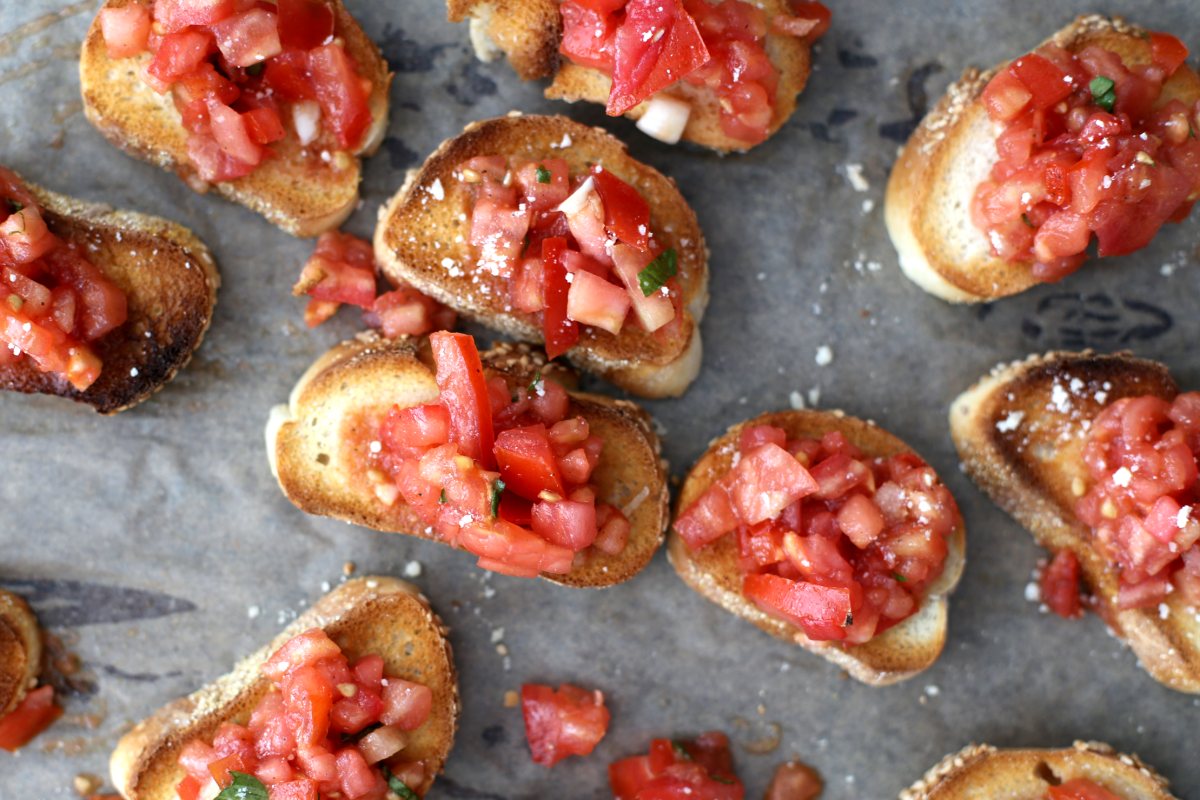
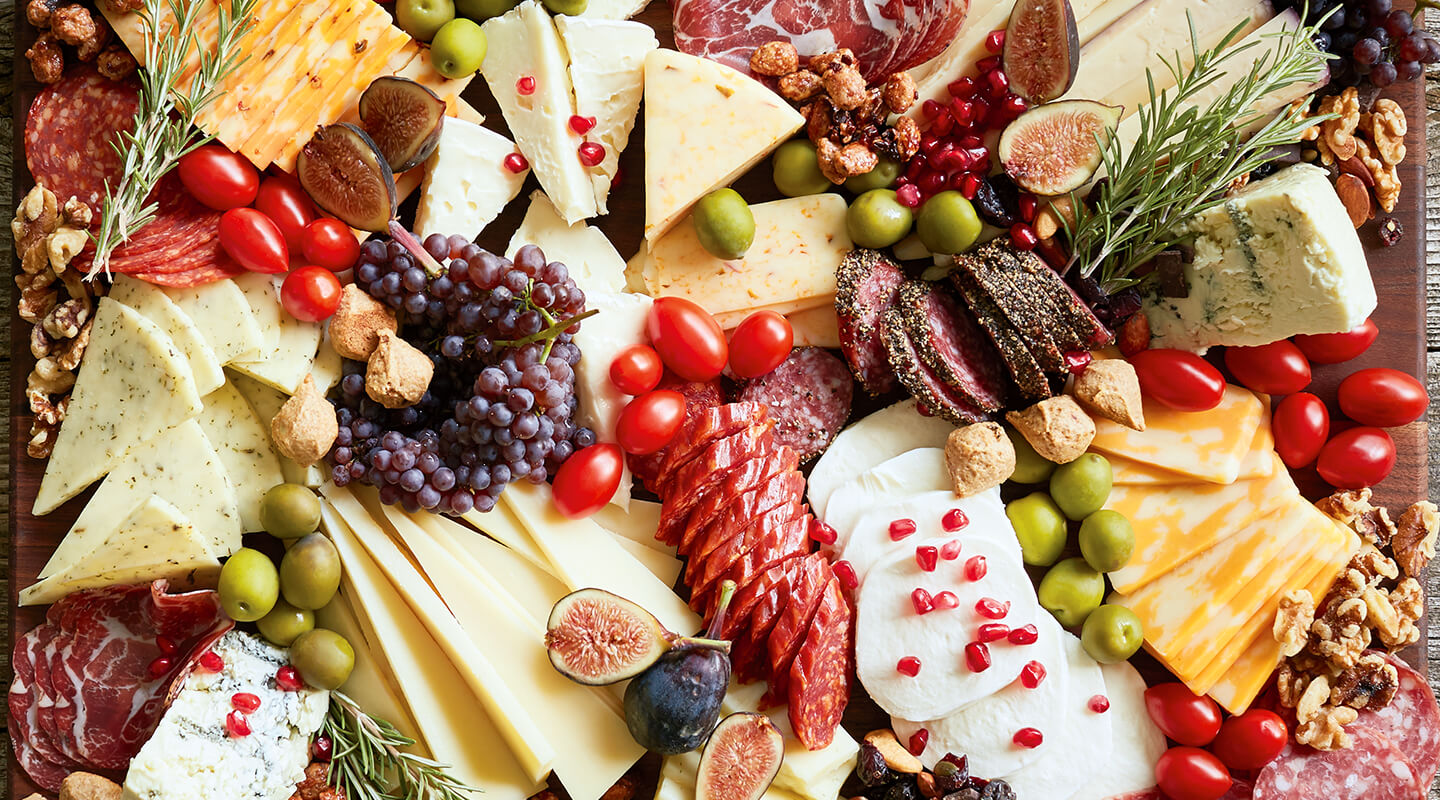
Put a recipe card in the box. A Wisconsin cheese board with seasonal produce or a plate of tomato and basil bruschetta gives the new board its first job at a holiday party.
Shipping: check the delivery estimate on the listing before you pay. If it lands after Sunday, December 20, 2026, pick another seller or plan to hand over the gift late.
For more ideas, see our gifts for bakers and the best kitchen gifts under $50.
What to look for
- "Food grade" or "USP" on the label. That is the single most important line. If a bottle does not say either, skip it.
- The ingredient list. Plain mineral oil, or mineral oil plus beeswax or carnauba, is the standard. Coconut-based oils exist; make sure they are fractionated or refined, so they stay liquid and resist going rancid.
- Wax type. Beeswax is the most common. Carnauba is plant-based and harder; pick carnauba if your kitchen avoids animal products, and read the full label, because many "carnauba" blends also contain beeswax (CLARK'S does).
- Bottle size against board size. A small paddle board needs 4 oz. A large end-grain block or a butcher-block countertop wants 16 oz or more.
- Applicator included or not. Paper towels work. A dedicated applicator wastes less wax and gives a more even coat.
- Price per ounce tier. Plain mineral oil is cheapest per ounce; branded kits and blends cost more for convenience and packaging.
Common pitfalls
1. Oiling a damp board. The oil sits on top, the water stays trapped, and the board can still crack.
2. Skipping the underside. Uneven moisture is the most common cause of a cupped board.
3. Using the dishwasher. Heat and long soaking wreck wood boards and the glue joints in bamboo and end-grain blocks, no matter how well oiled.
4. Too much cream, not buffed. A thick wax layer turns gummy and collects crumbs. Thin coat, then buff.
5. Treating oil as a sanitizer. It is not. Clean first, following FSIS guidance, then oil. Prep for raw meat, like the filling for spiced Mexican-style beef tacos with fresh pico de gallo, belongs on a separate board from the vegetables.
When NOT to buy any of this
- You use plastic or composite boards only. Polyethylene and paper-composite boards do not need oil. Wash them, and replace them when deep grooves form.
- Your board has a film finish. Some decorative serving boards are lacquered. Oil will not penetrate and will just smear.
- You already have a bottle of USP mineral oil. Look in the medicine cabinet. Pharmacy mineral oil labeled USP is the same class of product, so you only need a cream or wax.
How we picked
We started with a shortlist of available board oils, creams and kits from AislePrompt's kitchen catalog, found by title because several sit in odd catalog categories. We kept products whose makers publish an ingredient list and a food-safe statement, and we quote those statements as written. We used the USDA FSIS cutting board guidance for cleaning and cross-contamination advice, the eCFR text of 21 CFR 172.878 for the mineral-oil purity standard, the Wood Database for wood hardness, and John Boos' published care directions for the oil-then-cream routine. We did not run first-hand tests, and we do not quote star ratings or point prices; the live price on each product page is the current one.
Sources
- 21 CFR 172.878, White mineral oil (eCFR), accessed 2026-11-24.
- USDA FSIS, Cutting Boards and Food Safety, accessed 2026-11-24.
- The Wood Database, Hard Maple, accessed 2026-11-24.
- The Wood Database, Black Walnut, accessed 2026-11-24.
- John Boos & Co., accessed 2026-11-24.
Last verified 2026-11-24.
Frequently asked questions
Can I use olive oil or vegetable oil on a cutting board?
What is the difference between cutting board oil and board cream?
How do I know when my cutting board needs oiling?
Is food-grade mineral oil safe on a surface I cut food on?
Is a cutting board care kit a good gift?
Recipes to try with a good cutting board
Put your gear to work — save any recipe to My Recipes (no account needed) and send its ingredients to Instacart in one tap.

Shop knives & cutting on AislePrompt →Browse the full kitchen shop →